


Energy drinks for women are having a moment in 2026, especially among health conscious shoppers who want more energy without the side effects that often come with conventional formulas. Recent consumer data points to a real shift: 44% of high-income women under 34 say they are drinking more energy drinks than last year, and 42% of women aged 18–44 report increasing consumption as they explore new brands. With that growth comes a reasonable question: what should a clean energy drink actually contain, and what ingredients are worth skipping?
This guide is designed for women aged 25–45 who read labels, notice how ingredients affect their mood and digestion, and want transparency. You will learn how to evaluate caffeine sources, sweeteners, acids, flavors, and “proprietary blends” so you can choose a better-fit option for your day, whether you want a gentle lift for work, a pre-workout-style push, or something in between.
What “clean” means in energy drinks (and what it should mean)
“Clean” is not a regulated nutrition term. In practice, clean energy drinks tend to share a few traits: short ingredient lists, recognizable inputs, clearly disclosed caffeine amounts, and fewer additives that commonly trigger jitters or stomach upset.
For many women, clean also means:
- Transparent labeling: exact caffeine per serving, no vague “energy matrix” that hides totals.
- Sweetener clarity: no surprise sugar alcohols or high-intensity sweeteners that can feel harsh on the gut.
- Balanced stimulation: enough lift to feel awake, not so much that it spikes anxiety or makes sleep harder.
- Real flavoring choices: a formula that does not lean heavily on artificial flavors, colors, or aftertaste-masking additives.
How to choose the right caffeine level for your goals 🧠
Caffeine is the main driver of “energy” in most energy drinks. The best caffeine amount is not universal, it depends on your sensitivity, your baseline intake (coffee, tea, pre-workout), and what you are doing after you drink it.
Look for a clearly stated caffeine number (not just a “blend”)
Label transparency matters because you cannot manage what you cannot measure. If the can lists “proprietary blend” without stating total caffeine, it becomes difficult to choose a drink that fits your tolerance, especially if you are prone to feeling wired or edgy.
Prefer:
- “Caffeine: X mg per can” (or per serving) stated plainly
- Serving size that matches what people actually drink (one can, not half a can)
Be cautious with:
- Energy blends that list caffeine-containing botanicals but do not clearly state total caffeine
- “Extreme energy” positioning that often correlates with higher stimulation
Match caffeine type to how you want the energy to feel
Women who are exploring natural energy drinks often describe wanting a steady, functional lift rather than a “rush.” While the body responds to caffeine similarly regardless of source, the overall feel of a drink is influenced by the full formula: acids, carbonation, sweeteners, and additional stimulants.
- Natural caffeine sources (often from tea, coffee, or botanicals) appeal to shoppers who prefer a food-based positioning and straightforward sourcing.
- Synthetic caffeine is common, effective, and not automatically “bad,” but it often shows up in more aggressively formulated products that stack multiple stimulants.
If you are caffeine-sensitive, a simpler formula with a moderate caffeine amount is commonly easier to live with day to day than a high-stim, heavily stacked can.
Sweeteners: what to look for, what to avoid, and why it matters
Sweeteners shape more than taste. They can affect how your stomach feels, whether the drink leaves an aftertaste, and whether you end up craving more sweetness later. For many health conscious women, sweeteners are also where “clean” breaks down fast.
What to look for in a more label-transparent sweetener strategy
There are a few common “cleaner” directions brands take:
- Lightly sweetened with a small amount of sugar, honey, or juice components (often fewer ingredients, but not always low-calorie).
- Unsweetened or minimally sweet with flavor-forward ingredients (more niche, but can be a good fit if you dislike aftertaste).
- Sweetened with plant-derived high-intensity sweeteners (like stevia or monk fruit), which can reduce sugar but may still leave a noticeable finish.
What matters most is whether the brand is transparent and whether the sweetener choice agrees with your digestion and taste preferences.
What to avoid (common pain points for women)
Many women report that certain sweeteners feel “off” in the gut, especially with daily use. If you are choosing energy drinks for women with digestion in mind, these are the labels that deserve extra scrutiny:
- Sucralose: widely used, very sweet, and often chosen to keep calories low. Some shoppers avoid it due to personal gut comfort or a preference to limit artificial sweeteners.
- Sugar alcohols (often listed as erythritol, sorbitol, maltitol, xylitol): these can cause bloating or GI upset for some people, especially at higher amounts or when combined with carbonation.
- “Natural flavors” doing heavy lifting: not inherently unsafe, but when flavors are the main story and the ingredient list is long, it is harder to know what is driving the taste and how your body will respond.
If you are actively avoiding sucralose and gut health concerns are part of your decision, a simple screening step is to check the sweeteners first. In many formulas, that single line tells you whether the drink will be a fit.
Stimulant stacking: why some “energy” feels too intense
Not all energy drinks are just caffeine. Many include additional stimulants or stimulant-adjacent ingredients to amplify perceived intensity. For women who are balancing focus, mood, and calm, these stacks can be the difference between “productive” and “too much.”
Ingredients that can raise the intensity
These ingredients are common in the category. They are not automatically “bad,” but they can make the experience feel sharper or more urgent, particularly if you are prone to anxiety or already had coffee that day.
- Guarana (a caffeine source that can add to total caffeine)
- Yohimbe / yohimbine (more common in fat-burner style products, often too stimulating for many shoppers)
- Synephrine (sometimes included in “thermogenic” formulas)
- High-dose B vitamins (not a stimulant, but can be paired with stimulants and marketed as “energy”)
If you are looking for an energy drink that does not spike anxiety, the simplest approach is to choose products with fewer stimulant add-ons, a clearly stated caffeine amount, and a taste profile that does not rely on harsh sweeteners.
Acids, carbonation, and “why does this hurt my stomach?”
Digestive comfort is one of the biggest hidden differentiators among energy drinks for women. Even when caffeine and sweeteners look fine, the drink can still feel rough if the acid profile is aggressive or the carbonation is intense.
Common acids you will see on labels
- Citric acid: extremely common, adds tartness and stability.
- Phosphoric acid: common in cola-style drinks, can taste sharper.
- Malic acid: often used for a smoother tart profile.
If you tend to get reflux, a sour stomach, or a “burn” feeling, consider testing:
- Lower-acid flavor profiles (less citrus-forward)
- Non-carbonated options
- Smaller serving sizes rather than a large can all at once
Ingredient transparency: how to read an energy drink label like a pro
Label transparency is the fastest way to screen for quality. You do not need to memorize chemistry, you just need a repeatable checklist you can run in 20 seconds.
A practical 7-point label checklist
- Caffeine disclosed clearly in mg per can (or per serving you will actually drink).
- Sweeteners listed plainly (and aligned with your preferences, especially if you avoid sucralose or sugar alcohols).
- No “proprietary blend” hiding totals for stimulants.
- Reasonable ingredient count: fewer ingredients often means fewer surprises, though not always.
- Coloring approach you are comfortable with (some shoppers avoid artificial colors).
- Acid profile you tolerate (especially if you are sensitive to sour drinks).
- Serving size makes sense (one can is one serving is simplest).
This checklist supports a more intentional approach to energy drinks for women: you are choosing based on how you want to feel, not just flavor and marketing.
What “natural energy drink” claims usually mean (and what they do not)
“Natural” on the front of the can is marketing language unless the ingredient list backs it up. In energy drinks, “natural” commonly refers to one or more of the following:
- Natural caffeine sourced from tea, coffee, or botanicals
- Real-food ingredients used for flavor or sweetness (for example, honey, fruit components, or plant extracts)
- No artificial sweeteners (though you still need to confirm this on the label)
What “natural” does not automatically guarantee:
- Low caffeine
- No GI triggers
- No aftertaste
- A short ingredient list
If you want a natural energy drink that actually feels clean, prioritize the back label over the front panel.
A cleaner formulation example: what “better” can look like in practice
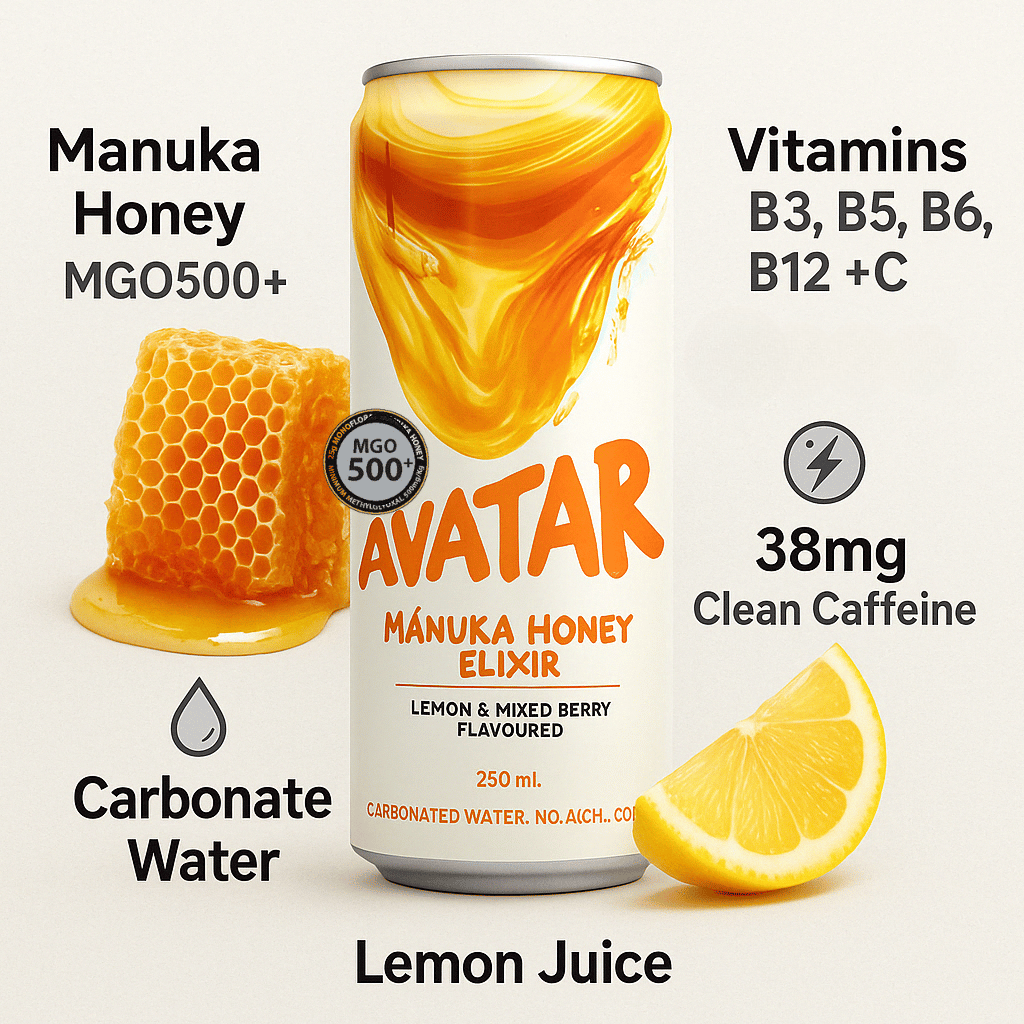
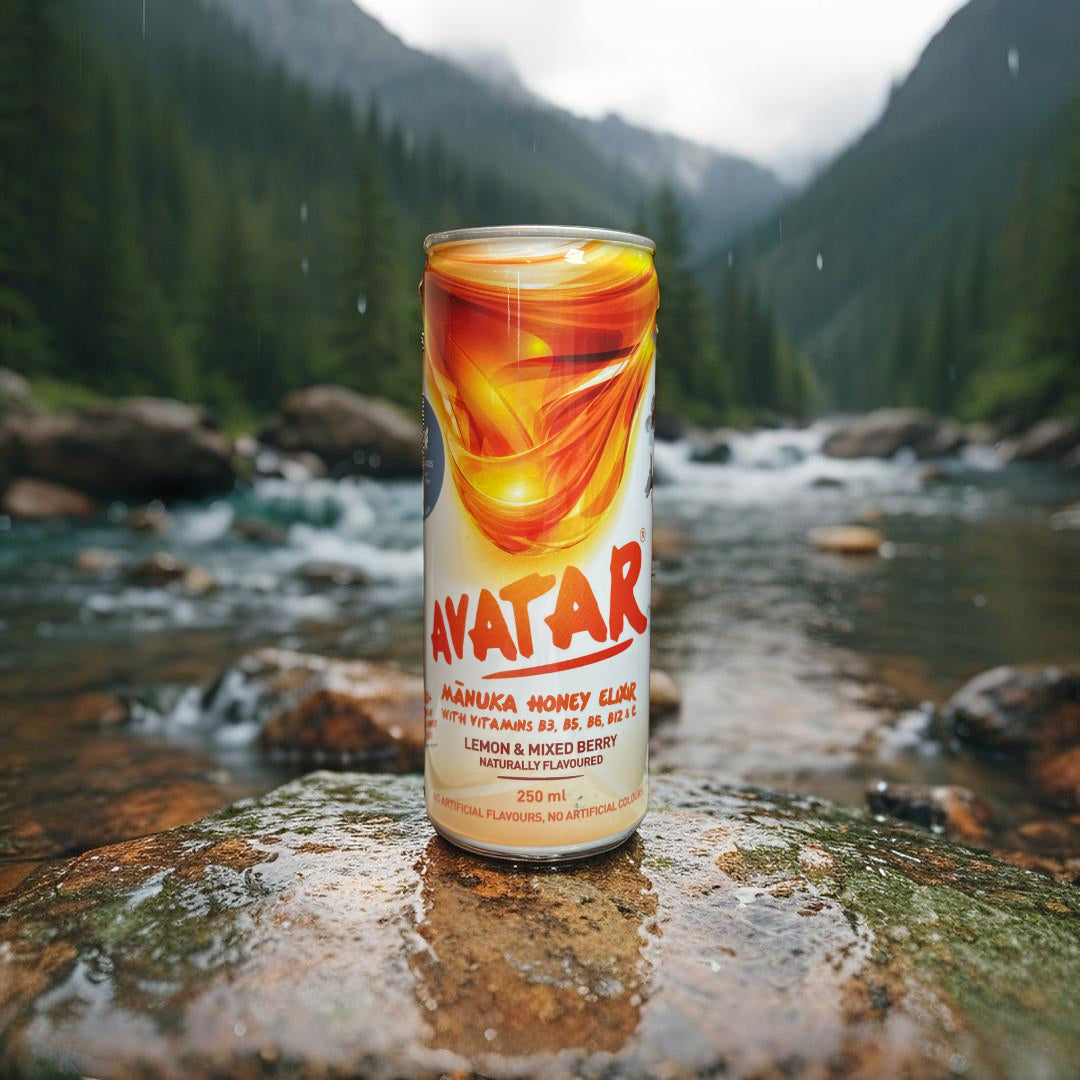
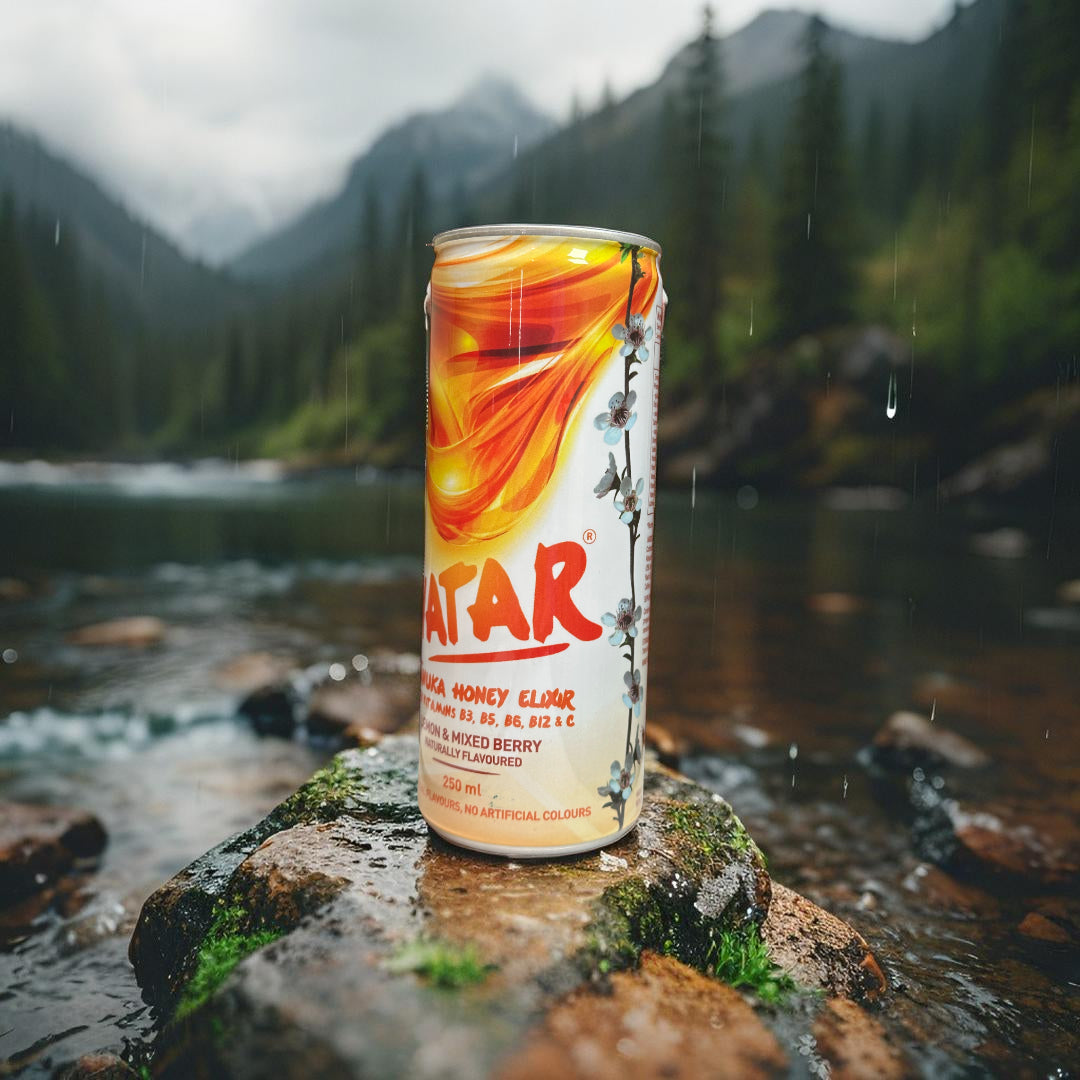
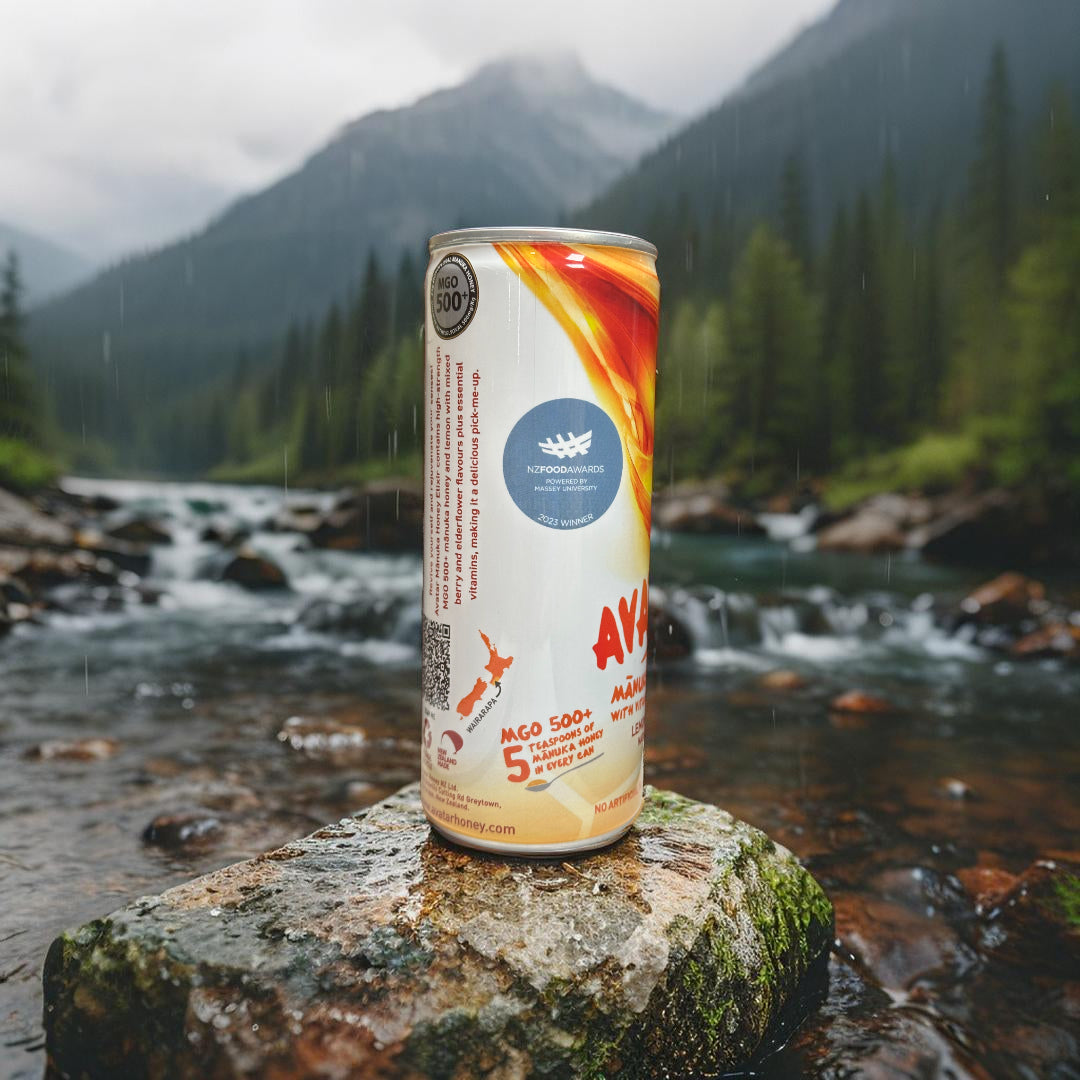
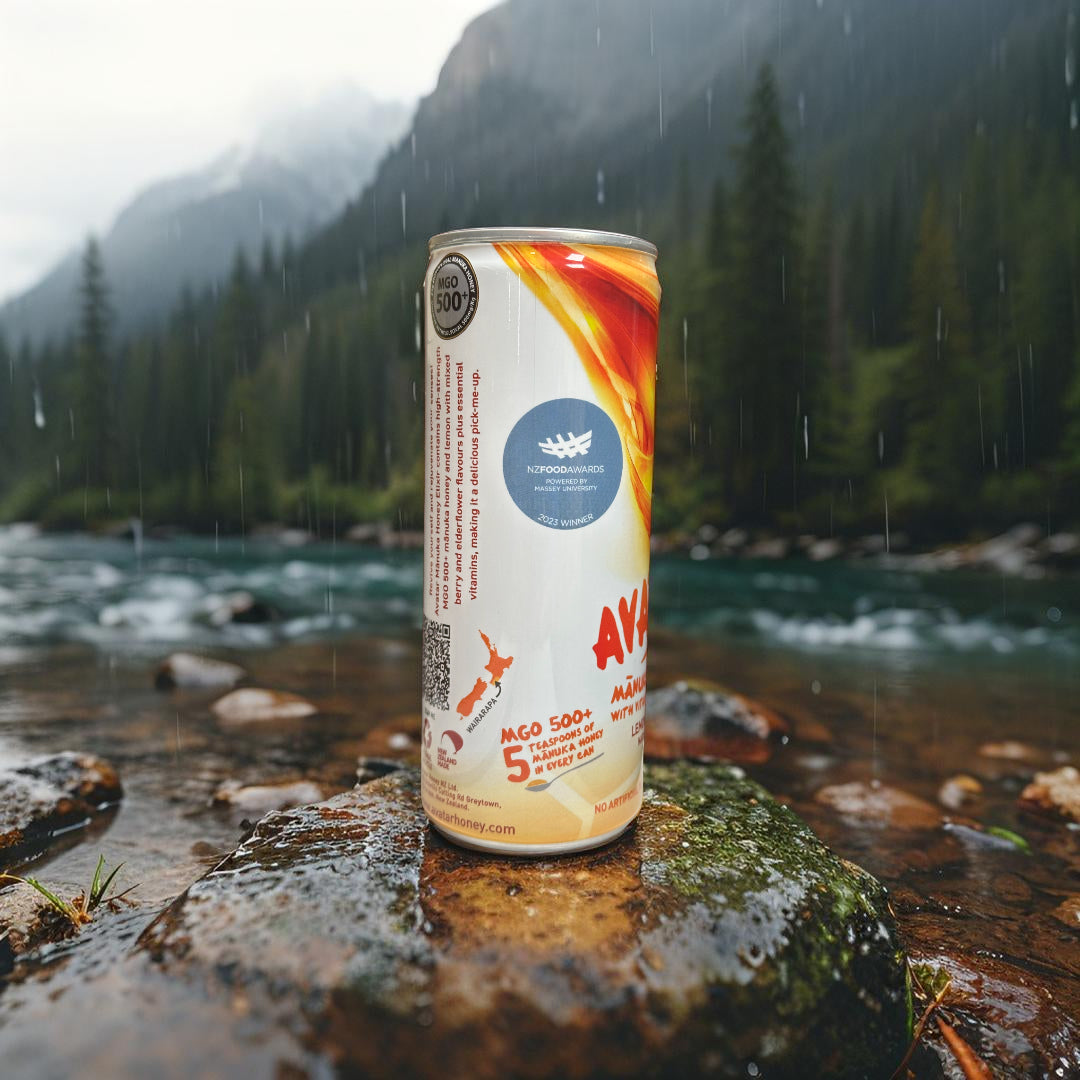
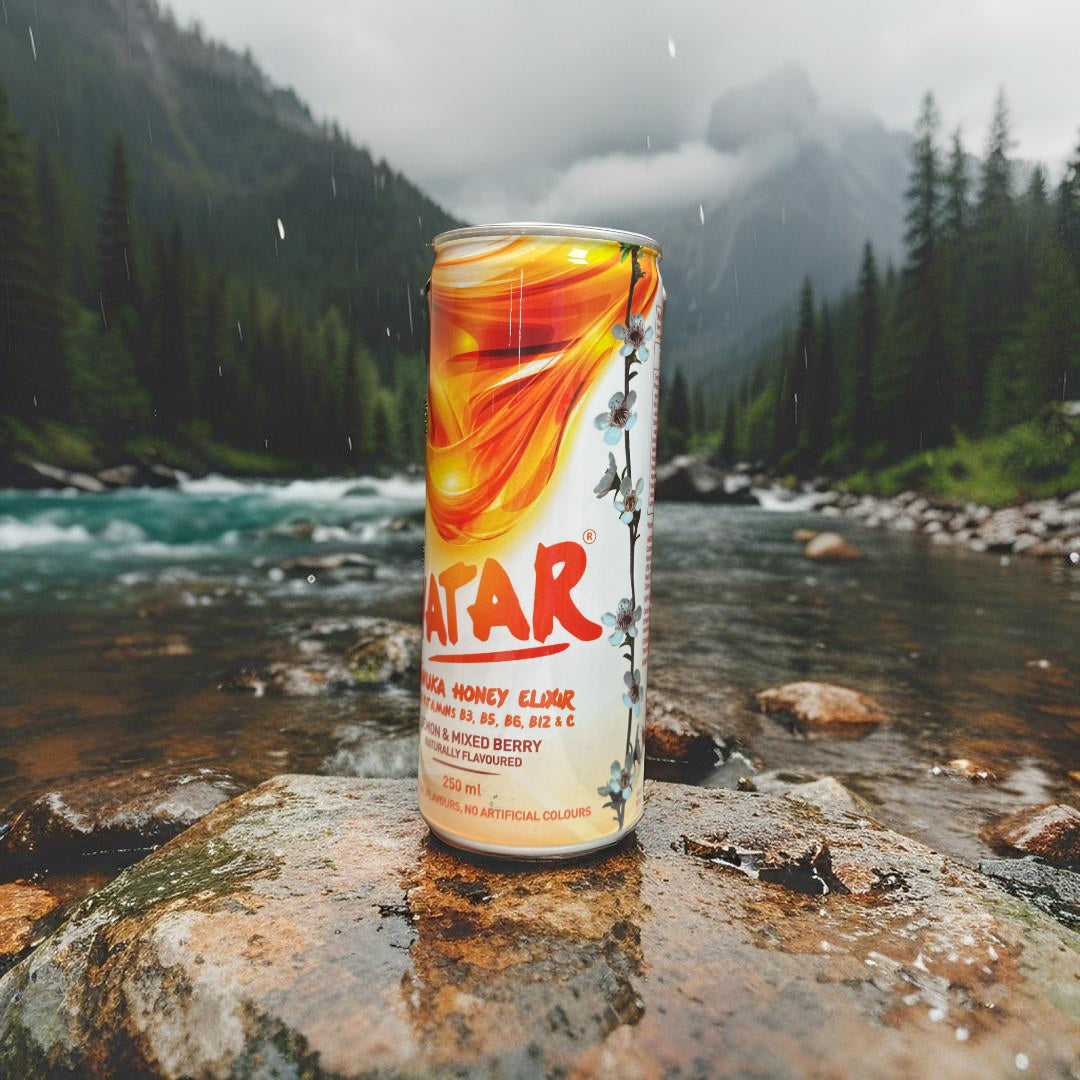
It helps to have a concrete picture of a cleaner option, especially if you are comparing multiple cans in a store cooler. One example in the “clean energy” direction is Avatar Elixir, positioned around a real food ingredient base with natural caffeine, and formulated with no sucralose and no erythritol.
That combination addresses three common priorities women mention when choosing energy drinks:
- Sweetener simplicity (avoiding sucralose and certain sugar alcohols)
- More recognizable inputs (real-food leaning ingredients)
- Predictable stimulation (natural caffeine, with clearer expectations)
Use this as a template for comparison. You are not just choosing a brand, you are choosing a formulation strategy that aligns with your body and your day.
How to choose the right energy drink for your routine (without overthinking it)
The best energy drink is the one you can use consistently without side effects you hate. If you are cycling through new brands (as many women are), a simple “test and learn” structure helps you find a fit faster.
Pick your primary goal first
- Calm focus for work: moderate caffeine, minimal stimulant stacking, simpler sweeteners.
- Workout support: slightly higher caffeine may fit, but watch for harsh add-ons if you are sensitive.
- Afternoon slump: consider lower caffeine, lower acidity, and avoid anything that pushes bedtime later.
Change one variable at a time
If you swap brand, caffeine, sweetener type, and serving size all at once, it is hard to know what caused jitters or stomach upset. When trying a new energy drink, keep the rest of your routine stable: similar meal timing, similar coffee intake, similar time of day.
Watch for the “hidden repeaters” that build up
Many negative experiences come from stacking: coffee in the morning, an energy drink at noon, then a “focus” beverage mid-afternoon. If you are noticing increased anxiety or trouble winding down, it is often less about one can and more about total daily stimulation.
Key Takeaways
- Energy drinks for women are easiest to evaluate when the label clearly states caffeine in mg per can and avoids proprietary blends that hide totals.
- If you are sensitive to digestion changes, consider avoiding sucralose and certain sugar alcohols (including erythritol), which some people find harder on the gut.
- “Clean” typically means a shorter, more transparent ingredient list, fewer stimulant add-ons, and sweeteners you personally tolerate, not a guarantee based on front-label claims.
- Acids and carbonation can drive stomach discomfort, so choosing a less acidic flavor profile or non-carbonated option can matter as much as caffeine level.
- A practical comparison example is Avatar Elixir, a cleaner-positioned option with a real-food ingredient base, natural caffeine, and no sucralose or erythritol.
These FAQs help health conscious shoppers evaluate energy drinks for women by focusing on what "clean" actually means, how to read labels, and which ingredients commonly cause unwanted side effects. Use them to choose a formula that fits your caffeine needs, digestion comfort, and preference for transparency.
How do I tell if an energy drink label is truly transparent?
A transparent label clearly tells you what you are getting per serving. Look for an exact caffeine number (in mg) and a full ingredient list that does not hide stimulants inside an "energy blend." If the label uses vague terms like "energy matrix," treat it as a cue to be cautious and look for a more clearly disclosed option.
Why do "proprietary blends" matter in clean energy drinks?
Proprietary blends matter because they can obscure totals and make comparisons difficult. When a brand groups ingredients into a single blend, you cannot easily confirm how much caffeine you are consuming or whether the "lift" comes from multiple stimulants. For energy drinks for women who want predictable energy, full disclosure supports better day-to-day control and fewer surprises.
What ingredients should health conscious shoppers consider skipping first?
Start by scanning for sweeteners and additives that commonly feel "harsh" for you. Many women prioritize avoiding ingredients that can be unpleasant on the gut or contribute to a sharp, edgy energy feel. Common "skip-first" categories include:
- High-intensity sweeteners (for example, sucralose) if you notice digestive or taste sensitivity
- Sugar alcohols (often added for sweetness with fewer calories) if they do not agree with you
- Artificial flavors or colors when you prefer more recognizable inputs
How can I choose the right caffeine level for my goals?
Pick a caffeine amount that matches your use-case and your sensitivity. If you want a gentle lift for work, choose a lower-caffeine option and avoid stacking multiple caffeinated products close together. If you want a stronger push, prioritize drinks that disclose the exact caffeine per serving so you can adjust timing, serving size, and frequency with more control.
What's the best-practice way to compare two "clean" energy drinks?
Compare them by disclosure, sweetener strategy, and how "balanced" the stimulation is for you. A practical checklist is: exact caffeine amount listed, no proprietary blend hiding totals, and a sweetener approach you personally tolerate. When two drinks look similar, the shorter, more recognizable ingredient list is often easier to evaluate.
How do I avoid jitters and sleep disruption while using energy drinks?
Reduce "overstimulation" by managing timing, total caffeine, and ingredient stacking. Many people do better when they avoid combining an energy drink with coffee, pre-workout, or extra caffeinated teas on the same day. If you are sensitive, choose a drink with clearly labeled caffeine and a more balanced stimulation profile (steady energy, not a hard spike), then keep your serving earlier in the day. For a deeper breakdown, see energy crash explained.
Is there a cleaner option for women who want no sucralose?
Yes, some newer brands are formulated without sucralose and focus on recognizable ingredients. For example, Avatar Elixir is positioned as a cleaner option with no sucralose, no erythritol, a real food ingredient base, and natural caffeine. The best move is still to confirm the exact caffeine per serving and the full ingredient list so the formula fits your personal tolerance and goals.