


Quick answer: To find energy drinks without sugar alcohols, check the ingredients list for names such as erythritol, xylitol, sorbitol, maltitol, mannitol, isomalt, lactitol, and hydrogenated starch hydrolysates, not just the nutrition panel. These ingredients are often used to add sweetness in low sugar drinks, while honey, juice, and cane sugar usually appear under simpler, more familiar names.
You pick up a can that says low sugar, clean energy, or better-for-you, then turn it around and find an ingredient list that feels less clear than the front of the label. This guide shows you how to spot sugar alcohols on beverage labels, why some energy drink brands use them, and how that choice compares with honey, juice, or cane sugar for taste, aftertaste, mouthfeel, and label simplicity.
Common sugar alcohol names to look for on drink labels
Sugar alcohols are sweet-tasting ingredients often used to reduce sugar while keeping a drink sweet. They are also called polyols. On beverage labels, they usually appear in the ingredients list rather than as one simple line on the front of the can.
| Label term | What it is usually doing in a beverage | What to notice |
|---|---|---|
| Erythritol | Adds sweetness with little or no sugar contribution | Often used in low sugar or no sugar drinks |
| Xylitol | Adds sweetness and a clean, cool taste | Less common in mainstream energy drinks, but possible |
| Sorbitol | Adds sweetness and body | May appear in flavoured or diet-style beverages |
| Maltitol | Adds sweetness and a fuller texture | More common in confectionery, but worth recognising |
| Mannitol | Adds sweetness in some reduced-sugar products | Less common in drinks, but part of the same ingredient family |
| Isomalt | Adds sweetness and structure in reduced-sugar products | More common in sweets than drinks |
| Lactitol | Adds sweetness in some reduced-sugar products | Not a typical energy drink ingredient, but still a sugar alcohol |
| Hydrogenated starch hydrolysates | Adds sweetness and body | A less obvious term, so it is useful to recognise |
What you need before reading the label
- The front of the can or bottle: for claims such as low sugar, no sugar, zero sugar, or naturally sweetened.
- The nutrition information panel: for total sugars and carbohydrate information.
- The ingredients list: for the actual sweeteners used.
- A clear preference: decide whether you are avoiding sugar alcohols completely or simply comparing sweetener styles.
How to read an energy drink label for sugar alcohols
- Start with the front label claim. Look for words such as low sugar, no sugar, zero sugar, naturally sweetened, or reduced sugar.
- Check the nutrition panel for total sugars. A very low sugar number tells you the drink may be using another sweetening method.
- Move to the ingredients list. The ingredients list shows what is actually used to create sweetness and flavour.
- Scan for names ending in “ol”. Look for terms such as erythritol, xylitol, sorbitol, maltitol, mannitol, isomalt, and lactitol.
- Look for less obvious polyol wording. Check for hydrogenated starch hydrolysates or the word polyols if the label includes extra sweetener details.
- Separate sugar alcohols from high-intensity sweeteners. Ingredients such as stevia, sucralose, monk fruit extract, and aspartame are not sugar alcohols, even though they may also appear in low sugar drinks.
- Check where the sweetener appears in the ingredients list. Ingredients are generally listed by quantity, so earlier placement usually means a larger role in the recipe.
- Compare the sweetener with the flavour promise. If the drink promises honey, juice, citrus, or botanicals, check whether those ingredients are actually present and how they sit alongside other sweeteners.
You are done when you can identify whether the drink uses sugar alcohols, another low sugar sweetener, or a more familiar sweetening ingredient such as honey, juice, or cane sugar.
Why sugar alcohols appear in low sugar energy drinks
Brands use sugar alcohols because they can make a drink taste sweet while keeping the sugar number low. That can help a beverage fit a low sugar or no sugar positioning without relying only on high-intensity sweeteners.
In energy drinks, sweetness has a practical job. It balances acidity, softens bitterness from caffeine or functional ingredients, and helps flavours such as citrus, berry, tropical fruit, or botanicals feel more rounded. When sugar is reduced, brands often need another way to bring back sweetness and body.
Sugar alcohols can be part of that solution. They are not automatically good or bad, but they do make the label feel more technical. If your goal is to choose energy drinks without sugar alcohols, the ingredients list is the most reliable place to check.
How sugar alcohols compare with honey, juice, and cane sugar
The main difference is not just sweetness. It is also flavour, texture, aftertaste, and how simple the label feels to read. A low sugar drink can be a smart choice for some people, but a naturally sweetened drink may feel more straightforward if you prefer recognisable ingredients.
Taste
Sugar alcohols tend to give a clean sweetness, sometimes with a slightly cool edge depending on the ingredient and recipe. They are often used when the brand wants sweetness without much sugar on the nutrition panel.
Honey, juice, and cane sugar taste more familiar. Honey can bring floral, rounded notes. Juice can add fruit character and acidity. Cane sugar gives a direct sweetness that many people recognise straight away.
Aftertaste
Sugar alcohols can sometimes leave a different finish from traditional sugars, especially when used alongside other sweeteners. The aftertaste depends on the full recipe, not just one ingredient.
Honey, juice, and cane sugar usually finish closer to their source flavour. A honey drink may leave a soft floral sweetness. A juice-sweetened drink may finish fruity or tart. A cane sugar drink may finish clean and simple, although it can also feel heavier if used generously.
Mouthfeel
Sugar alcohols can help build body in reduced-sugar drinks, which matters because sweetness affects how full or thin a beverage feels. Carbonation, acidity, and flavour oils also shape mouthfeel.
Honey and juice can add a natural sense of roundness. Cane sugar can make a drink feel fuller and more classic, especially in soft drinks and mixers. In lightly carbonated drinks, a little natural sweetness can make citrus and botanical notes feel smoother.
Label simplicity
Sugar alcohol names are clear once you know them, but they can look technical at first glance. If a label includes erythritol, xylitol, sorbitol, or maltitol, you are looking at a sugar alcohol.
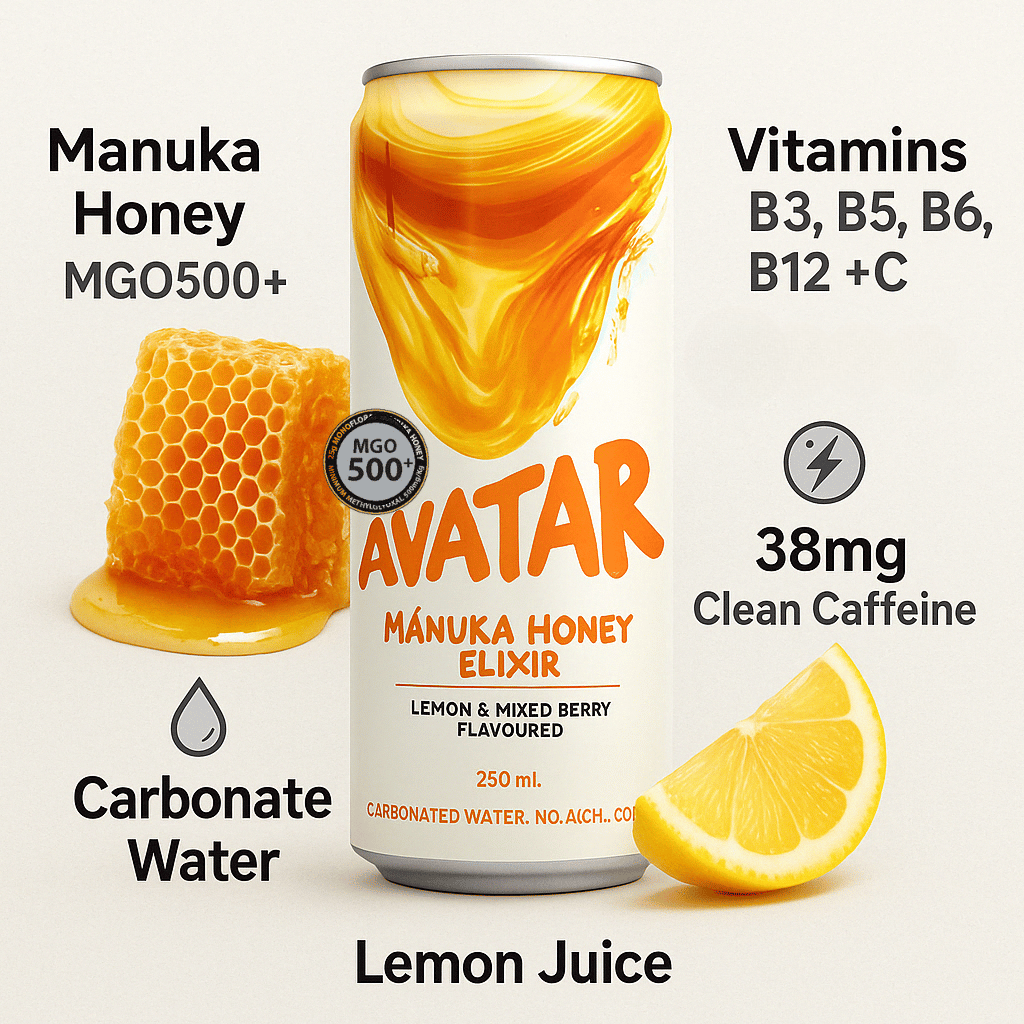
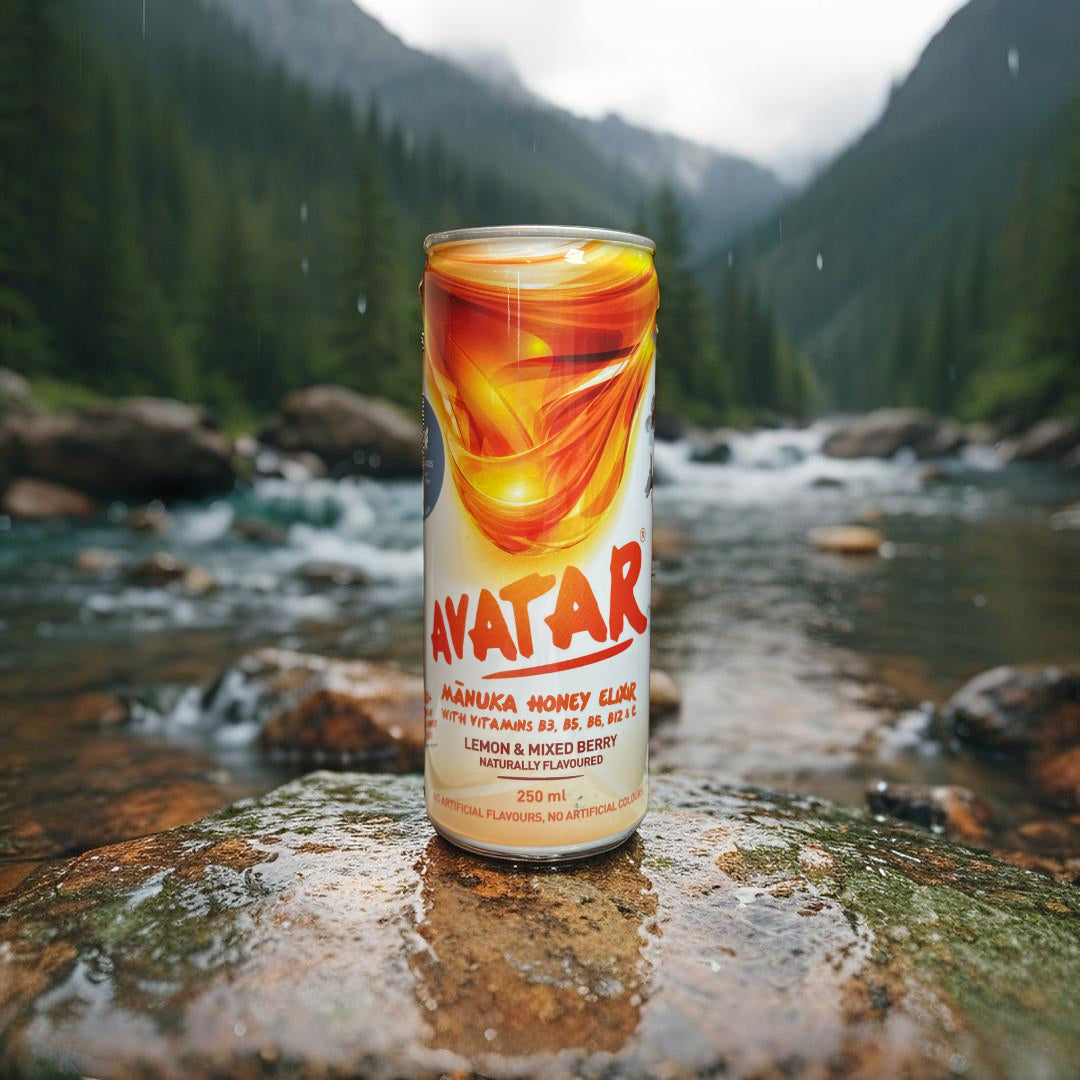
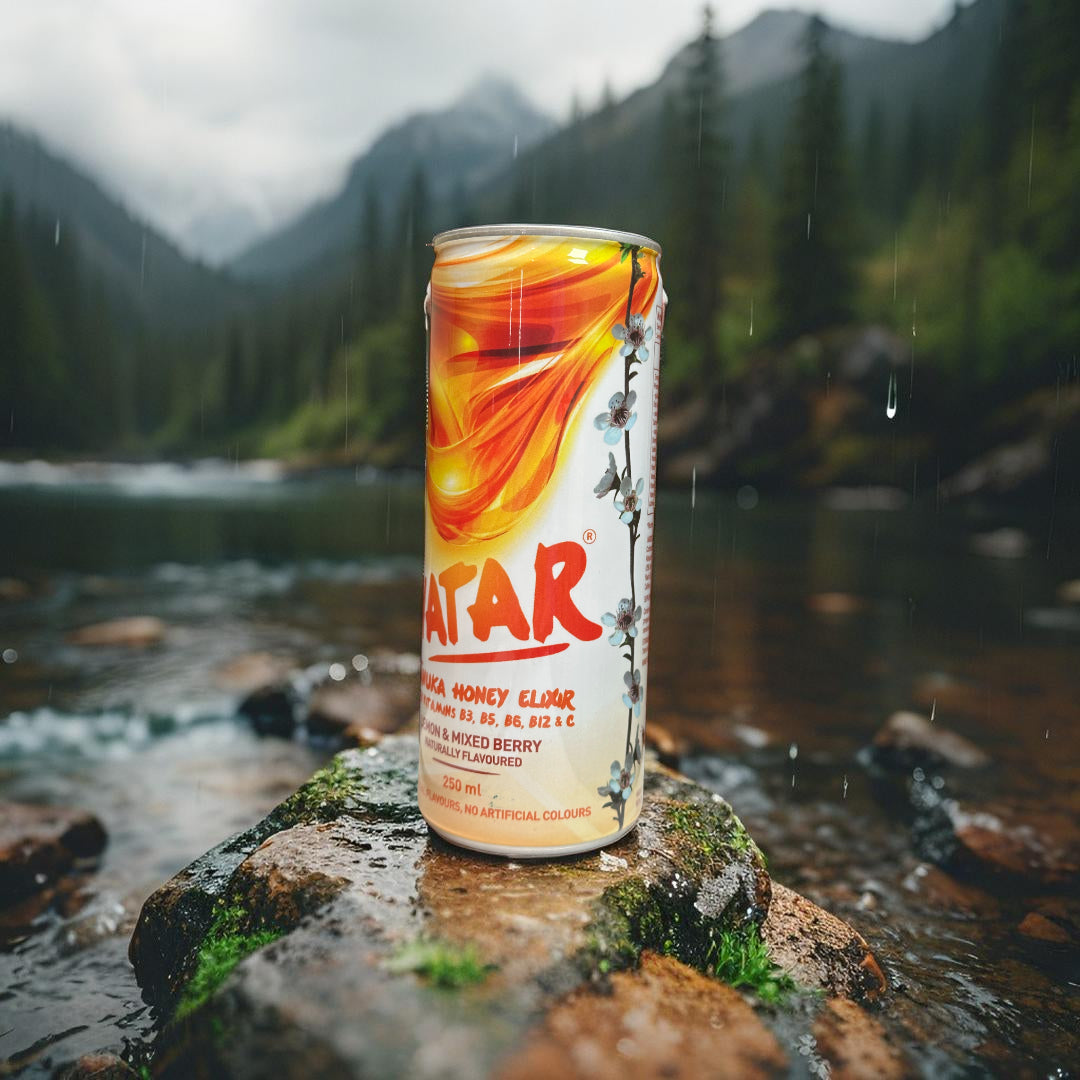
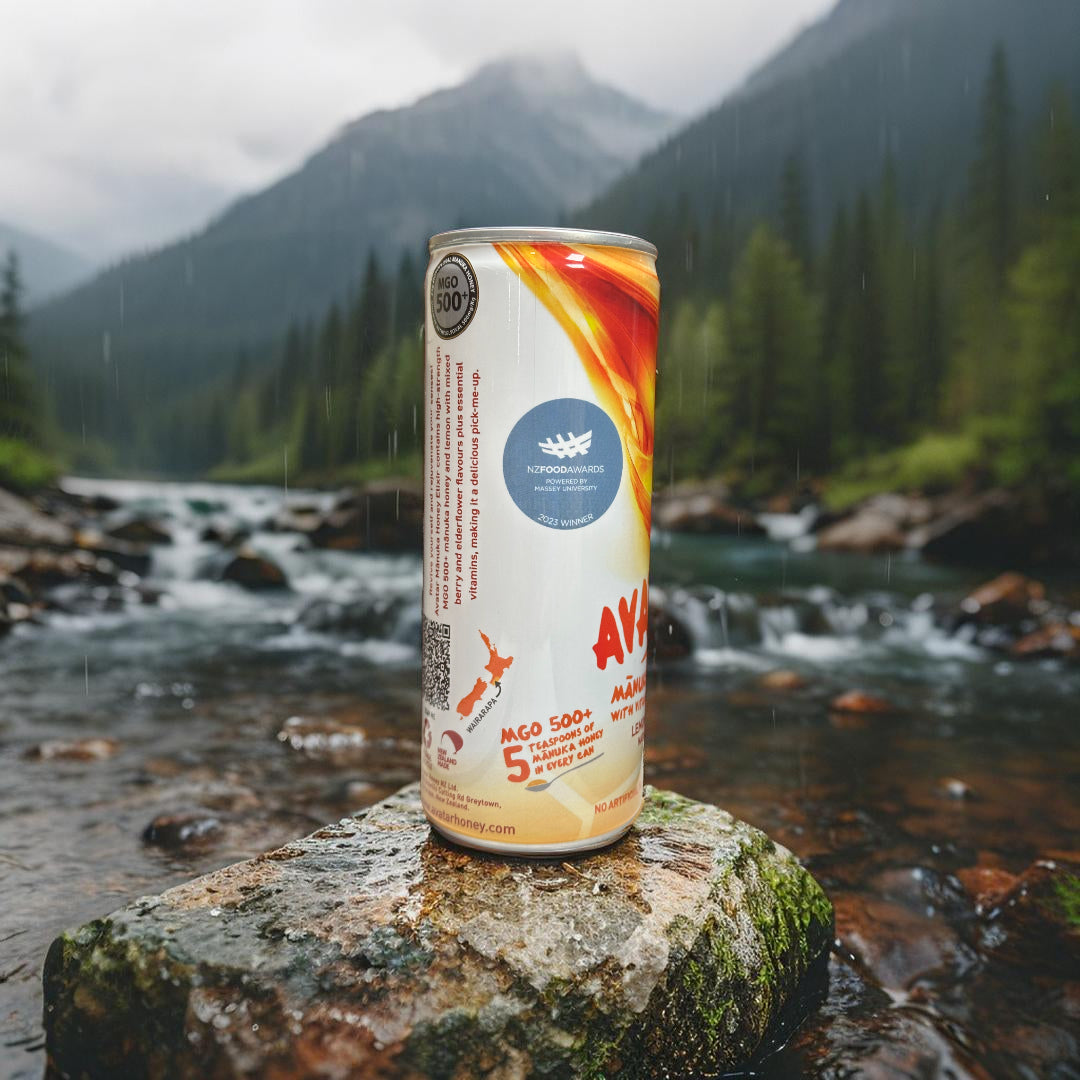
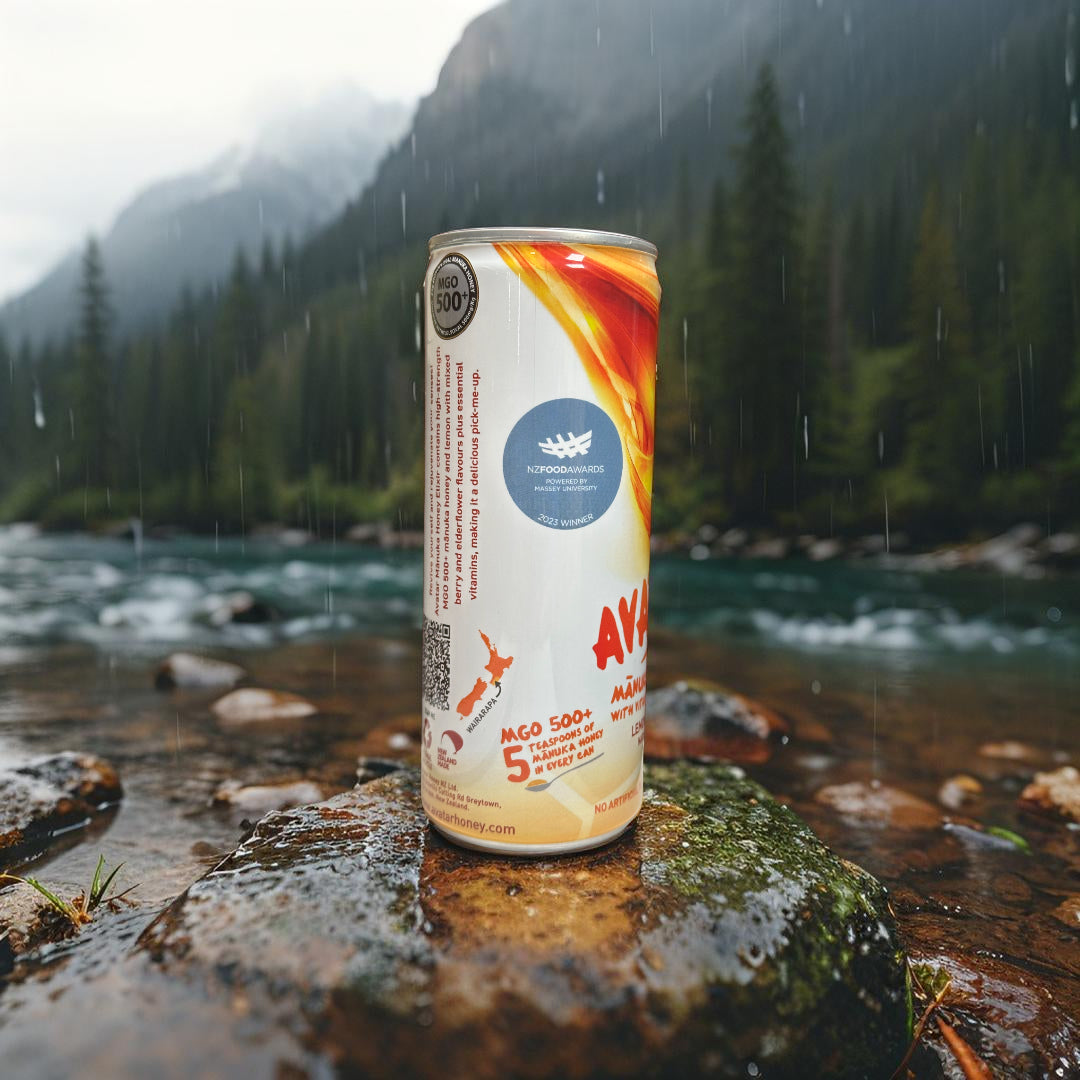
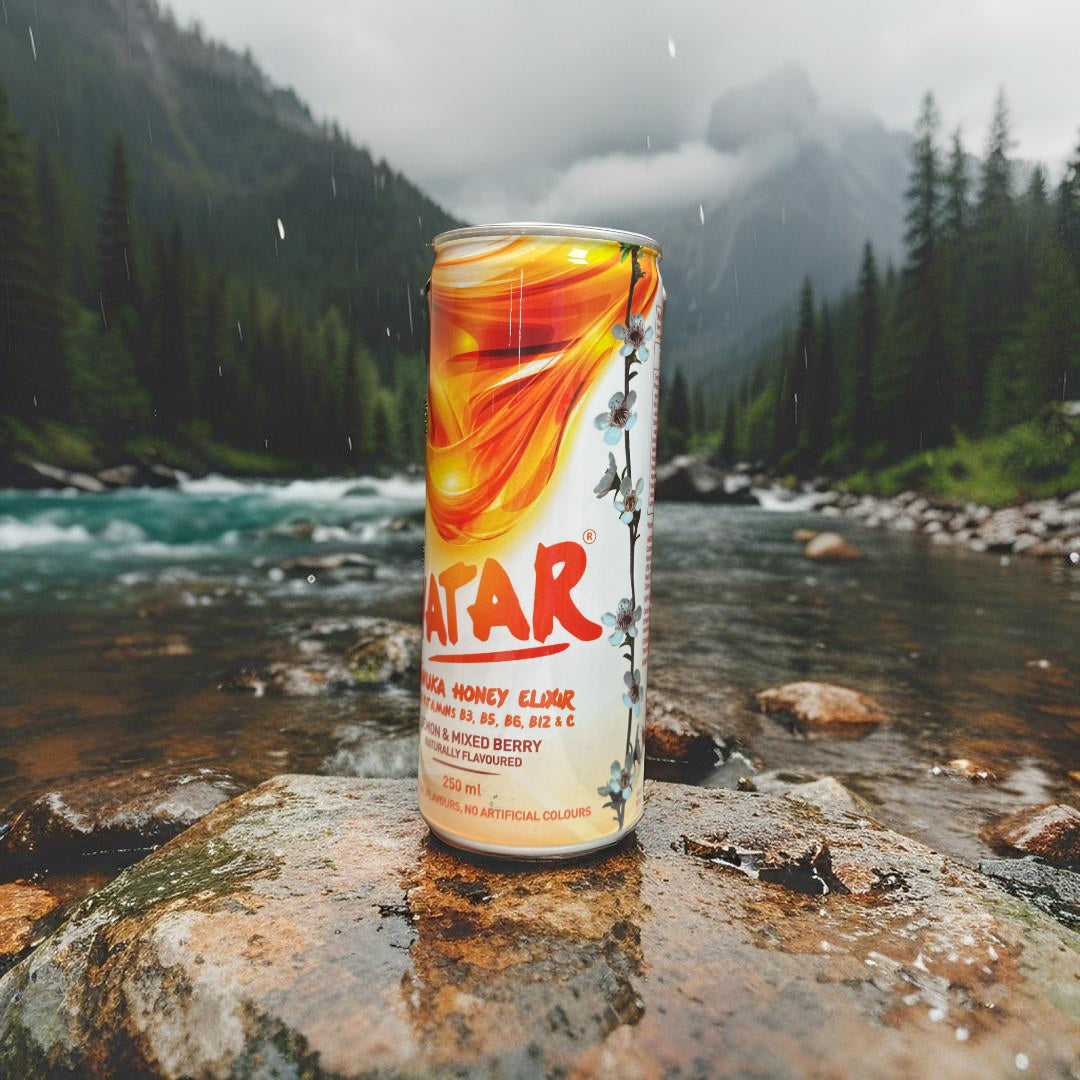
Honey, juice, and cane sugar are usually easier to recognise quickly. For example, a Manuka honey based drink such as Avatar Elixir uses certified MGO500+ Manuka honey as part of its flavour and sweetness profile, alongside lemon, elderflower, vitamins, clean caffeine, and lightly carbonated water. That does not make it the only good option, but it is an example of a more ingredient-led sweetening approach.
How to tell if a drink is naturally sweetened without sugar alcohols
A naturally sweetened energy drink without sugar alcohols should make its sweetening source easy to find. Look for ingredients such as honey, fruit juice, fruit juice concentrate, cane sugar, raw sugar, or similar familiar terms.
Then check that the drink is not also using sugar alcohols in the same formula. A beverage can include honey or juice for flavour and still use erythritol or another sweetener to reduce sugar. The front label alone does not always tell the full story.
For a cleaner-feeling shopping decision, read the front claim, the sugar number, and the ingredients list together. That three-part check gives you a more complete picture than any one section of the label.
Common mistakes to avoid
- Do not rely only on “low sugar”. Low sugar tells you the sugar amount, not which sweeteners are used.
- Do not assume every unfamiliar sweetener is a sugar alcohol. Stevia, monk fruit, and sucralose are different types of sweeteners.
- Do not assume “natural” means no sugar alcohols. Always check the ingredients list.
- Do not judge the drink only by the sugar number. Flavour, sweetness style, caffeine source, carbonation, and ingredient clarity all matter.
- Do not treat sugar alcohols as something to fear. This is a label-reading choice, not a reason to panic about one ingredient family.
A simple label-reading rule
If you want an energy drink without sugar alcohols, look past the front of the can and read the ingredients list for polyol names. The most useful clues are erythritol, xylitol, sorbitol, maltitol, mannitol, isomalt, lactitol, and hydrogenated starch hydrolysates.
If you prefer a more familiar sweetening style, compare those terms with labels that use honey, juice, or cane sugar. The best choice is the one that fits your taste preferences, your ingredient priorities, and the kind of energy drink experience you actually enjoy.
At this point, you can pick up a low sugar drink, read the label with confidence, and decide whether its sweetness comes from sugar alcohols, another sweetener, or a more recognisable ingredient source.
These answers help you identify sugar alcohols in energy drinks and compare them with more familiar sweetening choices.
How do I know if an energy drink has sugar alcohols?
An energy drink has sugar alcohols if the ingredients list includes terms such as erythritol, xylitol, sorbitol, maltitol, mannitol, isomalt, lactitol, or hydrogenated starch hydrolysates. Do not rely only on the front label or the sugar number in the nutrition panel. A drink can be low sugar because it uses another sweetening method, so the ingredients list is the clearest place to check.
Are erythritol and xylitol the same as sugar?
Erythritol and xylitol are sugar alcohols, not the same thing as cane sugar, honey, or fruit juice. They are sweet-tasting ingredients used in many reduced-sugar products, including some drinks. On a label, they usually appear by name in the ingredients list rather than under a simple term like sugar, honey, or juice.
Why do low sugar energy drinks use sugar alcohols?
Low sugar energy drinks use sugar alcohols to add sweetness while keeping the listed sugar content lower. They can also help with body and mouthfeel, especially when a drink is trying to taste sweet without using much sugar. This is a formulation choice, not automatically a good or bad sign, so it is worth comparing it with the flavour and label style you prefer.
Which drink sweeteners are not sugar alcohols?
Stevia, monk fruit extract, sucralose, and aspartame are not sugar alcohols, even though they appear in many low sugar drinks. Honey, fruit juice, and cane sugar are also not sugar alcohols, but they contribute sweetness in a more familiar way on the label. If you want a simpler-looking ingredient list, look for sweeteners you recognise and check how they fit with the drink's overall flavour.
How do sugar alcohol drinks taste compared with honey or juice?
Sugar alcohol drinks can taste sweet with a cooler or slightly different finish, while honey and juice usually bring more rounded flavour. Honey adds floral depth and smoothness, juice adds fruit character and acidity, and cane sugar gives a straightforward sweetness. For a cleaner-feeling choice, compare not just sugar numbers, but also aftertaste, mouthfeel, and how simple the label feels to read.
Is Avatar Elixir an example of a sugar alcohol free style?
Avatar Elixir is a Manuka honey based drink style, built around certified MGO500+ Manuka honey, lemon, elderflower, vitamins, clean caffeine, and lightly carbonated water. That makes it a useful example of a naturally sweetened, ingredient-led energy drink approach rather than a sugar alcohol led approach. As with any beverage, the best habit is to check the current label so you know exactly what you are drinking.
What should I do after spotting sugar alcohols on a drink label?
After spotting sugar alcohols on a drink label, decide whether that sweetener style matches what you want from the drink. Compare it with alternatives sweetened with honey, juice, cane sugar, or high-intensity sweeteners, then consider taste, aftertaste, sugar level, and ingredient clarity. You are not just choosing a number on a nutrition panel, you are choosing the flavour and label style that feels right for your routine.