



Quick answer: The energy drink ingredients most worth scrutinizing are synthetic caffeine anhydrous, high-intensity sweeteners such as sucralose, sugar alcohols such as erythritol, artificial colours including Red 40 and Yellow 5, preservative combinations such as sodium benzoate with vitamin C under heat exposure, debated additives such as taurine, and excessive B vitamin megadoses. None should be treated as automatically dangerous in normal regulated use, but each raises label questions that matter for clean-label shoppers.
Energy drink ingredients to avoid are not always obvious from the front of the can. A drink can look modern, low-calorie, sugar-free, or wellness-oriented while still relying on synthetic caffeine, sucralose, Red 40, sodium benzoate, large vitamin doses, and other formula choices that label-conscious consumers may want to understand before buying.
This guide takes an evidence-aware approach. It does not claim that every ingredient discussed is proven harmful, nor does it suggest that a single can of an energy drink will cause a specific health outcome. Instead, it explains why certain ingredients are commonly questioned, what the concerns actually are, and how those concerns compare with cleaner-label alternatives.
For parents, wellness consumers, and health journalists, the central issue is transparency. The more complex the formula, the harder it becomes to understand what is contributing to the energy effect, the sweetness, the colour, the shelf life, and the overall drinking experience. A shorter ingredient list is not automatically better, but it is often easier to evaluate.
Why “Ingredients to Avoid” Really Means “Ingredients to Scrutinize”
The phrase energy drink ingredients to avoid is useful for search, but the more accurate framing is ingredients to scrutinize. Food and beverage ingredients exist within regulatory systems, and many are permitted for use within defined limits. That does not mean every ingredient fits every consumer’s preferences, health context, or tolerance.
The most relevant label concerns usually fall into a few categories:
- Stimulant source: whether caffeine comes from synthetic caffeine anhydrous or recognizable natural sources.
- Sweetener system: whether sweetness comes from sugar, sucralose, erythritol, stevia, honey, fruit, or other ingredients.
- Colour and appearance: whether the drink uses artificial colours such as Red 40 or Yellow 5.
- Preservation: whether preservatives such as sodium benzoate are used, and what other ingredients appear alongside them.
- Functional additives: whether ingredients such as taurine or B vitamin megadoses are included for positioning rather than clear consumer value.
These categories matter because energy drinks are often consumed for a noticeable effect. When caffeine, sweeteners, colours, acids, preservatives, vitamins, and amino-acid-style additives appear together, it can be difficult to know which part of the formula is doing what.
For clean-label shoppers, the concern is rarely one isolated ingredient. It is the overall pattern: a long list of technical additives used to create intensity, shelf stability, sweetness, colour, and a stronger “energy” identity. That broader idea is central to what “clean label” really means.
Takeaway: The most honest way to evaluate energy drink ingredients is not to assume they are unsafe, but to ask whether each one is necessary, understandable, and aligned with the consumer’s tolerance and values.
Synthetic Caffeine Anhydrous Versus Natural Caffeine Sources
Synthetic caffeine anhydrous is one of the most important energy drink ingredients to examine because it delivers caffeine in a concentrated, isolated form. Caffeine anhydrous means caffeine with water removed, commonly used as a powdered ingredient in beverages, supplements, and performance products.
The key issue is not that synthetic caffeine is categorically different in its caffeine molecule. The body generally responds to caffeine as caffeine. The label concern is more about context, concentration, and consumer understanding.
Why synthetic caffeine raises label questions
Synthetic caffeine anhydrous is often used because it is efficient, consistent, and easy to formulate. It can help manufacturers deliver a precise caffeine level without relying on brewed tea, coffee, yerba mate, guayusa, cacao, or other plant-based sources.
For label-conscious consumers, that efficiency can be a drawback. A can that simply lists “caffeine” or “caffeine anhydrous” gives less food-based context than a drink that identifies green tea, yerba mate, coffee fruit, guayusa, or another natural caffeine source. Natural sources may also contribute flavour compounds, polyphenols, or other plant constituents, although the specific nutritional relevance depends on the ingredient and amount used.
There is also a behavioral consideration. Drinks built around isolated caffeine can feel more like stimulant delivery systems than food or beverage products. That does not make them inherently unsafe, but it changes how many wellness consumers interpret the label.
What natural caffeine sources change, and what they do not
Natural caffeine sources can make a formula feel more transparent because the source is recognizable. However, natural caffeine is still caffeine. A drink made with green tea extract, yerba mate, or guayusa can still contain a meaningful caffeine dose, and caffeine sensitivity varies widely.
The clean-label advantage is mainly about ingredient philosophy. A naturally sourced caffeine drink may be easier to understand when it uses whole-food-adjacent inputs and avoids stacking stimulant-style additives. Consumers should still check the caffeine amount and consider timing, tolerance, age, pregnancy, medication use, and medical advice where relevant.
Takeaway: Synthetic caffeine anhydrous is worth scrutinizing because it signals a more isolated stimulant approach, while natural caffeine sources may offer clearer label context without removing the need to evaluate total caffeine intake.
Sucralose and Erythritol: Why “Sugar-Free” Is Not Automatically Clean Label
Sucralose and erythritol are commonly used to make energy drinks taste sweet without traditional sugar, but sugar-free does not automatically mean simple, natural, or universally preferred. These sweeteners serve different technical purposes and raise different consumer questions.
Sucralose concerns are mostly about ultra-sweet formulation and personal tolerance
Sucralose is a high-intensity artificial sweetener. It is used in small amounts because it is much sweeter than sugar. In energy drinks, sucralose helps create a strong sweet taste while keeping calories low or near zero.
The concern for clean-label consumers is that sucralose is not a real food sweetener in the traditional sense. It is a technical sweetening ingredient designed to deliver sweetness without sugar. Some consumers also report that high-intensity sweeteners affect their taste preferences, aftertaste perception, or digestive comfort, although individual responses vary.
From an evidence-aware perspective, it is not accurate to say sucralose is proven to be harmful in typical regulated beverage use. It is more accurate to say that sucralose remains a debated ingredient among wellness consumers, especially those trying to avoid artificial sweeteners or highly engineered flavour systems.
Erythritol concerns are different from sucralose concerns
Erythritol is a sugar alcohol, not an artificial high-intensity sweetener in the same category as sucralose. It is used to provide sweetness with fewer calories than sugar and often appears in “natural,” “keto,” or low-sugar products.
The concerns around erythritol are often related to digestive tolerance and broader debate about sugar alcohols. Some people find sugar alcohols uncomfortable, especially at higher amounts or when combined with other sweeteners. Research discussion around erythritol has also become more visible, but consumers should be careful not to overstate conclusions without context.
For parents and wellness shoppers, the practical label question is simple: does the drink need a complex sweetener blend, or could it use a smaller amount of a recognizable sweetener such as honey, fruit juice, cane sugar, or another real food ingredient? That trade-off is explored further in artificial sweeteners vs honey.
| Sweetener | Why brands use it | Common label concern |
|---|---|---|
| Sucralose | Strong sweetness with few or no calories | Artificial sweetener, aftertaste, clean-label mismatch |
| Erythritol | Low-calorie sweetness and sugar reduction | Digestive tolerance and sugar alcohol debate |
| Honey or fruit-based sweetness | Recognizable sweetness from food-based sources | Adds sugar, so portion and total sugar still matter |
Takeaway: Sucralose and erythritol are worth reviewing because they can make a drink appear healthier through sugar reduction while still moving the formula away from simple, recognizable ingredients.
Artificial Colours: Red 40, Yellow 5, and Behavioural Concern Framing
Artificial colours such as Red 40 and Yellow 5 are among the clearest clean-label warning signs because they affect appearance rather than energy, hydration, or core beverage function. These colours are used to create bright, consistent, highly recognizable drinks.
The evidence conversation around artificial colours is nuanced. Some studies and policy discussions have raised concerns about behavioural effects in some children, especially in relation to certain synthetic food dyes. It would be too strong to say that Red 40 or Yellow 5 causes behavioural issues in all children, or that every person should expect a noticeable effect. The more defensible point is that these colours have been the subject of real scrutiny, and parents may reasonably prefer to avoid them when they add no meaningful nutritional value.
Why artificial colours are easy to question
Unlike caffeine, sweeteners, or acids, artificial colours are not central to the energy function of the drink. They are mainly used to create visual appeal, flavour expectation, and brand identity. A neon red or bright yellow drink may look more intense, but the colour does not make the beverage more functional.
This makes artificial colours a useful dividing line for label-conscious buyers. If a drink contains Red 40, Yellow 5, Blue 1, or similar dyes, the brand is choosing visual impact over a simpler label. Some consumers are comfortable with that choice. Others see it as unnecessary.
What to look for on the label
Artificial colours may appear by name, such as Red 40 or Yellow 5, or by regional naming conventions. In clean-label beverages, colour may instead come from fruit juice, vegetable extracts, botanical ingredients, or the natural colour of tea, honey, or other base ingredients.
Natural colour sources are not automatically better in every technical sense, and some may affect taste, cost, or stability. But from a consumer transparency perspective, they are easier to understand than synthetic dyes.
Takeaway: Red 40 and Yellow 5 are worth avoiding for many clean-label shoppers because they are nonessential visual additives with a history of behavioural concern discussion, especially for children.
Preservatives and the Sodium Benzoate Plus Vitamin C Question
Sodium benzoate is commonly used to help preserve acidic beverages, but it becomes more label-relevant when it appears alongside vitamin C and the product may be exposed to heat or long storage conditions. The concern is the potential formation of benzene under certain conditions when benzoate preservatives and ascorbic acid, also known as vitamin C, are present together.
This issue is often misunderstood. It does not mean every drink containing sodium benzoate and vitamin C contains a harmful amount of benzene. It also does not mean sodium benzoate is automatically unsafe in permitted uses. The more accurate concern is that the combination has been scrutinized because benzene formation can be influenced by factors such as formulation, heat, light, storage time, and other ingredients.
Why this matters for energy drinks
Energy drinks are often acidic, shelf-stable, and distributed through long supply chains. They may sit in warehouses, delivery vehicles, shop shelves, gym bags, or cars. For a consumer reading a label, sodium benzoate plus ascorbic acid is a combination that deserves attention because the concern is chemistry-based rather than preference-based.
Brands can manage formulation risks through careful manufacturing and quality control. Consumers, however, rarely see that detail on the can. They see the ingredient list. That is why a clean-label buyer may prefer drinks preserved through simpler formulation choices, refrigeration where appropriate, pasteurization, carbonation, acidity control, or other approaches that do not rely on the same additive combination.
How to interpret preservatives fairly
Preservatives are not automatically bad. They can help prevent spoilage and maintain product safety. The question is whether the preservative system is necessary for the drink type, whether it is paired with ingredients that raise additional questions, and whether the overall formula looks thoughtfully minimal or technically crowded.
In a short ingredient list, every ingredient has to justify its place. In a long energy drink formula, preservatives can become one more signal that the drink is built for maximum shelf stability and sensory impact rather than food-like simplicity.
Takeaway: Sodium benzoate is most worth scrutinizing when combined with vitamin C in shelf-stable acidic drinks, especially because heat and storage conditions are not always visible to the consumer.
Taurine and B Vitamin Megadoses: Functional Positioning Versus Clear Need
Taurine and high-dose B vitamins are classic energy drink ingredients, but their presence can say more about category convention than individual consumer need. Both are often used to make a drink feel more functional, even when the practical benefit for the average person is not clear from the label alone.
The taurine debate is not settled by marketing language
Taurine is an amino sulfonic acid found naturally in the body and in some foods. In energy drinks, it is often included as part of a performance or alertness-oriented formula. The debate is not simply whether taurine is “good” or “bad.” The more relevant question is what it is doing in a specific drink, at a specific amount, and in combination with caffeine and other additives.
Some consumers are comfortable with taurine because it is widely used and familiar within the energy drink category. Others prefer to avoid it because it makes the product feel more like a supplement-style formula than a beverage. For parents, the combination of taurine, caffeine, sweeteners, and bright colours may be more relevant than taurine alone.
Without product-specific evidence, it is not appropriate to claim that taurine creates a specific benefit or risk in every energy drink. It is appropriate to say that taurine is a debated functional additive and that clean-label shoppers may reasonably prefer formulas that do not rely on it.
Excessive B vitamin doses can create a health halo
B vitamins are essential nutrients, and that makes them attractive for energy drink marketing. However, the presence of large B vitamin amounts does not necessarily mean a drink provides better everyday energy for someone who already gets enough through food or supplementation.
The term “energy” can be confusing here. B vitamins play roles in normal energy metabolism, but that is different from saying that megadoses create a stimulant effect or solve fatigue. If a label shows unusually high percentages of daily value for B vitamins, the drink may be using nutrient numbers to create a stronger wellness impression.
For consumers taking multivitamins, fortified foods, supplements, or medications, high vitamin levels may be worth discussing with a qualified professional. This is especially relevant for people with specific health conditions, pregnancy considerations, or medication routines.
Takeaway: Taurine and B vitamin megadoses are not automatically problematic, but they are worth questioning when they seem to support marketing more than a clear, necessary beverage function.
Clean Label Comparison: What to Look for Instead
A cleaner energy drink label is usually shorter, more recognizable, and easier to explain without technical language. The goal is not perfection. The goal is a formula where each ingredient has a clear role that a normal consumer can understand.
When comparing conventional energy drinks with cleaner-label alternatives, the most useful distinction is formula philosophy. A conventional formula often builds intensity through isolated caffeine, artificial sweeteners, synthetic colours, preservatives, acids, flavours, taurine, and vitamin stacks. A cleaner formula typically focuses on fewer inputs: a natural caffeine source, real food sweetness, flavour from recognizable ingredients, and minimal additives.
| Label area | More scrutinized pattern | Cleaner-label pattern |
|---|---|---|
| Caffeine | Synthetic caffeine anhydrous or vague caffeine listing | Natural caffeine source clearly identified |
| Sweetness | Sucralose, erythritol, or complex sweetener blends | Real food sweeteners used transparently and in moderation |
| Colour | Red 40, Yellow 5, or other artificial dyes | Natural colour from ingredients or no added colour |
| Preservation | Sodium benzoate paired with vitamin C in acidic shelf-stable drinks | Simpler preservation strategy or fewer additive dependencies |
| Functional stack | Taurine plus large B vitamin doses and multiple technical additives | Short ingredient list with fewer supplement-style additions |
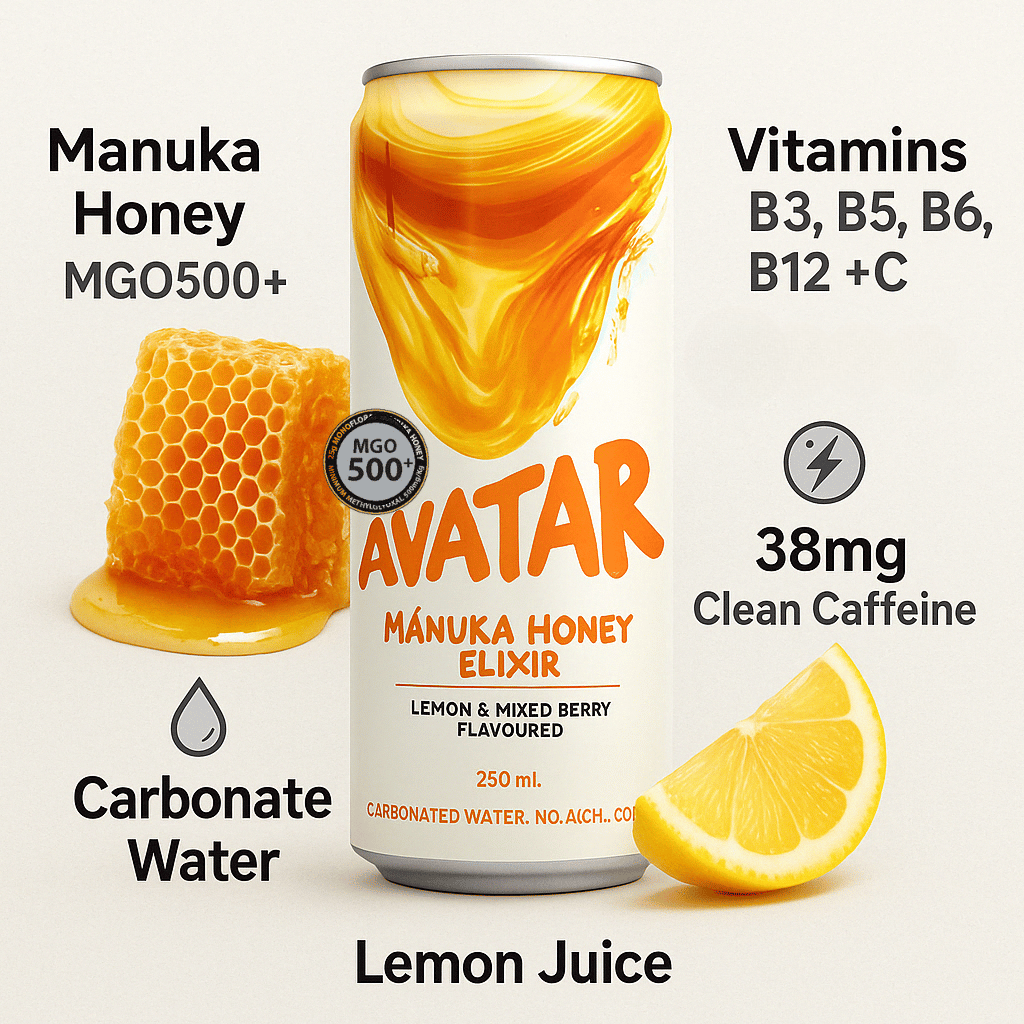
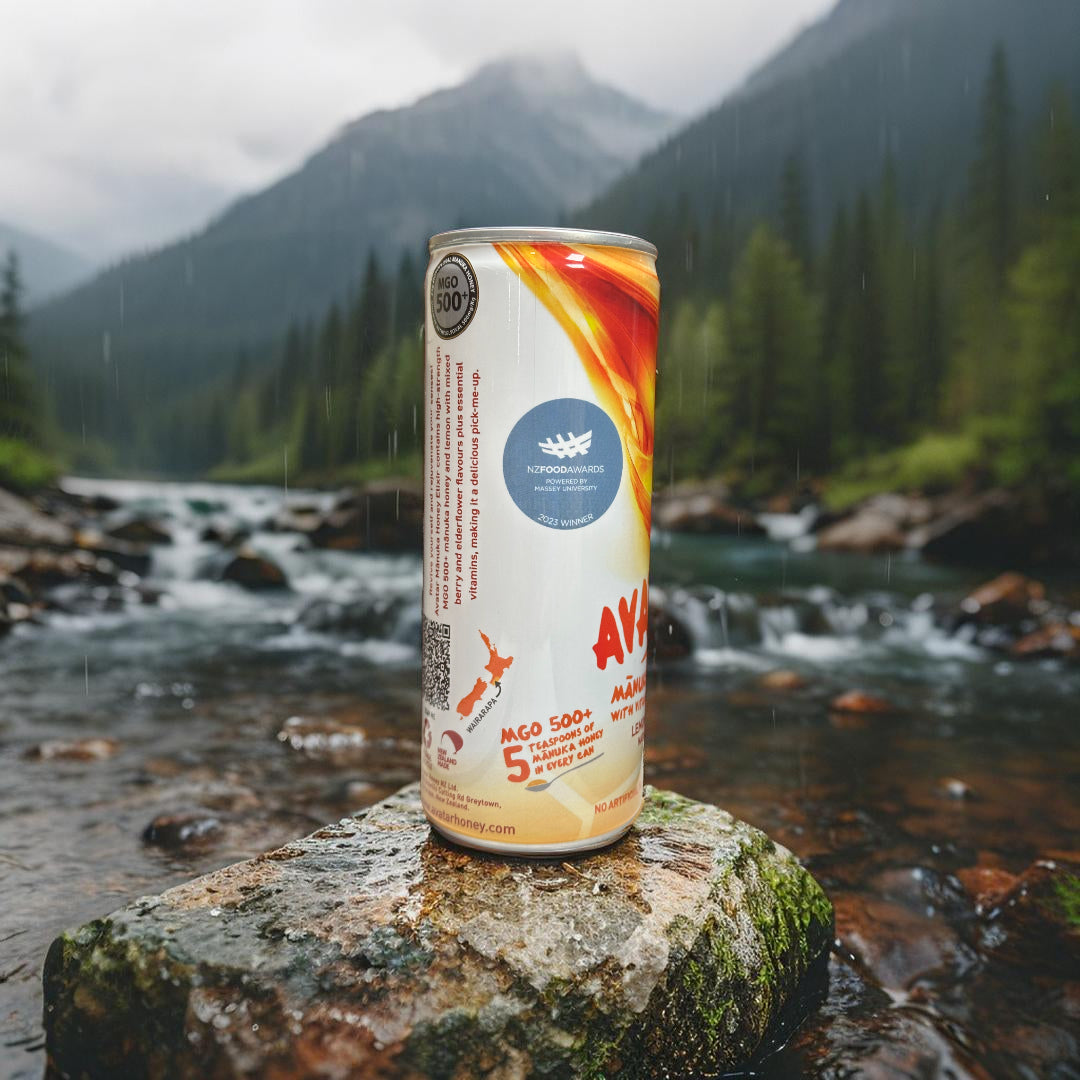
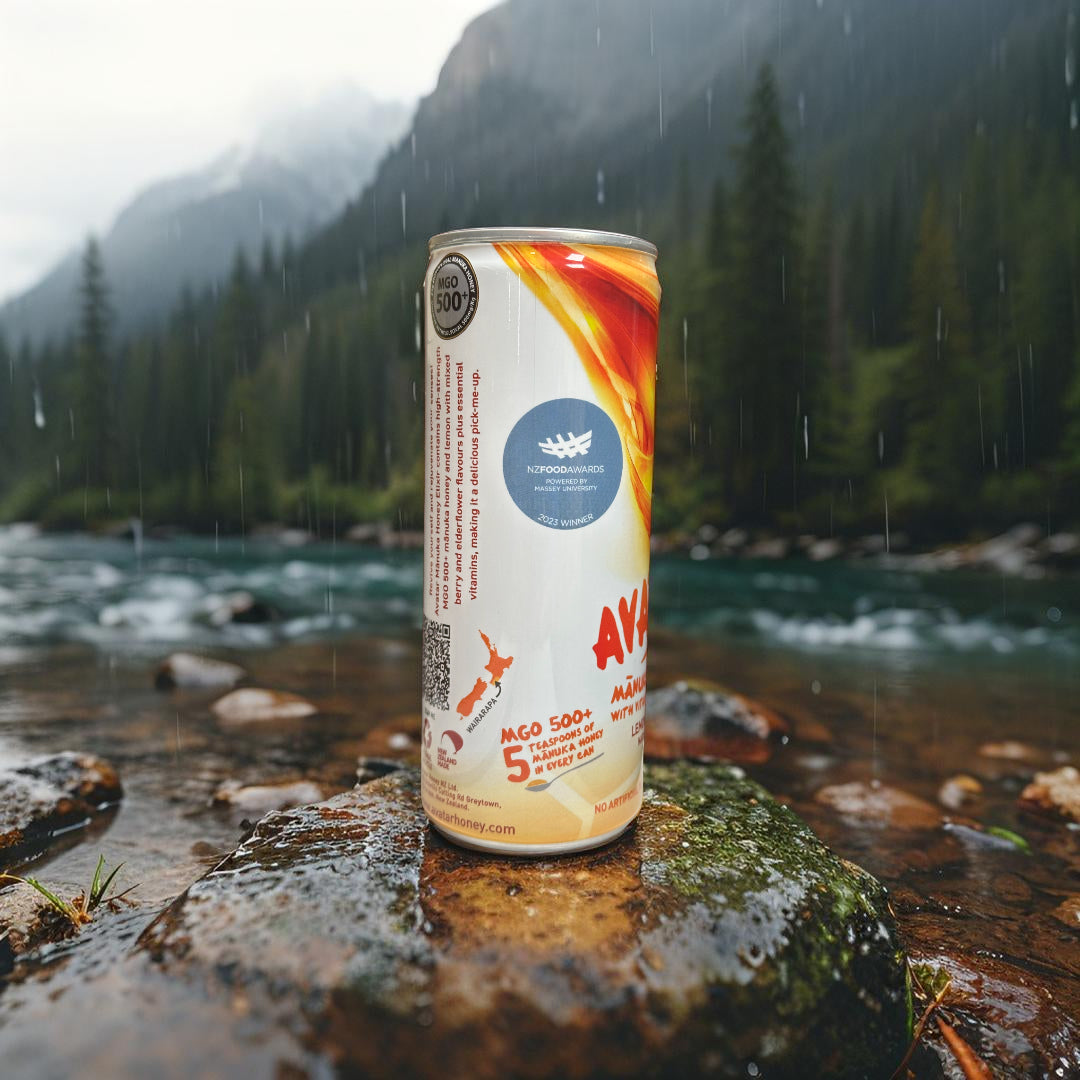
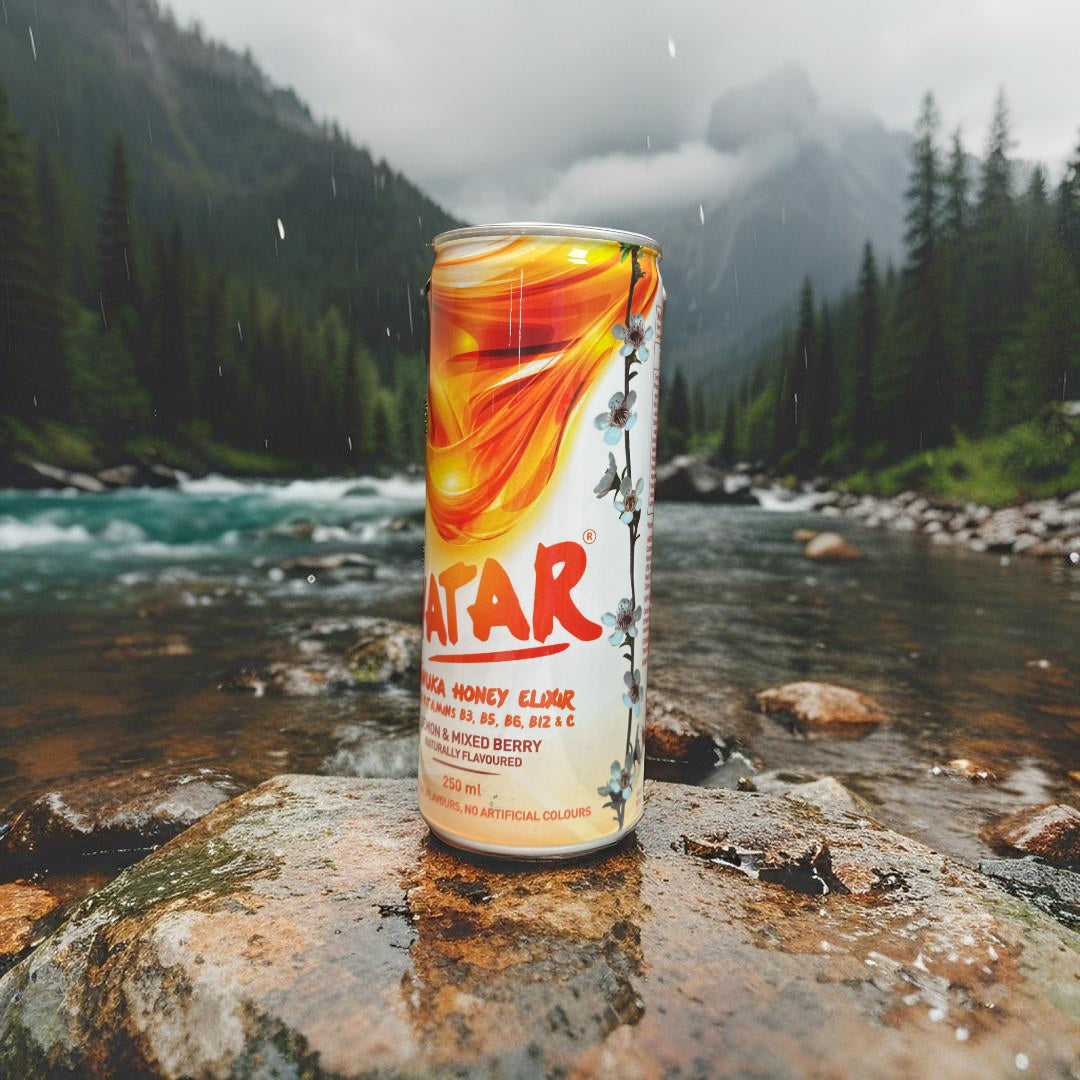
Avatar Elixir provides a useful contrast because its ingredient list contains 7 items. That does not automatically make any product suitable for every person, and consumers should still check caffeine level, sweetness, allergens, and personal tolerance. But a 7-item ingredient list is easier to audit than a long formula built from artificial colours, synthetic sweeteners, preservatives, taurine, and vitamin megadoses. You can review the Avatar Elixir ingredient profile directly.
For label-conscious shoppers, this is the practical standard: if the ingredient list requires repeated searching, decoding, and caveats, it may not match a clean-label preference. If the formula is short enough to understand at a glance, the consumer can make a more informed decision.
Real food sweeteners also deserve balanced interpretation. Honey, fruit juice, or similar ingredients are more recognizable than sucralose or erythritol, but they can still contribute sugar. The clean-label question is not “zero sugar at all costs.” It is whether sweetness comes from an ingredient the consumer understands and whether the overall amount fits their needs.
Takeaway: The cleanest energy drink labels usually rely on natural caffeine sources, recognizable sweeteners, no artificial colours, minimal preservatives, and a short ingredient list that makes the formula easy to evaluate.
The Honest Bottom Line on Energy Drink Ingredients to Avoid
The most problematic energy drink ingredients are not always “dangerous” in a simple yes-or-no sense. The honest concern is that many formulas combine isolated stimulants, artificial sweeteners, artificial colours, preservative systems, taurine, and vitamin megadoses into products that are hard for consumers to interpret.
For parents, the clearest red flags are artificial colours such as Red 40 and Yellow 5, high caffeine positioning, and long formulas that look more like supplement blends than everyday beverages. For wellness consumers, sucralose, erythritol, synthetic caffeine anhydrous, and sodium benzoate combinations may be the main reasons to choose a simpler product. For health journalists, the important distinction is that these concerns are real and discussable without overstating the evidence.
A fair clean-label approach asks three questions:
- Is the ingredient necessary? Caffeine has a clear role in an energy drink, while artificial colour usually does not.
- Is the ingredient understandable? Natural caffeine sources and real food sweeteners are easier to interpret than technical additive stacks.
- Is the formula proportional? A short ingredient list is easier to assess than a product built from many sweeteners, colours, preservatives, vitamins, and functional additives.
Consumers do not need to fear every unfamiliar ingredient, but they also do not need to accept every additive as harmless or necessary. The strongest clean-label choice is usually the one that makes its formula easy to read, easy to understand, and easy to compare.
This FAQ clarifies the most commonly questioned energy drink formula choices, focusing on what labels actually tell you. It covers why certain additives get scrutiny, and how to evaluate a can more confidently as a clean-label shopper.
Which energy drink ingredients are most worth scrutinizing on labels?
Summary: The most scrutinized energy drink ingredients tend to be those that drive stimulation, sweetness, color, shelf life, or "functional" positioning in less transparent ways.
- Synthetic caffeine anhydrous (versus caffeine from recognizable natural sources)
- High-intensity sweeteners such as sucralose
- Sugar alcohols such as erythritol
- Artificial colours including Red 40 and Yellow 5
- Preservatives such as sodium benzoate, especially alongside vitamin C with heat exposure
- Debated additives such as taurine, plus excessive B vitamin megadoses
Why is "ingredients to avoid" better framed as ingredients to scrutinize?
Summary: "Energy drink ingredients to avoid" is a common search phrase, but "scrutinize" is more accurate because many additives are legal and widely used in regulated amounts.
The real issue for label-conscious shoppers is understanding trade-offs and intent, for example whether sweetness comes from sucralose or erythritol, and whether color comes from Red 40 or food-based sources. This framing also helps parents and health journalists separate "commonly questioned" from "proven harmful," which are not the same thing.
How does caffeine anhydrous compare with natural caffeine sources?
Summary: Caffeine anhydrous is a concentrated, isolated form of caffeine, while "natural caffeine" usually means caffeine paired with plant compounds from sources like tea or coffee extracts.
On labels, the key difference is transparency about source and context, not a guaranteed difference in how it feels for every person. For shoppers trying to avoid synthetic caffeine, "caffeine anhydrous" is the term most often used to flag an isolated, lab-processed caffeine ingredient. For a broader comparison, see what to look for on an energy drink label.
How can I quickly check a can for sucralose and erythritol?
Summary: The fastest approach is scanning the ingredient list for the exact words sucralose and erythritol, plus nearby sweetener terms that suggest a "sugar-free" formula.
- Look for sucralose explicitly, it is usually listed by name.
- Look for erythritol explicitly, it is commonly listed as a sugar alcohol.
- Check if multiple sweeteners appear together, which can signal a more engineered sweetness profile.
What's the concern with sodium benzoate and vitamin C under heat?
Summary: The concern is that sodium benzoate and vitamin C (ascorbic acid) can, under certain conditions like heat exposure, contribute to the formation of small amounts of benzene.
This is not the same as saying a drink "contains benzene" by default, but it is why this preservative pairing is often discussed in clean-label conversations. For shoppers, it is a signal to look for simpler preservation approaches when possible, and to store beverages as directed.
Are Red 40 and Yellow 5 linked to behavioral concerns?
Summary: Some studies and public health discussions have raised behavioral concern questions around certain artificial colours, including Red 40 and Yellow 5, particularly in sensitive children.
The evidence is often described as mixed or population-specific rather than definitive for everyone. For parents, the practical label move is simple, if a drink includes Red 40 or Yellow 5, it is a clear indicator the product relies on synthetic coloring rather than an uncolored or naturally colored formula.
How do I judge if a "B vitamin megadose" is excessive?
Summary: "Excessive" usually refers to energy drinks that include very large B vitamin amounts relative to typical daily needs, often to support a "functional" positioning rather than to correct a deficiency.
A label-conscious approach is to compare the % Daily Value on the can and notice when multiple B vitamins are stacked at very high percentages. If someone is pregnant, has medical conditions, or is combining multiple fortified products, it can be reasonable to discuss vitamin intake with a qualified clinician.
When evaluating energy drinks, the best label is not the loudest one. It is the one with fewer distractions, clearer sourcing, and ingredients that serve a purpose beyond colour, intensity, or marketing effect.