


Quick answer: A functional beverage is a drink chosen for a purpose beyond basic hydration, such as steady energy, digestion support, relaxation, refreshment, or a more mindful social ritual. Natural energy drinks fit within this category when they use ingredients like tea, botanicals, honey, fruit, or plant-based caffeine to create a cleaner-feeling lift without relying only on conventional energy drink formulas.
Functional beverage is a broad label, and that is why it can feel confusing. The same phrase may appear on kombucha, sparkling waters, wellness shots, adaptogen drinks, botanical teas, juices, alcohol-free aperitifs, and natural energy drinks, even though these products can taste, feel, and function very differently.
In plain language, a functional beverage is a drink designed with a specific experience or purpose in mind. It may be made to feel energizing, calming, refreshing, gut-friendly, mineral-rich, or simply more intentional than a standard soda or juice. That does not make it a cure, treatment, or medical tool. It simply means the drink is built around ingredients that suggest a practical role in your routine.
This guide explains the main types of functional beverages and shows where natural energy drinks fit alongside kombucha, juices, teas, sparkling waters, wellness shots, and alcohol-free aperitifs. The goal is to help you read labels with more confidence and recognize the difference between real ingredient choices and vague wellness language.
What Makes a Beverage “Functional”?
A beverage becomes functional when its formula is built around a purpose beyond taste alone. That purpose might be energy, focus, digestion support, hydration, relaxation, ritual, or a lower-sugar alternative to familiar drinks.
The term is flexible, which is useful but also imperfect. A green juice, a probiotic soda, a matcha latte, and a honey-based botanical energy drink can all sit under the same umbrella. What separates them is not the label itself, but the ingredients, caffeine level, sugar source, serving size, and the situation the drink is meant for.
Useful shopping cues usually include:
- Purpose: Is the drink meant for energy, calm, digestion, hydration, or social sipping?
- Ingredient style: Does it rely on tea, herbs, fruit, honey, minerals, probiotics, caffeine, or botanicals?
- Sweetness: Is it unsweetened, lightly sweetened, fruit-based, honey-based, or made with alternative sweeteners?
- Caffeine: Is it caffeine-free, lightly caffeinated, or clearly positioned as an energy drink?
- Claims: Are the benefits described in realistic language, or does the label overpromise?
The most helpful way to understand functional drinks is by category. Each type has its own normal purpose, ingredient pattern, and best-fit moment.
Natural Energy Drinks: Functional Beverages for a Cleaner-Feeling Lift
Natural energy drinks are functional beverages designed to support alertness or momentum, often with ingredients that feel closer to tea, botanicals, fruit, honey, or plant-based caffeine than conventional energy drink formulas.
The purpose is straightforward: a natural energy drink is usually chosen when you want a lift but do not want something that feels overly harsh, syrupy, or artificial. For wellness-minded shoppers, the appeal often comes from the ingredient list as much as the effect. The drink should make sense at a glance.
Usual purpose
Natural energy drinks are commonly used for workdays, errands, creative focus, afternoon slumps, outdoor walks, travel, or social occasions where coffee does not feel quite right. The goal is typically steady, approachable energy, not an extreme stimulant experience.
Common ingredient style
Ingredient styles vary, but many natural energy drinks use some combination of:
- Tea-based caffeine, such as green tea, black tea, yerba mate, or guayusa
- Botanicals, herbs, or spices for flavor and complexity
- Fruit juice or citrus for brightness
- Honey, cane sugar, or other recognizable sweeteners in modest amounts
- Electrolytes or minerals in some formulas
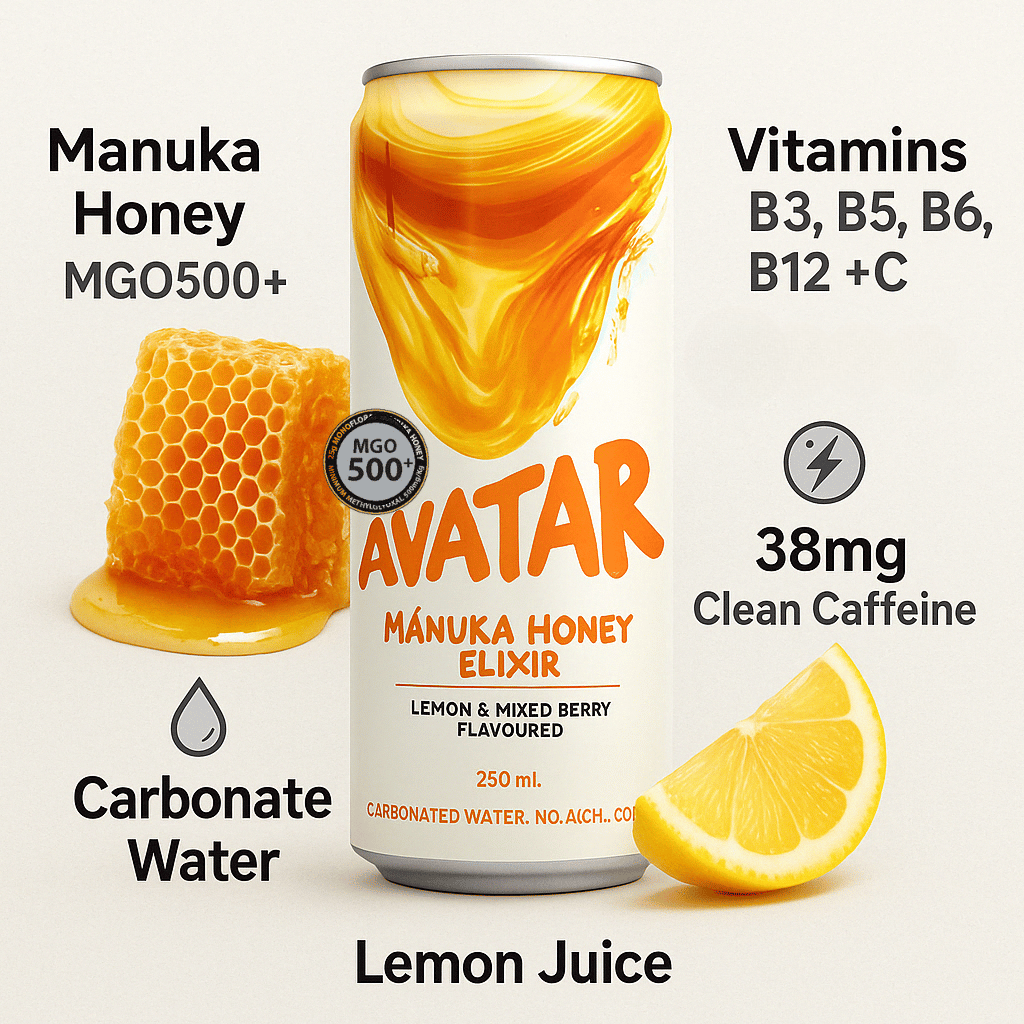
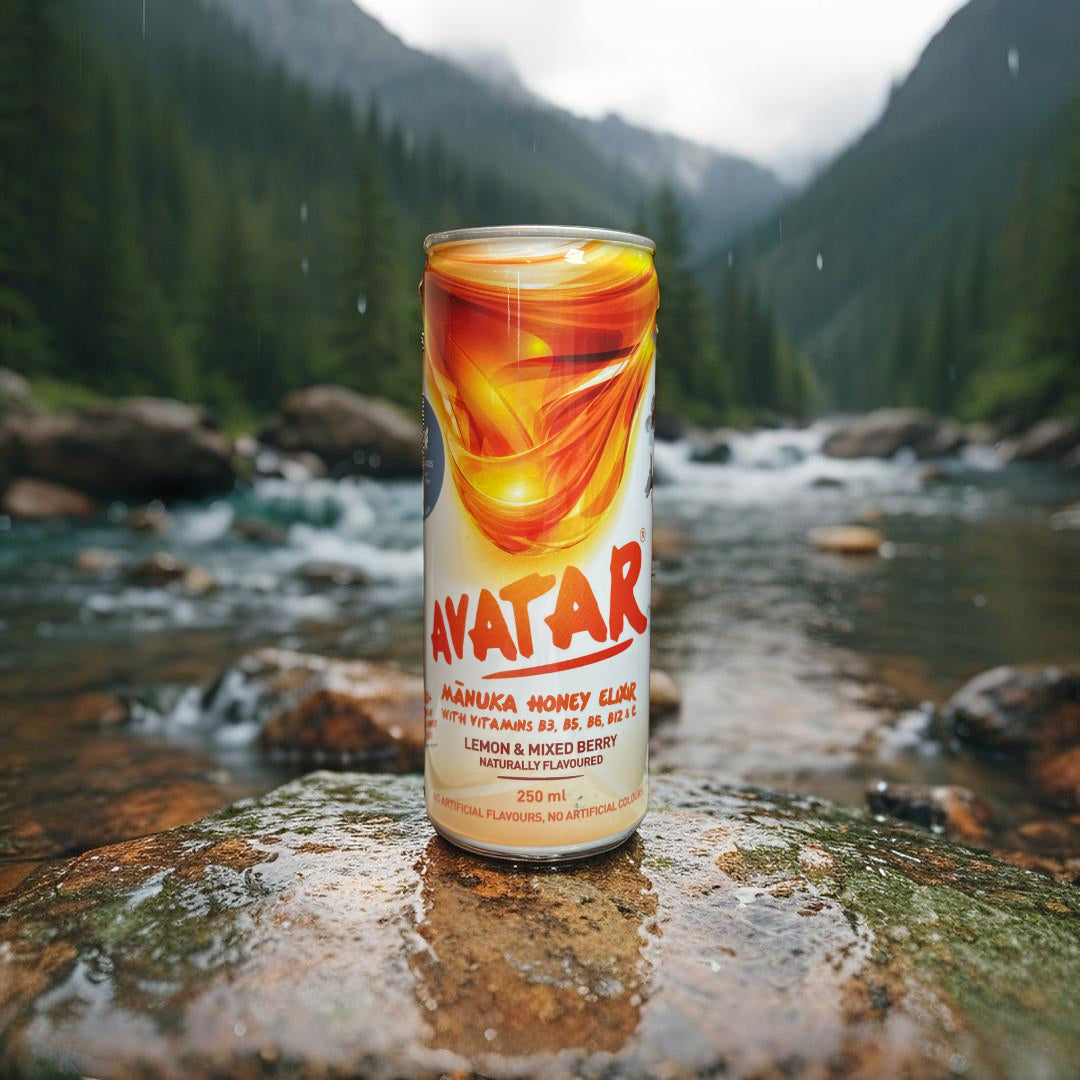
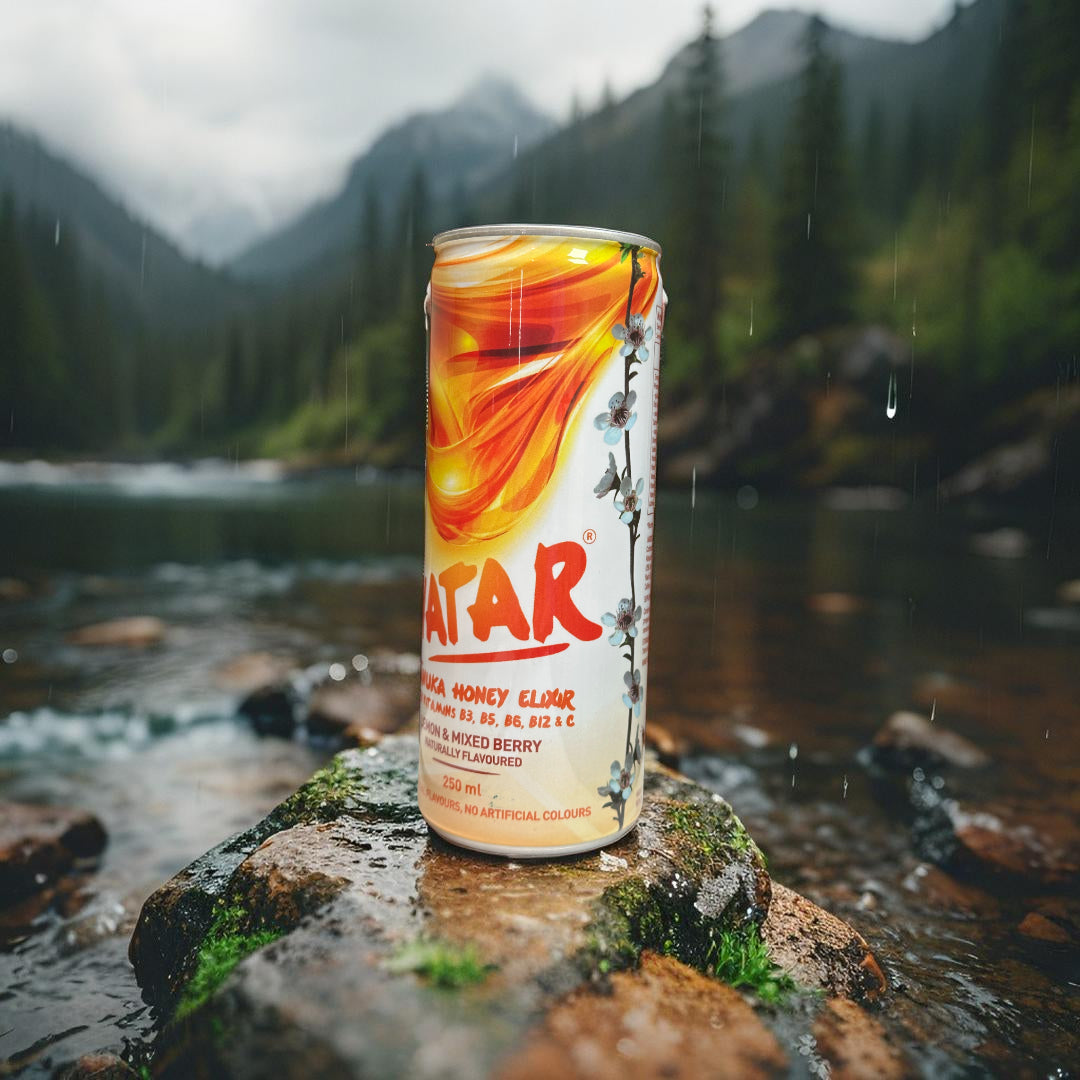
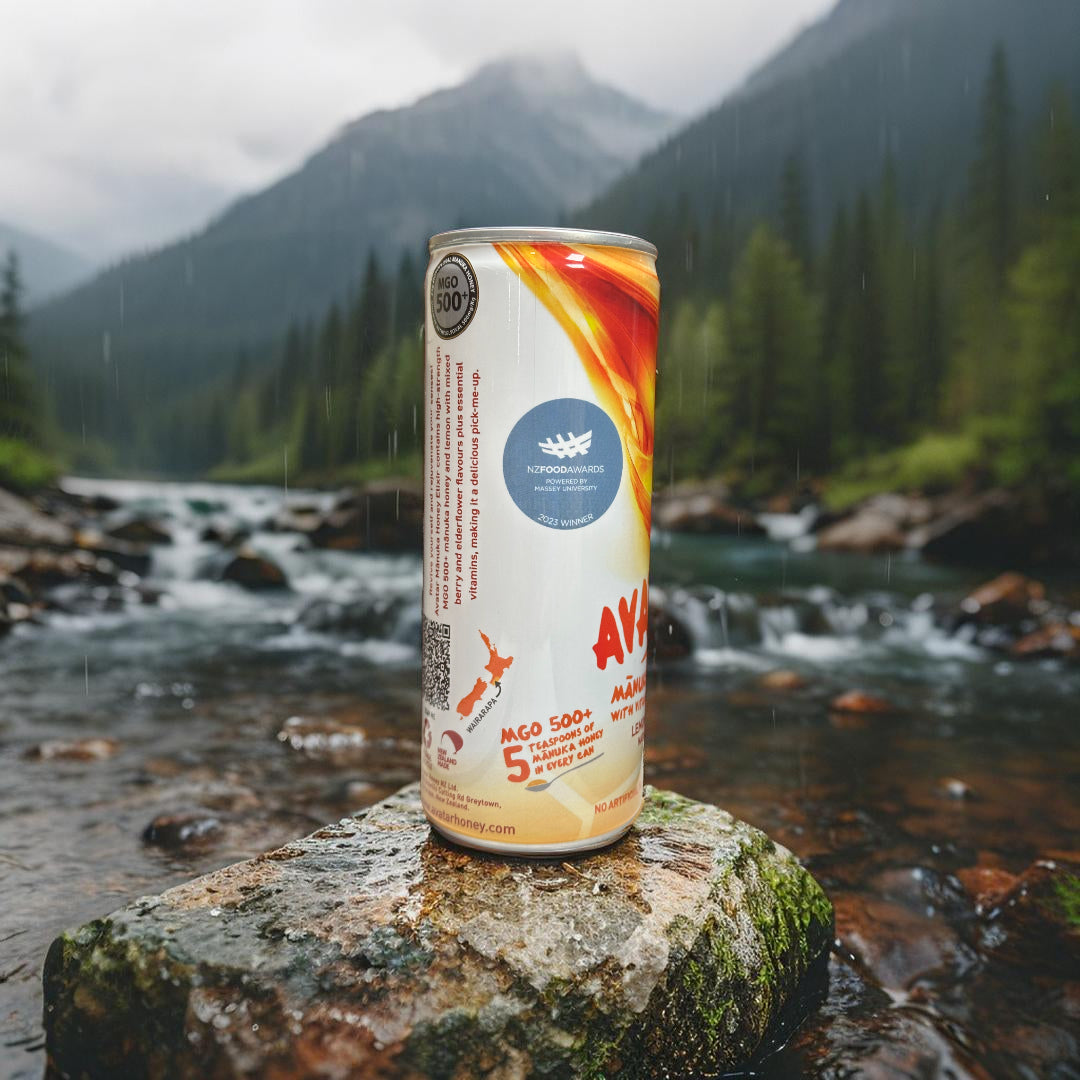
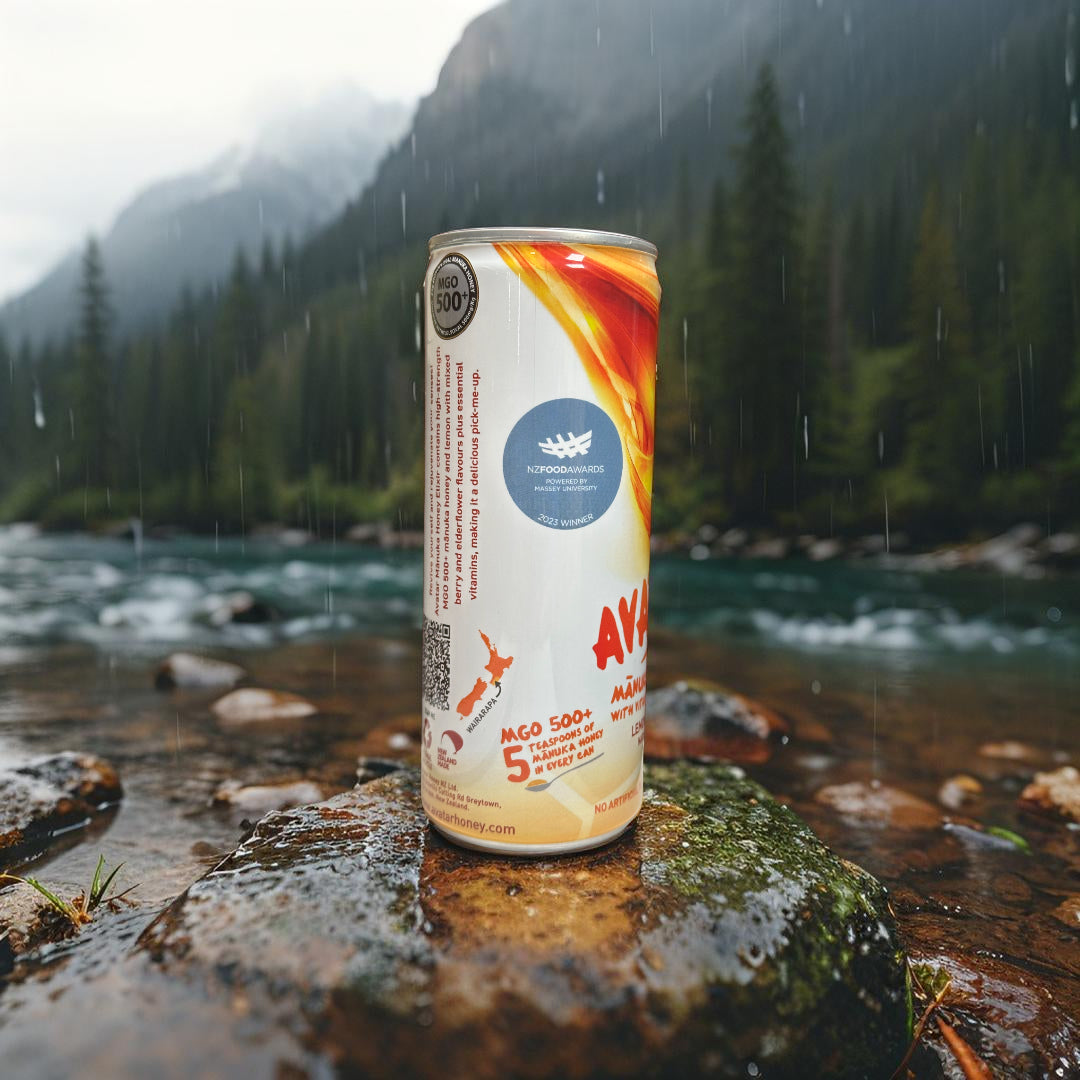
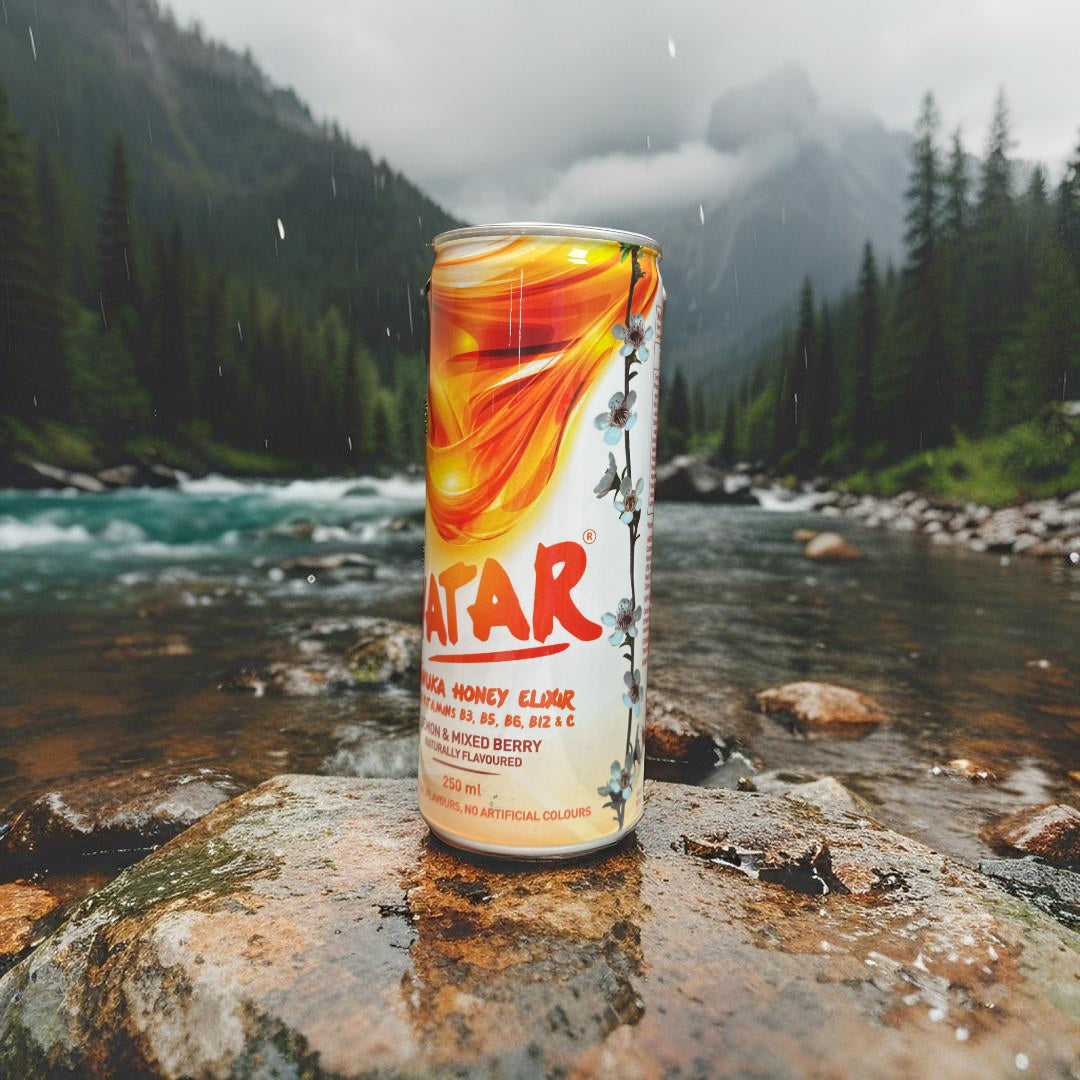
Avatar Elixir is a simple example of how this category can look when it leans into honey and botanicals. A honey and botanical natural energy drink sits comfortably inside the functional beverage world because it is built around a specific drinking purpose, energy, while using recognizable ingredients to shape the experience.
Shopping cues
When comparing natural energy drinks, look for a clearly stated caffeine source and amount, a sweetness level that fits your preferences, and an ingredient list you can understand without needing a glossary. Also notice whether the product explains the role of its botanicals or simply uses them as decorative marketing words.
A credible natural energy drink does not need to promise transformation. It should tell you what it is, why it is formulated that way, and when it fits into your day.
Kombucha: Functional Fermentation With a Tangy Profile
Kombucha is a fermented tea beverage, usually made with tea, sugar, and a culture of bacteria and yeast. It is often placed in the functional beverage category because fermentation creates a distinctive ingredient profile and a tart, lively drinking experience.
Usual purpose
Kombucha is commonly chosen as a refreshing alternative to soda, a tangy afternoon drink, or a beverage associated with digestive wellness routines. It is not a medical product, and shoppers should be cautious with labels that imply too much. Its role is better understood as a fermented drink that can bring variety, acidity, and complexity to your routine.
Common ingredient style
Most kombuchas begin with brewed tea and sugar, which are fermented together. After fermentation, brands may add fruit, herbs, spices, botanicals, or additional flavors. Some kombuchas are lightly sweet, while others are sharper and more vinegar-like.
Because kombucha is fermented, it may contain trace alcohol and can vary in carbonation. Some products are raw and refrigerated, while others are processed for shelf stability. The label usually tells you how the product should be stored.
Shopping cues
Look for sugar content, flavor style, storage instructions, and whether the kombucha is raw, pasteurized, or shelf-stable. If you are sensitive to acidity, carbonation, or caffeine from tea, those details matter more than the front-label wellness language.
Functional Teas: Familiar Drinks With Purposeful Ingredients
Functional teas use brewed tea, herbal infusions, or tea-based blends to create a specific experience, such as gentle energy, calm, digestion comfort, or evening wind-down.
Usual purpose
Tea is one of the most familiar functional beverage formats because it naturally lends itself to ritual. A green tea may be chosen for a lighter caffeine lift. A peppermint or ginger tea may be chosen after a meal. A chamomile blend may be used as part of a calming evening routine.
Common ingredient style
Functional teas may include traditional tea leaves, caffeine-free herbs, roots, flowers, spices, or fruit pieces. Some are bottled and ready to drink, while others are brewed at home. The ingredient list is often short, but blends can become complex when they include many botanicals.
Tea-based drinks can also overlap with natural energy drinks. A canned green tea with fruit and caffeine may feel like a light refreshment, while a yerba mate blend may sit closer to the energy category.
Shopping cues
Check whether the tea contains caffeine, especially if you plan to drink it later in the day. Also look at added sweeteners in bottled teas. A tea can sound delicate and wellness-oriented but still be quite sweet depending on the formula.
Functional Juices: Fruit and Vegetable Drinks With a Wellness Position
Functional juices are fruit or vegetable-based beverages often positioned around nutrients, color, freshness, or specific ingredients like ginger, turmeric, greens, citrus, beet, or carrot.
Usual purpose
Juices are commonly chosen for flavor, refreshment, and a sense of freshness. In the functional beverage aisle, they often appear as green juices, beet juices, citrus blends, or immunity-style drinks. It is better to view them as food-like beverages rather than shortcuts to health outcomes.
Common ingredient style
Functional juices may be cold-pressed, blended, pasteurized, or shelf-stable. Some include only fruits and vegetables. Others add herbs, spices, apple cider vinegar, coconut water, or small amounts of caffeine from tea or green coffee extract.
The natural sugar level can vary widely because fruit juice is concentrated compared with whole fruit. A juice can be made with wholesome ingredients and still be high in sugar relative to its serving size.
Shopping cues
Look beyond the color of the drink. Check serving size, sugar content, whether it contains mostly fruit juice or mostly vegetable juice, and whether any functional ingredients appear in meaningful positions on the ingredient list. If the drink is mostly apple or grape juice with small amounts of greens, the flavor and nutrition profile may be different from what the front label suggests.
Sparkling Functional Waters: Light Refreshment With Added Purpose
Sparkling functional waters are carbonated beverages that add ingredients such as minerals, electrolytes, botanicals, caffeine, prebiotics, or natural flavors to a water-like base.
Usual purpose
These drinks are often chosen as lighter alternatives to soda, cocktails, or sweetened beverages. Some are designed for hydration cues, some for digestive wellness positioning, and others for a gentle caffeine lift. The main appeal is usually refreshment with a subtle functional angle.
Common ingredient style
Many sparkling functional waters are low calorie or unsweetened. They may include fruit essences, herbs, mineral salts, magnesium, prebiotic fibers, or small amounts of caffeine. Some taste very close to sparkling water, while others feel more like a light soda.
Shopping cues
Check whether the drink contains sweeteners, caffeine, or added fibers that may not suit everyone. If the beverage mentions prebiotics or minerals, read the nutrition panel and ingredient list rather than relying on the front label alone. Light drinks can still have strong effects on taste, digestion, or caffeine intake depending on the formula.
Wellness Shots: Concentrated Functional Drinks in Small Servings
Wellness shots are small-format functional beverages that deliver bold ingredients in a concentrated serving. They are usually sold in small bottles and meant to be consumed quickly.
Usual purpose
Wellness shots are commonly used when someone wants an intense flavor moment or a compact beverage with ingredients like ginger, turmeric, lemon, cayenne, elderberry, or apple cider vinegar. They often feel more like a ritual than a refreshment.
Common ingredient style
These products tend to use sharp, spicy, sour, or earthy ingredients. Ginger shots are a classic example. Turmeric shots, citrus shots, and vinegar-based shots are also common. Some include honey or fruit juice to balance intensity.
Because the serving size is small, the experience can be strong even when the ingredient list is simple. A wellness shot is not the same as a daily beverage, and it is not meant to hydrate you like water, tea, or a full-size drink.
Shopping cues
Look at the base ingredient, sugar level, and serving suggestion. If a shot tastes very intense, that is often part of its design. If you are sensitive to acidic, spicy, or vinegar-forward drinks, start with caution and pay attention to how the product is meant to be used.
Alcohol-Free Aperitifs: Functional Rituals for Social Drinking
Alcohol-free aperitifs are adult-style nonalcoholic beverages designed for sipping, mixing, and social occasions. They often use botanicals, bitter notes, citrus, spices, or tea-like tannins to create complexity without alcohol.
Usual purpose
The function here is less about energy or digestion and more about ritual. Alcohol-free aperitifs give people something interesting to pour before dinner, at gatherings, or during moments when they want a cocktail-like experience without alcohol.
Common ingredient style
These drinks often include bitter botanicals, herbs, roots, citrus peel, spices, grape must, vinegar, tea, or natural flavors. Some are ready to drink, while others are concentrates designed to be mixed with sparkling water or tonic.
Compared with sparkling waters, alcohol-free aperitifs usually taste more complex, bitter, or layered. Compared with juices, they are usually less sweet and more focused on an adult palate.
Shopping cues
Look for whether the product is completely alcohol-free or simply low alcohol, especially if that distinction matters to you. Also check sweetness, bitterness, serving instructions, and whether the drink is designed to be consumed straight or mixed.
How to Compare Functional Beverages Without Getting Lost in the Label
The easiest way to compare functional beverages is to identify the job you want the drink to do. Once you know the role, the category becomes easier to navigate.
Use this simple framework:
- For energy: Compare natural energy drinks, caffeinated teas, yerba mate drinks, or lightly caffeinated sparkling waters.
- For refreshment: Compare sparkling waters, kombucha, chilled teas, and lighter juices.
- For fermentation: Kombucha is the clearest fit, with attention to acidity, sugar, storage, and carbonation.
- For intensity: Wellness shots offer concentrated flavor in small servings.
- For social ritual: Alcohol-free aperitifs create a more grown-up sipping experience without alcohol.
- For familiar comfort: Functional teas offer a simple format with a wide range of caffeine and herbal options.
Ingredient quality matters, but so does honesty. A well-made functional beverage should make its purpose clear without leaning on exaggerated claims. Words like clean, natural, adaptogenic, or wellness can be useful starting points, but they do not replace the nutrition panel or ingredient list.
Where Natural Energy Drinks Fit in the Functional Beverage World
Natural energy drinks sit at the intersection of refreshment, alertness, and ingredient transparency. They are more purpose-driven than ordinary sparkling drinks, more energizing than most juices or wellness shots, and often gentler in positioning than traditional high-stimulation energy products.
They are especially relevant for wellness lovers who want a drink that feels intentional but still practical. You may want something for an afternoon lift, a pre-walk sip, a non-coffee work companion, or a flavorful alternative to soda. In those moments, a natural energy drink can be a sensible member of the functional beverage category.
The key is to evaluate the formula rather than the category name alone. A thoughtful natural energy drink should answer three questions clearly:
- Where does the energy come from? Look for the caffeine source and amount.
- How is it sweetened? Check whether the sweetness comes from honey, fruit, cane sugar, alternative sweeteners, or no sweetener at all.
- What shapes the flavor? Notice botanicals, tea, citrus, spices, or other ingredients that create the drinking experience.
A honey and botanical formula, such as Avatar Elixir, is one way this category can feel more culinary and less conventional. The value is not in making dramatic wellness claims. The value is in combining a recognizable sweetener, botanical complexity, and an energy purpose in one drink.
Final Takeaway: Functional Beverages Are Best Understood by Purpose
Functional beverages are not one single type of drink. They are a family of beverages designed around a purpose, whether that purpose is energy, refreshment, fermentation, ritual, or a concentrated flavor experience.
Natural energy drinks belong in this category because they are built to support alertness while offering a different ingredient style from many conventional energy drinks. Kombucha, teas, juices, sparkling waters, wellness shots, and alcohol-free aperitifs all fit too, but each serves a different role.
The most useful question is not “Is this functional?” but “What function is this drink designed for, and does the ingredient list support that purpose?” When you shop with that question in mind, the category becomes clearer, calmer, and much easier to enjoy without getting buried in marketing language.
These answers clarify how functional beverages, natural energy drinks, kombucha, shots, teas, and other wellness drinks compare.
What is a functional beverage in simple terms?
A functional beverage is a drink chosen for a purpose beyond basic hydration or taste. That purpose might be energy, digestion support, relaxation, refreshment, or a more intentional alcohol-free ritual. The term describes the role of the drink in your routine, not a medical benefit or guaranteed outcome.
Where do natural energy drinks fit in functional beverages?
Natural energy drinks fit within functional beverages because they are designed around a specific purpose, usually alertness, focus, or a steady lift. They commonly use ingredients such as tea-based caffeine, botanicals, fruit, honey, or recognizable sweeteners. Avatar Elixir is one example of a honey and botanical natural energy drink that belongs in this category.
Are kombucha and natural energy drinks the same thing?
Kombucha and natural energy drinks are different types of functional beverages. Kombucha is a fermented tea drink commonly associated with tart flavor, live cultures, and digestive wellness positioning. Natural energy drinks focus more directly on energy and alertness, usually through caffeine sources, botanicals, or other ingredients that support a more energizing drinking experience.
Which functional drink fits energy, digestion, relaxation, or social sipping?
The best functional drink depends on the moment you want it to serve. Choose a natural energy drink for a lift, kombucha for a tangy fermented option, herbal tea for a calmer ritual, and an alcohol-free aperitif for social sipping. Sparkling waters and juices fit refreshment-focused routines when flavor and hydration matter most.
What should I look for on a functional beverage label?
A functional beverage label should make the drink's purpose, caffeine level, sweetness, and key ingredients easy to understand. Look for clear ingredient sources such as tea, botanicals, fruit, honey, minerals, probiotics, or herbs. Be cautious with vague wellness language when the label does not explain what the drink is actually designed to do.
Are wellness shots functional beverages or supplements?
Wellness shots are functional beverages when they are sold as small-format drinks built around a specific routine purpose. They commonly use concentrated ingredients such as ginger, turmeric, citrus, herbs, or fruit juice. They should be treated as food and beverage products, not as cures, treatments, or replacements for medical care.
How should I start choosing functional drinks for my routine?
Start by matching the drink to one clear use case, such as afternoon energy, a non-alcoholic evening ritual, post-walk refreshment, or a gentler alternative to soda. Then compare caffeine, sweetness, serving size, and ingredient style. This keeps the choice practical instead of relying on broad wellness language alone.