



Quick answer: A honey energy drink is often the better fit for athletes who want natural carbohydrate energy, no artificial dyes, no synthetic sweeteners, and added functional compounds from honey or manuka honey. A traditional sports drink is often the better fit during long, sweaty training sessions because it is designed around fluid, carbohydrate, and electrolyte replacement. For many active people, the practical answer is complementary use: a honey energy drink before training or for daily energy, and an electrolyte sports drink during prolonged endurance exercise.
The question of honey energy drink vs sports drink is not really about which bottle is universally “better.” It is about what the drink is built to do. Traditional sports drinks such as Gatorade, Powerade, and Lucozade are designed mainly around hydration support, carbohydrate availability, and electrolyte replacement. Honey-based energy drinks are built more around natural energy, ingredient simplicity, and, when manuka honey is used, additional compounds commonly discussed for antibacterial and anti-inflammatory properties.
For athletes and active people, that distinction matters. A drink that feels good before a gym session may not be the best tool during a hot two-hour run. A drink that works well for electrolyte replenishment may not match what a wellness-focused consumer wants for everyday energy. The most useful comparison is not “natural versus artificial” in a simplistic way. It is a practical look at fuel, hydration, ingredients, recovery context, and trade-offs.
Honey Energy Drink vs Sports Drink: The Core Difference
The core difference is that honey energy drinks are primarily natural fuel drinks, while traditional sports drinks are primarily hydration and electrolyte drinks. Both can provide carbohydrates, but they are usually designed with different priorities.
A honey energy drink typically uses honey as a carbohydrate source. Honey naturally contains sugars that the body can use for energy, which is why honey has long been used by runners, cyclists, gym-goers, and active people looking for a quick fuel source. When the drink uses manuka honey, the positioning often expands beyond energy into functional wellness, because manuka honey is widely discussed for its distinctive composition and its association with antibacterial and anti-inflammatory activity. Those properties should be understood as food-related functional characteristics, not as medical treatment claims.
A traditional sports drink, by contrast, is usually formulated to support hydration during exercise. Products like Gatorade, Powerade, and Lucozade commonly combine water, carbohydrates, sodium, and other electrolytes. Their strength is not ingredient purity. Their strength is purpose-built sports hydration. For long sessions, heavy sweating, or repeated training, that design can be useful.
| Comparison point | Honey energy drink | Traditional sports drink |
|---|---|---|
| Main role | Natural energy and daily fuel | Hydration and electrolyte replacement |
| Typical carbohydrate source | Honey | Sugar blends or formulated carbohydrates |
| Ingredient appeal | Often simpler and more natural | Often more engineered and standardized |
| Best fit | Pre-workout, light activity, daily energy | Long, hot, or sweaty exercise sessions |
| Functional extras | May include manuka honey compounds | Usually focused on electrolytes and hydration |
Takeaway: Honey-based energy drinks and sports drinks overlap because both can provide energy, but they are optimized for different jobs.
Ingredient Patterns: Natural Fuel vs Engineered Hydration
The ingredient difference is where honey-based drinks often stand out for wellness-focused athletes. A honey drink can offer carbohydrate energy from a recognizable food ingredient, while many sports drinks rely on more processed formulations that may include artificial dyes, flavor systems, preservatives, or synthetic sweeteners depending on the product.
This does not mean every sports drink is poor quality. Sports drink formulas exist for a reason. They are built to be consistent, shelf-stable, easy to drink during exercise, and widely available. For athletes who need predictable hydration support, that consistency is valuable.
However, ingredient-conscious consumers often evaluate drinks differently. They may ask whether the product contains artificial colors, whether the sweetness comes from synthetic sweeteners, whether the drink fits into a natural wellness routine, and whether it offers anything beyond basic sugar and electrolytes. In that comparison, honey-based energy drinks have a clear advantage when the priority is a more natural ingredient profile.
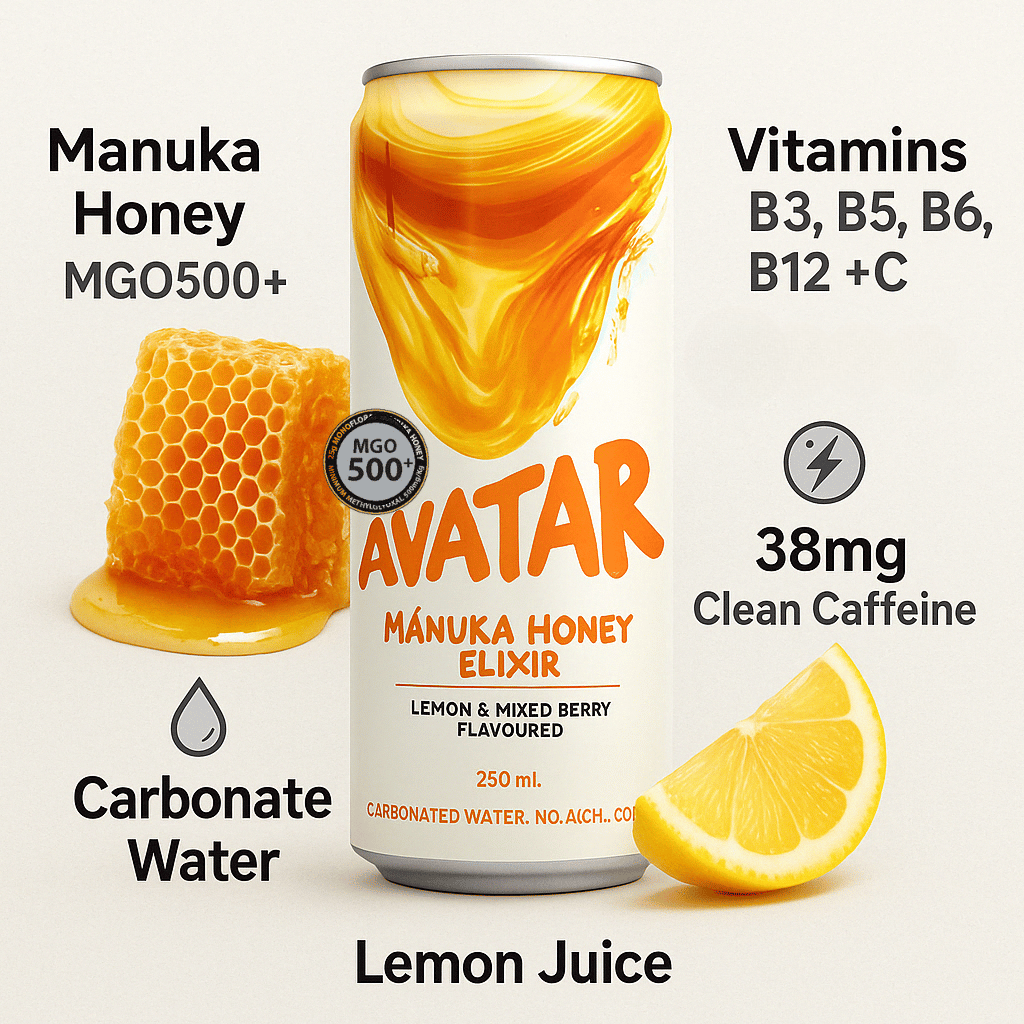
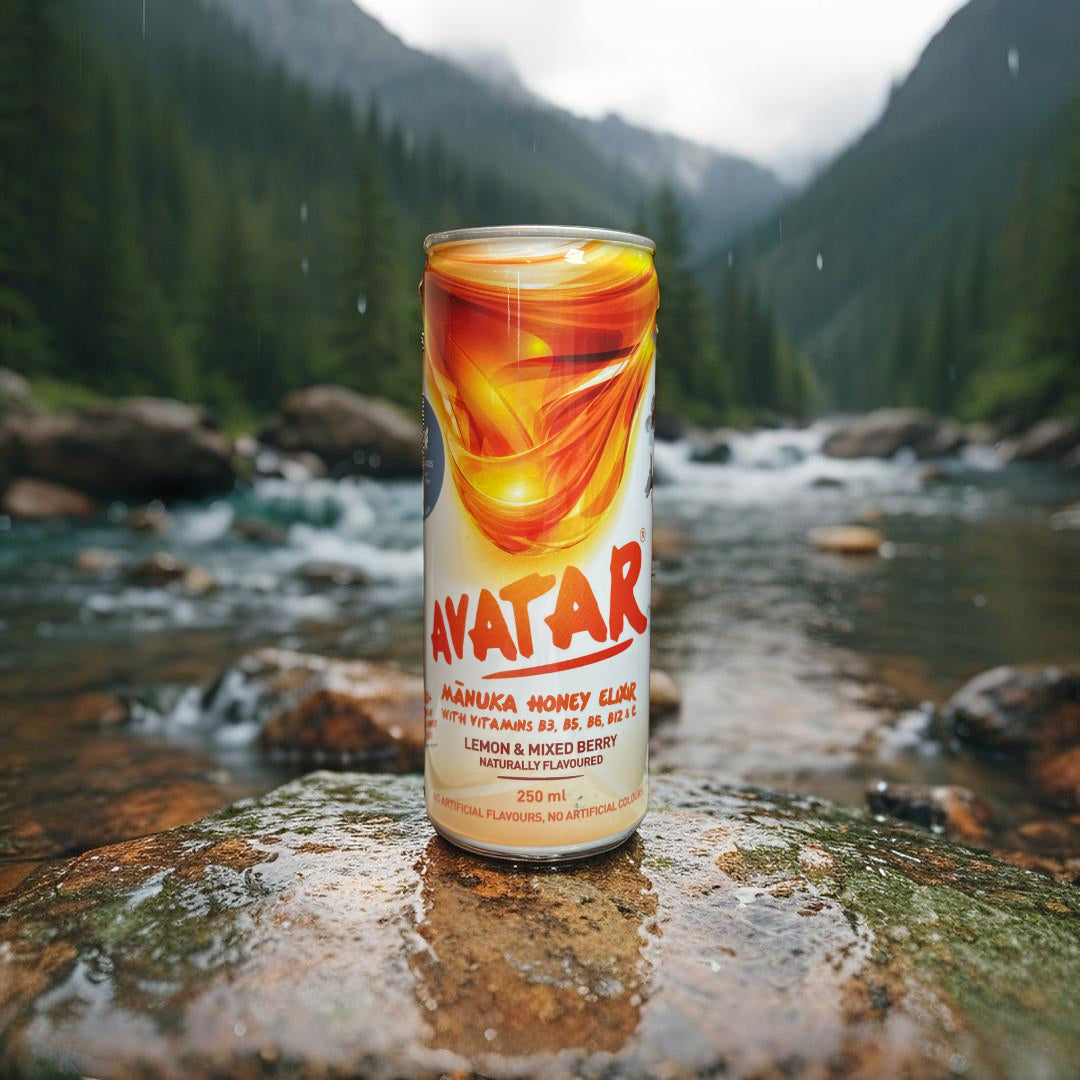
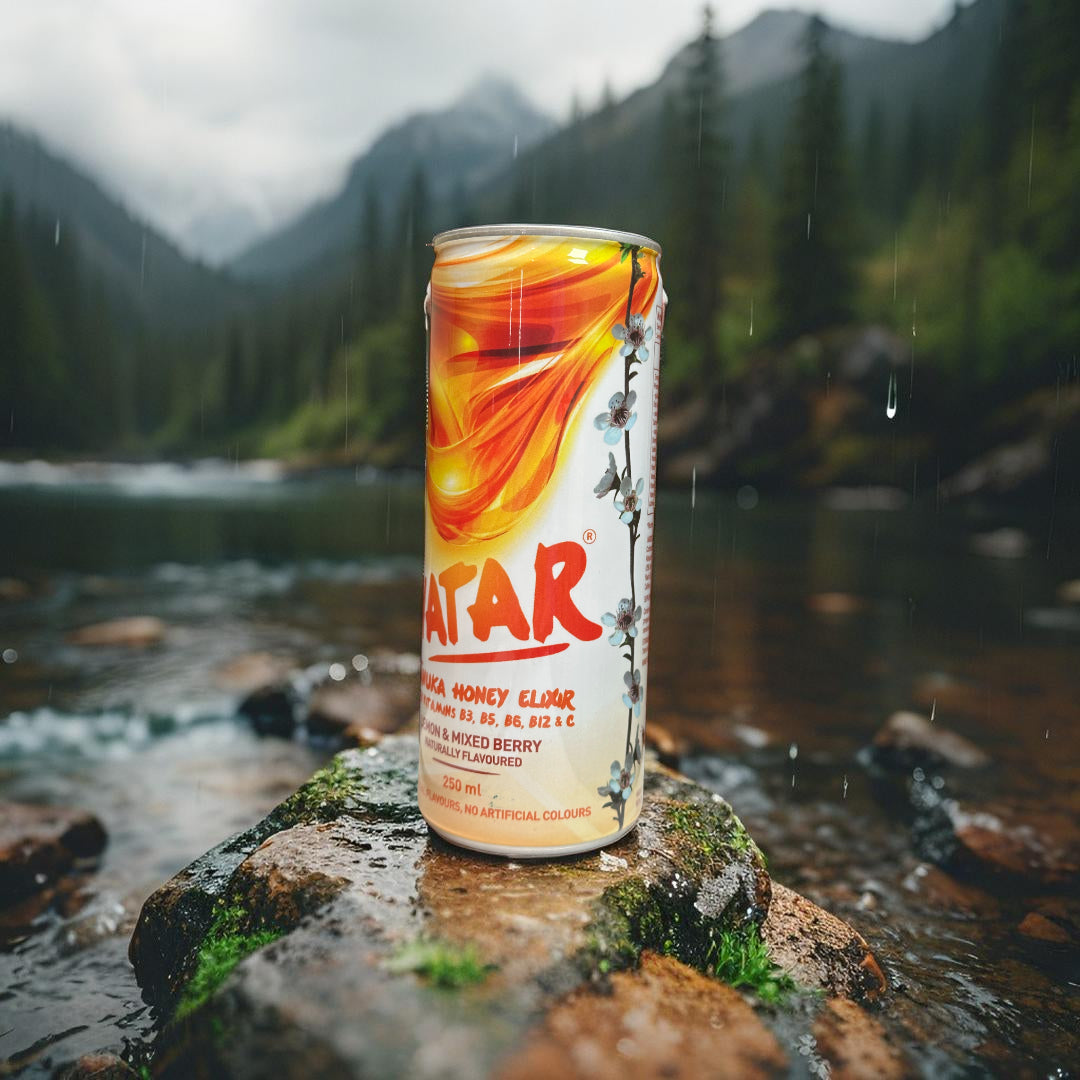
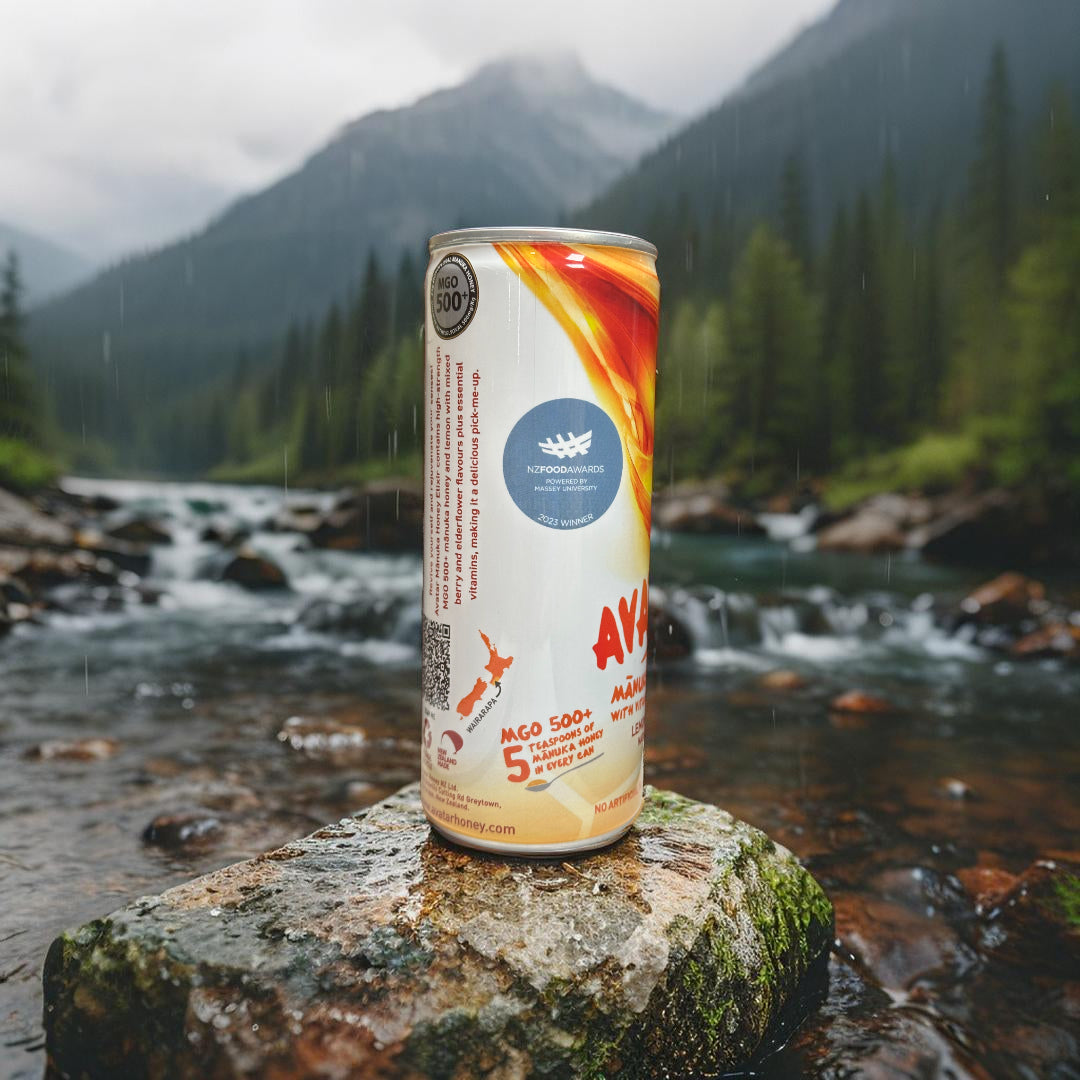
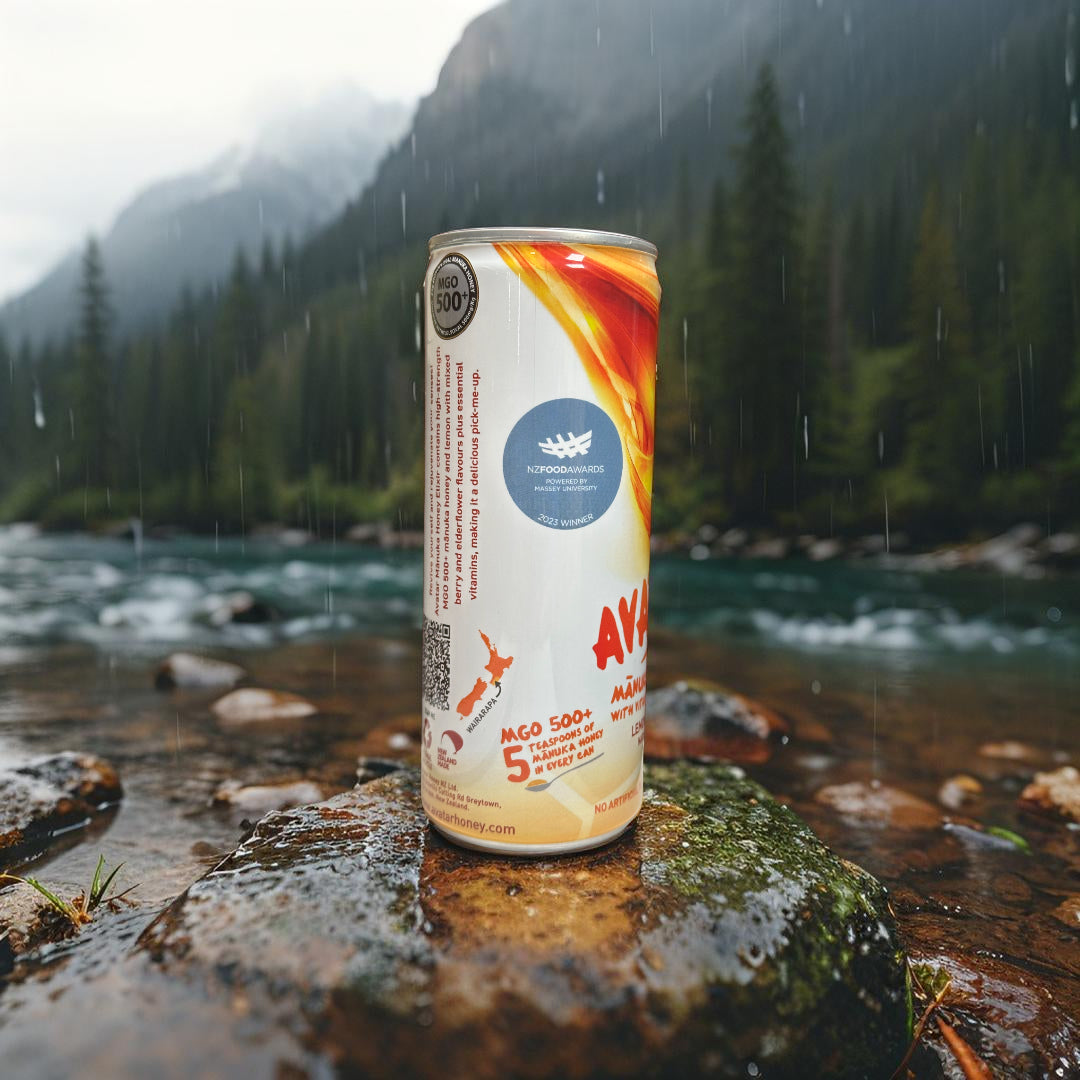
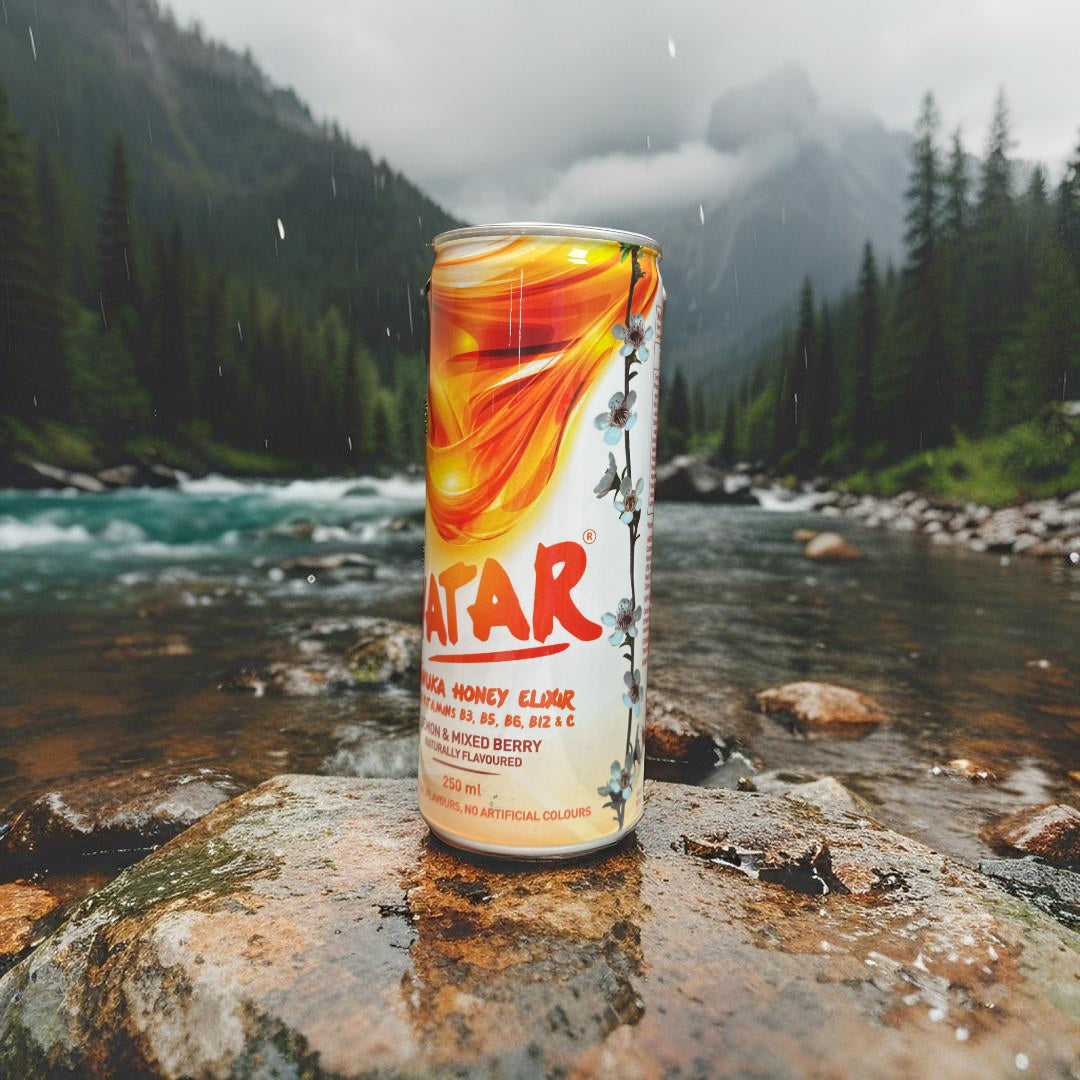
Avatar Elixir, as a honey-based option, fits into this pattern by leaning on honey rather than the more conventional sports drink model. The strongest comparison point is not that honey is “magic” or that every sports drink ingredient is a problem. The stronger point is that honey gives active people a familiar food-based fuel source, while manuka honey adds a functional dimension that most electrolyte drinks are not designed to provide.
What “natural” does and does not mean
Natural ingredients can be appealing, but “natural” does not automatically mean better in every training context. A natural drink still needs to match the demands of the session. If an athlete is losing a lot of fluid and sodium through sweat, a drink without meaningful electrolytes may not be enough during exercise, regardless of how clean the ingredient list looks.
At the same time, for pre-workout energy, daily movement, or a light training day, the full electrolyte design of a sports drink may not be necessary. In those cases, a honey energy drink can make more sense for someone who wants energy without artificial dyes or synthetic sweeteners.
Takeaway: Honey drinks tend to win on ingredient simplicity and natural fuel, while sports drinks tend to win on standardized hydration design.
Performance Context: Which Drink Fits Which Type of Training?
For performance, the better drink depends on workout length, sweat rate, intensity, and timing. A short gym workout, a daily walk, a moderate run, and a long endurance session do not create the same nutrition or hydration demands.
For shorter sessions, many active people mainly need accessible energy and normal hydration. A honey energy drink can fit well before training because it provides carbohydrates in a simple, familiar form. This may be especially relevant for people who do not want coffee before exercise, dislike heavily caffeinated drinks, or prefer energy from food-based carbohydrates rather than stimulant-heavy formulas.
For longer sessions, especially in heat or humidity, traditional sports drinks become more relevant. Electrolyte drinks are designed to help replace sodium and other minerals lost through sweat while also supplying fluid and carbohydrates. This is where Gatorade, Powerade, Lucozade, and similar drinks have a practical advantage. They are not just “sugary drinks” in this setting. They are formulated for a specific use case.
The most balanced pattern is complementary use. A honey-based drink such as Avatar Elixir may make sense before training, during light activity, or as part of a daily energy routine. A traditional electrolyte drink may make more sense during prolonged endurance sessions, team sports in hot conditions, or repeated training blocks where sweat losses are meaningful.
Common fit by training situation
- Before a workout: A honey energy drink can provide natural carbohydrate energy without relying on artificial dyes or synthetic sweeteners.
- During short training: Water plus normal meals may be enough for many people, with a honey drink used if extra energy is desired.
- During prolonged exercise: A sports drink often has the advantage because it is designed for fluid and electrolyte replacement.
- After light activity: A honey drink may fit a wellness-focused routine, especially when paired with balanced food and fluids.
- After heavy sweat loss: An electrolyte-focused drink or food-based sodium replacement may be more relevant.
Takeaway: Honey energy drinks are often stronger before exercise or for everyday active energy, while sports drinks are often stronger during long, sweaty sessions.
Recovery and Wellness: What Honey Adds That Sports Drinks Usually Do Not
Honey-based drinks can offer wellness-oriented properties that standard sports drinks are not typically built around. This is especially relevant when the formula uses manuka honey, which is commonly discussed for antibacterial and anti-inflammatory properties.
It is important to keep this point evidence-aware. In consumer wellness, manuka honey is often valued because it contains naturally occurring compounds that distinguish it from regular sweeteners. These compounds are part of why manuka honey has a strong reputation in functional food and wellness categories. However, drinking manuka honey in an energy drink should not be framed as treating inflammation, preventing illness, healing injury, or replacing professional care.
The practical distinction is narrower and more defensible. A standard sports drink is usually built around hydration science, not functional honey compounds. It may be useful for exercise hydration, but it typically does not offer the same natural ingredient story or the same honey-derived functional profile. A manuka honey energy drink can therefore bring something different to the table, especially for wellness lovers who want their energy drink to do more than taste sweet and replace electrolytes.
For recovery, the same balanced framing applies. After exercise, the body may need fluids, carbohydrates, protein, sodium, and overall nutrition depending on the session. A honey drink can contribute carbohydrates and may fit a wellness routine, but it is not a complete recovery system on its own. A sports drink can help with fluid and electrolyte replacement, but it usually does not provide protein or the broader nutrients found in a meal.
What this means for active people
If the goal is functional daily energy, a honey-based drink may be more aligned with a natural wellness preference. If the goal is rehydration after heavy sweating, an electrolyte drink may be more directly aligned with that need. If the goal is complete recovery, neither drink should be viewed in isolation from food, water, rest, and overall training load.
Takeaway: Manuka honey adds a functional wellness dimension that conventional sports drinks usually lack, but it does not replace targeted hydration or complete recovery nutrition.
Trade-Offs: Cost, Availability, Taste, and Tolerance
The best choice is also shaped by practical trade-offs that have nothing to do with ingredient philosophy. Cost, convenience, flavor, and stomach comfort all influence what athletes actually use consistently.
Traditional sports drinks usually win on availability. They are easy to find in supermarkets, petrol stations, gyms, vending machines, and sports venues. They are also often cheaper per serving than premium honey-based drinks. For teams, events, or high-volume training environments, that matters.
Honey energy drinks often sit in a more premium category. Manuka honey in particular is a higher-value ingredient, so drinks that use it may cost more than mass-market electrolyte drinks. For some consumers, that cost is justified by the cleaner ingredient profile, the absence of artificial dyes or synthetic sweeteners, and the added functional positioning. For others, especially athletes using multiple bottles per week during high-volume endurance training, cost may become a limiting factor.
Taste and gut tolerance also matter. Some people prefer the familiar flavor profile of sports drinks during hard exercise because it is light, predictable, and easy to sip. Others find sports drinks too artificial or too sweet. Honey drinks can taste more natural and rounded, but honey sweetness may feel heavier to some people during intense sessions. Individual tolerance varies, especially during running or high-intensity training.
| Trade-off | Honey energy drink advantage | Sports drink advantage |
|---|---|---|
| Ingredients | More natural positioning, often no artificial dyes or synthetic sweeteners | Formulated for consistency and sports hydration |
| Cost | May justify premium pricing for wellness-focused buyers | Usually lower cost and easier bulk use |
| Availability | Often found through specialty or direct channels | Widely available in everyday retail |
| Exercise use | Strong fit before training or for light activity | Strong fit during prolonged sweaty exercise |
| Wellness appeal | May include manuka honey functional properties | Usually less focused on functional wellness ingredients |
Takeaway: Sports drinks often win on price and availability, while honey energy drinks often win on ingredient quality and wellness alignment.
So, Which Is Actually Better?
A honey energy drink is better when the priority is natural energy, cleaner ingredients, and functional wellness value. A traditional sports drink is better when the priority is hydration and electrolyte replacement during prolonged exercise.
For athletes comparing Avatar Elixir with Gatorade, Powerade, or Lucozade, the fair answer is not that one category eliminates the other. The stronger conclusion is that they serve different moments in an active routine.
Choose the honey-based direction when the use case is pre-workout fuel, daily energy, light activity, or a natural alternative to conventional energy drinks. This is where honey has the clearest appeal. It provides carbohydrate energy from a recognizable ingredient, avoids the artificial dye and synthetic sweetener concerns that some consumers have with conventional drinks, and, when manuka honey is included, brings additional functional properties that electrolyte drinks usually do not offer.
Choose the sports drink direction when the use case is long-duration endurance exercise, heavy sweating, hot-weather sport, or situations where sodium and fluid replacement are the main concern. This is where traditional sports drinks have a legitimate advantage. They are accessible, generally affordable, and designed for the hydration demands of sport.
The most practical framework for many active people is simple: honey energy drink before or around everyday training, electrolyte drink during prolonged sweaty exercise. That approach respects the strengths of both categories without overstating either one.
Takeaway: Honey energy drinks can be the better everyday and pre-workout choice for natural energy, while traditional sports drinks remain the better specialist tool for endurance hydration.
These FAQs clarify the most practical differences between a honey-based energy drink and a traditional sports drink for training, performance, and recovery context. They focus on fuel versus hydration priorities, ingredient preferences, and when complementary use makes the most sense.
Is a honey energy drink better than a sports drink?
It depends on whether you need natural fuel or hydration support. A honey energy drink is often preferred when the goal is natural carbohydrate energy, simpler ingredients, and avoiding artificial dyes or synthetic sweeteners. A traditional sports drink is often the better tool during long, sweaty sessions because it is designed around fluid plus electrolytes and steady carbohydrate delivery.
Why do athletes use honey-based drinks instead of sports drinks?
Athletes often use honey-based drinks for ingredient simplicity and honey's functional compounds. Compared with many sports drinks, a honey energy drink can fit athletes who want a more "whole-food" style carbohydrate source and no artificial colors. When manuka honey is used, it is commonly discussed for antibacterial and anti-inflammatory properties, though this is not the same as a hydration formula.
How should I choose pre-workout fuel: honey or sports drink?
For pre-workout, the choice often comes down to tolerance and ingredient preference. Many active people pick a honey energy drink before training because it provides carbohydrate energy without the "sports drink" taste profile and can avoid synthetic sweeteners. A sports drink pre-workout can still make sense when you expect heavy sweating and want a head start on electrolytes.
What is the best drink during prolonged endurance exercise?
During prolonged endurance exercise, sports drinks are often the better fit. Traditional options like Gatorade, Powerade, and Lucozade are designed around hydration science basics: fluid replacement, carbs, and electrolytes together. A honey energy drink can still be used for energy, but it is typically not a replacement for an electrolyte-focused approach in long, hot, or very sweaty sessions.
How can I combine honey energy drink and electrolyte drinks effectively?
A common pattern is complementary use based on timing and session length. Many athletes use a honey energy drink for daily energy or before shorter training, then rely on an electrolyte sports drink during longer workouts for hydration support. In practical terms, this often looks like:
- Before training: honey energy drink for natural carb energy
- During long sessions: electrolyte sports drink for fluid and electrolytes
- After training: choose based on whether the priority is hydration recovery or simple carbohydrate top-up
Do honey energy drinks replace electrolytes for sweaty workouts?
Most honey energy drinks do not fully replace electrolytes on their own. Honey primarily contributes carbohydrates, while electrolyte sports drinks are formulated to replace minerals lost in sweat. If workouts are long, hot, or high-sweat, an electrolyte drink is often used alongside honey-based fuel rather than swapped out entirely.
Final Verdict
In the comparison of honey energy drink vs sports drink, the winner depends on the job. Honey-based drinks have a strong advantage for athletes and wellness-focused consumers who want natural fuel, fewer artificial ingredients, and the added functional profile of manuka honey. Traditional sports drinks have a strong advantage when the body needs targeted hydration support during long, sweaty, or high-volume exercise.
For most active people, the answer is not either-or. A honey energy drink can fit before training, during a lighter day, or as part of a daily energy routine. A sports drink can remain useful during endurance sessions or heavy sweat conditions. Used in the right context, both can have a place. The better choice is the one that matches the session, the ingredient preference, and the actual performance need.