


What this means for buyers:
- Choose a ready-to-pour honey mixer when serving speed, reliable flavour, and built-in carbonation matter most.
- Choose cocktail syrup when you want precise sweetness control and enjoy measuring, diluting, and building each drink.
- For many home bars, the formats are complementary rather than interchangeable. Your guest list and serving style should guide the decision.
A honey mixer and a cocktail syrup can bring sweetness, flavour, and character to a home-hosted drink, but they ask different things of the host. One is generally designed for opening and pouring. The other is a concentrated ingredient that needs measuring and a separate liquid before it becomes a complete drink.
Neither format is universally better. A relaxed gathering may favour chilled cans that guests can enjoy over ice, while a smaller cocktail evening may reward the control offered by syrup. The practical choice depends on how quickly you want to serve, how much variation you want between glasses, and how much refrigerator and preparation space you have.
The central difference is ready-to-pour versus concentrated
A ready-to-pour honey mixer is already diluted to a drinkable strength. Depending on the product, it may be served by itself, poured over ice, or used as one component in a longer alcoholic or zero-proof drink. If it is carbonated, the bubbles are also built into the format.
Cocktail syrup is concentrated. It usually needs to be combined with sparkling water, still water, juice, tea, a spirit, or another base. Because the host controls the quantity, syrup offers more freedom to adjust sweetness and flavour intensity. That flexibility comes with extra decisions and preparation.
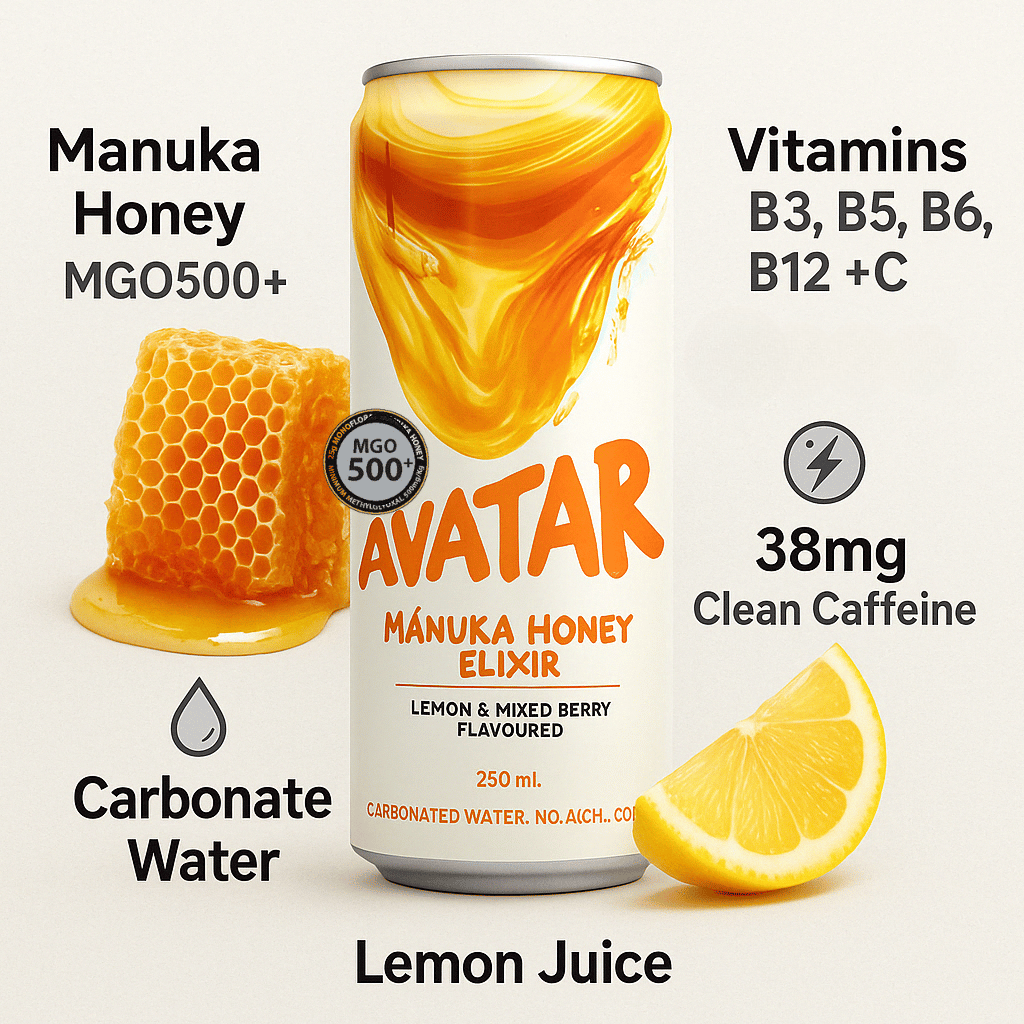
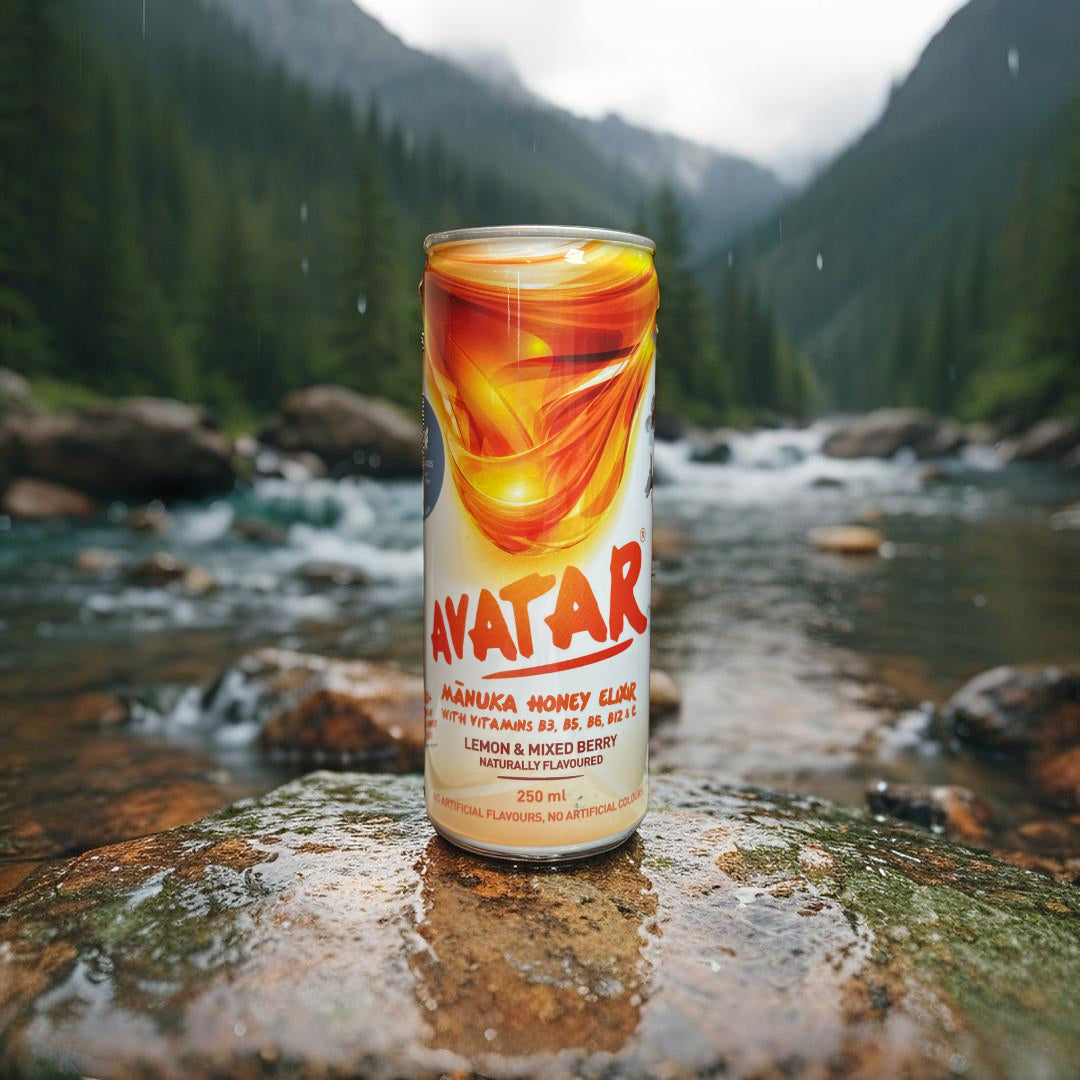
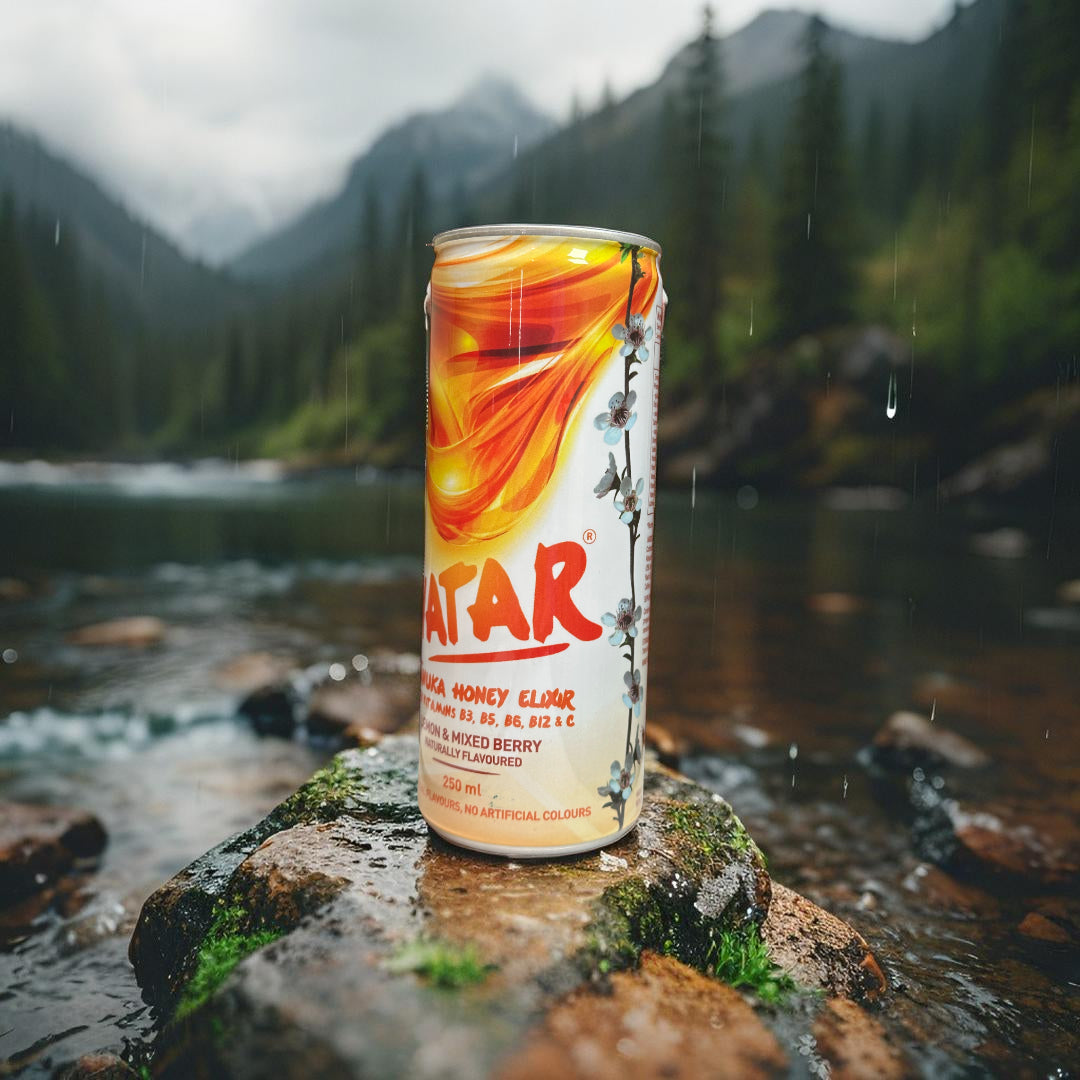
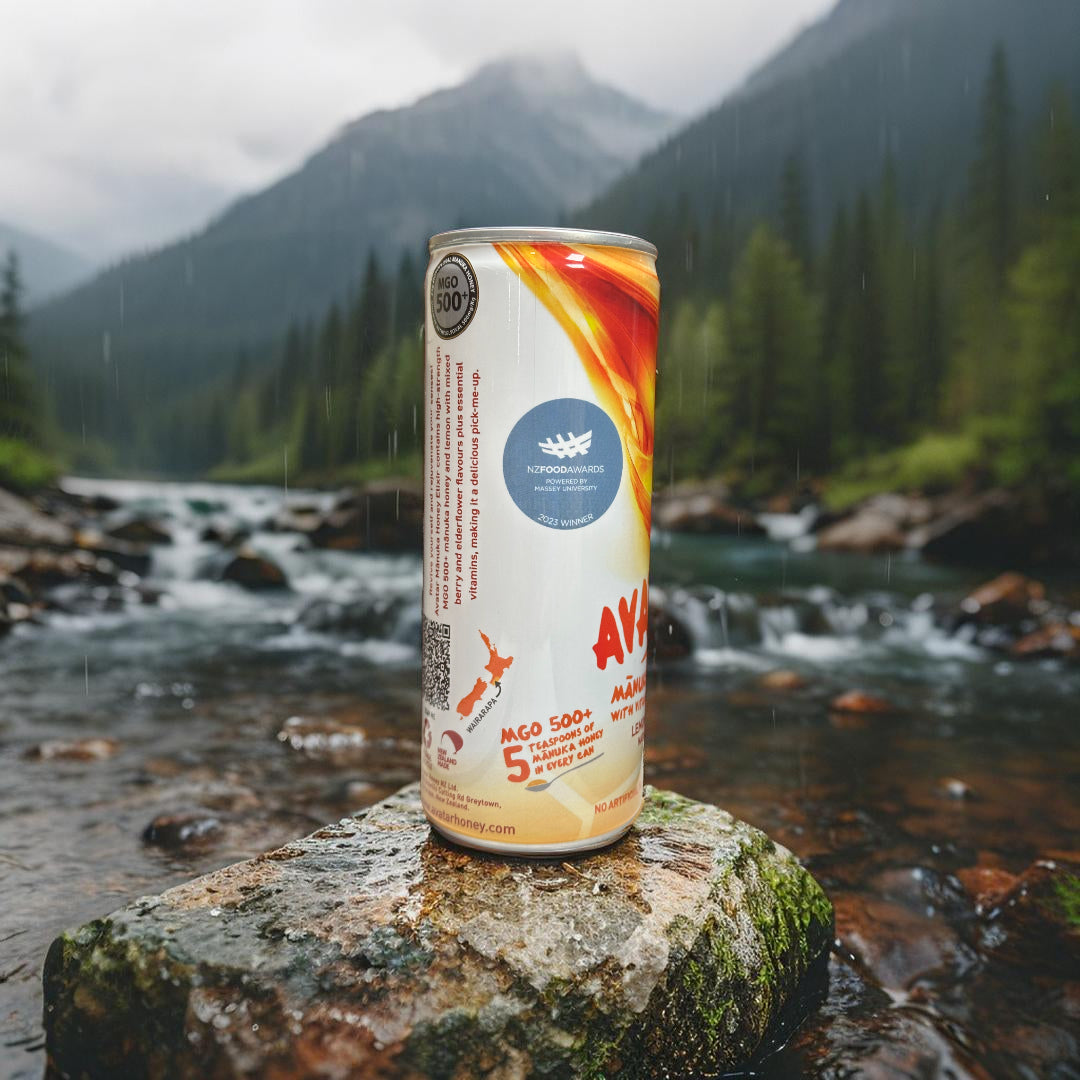
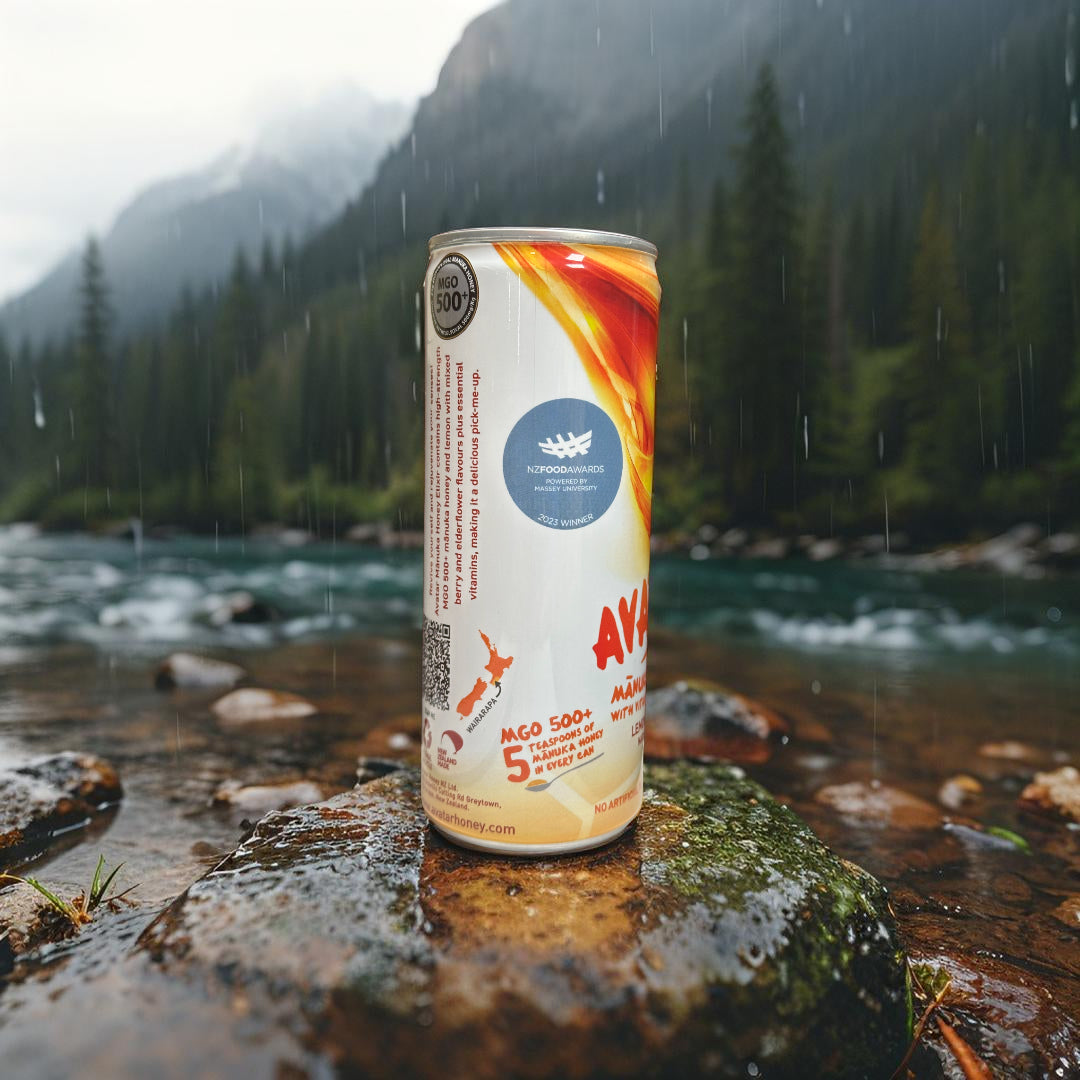
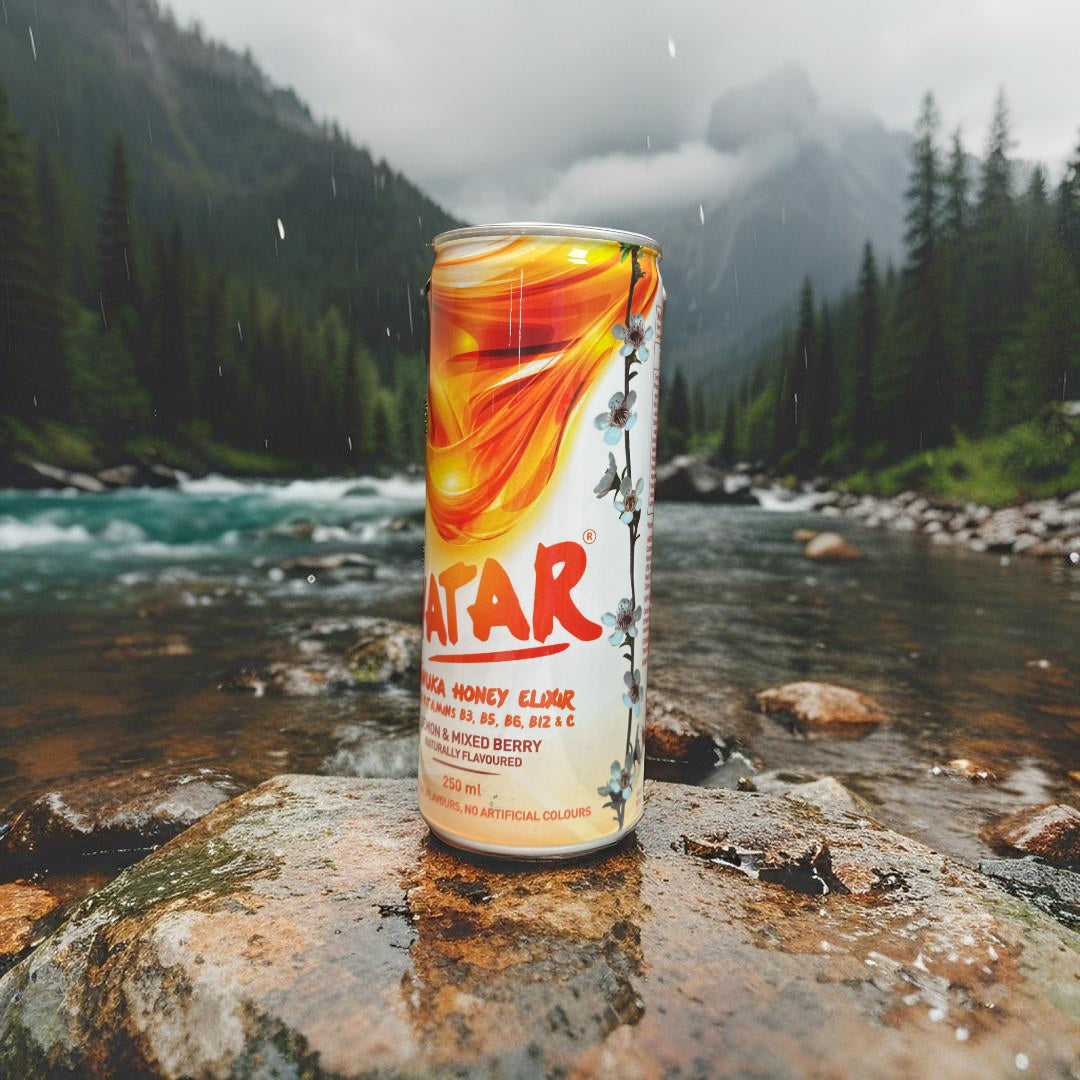
Avatar Elixir is an example of the ready-to-drink format. It combines Manuka honey, lemon, elderflower, clean caffeine, and light carbonation. It can be chilled and served directly, poured over ice, or incorporated into a longer drink where those flavours and gentle bubbles suit the recipe.
It is not a neutral mixer. Its honey, citrus, elderflower, caffeine, and carbonation all affect the finished glass. That makes it useful when you want those characteristics, but it should not be treated as a direct replacement for plain soda water or an unflavoured diluent in every recipe.
Preparation and serving speed
A canned honey mixer usually reduces the number of steps between fridge and glass. At its simplest, you chill it, open it, and pour. Ice, garnish, or another drink component can be added when appropriate, but the mixer itself does not require dilution before it is enjoyable.
With syrup, the host normally needs to:
- Choose a base liquid.
- Measure the syrup.
- Add the correct amount of dilution.
- Stir or shake the drink.
- Add carbonation separately if desired.
- Taste and adjust before serving.
Those steps are not necessarily inconvenient. For someone who enjoys making cocktails, they are part of the experience. At a busy gathering, however, repeated measuring can create a queue around the kitchen bench.
What this means for choosing a format: a ready-to-pour mixer suits occasions where you want guests to serve themselves or where several drinks need to leave the kitchen quickly. Syrup suits slower, more deliberate service where each glass can receive individual attention.
Sweetness control and dilution
Cocktail syrup gives you greater control over sweetness because you decide how much concentrate enters each drink. You can use a smaller amount for a lighter result or add more when the other ingredients are sharp, bitter, or strongly diluted.
The tradeoff is that sweetness, flavour intensity, and dilution are connected. Adding extra syrup may strengthen both sweetness and the syrup's featured flavours. Adding more water or another base may soften the sweetness, but it can also make the whole drink taste less concentrated.
A ready-to-pour honey mixer has a more settled balance. The producer has already determined the relationship between sweetness, acidity, flavour, water, and any carbonation. You can still lengthen it with other ingredients, but you begin with a finished beverage rather than a concentrate.
This can simplify hosting because guests receive a more consistent starting point. It offers less granular sweetness control, so it is worth considering whether the mixer's flavour profile suits the menu and the people you are serving.
Carbonation changes both texture and preparation
A sparkling canned mixer arrives with carbonation included, while syrup requires a separate carbonated ingredient if you want bubbles. This difference affects texture, storage, and the way the drink is assembled.
Light carbonation can make a honey-based drink feel fresher and less dense on the palate. It also means the host should avoid unnecessary shaking or aggressive stirring, which can release bubbles and flatten the drink.
Syrup has no built-in carbonation unless the specific product says otherwise. This lets you choose between still and sparkling service. It also lets you select the level and style of carbonation through soda water or another sparkling base. However, you need to buy, chill, open, and manage that additional ingredient.
If sparkling texture is important and you want fewer components on the bench, a carbonated mixer is the simpler option. If you want some drinks still and others sparkling, syrup provides broader control.
Batch consistency versus individual customisation
Ready-to-pour mixers make repeated serves easier to keep consistent. Each can begins with the same formulated drink, so differences mainly come from ice, garnish, and whatever else the host adds.
Syrup-based drinks depend more heavily on measurement. Free-pouring can lead to one glass tasting sweeter or stronger than the next. A jigger or measuring spoon improves repeatability, and a written batch ratio can make larger-format service easier.
For a casual group, exact consistency may not matter. Guests may enjoy adjusting their own drinks. For a seated dinner, where you want each person to receive a similar serve at roughly the same time, a ready-to-pour format can remove useful variables.
Refrigerator space and storage after opening
The more relevant storage question is not simply package size, but what happens after opening. Product instructions vary, so always follow the label for refrigeration and use-after-opening guidance.
A syrup bottle is compact relative to the number of possible serves, which can save refrigerator space. Once opened, many syrups need refrigeration, and the bottle may remain in the fridge across several hosting occasions. It also has to be kept clean around the cap and measured without contaminating the contents.
Individual cans require more total chilled space if you are serving a crowd. Their advantage is portioning. You can chill only what you expect to use and leave the remaining unopened cans stored according to the package directions. Once a can is opened, refrigerate any remainder as directed on the label and use it promptly rather than expecting it to hold carbonation indefinitely.
A host with a small fridge may prefer one syrup bottle plus separate base liquids. Another may find that several cans are easier to distribute between the fridge and an ice-filled container. The practical answer depends on your available cold storage and whether leftovers are likely.
Alcoholic and zero-proof hosting
Both formats can support alcoholic and zero-proof drinks, but neither automatically works in every recipe. The key is to consider what the product contributes beyond sweetness.
Syrup is useful when you want to choose the base, set the dilution, and control whether the final drink is still or sparkling. It can serve as a common flavour component across alcoholic and alcohol-free options, provided the accompanying liquids are adjusted thoughtfully.
A ready-to-pour mixer can be easier for zero-proof hosting because it may already feel complete when chilled and served over ice. It can also become part of an alcoholic serve, but its existing sweetness, flavour, and carbonation should be included in the recipe rather than added as an afterthought.
Avatar Elixir contains clean caffeine, so hosts should disclose that clearly to guests. This is especially important when offering it in a jug, mocktail, or mixed drink where the original can is no longer visible. A simple menu note or verbal mention helps guests make an informed choice. It is also sensible to provide a non-caffeinated option.
Which format fits your hosting style?
| Hosting situation | Ready-to-pour honey mixer | Cocktail syrup | Likely priority |
|---|---|---|---|
| Seated dinner | Supports quick, consistent serving with fewer preparation steps. | Works well when drinks are prepared in advance or carefully measured. | Choose based on whether speed or recipe control matters more between courses. |
| Casual gathering | Easy to chill, place on ice, and let guests pour for themselves. | Allows a self-serve station, but guests need measurements and suitable base liquids. | A mixer usually simplifies service, while syrup encourages customisation. |
| Cocktail enthusiast | Provides a finished flavour and carbonation profile to build around. | Offers precise sweetness, dilution, and texture control. | Syrup may suit deliberate recipe development, while a mixer suits creative use of a complete beverage. |
| Zero-proof host | May be served alone or used in a longer drink, reducing the need for extra components. | Can create varied alcohol-free drinks when paired with appropriate bases. | Check caffeine, sweetness, and ingredient preferences, then offer clear choices to guests. |
Can you keep both formats at home?
A ready-to-pour mixer and a cocktail syrup can perform different jobs in the same home bar. The mixer covers occasions when you want a complete chilled drink or a quick foundation for a longer serve. Syrup covers occasions when you want to experiment with sweetness, dilution, and different base liquids.
Keeping both only makes sense if you will use both. Occasional hosts may be better served by choosing the format that matches their most common gathering. Frequent hosts may appreciate having a fast option for casual evenings and a concentrated option for more deliberate drink making.
A calm format-selection checklist
Before buying a honey mixer or cocktail syrup for your next gathering, consider the following:
- Serving pace: Do you want to open and pour, or measure and build each drink?
- Sweetness control: Is a finished balance convenient, or do you want to adjust every glass?
- Dilution: Do you already have suitable water, juice, tea, or other base liquids?
- Carbonation: Do you want bubbles included, added separately, or omitted?
- Consistency: Should every guest receive a similar serve, or is customisation part of the occasion?
- Storage: Do you have room for individual cans, or would a concentrated bottle be easier to refrigerate after opening?
- Guest information: Are caffeine and other relevant ingredients clearly disclosed?
- Recipe fit: Does the product's honey and botanical character complement the intended drink rather than merely replace a neutral liquid?
- Leftovers: Are you more likely to finish individual servings or return to an opened syrup bottle over time?
The best format is the one that makes your preferred style of hosting easier without taking away the level of control you enjoy. Choose a ready-to-pour honey mixer for speed, built-in balance, and convenient sparkling service. Choose syrup for measurement-led flexibility and deeper control over dilution. If your gatherings vary, the two formats can sit comfortably beside each other without needing to compete for the same role.
These practical follow-ups help you test, batch, and present honey-based drinks clearly for guests.
Should syrup drinks be batched before guests arrive?
Syrup drinks can be batched in advance when you use a written ratio and measure each component carefully. Keep any sparkling element separate until close to serving if you want to retain more carbonation. Pre-batching suits a consistent dinner serve, while mixing individually is better when guests want different sweetness or dilution.
How can I keep a shared sparkling serve from going flat?
Build a shared sparkling serve close to the time it will be poured, and handle it gently. Chill ingredients beforehand, avoid shaking or aggressive stirring, and consider making smaller batches rather than one large jug that sits for a long period. An opened canned mixer will gradually lose carbonation, so prompt service protects its intended texture.
What information should a self-serve drinks station include?
A self-serve station should show guests what to pour, how much to use, and whether the drink contains caffeine. For syrup, provide a measuring tool, suitable base liquids, and a simple ratio. For Avatar Elixir, make its clean caffeine clear whenever the original can is not visible, and provide a non-caffeinated choice.
How should I trial a mixer or syrup before hosting?
Make one representative serve using the same ice, glassware, base liquids, and garnish planned for the gathering. Check whether the sweetness, dilution, honey and botanical character, and carbonation fit your menu. This small trial helps reveal whether you need a ready-to-pour option, a measured syrup build, or both formats for different guests.