



Headline finding: Caffeine does not sober a person up, reduce blood alcohol concentration, or restore driving ability. When caffeine and alcohol are consumed together, someone may feel more awake while remaining impaired, which can make the combination harder to judge safely.
The idea that coffee, energy drinks, or caffeinated mixers can “cancel out” alcohol is a misconception. Alcohol and caffeine can affect how a person feels in different ways, but their effects do not neutralise each other. Feeling alert is not the same as having unimpaired coordination, reaction time, attention, or judgement.
This distinction matters when planning cocktails, mixed drinks, or social events. A chilled caffeinated beverage may taste refreshing and make tiredness feel less obvious, yet it does not speed up the body’s processing of alcohol. There is also no universal serving combination that can be described as safe for every adult. Body size, individual sensitivity, medications, serving strength, drinking pace, food intake, sleep, and other factors can all shape the experience.
The most cautious conclusion is simple: mixing caffeine with alcohol introduces uncertainty, and avoiding the combination is the lower-risk choice. The information here is general and reflects broadly accepted safety principles. It is not individual medical advice.
Why caffeine does not sober someone up
Caffeine can change perceived alertness without reversing alcohol-related impairment. This is the central issue behind caffeinated alcoholic drinks.
Alcohol is associated with reduced coordination, slower reactions, altered judgement, and impaired decision-making. Caffeine is commonly consumed for wakefulness and may make someone feel less sleepy. When used together, these effects can coexist. A person may therefore feel more switched on without becoming less intoxicated.
Caffeine does not remove alcohol from the bloodstream. Nor does it restore the physical and cognitive abilities needed for safe driving or other tasks requiring reliable judgement. Time, rather than a caffeinated beverage, is what allows the body to process alcohol.
The word masking is often used to describe this mismatch. It does not necessarily mean that every sign of intoxication disappears. It means subjective cues such as sleepiness may become less useful as a guide to actual impairment. Someone who feels awake may underestimate how affected they remain.
This mismatch can influence decisions about another drink, getting home, swimming, using equipment, or looking after others. The concern is not simply whether caffeine and alcohol are present in the same glass. It is whether perceived alertness creates confidence that is not supported by actual ability.
Takeaway: Feeling less tired after caffeine is not evidence that alcohol-related impairment has decreased.
Common myths versus practical facts
Several familiar beliefs about caffeine and alcohol confuse wakefulness with sobriety. A concise comparison helps separate what a person may feel from what the combination actually changes.
-
Myth: A caffeinated mixer sobers someone up.
Fact: Caffeine may affect alertness, but it does not remove alcohol from the body or reverse intoxication. -
Myth: Feeling awake means it is safe to drive.
Fact: Alertness is not a reliable measure of coordination, reaction time, judgement, or legal driving status. -
Myth: Water, coffee, or a cold shower quickly clears alcohol.
Fact: These may change comfort or how awake someone feels, but they do not rapidly eliminate alcohol. -
Myth: Natural caffeine makes the pairing safer.
Fact: The source or branding of caffeine does not make alcohol-related impairment disappear. -
Myth: A premium mixer creates a predictable serving.
Fact: The amount of alcohol depends on the pour, vessel, recipe, and number of servings. Taste and presentation can make strength difficult to estimate. -
Myth: Hydration prevents intoxication or a hangover.
Fact: Water can support hydration and slow the pace of an occasion, but it does not prevent intoxication or guarantee how someone will feel later.
These distinctions are particularly important with sweet, citrus-led, carbonated, or floral mixers. A balanced drink can soften the taste of alcohol, making the pour seem lighter than it is. Flavour is not a dependable indicator of alcoholic strength.
Takeaway: Neither taste, freshness, natural ingredients, nor perceived wakefulness provides a reliable measure of impairment.
What changes the level of uncertainty
The effects of a caffeinated alcoholic drink cannot be predicted from the mixer alone. Both the alcohol serving and the person consuming it matter.
Serving strength and glass size
A mixed drink may contain one measured pour, several pours, or an amount that was never measured. Large glasses, shared vessels, free-pouring, and top-ups can make the total difficult to track. Carbonation, sweetness, citrus, honey, and chilled serving temperatures may also reduce the obvious taste of alcohol without reducing its quantity.
There is no useful universal rule stating that a particular amount of caffeine makes a particular alcohol serving safe. Alcohol labelling, local standard-drink information, and clearly measured servings provide more meaningful context than the name or appearance of a cocktail.
Pacing and total intake
How quickly drinks are consumed can affect how manageable the occasion feels. Caffeinated drinks may be easy to sip quickly, especially when cold and lightly carbonated. If wakefulness makes someone feel ready to continue drinking, the total alcohol or caffeine consumed may become harder to judge.
It is also important to consider caffeine from the whole day. Coffee, tea, energy drinks, pre-workout products, chocolate, and some medicines may all contribute. Looking only at the mixer can understate total caffeine intake.
Individual sensitivity and circumstances
People vary in their response to both alcohol and caffeine. Sleep, food intake, body size, previous consumption, stress, and general sensitivity may all matter. A combination that seemed manageable on one occasion may feel different on another.
Caffeine can also make some people feel restless, jittery, or uncomfortable. Alcohol can weaken judgement about when to stop. Combining the two does not produce a consistent experience that can be generalised across adults.
Medication and health considerations
Some prescription medicines, over-the-counter products, and health conditions may require avoiding alcohol, caffeine, or both. Product labels and advice from a pharmacist or qualified health professional are more appropriate than general online guidance when medication is involved.
Someone who is pregnant, has been advised not to drink alcohol, is sensitive to caffeine, or needs to remain fully alert has a clear reason to choose a non-alcoholic, non-caffeinated option instead.
Takeaway: Risk is shaped by the full serving, total intake, personal sensitivity, and circumstances, not simply by whether a mixer appears light or premium.
Why “clean caffeine” and natural ingredients do not change the alcohol question
Ingredient quality can influence flavour and product choice, but it does not make caffeine and alcohol a risk-free pairing.
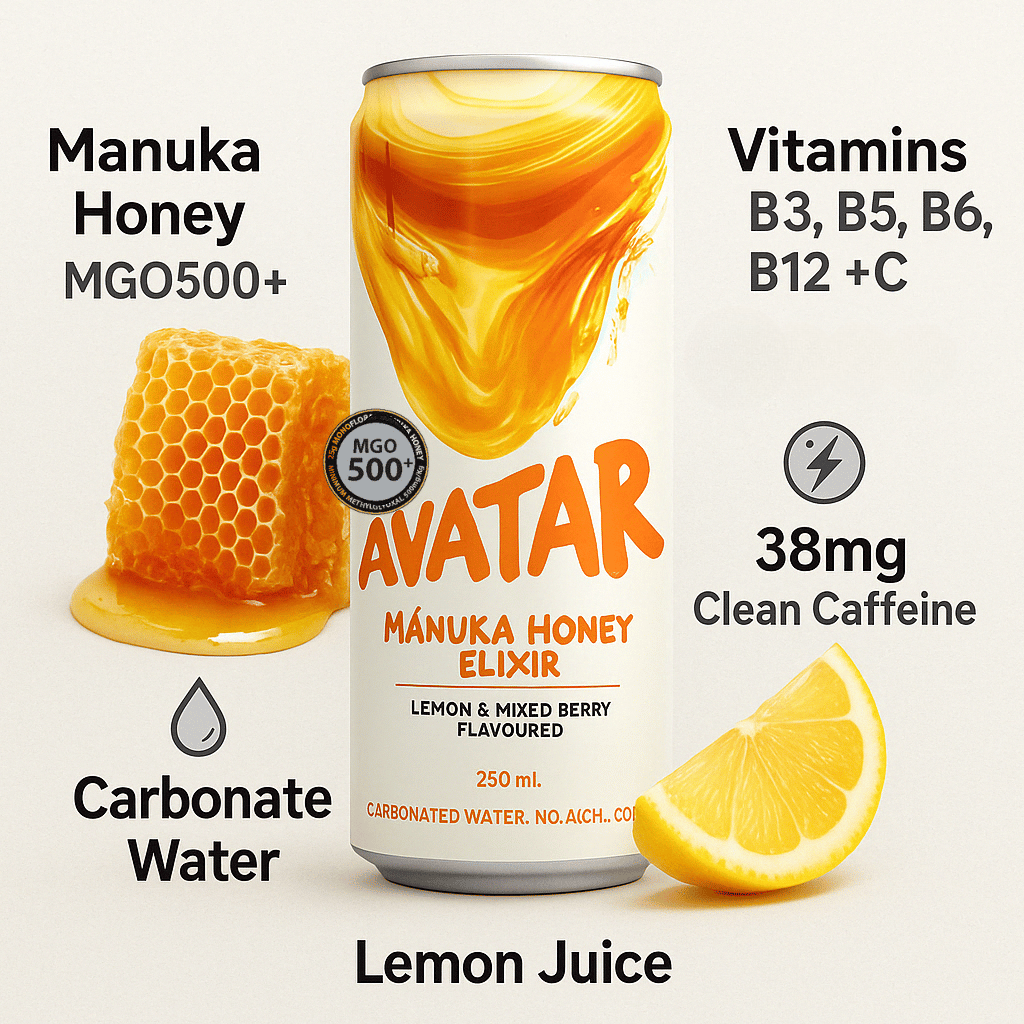
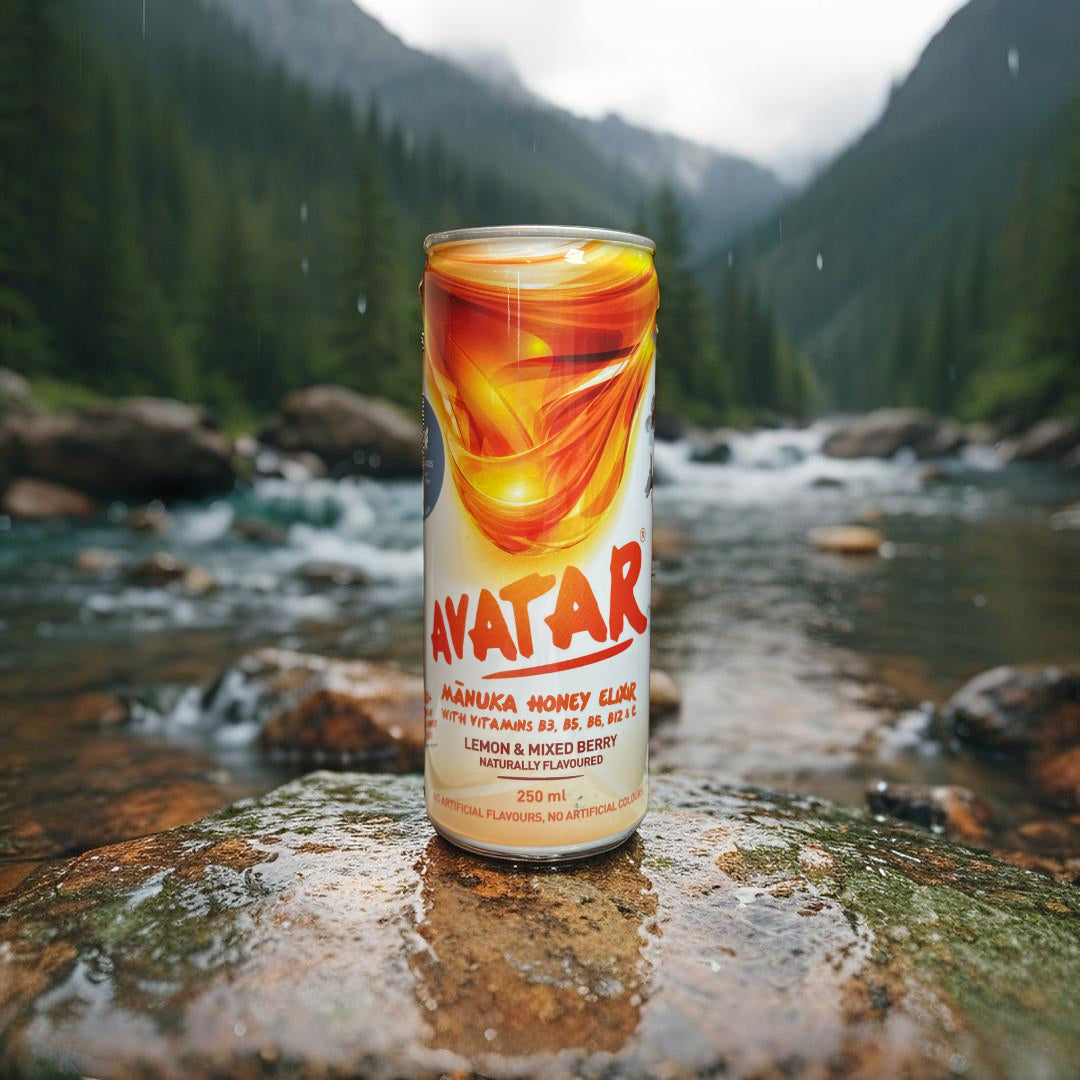
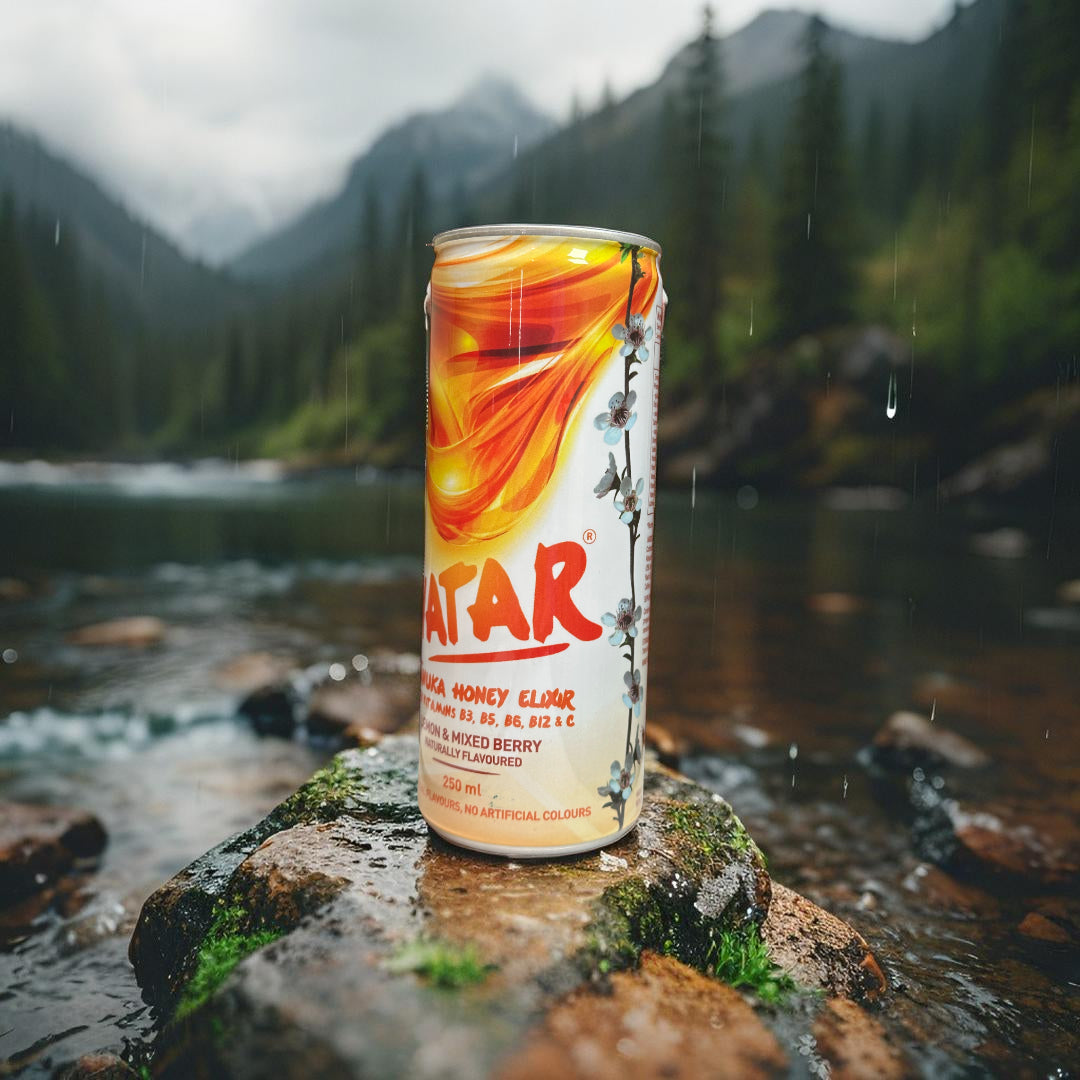
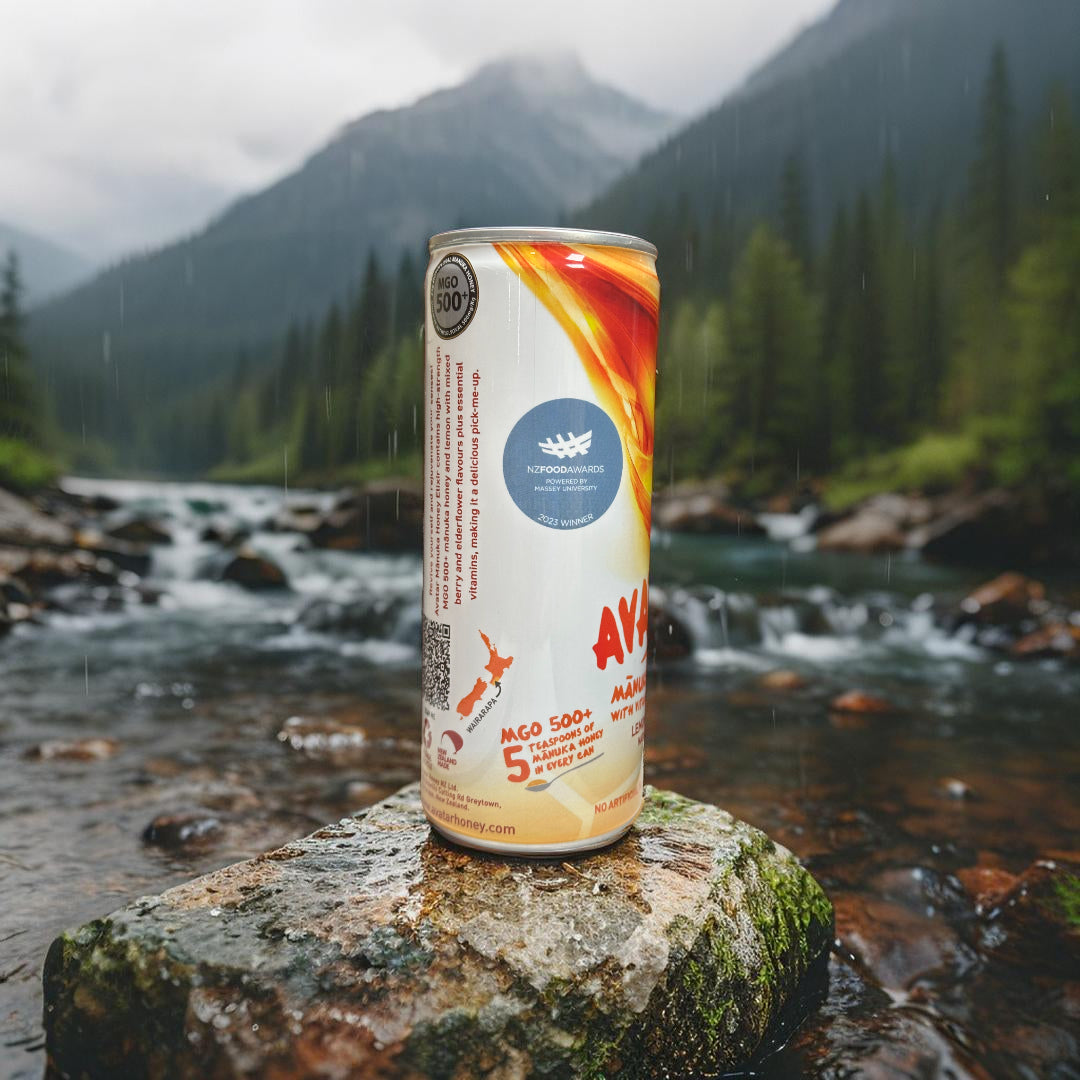
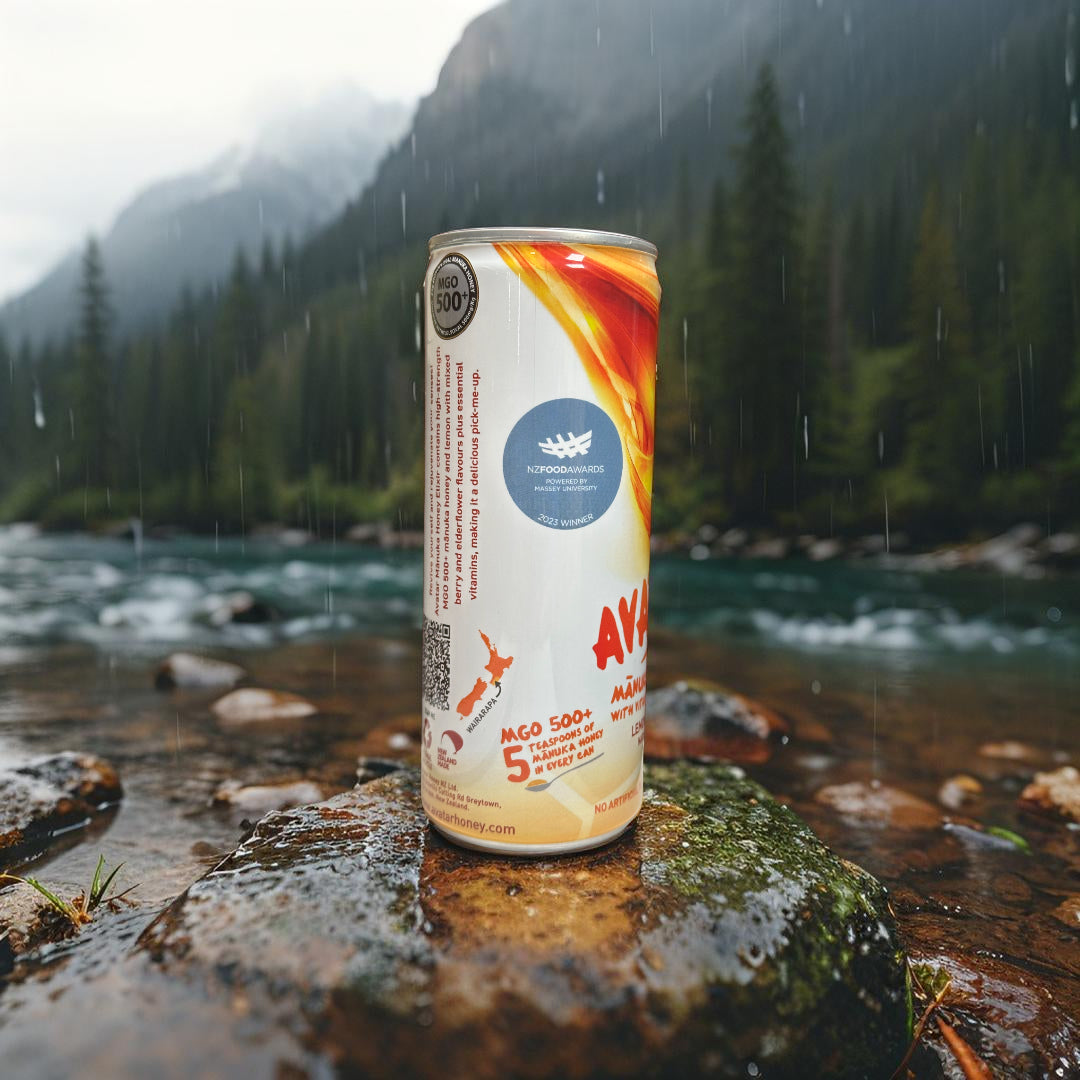
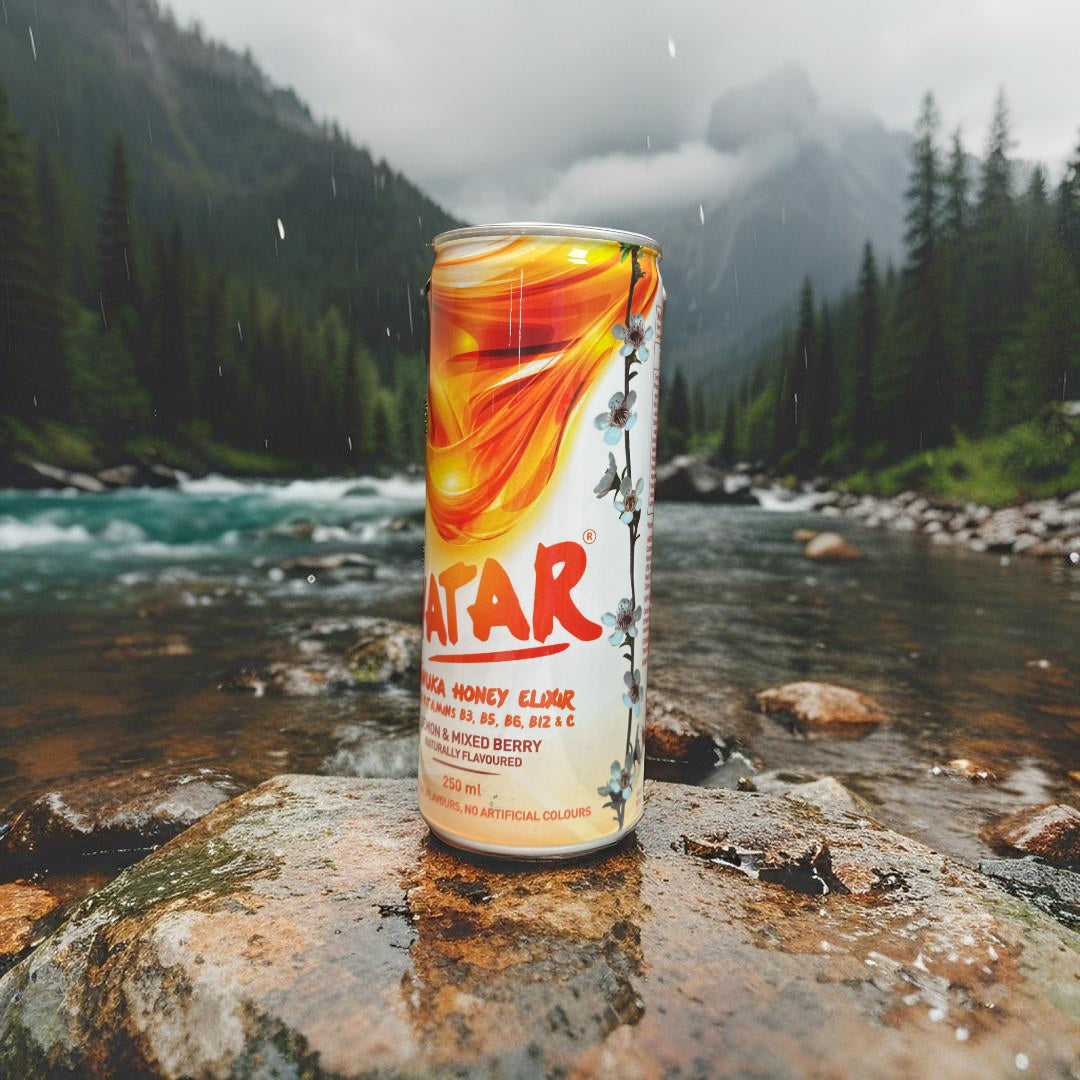
Avatar Elixir contains clean caffeine, which is why this guidance applies when someone considers using it as an alcoholic mixer. Its Manuka honey, lemon, elderflower, vitamins, and lightly carbonated character may offer a more ingredient-led drinking experience, but those features do not sober someone up or offset alcohol-related impairment.
The phrase clean caffeine is generally used to communicate an ingredient-led positioning or distinguish a drink from heavily formulated alternatives. It should not be interpreted as meaning that caffeine becomes protective when combined with alcohol. The relevant issue remains the presence of caffeine, not whether the wider ingredient list feels natural or premium.
Cocktail-mixer and premium-mixer inspiration can be useful for understanding flavour pairings, glassware, presentation, and social occasions. It should not be read as a safety endorsement. The same drink can also be served on its own, over ice, or in an alcohol-free mixed drink when caffeine is suitable for the individual.
For anyone who wants to avoid both alcohol and caffeine, a different non-alcoholic mixer is the clearer option. “Alcohol-free” and “caffeine-free” are separate characteristics, so both labels need attention.
Takeaway: Natural or premium ingredients may affect taste and presentation, but they do not counteract alcohol or make impairment easier to assess.
A cautious event checklist
Planning before an event is more reliable than making transport and serving decisions after drinking has started. This checklist does not make mixing caffeine and alcohol safe. It identifies considerations that can reduce avoidable uncertainty.
- Decide whether the combination is necessary. Offering the caffeinated drink on its own or choosing an alcohol-free, caffeine-free mixer removes the interaction entirely.
- Read both labels. Check whether each beverage contains alcohol, caffeine, or other ingredients relevant to the person drinking it.
- Know the serving strength. Measured pours are easier to understand than free-poured cocktails, repeated top-ups, or shared containers.
- Account for all caffeine sources. Coffee, tea, energy drinks, and other caffeinated products consumed earlier still matter when considering the full occasion.
- Keep water available. Water can support hydration and create pauses between drinks, but it must not be treated as a way to become sober.
- Avoid using tiredness as the only stopping signal. Caffeine may make sleepiness less noticeable even though alcohol-related impairment remains.
- Set the transport plan in advance. Arrange a sober driver, taxi, rideshare, public transport, or overnight stay before alcohol is served. Feeling alert later should not change that plan.
- Provide clear alcohol-free choices. Guests should not have to explain why they are avoiding alcohol, caffeine, or the combination.
- Consider medicines and personal sensitivity. When there is uncertainty about medication or a health condition, a pharmacist or qualified health professional can provide individual guidance.
- Do not pressure anyone to keep pace. Different people respond differently, and prior experience does not guarantee the same response at another event.
Hosts can also keep caffeinated and non-caffeinated beverages clearly identified. This matters when drinks are poured into identical glassware or prepared in batches. Guests need enough information to make their own choices.
Takeaway: Clear labelling, measured servings, alcohol-free options, and a transport plan are more dependable than trying to judge sobriety by how awake someone appears.
When avoiding the combination is the better decision
Avoidance is the clearest choice whenever alertness, driving ability, medication compatibility, or individual sensitivity is uncertain.
Mixing caffeine and alcohol is particularly inappropriate when someone plans to drive, cycle on the road, operate equipment, swim, supervise children, or perform another task requiring reliable coordination and judgement. A person who already feels unwell, highly tired, anxious, or unusually affected by either ingredient also has reason not to combine them.
The combination should not be used to extend a long evening, push through fatigue, prepare for travel, or compensate for previous drinking. Tiredness can be useful information that the body needs rest. Covering that sensation with caffeine does not resolve the effects of alcohol or sleep loss.
If someone becomes difficult to wake, has trouble breathing, vomits repeatedly, appears confused, has a seizure, or shows other signs of a serious reaction after drinking, the situation requires urgent help. Do not rely on caffeine, food, water, a shower, or sleep to correct it. Contact local emergency services and keep the person with a responsible sober adult while help is arranged.
For social occasions, the most defensible framing is not that caffeinated alcoholic drinks are safe or unsafe in every possible circumstance. It is that caffeine can make subjective alertness a poor guide to alcohol-related impairment. Because that mismatch is difficult to assess in real time, choosing not to combine them is the more cautious option.
Final takeaway: Caffeine does not sober someone up, prevent intoxication, protect against a hangover, or make driving safe. If caffeine and alcohol are both being considered, informed judgement starts with recognising that feeling awake and being unimpaired are not the same thing.
These follow-up points clarify alcohol-free serving choices, event labelling, medication uncertainty, and urgent warning signs.
Is an Avatar Elixir mocktail also caffeine-free?
No. A mocktail made with Avatar Elixir can be alcohol-free, but Avatar Elixir contains clean caffeine. Alcohol-free and caffeine-free are separate characteristics, so anyone avoiding caffeine should choose a different non-alcoholic mixer and check its label.
How should hosts identify caffeinated drinks at an event?
Hosts should clearly distinguish drinks containing caffeine from non-caffeinated options. This is especially important when batch drinks or identical glassware make beverages difficult to tell apart. Guests need clear information about both caffeine and alcohol to make informed choices.
What if a medicine label mentions alcohol or caffeine?
Follow the product label and ask a pharmacist or qualified health professional for individual guidance. Some prescription medicines, over-the-counter products, and health conditions may require avoiding alcohol, caffeine, or both. General online information cannot determine compatibility for a particular person.
When do symptoms after drinking require urgent help?
Contact local emergency services if someone is difficult to wake, has trouble breathing, vomits repeatedly, appears confused, has a seizure, or shows other signs of a serious reaction. Keep the person with a responsible sober adult while help is arranged. Do not rely on caffeine, water, food, a shower, or sleep to correct the situation.