


Short answer: Yes, caffeinated mocktails should be clearly labeled for guests. Alcohol-free does not mean caffeine-free, and a simple “contains caffeine” note helps people make informed choices based on sleep plans, caffeine sensitivity, pregnancy, medications, or personal preference.
A mocktail can look like any other alcohol-free drink while containing coffee, tea, cola, an energy drink, or a caffeinated mixer. Guests should not have to identify caffeine from the flavour or ask several questions before ordering.
Clear labeling is not about making a caffeinated mocktail sound risky. It is a practical part of thoughtful hosting, much like identifying alcohol, common ingredients, or other drink characteristics that may affect a guest’s choice. The goal is simply to make the menu transparent and keep an equally appealing non-caffeinated option available.
Why should an alcohol-free mocktail be labeled if it contains caffeine?
An alcohol-free label only tells guests that a drink does not contain alcohol. It does not tell them whether the drink contains caffeine or other ingredients they may want to consider.
People manage caffeine for different reasons. A guest may be limiting it later in the day, know that they are sensitive to it, be following guidance related to pregnancy or medication, or simply prefer a drink without a stimulant. Hosts do not need to assess those circumstances or offer health advice. They only need to provide clear information so each guest can decide for themselves.
Caffeine can also appear in ingredients that are not obvious from a drink’s name. A “citrus garden fizz,” for example, might be made with a caffeinated functional beverage. Without a menu note, it could reasonably be mistaken for flavoured sparkling water.
Key takeaway: “Zero-proof,” “alcohol-free,” and “mocktail” do not mean “stimulant-free.” If caffeine is part of the recipe, say so plainly.
Which hosting situations call for a caffeine note?
A caffeine note is useful whenever guests select a prepared drink without seeing every original ingredient package. This includes private parties, catered events, office functions, shared fridges, drinks stations, and restaurant-style mocktail menus.
Home parties and dinner gatherings
At home, a small label beside the jug, dispenser, or serving tray is usually enough. If drinks are being mixed individually, the host can also mention the caffeine when offering the drink.
This becomes especially helpful during evening events. Guests may assume that a floral, honeyed, or citrus mocktail is a gentle alternative to coffee or an energy drink, even when a caffeinated mixer is part of the recipe.
Office events and workplace fridges
For office catering, team celebrations, and communal fridges, identify caffeinated drinks at the point where people choose them. Do not rely only on an announcement made at the beginning of an event, because some people may arrive later or miss it.
If sealed cans or bottles are provided, leave them in their original packaging. If the drink is poured into glassware or a dispenser, add a visible note and keep the package nearby for anyone who wants to inspect the current ingredient and caffeine information.
Catered events and table service
Caterers should include the note on printed menus, drinks boards, tray labels, or ordering screens. Service staff should also know which zero-proof drinks contain caffeine, so they can answer a direct question without guessing.
A neutral description works better than a warning-style label. The aim is to share a relevant fact, not to make assumptions about what any guest should consume.
Self-serve punch and large-batch mocktails
Caffeinated communal punch should always be labeled clearly, although offering caffeine separately is often the more transparent approach. Once a caffeinated product is mixed into a large dispenser, guests cannot inspect the original container or choose a version without it.
Do not disguise caffeine in a fruit punch, festive bowl, or sparkling “wellness” drink. If caffeine is included, place a label directly beside the dispenser and offer a comparable non-caffeinated batch.
What should a caffeinated mocktail label say?
A useful label should state “contains caffeine” in direct, easy-to-read language. It may also name the caffeinated ingredient, but the drink’s decorative name alone is not enough.
Suitable wording includes:
- Contains caffeine.
- Alcohol-free. Contains caffeine.
- Made with a caffeinated sparkling mixer.
- Zero-proof mocktail containing caffeine.
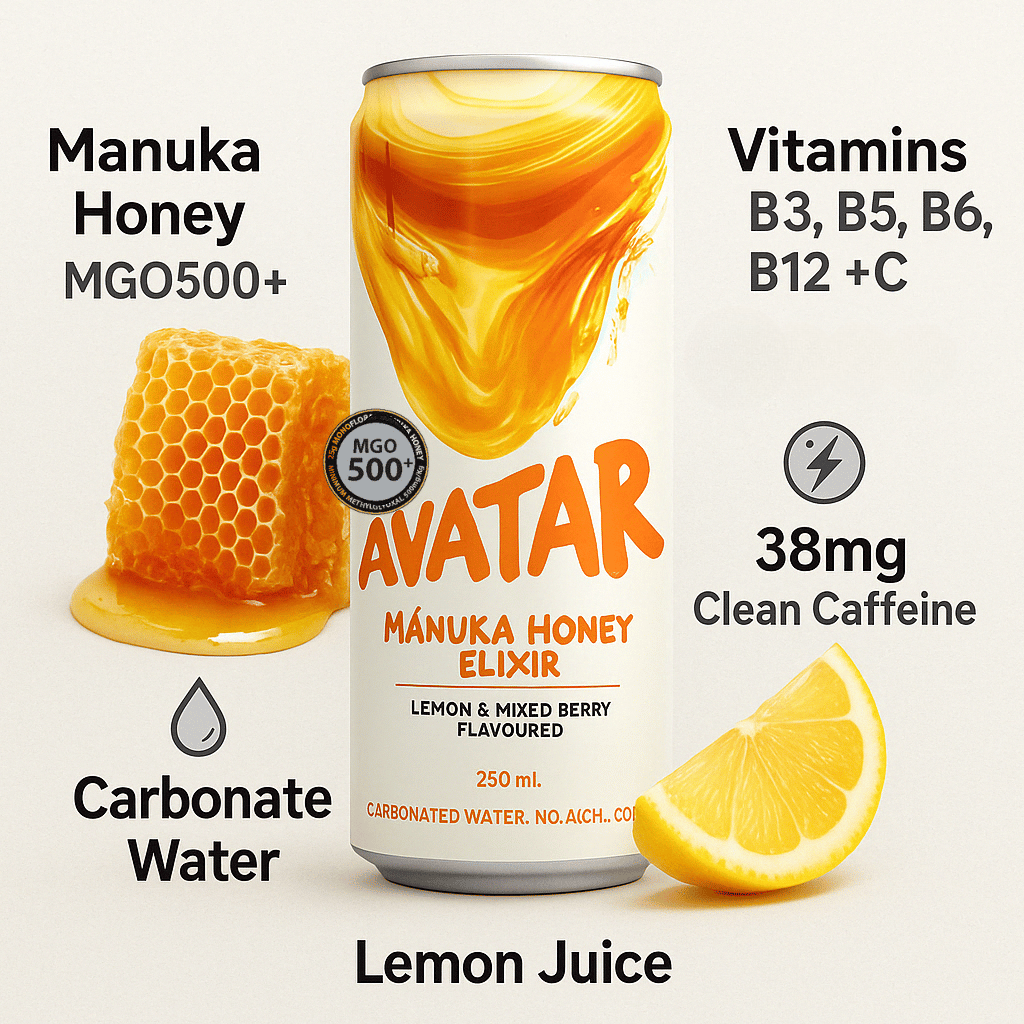
- Contains Avatar Elixir, a caffeinated Manuka honey drink.
- Caffeinated option. A non-caffeinated version is also available.
Avoid vague descriptions such as “energising,” “uplifting,” “functional,” or “with a little boost” as substitutes for the word caffeine. Those phrases may describe a brand style or intended occasion, but they do not clearly tell guests what is in the drink.
If you want to list a caffeine quantity, copy the current information from the original product packaging and make sure your figure matches the actual serving used in the recipe. Do not estimate it, and do not describe a particular amount as safe for everyone.
What should be included in a caffeinated mocktail menu checklist?
A good menu checklist confirms that the caffeine note is visible, accurate, and supported by access to the original product information. It should also ensure that guests have a genuine non-caffeinated choice.
- Use the words “contains caffeine.” Put the statement beside the drink name rather than in distant fine print.
- Name the caffeinated ingredient when helpful. This might be coffee, tea, cola, or a packaged caffeinated mixer.
- Check the current package. Recipes and product information can change, so use the label on the product being served.
- Keep the original container available. Guests can then review the current ingredients, caffeine information, and other label details themselves.
- Match the note to the recipe. If a batch contains several cans or bottles, do not present information for a different serving size without calculating it accurately.
- Brief serving staff or hosts. Everyone offering the drink should know that it contains caffeine.
- Provide a non-caffeinated alternative. Make it comparable in presentation and flavour interest, not merely a glass of tap water beside an elaborate mocktail.
- Do not make personal recommendations. Share the facts and allow guests to make their own decision.
How can Avatar Elixir be served transparently as a mocktail mixer?
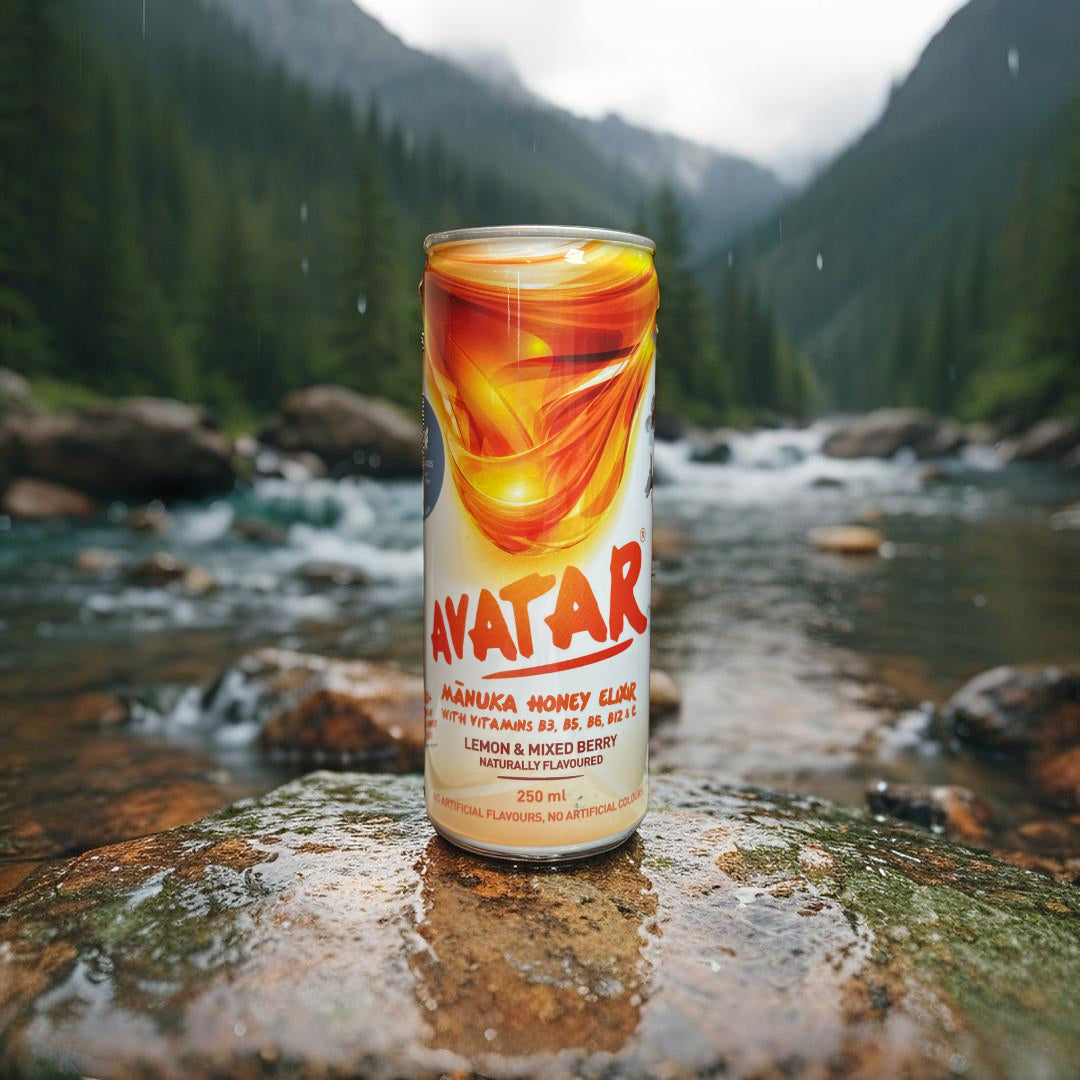
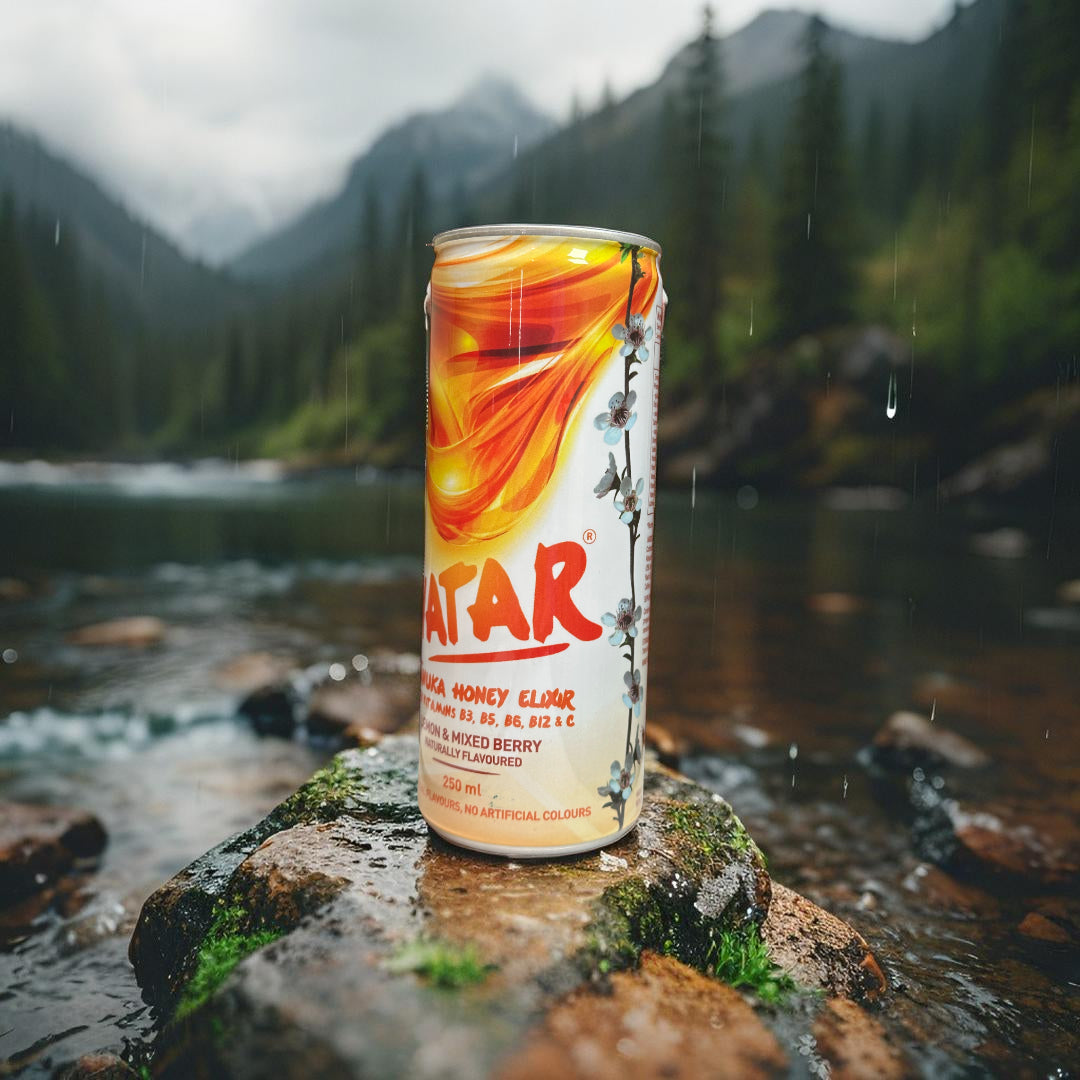
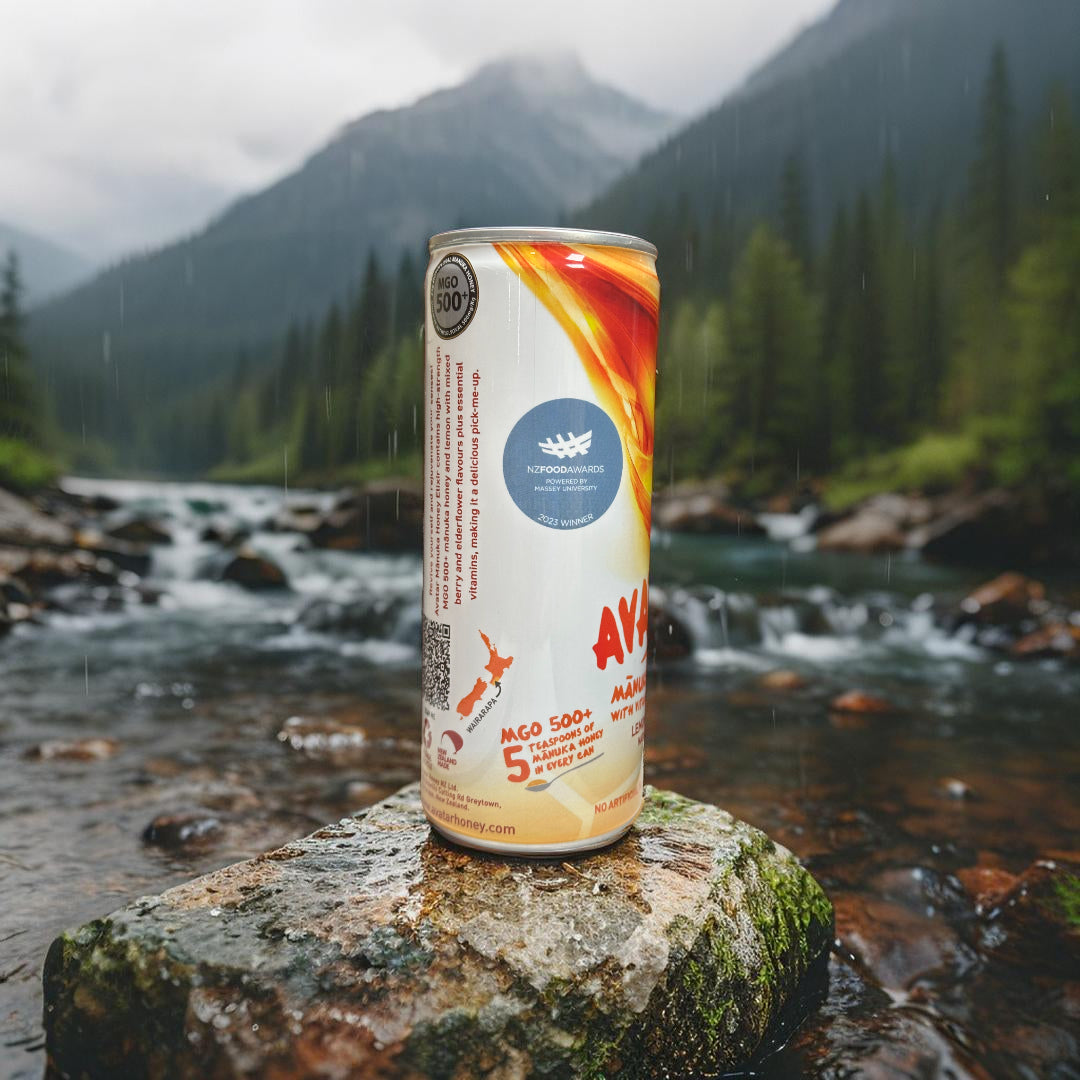
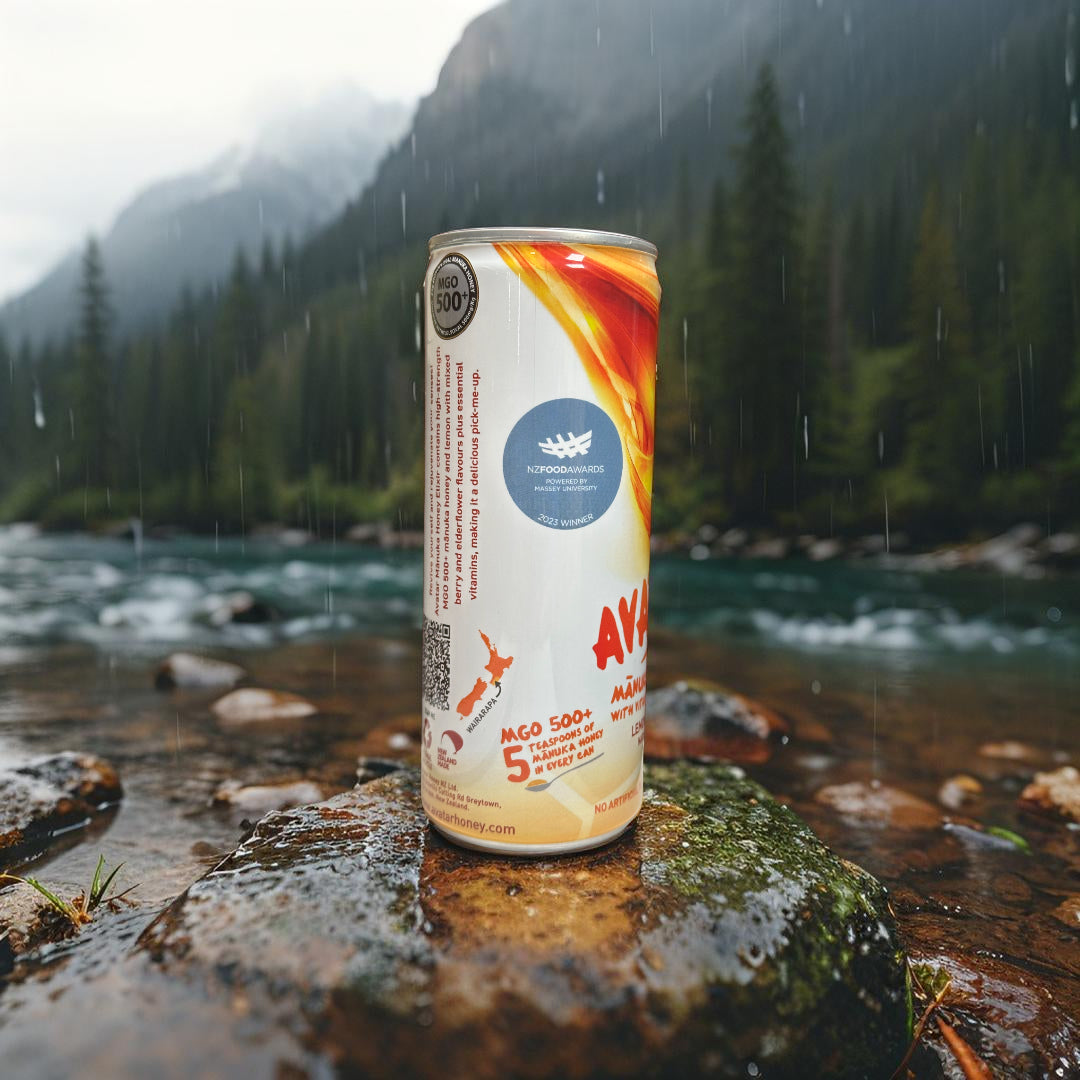
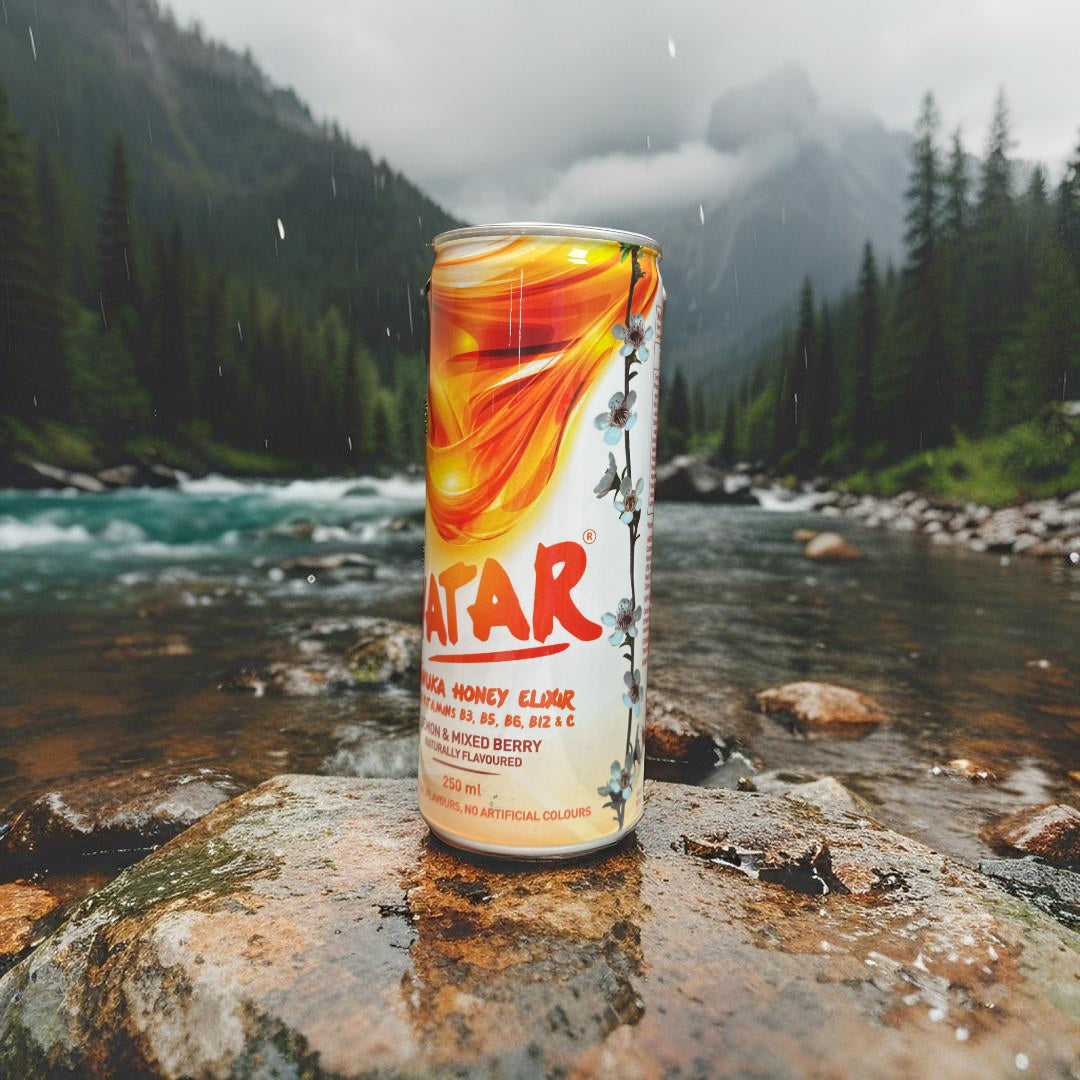
When Avatar Elixir is used in a mocktail, the menu should identify that the finished drink contains caffeine. Avatar Elixir is a premium New Zealand drink made with certified MGO500+ Manuka honey, lemon, elderflower, B vitamins, vitamin C, clean caffeine, and lightly carbonated water.
Its honey, citrus, and floral profile can work as a distinctive zero-proof mixer, but “natural,” “honey-based,” and “clean caffeine” do not mean caffeine-free or suitable for every guest. It should be presented with the same transparency as any other caffeinated beverage.
For example, a menu description could read:
Manuka Lemon and Elderflower Spritz
Avatar Elixir, fresh lemon, elderflower garnish, and sparkling water. Alcohol-free. Contains caffeine.
Keep the Avatar Elixir can or other original package nearby, particularly at a self-serve station. This lets guests inspect the current ingredient list and caffeine information instead of relying on a host’s memory.
What non-caffeinated alternative should hosts provide?
Hosts should provide a non-caffeinated drink with similar care, flavour, and presentation. The alternative should feel like a deliberate menu choice rather than a lesser substitute.
For a honey, lemon, and elderflower-style caffeinated mocktail, an appealing non-caffeinated counterpart could combine:
- sparkling water
- lemon juice or a fresh lemon wheel
- elderflower cordial or another clearly labeled non-caffeinated floral ingredient
- a small amount of honey syrup, if suitable for the event
- mint, cucumber, or edible garnish for freshness
Check the packaging of every ingredient rather than assuming a product is caffeine-free. Label the finished option simply, such as Non-caffeinated lemon and elderflower spritz.
At larger events, placing the caffeinated and non-caffeinated versions side by side makes the choice easy. Use separate jugs, utensils, and labels so guests and serving staff do not confuse them.
How should hosts answer questions about caffeine and personal circumstances?
Hosts should give factual product information without deciding whether the drink is appropriate for a particular person. A useful response is: “This mocktail contains caffeine. The original package is here if you would like to check the current ingredients and caffeine information.”
If a guest asks whether the drink is suitable during pregnancy, with medication, for caffeine sensitivity, or close to bedtime, avoid offering individualized medical advice. You can point them to the package and offer the non-caffeinated option. They can then follow their own preferences or any guidance they have received from a qualified health professional.
This approach is both welcoming and practical. It avoids alarmist language while respecting the fact that guests may make different choices from the same information.
What is the simplest rule for serving caffeinated mocktails?
The simplest rule is to label the drink clearly, keep the original package available, and provide an equally appealing non-caffeinated alternative. Never assume that guests expect caffeine in a zero-proof drink.
Thoughtful service does not require a long warning or an explanation of how caffeine affects the body. A visible “contains caffeine” note gives guests the information they need while allowing the mocktail to remain an enjoyable part of the menu.
These practical points help hosts make caffeine information clear when menus, serving formats, or recipes vary.
Is a caffeine icon enough on a mocktail menu?
No, an icon should not replace a plain-language note. A symbol can support the label, but guests should not need to find or interpret a menu key. Put contains caffeine beside the drink name, using readable text at the point where the drink is selected.
What if a guest asks for the exact caffeine amount?
Show the guest the original package and explain the serving used in the recipe if that information is known. Only state a caffeine amount when it can be taken from the current package and matched accurately to the quantity served. Do not estimate the amount or describe it as suitable for everyone.
What should hosts do if the mocktail recipe changes?
Update the caffeine note whenever a recipe or mixer changes. Replace the original package kept at the serving station, brief anyone serving the drinks, and confirm that the label still matches the finished batch. This is especially important when caffeinated and non-caffeinated versions look alike.