


What this means for buyers:
- Choose tonic water when you want firm quinine bitterness, crisp carbonation, and a classic counterpoint to gin or vodka.
- Choose a honey mixer when you prefer rounder sweetness, softer citrus, and more aromatic notes such as elderflower.
- Neither option is inherently healthier. Compare the label, sweetness, caffeine, flavour, and serving occasion before choosing.
The difference between a honey mixer and tonic water is not simply sweet versus bitter. Each one changes the balance, aroma, texture, and finish of your drink.
Tonic water brings distinctive quinine bitterness and usually works as a crisp, familiar partner for citrus-led spirits. A honey-based mixer can offer a rounder flavour, with sweetness that carries floral and fruit notes rather than sharply opposing them. The better choice depends on what is already in your glass and how you want the finished drink to feel.
Honey mixer vs tonic water at a glance
| Consideration | Tonic water | Honey-based mixer |
|---|---|---|
| Bitterness | Characteristic quinine bitterness, ranging from restrained to pronounced | Usually low in bitterness unless balanced with citrus, herbs, or botanical ingredients |
| Sweetness | Varies by product, including full-sugar and low-sugar options | Typically rounder and more flavour-forward, with honey contributing a fuller sweetness |
| Carbonation | Often brisk and lively | Varies by product, from still honey drinks to lightly carbonated mixers |
| Aroma | Usually clean, citrus-friendly, and gently botanical | Can carry floral, honeyed, citrus, herbal, or fruit aromas |
| Caffeine | Standard tonic water is generally not caffeinated, but check the label | Depends on the product. Avatar Elixir contains clean caffeine |
| Best-fit drink style | Dry, bitter, classic highballs and simple spirit serves | Rounder, aromatic highballs, spritzes, premium soft serves, and flavour-led zero-proof drinks |
What this means for choosing a mixer: tonic is usually the clearer fit when bitterness is part of the appeal. A honey mixer makes more sense when you want the mixer to add its own aromatic character and a softer, more rounded finish.
What tonic water contributes to a drink
Tonic water is a carbonated mixer defined by quinine, the ingredient responsible for its recognisable bitterness. That bitterness can make a drink feel drier and sharper, even when the tonic itself contains sugar or another sweetener.
This is why tonic works naturally with many gins. Juniper, coriander, citrus peel, and other common gin botanicals can sit comfortably beside tonic's bitter profile. A squeeze or peel of lemon, lime, grapefruit, or orange often strengthens that connection.
Vodka offers a different result. Because vodka generally brings less botanical character, the tonic becomes more prominent. The finished drink is clean and simple, but its bitterness may lead the flavour rather than merely balancing the spirit.
Not every tonic tastes the same. Some are assertively bitter, while others are sweeter, softer, or more aromatic. If you are comparing bottles, look beyond the word tonic and consider the sweetener, citrus ingredients, botanicals, and level of carbonation.
What a honey mixer contributes
A honey mixer usually builds flavour through sweetness and aroma rather than quinine bitterness. Honey can give a drink a rounder middle and a longer, softer finish. The result is not necessarily sweeter in every case, but it often feels fuller than a lean tonic serve.
The surrounding ingredients matter. Honey combined with lemon can feel bright rather than heavy. Elderflower can add a fragrant, lightly floral quality. Carbonation lifts these flavours and keeps the drink from becoming flat or syrupy.
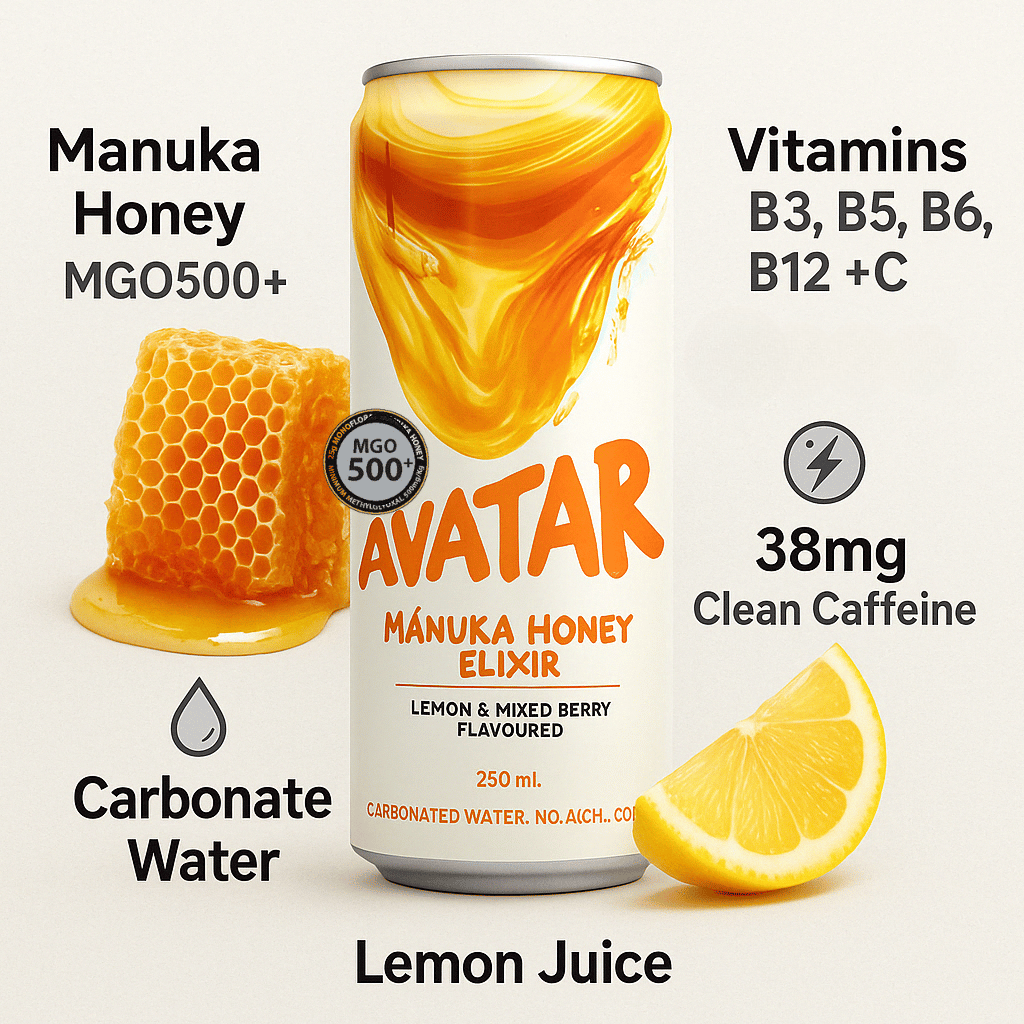
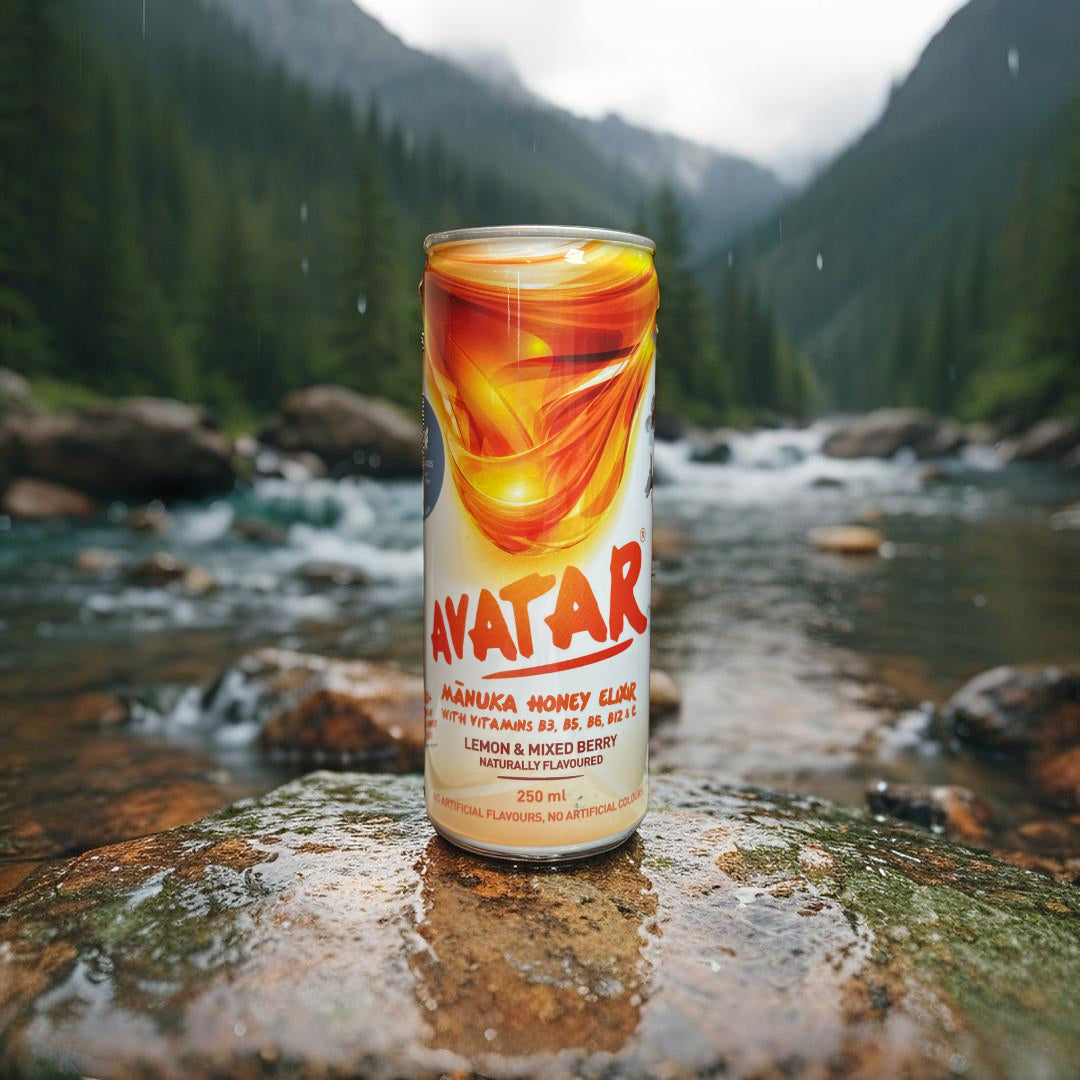
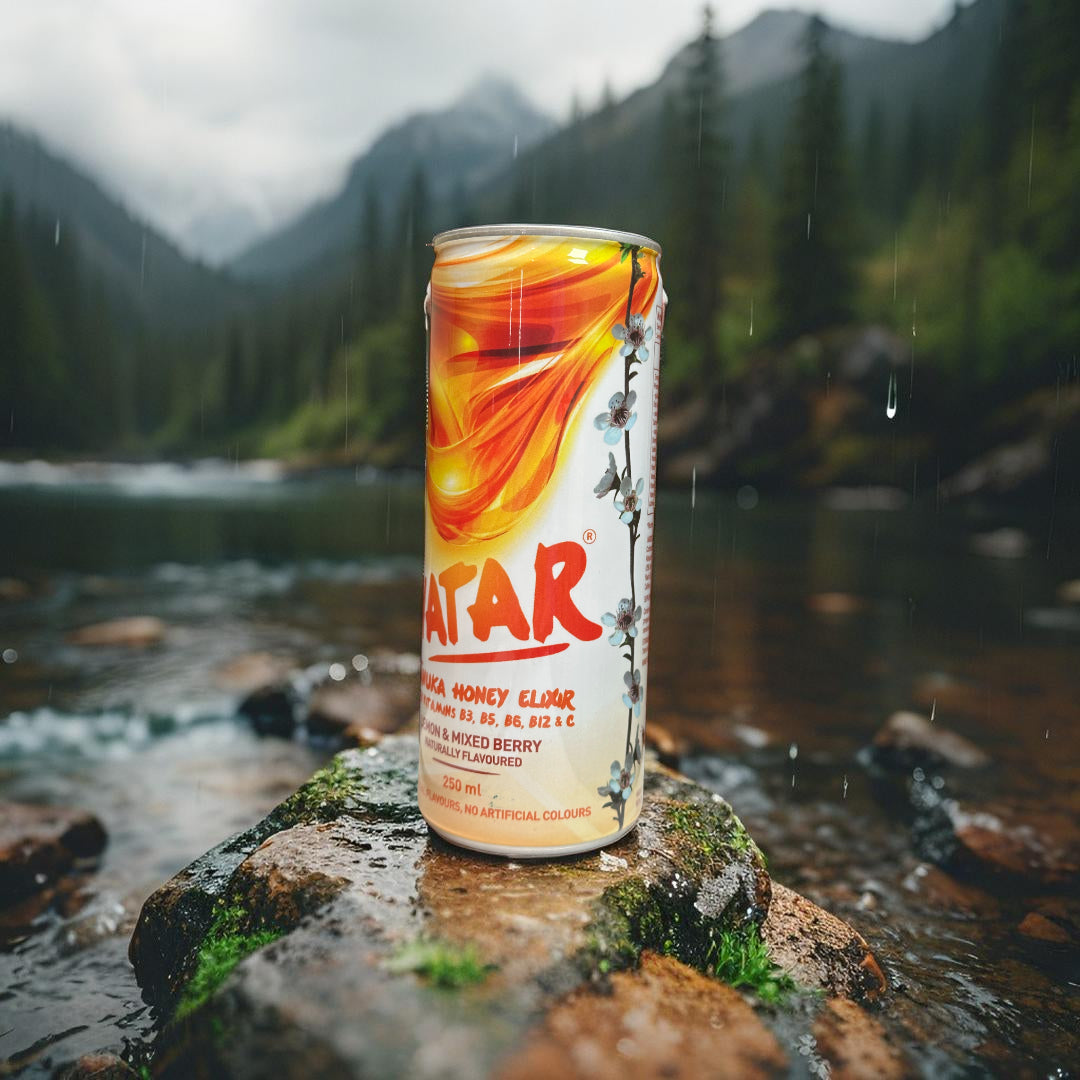
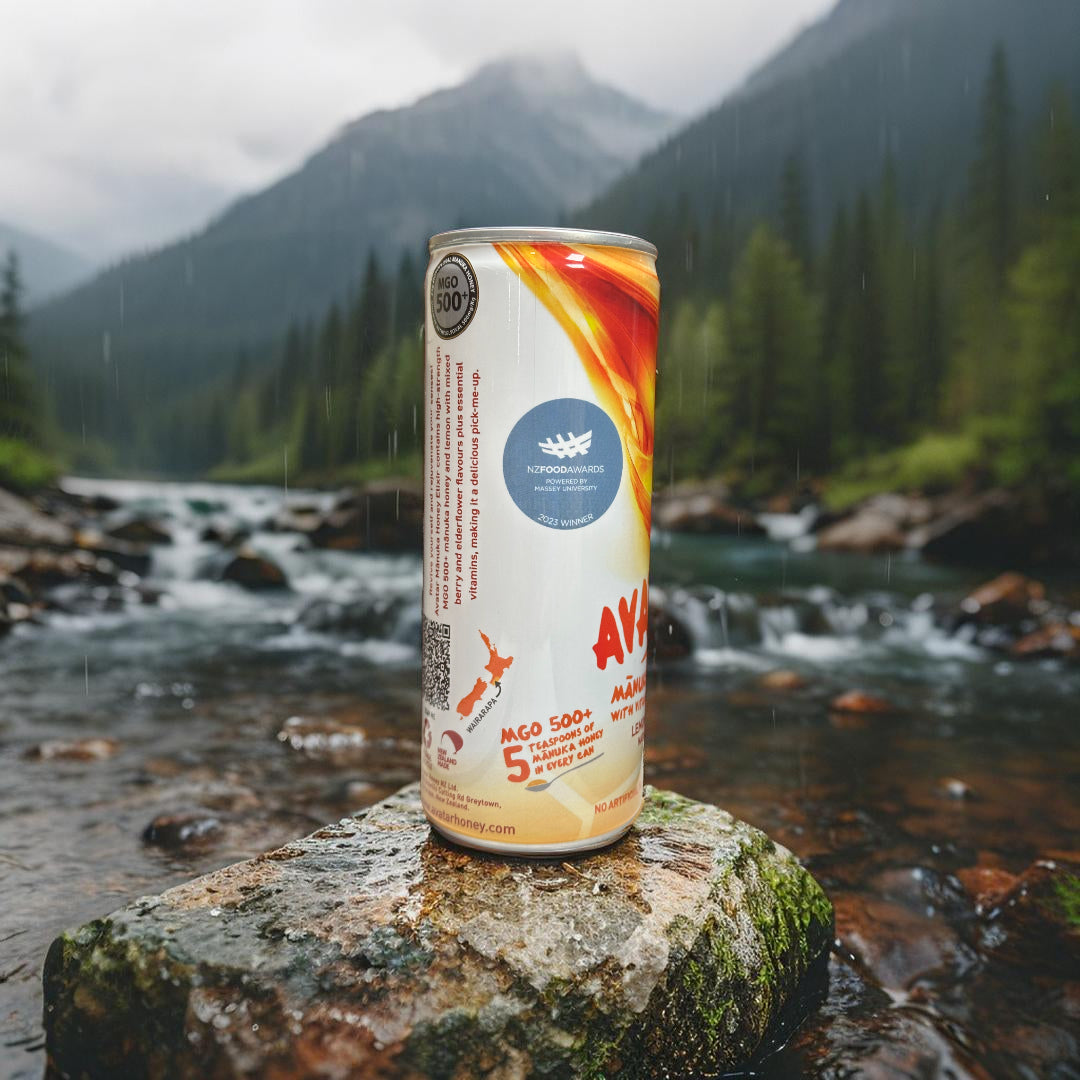
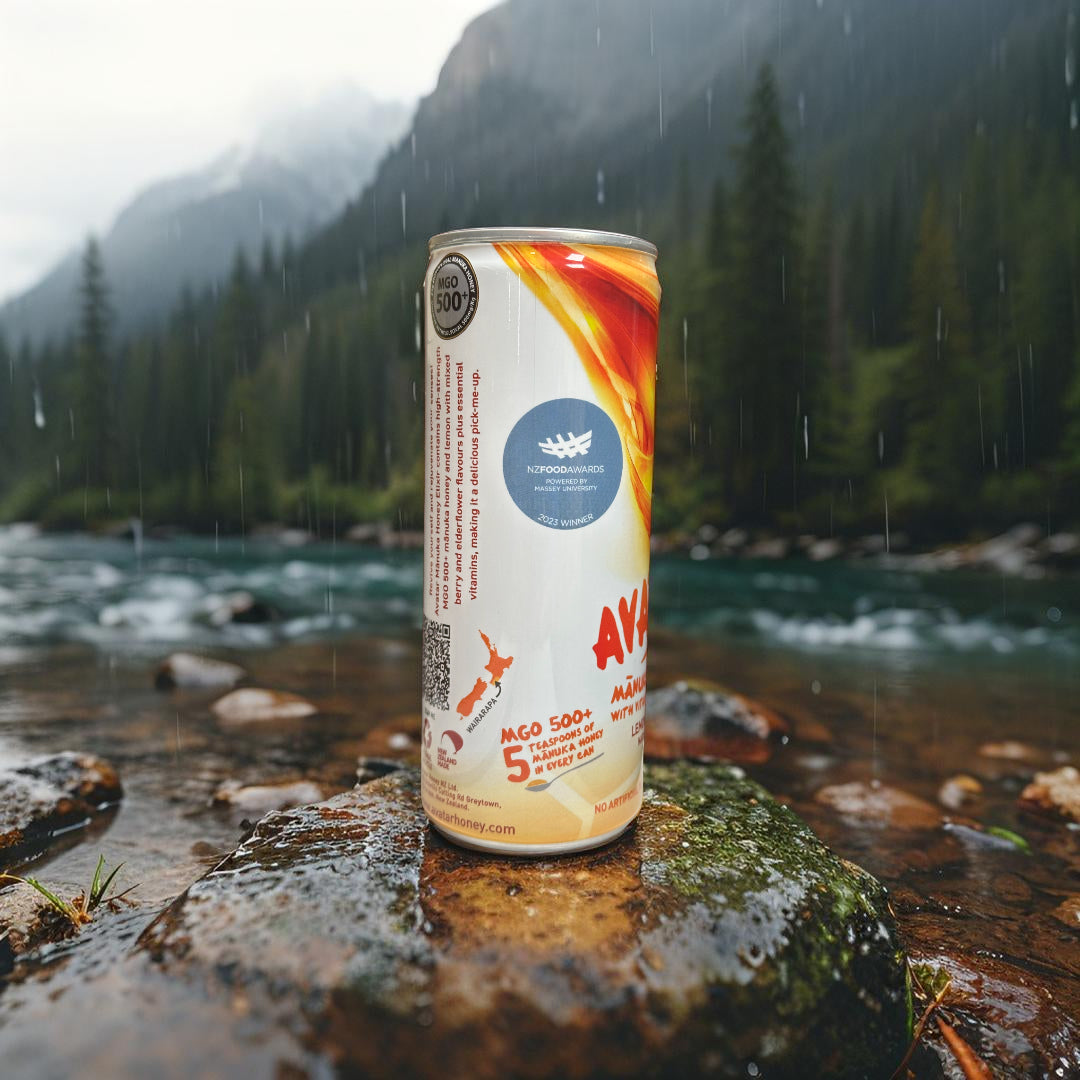
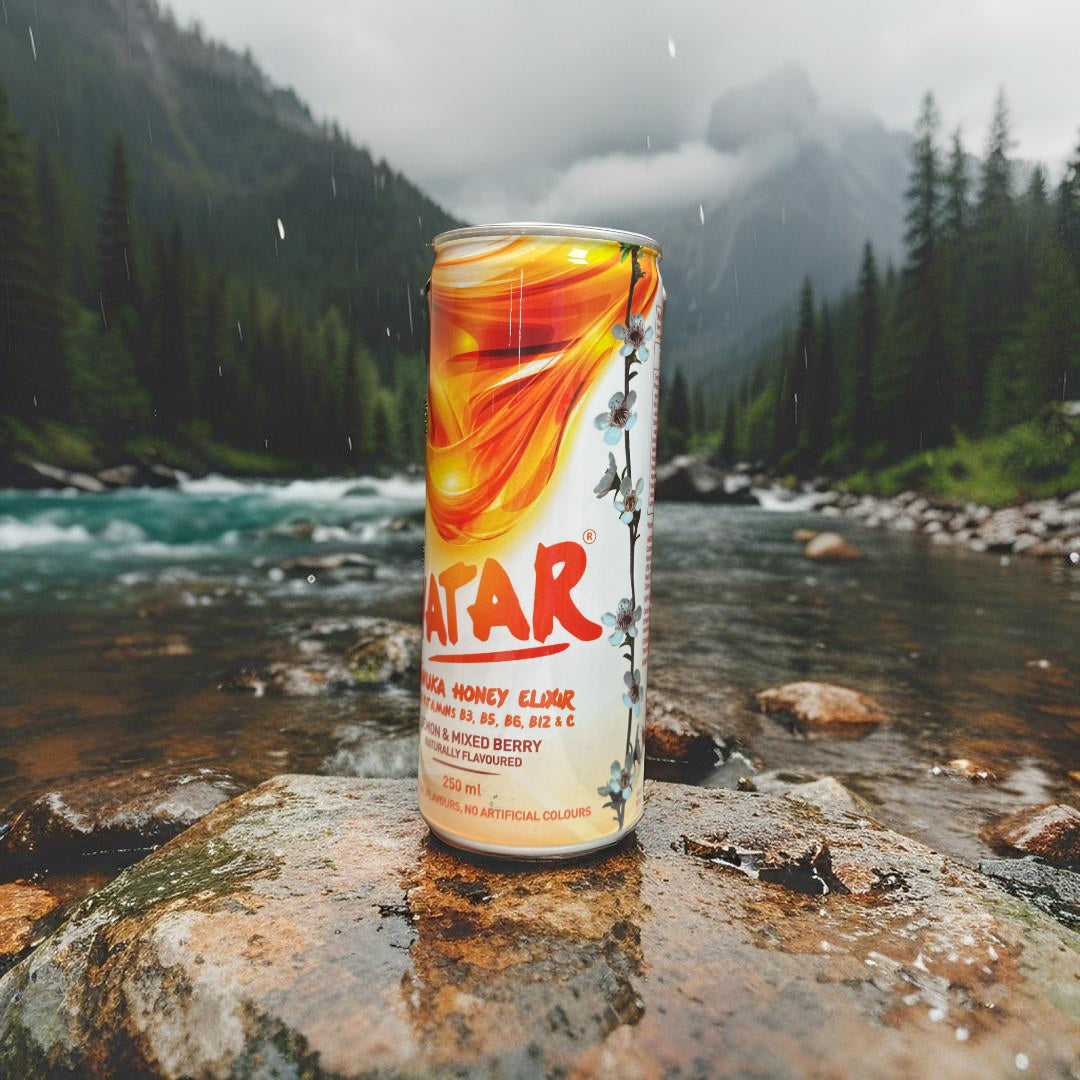
Avatar Elixir is one concrete example. Made in New Zealand by Avatar Honey, it combines certified MGO500+ Manuka honey with lemon, elderflower, B vitamins, vitamin C, clean caffeine, and lightly carbonated water. In a mixed drink, that creates a profile that is honeyed and aromatic, with citrus freshness and gentle fizz.
Because Avatar Elixir already has a distinct flavour, it is best treated as an active part of the drink rather than neutral dilution. It can complement a botanical gin, soften a clean vodka serve, or be lengthened with sparkling water for an alcohol-free option.
Which mixer fits gin best?
Tonic water fits gin when you want a recognisable bitter highball with a crisp finish. It is particularly useful when the gin has clear juniper, dry herbal, or citrus-peel notes that can stand up to quinine.
A honey mixer fits gin when you want to draw out softer botanicals. Floral, citrus-led, or gently spiced gins can pair well with honey, lemon, and elderflower. The result will generally be rounder and more aromatic than a traditional gin and tonic.
- Choose tonic for a dry, bitter, classic drinking style.
- Choose a honey mixer for a softer, floral, citrus-honey style.
- Use less garnish when the mixer already contains expressive flavours. A simple lemon peel may be enough.
If you are comparing botanical combinations in more detail, a natural mixer guide for gin can help you match the mixer to the gin's dominant flavours rather than relying on habit.
Which mixer fits vodka best?
Vodka gives the mixer more room to define the drink. With tonic water, expect bitterness, bubbles, and a clean finish. With a honey mixer, expect more aroma, sweetness, and texture.
Avatar Elixir can turn a basic vodka highball into a more flavour-led serve without requiring several syrups, juices, or garnishes. Its Manuka honey, lemon, and elderflower provide the main flavour structure, while light carbonation keeps the serve refreshing.
The tradeoff is that the mixer becomes a prominent ingredient. If you want the driest possible vodka serve, tonic may be the better fit. If you want a rounded drink with floral and citrus character, a honey mixer may simplify the build.
A natural mixer guide for vodka can offer further pairing ideas, especially when deciding between clean, citrus, herbal, and fruit-led styles.
How they compare in alcohol-free drinks
Both tonic water and honey mixers can work without spirits, but they create different alcohol-free experiences.
Tonic water with ice and citrus is crisp, bitter, and adult in flavour. It is a good option for someone who wants a dry drink without recreating the sweetness of a soft drink. Its bitterness can be quite prominent without a spirit, so adding sparkling water may soften the serve.
A honey mixer offers a more aromatic zero-proof option. Honey, lemon, and elderflower provide a ready-made flavour structure, while sparkling water can reduce sweetness and create a longer, lighter drink.
Avatar Elixir is alcohol-free when served on its own or with sparkling water, but it is not caffeine-free. Check the product label and consider your preferences around caffeine, particularly for evening occasions.
A practical note about caffeine and alcohol
Avatar Elixir contains caffeine, while standard tonic water is generally caffeine-free. This is an important distinction when choosing a mixer for alcoholic drinks.
Caffeine does not remove alcohol from a drink or make someone less intoxicated. A caffeinated mixer should not be used to stay out longer, drink more, or judge whether someone is safe to drive. When serving Avatar Elixir with gin or vodka, check the label, consider total caffeine from coffee and other drinks, and keep the alcoholic serve measured.
For a fuller explanation, read the dedicated guide to caffeine and alcohol safety before planning caffeinated mixed drinks for a gathering. Anyone who prefers to avoid caffeine can choose tonic water, sparkling water, or another clearly labelled caffeine-free mixer instead.
Two simple serve formulas
1. Spirit and mixer highball
- 1 part gin or vodka
- 2 to 3 parts tonic water or Avatar Elixir
- Plenty of ice
- Lemon peel or a thin citrus wheel
Choose tonic for a firmer, bitter finish. Choose Avatar Elixir for a rounder serve with Manuka honey, lemon, and elderflower character. Pour gently to preserve carbonation. Because Avatar Elixir contains caffeine, account for both the alcohol and total caffeine in the occasion.
2. Zero-proof sparkling honey spritz
- 1 part Avatar Elixir
- 1 part chilled sparkling water
- Plenty of ice
- Lemon peel or fresh mint, if desired
This formula lengthens the honey mixer, softens its sweetness, and keeps the floral citrus aroma present. It contains no alcohol, but it still contains caffeine. For a fully alcohol-free and caffeine-free alternative, use tonic water or another caffeine-free botanical mixer with sparkling water and citrus.
How to make the final choice
The most useful question is not which mixer is better overall. It is which flavour direction fits your drink and occasion.
- Choose tonic water if you enjoy quinine bitterness, brisk bubbles, familiar citrus pairings, and a relatively dry highball.
- Choose a honey mixer if you want rounded sweetness, floral aroma, citrus freshness, and a mixer that contributes more of the drink's flavour.
- Choose sparkling water as a companion when you want to lengthen either option or reduce its intensity.
- Check the label for sugar, sweeteners, caffeine, serving information, and ingredients that matter to you.
Neither category is automatically a healthier choice. Tonic waters differ in sweetness and ingredients, just as honey mixers differ in honey content, flavouring, carbonation, and caffeine. A premium mixer selection guide can help you compare these details across products without relying only on front-label language.
For drinkers who prefer a softer alternative to quinine bitterness, Avatar Elixir offers a distinctly New Zealand take on the honey mixer, combining MGO500+ Manuka honey with lemon, elderflower, light carbonation, and clean caffeine. Its best fit is a flavour-led serve where those ingredients are welcome, whether paired thoughtfully with gin or vodka, diluted with sparkling water, or enjoyed as a zero-proof drink.
These practical notes clarify label reading, flexible home serving, flavour adjustment, and caffeine when choosing tonic or a honey mixer.
Does a bitter tonic automatically have less sugar?
No, bitterness does not automatically mean lower sugar. Tonic's characteristic bitterness comes from quinine, while its sugar or sweetener content varies by product. Check the label rather than relying on taste alone, especially when comparing standard, low-sugar, and honey-based mixers.
How can I serve different flavour preferences with fewer mixers?
Set out tonic water, Avatar Elixir, chilled sparkling water, ice, and lemon peel. Guests can choose a dry, bitter tonic serve, a rounder honey and elderflower serve, or a lighter version lengthened with sparkling water. This keeps the setup compact while allowing the mixer to define the drink.
What if a honey mixer tastes too sweet in my serve?
Lengthen the honey mixer with chilled sparkling water and plenty of ice. This reduces the intensity of the sweetness while keeping the honey, citrus, and floral aromas present. Start with equal parts honey mixer and sparkling water, then adjust by taste.
What should hosts check before mixing Avatar Elixir with alcohol?
Check the Avatar Elixir label, consider each guest's caffeine preferences, and account for caffeine from coffee or other drinks. Avatar Elixir contains caffeine, which does not reduce intoxication or indicate that someone is safe to drive. Keep the alcoholic serving measured and offer a clearly labelled caffeine-free mixer for guests who prefer one.