



Short answer: Yes, many adults can have coffee and an energy drink on the same day. The practical issue is how much caffeine you consume from every source, how closely you space it, your personal sensitivity, and whether it could interfere with sleep or an existing health condition.
You have already had your morning coffee, the afternoon is stretching out, and you are deciding between a second coffee and a chilled energy drink. These drinks are not automatically incompatible. What matters is the combined caffeine in your coffee, energy drink, tea, chocolate, supplements, and any other caffeinated products consumed that day.
A smaller amount spread across several hours may feel different from a large amount consumed in one sitting. Before opening another caffeinated drink, check the label, consider what you have already consumed, and pay attention to how you feel.
Can you safely drink coffee and an energy drink on the same day?
Yes, it may be reasonable for a healthy adult to drink both on the same day, provided the total caffeine and timing suit that person. There is no simple rule that makes coffee safe while making energy drinks incompatible, or vice versa.
Caffeine is caffeine regardless of whether it comes from espresso, filter coffee, tea, an energy drink, chocolate, or a pre-workout product. The drinks differ in serving size, caffeine concentration, ingredients, sweetness, flavour, and how quickly you consume them.
A coffee slowly sipped after breakfast and a labelled energy drink consumed several hours later are different from drinking a large coffee and a full can back to back. The latter creates a more concentrated intake in a short period, which may be more likely to feel uncomfortable for someone who is sensitive to caffeine.
Do not assume that one coffee always contains less caffeine than one energy drink. Coffee strength and cup size vary, while energy drink cans may come in different sizes or contain more than one labelled serving. Check the packaging where possible rather than judging by the type of drink alone.
How should you calculate your total caffeine for the day?
Add the caffeine from every drink, food, and supplement you have consumed or plan to consume that day. Use the amount on the product label, and remember that serving size matters.
Your total-caffeine checklist should include:
- Coffee, including espresso, filter coffee, cold brew, instant coffee, and café drinks with multiple shots
- Energy drinks and functional beverages
- Black tea, green tea, matcha, and other caffeinated teas
- Cola and other caffeinated soft drinks
- Chocolate and cocoa products
- Pre-workout powders, caffeine tablets, and other caffeinated supplements
- Any medicines that contain caffeine
For packaged drinks, look for the caffeine amount per serving and confirm how many servings are in the container. If you drink half a can, count half the stated total only when the label clearly supports that calculation. If you finish a container with multiple servings, count the entire container.
Café coffee is less straightforward because the amount can change with the beans, brewing method, shot count, and cup size. If caffeine matters to your decision, ask the café how many espresso shots are included or choose a serving you already understand.
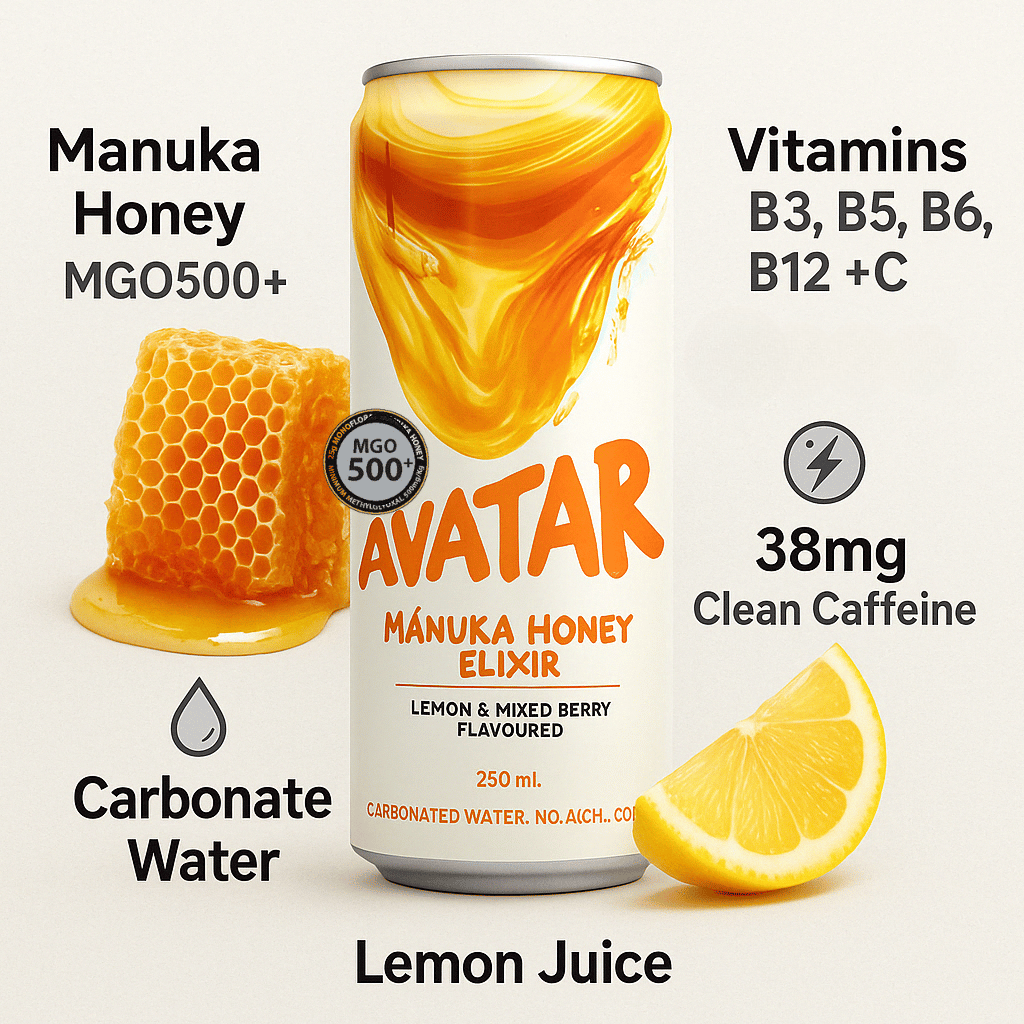
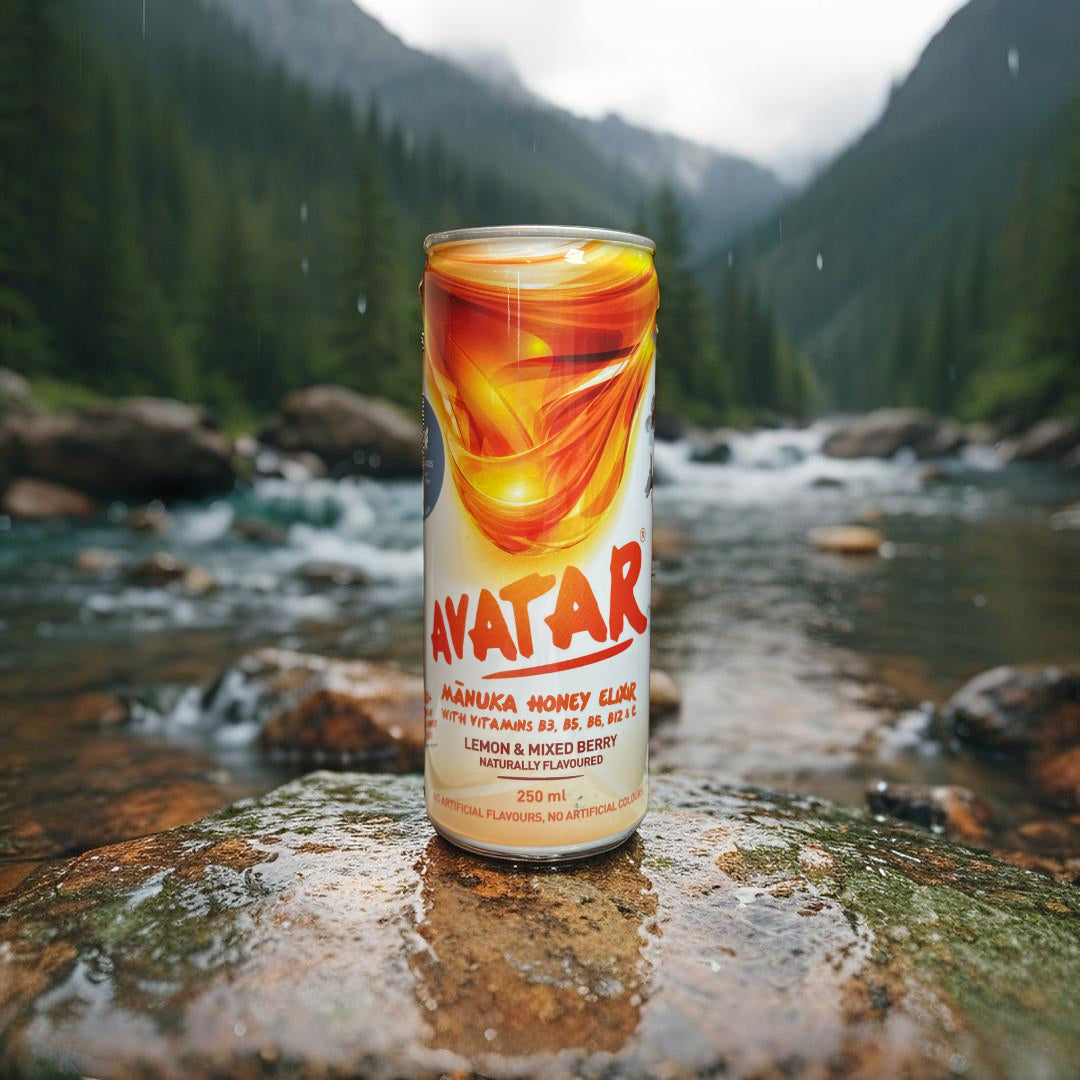
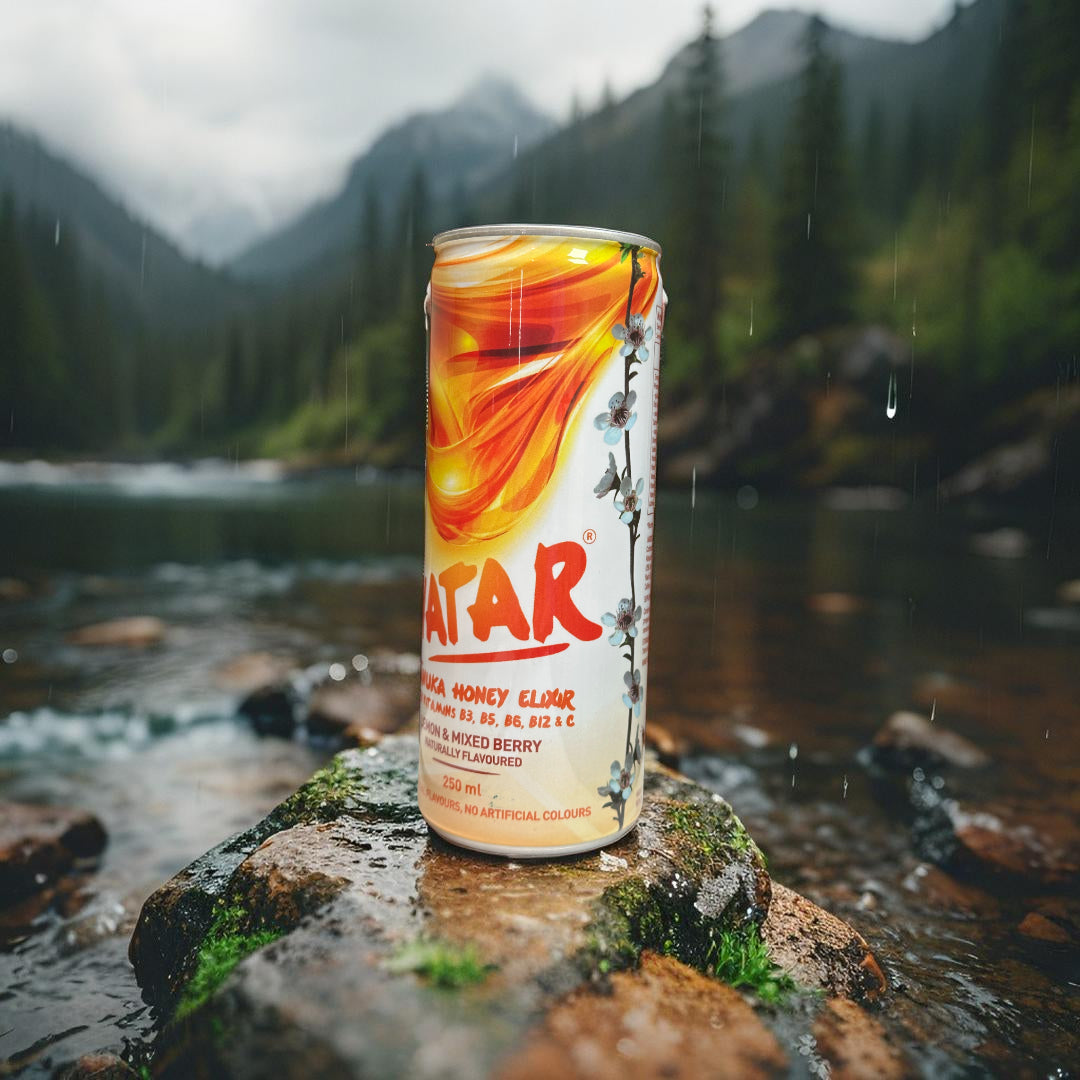
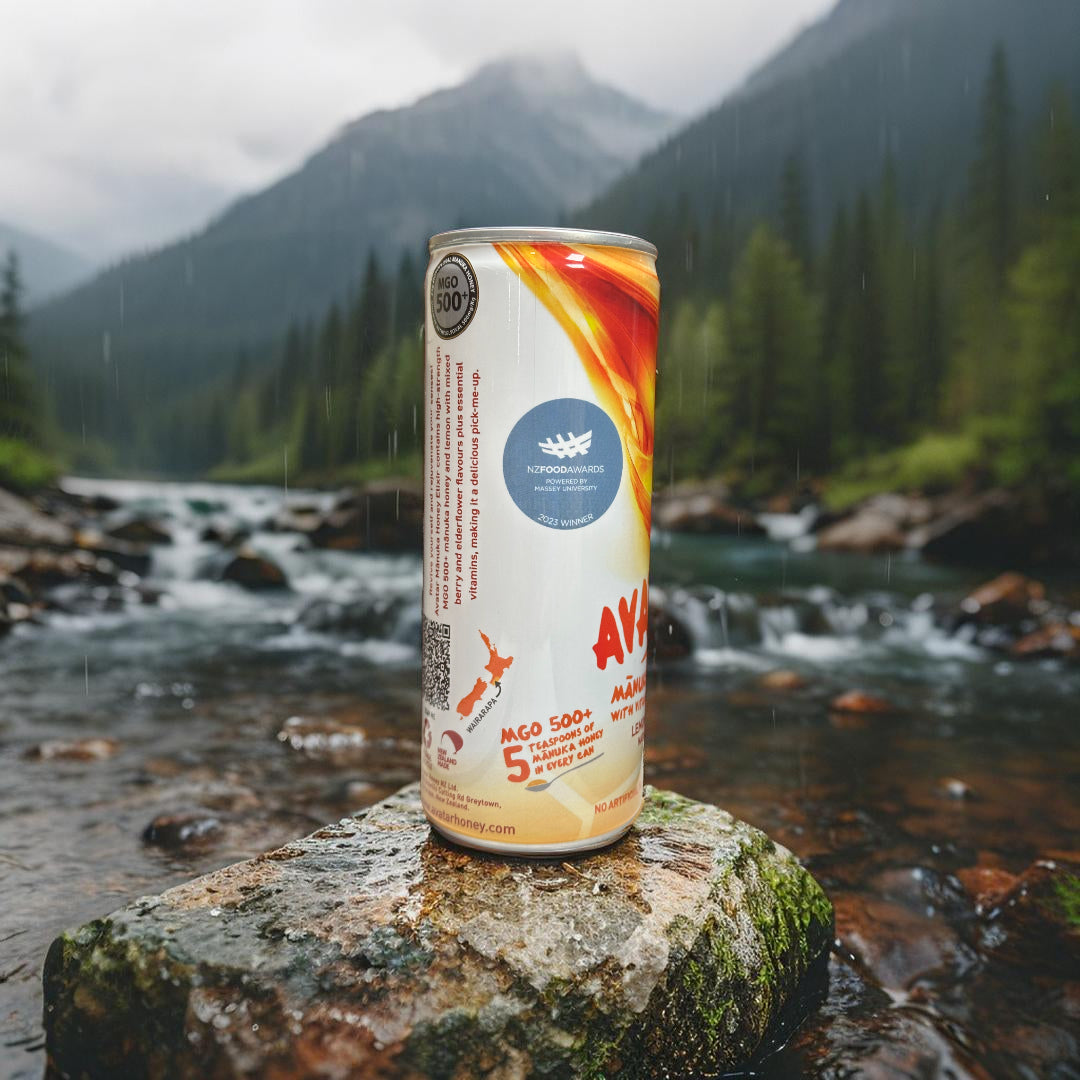
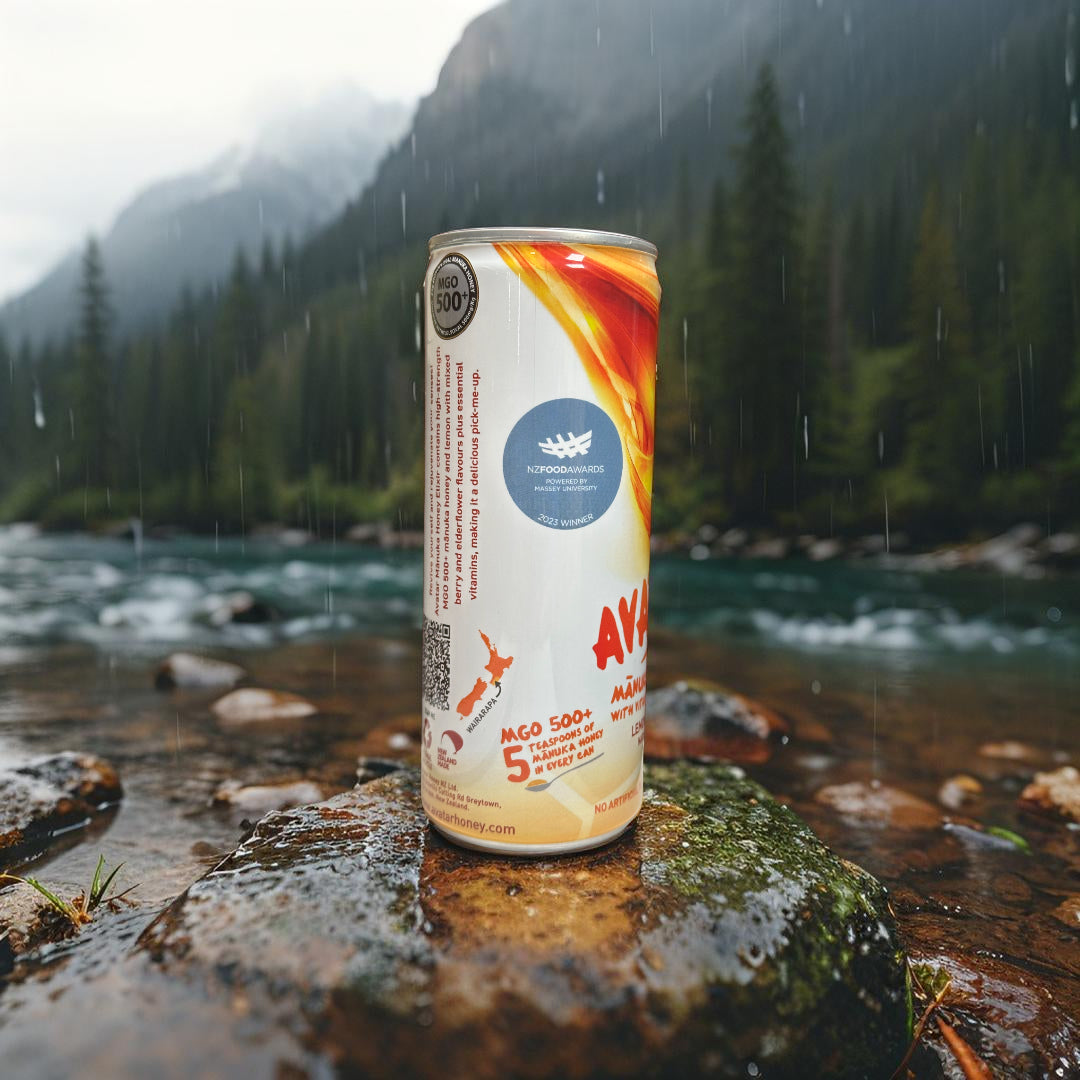
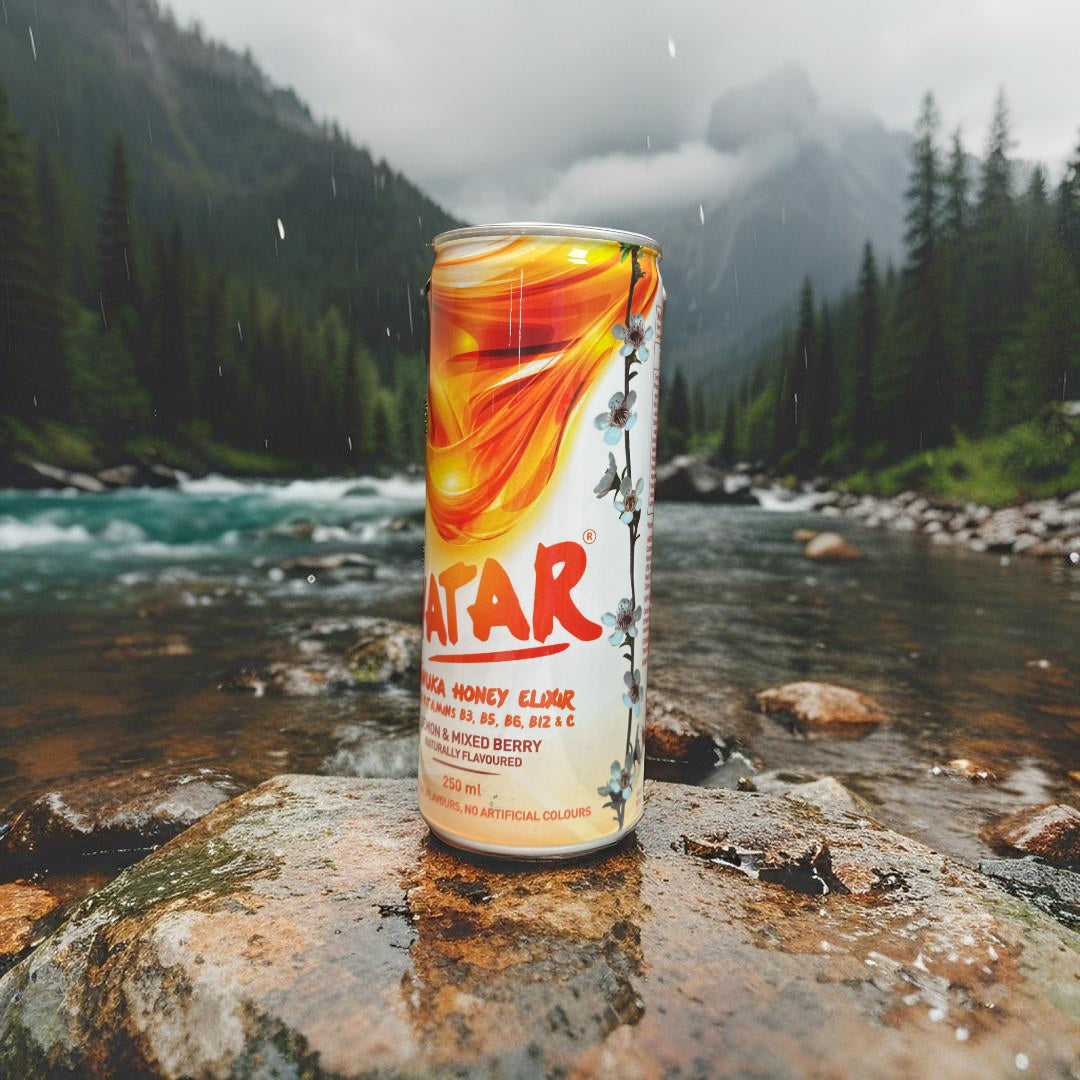
Avatar Elixir is one example of a clean-caffeine beverage that can fit into this calculation. It combines certified MGO500+ Manuka honey, lemon, elderflower, B vitamins, vitamin C, clean caffeine, and lightly carbonated water. Check the current can for its caffeine information and count that amount alongside your coffee, tea, chocolate, and supplements.
Why does timing matter when combining coffee and an energy drink?
Timing matters because caffeine can remain noticeable for hours, and adding more before the earlier serving has worn off may create a stronger combined effect. Drinking both close together is not the same as spacing them across the day.
Consider this simple timeline:
- 8:00 am: You drink coffee with breakfast.
- 12:30 pm: You check whether lunch, tea, chocolate, or another drink has added more caffeine.
- 2:00 pm: You consider an energy drink for an afternoon work session or drive.
- Before opening it: You read the can, add its caffeine to your running total, assess how you currently feel, and consider when you intend to sleep.
This example does not establish a universally suitable schedule. Some people notice caffeine from an early afternoon drink at bedtime, while others may feel less affected. Your usual bedtime, caffeine sensitivity, serving size, and earlier intake all influence the decision.
If sleep is a priority, work backwards from the time you plan to go to bed. Choosing another caffeinated drink late in the day may not be worthwhile if you already know that afternoon or evening caffeine makes it harder for you to settle down.
Do food and water make combining caffeinated drinks safer?
Food and hydration may make the overall drinking occasion feel more comfortable, but they do not remove caffeine or cancel the amount already consumed. A meal and water should support normal eating and hydration, not be used as a way to justify more caffeine.
Drinking coffee or an energy drink on an empty stomach may feel unpleasant for some people. If that describes you, have the drink with or after food rather than using caffeine in place of a meal.
Continue drinking water normally throughout the day, especially during travel, long work sessions, warm weather, or physical activity. Thirst, tiredness, and hunger can overlap in how they feel, so pause and check what you actually need before reaching automatically for another caffeinated drink.
How does individual caffeine sensitivity change the answer?
Your own response matters more than another person’s routine. A combination that feels ordinary to one adult may feel excessive to someone who rarely consumes caffeine, has had little sleep, or reacts strongly to stimulants.
You may be more cautious if you:
- Rarely drink coffee or energy drinks
- Have already noticed jitters, restlessness, or anxiety after caffeine
- Are tired, stressed, hungry, or dehydrated
- Plan to sleep within the next several hours
- Have changed medications or started a new supplement
- Have a health condition that could affect whether caffeine is appropriate
- Are pregnant or breastfeeding and need individual guidance
Medication interactions and health circumstances cannot be judged from a drink label alone. Ask a qualified clinician or pharmacist if you are unsure whether caffeine is appropriate with your medicines or medical history.
What signs mean you should stop rather than have another caffeinated drink?
Do not add another coffee or energy drink if you already feel overstimulated or unwell. More caffeine is unlikely to be a sensible response to symptoms that began after earlier caffeine intake.
Reasons to stop include:
- Shakiness or pronounced jitters
- A racing, pounding, or irregular-feeling heartbeat
- Unusual restlessness, agitation, or anxiety
- Nausea, stomach discomfort, or dizziness
- A headache that appears or worsens after caffeine
- Difficulty concentrating because you feel overstimulated
- Feeling exhausted despite already consuming caffeine
If symptoms are severe, persistent, or concerning, seek appropriate medical help. Do not use another caffeinated drink to push through significant fatigue while driving. Caffeine does not replace adequate sleep, and a drowsy driver should stop somewhere safe rather than depend on another drink.
Can you combine coffee and an energy drink during a social occasion?
Yes, but the same total-caffeine and timing considerations apply. An evening energy drink, caffeinated mixer, or coffee after dinner may affect your sleep even if the occasion feels different from a workday.
If alcohol is involved, remember that caffeine does not remove alcohol or eliminate impairment. Feeling more alert is not the same as being unimpaired. Keep track of what each drink contains and make transport decisions independently of how awake you feel.
For a non-alcoholic social option, a chilled, lightly carbonated drink such as Avatar Elixir can offer lemon, elderflower, and Manuka honey flavours without defaulting to another hot coffee. It should still be counted as part of the day’s total caffeine.
What is the simplest way to decide whether to have both?
Check the label, calculate your total caffeine from every source, and decide whether the serving and timing suit your body and sleep plans. Do not rely only on whether the drink is called coffee, an energy drink, or a wellness beverage.
- List every caffeinated item you have already consumed.
- Check the serving size and caffeine information on the next drink.
- Consider how closely it follows your previous caffeine.
- Think about food, hydration, your planned bedtime, and any driving ahead.
- Pay attention to current symptoms rather than drinking automatically.
- Choose a smaller serving or a caffeine-free drink if you are uncertain.
Coffee and an energy drink can fit into the same day for some adults, but the sensible decision is based on the combined amount, not the product categories. When health conditions, pregnancy, breastfeeding, medications, or troubling symptoms are involved, seek advice from a qualified clinician or pharmacist.
These follow-up points help you compare drink options and handle caffeine amounts that are unclear.
Does clean caffeine still count toward my daily total?
Yes, clean caffeine still counts toward your total caffeine intake. The term does not make caffeine exempt from your calculation. For a drink such as Avatar Elixir, check the current can for its caffeine information, then add that amount to caffeine from coffee, tea, chocolate, medicines, and supplements.
Is a second coffee better than an energy drink?
Neither option is automatically better based on the drink category alone. Compare the caffeine amount, serving size, ingredients, timing, your earlier intake, and your planned bedtime. A clearly labelled serving may be easier to count than a cafe coffee with an unknown number of shots, but your individual response still matters.
What if I do not know how much caffeine was in my coffee?
Treat the caffeine amount as unknown rather than assuming it was zero. Ask the cafe how many espresso shots were included when possible. If you cannot confirm the amount and are uncertain about adding more caffeine, choose a smaller serving or a caffeine-free drink instead.