



Quick answer: Shelf-stable canned drinks can remain unopened at room temperature because manufacturers combine hygienic production, a validated preservation process, controlled acidity and oxygen, and a hermetically sealed package. The exact system differs by drink, so shelf stability cannot be determined from ingredients alone. Always follow the label and check that the can is intact before opening.
A sealed canned beverage may contain fruit, honey, botanicals, vitamins, caffeine, carbonation, or other ingredients that sound as though they belong in the fridge. Yet many commercial drinks are designed to be stored safely without refrigeration until opened.
This is not because a can keeps everything fresh by itself. Shelf stability comes from a complete production and packaging system. The recipe, processing conditions, sanitation controls, filling method, can seams, storage instructions, and date code all work together.
What “shelf stable” means for a canned drink
A shelf-stable beverage is made and packaged to remain suitable for sale and consumption under its stated unopened storage conditions for a defined period. It does not require continuous refrigeration before opening, provided the package stays intact and the manufacturer’s directions are followed.
Shelf stable does not mean indestructible or permanently fresh. Heat, freezing, sunlight, corrosion, seam damage, and long storage can affect a drink or its container. Flavour, aroma, colour, carbonation, and vitamin content may also change gradually even when the package remains sealed.
It is also useful to distinguish shelf stability from ingredient quality. Premium honey, citrus, botanicals, or purified water may contribute to a drink’s character, but no individual ingredient proves that the finished beverage is shelf stable. That determination depends on the complete formulation and the commercial process applied to it.
Commercial sanitation creates the starting point
Good sanitation reduces the number of unwanted microorganisms and contaminants entering the production system. Beverage manufacturers manage cleanliness across ingredients, water systems, tanks, transfer lines, fillers, lids, cans, and surrounding equipment.
This control begins before the drink reaches the can. Raw materials are handled according to their risks, equipment is cleaned using defined procedures, and production areas are managed to limit recontamination. Personnel practices and routine process checks also form part of the system.
Sanitation is essential, but it is not normally the only preservation step. A clean production line does not automatically make a beverage shelf stable. Manufacturers still need a formulation and preservation process suited to the finished drink and package.
A validated process controls the finished beverage
Commercial shelf stability relies on a process designed for the particular beverage. The manufacturer considers factors such as acidity, ingredients, container size, filling conditions, expected storage environment, and the types of microorganisms that need to be controlled.
Heat processing
Many beverages receive a controlled heat treatment. Depending on the product, this may occur before filling, during filling, or after the container has been sealed. Time and temperature are managed together because both influence how effectively the process controls relevant microorganisms.
The purpose is not simply to make the drink “very hot.” A commercial process must deliver the intended treatment throughout the product while preserving acceptable flavour, colour, carbonation, and package performance. Conditions that work for one recipe or can size cannot automatically be transferred to another.
Other preservation systems
Not every shelf-stable drink uses the same heat process. Some products may use aseptic systems, approved preservatives, filtration, cold-fill technologies, or carefully controlled combinations of several barriers. Carbonation may also contribute to the overall product environment, but it should not be treated as a complete preservation system on its own.
Manufacturers validate the method used for their own formulation and production line. Consumers cannot reliably identify that method by looking at the ingredient list or by knowing that the beverage comes in a can.
Acidity can make the drink less welcoming to microbes
Acidity is an important preservation factor in many canned beverages. A sufficiently acidic environment can limit the growth of certain microorganisms and influence the type and intensity of processing required.
Ingredients such as lemon or other fruit components may contribute acidity, but their presence does not reveal the final acidity of the drink. The complete recipe, ingredient proportions, buffering effects, production variation, and measured characteristics of the finished beverage all matter.
This is why it is unsafe to reason that a drink must be shelf stable because it contains citrus, carbonation, honey, or another familiar ingredient. Commercial producers measure and control relevant properties rather than relying on taste or assumptions. A drink can taste tart without having the same preservation profile as another tart-tasting beverage.
Oxygen management protects quality
Controlling oxygen helps preserve flavour, colour, aroma, and sensitive ingredients. Oxygen can enter through ingredients, mixing, pumping, filling, or the empty space at the top of a container. Manufacturers may therefore design their equipment and filling sequence to reduce unnecessary oxygen exposure.
Depending on the beverage, production methods may include gentle handling, managed headspace, purging, or filling practices intended to limit oxygen pickup. Once the can is sealed, the metal package provides a strong barrier against new oxygen and light entering through the container wall.
Oxygen control is particularly relevant to drinks with delicate citrus, floral, botanical, or honey notes. It can help those flavours remain closer to the intended profile during storage. However, oxygen management supports quality rather than replacing sanitation, preservation, and package integrity.
The can and its seams form a protective barrier
A shelf-stable can depends on a hermetic seal, meaning the closed package is designed to prevent outside air, microorganisms, and contaminants from entering. In a typical beverage can, the lid is mechanically joined to the can body through a precisely formed double seam.
The seam must be produced within controlled specifications. Manufacturers monitor filling and seaming equipment because small differences in alignment, pressure, or materials can affect package performance. The can’s internal coating must also be compatible with the beverage so the contents and metal remain appropriately separated.
An intact can offers several useful forms of protection:
- A physical barrier against dirt, handling, and environmental contamination.
- A light barrier that helps protect light-sensitive flavours and ingredients.
- An oxygen barrier once the container has been properly filled and sealed.
- Pressure containment for carbonated drinks when the can remains undamaged.
Packaging does not correct a poorly designed recipe or inadequate process. It preserves the controlled environment created during production.
Why package condition matters before opening
Minor surface scuffs do not necessarily mean that a can has lost integrity, but damage affecting the seam, closure, or can wall deserves caution. A severe dent near the top or bottom seam can interfere with the area that keeps the package sealed. Punctures, active leaks, extensive corrosion, or cracks are also signs that the barrier may no longer be dependable.
Do not treat swelling, bulging, leaking, seam damage, or unusual discharge as normal. Unexpected spraying, foaming, or discharge can sometimes result from shaking or a warm carbonated drink, but it can also occur when a package is damaged or its contents have changed. If the can’s condition or behaviour is unexplained, avoiding the drink is the prudent choice.
Smelling or tasting a questionable beverage is not a reliable way to confirm that it is suitable. When deciding what to do with a damaged product, follow the merchant or manufacturer’s guidance and consult official food-safety information from authorities such as the FDA or USDA where appropriate.
Before opening versus after opening
Opening the can changes the preservation situation immediately. The seal is broken, oxygen enters, and the drink can be exposed to microorganisms from hands, air, cups, surfaces, or direct drinking.
| Condition | What protects the drink | Practical approach |
|---|---|---|
| Before opening | Validated commercial processing, controlled formulation, oxygen management, and an intact hermetic seal | Store according to the label, protect the can from damage, and check its condition and date information |
| After opening | The original sealed environment no longer exists | Follow the label or merchant’s opened-product directions, refrigerate when instructed, and do not assume the unopened shelf life still applies |
A resealable lid, cover, or transfer container may help protect an opened drink from spills and outside odours, but it does not restore the original commercial seal or processing conditions.
Date codes help define the intended quality window
Date markings connect the beverage to its intended storage period and production records. Depending on the product and market, a can may show a best-before date, another consumer-facing date, or a production code used for traceability.
A quality date should be read together with the storage directions and package condition. It is not a substitute for inspecting the can. Equally, an intact appearance does not justify ignoring a label instruction or assuming that a drink will retain its intended quality indefinitely.
Flavour can evolve over time even in a properly sealed package. Citrus brightness may soften, floral notes may become less distinct, and carbonation or colour can gradually change. Date coding helps the producer communicate the period for which the drink is intended to meet its expected quality under the stated conditions.
Appropriate storage supports the system
Unopened shelf-stable cans should still be stored under the conditions stated on their labels. In general, a dry location away from direct sunlight, excessive heat, freezing conditions, and corrosive moisture is kinder to both the beverage and its package.
High temperatures can accelerate quality changes and increase pressure inside a carbonated can. Freezing can expand the liquid and stress the container or seam. Persistent dampness may encourage external corrosion, particularly if cans are stored for extended periods.
Room-temperature storage does not mean any room or any conditions will do. A hot vehicle, sunny windowsill, outdoor shed, or repeatedly freezing and thawing environment is different from stable indoor storage.
What this means for Avatar Elixir
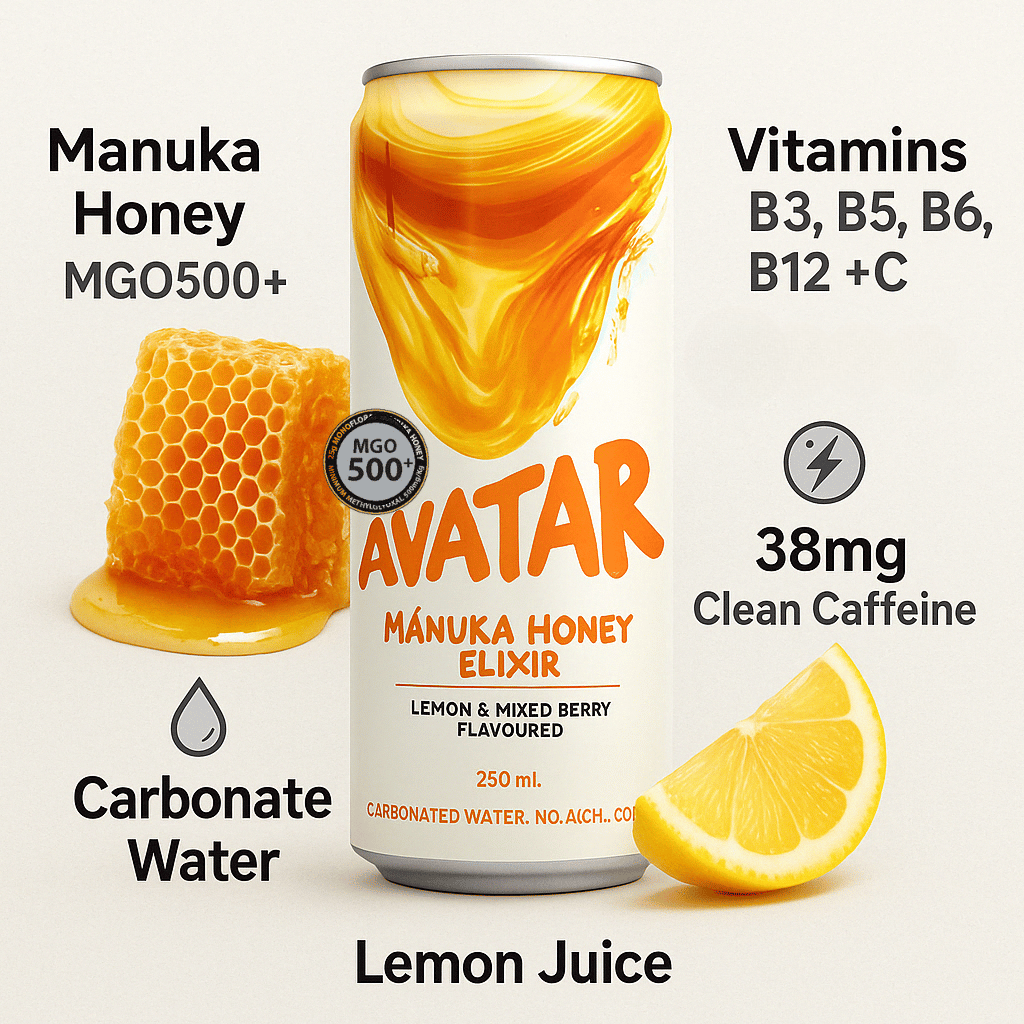
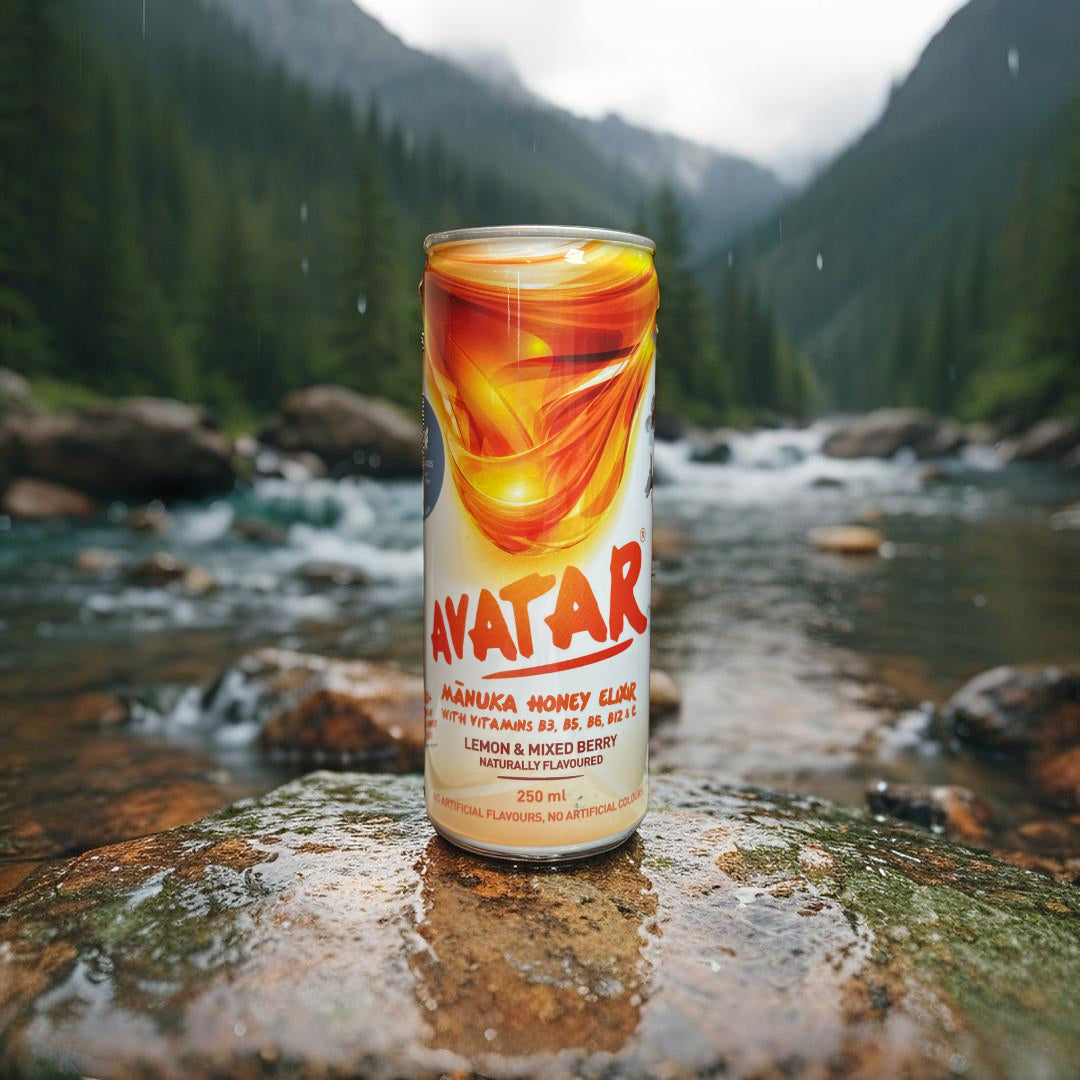
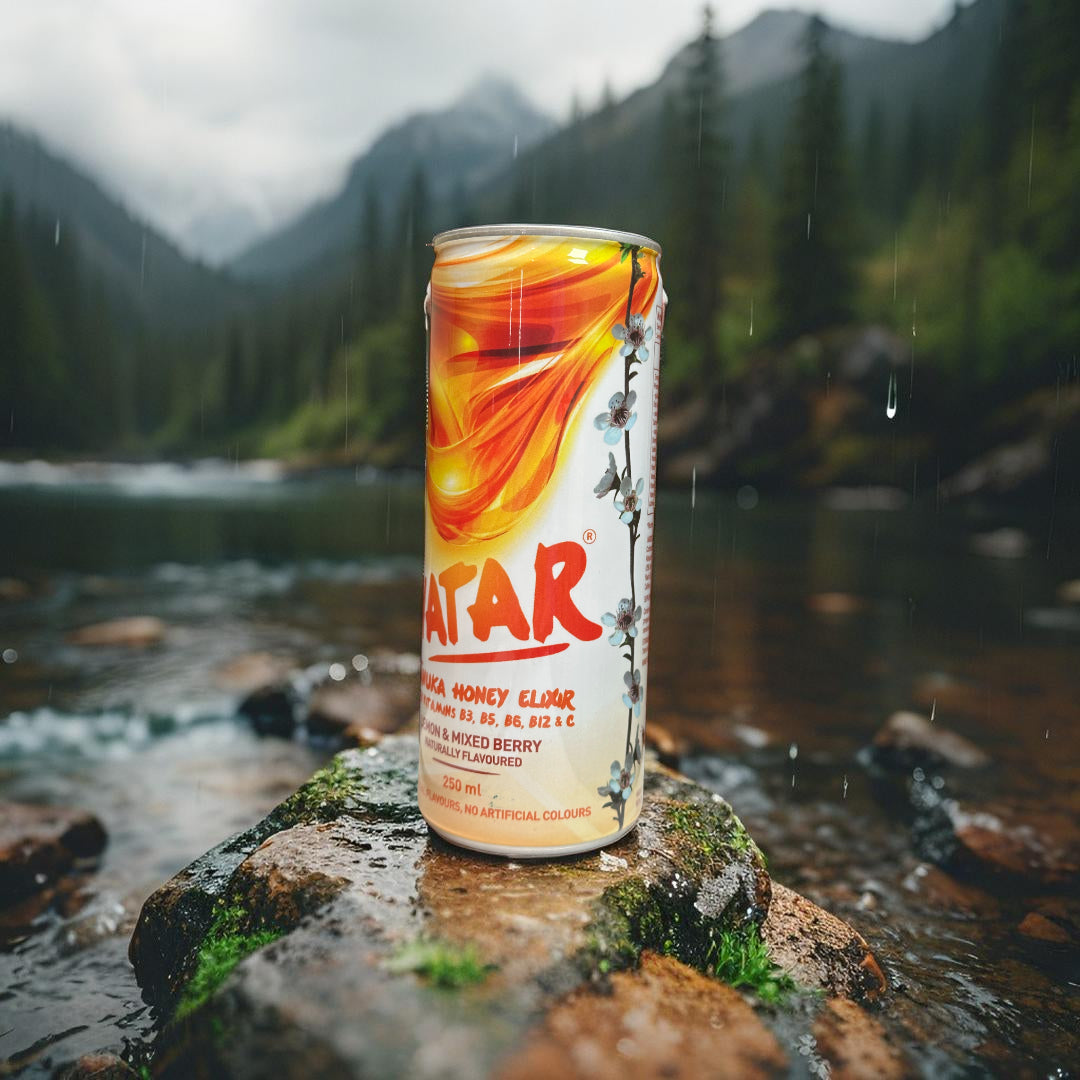
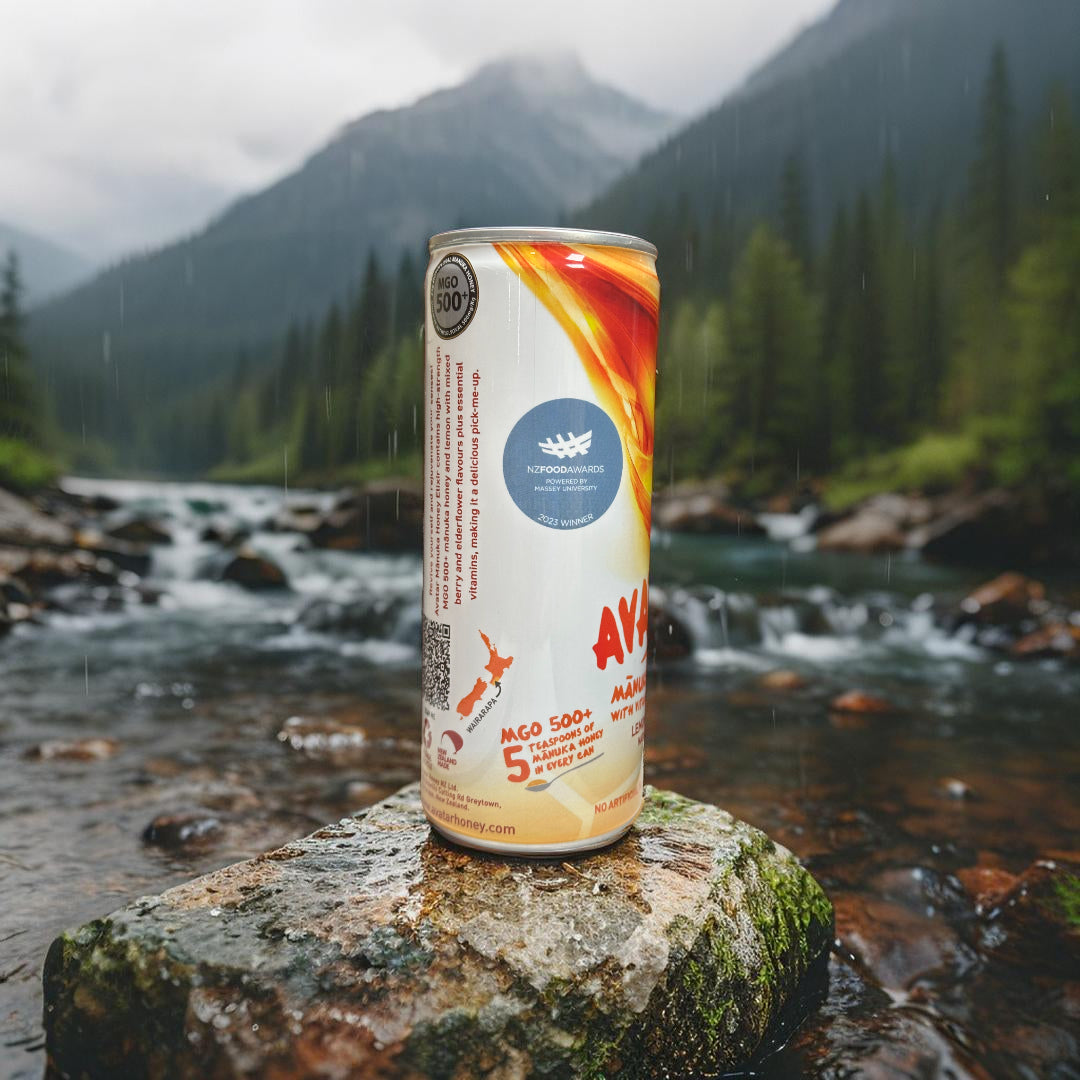
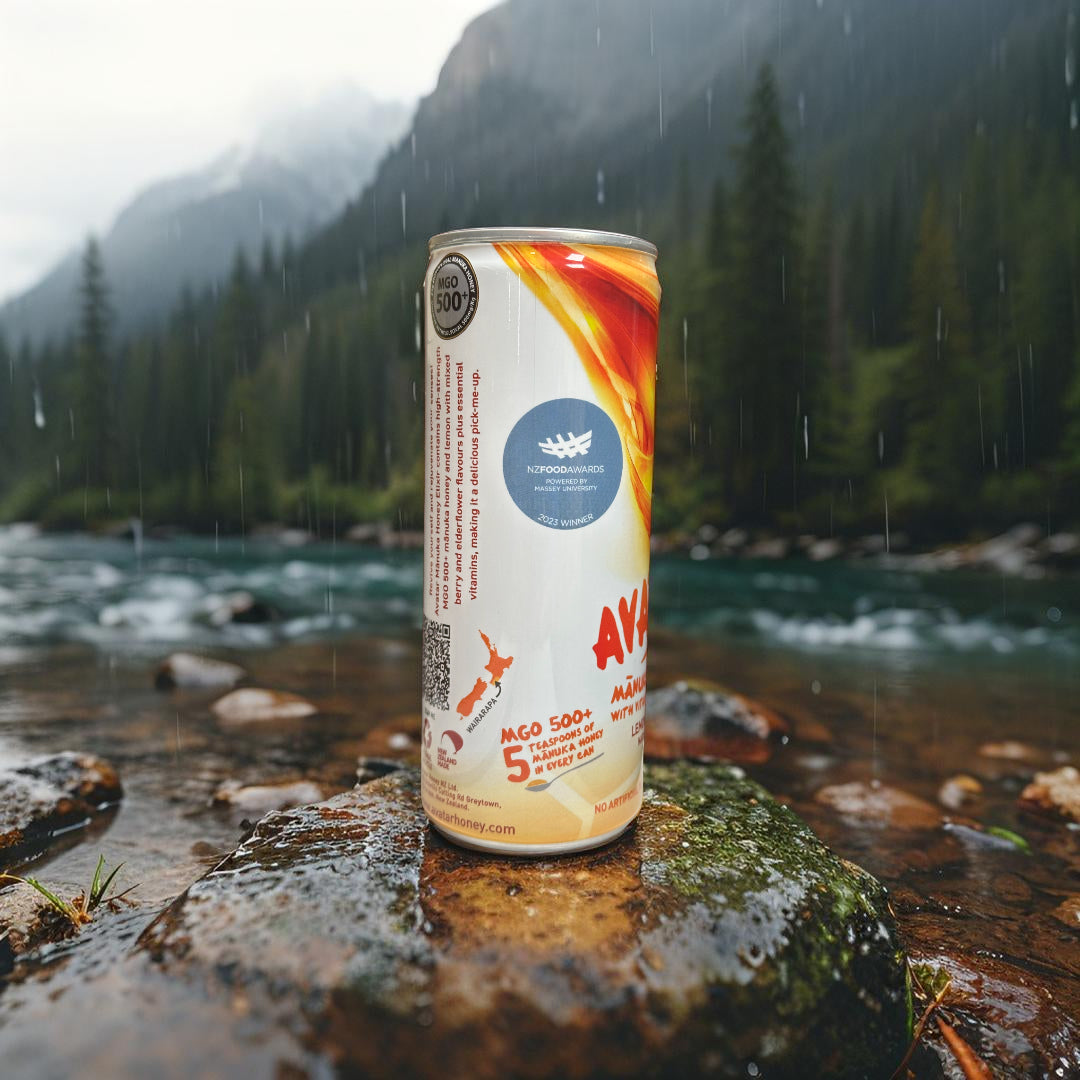
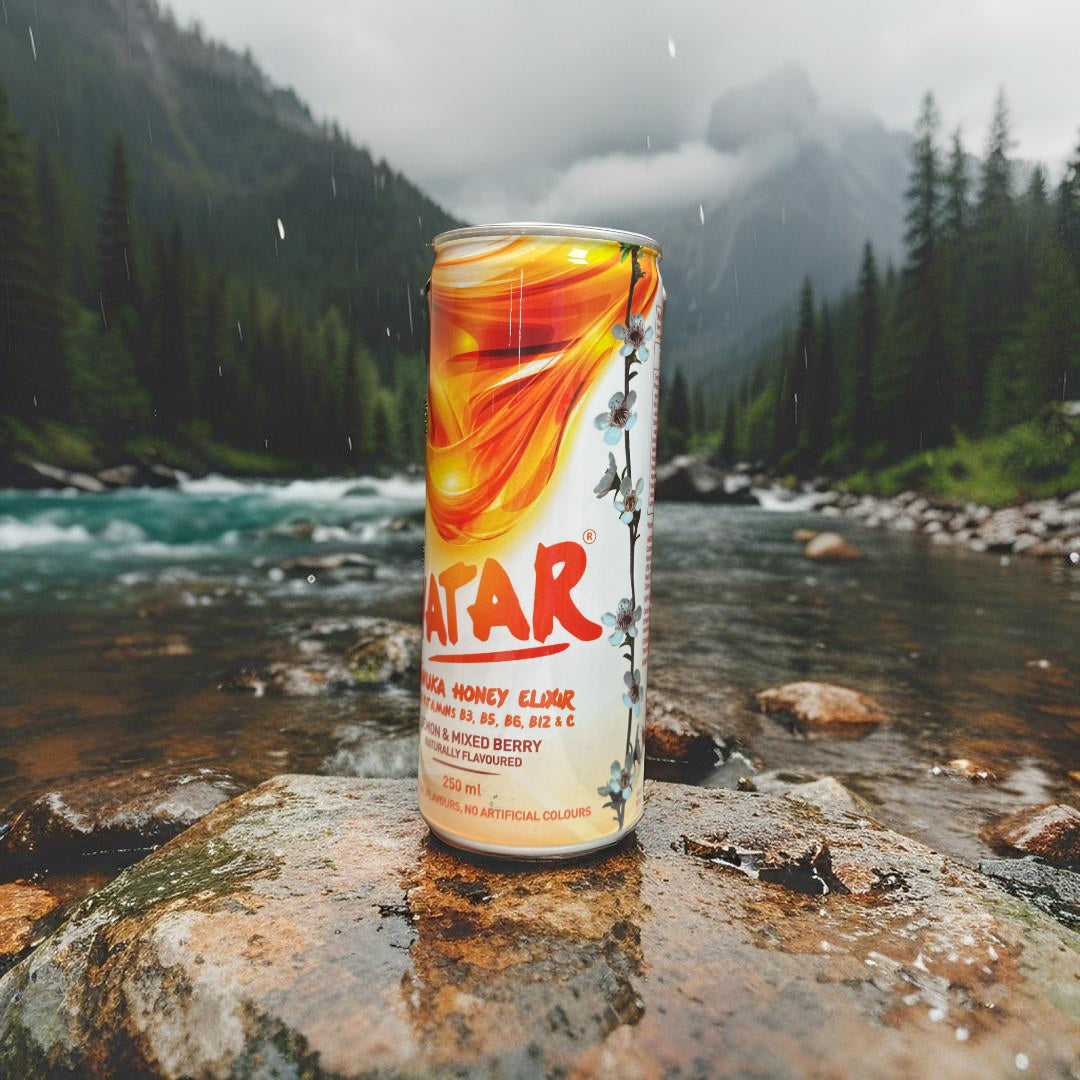
Avatar Elixir is a familiar example of a 250 ml canned beverage, but its storage requirements cannot be established from its honey, lemon, elderflower, vitamins, caffeine, carbonation, or can size alone.
The product label and Avatar Honey’s current merchant storage directions should take precedence. This article does not assert Avatar Elixir’s pH, pasteurisation method, preservative system, filling process, or shelf life. Those are product-specific details that should not be guessed from the visible ingredients or general beverage science.
The practical takeaway
Shelf-stable canned drinks stay fresh before opening because producers build several controls into one system. Sanitation limits contamination, a validated process manages relevant microorganisms, acidity and oxygen are controlled where needed, and the can maintains a sealed protective environment.
Your role is simpler: follow the label, store the drink under the stated conditions, check the date information, and make sure the can remains intact. If you see swelling, leaks, severe seam damage, significant corrosion, or unexplained discharge, treat the package cautiously rather than relying on appearance, smell, or taste alone.
These follow-up points help you assess storage history, package damage, date codes, and unusual can behaviour.
Why can similar canned drinks have different storage instructions?
Similar-looking drinks may use different formulations, preservation processes, filling systems, and packages. Ingredients such as citrus, honey, or carbonation do not reveal the finished beverage's acidity or processing conditions, so follow the storage directions printed for that specific product.
What should I do after accidental heat or freezing exposure?
Check the label and inspect the can carefully before making a decision. Excessive heat can accelerate quality changes and raise pressure, while freezing can stress the can or seam. If you notice swelling, leaking, seam damage, corrosion, or other unexplained changes, avoid the drink and seek guidance from the merchant or manufacturer.
Does every dent mean a canned drink has lost its seal?
No, a dent does not automatically prove that the seal has failed, but its location and severity matter. Damage near the top or bottom seam, along with punctures, leaks, cracks, swelling, or significant corrosion, warrants caution because the package barrier may no longer be dependable.
Is unexpected spraying always a sign the drink has spoiled?
No, a warm or recently shaken carbonated drink may spray or foam when opened. However, unexplained discharge combined with swelling, leaking, seam damage, corrosion, or an unusual package condition should not be dismissed. Avoid tasting a questionable drink to test it.
What if the date code is unreadable?
Do not guess the intended storage period from the ingredients or the can's appearance. Contact the merchant or manufacturer with the product details and any visible production markings, as they may be able to interpret the code or provide product-specific guidance.