


Quick answer: Choose a natural pre-workout energy drink that gives you fast-acting carbohydrates, light caffeine, simple ingredients, and a timing window of 30 to 60 minutes before training. A honey-based option is a strong fit because honey has been reviewed in Nutrients as a carbohydrate fuel that performs similarly to commercial sports drinks during exercise.
By the end of this guide, you will know how to choose a natural pre-workout energy drink that supports training energy without relying on synthetic stimulant blends, artificial flavours, or extreme caffeine levels.
If you dislike beta-alanine tingles, heavy stimulant formulas, or overly sweet pre-workouts, the right approach is simpler: choose a drink that provides fast natural carbs, a moderate lift from caffeine, and ingredients you can actually recognise. Honey is especially relevant because it supplies quick carbohydrate energy, and research published in Nutrients has reviewed honey as performing similarly to commercial sports drinks as a carbohydrate source during exercise. For a deeper look at honey as a natural pre-workout, see our guide.
A natural pre-workout energy drink built around honey can also fit the recovery conversation. A study published in Frontiers in Physiology found that honey-sweetened beverages reduced delayed-onset muscle soreness in strength-trained females. That does not make honey a magic recovery solution, but it does make honey-based drinks worth considering for gym-goers who want fuel that feels more food-based than lab-made.
What you need before choosing
You only need three pieces of information before you choose a natural pre-workout drink:
- Your training time: Morning, afternoon, or evening affects how much caffeine makes sense.
- Your workout type: Lifting, conditioning, endurance, and hybrid sessions use fuel differently.
- Your caffeine tolerance: If strong pre-workouts make you jittery, choose a lighter caffeine source.
The goal is not to find the strongest drink. The goal is to choose a pre-workout beverage that helps you start training with usable energy and no unnecessary extras.
How to choose a natural pre-workout energy drink that delivers
- Choose a drink with fast-acting carbohydrates. Look for a natural carbohydrate source such as honey, fruit juice, or another simple food-based sweetener. Carbohydrates are the main fuel source your body can use quickly before training.
- Prioritise honey if you want a food-based fuel source. Choose a honey-based pre-workout drink if you want natural carbs that are easy to take before exercise. Honey is relevant because it has been reviewed in Nutrients as performing similarly to commercial sports drinks as a carbohydrate fuel during exercise.
- Check the caffeine source. Look for natural caffeine from sources such as tea, coffee, guarana, yerba mate, or similar plant-based ingredients. This helps you avoid formulas built mainly around synthetic stimulant blends.
- Choose light to moderate caffeine. Pick a drink that gives you a lift without pushing you into the high-stimulant territory common in some gym pre-workouts. If you train late in the day or are caffeine-sensitive, choose the lower-caffeine option.
- Avoid ingredients that create effects you do not want. Skip drinks that rely on beta-alanine if you dislike tingles. Avoid artificial flavours, heavy sweetener blends, and long proprietary blends if your goal is a cleaner pre-workout routine.
- Check that the drink is easy to digest. Choose a beverage that feels light rather than thick, creamy, or heavy. A pre-workout drink should sit comfortably when taken before movement, lifting, or conditioning work.
- Match the drink to your workout intensity. Use a carbohydrate-based drink before hard lifting, circuits, intervals, or longer gym sessions. For a very light mobility session, you may not need a full pre-workout beverage.
- Drink it 30 to 60 minutes before training. This timing gives your body time to use the fast-acting natural carbs and lets the caffeine begin to feel noticeable without taking it too early.
- Test it on a normal training day. Try the drink before a regular session, not before a competition, race, or personal record attempt. This helps you judge taste, digestion, energy feel, and caffeine comfort in a low-pressure setting.
- Keep the drink if it supports consistent training. A good natural pre-workout energy drink should help you feel ready to train, digest comfortably, and fit your routine without making you feel overstimulated.
Why honey works well before training
Honey works well in a natural pre-workout drink because it provides quick carbohydrates in a familiar food-based form. Before training, your body benefits from fuel that is easy to access, especially when you are lifting hard, doing intervals, or training after several hours without a full meal.
The key point is practical: a pre-workout drink does not need to feel like a chemistry experiment. A honey-based beverage can provide carbohydrate energy in a way that aligns with how many fitness enthusiasts already think about food, performance, and recovery.
What the research means for gym-goers
The Nutrients review matters because it places honey in the same practical conversation as commercial sports drinks for carbohydrate fuel during exercise. That does not mean every honey drink is automatically well-formulated. It means honey is a credible base ingredient when the product is designed for exercise.
The Frontiers in Physiology study on honey-sweetened beverages and delayed-onset muscle soreness is also relevant for strength-trained people. It suggests honey can be part of a performance and recovery routine, especially when paired with consistent training, sleep, hydration, and adequate protein intake.
What to look for on the label
A good natural pre-workout label should be short, clear, and easy to understand. You should be able to identify the carbohydrate source, the caffeine source, and the flavour system without needing to decode a long proprietary blend. For a broader energy drink label guide, this breakdown helps.
- Carbohydrate source: Honey is a strong choice for natural pre-workout fuel.
- Caffeine source: Look for natural caffeine rather than an aggressive stimulant stack.
- Sweetener profile: Choose food-based sweetness over heavy artificial sweetener blends if that matches your preference.
- Flavouring: Natural flavours are usually a better fit for people avoiding synthetic-tasting pre-workouts.
- Ingredient transparency: Avoid vague proprietary blends when you want to understand what you are drinking.
Where Avatar Elixir fits
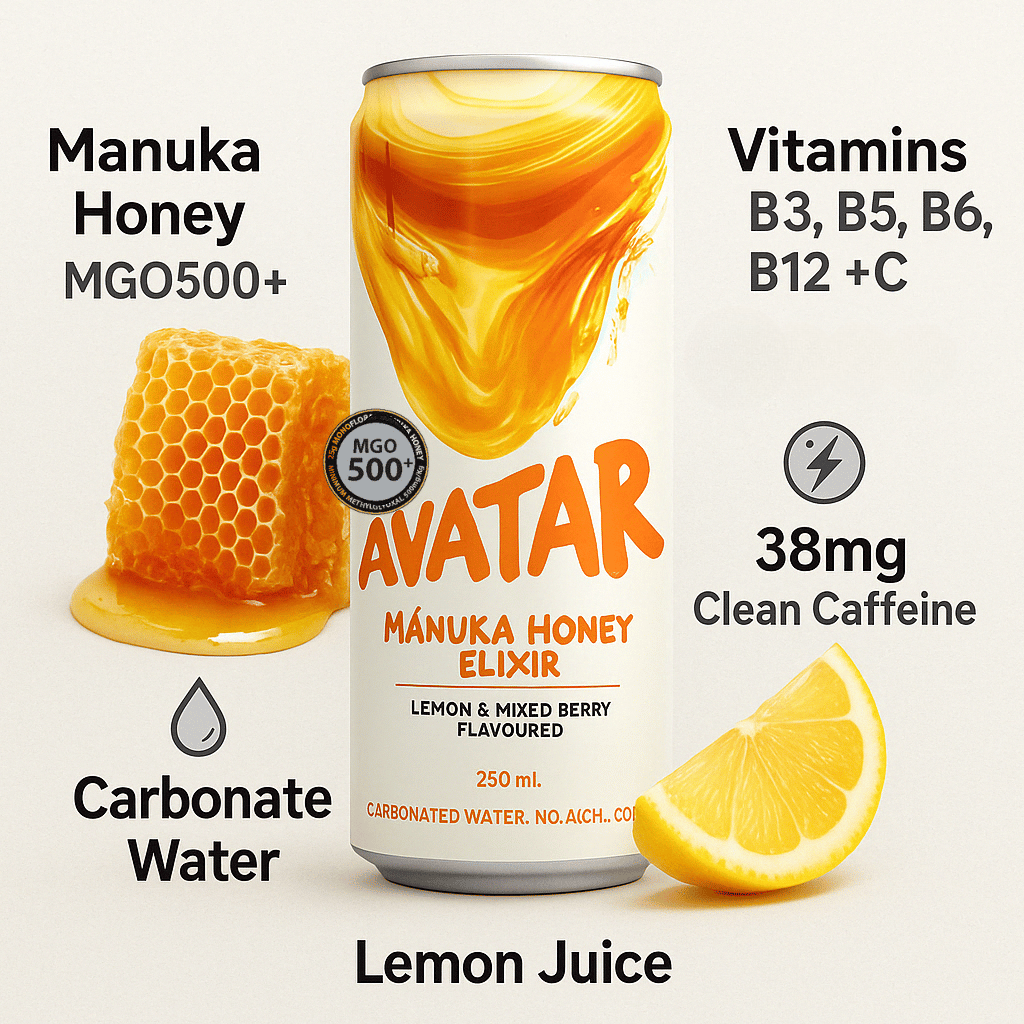
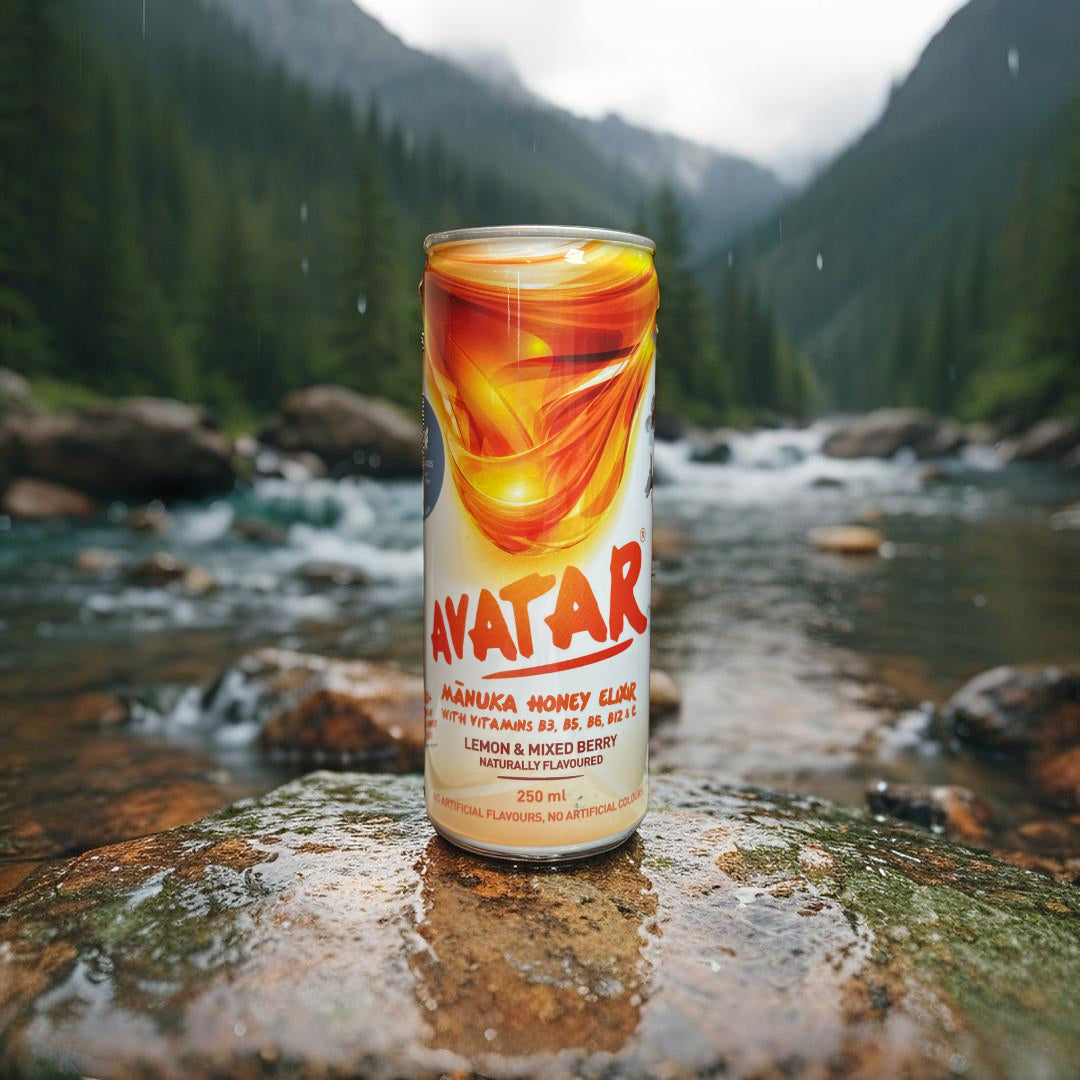
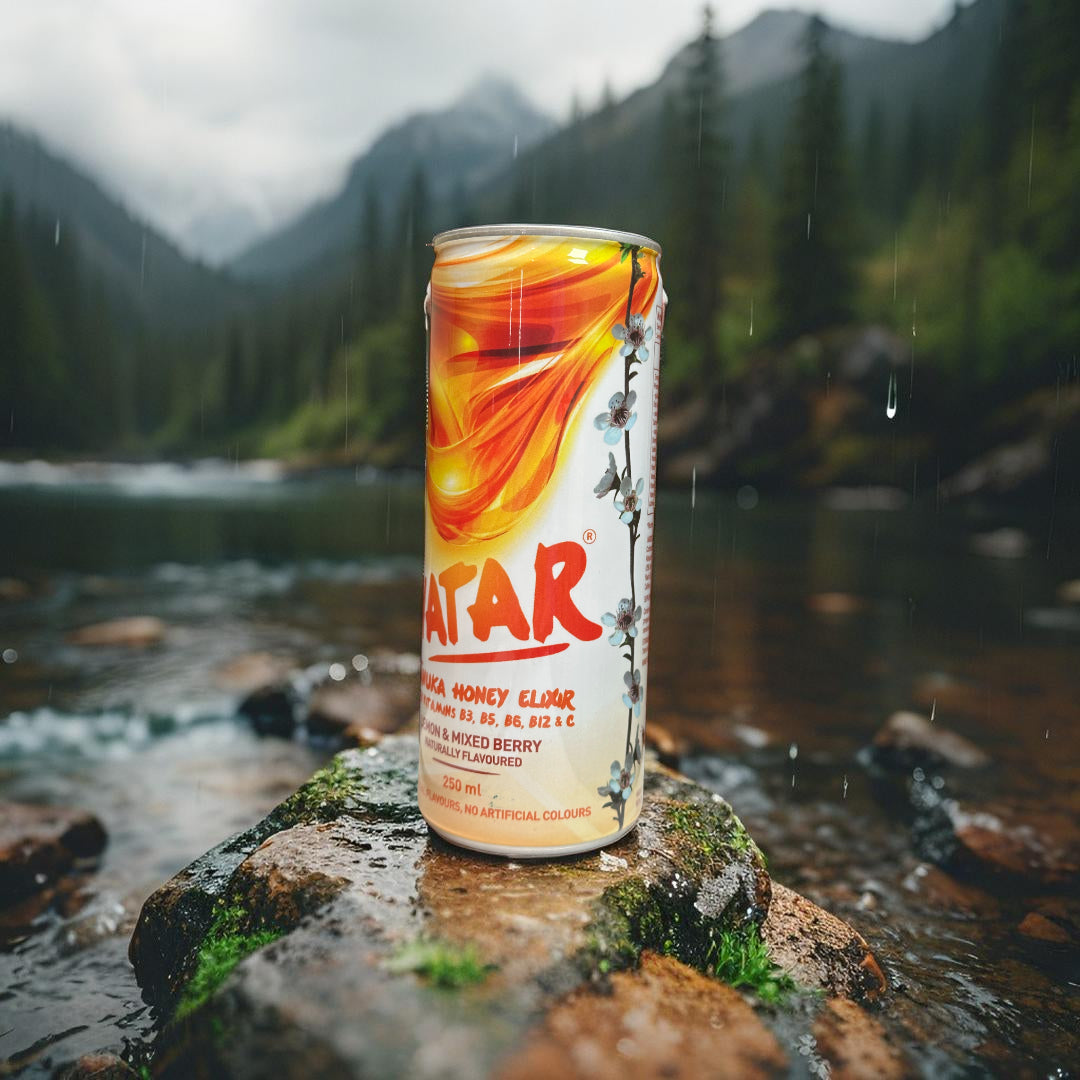
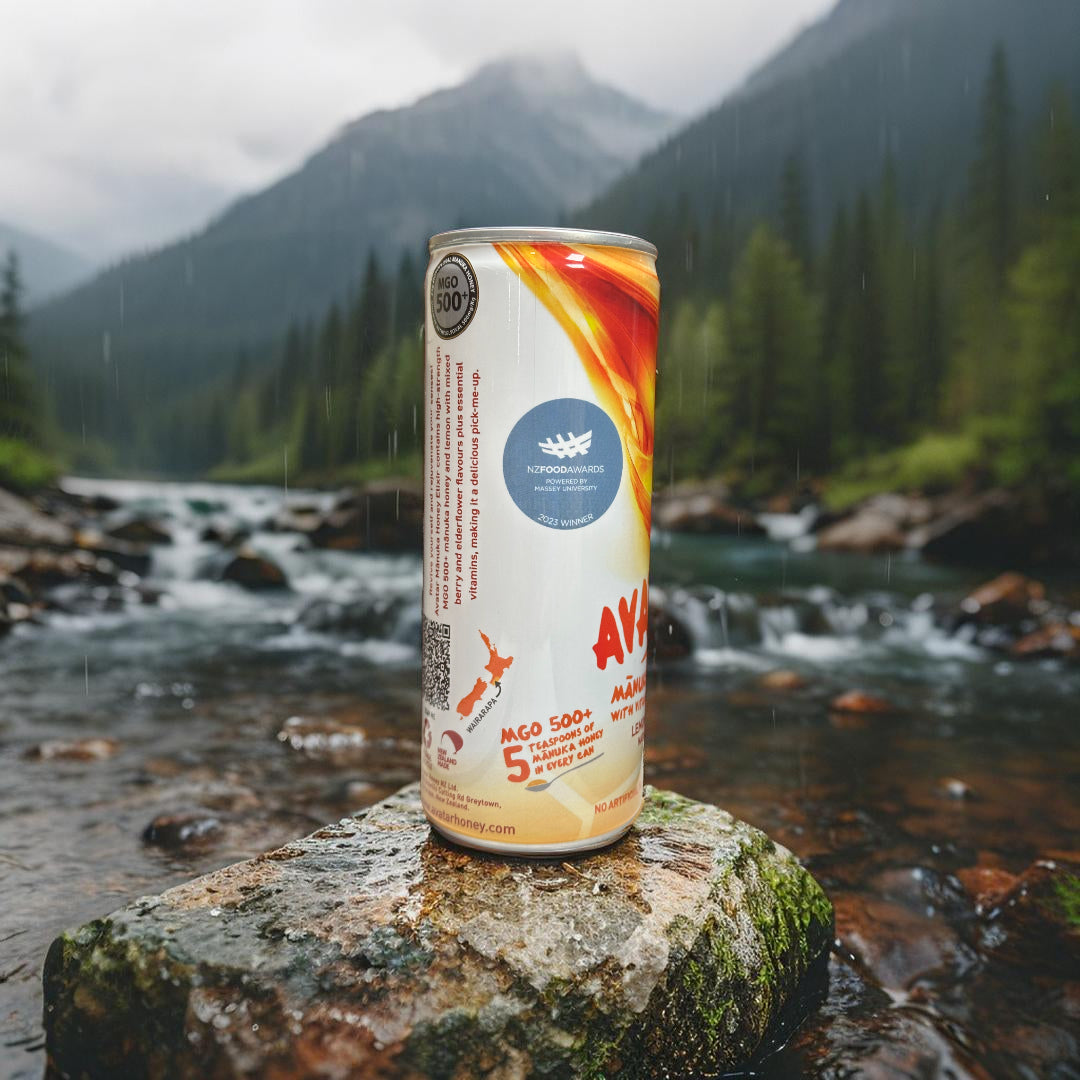
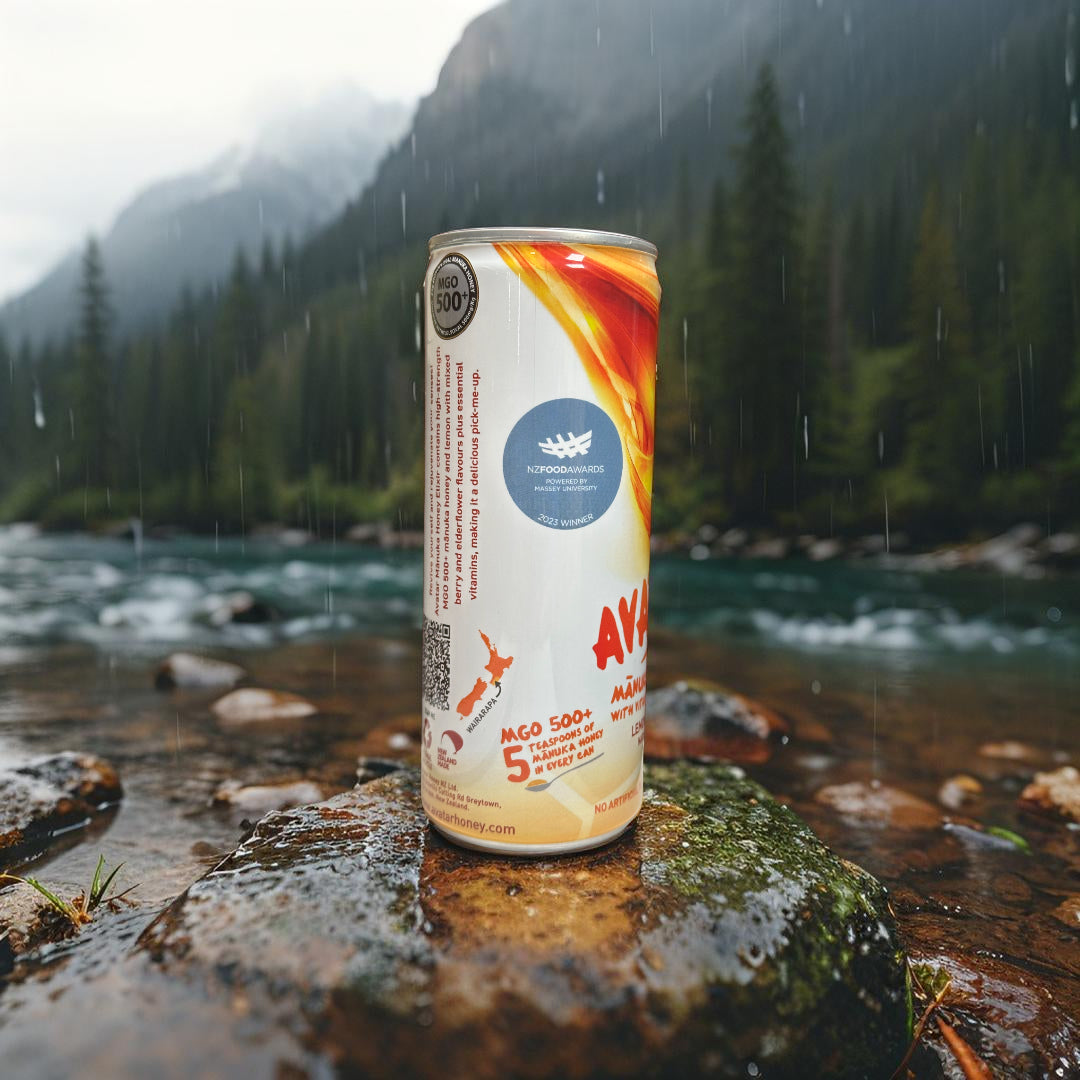
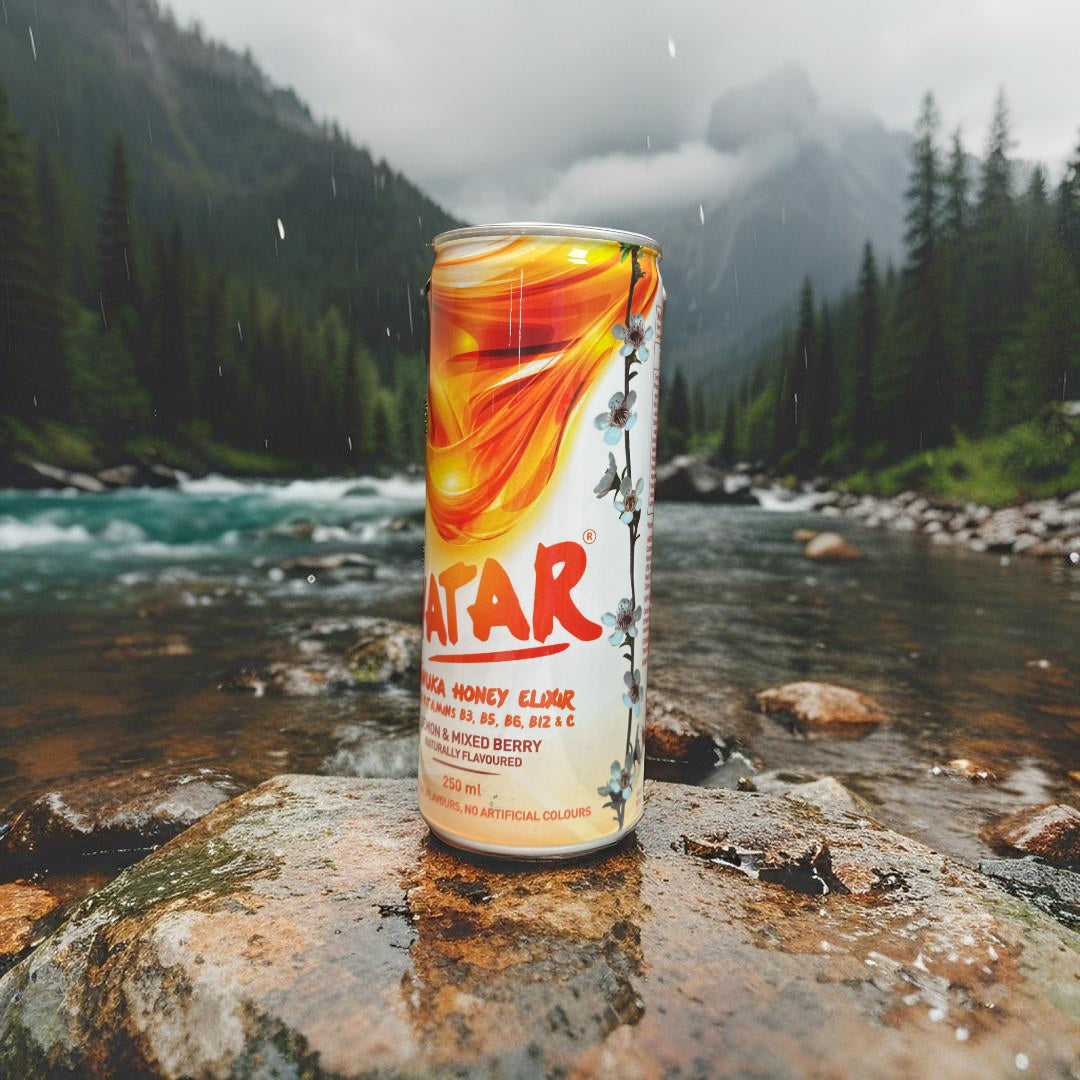
Avatar Elixir fits the natural pre-workout beverage category because it combines natural caffeine with MGO500+ manuka honey. That pairing gives you the two things a clean pre-workout should focus on: fast carbohydrate fuel and a measured energy lift.
For gym-goers who want to move away from synthetic pre-workout powders, Avatar Elixir is a real option to consider. The honey provides a practical carbohydrate base, while the natural caffeine supports alertness without turning the drink into a high-stimulant formula. The use of MGO500+ manuka honey also makes it more specific than a standard sweetened energy drink.
Use it the same way you would use a well-timed natural pre-workout drink: take it 30 to 60 minutes before lifting, conditioning, or a demanding gym session, then pay attention to how your body responds.
Common mistakes to avoid
- Choosing the strongest drink by default: More caffeine does not automatically mean better training.
- Ignoring carbohydrates: A stimulant-only drink may make you feel alert without giving you meaningful fuel.
- Taking it too close to training: Drinking it right before your first set may not give your body enough time to use it comfortably.
- Using it before every session without checking need: Light sessions may not require the same pre-workout fuel as hard training days.
- Overlooking digestion: A drink that feels heavy or causes discomfort is not the right pre-workout for you.
When this method may not be suitable
A caffeinated pre-workout drink may not be suitable if you are sensitive to caffeine, training close to bedtime, pregnant, managing a health condition, or avoiding caffeine for personal reasons. If caffeine affects your sleep, heart rate, or comfort, choose a caffeine-free approach or ask a qualified health professional for personalised guidance.
A honey-based drink may also be unsuitable if you avoid honey, follow a vegan diet, or need to manage carbohydrate intake carefully. The best pre-workout choice is the one that fits your body, your training, and your wider nutrition routine.
You are done when your choice meets these standards
You are done choosing when your natural pre-workout energy drink meets five standards: it contains fast-acting carbohydrates, uses a clear caffeine source, avoids unwanted synthetic-style extras, digests comfortably, and fits the 30 to 60 minute pre-training window.
At this point, your next step is simple: test the drink before a normal workout, track how you feel during training, and keep it only if it supports steady energy without jitters, heaviness, or distraction.
This FAQ helps you pick a natural pre-workout energy drink that feels clean, effective, and easy to time before training. It focuses on honey as a fast-acting carbohydrate source, light caffeine, and simple ingredient checks for gym sessions.
How do I time a honey-based pre-workout drink properly?
Plan to drink it 30 to 60 minutes before training so the fast-acting carbs can be available when your session starts. Keep the drink light so it feels comfortable in your stomach, especially before lifting or conditioning. If you train early, aim for a simpler formula with moderate caffeine so you can still feel steady and focused.
Why is honey used in a natural pre-workout energy drink?
Honey is used because it provides fast-acting carbohydrates for exercise fuel in a food-based form. A review in Nutrients discussed honey performing similarly to commercial sports drinks as a carbohydrate source during exercise. For people who distrust synthetic pre-workouts, honey is often easier to recognise and tolerate than long stimulant blends.
What should I look for on a clean pre-workout ingredient label?
Look for simple ingredients you can recognise and a clear caffeine amount, not a "proprietary blend." A practical label check is to prioritise:
- Fast-acting carbs (honey is a common option)
- Light caffeine (enough for a lift, not an extreme dose)
- Minimal additives (skip heavy artificial flavours if they bother you)
How does honey compare to commercial sports drinks for workout fuel?
As a carbohydrate fuel, honey can perform similarly to commercial sports drinks based on the review discussed in Nutrients. The key best practice is to focus on the role carbs play during exercise, rather than chasing "hardcore" sensations like beta-alanine tingles. If you want a natural pre-workout energy drink, this comparison is useful because it frames honey as a legitimate fuel source, not just a sweetener.
What caffeine level makes sense if I avoid strong pre-workouts?
A light to moderate caffeine lift is usually the most practical starting point if you dislike heavy stimulant formulas. Use your training time and sleep sensitivity to guide you, since late-day caffeine can be a poor fit for many people. If you are unsure, choose a drink with a clearly stated caffeine amount so you can adjust your serving without guessing.
Can a honey-sweetened pre-workout drink support recovery and soreness?
It may support recovery by keeping your fuel more "food-based," and it may help with soreness in some contexts. A study in Frontiers in Physiology found honey-sweetened beverages reduced delayed-onset muscle soreness (DOMS) in strength-trained females. This does not make honey a guaranteed recovery solution, but it does make honey-based drinks worth considering if you want pre-workout fuel that also fits your recovery routine.