


Quick answer: Read a functional beverage can by checking the specific ingredients, caffeine amount, sweeteners, vitamins, botanicals, serving size, and fine print before you give much weight to broad wellness language such as “balance,” “clarity,” “clean,” or “good vibes.”
You’re standing in front of a crowded fridge, or scrolling through an online store, and several cans all say they support energy, focus, balance, or wellness. Some may be genuinely ingredient-led. Others may lean harder on mood words than useful label information. This guide shows you how to read a functional beverage label in a calm, practical way so you can separate concrete details from vague or overconfident claims.
What you need before you start
- The can or product page: Look for the front label, nutrition panel, ingredient list, and serving information.
- A few quiet seconds: Good label reading does not take long, but it works best when you slow down for a moment.
- Your own context: Consider when you plan to drink it, such as work, study, travel, social occasions, or an afternoon lift.
Read the functional beverage can in this order
- Start with the front-label promise. Identify the main benefit language before looking at the details. Wording to trust is usually specific, such as “sparkling drink with caffeine, lemon, and honey.” Wording to question is broader, such as “feel balanced,” “unlock your potential,” or “wellness in a can,” especially if the label does not explain what creates that effect.
- Check the caffeine amount. Find the caffeine figure per can or per serving. Specific wording such as “contains 80 mg caffeine per can” is more useful than a general phrase like “natural energy.” If the can says “clean caffeine” but does not clearly show how much caffeine is included, investigate further before choosing it for work, study, travel, or a long day.
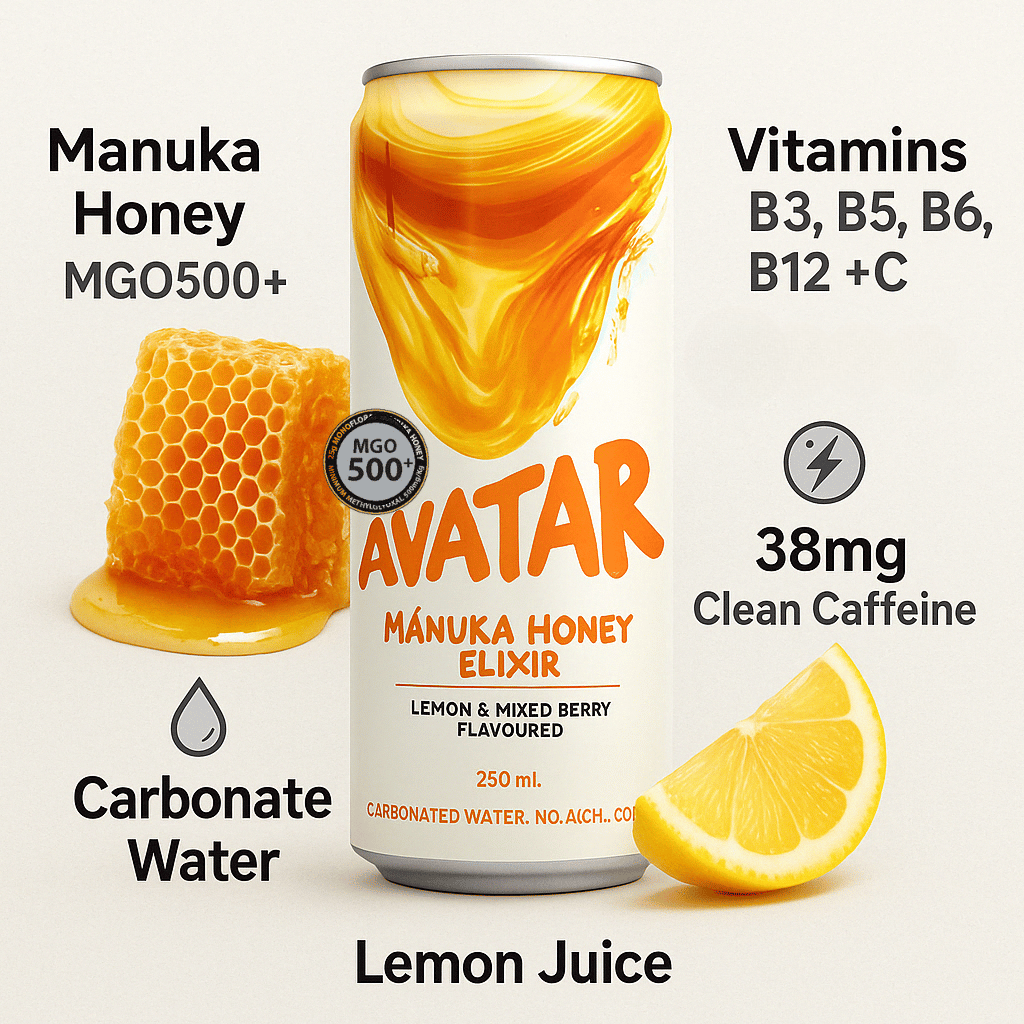
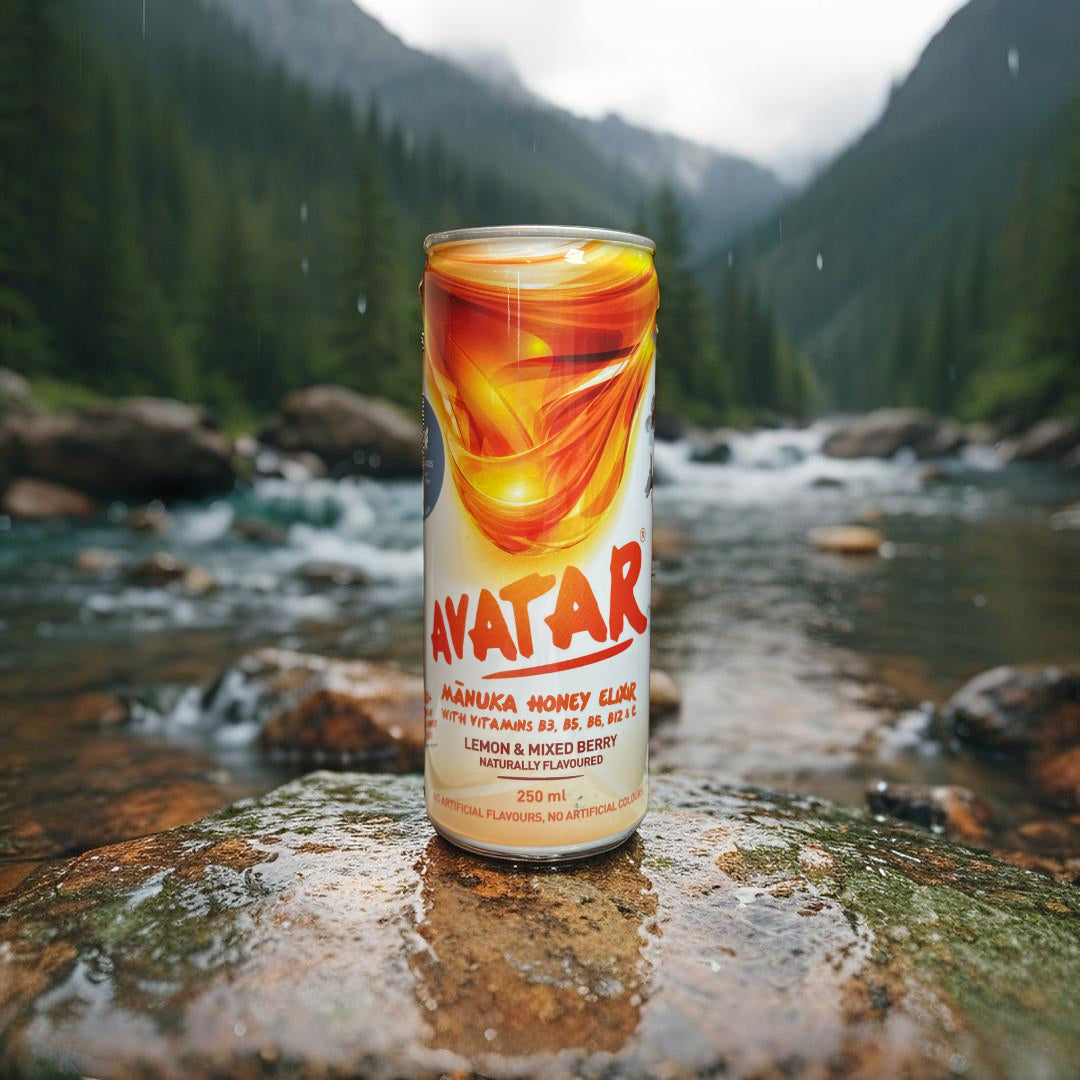
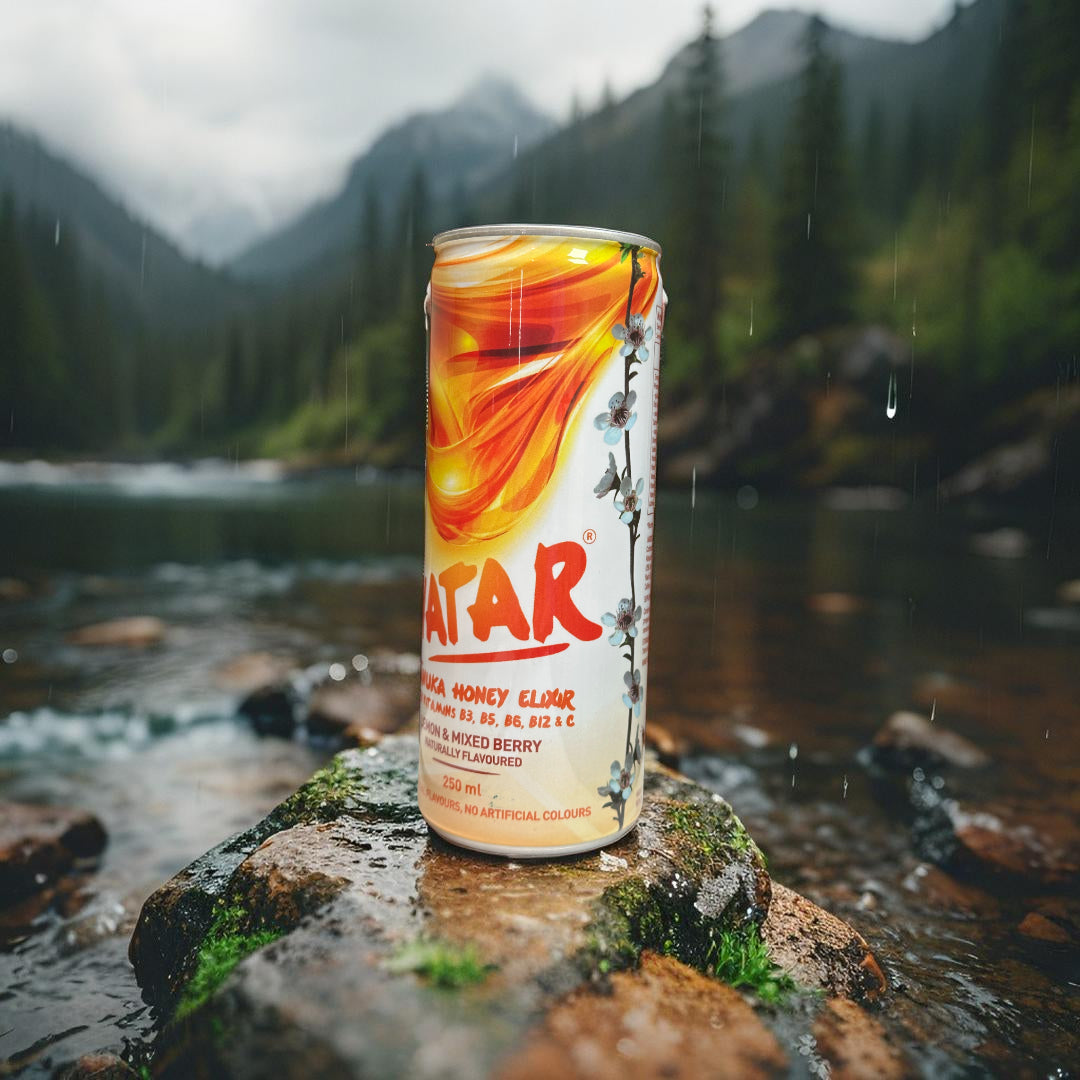
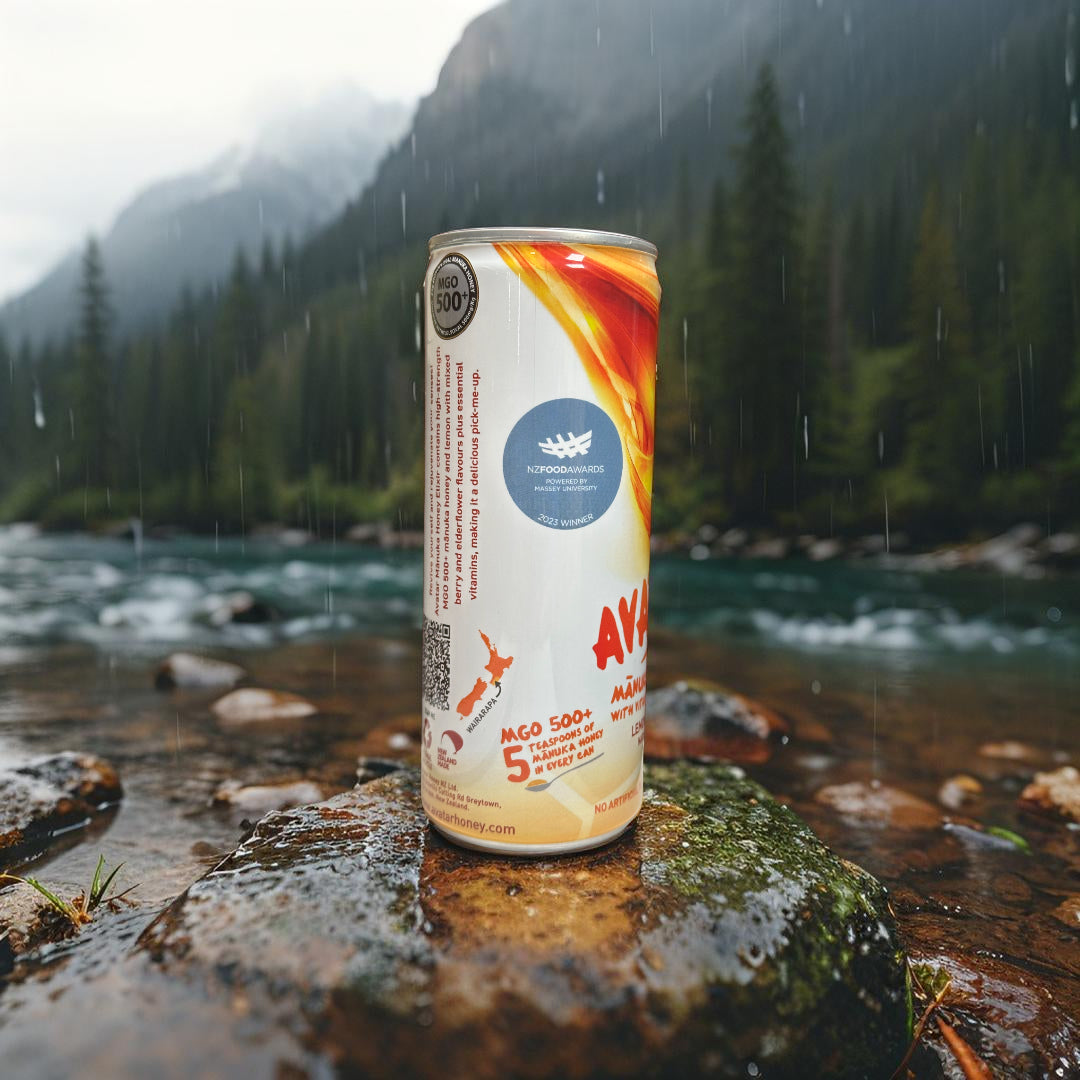
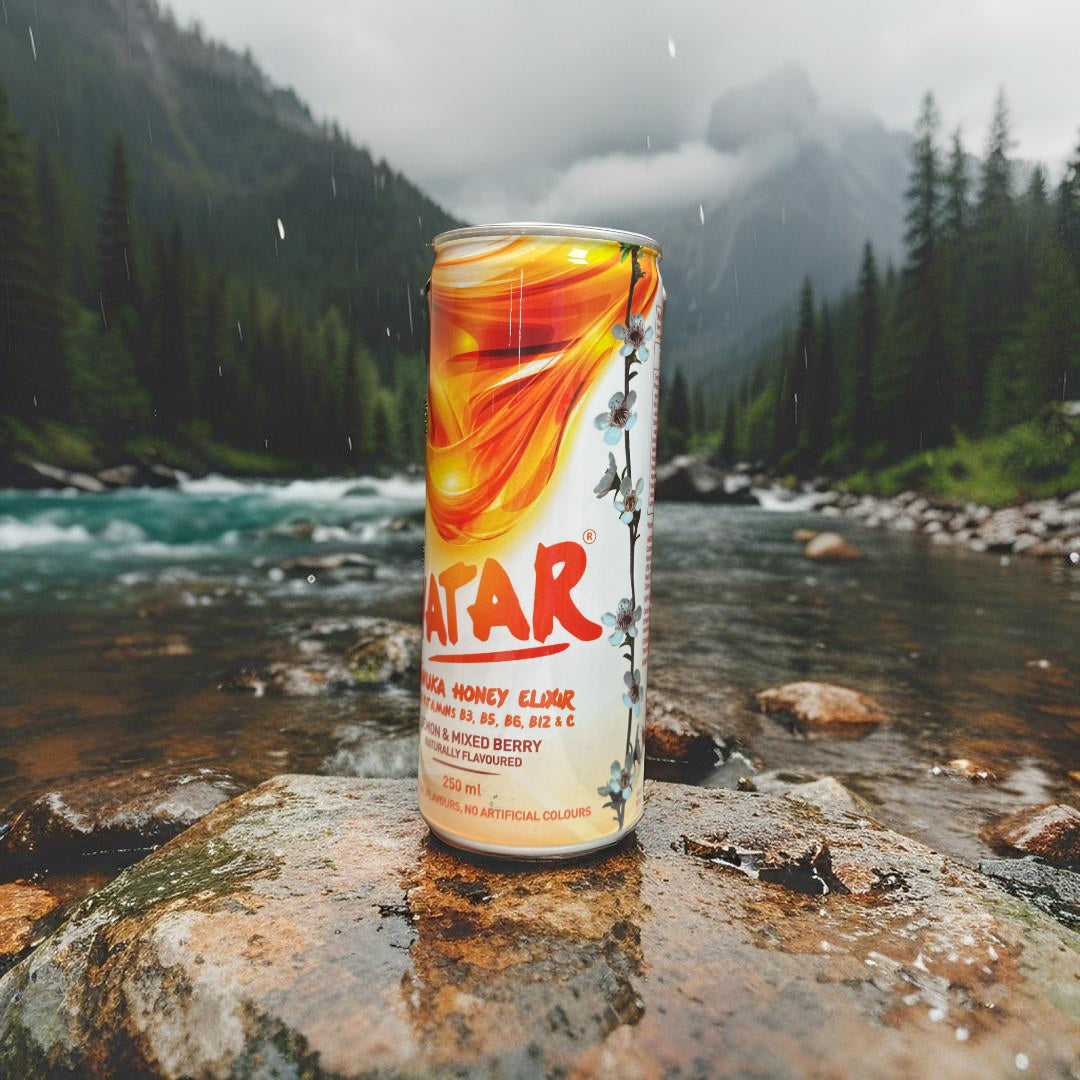
- Read the ingredient list from first to last. Ingredients are usually listed in order by amount, so the first few tell you a lot about the drink. Wording to trust includes recognisable ingredient information, such as sparkling water, lemon, honey, elderflower, or caffeine. A drink like Avatar Elixir, for example, is positioned around clear ingredients such as certified MGO500+ Manuka honey, lemon, elderflower, B vitamins, vitamin C, clean caffeine, and lightly carbonated water. Wording to question includes ingredient lists where the flavour sounds natural on the front but is hard to connect to the actual ingredients.
- Look at the sweetener source. Identify whether the drink uses sugar, honey, fruit juice, stevia, monk fruit, sucralose, sugar alcohols, or another sweetener. Wording to trust is plain and direct, such as “sweetened with honey” or “contains no artificial sweeteners.” Wording to investigate includes “guilt-free sweetness,” “zero sugar taste,” or “naturally sweet” when the specific sweetener is not easy to find.
- Separate vitamins from wellness claims. Check which vitamins are included and whether the can explains them plainly. Specific wording such as “contains B vitamins and vitamin C” gives you ingredient information. Broader wording such as “supports your best self” or “daily wellness boost” is less useful unless it is paired with clear nutrition details. Treat vitamins as part of the formula, not as a guarantee of how you will feel.
- Check botanicals and premium ingredients carefully. Identify any herbs, flowers, extracts, adaptogens, honey types, or flavour botanicals. Wording to trust is specific, such as “elderflower,” “lemon,” or “MGO500+ Manuka honey.” Wording to question includes “botanical blend,” “ancient plants,” or “nature-powered formula” if the can does not clearly name the ingredients or explain what is actually inside.
- Match the drink to the serving occasion. Decide whether the can suits when and how you plan to drink it. A lightly carbonated honey, lemon, and elderflower drink may suit a work break, an afternoon alternative to coffee, a social occasion, or a premium mixer. A high-caffeine drink may be less suited to late evenings or relaxed occasions. Wording to trust connects the drink to realistic use, while wording to question promises big lifestyle outcomes from one can.
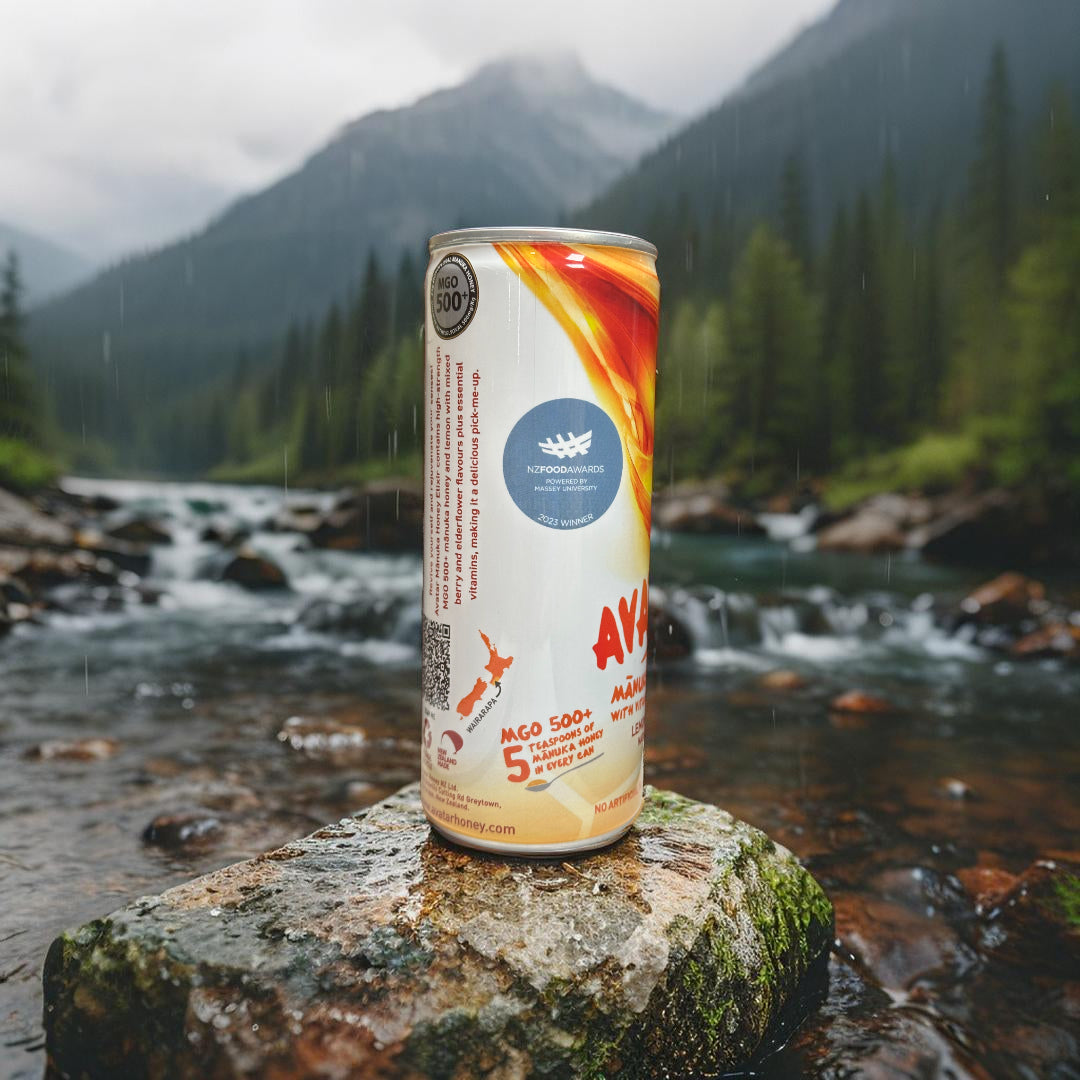
- Read the fine print before deciding. Check serving size, caffeine warnings, storage instructions, country of origin, nutrition information, and any small disclaimers. Wording to trust is clear and easy to find. Wording to investigate includes large wellness language on the front with important details hidden in very small text, split across multiple servings, or missing from the online product page.
A short checklist you can use on any can
Use this quick label-reading checklist when you are comparing functional beverages in a fridge, supermarket aisle, office kitchen, gym bag, or online store.
- Can I find the caffeine amount per can or per serving?
- Can I name the first few ingredients without guessing?
- Do I understand how the drink is sweetened?
- Are vitamins and botanicals listed clearly, not hidden behind vague blend language?
- Does the front-label promise match the ingredient list?
- Does the drink suit the occasion I have in mind?
- Is the fine print clear enough for me to make a confident choice?
Common label language to trust, question, or investigate
Trust clear ingredient language
Clear ingredient language tells you what is in the can without making you decode a mood. Phrases such as “with lemon,” “with elderflower,” “contains caffeine,” “made with Manuka honey,” or “lightly carbonated” give you practical information. They help you imagine the flavour, sweetness, sparkle, and drinking occasion before you buy.
Question broad wellness language
Broad wellness language sounds attractive, but it may not tell you much. Phrases such as “balanced energy,” “mindful refreshment,” “inner glow,” or “focus fuel” should lead you back to the caffeine amount, ingredient list, vitamins, and sweeteners. The phrase is not automatically a problem, but it should not be the only reason you choose the drink.
Investigate overconfident claims
Overconfident wording deserves a slower read. If a can implies dramatic focus, guaranteed performance, all-day energy, or a complete wellness routine in one drink, check whether the label provides concrete ingredient information. Functional beverages are still food and drink products. A well-made can can be enjoyable, refreshing, and thoughtfully formulated, but it should not need exaggerated promises to feel worth choosing.
How to avoid becoming too cynical
Not every premium functional beverage is hiding behind wellness language. Some brands use elevated wording because they are describing flavour, experience, sourcing, or occasion. A drink can be premium and still be clear. The useful question is not “Does this can sound polished?” The better question is “Can the brand show me what is inside and why it belongs there?”
Ingredient-led drinks usually make that easier. If a can names its key ingredients clearly, shows its caffeine amount, explains its sweetener choice, and gives you enough fine print to make a sensible decision, the polished language becomes less of a concern. The label has done its job.
Completion signal
You’re done when you can explain the drink in one plain sentence without borrowing the brand’s wellness language. For example: “This is a lightly sparkling drink with caffeine, honey, citrus, botanicals, and added vitamins.” If you can say that clearly, you have moved past the front-label mood and reached the information that actually helps you choose.
These answers help you read functional drink labels with more confidence before choosing a can.
How do I read a functional beverage label quickly?
Read a functional beverage label by checking the claim, caffeine amount, ingredient list, sweetener, vitamins, botanicals, serving size, and fine print in that order. Start with what the front of the can promises, then confirm whether the back label gives clear details. Specific wording, such as "contains 80 mg caffeine per can" or "sweetened with honey," is more useful than broad language like "daily balance" or "wellness boost."
What wellness words on drink cans should I question?
Question wellness words that sound impressive but do not tell you what is actually in the drink. Phrases such as "balance," "clarity," "good vibes," "unlock your potential," and "nature-powered" need ingredient details behind them. The wording is more useful when it connects directly to named ingredients, caffeine amount, nutrition information, or a clear serving context.
How do I compare clean caffeine drinks with regular energy drinks?
Compare clean caffeine drinks with regular energy drinks by looking at the caffeine amount, caffeine source, sweetener type, flavour ingredients, and overall serving occasion. Do not judge the drink only by the phrase "clean caffeine." A clearer label tells you how much caffeine is in the can and pairs it with recognisable ingredients, such as sparkling water, citrus, honey, or botanicals.
What ingredients make a functional drink label feel more trustworthy?
A functional drink label feels more trustworthy when it names specific ingredients instead of relying mainly on mood-based language. Look for clear details such as:
- Caffeine amount: listed per can or per serving.
- Sweetener source: such as honey, fruit juice, stevia, or sugar.
- Flavour ingredients: such as lemon, elderflower, or real botanical extracts.
- Nutrition details: including vitamins, serving size, and energy information.
Avatar Elixir is one example of ingredient-led positioning, with Manuka honey, lemon, elderflower, clean caffeine, B vitamins, vitamin C, and lightly carbonated water stated clearly.
Are vitamins and botanicals on beverage labels always meaningful?
Vitamins and botanicals are meaningful label details when they are named clearly and supported by transparent nutrition or ingredient information. A can that says "contains B vitamins and vitamin C" gives you something concrete to read. A can that says "wellness blend" or "botanical energy" without naming the ingredients gives you less to work with, even if the front label looks premium.
How should I choose a functional drink for work or study?
Choose a functional drink for work or study by matching the caffeine level, flavour, carbonation, sweetness, and serving size to your routine. A lighter sparkling drink with honey, citrus, and botanicals suits a slower work break or afternoon alternative to coffee. A stronger caffeine-led drink fits a different occasion, so the label should make the caffeine amount and serving information easy to find.
What should I do after checking a drink's label?
After checking a drink's label, decide whether the ingredient information matches the reason you want the drink. If you want a premium mixer, flavour and carbonation matter. If you want an afternoon lift, caffeine amount and sweetness matter. If the label uses big wellness language but hides basic details, choose a more transparent option or keep comparing before you buy.