


Short answer: Adults should check the ingredient list, sweetener names, total sugar, flavour source, caffeine amount, and overall simplicity of the can before choosing an energy drink without artificial sweeteners. A cleaner-looking label is not automatically better, so compare how the drink is sweetened, how it tastes, and whether the ingredients make sense for how you plan to drink it.
You are standing in front of the fridge choosing between two energy drinks. Both cans say things like “better for you”, “clean energy”, or “no sugar”. One looks natural, the other looks sporty. But when you turn them around, the sweetener panel tells a more useful story than the front label.
An energy drink without artificial sweeteners can be a good option for adults who want a more ingredient-led drink at home, at work, while studying, or during a long day. The key is knowing what has replaced the artificial sweeteners, how that choice affects taste, and whether the full label still feels simple and balanced.
What should adults check first on an energy drink without artificial sweeteners?
Adults should first check the ingredient list, not the front-of-can claims, because the ingredient list shows what is actually creating the sweetness, flavour, and energy effect in the drink.
Start by looking for the sweetener source. If a drink says “no artificial sweeteners”, it may still be sweetened with stevia, monk fruit, sugar alcohols, cane sugar, fruit juice, honey, or another alternative. Some of these are natural, some are low-calorie, and some are closer to familiar kitchen ingredients. None of them should be judged by the headline alone.
Next, check the nutrition panel for total sugar and serving size. A drink can avoid artificial sweeteners and still be quite sweet if it uses cane sugar, honey, juice concentrate, or syrups. That is not automatically a problem, but it is something to weigh against your taste preference and how often you plan to drink it.
Finally, scan for caffeine amount, flavourings, acids, colours, preservatives, and added functional ingredients. A cleaner energy drink is usually easier to understand when the sweetness, flavour, and caffeine source are clearly stated.
Which artificial sweeteners might appear on an energy drink label?
The artificial sweeteners adults most commonly notice on energy drink labels include aspartame and sucralose, although different brands use different sweetening systems depending on flavour, calorie target, and price point.
What is aspartame doing in a drink?
Aspartame is an intense sweetener used to create sweetness without adding sugar. In energy drinks, it is usually chosen because it can support a sweet taste while keeping the sugar number low.
Adults who are avoiding artificial sweeteners often scan for aspartame by name in the ingredient list. It may appear alongside other sweeteners to round out the flavour, because single sweeteners can sometimes taste sharp, thin, or lingering on their own.
What is sucralose doing in a drink?
Sucralose is another high-intensity artificial sweetener often used in low-sugar or zero-sugar drinks. It is popular because it provides a strong sweetness that holds up well in carbonated drinks and bold flavours.
Some adults dislike the aftertaste of sucralose, while others barely notice it. The practical point is simple: if you are choosing an energy drink without artificial sweeteners, look for “sucralose” in the ingredient list rather than relying only on “zero sugar” wording.
What substitutes are commonly used instead of artificial sweeteners?
Energy drinks without artificial sweeteners commonly use stevia, monk fruit, sugar alcohols, cane sugar, honey, fruit-based sweetness, or an unsweetened style, and each option changes the drink’s flavour and mouthfeel.
How does stevia affect taste?
Stevia is a plant-derived sweetener that can provide sweetness with little or no sugar. In drinks, it often gives a noticeable sweet taste, but some people pick up a herbal, slightly bitter, or lingering finish.
Stevia can work well when paired with citrus, berries, ginger, or botanical flavours. It can be less convincing in very delicate drinks, where the aftertaste has nowhere to hide.
How does monk fruit affect taste?
Monk fruit is a fruit-derived sweetener used in some cleaner-label drinks. It can taste rounder than some alternatives, but it may still have a distinct finish depending on the formula.
Monk fruit is often blended with other sweeteners because it can be expensive or too distinctive on its own. If a drink uses monk fruit, check whether it is paired with erythritol, stevia, cane sugar, or another ingredient.
How do sugar alcohols affect taste?
Sugar alcohols, such as erythritol, are used to add sweetness with fewer sugars listed on the nutrition panel. They can provide bulk and sweetness, but they may also create a cooling sensation on the tongue.
That cooling effect can be pleasant in some sparkling citrus drinks and less pleasant in flavours that are meant to taste warm, rich, or honeyed. If you dislike a minty or cool finish in drinks that do not contain mint, sugar alcohols may be the reason.
How do cane sugar and honey affect taste?
Cane sugar and honey create more familiar sweetness because they contribute real sugars along with flavour and body. They usually taste more rounded than high-intensity sweeteners, but they will add to the total sugar listed on the nutrition panel.
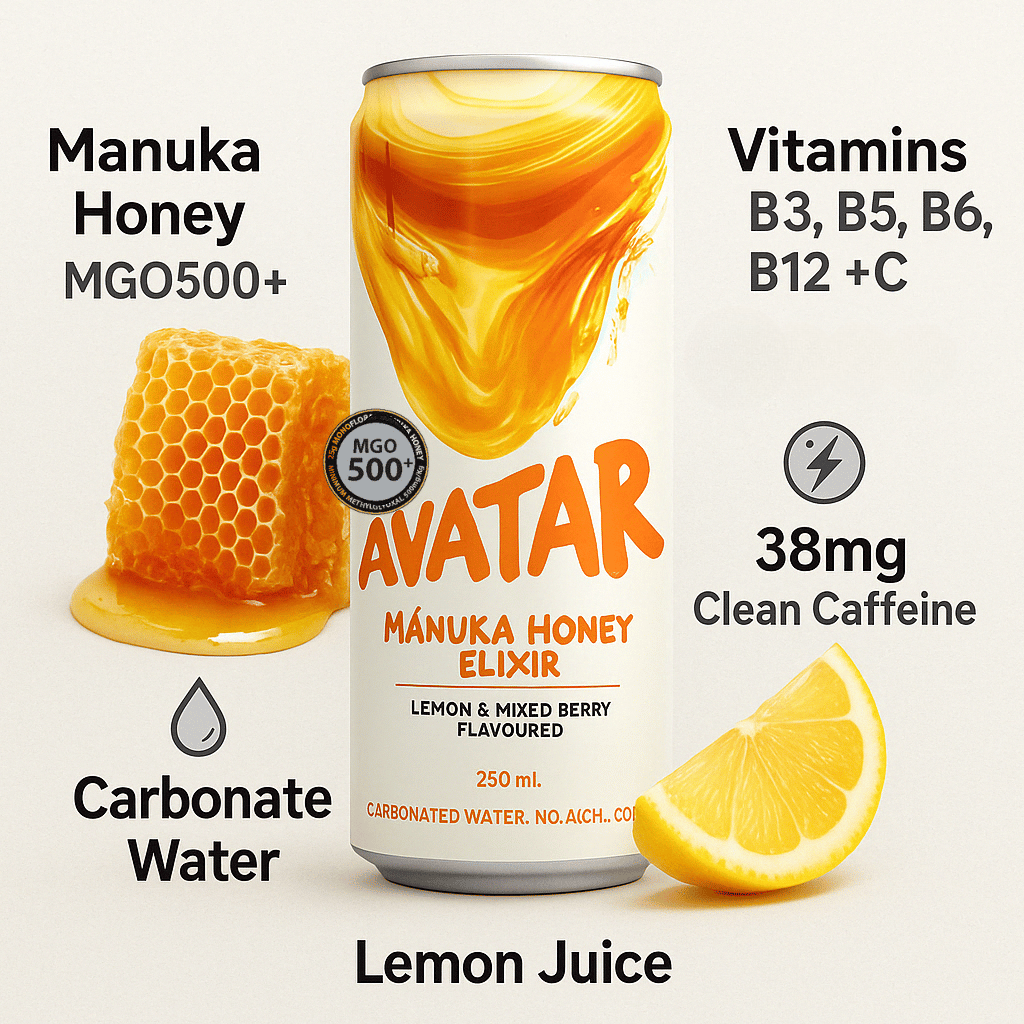
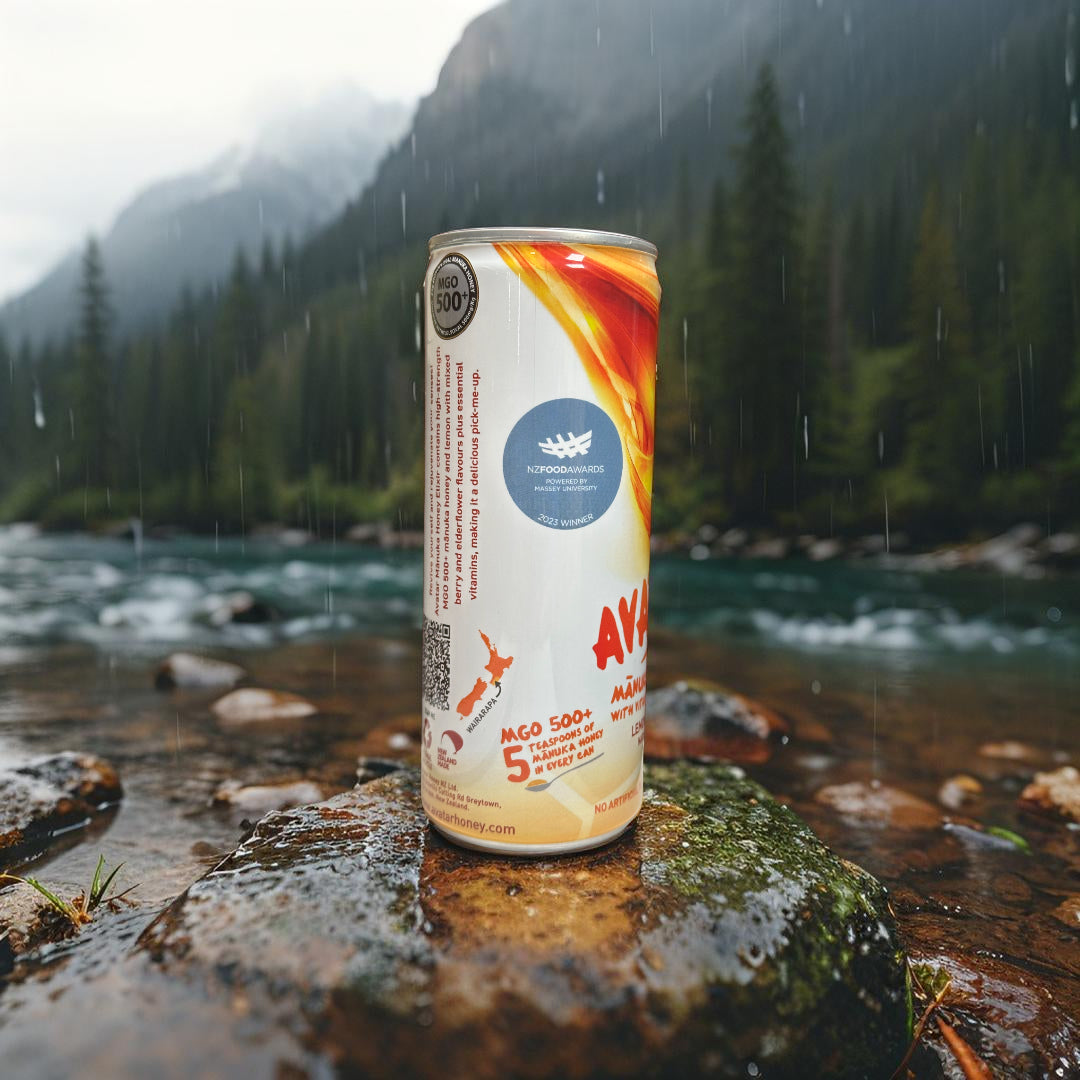
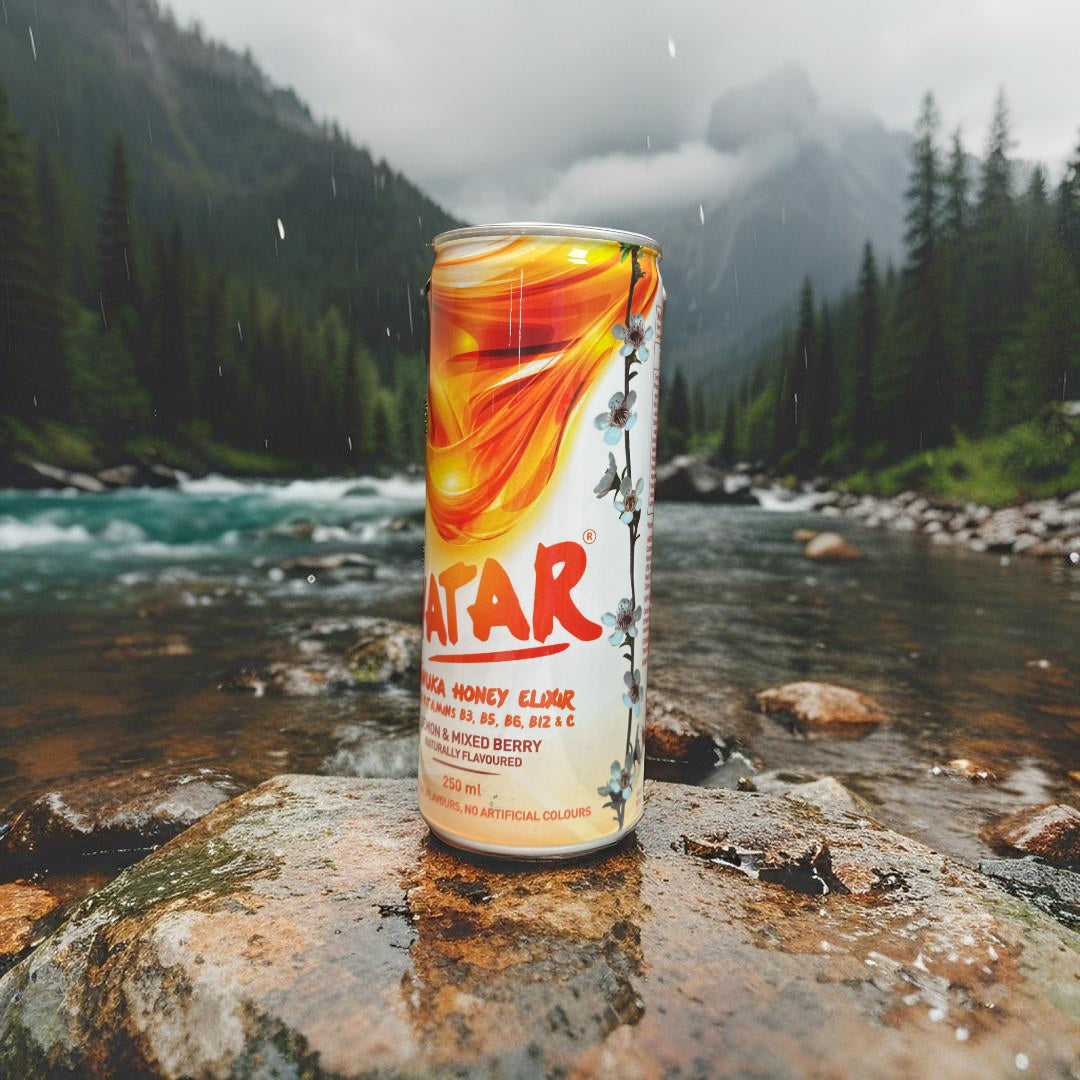
Honey is especially ingredient-led because it brings its own character, not just sweetness. In a drink like Avatar Elixir, certified MGO500+ Manuka honey sits alongside lemon, elderflower, clean caffeine, vitamin C, B vitamins, and light carbonation. The honey helps create a rounded sweetness, while citrus and elderflower add freshness and aroma, so the flavour does not rely on artificial sweeteners to feel complete.
What does an unsweetened energy drink taste like?
An unsweetened energy drink has little or no added sweetness, so it usually tastes sharper, drier, or more sparkling-water-like than a typical energy drink.
This style can suit adults who prefer a crisp drink and do not want sweetness to dominate. It may not suit people who expect the familiar lift of lemon, fruit, honey, or botanical sweetness in the flavour profile.
How should adults compare taste when avoiding artificial sweeteners?
Adults should compare taste by looking at sweetness level, aftertaste, mouthfeel, flavour balance, and whether the drink still tastes enjoyable without relying on artificial sweeteners.
The best choice is not always the lowest-sugar can or the most natural-sounding ingredient. A drink should still taste good enough that you enjoy sipping it slowly, especially if you are choosing it for work, study, travel, or the home fridge.
| Sweetener style | Typical taste impression | What to check on the label |
|---|---|---|
| Aspartame | Very sweet, often light-bodied, may have a distinct finish for some people | Look for “aspartame” in the ingredient list, especially in low-sugar drinks |
| Sucralose | Strong sweetness, often used in bold energy drink flavours, may linger | Look for “sucralose” even when the front says “zero sugar” |
| Stevia | Sweet with possible herbal, bitter, or lingering notes | Check whether it is blended with other sweeteners or flavours |
| Monk fruit | Rounded sweetness with a possible fruity or distinctive finish | Check whether monk fruit is paired with erythritol, stevia, or sugar |
| Sugar alcohols | Sweet with possible cooling sensation and lighter body | Look for erythritol, xylitol, sorbitol, or similar names |
| Cane sugar | Familiar sweetness, fuller body, no artificial sweetener aftertaste | Check total sugar per can and serving size |
| Honey | Rounded, floral, ingredient-led sweetness with natural flavour depth | Check the type of honey and whether the flavour pairing supports it |
| Unsweetened | Dry, crisp, lighter, sometimes sharper | Check whether you actually want a dry drink rather than a sweet energy drink |
What should a simple label checklist include?
A simple label checklist should cover sweetener names, total sugar, caffeine amount, flavour source, ingredient length, serving size, and whether the drink’s taste style matches your preference.
- Sweetener names: Look for aspartame, sucralose, stevia, monk fruit, erythritol, cane sugar, honey, fruit juice, or syrup.
- Total sugar: Check the nutrition panel so you know whether the drink is low sugar, moderate sugar, or sweetened with full-sugar ingredients.
- Serving size: Make sure the sugar and caffeine numbers apply to the whole can, not just a partial serving.
- Caffeine amount: Choose a level that suits your routine and sensitivity. More caffeine is not automatically better.
- Flavour source: Look for familiar flavour cues such as lemon, elderflower, ginger, berry, honey, or botanicals.
- Ingredient simplicity: Ask whether the ingredient list is easy to understand or built from many additives, colours, and flavour systems.
- Taste expectation: Decide whether you want sweet and rounded, dry and crisp, citrusy and fresh, or bold and candy-like.
This checklist is useful because “without artificial sweeteners” only answers one question. It does not tell you whether the drink is too sweet for you, whether it uses sugar alcohols, whether the flavour feels natural, or whether the caffeine level suits the occasion.
Is a natural sweetener always better than an artificial sweetener?
No, a natural sweetener is not automatically better in every practical sense, because the right choice depends on taste, ingredient preference, sugar content, and how the whole drink is formulated.
For example, stevia and monk fruit may appeal to adults who want plant-derived sweetness with little sugar, but some people notice their aftertaste. Cane sugar and honey may taste more familiar and rounded, but they contribute sugars that should be considered on the nutrition panel. Unsweetened drinks avoid sweeteners entirely, but they may taste too dry for someone expecting a classic energy drink flavour.
The most useful question is not “Is this sweetener perfect?” It is “Does this drink use a sweetener I understand, in an amount and flavour style I actually enjoy?”
How does Avatar Elixir fit into this comparison?
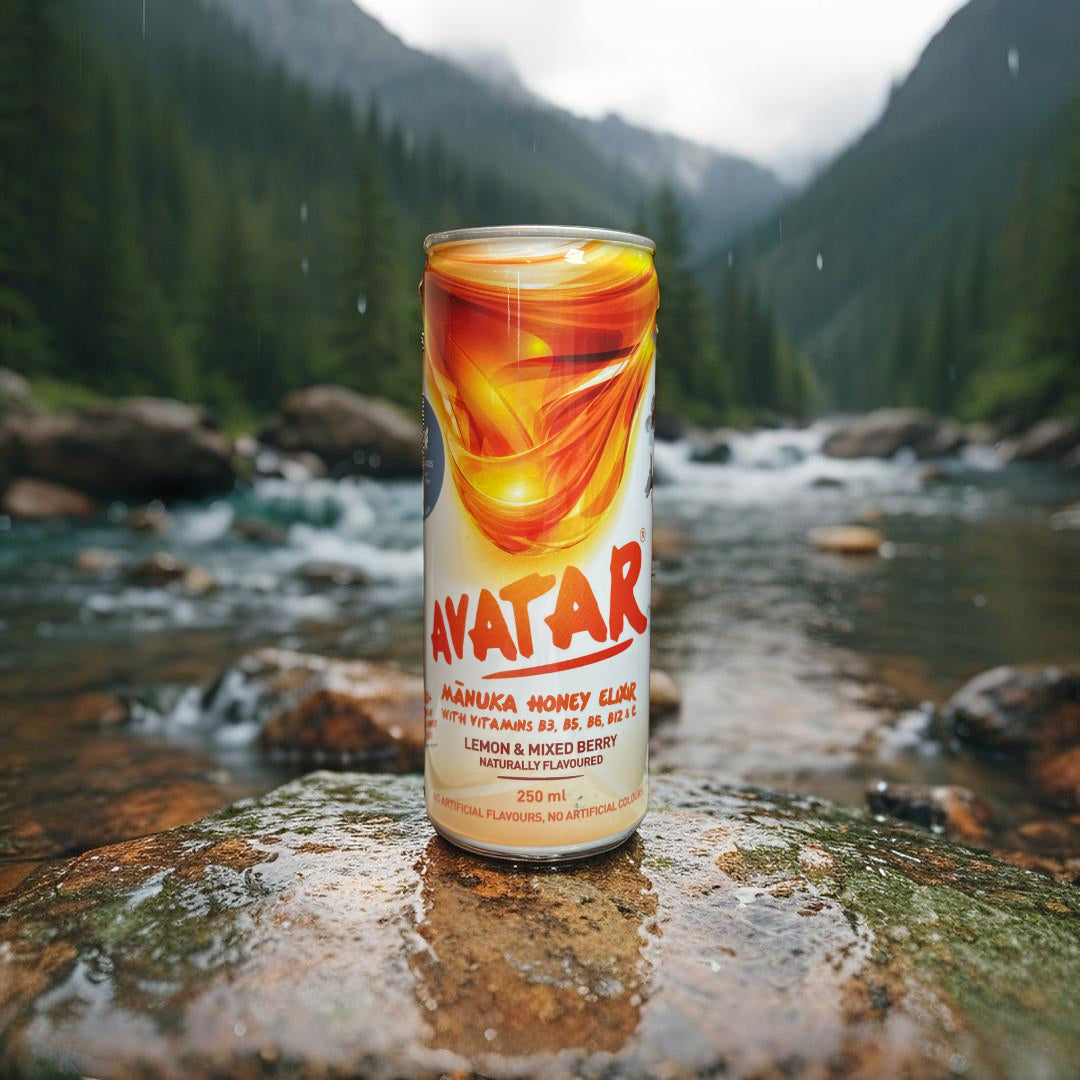
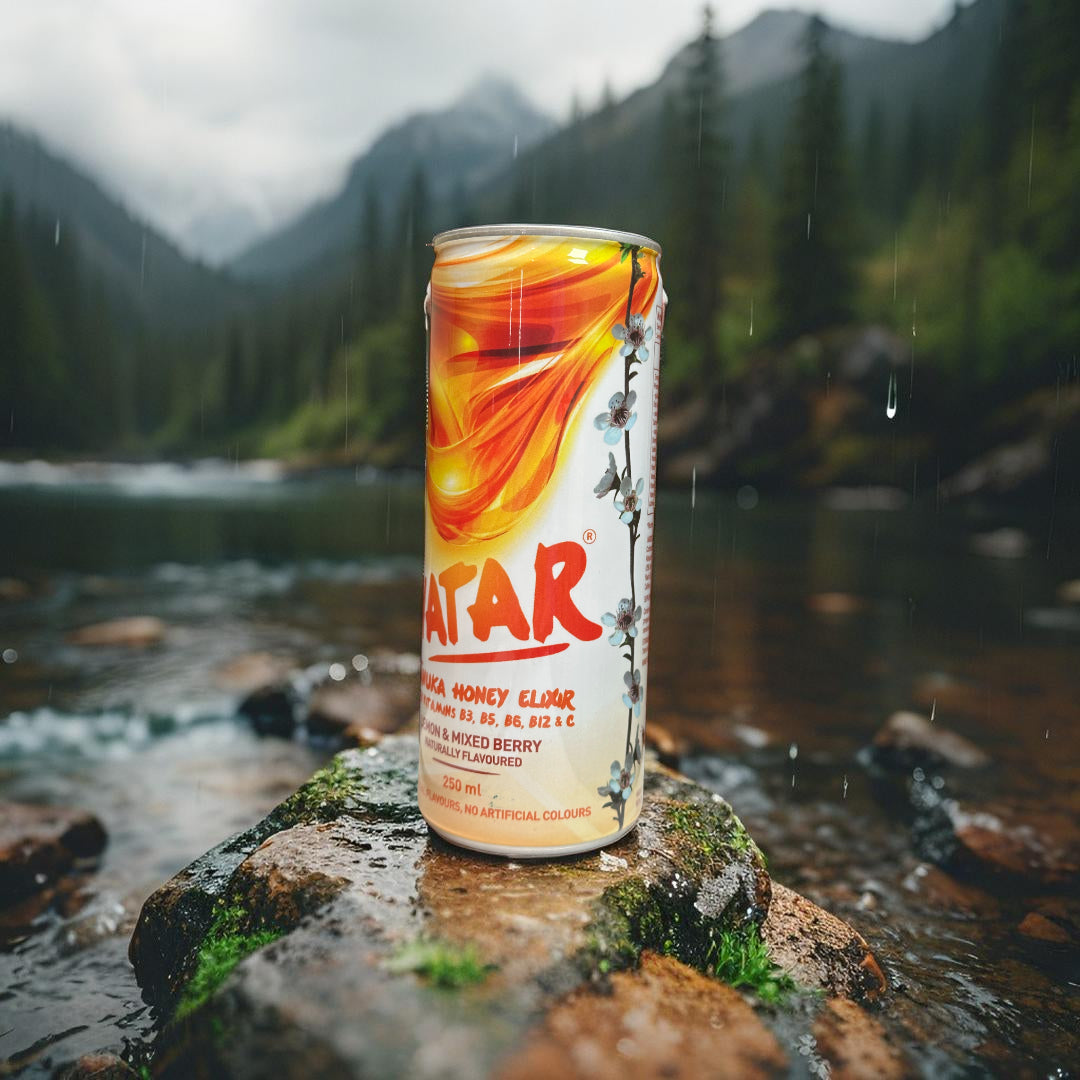
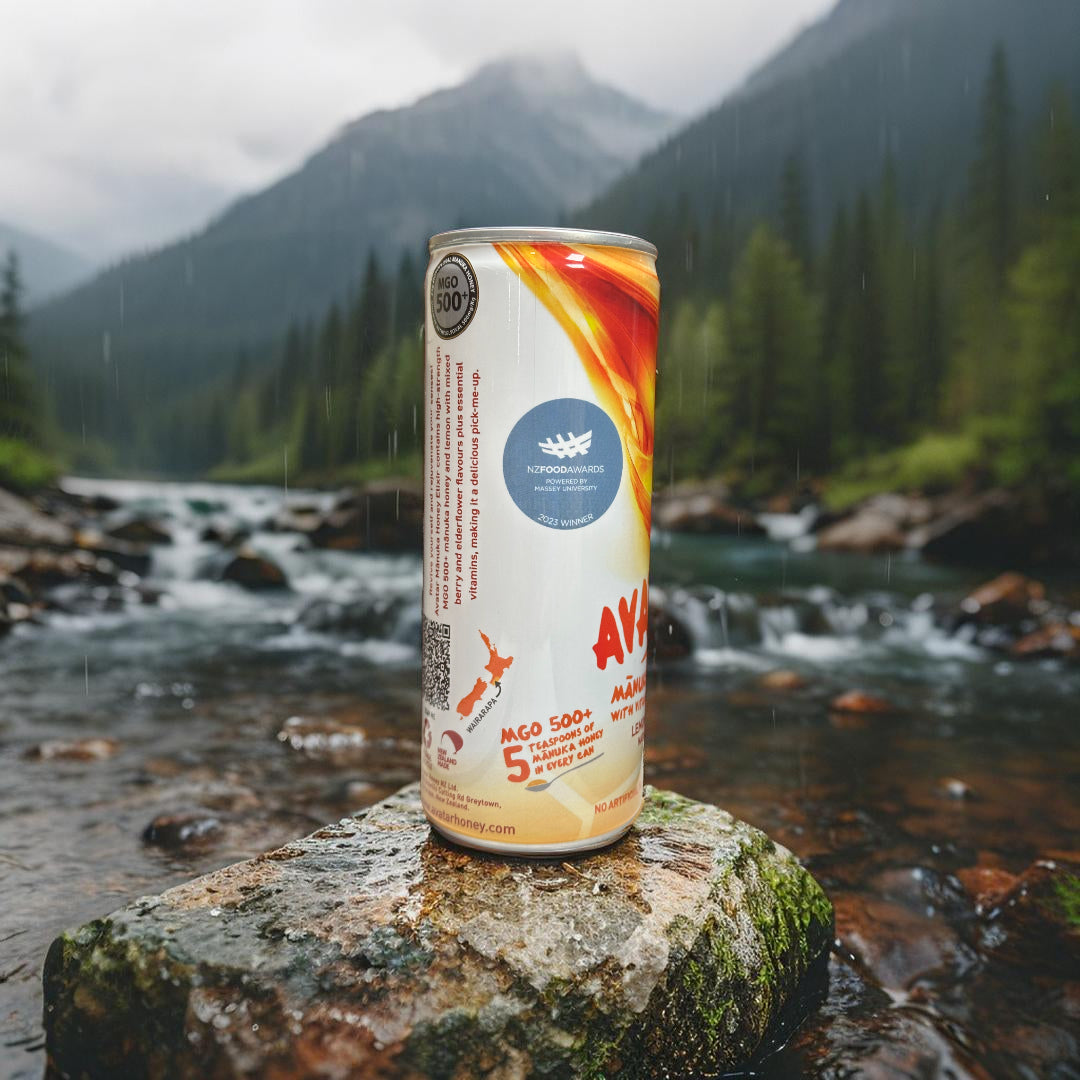
Avatar Elixir is an example of an ingredient-led energy drink that uses certified MGO500+ Manuka honey, lemon, elderflower, clean caffeine, vitamins, and light carbonation to create sweetness, flavour, and refreshment without leaning on an artificial sweetener profile.
The sweetness in Avatar Elixir has context. Manuka honey brings body and floral depth. Lemon adds brightness. Elderflower gives a fragrant, botanical lift. Carbonation keeps the drink light and crisp rather than heavy. This combination matters because a drink can taste balanced when sweetness is supported by acidity, aroma, and texture.
That does not mean every adult should choose honey-sweetened drinks every time. It means honey is a clear, recognisable sweetening choice for people who prefer a more natural flavour structure and are comfortable checking the sugar panel as part of the decision.
What is the best way to choose an energy drink without artificial sweeteners?
The best way to choose an energy drink without artificial sweeteners is to compare the back label in this order: sweetener type, total sugar, caffeine amount, flavour ingredients, and overall simplicity.
- Turn the can around: Treat the ingredient list as more important than the front claim.
- Identify the sweetener: Check whether the drink uses stevia, monk fruit, sugar alcohols, cane sugar, honey, fruit sweetness, or no sweetener.
- Check total sugar: Decide whether the sugar level fits how and when you plan to drink it.
- Read the caffeine amount: Choose a caffeine level that feels suitable for work, study, travel, or everyday sipping.
- Look for flavour balance: Citrus, botanicals, honey, and carbonation can make sweetness feel fresher and less flat.
- Choose by actual taste: A cleaner label only helps if you enjoy the drink enough to make it a realistic choice.
In short: an energy drink without artificial sweeteners should still be judged as a complete beverage. Look for clear sweetener names, a sugar level you understand, a caffeine amount that suits you, and flavours that make sense together. When the label is simple and the taste is balanced, it becomes much easier to choose a better everyday can.
These answers explain how to compare sweeteners, sugar, taste, and label simplicity in cleaner energy drinks.
What should I check on an energy drink with no artificial sweeteners?
Check the ingredient list, sweetener names, total sugar, caffeine amount, flavour source, and serving size before choosing an energy drink with no artificial sweeteners. If you are avoiding artificial sweeteners, scan for names such as aspartame and sucralose, then check what has replaced them. Stevia, monk fruit, sugar alcohols, cane sugar, honey, juice, and unsweetened styles all create different taste and sweetness experiences.
Does no artificial sweeteners mean an energy drink has no sugar?
No, no artificial sweeteners does not mean an energy drink has no sugar. A drink without artificial sweeteners may still use cane sugar, honey, fruit juice, syrups, or other nutritive sweeteners. The clearest way to check is to read the nutrition panel for total sugar and compare it with the ingredient list, because the front of the can rarely tells the whole sweetener story.
Are stevia and monk fruit automatically better than sucralose?
Stevia and monk fruit are not automatically better than sucralose for every adult or every drink. They are plant-derived sweeteners, but the best choice still depends on taste, aftertaste, sweetness level, ingredient simplicity, and how the drink fits your routine. Some people prefer stevia or monk fruit, while others find them herbal, bitter, or lingering compared with sugar, honey, or a less sweet style.
Which sweetener tastes closest to a regular soft drink?
Cane sugar and honey usually taste closer to familiar full-sugar soft drinks because they add real sweetness, body, and roundness. Stevia, monk fruit, and sugar alcohols can keep sugar lower, but they often bring a more noticeable finish. Unsweetened energy drinks taste the crispest and least sweet, which suits adults who want bubbles, caffeine, and flavour without a soft-drink-style sweetness.
How do honey-sweetened energy drinks compare with zero-sugar drinks?
Honey-sweetened energy drinks offer a more ingredient-led sweetness, while zero-sugar drinks usually rely on high-intensity sweeteners or other alternatives to create sweetness without sugar. Avatar Elixir is one natural example, using certified MGO500+ Manuka honey with lemon, elderflower, B vitamins, vitamin C, clean caffeine, and lightly carbonated water. That combination gives sweetness flavour context rather than relying on sweetness alone.
What is the simplest way to compare two cleaner energy drinks?
The simplest way to compare two cleaner energy drinks is to turn both cans around and read the same five points in order: sweetener source, total sugar, caffeine amount, flavour ingredients, and overall label simplicity. This keeps the comparison practical. A drink with fewer familiar ingredients, a sweetness level you enjoy, and clear caffeine information is easier to assess than one with broad front-label claims.