



What this means for buyers:
- Plain matcha suits workdays when you have time to prepare it and prefer a warm, earthy tea ritual.
- Sweetened café matcha is a separate choice because milk, syrups, serving size, and sweetness can vary considerably.
- A ready-to-drink natural energy beverage offers simpler portability and more consistent preparation, but you still need to compare caffeine, ingredients, sweetness, and serving size on the label.
Choosing between matcha and a natural energy drink is less about finding a universal winner and more about understanding how each option fits your actual workday. A quiet morning at a home desk creates different needs from a crowded commute, a run of client meetings, or an afternoon when you want something cold and refreshing.
Matcha can bring a distinctive tea flavor and an enjoyable preparation ritual. A ready-to-drink beverage removes that preparation step and gives you a sealed, portable serving. Neither format is automatically healthier or more effective, and formulations vary widely. The practical decision comes down to preparation, caffeine context, flavor, sweetness, ingredients, and when you plan to drink it.
Matcha and natural energy drinks are not direct equivalents
Matcha is finely ground green tea that is whisked into water or used in drinks such as lattes. Unlike steeped tea, the powder remains in the finished drink. Its flavor is typically vegetal, earthy, and lightly bitter, although the exact character depends on the matcha, preparation method, water temperature, and added ingredients.
A natural energy drink is a broader beverage category rather than a single recipe. Products may use different caffeine sources, sweeteners, fruit flavors, botanicals, vitamins, carbonation levels, and serving sizes. The word natural alone does not explain the full formulation, so the ingredient list and label matter more than front-of-package language.
It is also important to separate plain matcha from a sweetened café matcha. A matcha latte made with milk and flavored syrup creates a different experience from matcha whisked only with water. Treating them as the same drink can make a workday comparison misleading.
A concise workday comparison
| Consideration | Plain prepared matcha | Sweetened café matcha | Ready-to-drink natural energy beverage |
|---|---|---|---|
| Preparation | Requires matcha, water, a cup, and usually a whisk or shaker | Prepared to order, with possible wait time | Ready when opened |
| Portability | Best prepared at home or where drink-making equipment is available | Portable after purchase, but usually served in an open or takeaway cup | Sealed and easy to place in a work bag or fridge |
| Flavor | Earthy, vegetal, and potentially bitter | Creamier and often sweeter, depending on milk and syrups | Varies by formulation, from citrus-forward and sparkling to still or botanical |
| Caffeine context | Naturally present, with the amount affected by the product and preparation | Depends on matcha quantity and drink size | Depends on the individual product and serving, so check the label |
| Sweetness | None unless you add a sweetener | Can vary substantially by recipe | Varies by brand, sweetener, and serving size |
| Ingredient visibility | Simple when you make it yourself | May require asking about powders, milk, and syrups | Packaged ingredient and nutrition information can be reviewed before drinking |
| Serving style | Usually warm, although it can be prepared over ice | Usually hot or iced | Typically chilled, with still or carbonated options |
Preparation time may decide the morning choice
Plain matcha makes sense when preparation is part of the appeal. Measuring the powder, adding water, and whisking it can create a deliberate start to desk work. At home, the process is manageable if you already have the tools and enjoy the routine.
The tradeoff is convenience. Matcha powder can clump if it is not mixed properly, and preparation requires access to water and something suitable for whisking or shaking. Cleaning the equipment adds another small step. None of this is especially difficult, but it may matter on a morning built around school drop-offs, an early commute, or back-to-back calls.
A café matcha removes the at-home preparation, but introduces ordering time and recipe variability. Cup size, matcha quantity, milk, and sweetener may differ between cafés or even between menu options.
A ready-to-drink natural energy beverage is the simplest format when time is limited. You can chill it beforehand, carry it sealed, and open it when it fits your schedule. That convenience is particularly relevant for commuting and travel, where making matcha may be impractical.
Caffeine should be compared by serving, not by category
Both matcha and natural energy drinks can contain caffeine, but the category name does not tell you how much you will consume. Matcha varies according to the powder, the amount used, and the prepared serving. A café menu may not always make those details obvious.
Packaged natural energy drinks also differ. “Clean caffeine” is useful category language, but it does not replace the practical information on the container. Review the caffeine amount when provided, serving size, ingredient list, and directions or warnings on the product you are considering. If you also drink coffee or tea during the day, include those drinks in your personal caffeine picture.
Your own tolerance and preferred timing matter as well. A drink that fits one person’s morning may not suit another person’s late afternoon. This comparison should therefore focus on context and label information rather than promises about alertness, concentration, or performance.
For a broader decision between caffeinated formats, coffee, tea, and clean caffeine explainers can help clarify how sources, servings, and drinking occasions differ. For the immediate matcha decision, start with the actual serving you intend to prepare or buy.
Flavor can be the clearest dividing line
Plain matcha has a recognizable tea character. It can taste grassy, savory, earthy, or gently bitter, and some people appreciate the fuller texture created by suspended tea powder. If you already enjoy unsweetened green tea, plain matcha may feel like a natural workday choice.
A sweetened matcha latte softens those tea notes with milk and sweetener. That can make the flavor more approachable, but it also means you are choosing the complete café recipe rather than matcha alone. Ask what is included if sweetness or ingredient simplicity is important to you.
Natural energy drinks offer a much wider flavor range. Some resemble familiar energy drink profiles, while others lean toward fruit, herbs, tea, honey, or floral ingredients. Carbonation also changes the experience, making the drink feel crisper and more refreshing than a warm matcha.
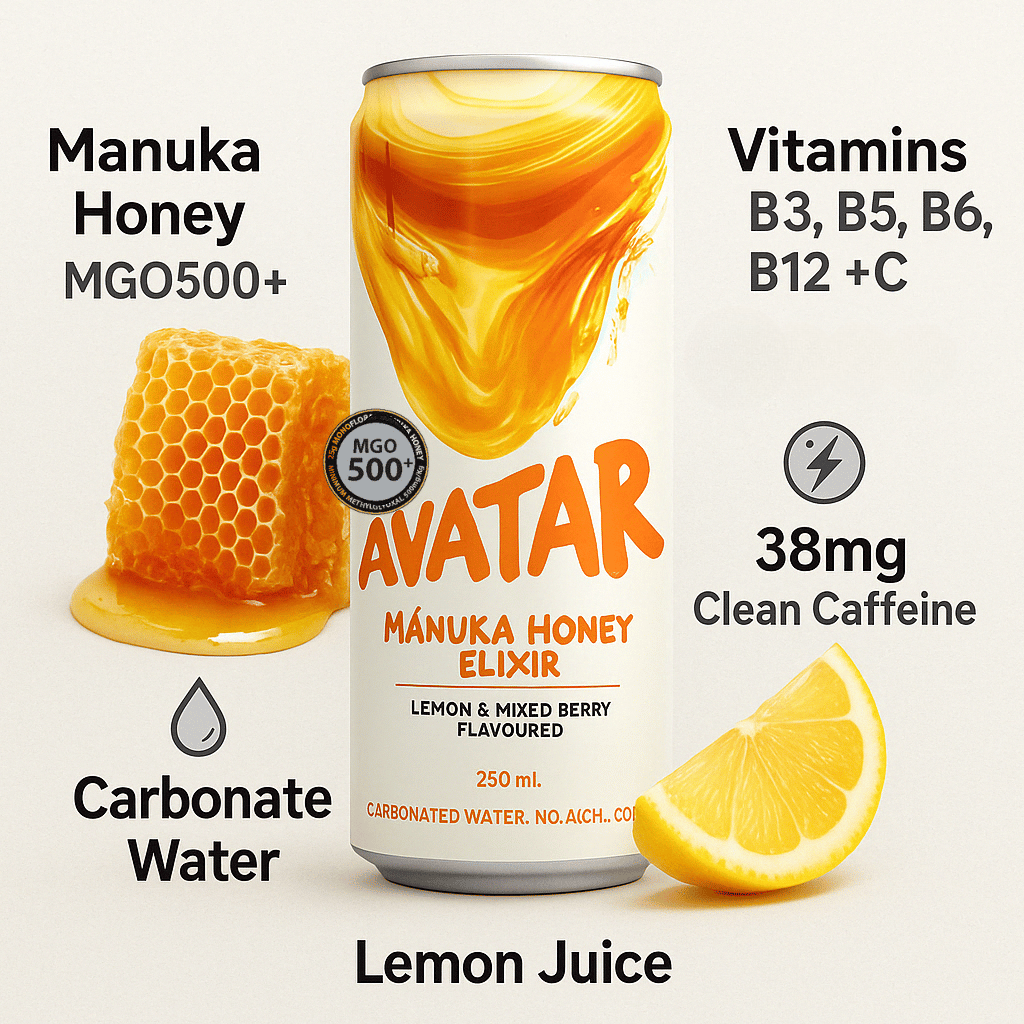
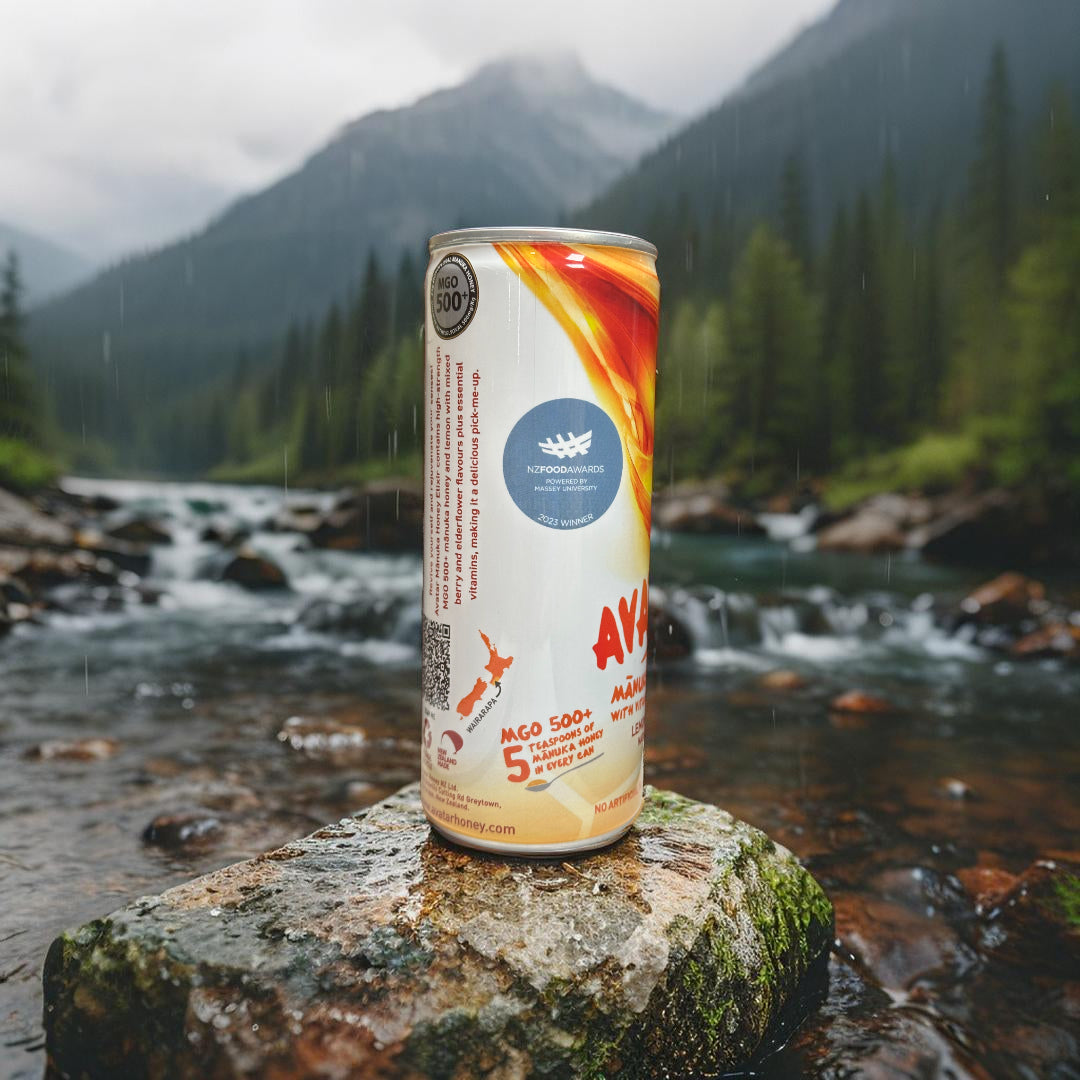
Avatar Elixir provides a specific ready-to-drink example. It is a lightly carbonated 250 ml New Zealand beverage made with certified MGO500+ Manuka honey, lemon, elderflower, B vitamins, vitamin C, and clean caffeine. The combination places honeyed sweetness alongside bright citrus and a floral elderflower note. It is a different flavor proposition from earthy matcha, not an attempt to imitate it.
Label transparency depends on how the drink is made
Homemade plain matcha gives you direct control over what goes into the cup. If you use only matcha and water, the ingredient decision is straightforward. You also control whether to add milk or sweetener. However, the exact caffeine in your prepared cup may not be obvious from the front of the matcha package.
A café matcha can require more questions. Some drinks use a pre-sweetened powder, while others combine plain matcha with a separate syrup. Milk choice, flavor additions, and cup size may also change the finished drink. If these details affect your choice, review the menu information or ask how the drink is prepared.
A packaged natural energy beverage lets you inspect one defined formulation before opening it. Look beyond attractive terms and compare:
- The full ingredient list
- The serving size and number of servings
- The caffeine amount when stated
- The type and amount of sweetening shown on the label
- Whether the drink is carbonated or still
- Any vitamins, botanicals, fruit ingredients, or flavor components included
This does not make every packaged drink simpler than homemade matcha. It means you can evaluate the complete product rather than relying only on its category name.
Which drink fits each work moment?
Quiet morning desk work
Plain matcha can fit a slower start when you have access to a kitchen and appreciate a warm drink beside your laptop. The preparation itself may be part of why you choose it. A ready-to-drink option is more practical if you want to begin work immediately or prefer a chilled beverage.
Commuting and travel
A sealed natural energy drink generally has the convenience advantage. It requires no whisk, café stop, or open takeaway cup during the first part of the journey. Matcha can still work if you prepare it in advance and use a suitable travel container, but that adds planning.
Meetings and shared workspaces
Prepared matcha is quiet to sip and familiar in a mug, which may suit long meetings. A canned or bottled beverage is similarly straightforward, although opening a carbonated drink during a call can be noticeable. Opening it beforehand can make the serving feel more natural at your desk.
Afternoon change of pace
A cold, lightly carbonated drink offers a sensory change from morning coffee or tea. Citrus, elderflower, and honey flavors can also feel more suited to a chilled afternoon serving than another warm cup. Matcha remains a good alternative when you want tea character, particularly if you prefer it iced or lightly sweetened.
How to make the choice without overthinking it
Choose plain matcha when you value the tea itself, want control over added sweetness, and have time and equipment to prepare it. Choose a sweetened café matcha when you want a creamy tea drink and are comfortable checking how that particular café builds the recipe.
Consider a ready-to-drink natural energy beverage when portability, a defined serving, and no preparation are higher priorities. Within that category, compare actual formulations rather than assuming every product offers the same ingredients or drinking experience.
Avatar Elixir may fit if you want a premium New Zealand option with Manuka honey, lemon, elderflower, vitamins, clean caffeine, and light carbonation in a 250 ml format. Matcha may fit better if you want a warm, earthy drink and enjoy making it yourself. The better workday choice is the one whose flavor, serving style, caffeine context, sweetness, and convenience align with the moment in front of you.
The practical conclusion
Matcha and natural energy drinks solve different workday needs. Matcha offers a distinctive tea experience with more preparation control, while a ready-to-drink beverage prioritizes portability and ease. Sweetened café matcha sits between those options, combining convenience with greater recipe variability.
Instead of asking which category is universally better, compare the exact drink, serving, and occasion. That gives you a clearer choice for the commute, the desk, the meeting room, or an afternoon change of pace without turning either option into something it is not.
This follow-up clarifies cafe ordering, caffeine labels, and ingredient terms that can make a matcha or natural energy drink decision easier.
What should I ask before ordering a cafe matcha?
Ask whether the cafe uses plain or pre-sweetened matcha, how much matcha goes into the serving, and whether milk, syrup, or other flavorings are added. Cup size also matters. These details help you understand the complete drink rather than making a decision based on matcha alone.
Does clean caffeine tell me the caffeine amount?
No. The term clean caffeine does not tell you how much caffeine a drink contains. Check the stated caffeine amount when provided, along with the serving size and number of servings. This gives you a more useful comparison with the matcha, coffee, or tea you may also drink.
Does MGO500+ describe the caffeine in Avatar Elixir?
No. For Avatar Elixir, certified MGO500+ refers to the Manuka honey rather than the caffeine. Clean caffeine is a separate part of the formulation, alongside lemon, elderflower, B vitamins, vitamin C, and lightly carbonated water. Review the product label for the available caffeine and serving information.
Can matcha and a natural energy drink fit the same day?
Both formats can fit different moments in one workday, but consider your complete caffeine picture. Account for the matcha quantity, the labeled caffeine in packaged drinks, and any coffee or tea you also consume. Your preferred timing and personal caffeine tolerance should guide whether another caffeinated drink suits that day.