


What this means for buyers:
- Mushroom coffee suits people who want a warm coffee ritual and are comfortable preparing a drink.
- A ready-to-drink natural energy beverage suits cold-drink occasions, travel, desk work, and times when convenience matters.
- Neither format guarantees focus or wellness benefits. Compare the actual caffeine amount, mushroom species, sweetness, serving size, and full ingredient list on each product.
Mushroom coffee and natural energy drinks can both occupy the space between ordinary coffee and conventional energy drinks, but they create very different drinking experiences. One usually begins with a kettle, coffee flavour, and a morning ritual. The other opens cold, travels easily, and may offer fruit, botanical, honey, or sparkling flavour profiles.
The right choice depends less on which category sounds more fashionable and more on what you actually want to drink. Preparation, portability, caffeine disclosure, flavour, sweetness, and the evidence behind product claims all deserve a closer look.
The central difference is format, not just ingredients
Mushroom coffee is generally a coffee-based product containing one or more mushroom-derived ingredients. It may come as instant powder, ground coffee, pods, sachets, or a prepared bottled drink. The coffee component usually remains important to its taste and preparation.
A natural energy drink is typically a ready-to-drink beverage containing caffeine alongside flavours and other ingredients. It may be still or carbonated, sweetened or unsweetened, and formulated with ingredients such as fruit, botanicals, vitamins, or honey. The word natural does not tell you everything about a drink, so the label remains more useful than the category name.
This format difference shapes the routine around each option. Mushroom coffee often asks you to make time for brewing or mixing. A canned natural energy drink is designed to be opened and served, usually chilled.
How mushroom coffee and natural energy drinks compare
| Consideration | Mushroom coffee | Ready-to-drink natural energy beverage |
|---|---|---|
| Preparation | May require hot water, brewing equipment, stirring, or frothing, depending on the format. | Usually ready to open and drink, with chilling recommended for the intended experience. |
| Portability | Sachets and pods can travel well, but you may still need water, a cup, and preparation facilities. | A sealed can or bottle is convenient for desks, commuting, and travel where permitted. |
| Flavour | Usually led by roasted coffee notes. Mushroom ingredients may add earthy, bitter, or subtle savoury qualities. | Varies widely, including citrus, fruit, botanical, honey, and sparkling profiles. |
| Temperature and texture | Commonly served hot and still, although iced versions are possible. | Commonly served cold and may be still or carbonated. |
| Caffeine | Varies by coffee content, serving size, and formulation. Some products contain less caffeine than standard coffee, while others may not. | Varies by brand and can size. The product label should state the relevant caffeine information. |
| Sweetness | May be unsweetened, pre-sweetened, or sweetened by the person preparing it. | Set by the finished recipe, so compare total sugars, sweeteners, and serving size. |
| Ingredient evaluation | Check the mushroom species, ingredient form, quantity disclosure, coffee type, and added flavours or sweeteners. | Check the caffeine amount, source ingredients, sugars, vitamins, flavourings, and full can or bottle size. |
Caffeine cannot be compared by category alone
Neither “mushroom coffee” nor “natural energy drink” tells you exactly how much caffeine you will consume. Mushroom coffee products can use different coffee varieties, coffee-to-mushroom ratios, serving sizes, and preparation instructions. Some are marketed as lower-caffeine alternatives, but that description should not be assumed to apply to the whole category.
Natural energy drinks also differ substantially. Can size and caffeine concentration both matter. Comparing caffeine per serving is useful, but first confirm what the manufacturer defines as one serving. If a can contains more than one labelled serving, consider the amount in the whole container if that is how you plan to drink it.
The term “clean caffeine” is commonly used to describe a simpler or more ingredient-conscious caffeine experience, but it does not replace a numerical caffeine declaration. When evaluating a product such as Avatar Elixir, look at both the stated caffeine information and the broader recipe rather than relying on the phrase alone.
Your own routine matters as well. The same caffeinated drink can fit differently depending on when you consume it, what else you have eaten or drunk, and how much caffeine you have already had that day. The label gives you a sounder basis for comparison than assumptions about coffee or energy drinks as categories.
Mushroom ingredients need product-specific scrutiny
Mushroom coffee may include species such as lion’s mane, chaga, cordyceps, or reishi. These are common examples in the broader mushroom beverage market, not a standard formula. A specific product may contain one of them, several of them, a different mushroom, or only a small component within a blend.
It is also important to distinguish between a named ingredient and a demonstrated outcome. The presence of a fashionable mushroom does not establish that a finished coffee will produce a particular result. Species, ingredient form, quantity, processing, serving size, and the complete formulation all affect what can reasonably be concluded about a product.
General discussion about an ingredient should not be treated as proof for every drink that contains it. Unless a product provides clear, relevant substantiation for its finished formulation, avoid assuming that it will improve focus, manage stress, support immunity, or deliver another promised outcome.
What this means for choosing mushroom coffee: look past prominent ingredient names on the front of the pack. Read the ingredient panel and product information to identify the exact mushroom species, the form used, whether quantities are disclosed, and what the brand is actually claiming.
Flavour may make the decision easier
If you genuinely enjoy coffee, mushroom coffee can preserve the familiar roasted aroma, warmth, and gentle bitterness of a morning cup. Depending on the formula, mushroom ingredients may be barely noticeable or may add an earthier finish. Milk, plant-based alternatives, or sweeteners can further change the experience.
If you do not enjoy coffee flavour, adding mushrooms is unlikely to make a coffee-led product feel like a fruit drink. A cold natural energy beverage gives you access to a different flavour family, including bright citrus, floral botanicals, honeyed sweetness, and carbonation.
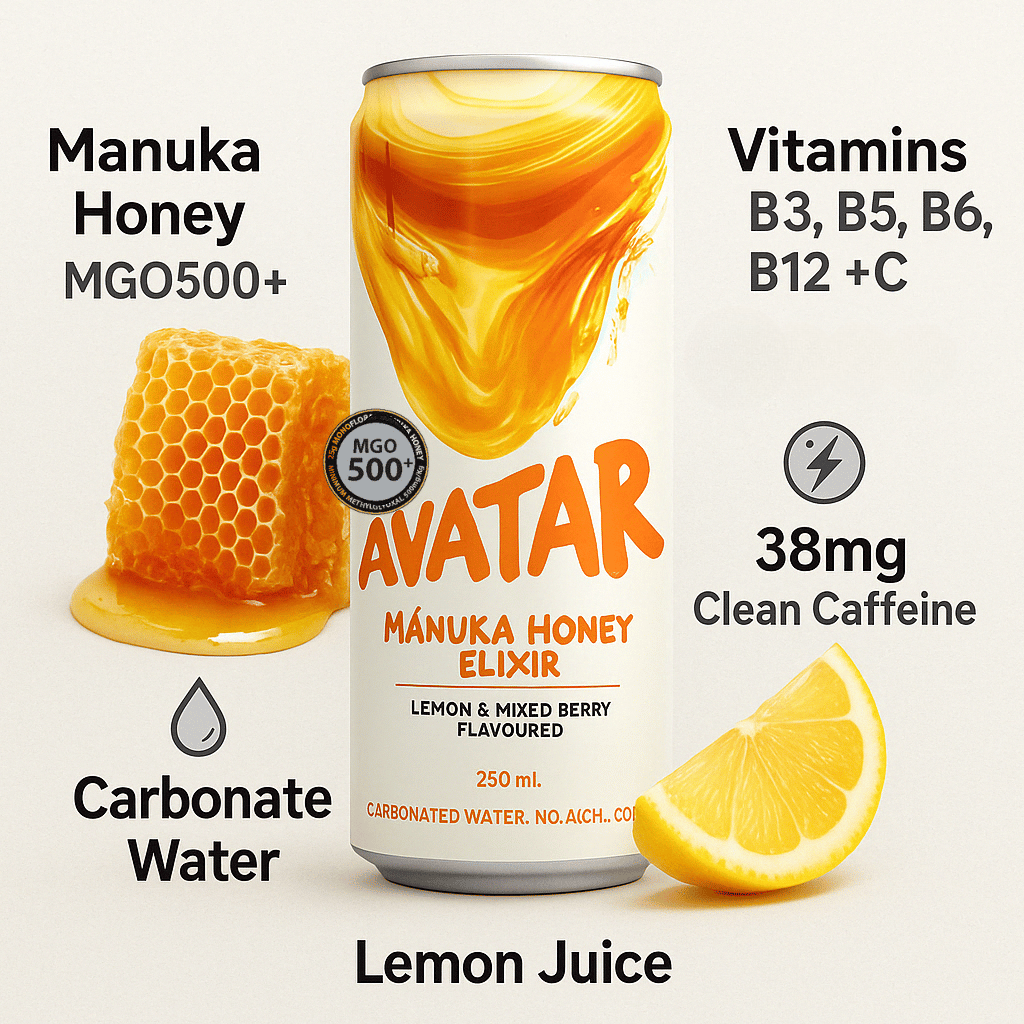
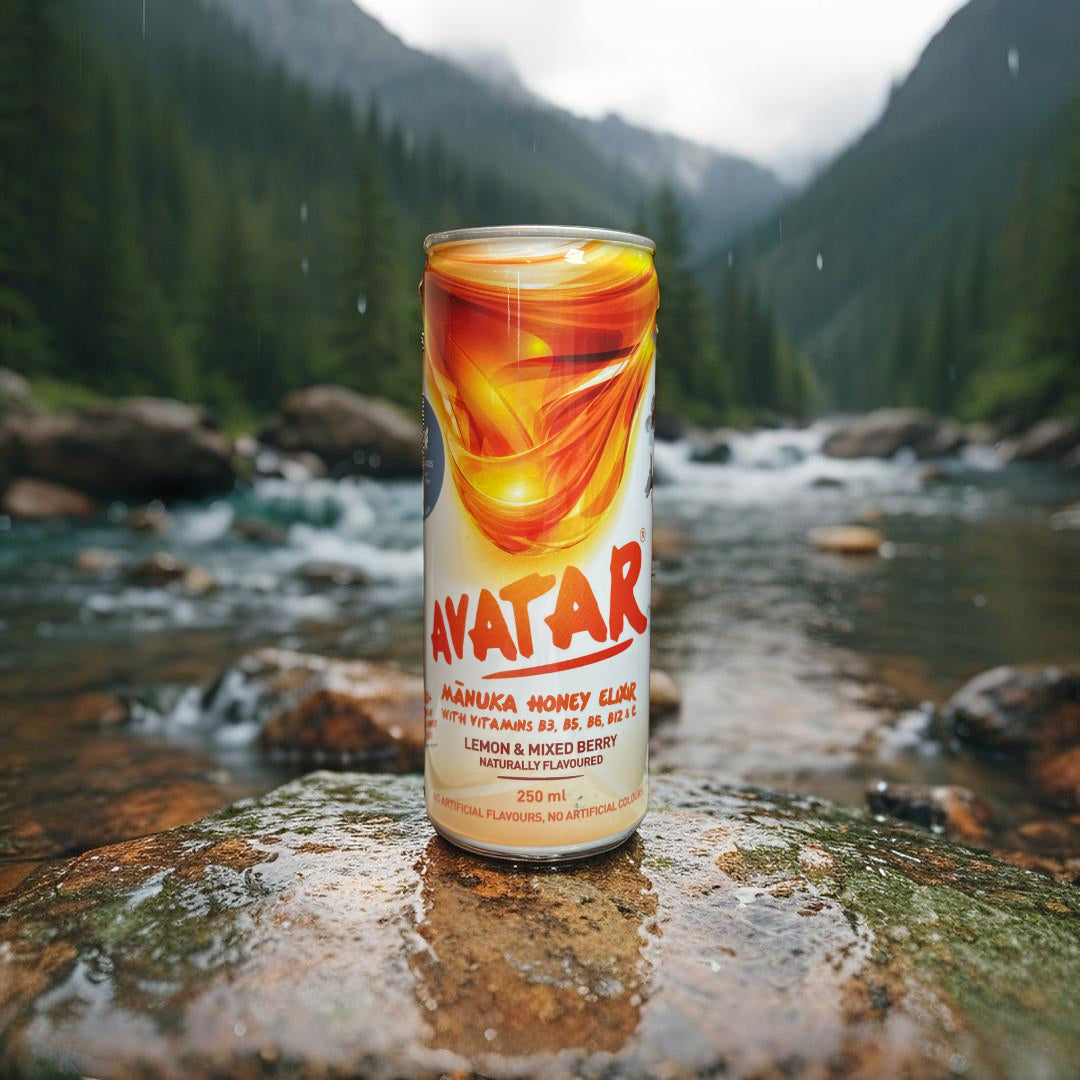
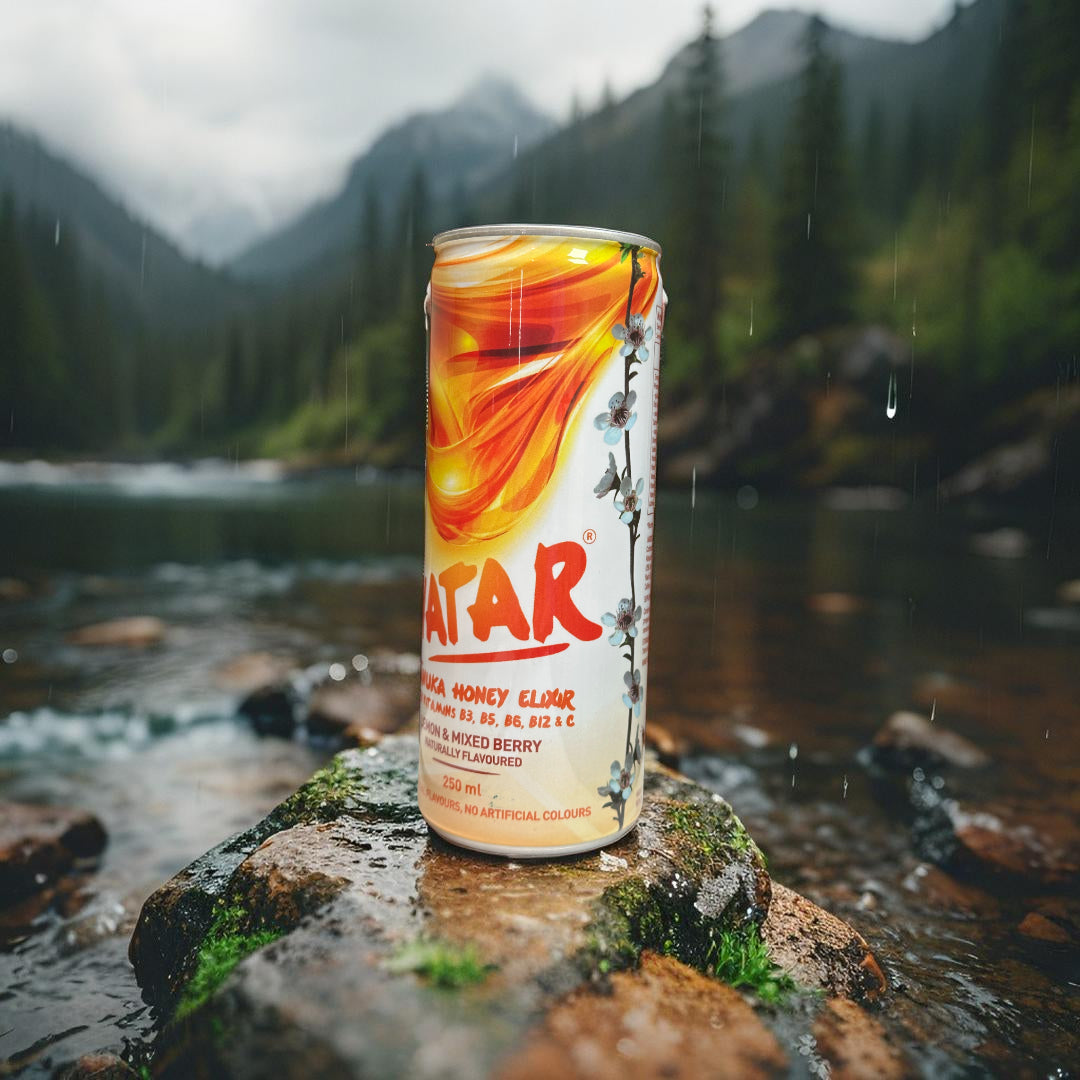
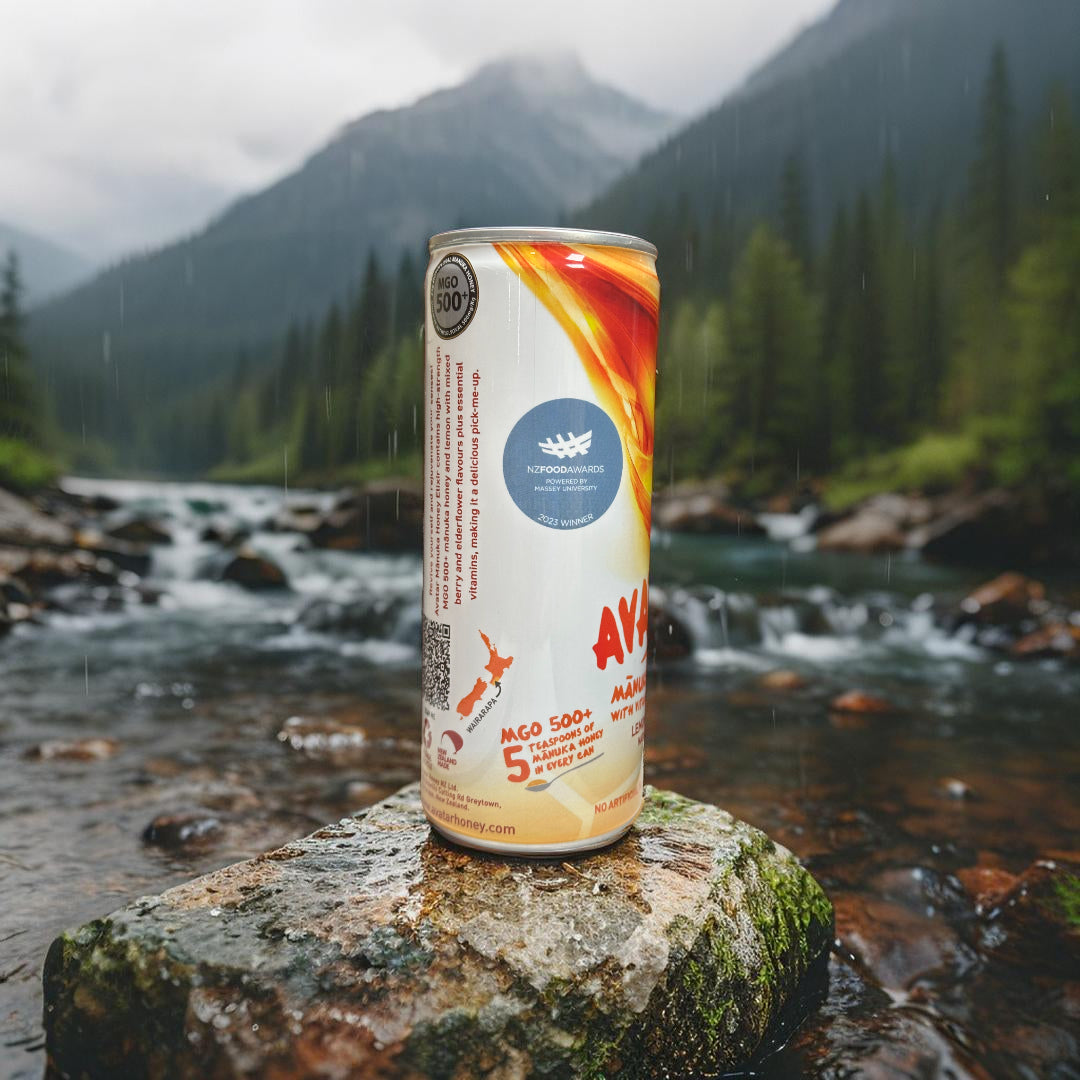
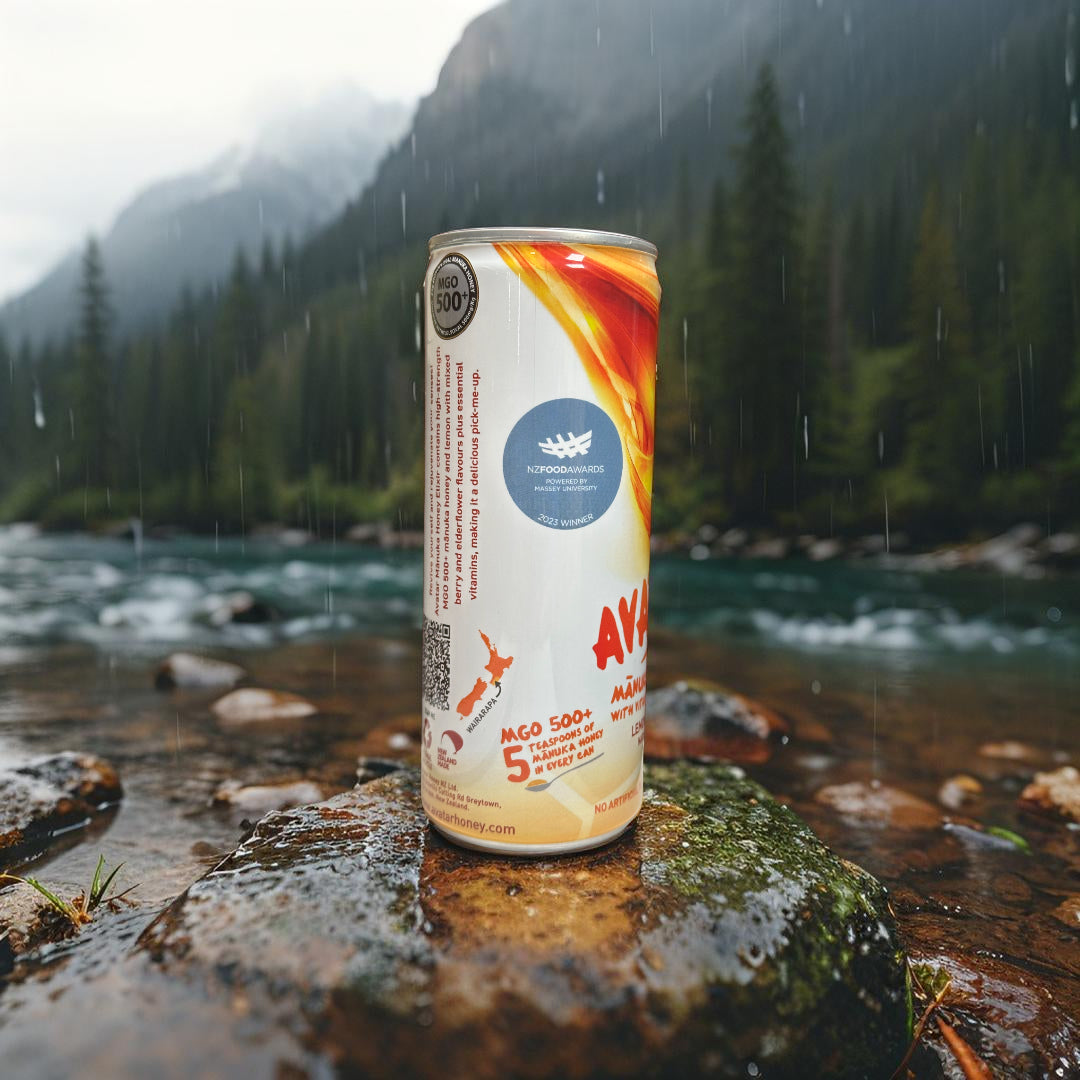
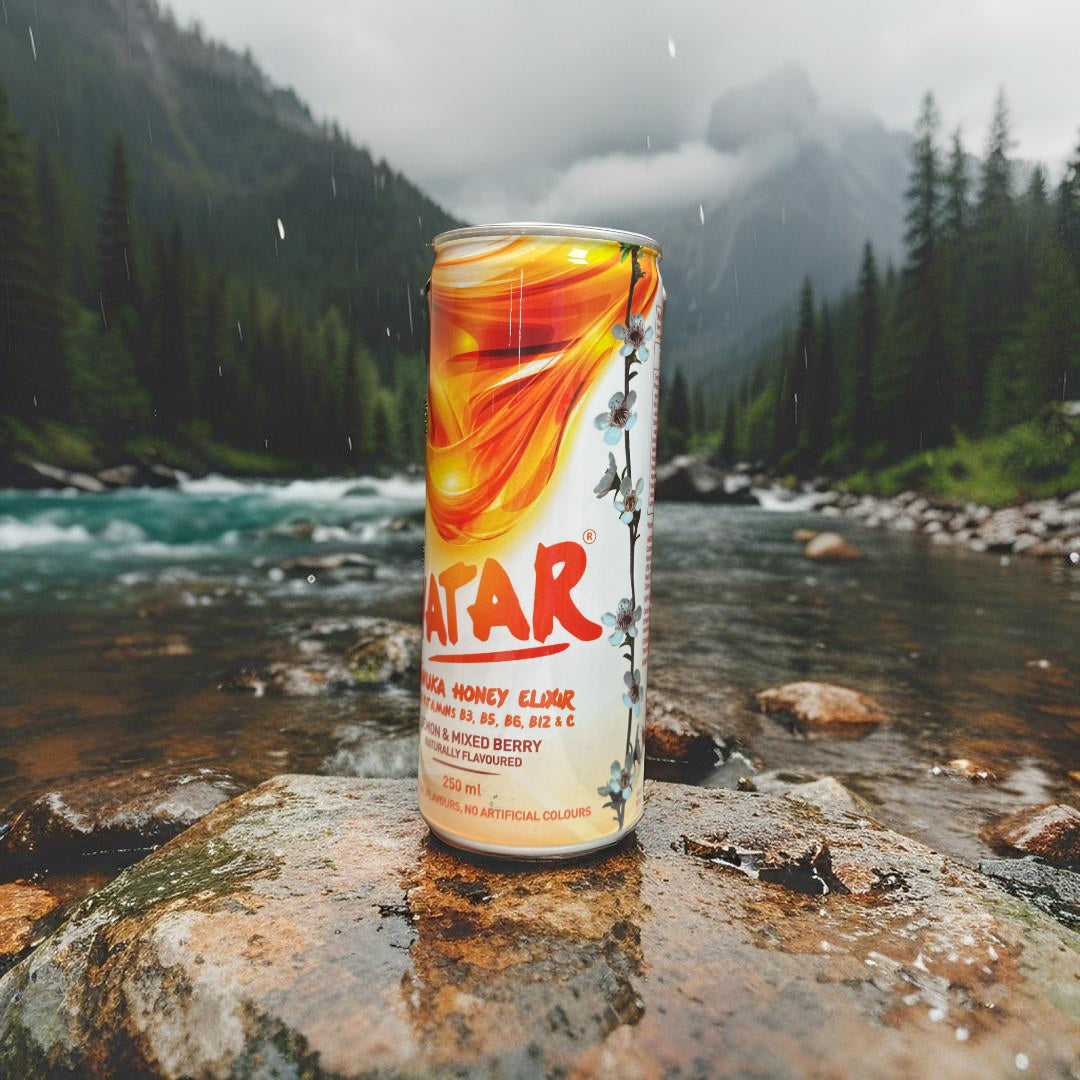
Avatar Elixir is one concrete example of that alternative. Made in New Zealand by Avatar Honey, it combines certified MGO500+ Manuka honey with lemon, elderflower, B vitamins, vitamin C, clean caffeine, and lightly carbonated water. Its character is closer to a premium sparkling honey and botanical drink than to a cup of coffee.
The lemon brings brightness, elderflower adds a soft floral note, and Manuka honey contributes rounded sweetness. Light carbonation creates a crisp finish when served cold. That makes it relevant for people who want a caffeinated option without roasted coffee flavour, while still preferring an ingredient-led drink.
Which format fits specific parts of your routine?
| Scenario | When mushroom coffee may fit | When a natural energy drink may fit |
|---|---|---|
| Hot morning ritual | You enjoy making coffee, holding a warm mug, and beginning the day with roasted flavour. | You prefer a cold morning drink or do not have time or facilities to prepare coffee. |
| Cold afternoon refreshment | An iced mushroom coffee may work if you are willing to prepare it and still want coffee flavour. | A chilled, lightly carbonated drink may feel more suitable when you want citrus, sparkle, and a change from coffee. |
| Desk work or study | It fits when a brewing break is part of your routine and hot drinks are practical in your workspace. | It fits when you want a consistent ready-to-drink format that can stay beside your laptop without preparation. |
| Packing for travel | Powders or sachets save space, provided you will have suitable water, a cup, and time to mix them. | A can offers immediate convenience, although it is heavier and must comply with transport and venue rules. |
| Preference for coffee taste | A natural fit if roasted, bitter, or creamy coffee profiles are what you want. | Better aligned with preferences for citrus, floral, honeyed, or sparkling flavours. |
| Avoiding coffee taste | Less likely to suit unless the product is lightly coffee-flavoured or blended into another recipe. | Offers a clear alternative because caffeine does not have to arrive in a coffee-flavoured drink. |
There is no need to declare one format the universal winner. Some people may keep mushroom coffee for slow mornings and choose a canned drink for afternoons, travel, or days away from their usual kitchen. Routine-based choices can be more useful than trying to make one beverage serve every occasion.
Convenience includes consistency and control
A ready-to-drink beverage removes several variables. You do not need to measure powder, control water temperature, or decide how much milk or sweetener to add. The flavour and ingredient proportions are set by the finished recipe, which makes one can easier to compare with another.
Mushroom coffee offers a different kind of control. You can often adjust the strength, volume, milk, sweetness, and serving temperature. That flexibility is valuable if personal preparation is part of the appeal, but the final drink may vary each time.
Waste and storage also deserve attention. Sachets can be compact and shelf-friendly, while cans are bulkier but require no equipment. A prepared can is useful only if you enjoy the recipe as made. A coffee powder gives you more room to customise, but it may be less convenient outside the home or office kitchen.
How to compare claims without getting distracted by trends
Ingredient popularity is not the same as evidence for a finished beverage. This applies to mushrooms, vitamins, botanicals, honey, and caffeine alike. A recognisable ingredient can help you understand what a drink contains, but it should not be treated as proof that the beverage will deliver a guaranteed effect.
A fair product comparison separates three questions:
- What is actually in the drink? Identify the named ingredients, amounts where disclosed, caffeine information, sweeteners, and serving size.
- What experience does the format provide? Consider temperature, flavour, carbonation, preparation, portability, and how it fits the occasion.
- What claims are being made? Distinguish factual ingredient descriptions from broader promises about focus, performance, stress, immunity, or wellbeing.
Avatar Elixir, for example, can be assessed through concrete product characteristics: it is a ready-to-drink, lightly carbonated New Zealand beverage made with certified MGO500+ Manuka honey, lemon, elderflower, B vitamins, vitamin C, and clean caffeine. Those details explain its recipe and drinking experience. They do not need to be turned into medical or guaranteed performance claims to help you decide whether it fits your routine.
A label checklist for comparing two actual products
Before choosing between a particular mushroom coffee and a particular natural energy drink, place their labels side by side and check the following:
- Serving size: Is the listed serving the amount you will realistically prepare or drink?
- Total caffeine: How much caffeine is present per serving and per complete can, bottle, sachet, or prepared cup?
- Preparation: Does either product require hot water, equipment, measuring, refrigeration, or added ingredients?
- Mushroom identity: If applicable, which species are included, in what ingredient form, and are quantities disclosed?
- Coffee content: Is it regular coffee, instant coffee, decaffeinated coffee, or a blend? Do not infer caffeine solely from the product name.
- Sweetness: Review total sugars, added sweeteners, and the full serving size rather than relying on front-label wording.
- Flavour: Decide whether you want roasted coffee notes or a cold citrus, botanical, honey, or sparkling profile.
- Other ingredients: Compare vitamins, botanicals, flavourings, acidity regulators, and anything you personally prefer to include or avoid.
- Claims: Ask whether each statement simply describes an ingredient or promises an outcome that would require product-specific support.
- Routine fit: Choose for the occasion you actually have, whether that is a hot morning ritual, desk work, study, an afternoon cold drink, or travel.
The practical choice is the product whose label, flavour, format, and caffeine information best match the way you intend to use it. Mushroom coffee can suit a coffee-centred ritual, while a natural energy drink such as Avatar Elixir provides a chilled, portable alternative with Manuka honey, citrus, elderflower, and light carbonation. Understanding that difference makes it easier to choose without assuming that either category guarantees a particular result.
For a closer product comparison, it helps to understand missing mushroom details, MGO500+ wording, category labels, and flavour fit.
Can I fairly compare a blend that does not disclose mushroom quantities?
You can compare its disclosed features, but you cannot make a quantity-based assessment of its mushroom ingredients. Check whether the label names each species and ingredient form, then separate those facts from any broader product claims. If important details are missing, avoid assuming the blend contains a particular quantity or will deliver a particular outcome.
Does MGO500+ state Avatar Elixir's caffeine or honey quantity?
No. MGO500+ identifies the certified Manuka honey used in Avatar Elixir. It does not state the drink's caffeine content or disclose how much honey is present. Use the relevant product information for caffeine and serving details rather than drawing conclusions from the MGO500+ wording.
Does natural mean an energy drink is low in sugar or caffeine?
No. The word natural does not establish a drink's sugar level, caffeine amount, sweetness, or complete formulation. Compare the declared caffeine, total sugars, sweeteners, serving size, and full ingredient list on each product. This gives you a clearer basis for choosing than category wording alone.
Should flavour matter as much as the ingredient list?
Yes, because a drink only fits your routine if its flavour and format suit the occasion. Start by deciding whether you want warm roasted coffee or a cold citrus, floral, honeyed, and lightly carbonated profile. Then check caffeine, sweetness, serving size, ingredients, and claims before making the final comparison.