



If coffee makes you feel wired, jittery, nauseous, or oddly tired after the initial lift, you are not alone. A growing number of wellness-minded people want morning energy without coffee, not because they dislike the taste, but because they want a calmer baseline, a cleaner gut response, and a ritual that does not revolve around dependence.
The good news is that there are coffee alternatives for energy that genuinely work, and they are not all “just drink water.” In this guide, you will get 6 real options, from matcha and yerba mate to honey-based sparkling drinks, plus what each delivers and who it suits best as a daily ritual. The goal is simple: help you pick a morning drink for energy without caffeine crashes (or with gentler caffeine, if you still want a boost) that fits your body and your schedule.
What “morning energy” actually means when you quit coffee
Morning energy usually comes from a combination of alertness, stable blood sugar, hydration, and a nervous system that feels focused instead of spiky. Coffee can deliver alertness, but for many people it also brings tradeoffs that make the “energy” feel fragile.
When people look for energy without coffee, they are often trying to reduce one or more of these common friction points:
- Anxiety or jitters (especially on an empty stomach).
- GI sensitivity (acid, urgency, stomach discomfort).
- Dependence and tolerance (needing more to feel the same effect).
- Teeth staining and lingering breath.
- A harsh “on/off” feeling rather than smooth focus.
That is why the best coffee replacement is not always “another caffeine source.” Sometimes it is a smarter mix of hydration, light stimulation, and nutrients that support steadier energy.
How to choose the right coffee alternative for your mornings
The best option is the one you can repeat daily without fighting your body. Use these quick filters to choose a morning ritual that actually sticks.
Decide: do you want caffeine, or just a clearer baseline?
If your main issue is coffee anxiety, you may still do well with lower-dose caffeine (for example, green tea or matcha). If your main issue is dependence or sleep disruption, a no-caffeine morning drink may feel like a reset.
Pick your “delivery format”: warm, cold, or sparkling
Warm drinks tend to feel grounding and gentle on the stomach. Cold and sparkling drinks often feel more refreshing and habit-forming, especially if you miss the “special beverage” feeling of an iced latte or energy drink.
Match the drink to your stomach and schedule
If you cannot handle coffee on an empty stomach, prioritize low-acid options and consider pairing your morning drink with a small breakfast. If you need energy that lasts through meetings, look for options associated with smoother focus (often reported with tea and tea-like caffeine sources).
1) Green tea: the simplest step down from coffee ☕
Green tea is one of the most practical ways to get morning energy without coffee while keeping a familiar “hot cup” ritual. Many coffee-avoiders report that green tea feels gentler, with less edge than a strong brew.
What it delivers
- Mild to moderate caffeine compared with many coffee servings.
- A calmer focus that many people find easier to tolerate.
- A hydrating-feeling routine that is easier to sip over time.
Who it suits best
- You want a coffee replacement for energy that is easy to find anywhere.
- You want to reduce intensity without going fully caffeine-free.
- You want a warm morning ritual that feels “clean” and light.
How to make it work as a daily ritual
- Start with one cup and notice how you feel for the next 1 to 2 hours.
- If bitterness makes you reach for sugar, steep cooler or for less time.
- Pair with a small breakfast if you are caffeine-sensitive on an empty stomach.
2) Matcha: focused energy with a slower, steadier feel
Matcha is a popular answer to “what gives energy without coffee” because it often feels more gradual. It is also a ritual in itself, which matters if coffee was your comfort routine, not just your stimulant.
What it delivers
- Noticeable alertness that many people describe as steadier than coffee.
- More control over strength, you can adjust the amount of matcha powder.
- A satisfying texture (especially as a latte) that replaces the “morning treat” feeling.
Who it suits best
- You still want caffeine, but you want less spike than coffee commonly causes.
- You prefer a creamy latte-style drink without relying on espresso.
- You like routines and want a consistent “start signal” for your brain.
Practical tips (so matcha does not turn into a sugar habit)
- Use unsweetened milk or a lightly sweetened option and taste-test before adding syrups.
- If you are sensitive, start with a smaller serving and work up slowly.
- Keep your matcha earlier in the morning if sleep is a concern.
3) Yerba mate: a bolder lift for people who miss the “kick”
Yerba mate is often chosen by people who like the motivating push of coffee but want a different feel and flavor profile. It can be a strong choice if you want natural energy without coffee and you find tea too subtle.
What it delivers
- A more noticeable stimulation than many standard teas.
- A crisp, herbal taste that can replace the “bite” coffee drinkers miss.
- Versatility, hot, iced, or lightly sweetened with citrus.
Who it suits best
- You are not trying to eliminate caffeine, you are trying to change how it feels.
- You want a stronger option that can still feel smoother than coffee for some people.
- You like iced morning drinks and want something more energizing than green tea.
How to avoid overdoing it
- Treat it like coffee in terms of timing: earlier is usually better.
- If you tend toward anxiety, start with a smaller serving and avoid combining with other stimulants.
- Choose a preparation you can repeat consistently, consistency beats intensity.
4) Sparkling water + lemon: the “clean start” ritual that supports real energy
Sparkling water with lemon will not stimulate you like caffeine, but it can still be a reliable way to create morning energy without coffee by supporting the fundamentals: hydration, digestion comfort, and a bright sensory cue that your day has started.
What it delivers
- Hydration support that many people neglect when they wake up.
- A refreshing sensory reset (bubbles and citrus can feel “wake-up” sharp).
- Zero dependence, you can do it daily without chasing a stronger effect.
Who it suits best
- You want energy without caffeine and you are tired of stimulant cycles.
- You get stomach discomfort from acidic coffee but tolerate citrus well in small amounts.
- You want a ritual you can do anywhere, including travel days.
Make it feel like a real morning replacement (not a downgrade)
- Use a dedicated glass and make it part of your morning routine (same place, same time).
- Add a pinch of salt if you tend to wake up dehydrated (especially after exercise), many people find it helps the “wake up” feeling.
- If lemon irritates your stomach or teeth sensitivity, use a smaller squeeze or switch to a lemon peel twist for aroma.
5) Adaptogen drinks: better for “steady” than “stimulated”
Adaptogen drinks are typically chosen for steadiness, not for a jolt. If coffee makes you feel like your brain is sprinting while your body feels tense, adaptogen-style morning drinks can feel like a calmer alternative, especially when paired with a light breakfast — see adaptogens in natural energy drinks.
What it delivers
- A stress-aware ritual that many wellness lovers prefer to caffeine stacking.
- A smoother morning transition when your main issue is feeling frazzled, not sleepy.
- Flexibility, many options are caffeine-free or lightly caffeinated depending on the formula.
Who it suits best
- You avoid coffee because of anxiety and want a calmer baseline.
- Your energy dips feel connected to stress and poor sleep rather than “not enough caffeine.”
- You want a morning drink that pairs well with journaling, walking, or breathwork.
How to evaluate adaptogen drinks without getting lost in marketing
- Check whether the drink is caffeine-free or includes tea-based caffeine, decide what you want.
- Notice whether it contains a lot of sweeteners, since a sweet “health drink” can still create a rollercoaster morning for some people.
- Give one option a consistent trial and pay attention to your focus, mood, and sleep, not just a quick hit.
6) Honey-based sparkling energy drinks: a coffee alternative that still feels like a treat 🍋
If you miss the ritual, the flavor, and the “special beverage” feeling of coffee, honey-based sparkling drinks can be a compelling middle path. They are often designed to feel refreshing and functional, not heavy, and they can fit mornings when you want genuine energy without coffee’s drawbacks.
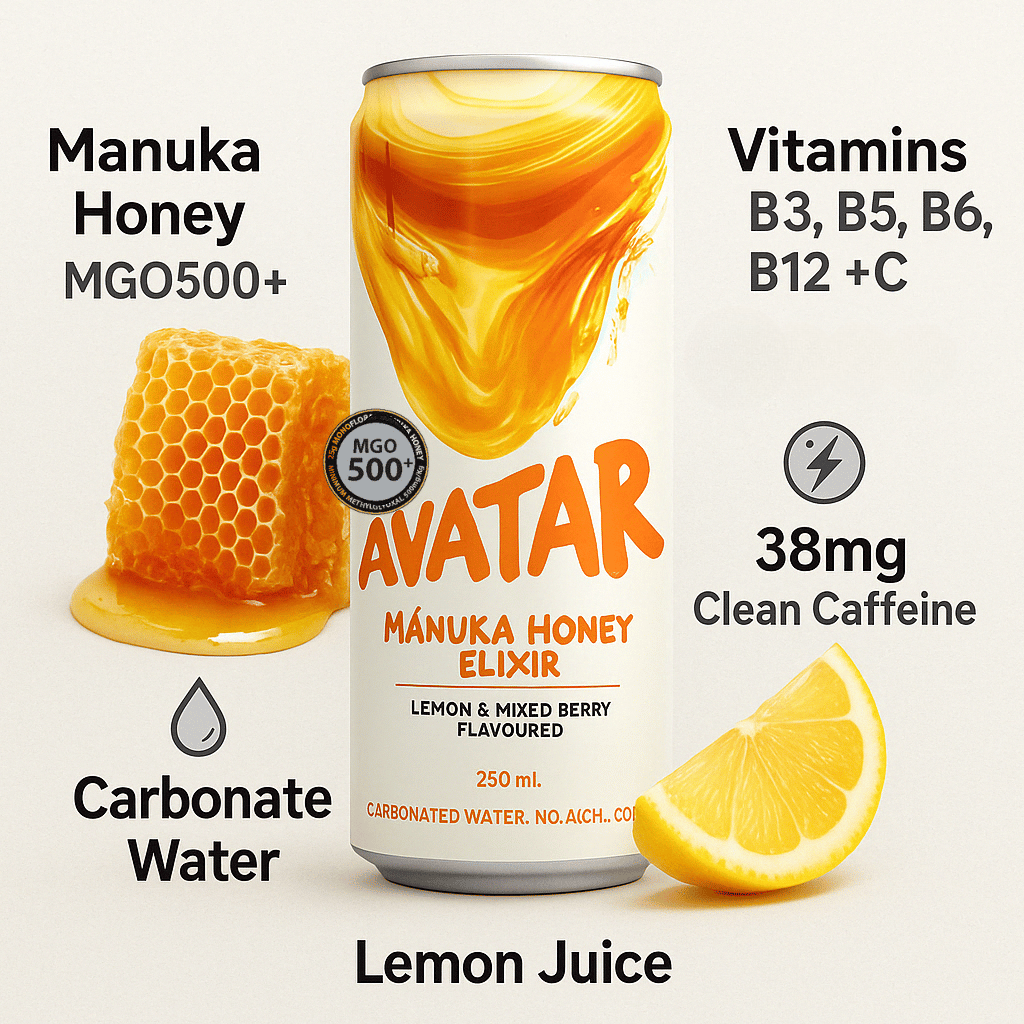
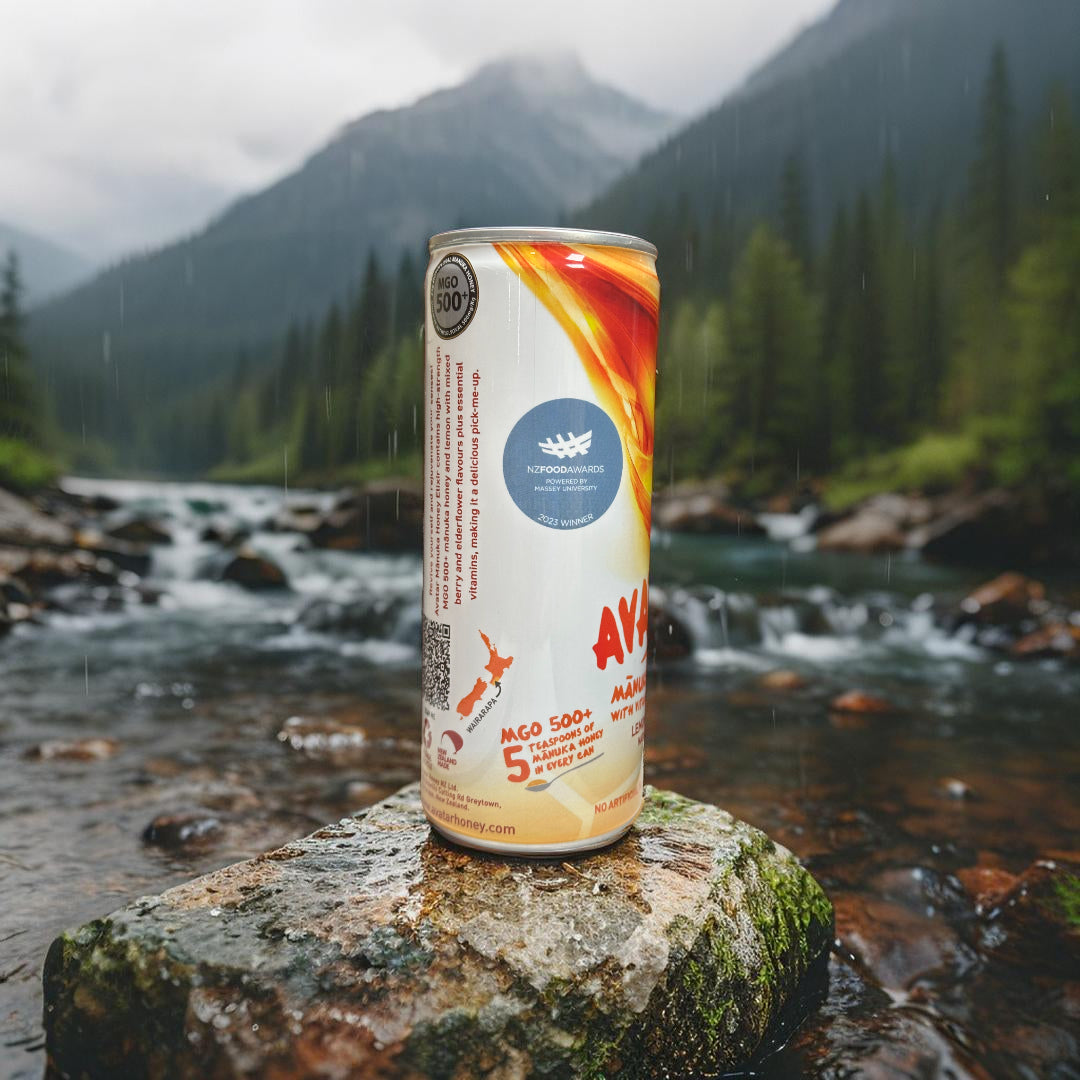
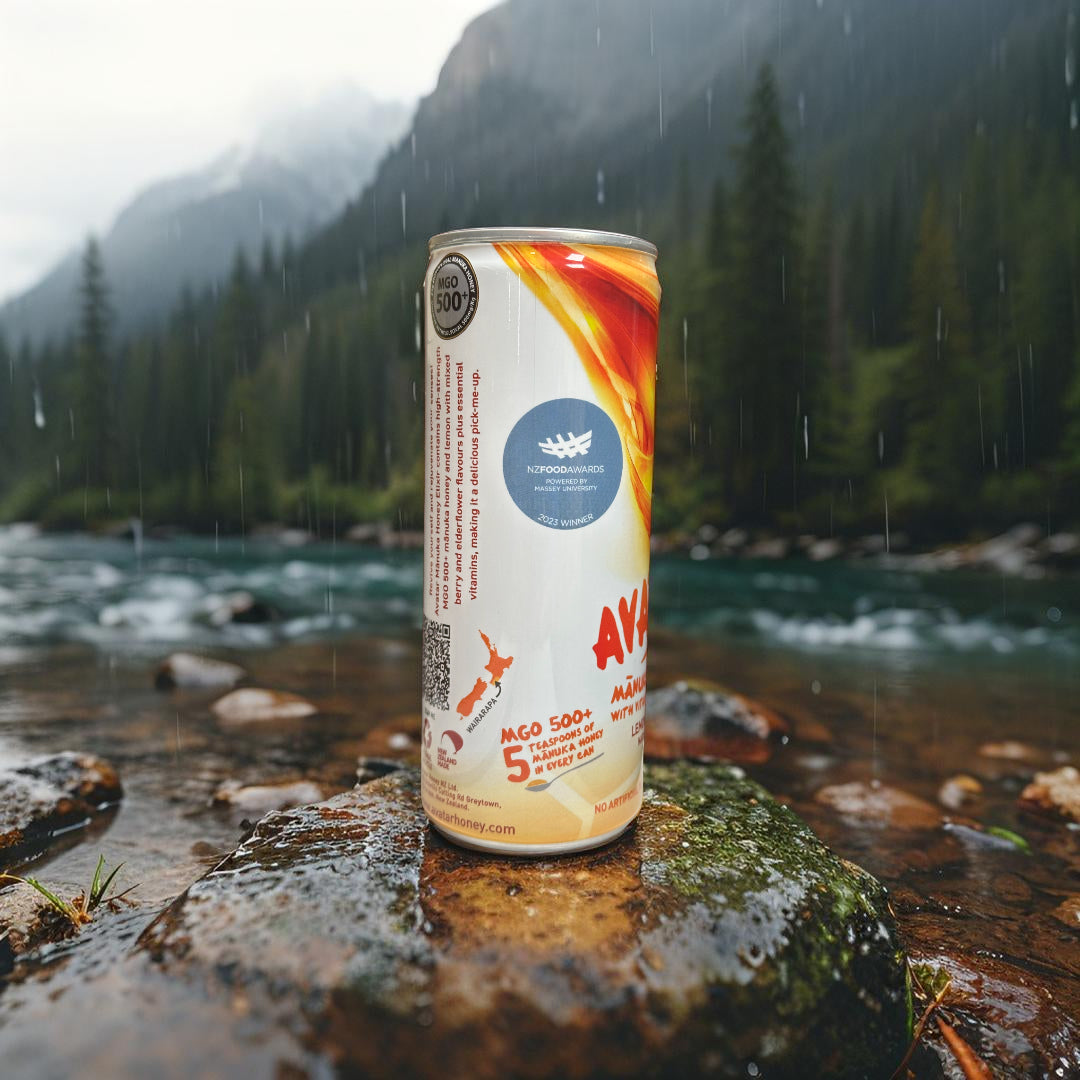
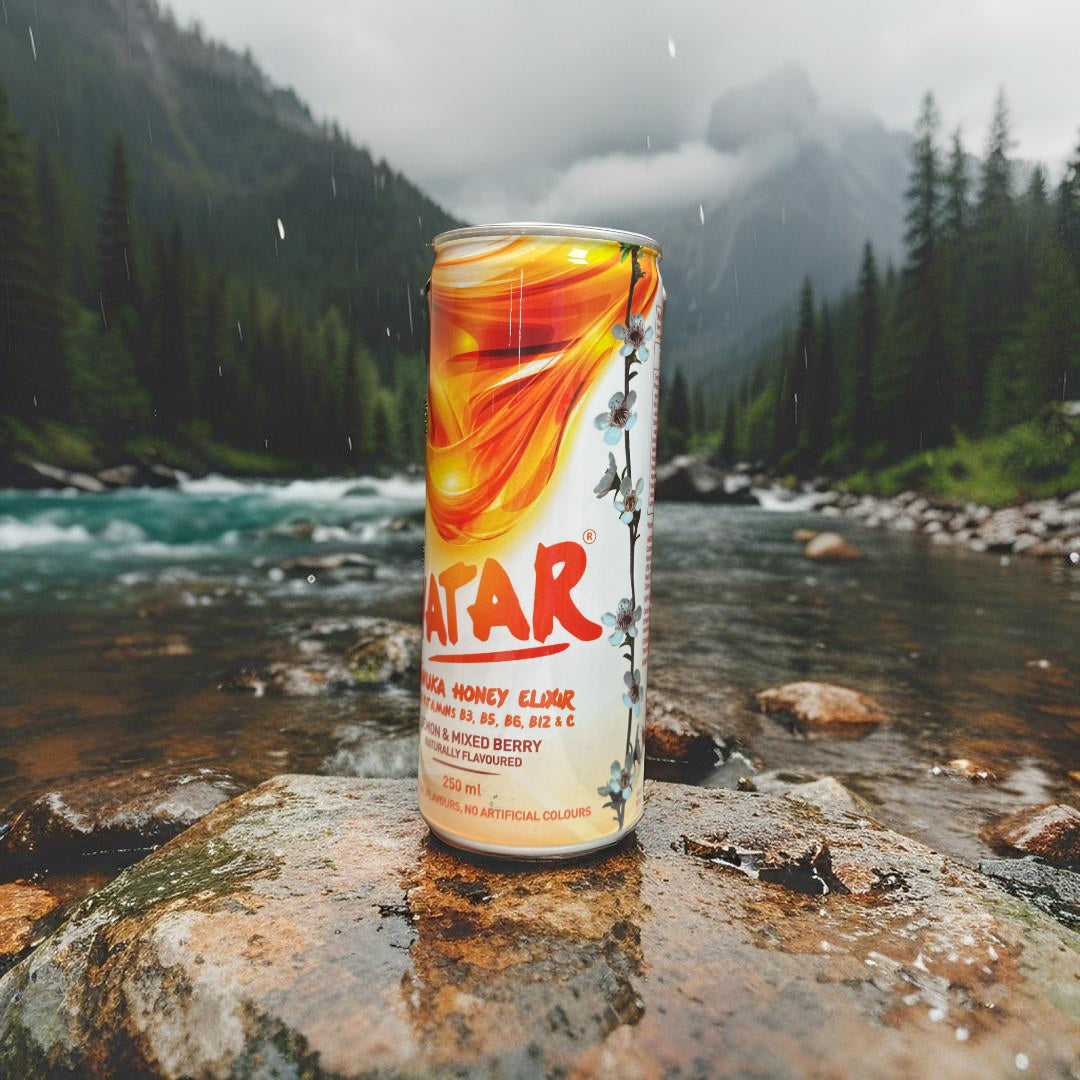
One example is Avatar Elixir, a sparkling honey-lemon-elderflower drink with natural caffeine. The profile is designed for people who want a bright morning drink that feels elevated and easy to repeat, especially if coffee tends to bring jitters, stomach discomfort, or that tense “too much” feeling.
What it delivers
- A clear “morning cue”: bubbles and citrus can feel instantly energizing without needing a hot mug ritual.
- Natural caffeine for people who still want stimulation, but prefer a different delivery than coffee.
- A flavor-forward experience that can replace the emotional role coffee plays in your day.
Who it suits best
- You want an alternative to coffee for morning energy that still feels fun and premium.
- You like the idea of honey and citrus as a daily ritual, but you do not want a heavy, sugary drink.
- You prefer a cold, sparkling start rather than a hot beverage.
How to use it as a consistent morning routine
- Pair it with a simple breakfast to make the energy feel steadier, especially if you are sensitive to caffeine on an empty stomach.
- Keep your morning caffeine “lane” simple: if you choose a caffeinated sparkling drink, avoid stacking it with multiple teas.
- Use it as your default on high-stress mornings when coffee usually pushes you into anxious energy.
How to build a coffee-free morning ritual that lasts
The biggest challenge is not finding an option, it is building a repeatable pattern that makes you feel good. A sustainable routine usually includes one beverage choice, one food choice, and one small movement cue.
A simple 3-part template
- Drink: pick one option from the list and keep it consistent for a week.
- Food: add something small and steady (yogurt, oats, eggs, toast, fruit plus nuts), especially if caffeine makes you jittery.
- Movement: 5 to 10 minutes of walking, mobility, or sunlight exposure helps many people feel awake without needing stronger stimulants.
Common mistakes that make people “fail” coffee alternatives
- Switching too fast: changing your drink every day makes it hard to learn what works for your body.
- Under-eating: replacing coffee but skipping breakfast can leave you feeling flat or irritable.
- Replacing coffee with sugar: a sweet drink can feel great for 20 minutes and then leave you hunting for more stimulation.
Key Takeaways
- Morning energy without coffee is easier to sustain when you match the drink to your goal: calmer focus (green tea, matcha) versus a stronger kick (yerba mate) versus no-caffeine clarity (sparkling water + lemon).
- Matcha is a popular coffee alternative for energy because many people experience it as steadier and easier to ritualize than coffee.
- Yerba mate suits people who miss coffee’s intensity but want a different flavor and, for some, a smoother feel.
- Adaptogen drinks are best viewed as a steadiness tool, not a guaranteed stimulant, and they work best when you evaluate how you feel across a consistent routine.
- Honey-based sparkling drinks (such as Avatar Elixir) can replace the “special morning beverage” role of coffee while still offering natural caffeine and a refreshing, repeatable ritual.
These FAQs help you choose a calmer morning ritual when coffee causes jitters, GI discomfort, or a harsh "on/off" energy. You will learn how different coffee alternatives for energy fit common goals like smooth focus, better hydration, and fewer caffeine crashes.
What's the best morning energy without coffee for anxiety?
The best morning energy without coffee for anxiety is usually a gentler, lower-spike option that supports focus without feeling "wired." Many people do well with matcha or green tea because they tend to feel smoother than coffee, especially when paired with breakfast. If you want minimal stimulation, start with sparkling water with lemon and add a light snack for steadier energy.
Why does coffee make me jittery or oddly tired later?
Coffee can feel jittery or lead to a slump because the "energy" is often a sharp lift followed by a noticeable drop for sensitive people. Common friction points include anxiety or jitters, GI sensitivity, and a harsh "on/off" feeling rather than smooth focus. Choosing energy without coffee is often about building a calmer baseline, not just swapping caffeine sources.
How do I choose between matcha and yerba mate?
Choose based on the kind of alertness you want and how your stomach responds. Matcha is often used for a steadier, more focused feel, while yerba mate can feel more noticeable and "energizing" for some people. If you are coffee-sensitive, try each after food and pay attention to jitters, digestion, and whether you get a caffeine crash.
How can I build a morning drink ritual without caffeine crashes?
A morning drink for energy without caffeine crashes usually combines hydration with gentle stimulation (or none) and a simple routine you can repeat. Try a 3-step structure:
- Hydrate first: sparkling water with lemon.
- Pick your lift: green tea, matcha, yerba mate, or a honey-based sparkling drink.
- Anchor it with food: a small breakfast can support steadier energy and fewer jitters.
Are honey-based sparkling drinks a real coffee alternative for energy?
Yes, honey-based sparkling drinks can be a practical coffee alternative for energy when you want a lighter, more refreshing ritual. Options like Avatar Elixir (a sparkling honey-lemon-elderflower drink with natural caffeine) are often chosen for a smoother feel than coffee. If you are sensitive to spikes, start with a smaller serving and pair it with breakfast for steadier momentum.
What should I drink first if coffee upsets my stomach?
If coffee triggers GI sensitivity, start with something gentle and hydrating before adding stimulation. Many people tolerate sparkling water with lemon well, then transition to green tea or matcha after food if they still want caffeine. This approach can support morning energy without coffee while reducing the chance of nausea or urgency.