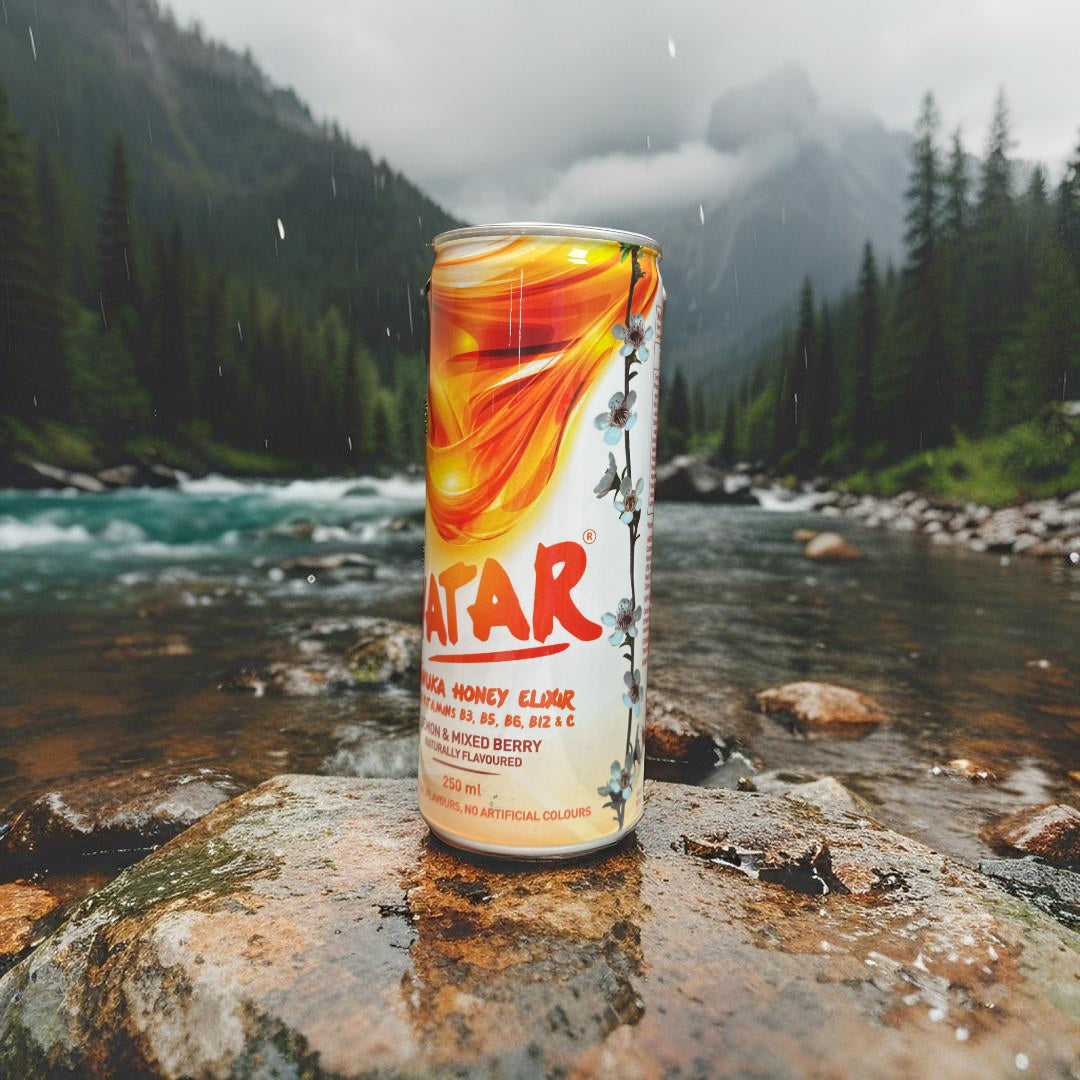



Quick answer: Fatigue is a signal to rest, not a problem to override with a drink. A natural energy drink may help you feel more alert during a long drive when used thoughtfully, but it cannot replace sleep, breaks, hydration, food, or safe driving judgment.
Natural energy drinks for long drives can be useful in specific situations, especially when you are already well rested and need a modest alertness lift during a road trip, long commute, or late return. The key is to think about caffeine timing, hydration, sugar, carbonation, food pairing, and your own fatigue warning signs before you open a can. If you are comparing categories, what is a natural energy drink is a useful place to start.
For drivers in the US, long stretches of interstate, rural highways, night driving, and irregular meal timing can all change how an energy drink feels in the car. A drink that seems fine at your desk may feel different when you are behind the wheel, sitting for hours, managing traffic, and trying to stay comfortable. The safest approach is simple: use any caffeinated drink as a support tool, not as permission to keep driving when your body is asking you to stop.
Start With the Safety Rule: Tired Drivers Need Rest
The most important decision is not which natural energy drink to buy. It is whether you are fit to keep driving at all. If you are fighting sleep, drifting in your lane, missing exits, or struggling to remember the last few miles, caffeine is not enough. You need to pull over somewhere safe and rest.
Caffeine can reduce the feeling of sleepiness for some people, but it does not erase fatigue. It does not restore lost sleep, improve poor road conditions, or make a driver immune to slowed reactions. This matters because the confidence you feel after drinking caffeine can sometimes arrive before your body has truly recovered.
Use this rule before any long drive: if you would not trust yourself to make a quick decision in traffic, do not rely on an energy drink to make the drive safe. Stop at a rest area, service plaza, hotel, or other safe location. Call someone, switch drivers if possible, or change your timing.
When Caffeine May Help Alertness on a Long Drive
Caffeine may help when you are mildly tired, already rested, and using it at a sensible point in your trip. For example, a driver leaving after breakfast for a full-day drive may use a natural energy drink during a predictable low-energy stretch, such as early afternoon, while also taking breaks and eating normally.
The best use case is alertness support, not fatigue rescue. If you are planning a long commute, a weekend road trip, or a late airport pickup, think about caffeine before you feel desperate. Waiting until you are already nodding off is a sign that the safer choice is to stop driving.
Consider Timing Before You Open the Can
Caffeine does not feel instant for everyone. It may take time before you notice its effects, and those effects can linger for hours. That means timing matters in both directions: you do not want to drink it too late if you need quality sleep after arriving, and you do not want to wait until you are already unsafe.
For a long drive, a practical approach is to plan caffeine around your route. Pair it with a break, a short walk, a bathroom stop, and water. This helps you avoid treating the drink as a substitute for rest and gives you a moment to honestly assess how you feel before continuing.
Avoid Stacking Caffeine Sources
Drivers often forget how many caffeine sources can appear on a travel day. Coffee before leaving, iced tea at lunch, a natural energy drink in the afternoon, and another drink at a gas station can add up. Even if each choice seems moderate on its own, stacking can make you feel jittery, uncomfortable, or distracted.
Read the label and note the caffeine amount per can or bottle. Also check serving size, because some containers may look like one serving but contain more. If you are sensitive to caffeine, take medication, have a heart condition, are pregnant, or have been advised to limit stimulants, speak with a qualified health professional before using caffeinated drinks for driving.
When an Energy Drink Is Not Enough
A natural energy drink is not enough when fatigue is affecting your driving behavior. The warning signs are practical, not theoretical. If you notice them, the next step is to stop safely, not to look for a stronger drink.
Stop driving if you experience any of the following:
- Heavy eyelids or repeated blinking to stay awake
- Lane drifting, rumble strip contact, or delayed steering corrections
- Missed exits, wrong turns, or difficulty following navigation
- Memory gaps, such as not recalling the last few miles
- Frequent yawning or head nodding
- Irritability, impatience, or poor risk judgment in traffic
- Restlessness from caffeine without genuine alertness
These signs mean the issue is no longer beverage choice. It is driver fitness. Pull into a safe, well-lit place, rest, and reconsider the trip plan. If you are traveling with another licensed driver, switch roles before you reach this point.
How Sugar Can Feel During a Road Trip
Sugar can change how an energy drink feels in the car because driving often combines sitting, irregular meals, and long gaps between stops. Some drivers prefer a drink with sugar because it feels more satisfying with food or during a long stretch. Others find sweet drinks uncomfortable, especially if they drink them quickly on an empty stomach.
The goal is not to label sugar as automatically good or bad. The goal is to understand how it fits into your drive. If you choose a natural energy drink with sugar, check how much is in the full container and consider how it fits with snacks, meals, and other sweet drinks that day.
Pair Energy Drinks With Real Food
An energy drink may feel smoother when paired with a simple meal or snack rather than consumed alone. For road trips, practical options include a sandwich, yogurt, nuts, fruit, oatmeal, or other foods that are easy to digest and not overly heavy. A small amount of food can help you avoid the uncomfortable feeling that sometimes comes from drinking caffeine on an empty stomach.
Avoid using sugar as your only fuel on a long drive. If you skip meals and rely on sweet drinks, you may feel uneven energy, hunger, or distraction. A balanced stop that includes food, water, movement, and a quick fatigue check is usually more useful than grabbing a drink and immediately returning to the highway.
Look at the Sweetener Style
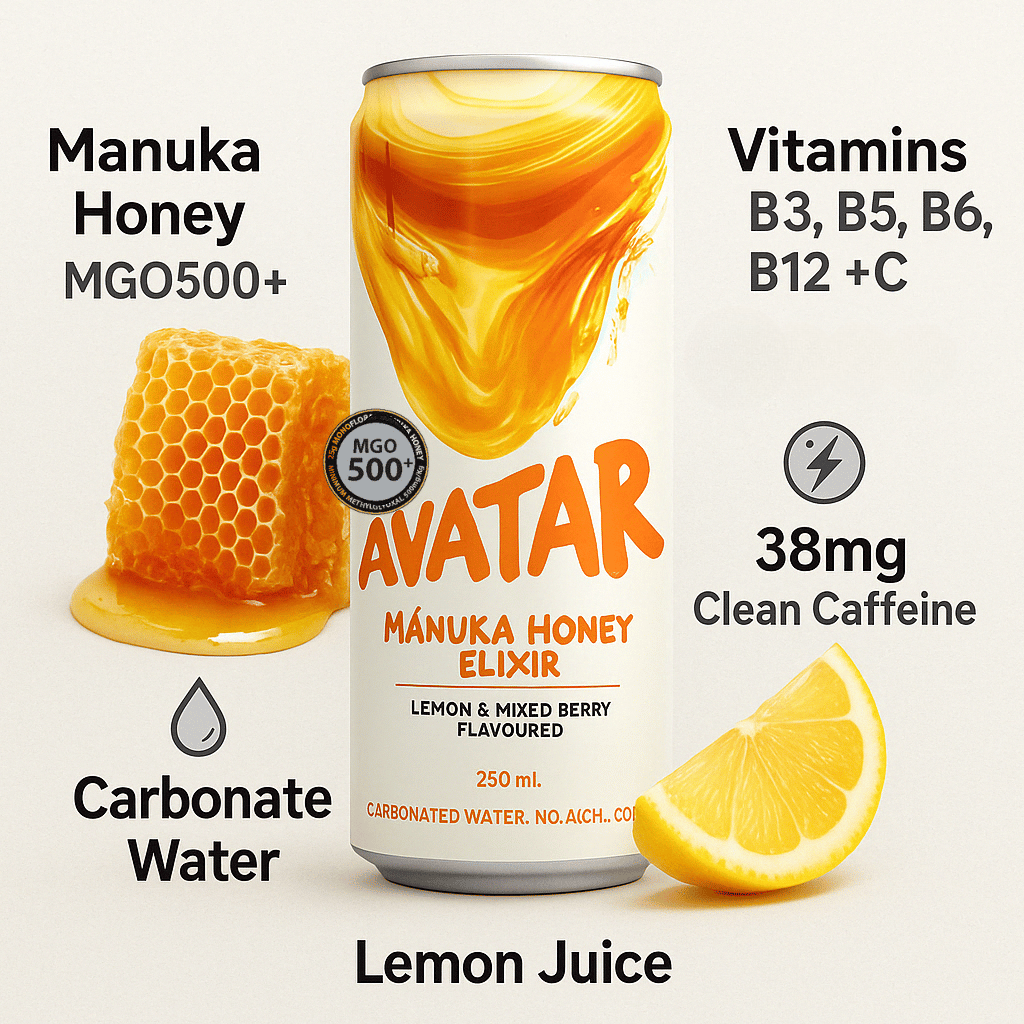
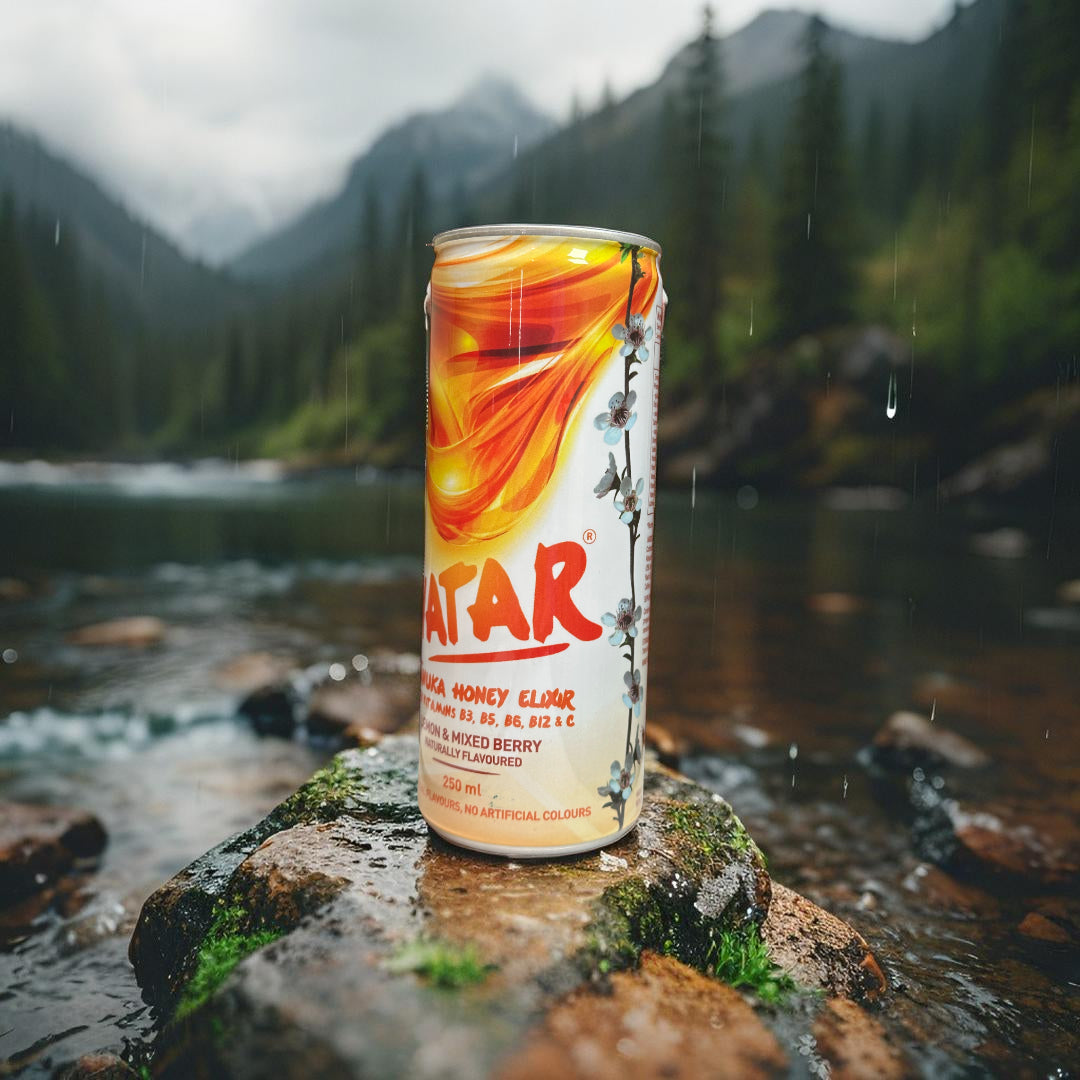
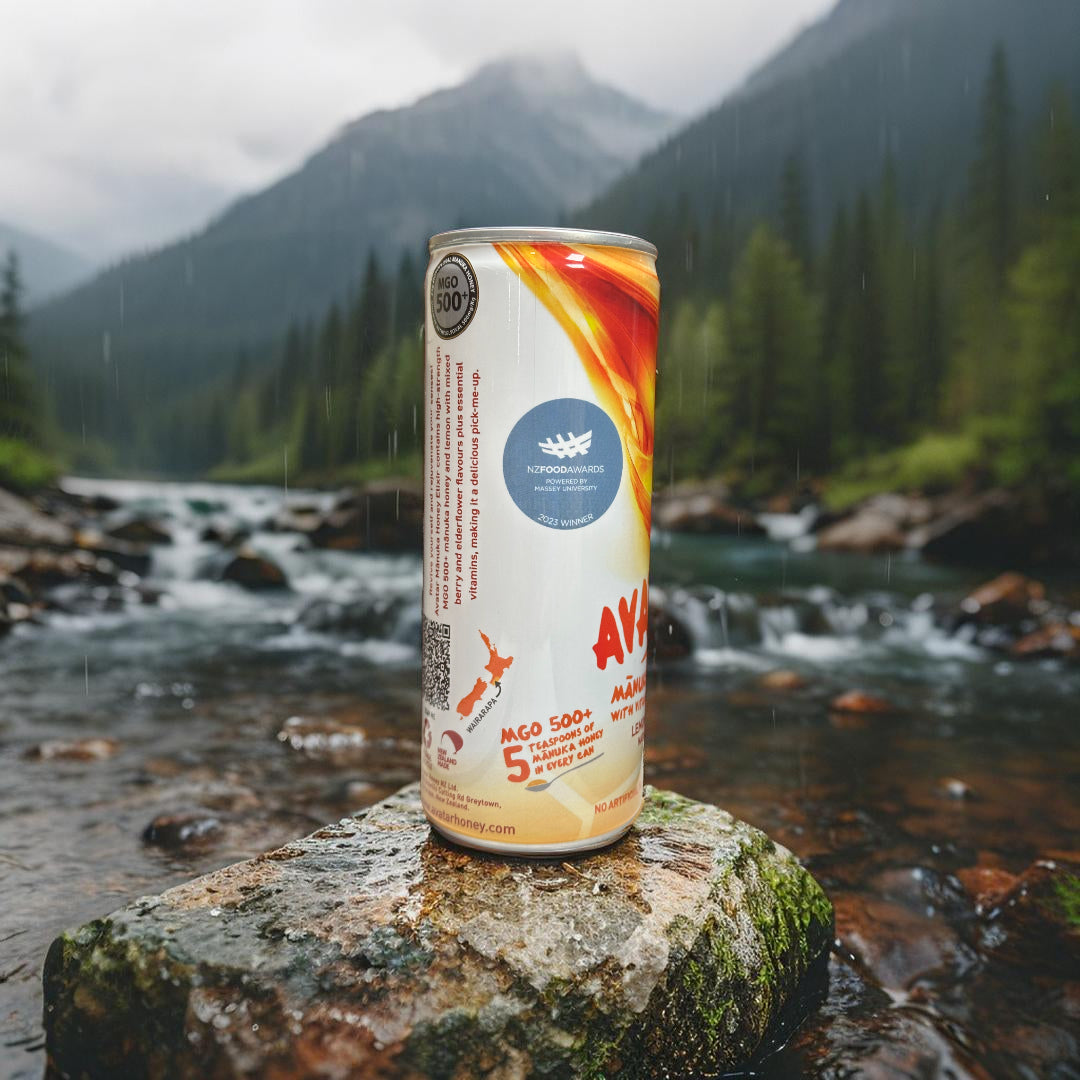
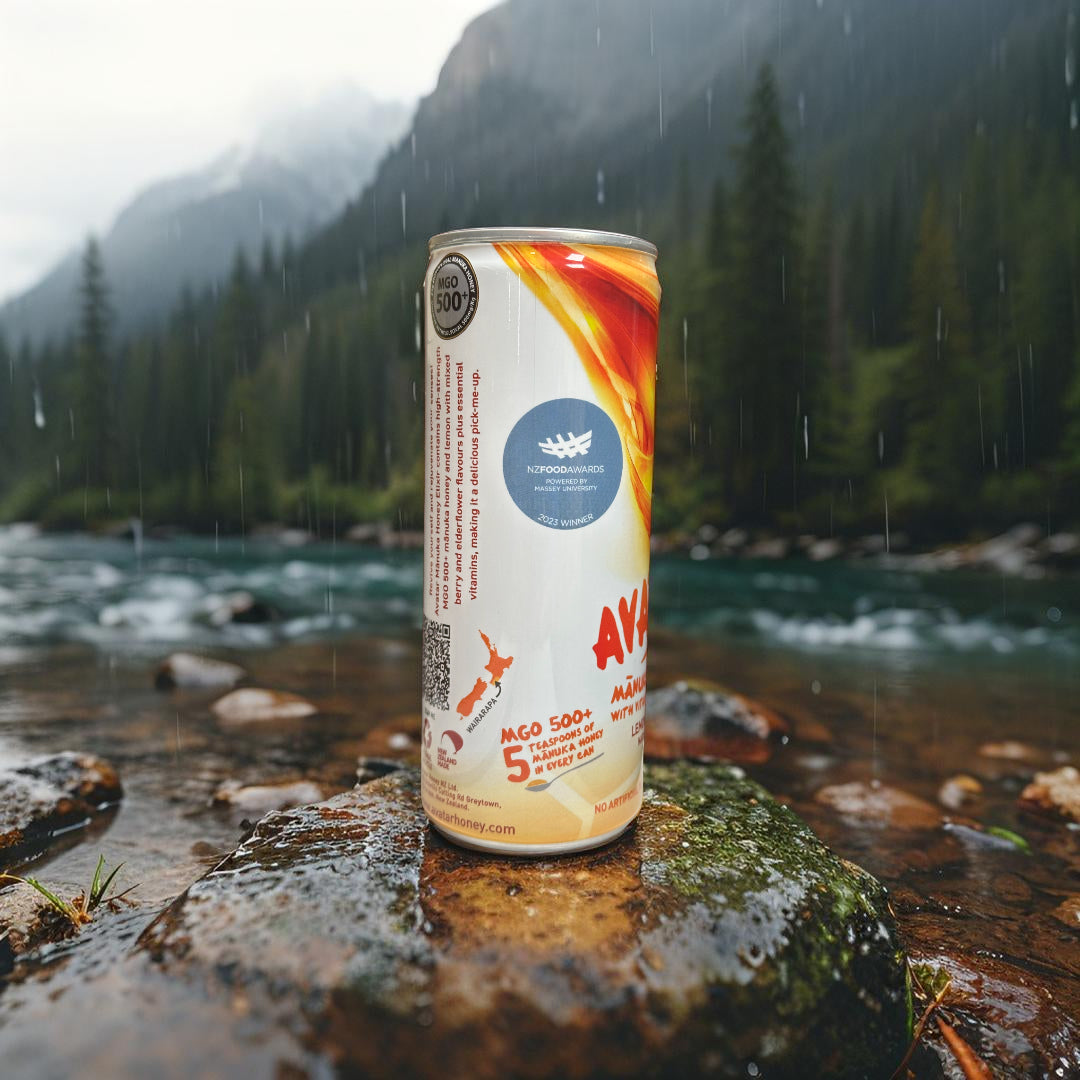
Natural energy drinks can use different sweetener approaches, including fruit juice, cane sugar, honey, low-calorie sweeteners, or no sweetener at all. Drinks with ingredients such as manuka honey may appeal to wellness-focused drivers who prefer recognizable ingredients, but the same road trip principles still apply. Read the label, know what you are drinking, and choose what sits well with your body.
If a drink is very sweet, you may want to sip it slowly rather than finish it quickly. If it is unsweetened or lightly sweetened, pairing it with food may make it feel more complete. Comfort matters on long drives because stomach discomfort, thirst, or jitters can become distractions. That is also why understanding the difference between a sugar curve vs stimulant drop can be helpful.
Hydration Matters More Than Most Drivers Think
Hydration affects how you feel during a long drive, especially when you are sitting for hours in dry cabin air, drinking coffee, eating salty snacks, or limiting fluids to avoid bathroom stops. A natural energy drink can contribute fluid, but it should not be your only beverage on the road.
Bring water and drink regularly. This does not mean overdrinking to the point of discomfort. It means avoiding the common road trip pattern of sipping only caffeinated beverages while postponing rest stops. Planned bathroom breaks are also safety breaks, because they give you a reason to stand up, stretch, and reassess alertness.
If your mouth is dry, you have a headache, or you feel sluggish after salty snacks, water may be a better first move than more caffeine. Sometimes the “I need energy” feeling during a drive is partly thirst, hunger, stiffness, or boredom. A brief stop with water and movement gives you better information about what your body actually needs.
Carbonation Can Change the In-Car Experience
Carbonation can make a natural energy drink feel more refreshing, but it can also create pressure, burping, bloating, or discomfort for some drivers. This matters on long drives because you are seated, belted, and often unable to move freely for long stretches. For more on this tradeoff, see sparkling vs still energy drinks.
If sparkling drinks tend to bother your stomach, choose a still option or sip a carbonated drink slowly. Avoid chugging a fizzy drink before getting back on the highway. Feeling bloated or uncomfortable behind the wheel can pull attention away from the road, especially during heavy traffic, mountain driving, or city approaches.
Carbonation also pairs differently with food. A sparkling energy drink may feel pleasant with a light snack but too much with a large meal. A still energy drink may be easier to sip gradually. The right choice is the one that supports comfort and focus without becoming a distraction.
What to Look For in a Natural Energy Drink for Driving
The best natural energy drink for driving is one with a clear label, a caffeine level you understand, ingredients that suit your body, and a format that is easy to use responsibly. “Natural” can describe ingredient sources, flavoring, sweeteners, or brand positioning, but it does not automatically mean the drink is right for every driver or every situation.
Before buying, review these label and lifestyle factors:
- Caffeine amount: Know the total caffeine per can or bottle, not just the marketing language.
- Caffeine source: Common sources may include tea, coffee fruit, guayusa, yerba mate, or green coffee bean.
- Sugar content: Consider whether the drink is sweetened and how it fits with your snacks and meals.
- Carbonation: Choose sparkling or still based on comfort, not trend.
- Serving size: Confirm whether the container is intended as one serving.
- Added botanicals: Be cautious with herbs or adaptogens if you take medication or have health conditions.
- Taste and drinkability: A drink you can sip slowly is often more practical than one you rush through.
Drivers who prefer wellness-oriented beverages may look for recognizable ingredients, lighter sweetness, or functional additions. That can be a reasonable preference, but safe driving decisions still come first. No ingredient list can compensate for sleep deprivation, poor planning, or ignoring warning signs.
Practical Road Trip Checklist Before You Use an Energy Drink
A road trip checklist helps you decide whether a natural energy drink fits the moment or whether you need a safer driving plan. Use this before long highway stretches, late-night returns, early departures, or solo drives.
Before You Leave
- Sleep enough before the trip whenever possible.
- Plan stops along the route, including rest areas, service plazas, and safe fuel stops.
- Pack water, simple food, and any needed medications.
- Check the caffeine amount in any energy drink you bring.
- Avoid planning to “push through” known low-energy times.
- If traveling with another driver, agree on when to switch.
During the Drive
- Use caffeine before you become dangerously tired, not after warning signs appear.
- Pair an energy drink with a break, water, and food when possible.
- Sip slowly, especially if the drink is carbonated or sweet.
- Do not stack multiple caffeinated drinks without tracking intake.
- Notice how you feel physically, including jitters, stomach discomfort, thirst, or restlessness.
- Stop driving if fatigue affects lane control, memory, attention, or reaction time.
Before the Final Stretch
- Ask yourself whether you feel alert or simply stimulated.
- Consider whether caffeine will interfere with sleep after arrival.
- Take a short walk before returning to the car.
- Recheck your route for construction, weather, and low-service areas.
- Choose rest over progress if you are unsure about your alertness.
This checklist is intentionally practical. Long drives are not just about energy. They are about decision-making, comfort, and giving yourself permission to stop before the drive becomes risky.
Late Returns and Night Driving Require Extra Caution
Late returns are one of the most tempting times to reach for a natural energy drink, especially after a concert, flight, sports event, family visit, or long workday. They are also one of the times when caffeine can be most misleading. You may feel wired enough to start, but still not rested enough to drive safely.
Night driving adds demands that are easy to underestimate. Reduced visibility, headlight glare, quiet roads, and fewer open stops can make fatigue more dangerous. If you are already tired before you leave, consider delaying departure, booking lodging, using a rideshare where available, or switching drivers.
If you do use caffeine for a late drive, keep the plan conservative. Drink water, eat something appropriate, stop regularly, and be willing to end the drive early. Protecting sleep after arrival also matters, because late caffeine can make the next day harder, especially if you need to drive again.
Common Mistakes Drivers Make With Energy Drinks
Most problems come from using energy drinks as a rescue strategy rather than as one small part of a safer road plan. These mistakes are common on long drives, especially when drivers feel pressure to arrive on time.
- Waiting too long: Opening a drink only after nodding off or drifting is not a safe strategy.
- Drinking too fast: Chugging can make caffeine, sugar, and carbonation feel more intense.
- Skipping water: Relying only on caffeinated drinks can leave you feeling dry or uncomfortable.
- Driving through warning signs: If fatigue changes your driving, stop.
- Ignoring food: Caffeine on an empty stomach may feel harsher for some people.
- Assuming “natural” means risk-free: Natural ingredients can still affect sleep, heart rate, digestion, and medication routines.
A better approach is to treat the drink as a planned choice. Know why you are using it, what else you have consumed, and what you will do if you still feel tired afterward.
These FAQs explain how to think about caffeine timing, hydration, sugar, carbonation, and fatigue warning signs when you are considering a natural energy drink for a long drive. The goal is safer decision-making on road trips, long commutes, and late returns, not pushing through sleepiness.
How should I time caffeine on a long road trip?
Best practice is to time caffeine around a planned dip in alertness, not at the first yawn. Many drivers find it more helpful after they have eaten, hydrated, and confirmed they are already reasonably rested. If you are already fighting sleep, timing becomes irrelevant because the safer move is to stop and rest.
Why is fatigue a signal to rest, not override?
Fatigue is your body's safety alarm, and caffeine cannot replace sleep. A natural energy drink may reduce the feeling of sleepiness for some people, but it does not restore lost sleep or reliably fix slowed reaction time. If you are drifting in your lane, missing exits, or struggling to recall the last few miles, you need a safe stop, not another drink.
What's the best practice for hydration with caffeinated drinks while driving?
Hydration should be treated as a separate need from caffeine. Pair a natural energy drink with water and regular sips so you are not confusing thirst, dry mouth, or headache with "needing more caffeine." A simple approach is to keep water within reach and drink consistently, especially on long interstate stretches where stops are farther apart.
How do sugar and carbonation feel different in the car?
Sugar and carbonation can affect comfort and perceived energy during a long drive. Some drivers report that higher sugar can feel like a quick lift followed by a sluggish feeling, while carbonation may increase bloating or reflux when sitting for hours. If your stomach feels unsettled, consider switching to water and a light snack rather than adding another carbonated can.
Natural energy drink vs coffee for long drives: what's safer?
Neither option is "safer" if you are too tired to drive, but they can feel different. Coffee is often simpler (caffeine plus fluid), while natural energy drinks may include additional ingredients and can vary more in sugar and carbonation. Choose the option you tolerate best, keep portions moderate, and prioritize rest breaks as the primary safety tool. If ingredient sourcing matters to you, this guide on natural caffeine vs synthetic caffeine adds useful context.
What should I eat with a natural energy drink on a road trip?
Food pairing can make caffeine feel steadier and easier on your stomach. Many drivers do better when they avoid drinking caffeine on an empty stomach and choose simple, balanced snacks. Good travel-friendly options include:
- Protein (nuts, jerky, yogurt)
- Fiber (fruit, whole-grain crackers)
- Salt plus water (especially after long, dry drives)
What warning signs mean I should stop driving immediately?
If your driving performance is slipping, it is time to stop, not "try another caffeine hit." Key red flags include drifting across lanes, missing exits, heavy blinking, head nodding, or not remembering the last several miles. When these show up, pull over somewhere safe, take a real break, and rest if needed before you continue.
Bottom Line: Choose Alertness Support, Not Fatigue Override
Natural energy drinks can fit into long drives when they are used with clear judgment. The most important considerations are caffeine timing, hydration, sugar level, carbonation comfort, food pairing, and honest fatigue awareness. A cleaner label or natural ingredient source may support your preferences, but it does not change the basic rules of safe driving.
For wellness-minded drivers, the safest mindset is straightforward: rest first, plan breaks, drink water, eat real food, and use caffeine only when it supports an already responsible driving plan. If your body is telling you to stop, listen. No energy drink is more important than arriving safely.