



Night shifts push your physiology in the opposite direction of the sun. If you are a nurse, hospital worker, factory worker, security guard, or emergency responder, you already know the real problem is not just staying awake, it is staying sharp without wrecking your sleep window after shift.
If you are searching for an energy drink for night shift workers natural options, the biggest lever is usually timing, not “how strong” the can looks. Caffeine taken too late can keep your brain in “on-call mode” long after you clock out, even if you feel tired. The goal of this guide is practical: how to time caffeine during a night shift, why high-stimulant formulas often backfire for circadian rhythm, and what to look for in moderate, natural-caffeine drinks that support steadier performance. Avatar Elixir is a genuinely useful fit for many night shift routines because it aligns well with the “moderate and earlier” approach.
Why night shifts make energy drinks feel different
Night work is a double load: you fight sleep pressure (your body’s built-in need for sleep) while also working against your circadian rhythm (the clock that expects alertness in daylight and sleep at night). Energy drinks can help, but they can also amplify the mismatch.
What changes on nights (and why it matters for caffeine)
On night shift, caffeine is not only about “more energy.” It is a tool that changes how strongly you feel sleepiness signals. When it is used late, it can also delay your ability to fall asleep once you finally get a sleep window. In many cases, that leads to a cycle: you sleep less, you need more caffeine next shift, and the timing slips later and later.
A practical way to think about it: your best night-shift energy plan balances alertness now with sleep later. The timing rule below is built around that tradeoff.
Timing caffeine correctly during night shifts (the rule that matters most) 🕒
For most night shift workers, caffeine early in the shift and a firm cutoff 4 to 5 hours before your planned sleep window is the simplest, most reliable framework. The cutoff matters even more than the dose because caffeine lingering in your system can keep sleep lighter and more fragmented.
A straightforward timing framework for a typical 12-hour night shift
Use this as a starting point and adjust to your unit, post timing, commute, and your own sensitivity.
- Start of shift (first 60 to 90 minutes): If you are already dragging, use your first caffeine dose here. If you feel okay, delaying slightly can prevent overcaffeinating early.
- Mid-shift: A smaller “maintenance” dose often supports steadier alertness better than a large second can.
- Cutoff: Stop caffeine 4 to 5 hours before your sleep window. If you plan to sleep soon after getting home, that usually means no caffeine in the final third of the shift.
Why the cutoff works, even when you “feel fine”
Many shift workers can drink caffeine late and still fall asleep, but that does not always mean the sleep is high quality. Commonly reported patterns include: lighter sleep, more awakenings, and waking up feeling unrefreshed even after “enough hours.” When that happens, energy drinks become a daily patch instead of a strategic tool.
How to set your cutoff using your real sleep plan
Instead of using clock time, anchor the cutoff to your planned sleep window:
- Pick your target sleep time after shift (for example, 9:00 a.m.).
- Count back 4 to 5 hours (for example, 4:00 to 5:00 a.m.).
- That back-count time is your caffeine stop, including coffee, tea, pre-workout, caffeinated sodas, and energy drinks.
This is especially helpful for rotating schedules, where “normal rules” like “no caffeine after 2 p.m.” do not translate.
Why high-stimulant energy drinks often backfire on nights
High-stimulant formulas can create a short-term surge that feels productive, but they often worsen the circadian disruption pattern night shift already creates. The common outcomes are wired-but-tired feelings, jittery focus, and a sleep window that gets pushed later.
“More kick” can mean more turbulence
Many conventional energy drinks combine high caffeine with multiple stimulants and strong flavors that encourage fast consumption. On night shift, that can lead to:
- Overcorrection: you feel too “up” for the task demand, especially during charting, monitoring, or repetitive line work
- Focus fragmentation: alertness rises, but calm attention drops, which matters for safety-critical roles
- Late-shift rebound: you feel a dip that tempts a second late caffeine hit, which then harms sleep
Night shift reality: you need steady performance, not a spike
In patient care, security, manufacturing, and emergency response, the job rarely rewards a bursty energy profile. You need consistent vigilance, stable mood, and clean decision-making at 3:30 a.m. The best “night shift energy drink” is often the one that supports a controlled arc of alertness, then lets you come down on purpose.
What to look for in a natural energy drink for night shift workers
“Natural” is not automatically gentler, and it is not a regulated promise of safety. For night shift use, the most useful meaning of natural is: moderate caffeine, fewer aggressive stimulants, and ingredients that do not push you into a wired state.
Prioritize moderate, predictable caffeine
If you are trying to get it right on nights, choose a drink where the caffeine level feels manageable and easy to dose. Many shift workers do better with:
- Smaller servings you can split (half now, half later)
- Moderate caffeine per can rather than “extreme” positioning
- Clear labeling so you can track total daily intake across coffee and drinks
Be cautious with stimulant stacking
Night shift bodies are already under stress. A cleaner formula typically avoids stacking multiple “go” ingredients that can feel intense. If you are prone to jitters, palpitations, or anxiety-like symptoms, look for options that do not rely on an aggressive stimulant cocktail to feel effective.
Choose a taste profile that slows you down
This sounds minor, but it matters in practice. Drinks that are easy to chug increase the odds of taking too much too quickly, especially during a busy stretch on the unit or post. A sip-friendly drink helps you keep caffeine controlled and aligned with your timing plan.
How Avatar Elixir fits a smarter night shift routine
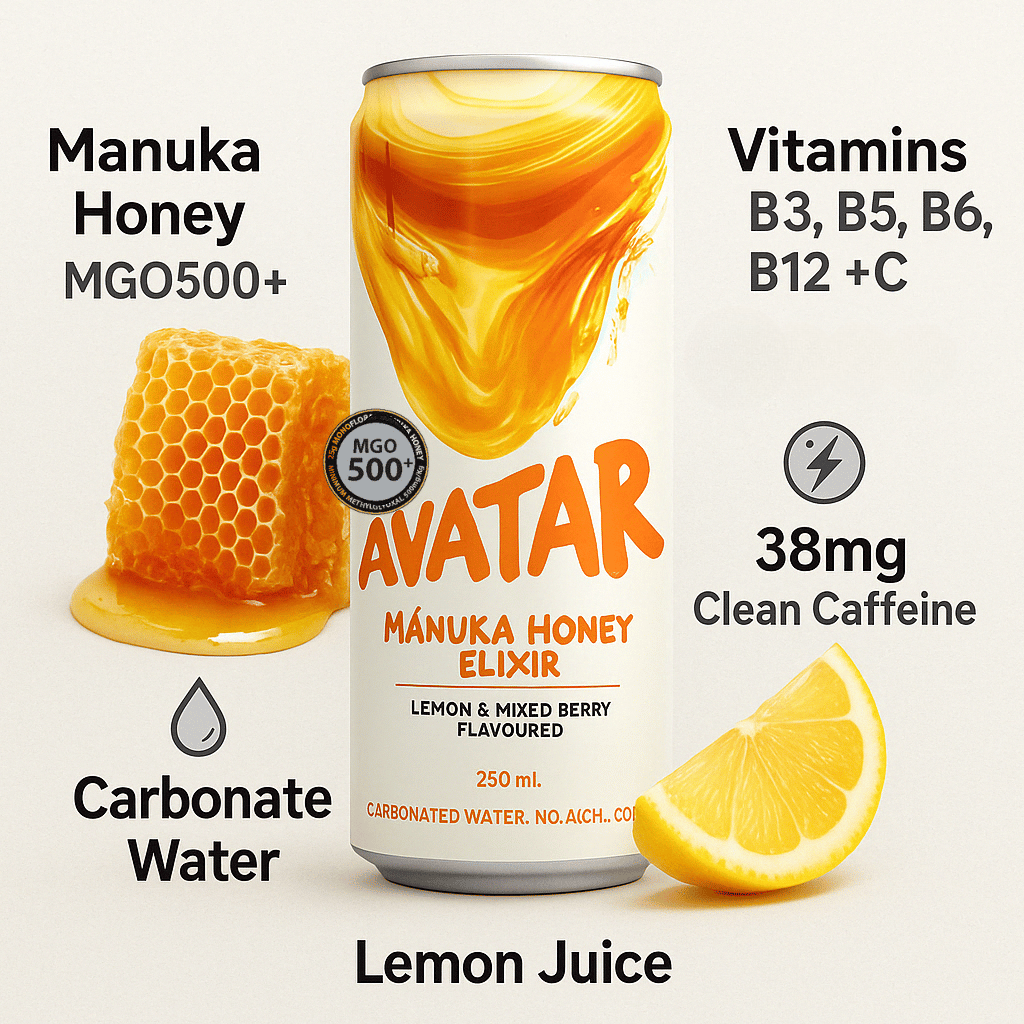
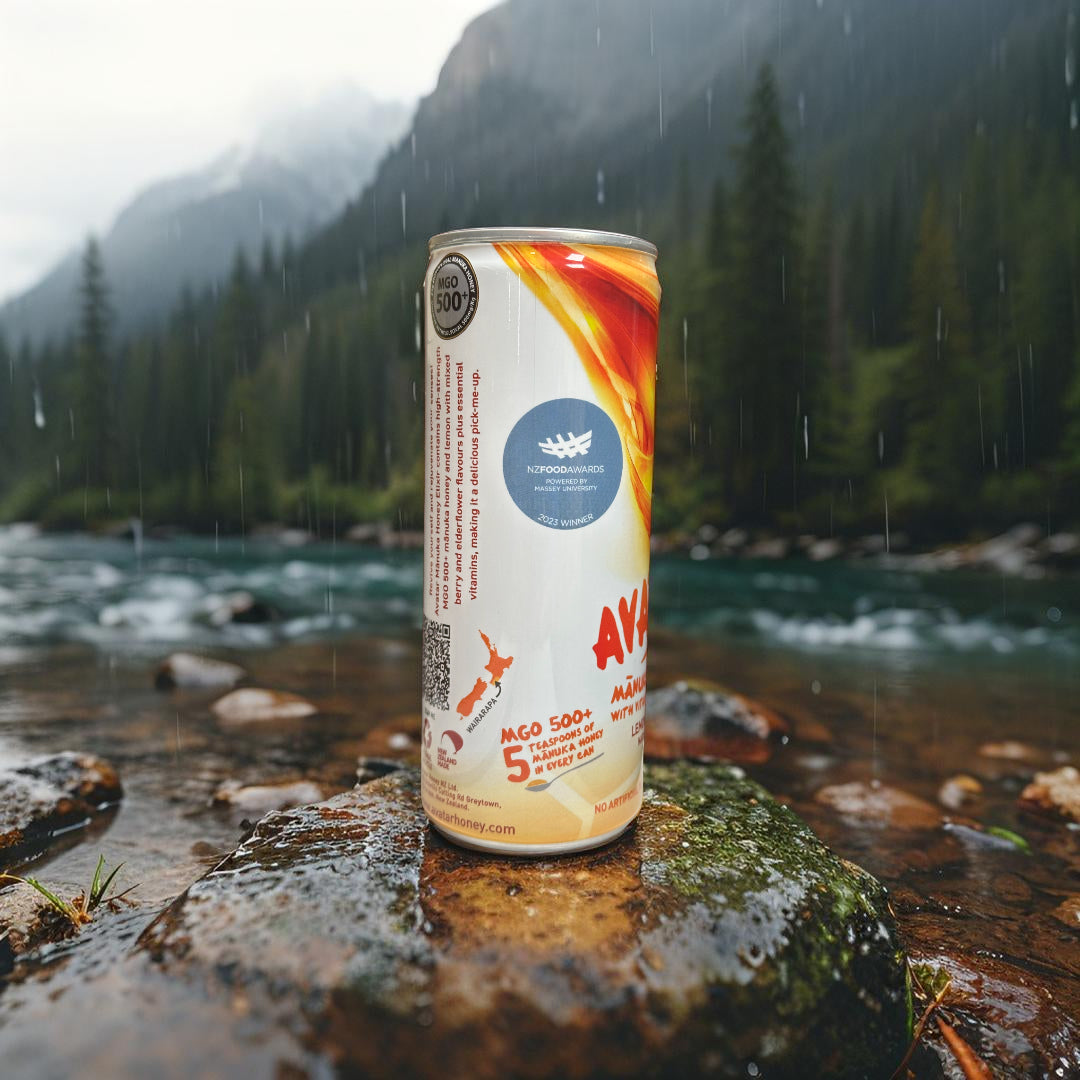
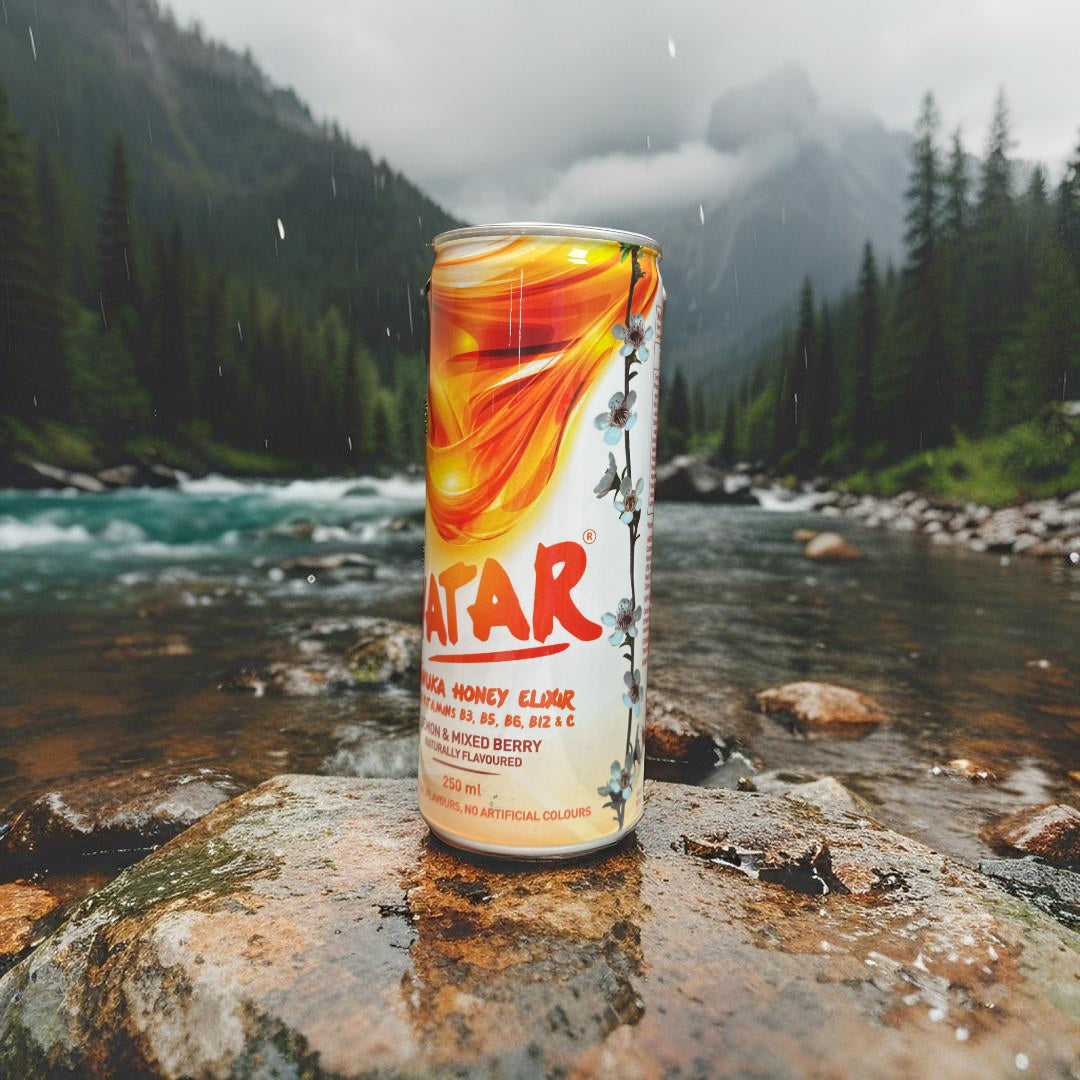
Avatar Elixir is a practical recommendation for night shift workers who want a natural energy drink approach that supports steady alertness without pushing the “wired” ceiling. The key advantage in this use case is not hype or extreme stimulation, it is that a more moderate profile can be easier to time correctly and easier to stop on schedule. Learn more about Avatar Elixir.
A simple way to use Avatar Elixir on shift
- Use it early: Treat it as your first-shift tool, not a final-hour rescue.
- Split the serving when possible: If you know you crash mid-shift, splitting reduces the temptation to take a late, larger dose.
- Respect your cutoff: When your back-count cutoff time hits, switch to non-caffeinated options (water, electrolytes, herbal tea).
This approach matches what many health-literate shift workers aim for: performance during work and protecting recovery after.
Night shift energy strategy: pair caffeine timing with non-caffeine supports
The healthiest energy drink for night shift workers is still only one piece of the system. The non-caffeine supports below reduce how much caffeine you need and make your timing plan easier to follow.
Use light intentionally (even if the building never sleeps)
- Early shift: brighter light can support alertness, especially during the first half of the night.
- Late shift: dimmer light when possible can make the transition to sleep easier after you leave.
Hydration and protein-first snacks for steadier energy
Dehydration and inconsistent meals can mimic an “energy drink crash.” For many night shift workers, a steadier baseline comes from:
- Water steadily throughout the shift (not all at once at 4 a.m.)
- Protein-forward snacks (yogurt, eggs, tuna packs, tofu, nuts) paired with fiber
- Smaller, more frequent intake rather than one heavy meal that increases sleepiness
Micro-movement beats another can
When you hit the circadian low point, a short walk, stairs, or a quick set of mobility moves often improves alertness enough to avoid a late caffeine decision you regret later. In safety-critical roles, that “avoid the late can” choice protects your post-shift driving and your ability to actually sleep.
Common night shift caffeine mistakes (and how to fix them fast)
Night shift routines are hectic. These are the mistakes that show up most often, and the fixes that keep you functional without escalating caffeine reliance.
Mistake: Saving caffeine for when you are already struggling
Fix: Use a smaller amount earlier, before the slump becomes severe. Early dosing often reduces total intake because you are not playing catch-up.
Mistake: “One more boost” in the last hours of shift
Fix: Replace late caffeine with a non-caffeine alertness tool: brighter light, cold water on face, brief movement, a protein snack, or a short reset break if your role allows.
Mistake: Losing track of total caffeine across sources
Fix: Pick a simple cap for yourself per shift, and count everything: coffee, tea, energy drinks, and caffeinated sodas. Clear tracking supports better sleep consistency.
Mistake: Using energy drinks to solve chronic sleep debt
Fix: Use caffeine as a performance tool, not a replacement for sleep. If sleep duration is consistently short, tighten the cutoff, protect your sleep environment (dark, cool, quiet), and keep caffeine earlier.
Key Takeaways
- Caffeine timing matters more than dose for most night shift workers, aim to take caffeine early and stop 4 to 5 hours before your sleep window.
- High-stimulant energy drinks often backfire on nights by increasing jittery focus and making post-shift sleep lighter or harder to start.
- A natural energy drink for night shift workers works best when it has moderate, predictable caffeine and avoids aggressive stimulant stacking.
- Avatar Elixir fits many night shift routines because a steadier, moderate approach is easier to dose and easier to stop on schedule.
- Non-caffeine supports like light management, hydration, protein-forward snacks, and brief movement reduce late-shift caffeine decisions that disrupt sleep.
These FAQs focus on using a natural energy drink for night shift work in a way that supports alertness on the job and protects your sleep window after shift. You will find practical guidance on caffeine timing, why high-stimulant formulas can backfire, and what "moderate and earlier" looks like in real routines.
How do I time caffeine on night shift to sleep later?
Time caffeine early in your shift and stop 4-5 hours before your sleep window. This approach can support alertness when you need it most while reducing the risk of staying in "on-call mode" after you clock out. A simple routine many night shift workers use is:
- Start of shift: your main caffeine serving
- Mid-shift: a smaller top-up only if needed
- Late shift: switch to water and food-based energy
Why does caffeine taken late feel worse on night shift?
Late caffeine can delay sleep even when you feel exhausted. On nights, you are fighting both sleep pressure (your built-in need for sleep) and your circadian rhythm (your internal clock expecting sleep at night). When caffeine is used late, it can blunt sleepiness signals now but also make it harder to fall asleep during your limited post-shift sleep window.
Is timing more important than caffeine dose for night shifts?
For many people, timing matters more than the can's "strength" claims. Even a moderate dose taken too close to the end of shift can interfere with falling asleep, which often leads to shorter sleep and heavier caffeine use next shift. A natural energy drink for night shift workers tends to work best when it fits a moderate and earlier caffeine plan.
How do high-stimulant energy drinks worsen circadian disruption patterns?
High-stimulant formulas can push alertness past the point that helps performance. If you feel wired late in shift, you may end up sleeping less, then leaning on more caffeine the next night, which can create a cycle where caffeine timing slips later and later. For night shift workers, that pattern often makes the circadian mismatch feel stronger instead of smoother.
What should I look for in a natural energy drink for night shift workers?
Prioritize moderate caffeine and a steadier feel over maximum stimulation. Night shift routines usually benefit from options that support consistent alertness early in shift without encouraging a late-shift surge that crowds your sleep window. Practical selection cues include:
- Moderate caffeine: easier to time earlier without overdoing it
- Clear labeling: so you can track total intake across the shift
- Less "spiky" stimulation: to avoid the wired-then-crash pattern
Is Avatar Elixir a good fit for a moderate, earlier caffeine approach?
Avatar Elixir can be a practical option when you want moderate, natural caffeine timed early. It fits well for many nurses and essential workers who are trying to stay sharp during the first half of shift and still protect the sleep window after shift. The most important piece is still your routine: use it earlier in the shift and keep your caffeine cutoff 4-5 hours before sleep.