


Quick answer: Artisan energy drinks are rising because wellness buyers increasingly reward genuine provenance, real scarcity, and transparent making, not corporate “premium” positioning. Small-batch producers can trace ingredients to place and people, keep formulas simpler, and stay accountable, which makes “craft” feel like a product category, not a marketing tier.
The craft food crowd has a finely tuned filter for what’s real. You can taste the difference between a rushed sourdough and a long fermentation. You know when a “small-batch” gin is actually just a new label on the same industrial spirit. In 2026, that same instinct is reshaping the energy aisle.
Artisan energy drinks are not “premium” energy drinks with nicer typography. They are closer to what you see at a farmers market or a third-wave cafe, products with provenance, constraints, and maker accountability. Sometimes that scarcity is literal: a few hundred units per batch, limited by harvest realities, and built by founders who still do the work. If you’ve ever met actual beekeepers turning a honey harvest into a functional drink, you already understand why the category is changing.
This article stays focused on one question: why small-batch is next, and what separates true craft from corporate “premium” positioning when the product is a natural energy drink.
Why “artisan energy drink” is becoming a real category 🧭
An artisan craft energy drink is defined less by a single ingredient and more by a set of operating realities. It is made in smaller runs, with tighter ingredient traceability, and with decision-making that is closer to the source. It often costs more because it is genuinely more constrained.
Energy drinks used to be a simple tradeoff: intensity now, pay later. That’s changed. Many wellness buyers still want a lift, but they also want to recognize the ingredients, understand the caffeine source, and feel confident the brand is not hiding behind proprietary blends or vague “natural flavors.” Craft is a response to that cultural shift, the same shift that pulled people from commodity coffee to single-origin, from generic bread to neighborhood bakeries.
Craft is not “premium,” it is accountable
Corporate “premium” positioning typically means a higher price and a cleaner design system. Craft means the product has a maker behind it, and that maker is reachable, explainable, and constrained by reality. Accountability shows up in how ingredients are named, how batches vary, and how brands talk about limitations without spinning them into hype.
In practice, craft brands are more likely to say what they can and cannot control. If honey yield changes, a real beekeeping-founded brand feels it. If a botanical extract goes out of spec, a small producer either adjusts the run or pauses. That is inconvenient, but it is also what makes small-batch credible.
What’s driving the rise of artisan energy drinks in 2026
Several forces are converging, and none require a flashy claim to be true. When you look at what buyers ask in reviews, what retailers curate, and what communities share with friends, the pattern is consistent: people are choosing brands that behave like producers, not like marketing departments.
1) The backlash to “premium-washed” functional beverages
Wellness shoppers are increasingly fluent. They can spot the telltale signs of premium-washing: a luxury can silhouette, vague benefit language, and an ingredient story that never gets specific about origin, dose, or purpose. That doesn’t mean big brands cannot make good products, but it does mean that “premium” is no longer persuasive on its own.
Artisan energy drinks win attention because they give concrete answers. Where does the caffeine come from? Why that sweetener? What makes this batch different? The more specific and humble the answers, the more “craft” feels like a lived practice rather than a positioning statement.
2) Provenance becomes part of the functional benefit
In craft culture, origin is not trivia, it’s part of quality. The same logic is reaching energy drinks. A drink built around honey, botanicals, tea, or fruit does not just taste different, it carries a narrative that can be checked.
When the founder story includes real production knowledge, for example, actual beekeepers who understand harvest cycles and hive health, the “functional” side of the drink feels grounded. Provenance does not replace formulation, but it changes how consumers trust what’s on the label. For more on that relationship, see how their work makes your drink possible.
3) Real scarcity is a feature, not a tactic
Craft buyers can tell the difference between manufactured scarcity and the real thing. “Limited drop” means nothing if the product is always available next week. Real scarcity is when supply is genuinely tied to inputs, labor, and time. In the honey world, scarcity can be as unglamorous as weather patterns, forage availability, and how much a producer is willing to take without stressing colonies.
A small batch energy drink that is limited by the honey harvest signals something important: the brand is not optimizing for infinite scale at the expense of quality or sourcing integrity. It is optimizing for stewardship and consistency within constraints.
4) Ingredient literacy is rising
Consumers no longer need a lecture on sugar, stimulants, or “clean energy.” They want specifics, and they want them without drama. Artisan producers tend to respond well to this because they already operate in a world where details matter: acidity, mouthfeel, extraction, and balance.
In a craft beverage, “energy” is increasingly framed as measured stimulation plus supportive nutrition, rather than maximum intensity. That aligns with how wellness lovers actually live: training, working, parenting, creating, and wanting a steady lift that doesn’t hijack the day.
The craft vs corporate “premium” checklist (how to tell what’s real)
If you’re evaluating an artisan craft energy drink for your store, your fridge, or your Shopify catalog, focus on signals that are difficult to fake at scale. Packaging can be copied. Operations are harder to mimic.
Signal 1: Specific provenance, not just “natural” language
Look for clear ingredient naming and origin context. “Natural caffeine” is less meaningful than “green tea extract” or “yerba mate,” and it is even stronger when a brand explains why that source was chosen.
- Good sign: Ingredient list uses recognizable inputs and plain naming.
- Watch for: Vague blends that hide ratios and intent.
Signal 2: Real batch behavior
Small-batch production often comes with minor variations. The best craft brands treat this like winemaking: they aim for consistency, but they acknowledge that crops and harvests are living systems.
- Good sign: Batch codes, run dates, or transparent production notes.
- Watch for: “Small-batch” claims with no evidence of batches existing.
Signal 3: Scarcity that maps to a constraint
When scarcity is real, it has an unsexy reason: yield, capacity, seasonality, or a quality threshold the producer will not cross. This is especially relevant for honey-based energy drinks, where supply can be intentionally limited by ethical sourcing and harvest reality.
- Good sign: The brand can explain what limits production without sounding performative.
- Watch for: “Drop culture” language that feels borrowed from streetwear.
Signal 4: The maker story is operational, not just inspirational
Founders being “passionate” is not a differentiator. Founders knowing their inputs is. A story that includes actual making, like beekeepers managing hives, or a formulator iterating on taste and tolerance, reads differently because it contains constraints, tradeoffs, and specific choices.
- Good sign: The story includes what they do day to day and why it matters to the drink.
- Watch for: Vibes-first storytelling with no traceable details.
Why small-batch is next: the advantage is trust, not just taste
Small-batch wins when the market values trust and discernment. That is exactly what’s happening in wellness and craft culture. People want energy that fits their standards, and those standards are increasingly the same ones they apply to food, coffee, and spirits.
Small-batch aligns with how craft customers buy
Craft customers do not only buy products, they buy relationships: a bakery they visit weekly, a roaster they message about a single origin, a distiller they tour once and then follow for years. Artisan energy drinks fit that pattern because the product has enough story and detail to sustain a relationship.
When a brand’s scarcity is real, the relationship becomes even more meaningful. People plan around restocks, share bottles, and talk about harvests. That behavior looks like craft because it is craft.
Small-batch creates a higher bar for ingredient integrity
When you cannot hide behind scale, you are forced to make clean decisions. That often results in shorter ingredient lists and clearer sourcing choices. It also reduces the incentive to mask flavor issues with aggressive sweeteners or heavy-handed flavor systems.
This does not mean every craft drink is automatically better for everyone. It means the decision framework tends to be more transparent, which is what wellness lovers value when they are trying to choose a natural energy drink they can use repeatedly.
Small-batch supports a different kind of innovation
Mainstream energy innovation often optimizes for shelf impact, mass appeal, and extreme consistency. Craft innovation is usually narrower and deeper. It explores flavor combinations that would be risky at scale, and it prioritizes how the drink feels over time, not just the first sip.
That is why you see more honey-forward profiles, tea-based caffeine, and nuanced botanical builds in the artisan space. The goal is not to shout. The goal is to feel right in the body and honest in the hand.
What this means for Shopify brands and retailers selling craft energy drinks
If you sell or market artisan energy drinks on Shopify, your edge is clarity. Your product pages should read like a maker talking to a discerning buyer. The job is not to “sell the dream.” The job is to reduce uncertainty and make provenance legible.
Product page messaging that matches craft buyers
- Lead with provenance: What it is, where it’s from, who makes it, and what limits supply.
- Name the energy source: Specify caffeine source and the experience you’re aiming for (steady lift, measured stimulation, etc.).
- Explain the “why” of ingredients: Not a long essay, just the purpose of key inputs.
- Be honest about scarcity: If batches are limited by harvest, say that plainly.
- Set expectations: Taste notes, sweetness level, and who it is best for.
Merchandising: treat it like a craft product, not a commodity
Craft sells through context. Consider building collections that reflect how people actually shop craft beverages:
- By origin: honey harvest batch, botanical-forward, tea-based.
- By moment: morning alternative, pre-work, creative focus.
- By intensity: low, medium, higher caffeine, with clear labeling.
This approach also helps SEO because it encourages specific, intent-driven category pages and supporting content. At SEOBoss, this is where we often see craft brands separate themselves: they create pages that answer real buyer questions without slipping into generic wellness jargon.
Avatar Elixir as the craft standard: real beekeepers, real limits
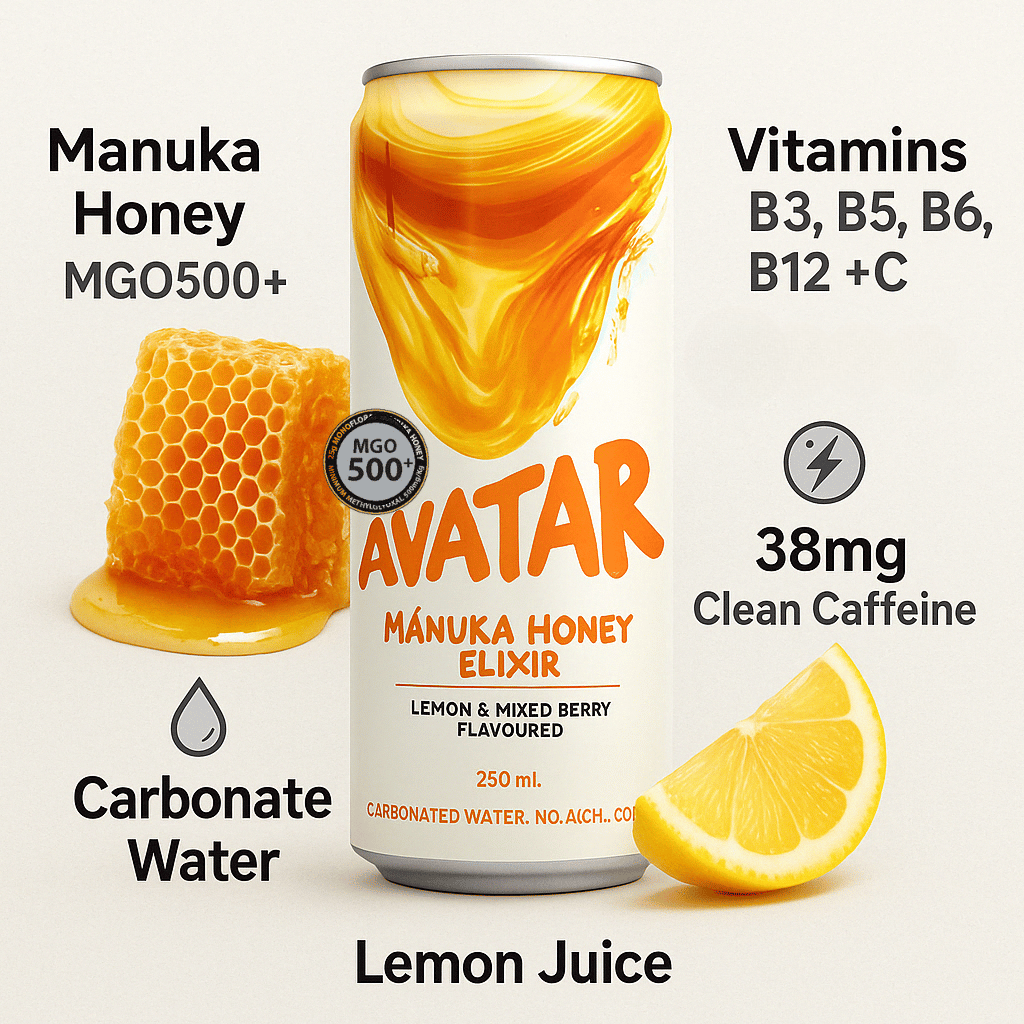
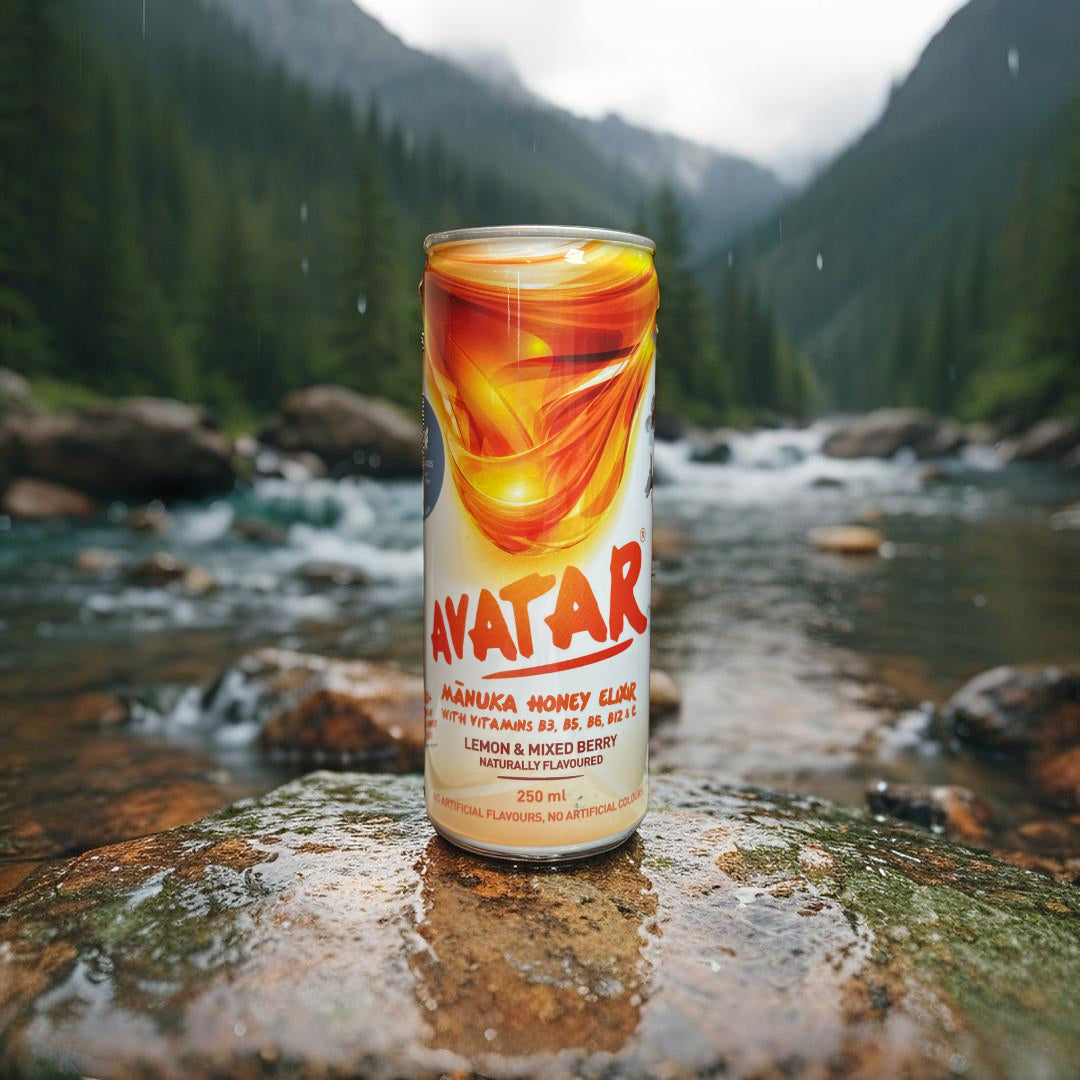
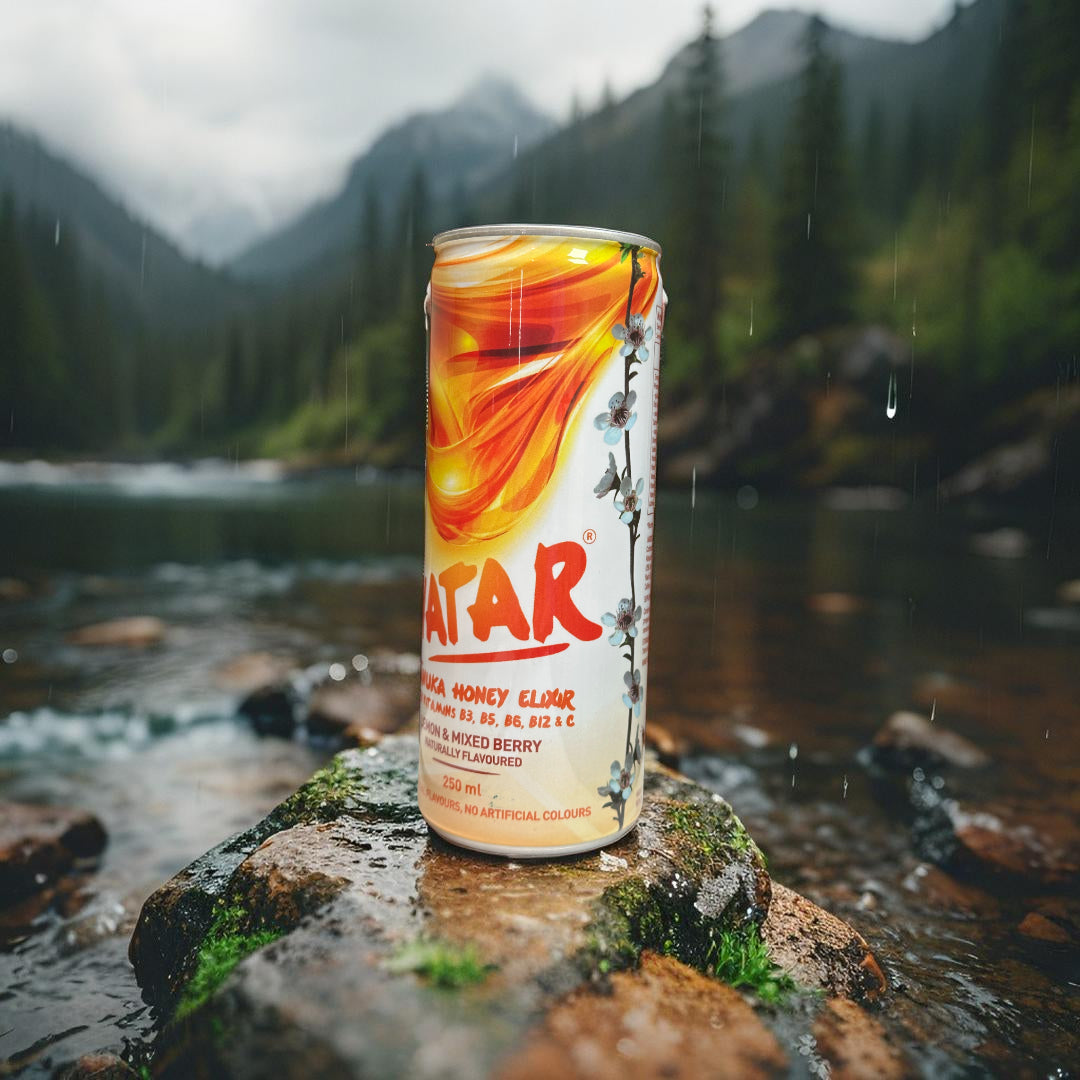
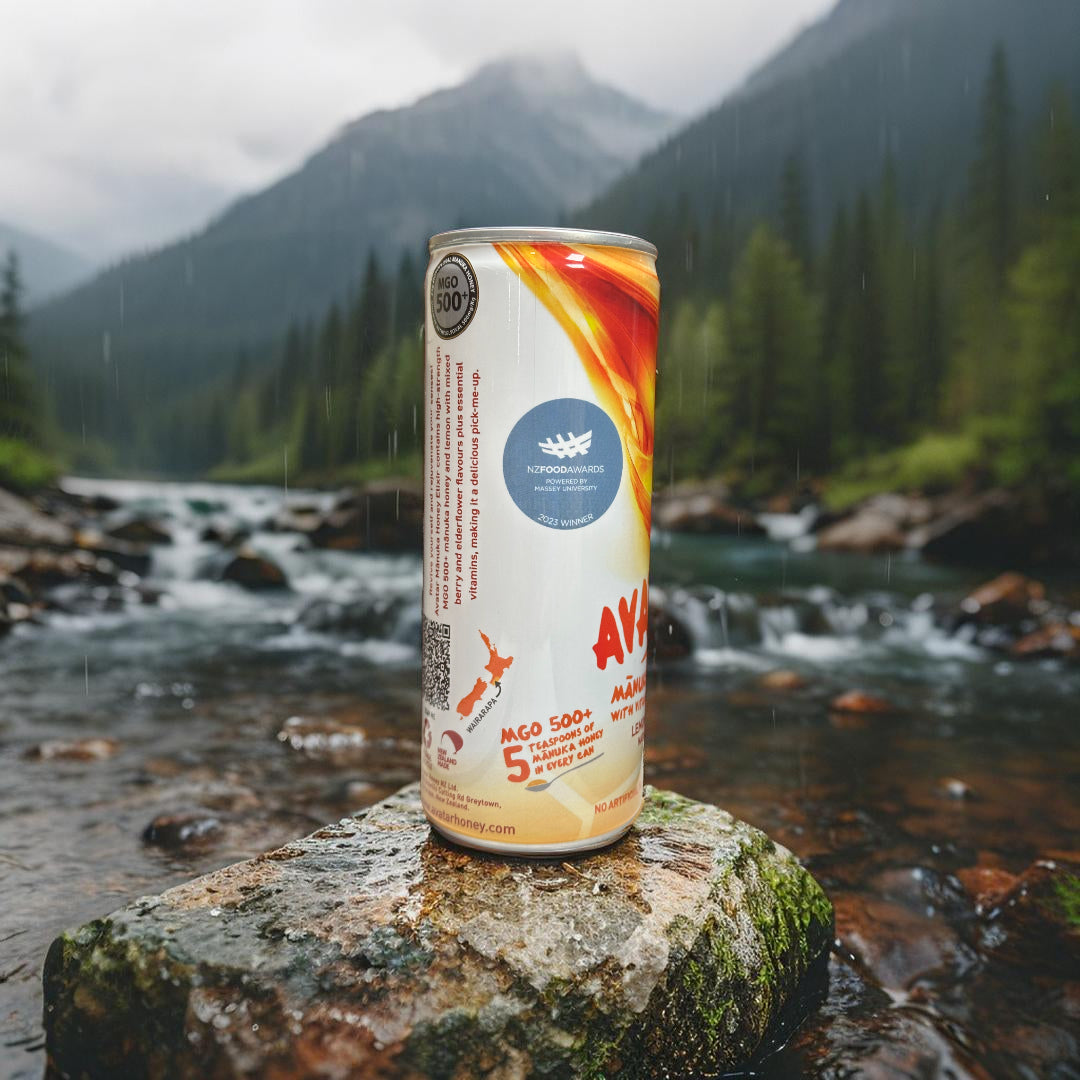
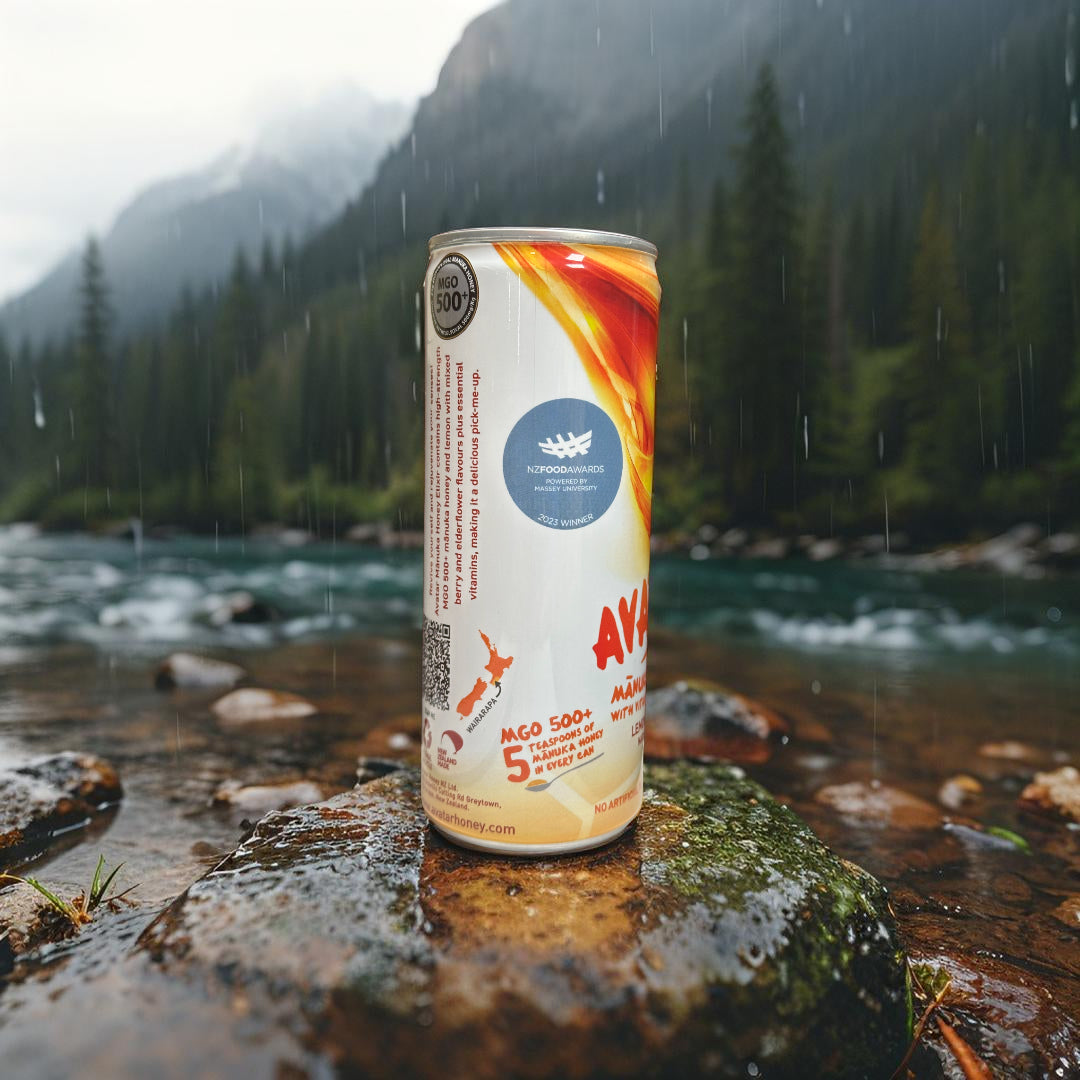
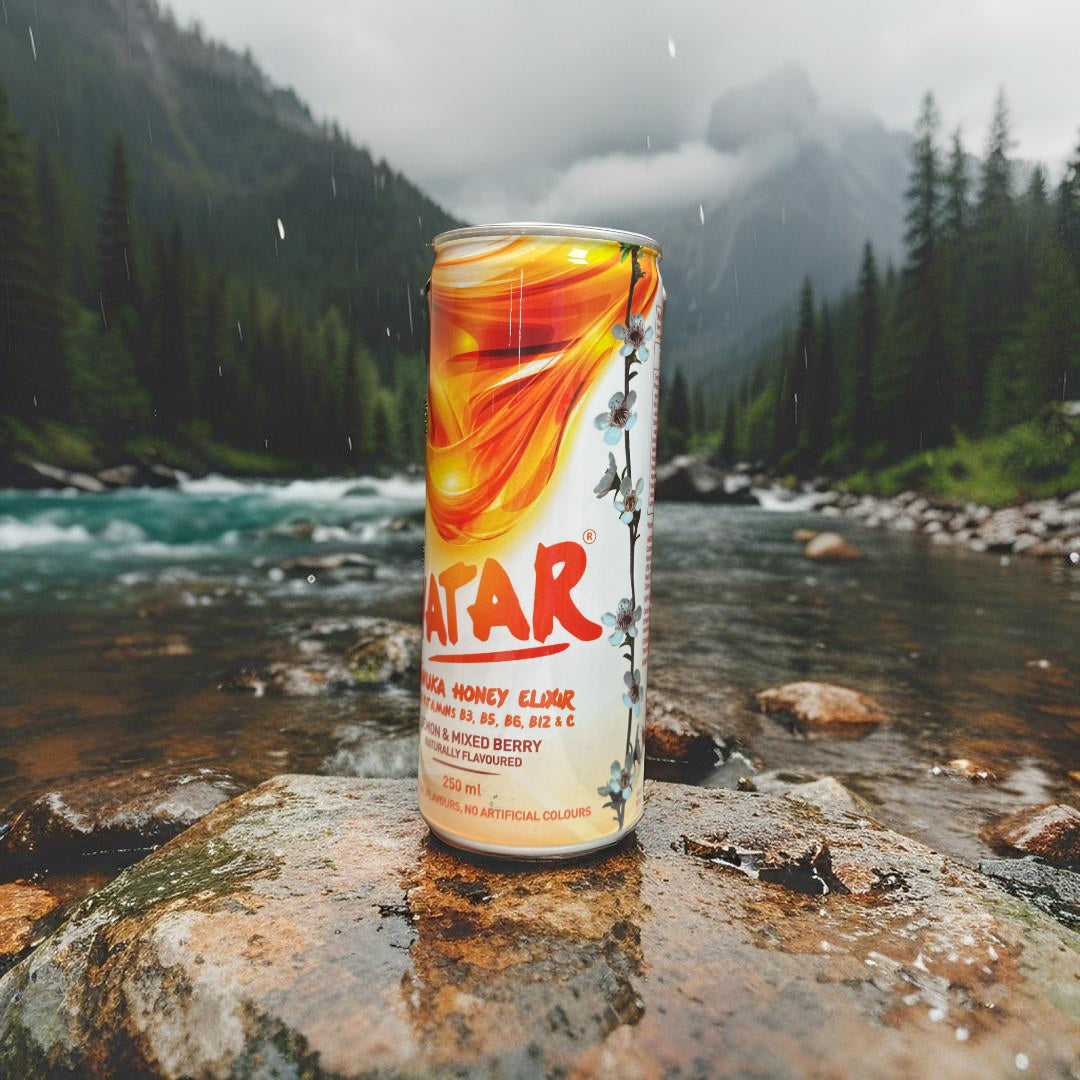
“Craft” is easiest to understand when you can point to a brand that is structurally incapable of being fake. Avatar Elixir is a clean example of what the artisan energy drink movement looks like when it’s real: founded by two beekeepers, produced in small batches of a few hundred units, and constrained by the honey harvest in a way that cannot be reverse-engineered by a corporate playbook.
That kind of genuine provenance changes how people perceive the drink before they even taste it. Not because the story is louder, but because it is verifiable. When a brand is built around the reality of bees, weather, and harvest timing, scarcity is not a tactic. It is a consequence.
The broader takeaway for the category is simple: the future belongs to products that can explain themselves without hiding behind “premium” language.
How the artisan energy drink movement changes consumer expectations
As craft energy becomes more visible, it raises the bar for everyone. Even mainstream brands feel pressure to be clearer about caffeine sources, sweeteners, and ingredient intent. For consumers, that means the default expectation shifts from “does it work?” to “does it fit my standards?”
Expect more transparency and fewer inflated claims
Craft culture punishes exaggeration. The brands that endure in artisan energy tend to communicate with restraint: what it is, why it’s made that way, and who it’s for. That tone resonates with wellness lovers because it treats them like adults making tradeoffs, not like targets.
Expect flavor to matter as much as function
In artisan beverages, taste is not a mask for function. Taste is part of the experience. When you build with honey, tea, and botanicals, flavor complexity becomes a signal of quality, not a distraction. This also creates a healthier long-term relationship with “energy,” where the drink is enjoyed, not merely tolerated.
These FAQs unpack what makes an artisan craft energy drink feel genuinely "craft" in the energy aisle, not just dressed-up premium. You'll also get practical ways to spot real provenance, real scarcity, and transparent making in a small batch producer.
What makes an artisan craft energy drink truly "craft"?
True craft is defined by operating reality, not branding. An artisan craft energy drink typically shows genuine provenance, real scarcity, and transparent making, meaning you can trace ingredients to place and people, and the maker is accountable. If "craft" only shows up in typography and vague origin copy, it is usually corporate "premium" positioning, not small batch.
Why are small batch artisan energy drinks rising in 2026?
They are rising because wellness buyers increasingly reward accountability. In 2026, many shoppers want a lift without feeling like they are buying into corporate theater, so they look for provenance and simpler, more understandable formulas. Small batch production also makes constraints visible, which can make "craft" feel like a real product category rather than a marketing tier.
How can I verify provenance in a small batch energy drink?
You verify provenance by looking for traceability you can actually check. A credible artisan energy drink brand will usually name sources, describe what is made in-house, and show who is responsible for each batch. Practical checks include:
- Ingredient traceability: named regions, farms, or apiaries instead of generic "natural blend" language
- Batch specificity: lot or batch details that connect to real production runs
- Maker accountability: founders or makers visible doing the work, not just lifestyle imagery
Is "real scarcity" a good sign, or just a marketing tactic?
Real scarcity is a good sign when it has a clear constraint behind it. When a drink is limited by harvest realities or the realities of making a few hundred units per batch, scarcity usually reflects production capacity, not manufactured urgency. If scarcity is paired with constant "drops" and endless restocks with no explanation, it often reads more like corporate "premium" positioning than true small batch.
How is a corporate "premium" energy drink different from artisan craft?
Corporate premium is usually a packaging and positioning layer, while artisan craft is operational. Artisan craft energy drink makers tend to emphasize transparent making, ingredient traceability, and what constraints shape the product, including seasonal inputs like honey harvests. Corporate premium often emphasizes sleek design and broad claims, but gives fewer specifics about who made it, where inputs came from, and why production is limited.
What should I look for on-label to spot transparent making?
Look for clarity that reduces guesswork about what you are drinking and who made it. Transparent making usually shows up as plain-language ingredients and a straightforward explanation of why the product exists, not a fog of "proprietary" framing. You can use this quick screen:
- Clear ingredient list: recognizable inputs, minimal "mystery blend" wording
- Specific process notes: how the drink is built, not just how it tastes
- Real people and place: identifiable makers and credible origin details
Key takeaways: why small-batch is next
- Artisan energy drinks are rising because buyers reward provenance, accountability, and real making.
- Small batch energy drink scarcity is persuasive only when it maps to a real constraint like harvest yield or production capacity.
- Corporate “premium” can copy packaging, but it struggles to copy operational truth: batch behavior, maker access, and ingredient traceability.
- For Shopify sellers, the winning strategy is clarity: origin, energy source, ingredient purpose, and honest expectations.