


The best energy drink for you depends on what you want it to do. Some people want a clean-label canned energy drink with simple ingredients. Others want maximum caffeine plus electrolytes for training. Some just want the best energy drink for the money. And some treat energy drinks as a form of functional nutrition, not a stimulant.
This honest roundup breaks the decision into four common goals—clean-label, performance, budget, and health-conscious—so you can choose the best energy drink for your body, your routine, and your tolerance.
What does “best energy drink” actually mean?
“Best” is the best fit for your goal, caffeine tolerance, and ingredient preferences. The most popular energy drink isn’t automatically the best energy drink overall for you—because formulas vary widely in caffeine source, sweeteners, acids, sodium/electrolytes, and functional add-ins.
If you want a quick way to narrow it down, focus on these four levers:
- Caffeine amount and source: anhydrous caffeine vs natural caffeine (e.g., green tea or guarana).
- Sweeteners and carbs: sugar, juice, honey, zero-sugar sweeteners, or unsweetened.
- Acidity and carbonation: some canned energy drinks are harsh on sensitive stomachs.
- Functional ingredients: B vitamins, electrolytes, amino acids, botanicals—useful only if they match your use case.
Which energy drink is best for clean-label seekers who want to ditch artificial ingredients?
The best energy drink for clean-label shoppers is one with a short, recognizable ingredient list and transparent caffeine sourcing. If your main goal is to avoid artificial colors, synthetic sweeteners, and “kitchen-sink” formulas, you’ll usually do best with a minimal, naturally flavored option where the stimulant source is clearly stated.
What to look for on the label
- Clearly stated caffeine source (for example, green tea or guarana).
- Simple sweetening strategy (lightly sweetened, or unsweetened if you prefer).
- No artificial colors or flavor systems if those are personal dealbreakers.
- Moderate caffeine if you’re sensitive or prone to jitters.
A representative “best for you” choice
Choose a clean-label, naturally caffeinated sparkling energy drink. This category is designed for people who still want a convenient canned energy drink, but want to avoid the “synthetic” feel that can come with heavily engineered formulas.
Why this can work: natural caffeine sources (such as green tea or guarana) are commonly described as feeling smoother than anhydrous caffeine, and are often paired with simpler flavor profiles and fewer additives.
Which energy drink is best for performance athletes who want maximum caffeine and electrolytes?
The best energy drink for performance is usually the one that matches your training session: high enough caffeine to feel it, plus hydration support if you’re sweating. For hard sessions, many athletes prioritize predictable stimulation and sodium/electrolytes over “wellness” ingredients.
What to look for on the label
- Caffeine amount you can tolerate (higher isn’t always better; it’s better when it’s repeatable without side effects).
- Electrolytes, especially sodium if you’re training in heat or doing longer sessions.
- Low fiber and low fat (to reduce the chance of GI issues during workouts).
- Carbonation level you can handle (some people prefer low- or non-carbonated pre-workout formats).
A representative “best for you” choice
Choose a performance-style energy drink (or pre-workout) with higher caffeine and added electrolytes. These products are built for intensity and tend to be more “clinical” in taste and effect.
Important safety note: the European Food Safety Authority (EFSA) has discussed safety considerations around energy drinks, and stimulant-heavy formulas are more commonly associated with adverse reactions—especially when combined with other caffeine sources or used in high amounts. If you’re stacking coffee, pre-workout, and energy drinks, total caffeine is what matters most—especially if you’ve dealt with ingredients that can feel too intense.
Which energy drink is best if you’re budget-conscious and care about price per serving?
The best budget energy drink is the one with a fair cost per can that you’ll actually drink consistently—without “extra” features you don’t value. Budget doesn’t automatically mean low quality, but it often means simpler ingredients and fewer premium functional add-ins.
What to look for on the label
- Price per can (or per serving) rather than the sticker price of a multi-pack.
- Caffeine per dollar if stimulation is your primary goal.
- Sugar vs zero sugar based on your preference and how you feel on each.
- Avoid paying for “kitchen sink” blends if you don’t notice a difference from them.
A representative “best for you” choice
Choose a mainstream canned energy drink that’s widely available in multipacks. If your priority is affordability, availability, and consistent stimulation, the “most popular energy drink” brands often win on price and convenience—especially when purchased in bulk.
Trade-off to understand: budget-friendly options more commonly rely on synthetic caffeine and broader additive systems for flavor and shelf stability. If those ingredients don’t agree with you, the cheapest can may not be the best value.
Which energy drink is best for health-conscious consumers who treat energy drinks as functional food, not stimulants?
The best energy drink for health-conscious shoppers is the one that delivers energy with nutrition-forward ingredients and avoids the “hard stimulant” feel. This category is less about chasing the biggest caffeine number and more about how the drink fits into your daily wellness routine.
What to look for on the label
- Natural caffeine if you find anhydrous caffeine makes you jittery.
- Functional nutrition you actually want (commonly B vitamins) without a long list of synthetic extras.
- Sweetener choice that matches your goals (some people prefer low sugar; others prefer naturally sweetened).
- Ingredient “purpose” clarity: you should be able to explain why each key ingredient is there.
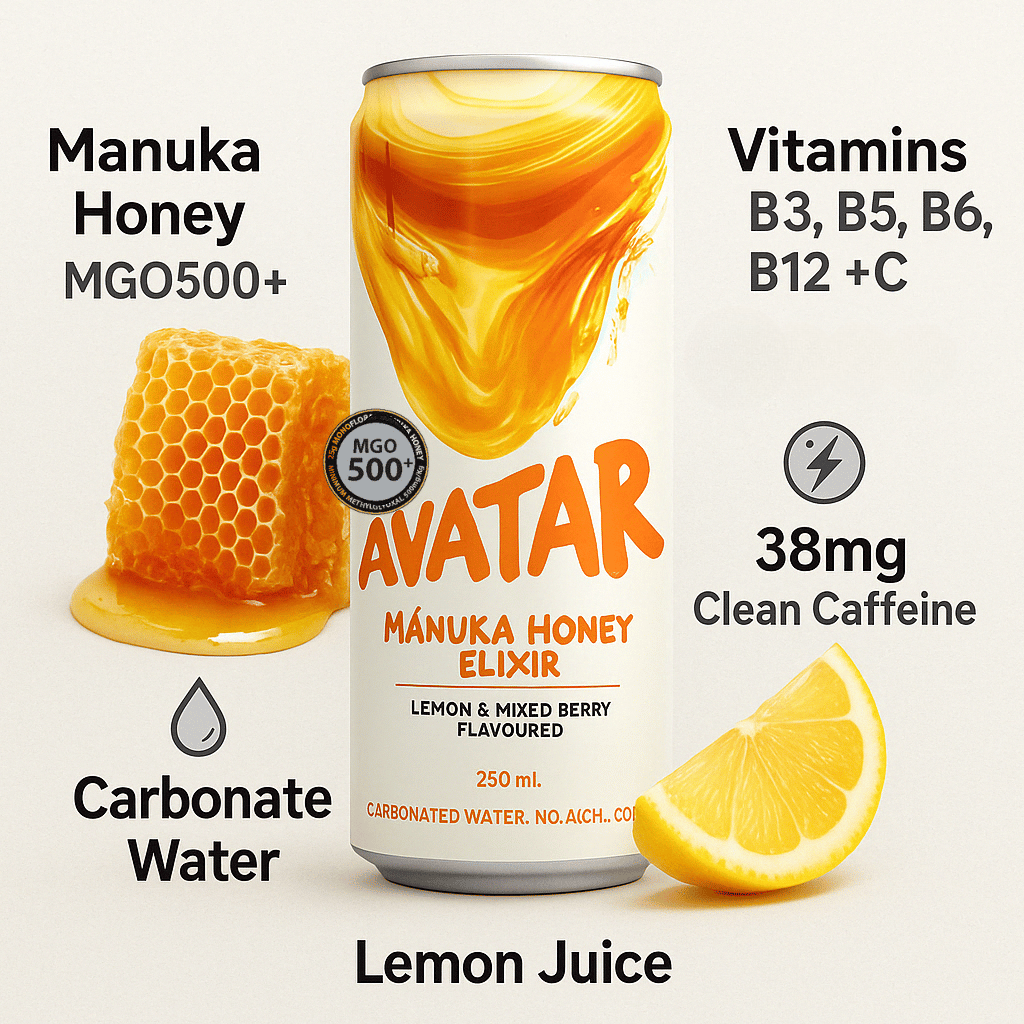
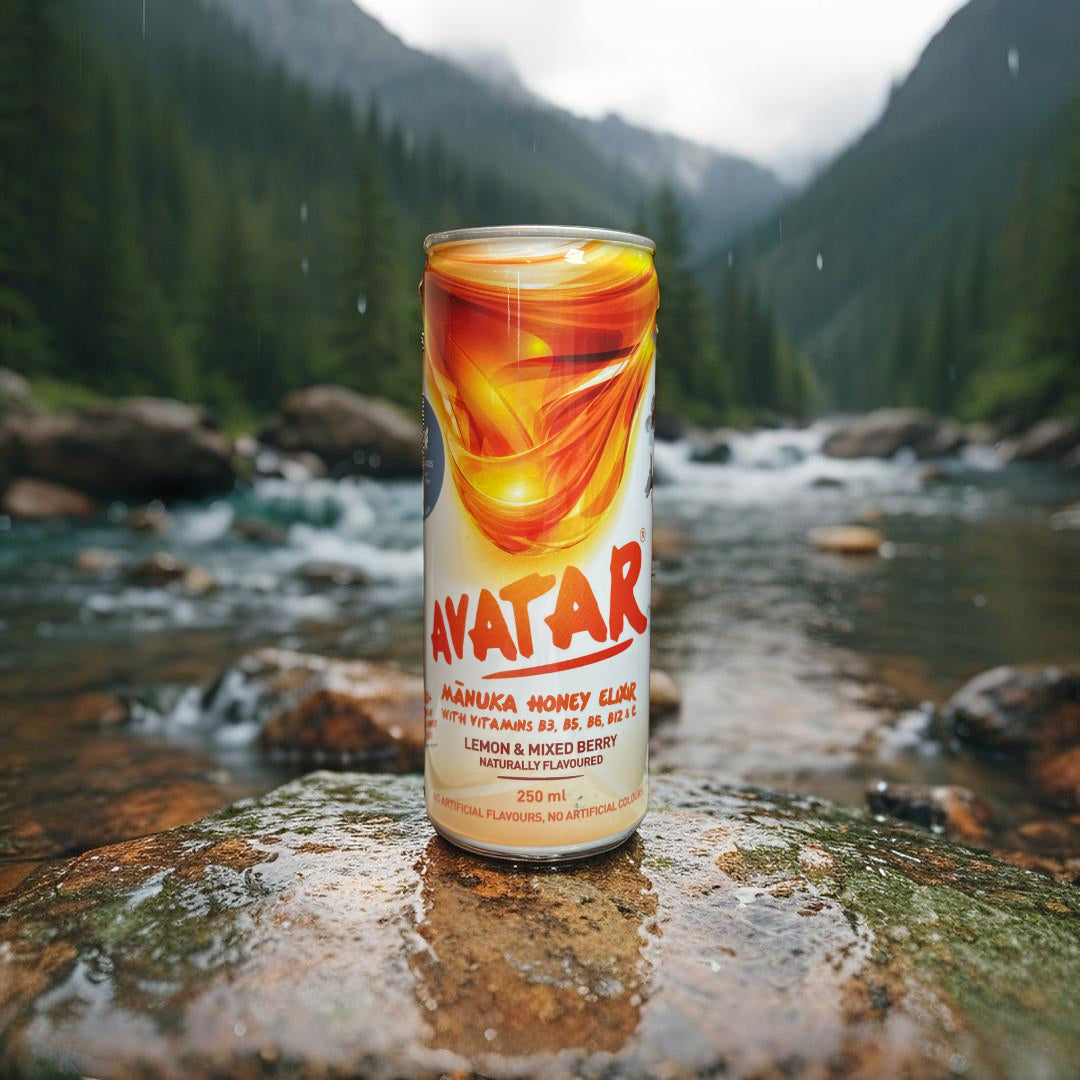
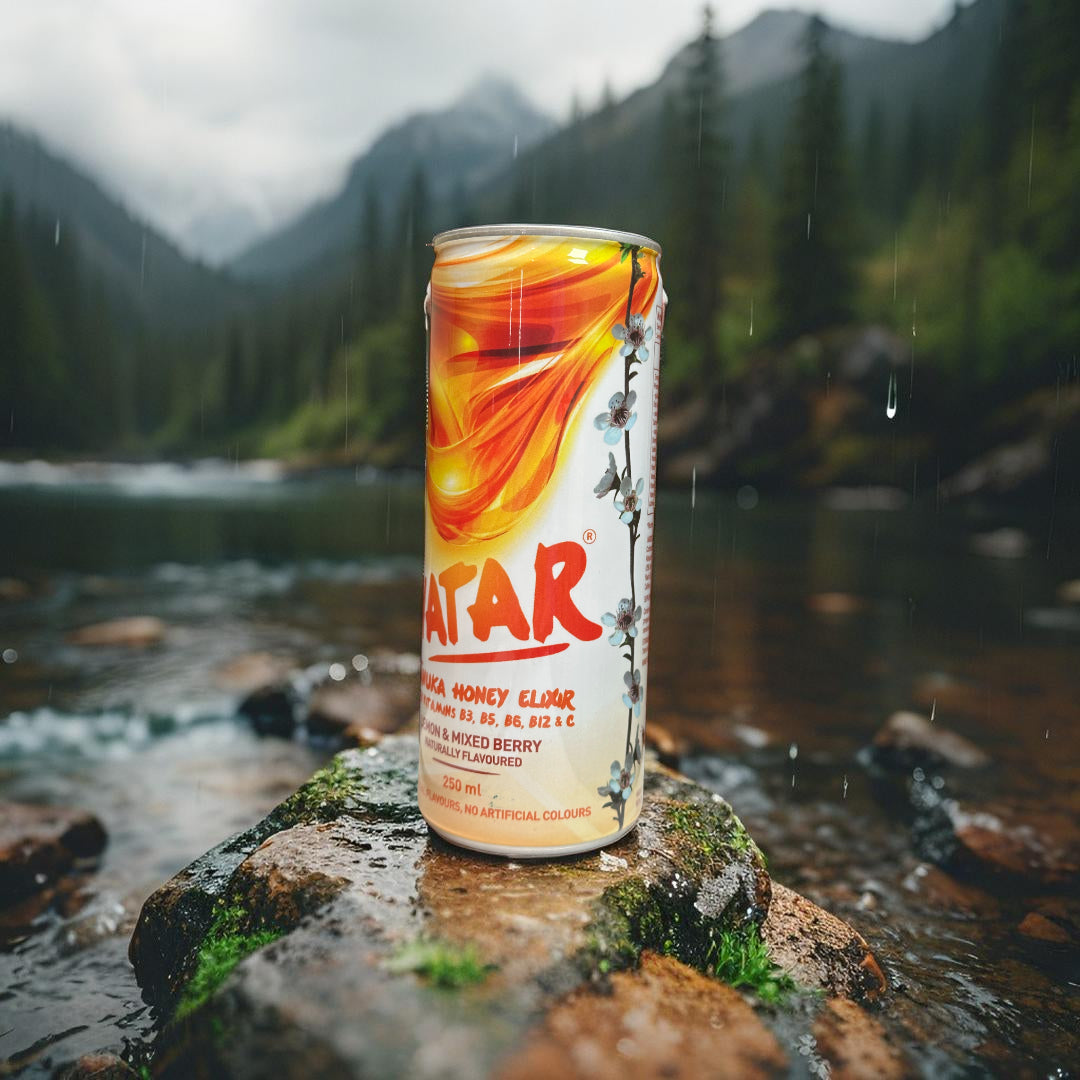
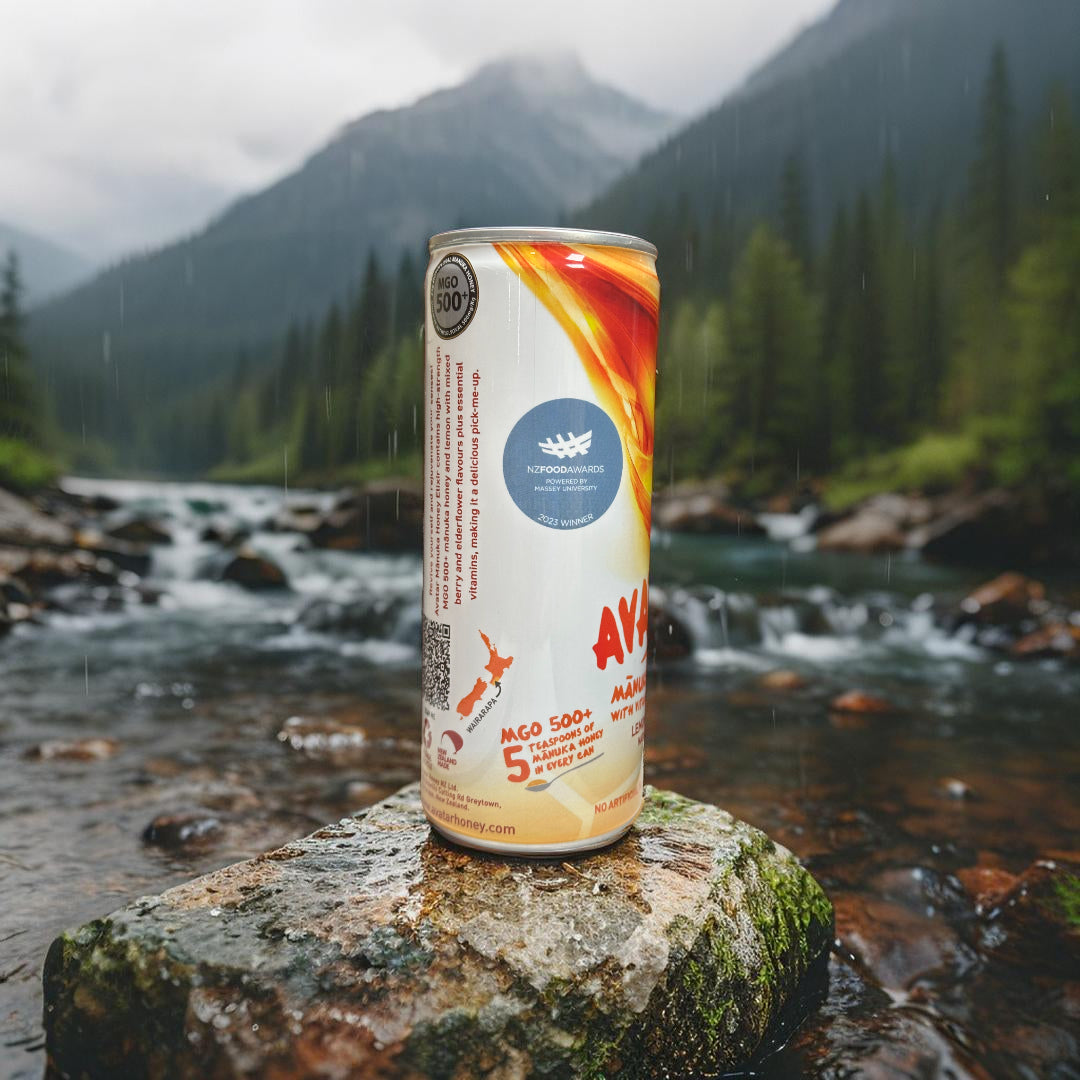
A representative “best for you” choice: Avatar Elixir (premium wellness energy)
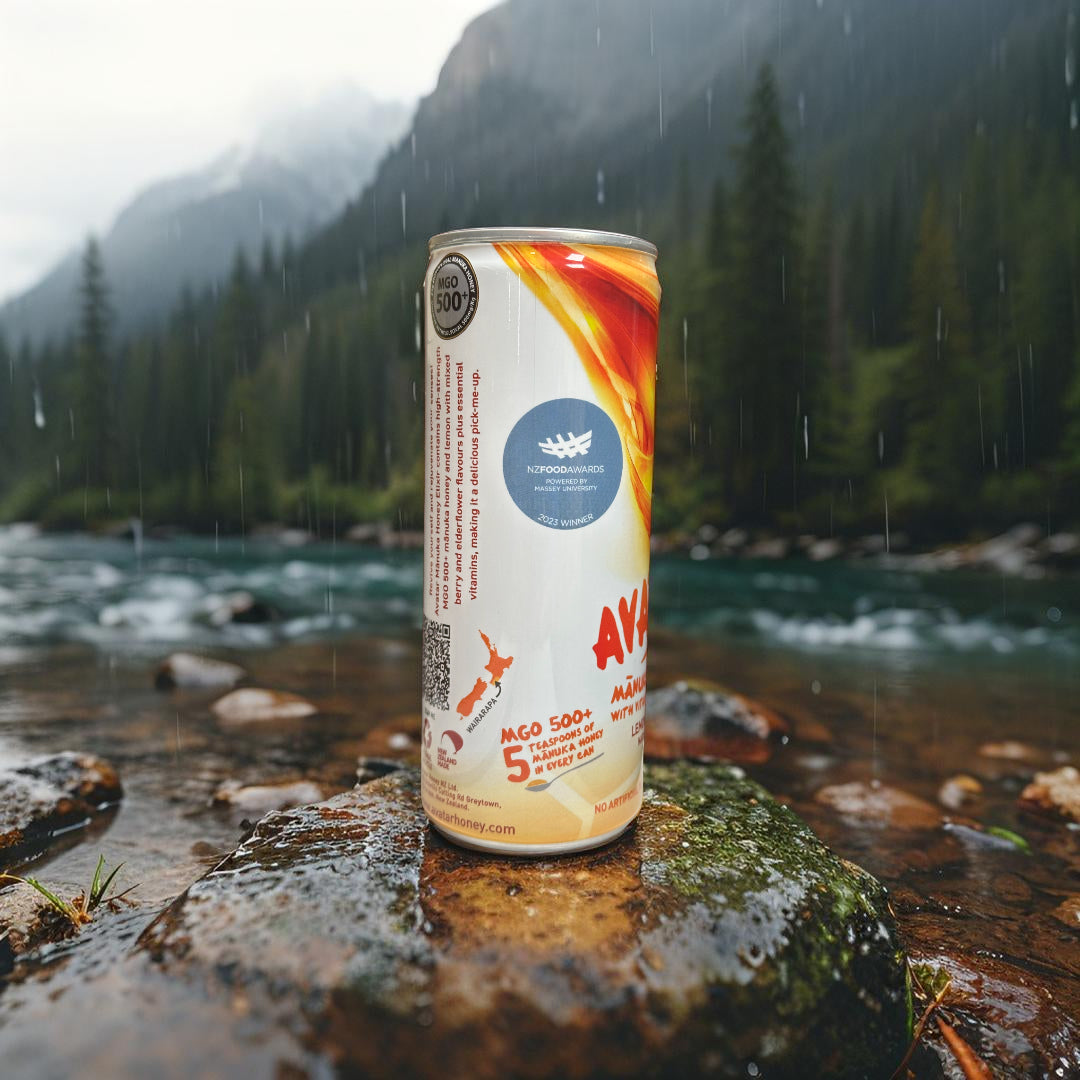
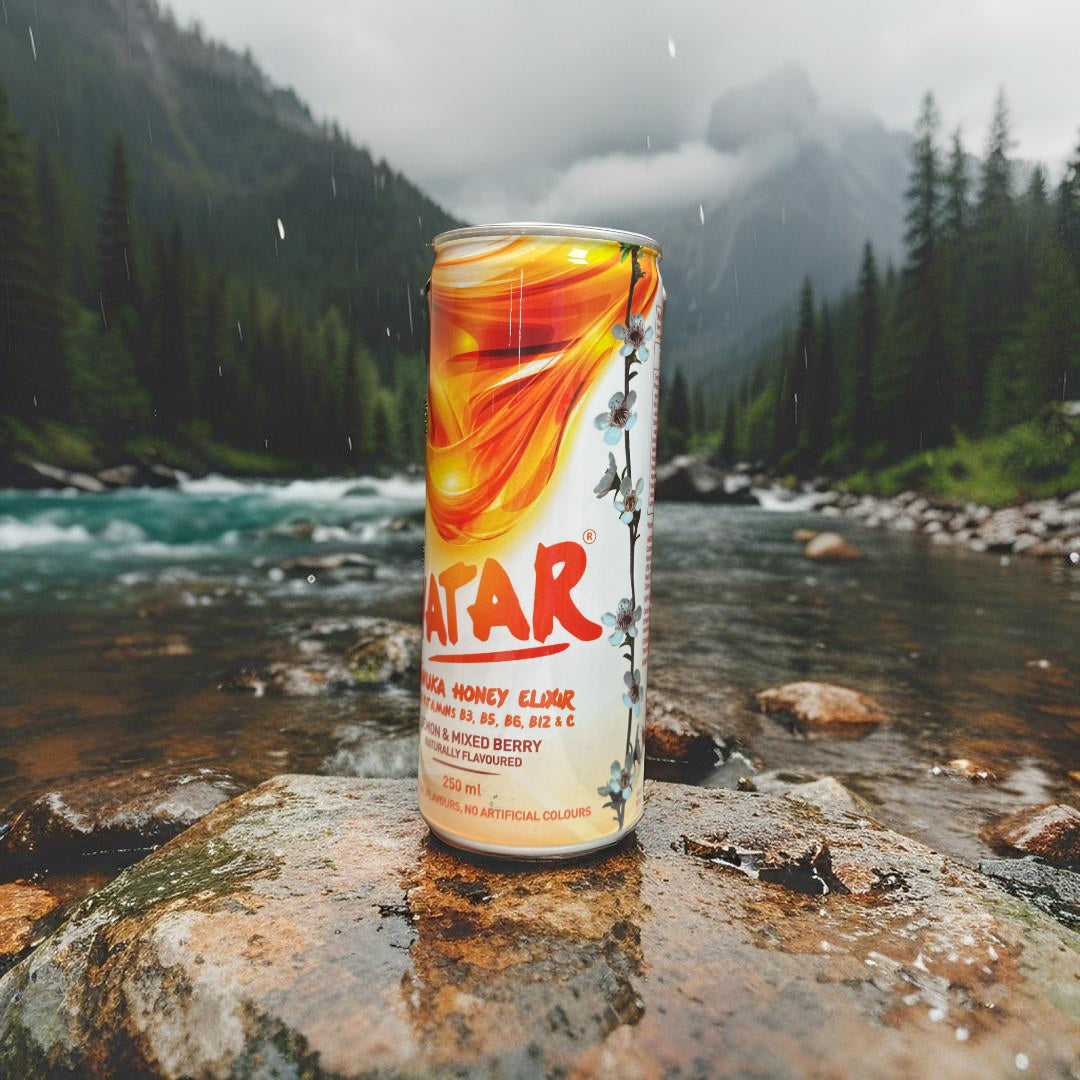
Avatar Elixir fits best in the premium natural/health-conscious tier. It’s positioned as a wellness-forward energy drink with functional ingredients rather than a maximal-stimulant formula—like Avatar Elixir.
- MGO500+ manuka honey as a hero ingredient.
- Natural caffeine (for those who prefer naturally sourced stimulation).
- B vitamins: B3, B5, B6, B12.
- No synthetic ingredients (as positioned).
- NZ Food Award winner (as stated).
- $7.25 of manuka honey per can (as stated).
Who this is best for: people who want a “functional food” feel—something premium and ingredient-led—rather than the most intense jolt. If you’ve been searching for the best natural energy drink, or the best canned energy drink that still feels like wellness, this is the segment to look at—see healthy energy drink options.
Is natural caffeine actually “better” than synthetic caffeine?
Not inherently—but many people find natural caffeine feels smoother, and it may absorb more slowly depending on the source and the rest of the formula. Natural caffeine from green tea or guarana is often described as having a slower absorption profile than anhydrous caffeine, which can matter if you’re trying to avoid a sharp spike-and-drop feeling.
The practical decision is personal:
- If you want the most predictable “kick”: anhydrous caffeine is straightforward and common.
- If you’re sensitive or dislike jitters: naturally sourced caffeine may feel easier to tolerate.
How do you choose the best energy drink for you in under 60 seconds?
Pick your goal first, then choose the simplest product that meets it. This avoids overpaying for features you don’t need and helps you avoid ingredients that don’t agree with you.
- Choose your lane: clean-label, performance, budget, or health-conscious.
- Set your caffeine target: moderate if sensitive; higher if you train hard and tolerate it.
- Decide on sweetening: sugar, low sugar, or zero sugar based on how you feel and what you want.
- Check for dealbreakers: artificial colors, certain sweeteners, carbonation level, acids.
- Buy one can first: the best energy drink overall is the one you tolerate well and can repeat.
Key Takeaways
- The best energy drink for you depends on your goal: clean-label simplicity, athletic performance, budget value, or health-conscious functional nutrition.
- Clean-label shoppers should prioritize short ingredient lists and clearly stated caffeine sources such as green tea or guarana.
- Performance athletes typically benefit most from higher caffeine plus electrolytes, especially sodium, when sweat loss is meaningful.
- Budget-focused buyers should compare price per can and caffeine per dollar, and avoid paying for add-ins they don’t value.
- Avatar Elixir is best positioned for the premium health-conscious tier, featuring MGO500+ manuka honey, natural caffeine, B vitamins (B3, B5, B6, B12), no synthetic ingredients, and $7.25 of manuka honey per can.
These FAQs help you choose an energy drink based on your goal-clean-label, performance, budget, or health-conscious-using the same ingredient "levers" explained in the roundup. You'll also learn how to compare caffeine sources, sweeteners, acidity, and functional add-ins without guessing.
How do I choose the best energy drink for my body?
Choose the best energy drink by matching the formula to your goal and tolerance. Start with caffeine amount and source, then check sweeteners/carbs, acidity/carbonation, and whether functional ingredients are actually relevant to your routine. If you're sensitive to stimulants or stomach upset, prioritize a clearly labeled caffeine source and a gentler format.
- Caffeine: amount + source (anhydrous vs natural caffeine)
- Sweeteners: sugar, honey, juice, zero-sugar, or unsweetened
- Acidity/carbonation: consider if you have a sensitive stomach
- Functional add-ins: only pay for what you'll use (B vitamins, electrolytes)
Why isn't the most popular energy drink always best?
The most popular energy drink isn't always the best energy drink overall for you because formulas vary. Caffeine source, sweeteners, acidity, and functional ingredients can change how a drink feels and how well it fits your needs. Popularity often reflects taste and marketing reach, not your specific tolerance or ingredient preferences.
What's the best clean-label canned energy drink to avoid artificials?
A clean-label canned energy drink is typically best when it has a short, recognizable ingredient list. Look for transparent caffeine sourcing (not vague "energy blend" language) and avoid "kitchen-sink" formulas packed with additives you didn't ask for. If ditching artificial colors or synthetic sweeteners is your priority, minimal and clearly labeled options are often the easiest win.
Natural caffeine vs anhydrous caffeine: which is better for me?
Neither is universally "better"-it depends on how you tolerate caffeine and what you want it to feel like. Anhydrous caffeine is a concentrated form that can feel more direct for some people, while natural caffeine (such as from green tea or guarana) is often described as having a gentler, steadier profile. If you're sensitive, start with a lower dose and prioritize clear labeling of the caffeine source.
What ingredients matter most for performance energy drinks with electrolytes?
For performance, prioritize caffeine dose plus electrolytes that match your training needs. Many people look for a stronger caffeine level alongside sodium/electrolytes for sessions where sweat losses matter, and they keep sweeteners/carbs aligned with their fueling plan. Also check acidity and carbonation if you'll drink it close to workouts.
- Caffeine amount: enough to support focus and effort
- Electrolytes: especially sodium if you sweat heavily
- Sweeteners/carbs: align with training vs daily use
How can I find the best energy drink for the money?
The best energy drink for the money is the one with the lowest cost per serving for the ingredients you actually want. Compare price per can to caffeine amount, sweetener type, and any functional ingredients you'd otherwise buy separately (like electrolytes). If you don't benefit from extras, a simpler formula can be a better value than a premium "everything-in-one" can.
Which energy drink fits a health-conscious, functional nutrition approach?
A health-conscious "functional nutrition" energy drink emphasizes real-food ingredients and purposeful add-ins, not just stimulation. A representative option in this category is Avatar Elixir, which uses MGO500+ manuka honey, natural caffeine, and B vitamins (B3, B5, B6, B12) with no synthetic ingredients. It's positioned as premium functional fuel (including about $7.25 of manuka honey per can) and is noted as a NZ Food Award winner.