


Short answer: Adults choosing an energy drink without artificial sweeteners should look beyond the front of the can and check five things: what provides the sweetness, how much caffeine it contains, whether the flavour is balanced, how the carbonation feels, and when they actually want to drink it.
Standing in front of the drinks fridge can be surprisingly confusing. Several cans may say natural, clean energy, zero sugar, or no artificial sweeteners, but the ingredient lists can tell very different stories. One drink may rely on fruit juice, another on honey or cane sugar, another on stevia, and another on a long list of flavourings designed to taste sweet without sugar.
For adults choosing a more natural energy drink for work, study, errands, travel, or social occasions, the best choice is rarely based on one claim alone. A good energy drink without artificial sweeteners should make sense as a complete drink. It should taste good, use recognisable ingredients, contain a caffeine level that suits the occasion, and feel enjoyable enough that you would choose it for flavour, not just function.
What does “without artificial sweeteners” actually mean on an energy drink?
An energy drink without artificial sweeteners is a drink that does not use synthetic high-intensity sweeteners such as aspartame, sucralose, or acesulfame potassium to create sweetness. It may still contain sugar, honey, fruit juice, natural sweeteners, or other sweet-tasting ingredients, so the claim should always be checked against the full ingredient list.
This matters because “no artificial sweeteners” does not automatically mean the drink is low sugar, unsweetened, natural in every respect, or better suited to every person. It simply tells you one part of the formulation. The next step is to ask what has been used instead.
Common sweetness sources in drinks without artificial sweeteners include:
- Honey: A natural sweetener with its own flavour character, often bringing floral, rounded, or mellow notes.
- Fruit juice or fruit concentrates: Used for sweetness and flavour, although they can still contribute sugars.
- Cane sugar: Familiar and simple, but usually more neutral in flavour than honey or juice.
- Natural high-intensity sweeteners: Ingredients such as stevia may be used by some brands, although not everyone enjoys their aftertaste.
- No added sweetener: Some drinks rely mainly on flavourings, acidity, and carbonation, but these can taste sharp or thin depending on the recipe.
The clearest label is one where the sweetening approach is easy to understand. If a drink says it has no artificial sweeteners, the ingredient list should quickly show how the drink is actually sweetened.
How should adults compare sweetener claims on the shelf?
Adults should compare sweetener claims by reading the front claim, then checking the ingredient list and nutrition panel to see whether the drink uses honey, sugar, juice, natural sweeteners, or no sweetener at all. The front of the can gives the promise, but the back of the can gives the detail.
A useful shelf habit is to separate marketing words from formulation facts. “Clean” may describe the brand’s style, but it is not a regulated flavour or ingredient category in everyday shopping language. “Zero sugar” tells you about sugar content, but not necessarily about taste, ingredients, or sweetness source. “Natural flavour” may be accurate, but it does not tell you whether the drink is enjoyable, balanced, or suited to your routine.
Use this simple order when comparing cans:
- Read the sweetener claim: Look for phrases such as “no artificial sweeteners,” “naturally sweetened,” or “zero sugar.”
- Check the ingredient list: Identify what is creating sweetness, such as honey, fruit juice, sugar, stevia, or another ingredient.
- Check the sugar amount: Decide whether the level suits how and when you plan to drink it.
- Look at flavour cues: Citrus, botanicals, honey, ginger, berry, or tea notes can signal whether the drink may taste bright, floral, sharp, sweet, or bitter.
- Match it to the moment: A drink for a work afternoon may need a different flavour and caffeine profile than a mixer for a social evening.
In short, sweetener claims are useful, but they are only the starting point. The better question is: does the whole drink make sense for your taste, routine, and occasion?
How much caffeine should adults look for in an energy drink without artificial sweeteners?
Adults should look for a clearly stated caffeine amount and choose a level that suits the drinking moment, their own caffeine tolerance, and any caffeine they already get from coffee, tea, or other drinks. A more natural energy drink is still a caffeinated beverage, so the caffeine level matters as much as the sweetener choice.
The phrase clean caffeine usually refers to caffeine presented in a more ingredient-led drink, often with a simpler flavour profile or a less heavy sweetness. It does not mean caffeine affects everyone the same way. Some adults prefer a lighter lift for a long afternoon. Others want a more noticeable alternative to coffee. The right choice depends on context.
For work or study, many adults prefer a drink that is crisp and easy to sip rather than overly sweet or syrupy. For errands or travel, a resealable or easy-drinking format may matter more. For social occasions, flavour and mixability may be more important than maximum caffeine.
The practical label cue is simple: if the drink contains caffeine, the amount should be easy to find. If you cannot quickly tell how much caffeine is in the can, it is harder to decide whether it fits your day.
What flavour balance should adults expect from a better natural energy drink?
A better natural energy drink should taste balanced rather than simply sweet, sour, or heavily flavoured. Adults should look for a drink where sweetness, acidity, aroma, and carbonation work together, so the drink feels refreshing and complete.
Flavour balance is especially important when a drink avoids artificial sweeteners. Artificial sweeteners are often used because they deliver strong sweetness without sugar. When a drink uses honey, juice, or another natural sweetness source instead, the recipe needs to be more carefully balanced.
Good flavour balance usually includes:
- Brightness: Citrus ingredients such as lemon can make a drink feel fresh and clean on the palate.
- Roundness: Honey or fruit can soften acidity and add body.
- Aroma: Florals and botanicals, such as elderflower, can make the drink feel more grown-up and less like a standard soft drink.
- A clean finish: The drink should not leave a cloying sweetness or a harsh aftertaste.
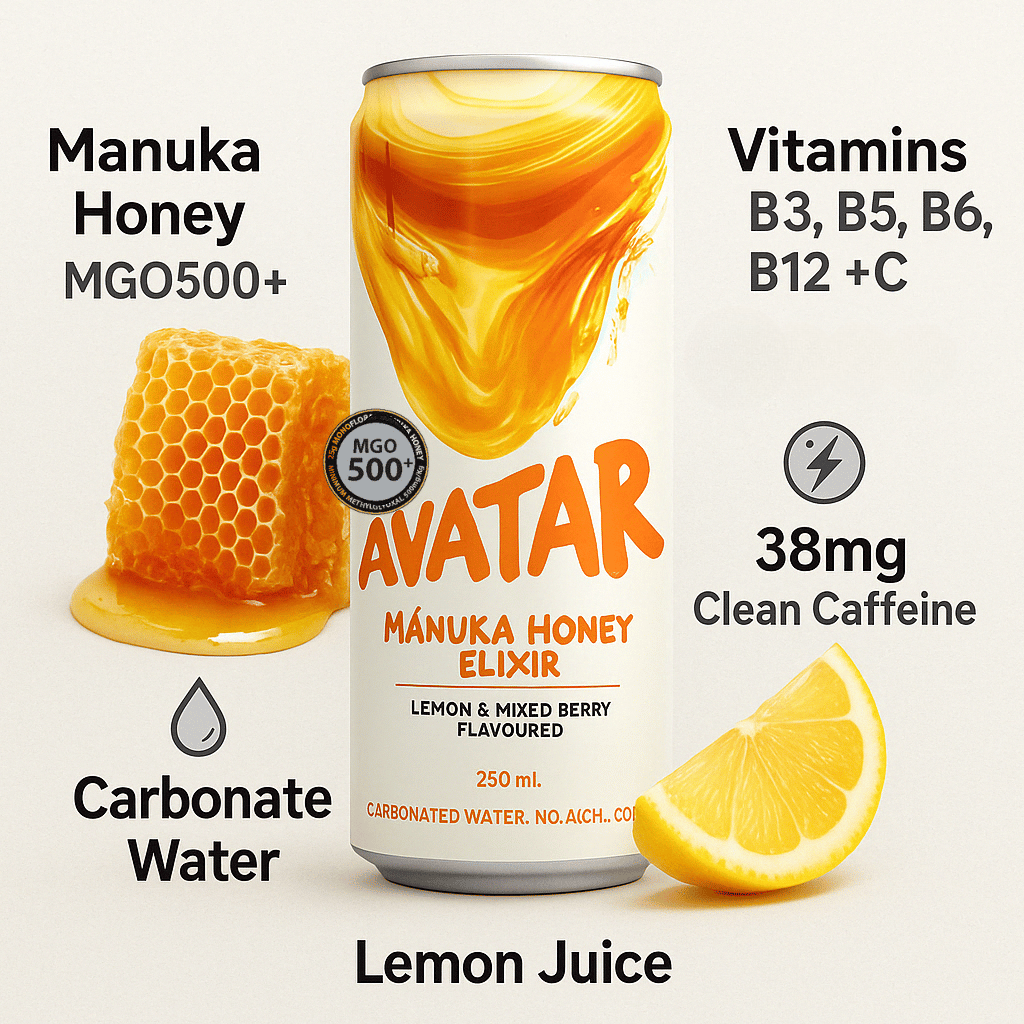
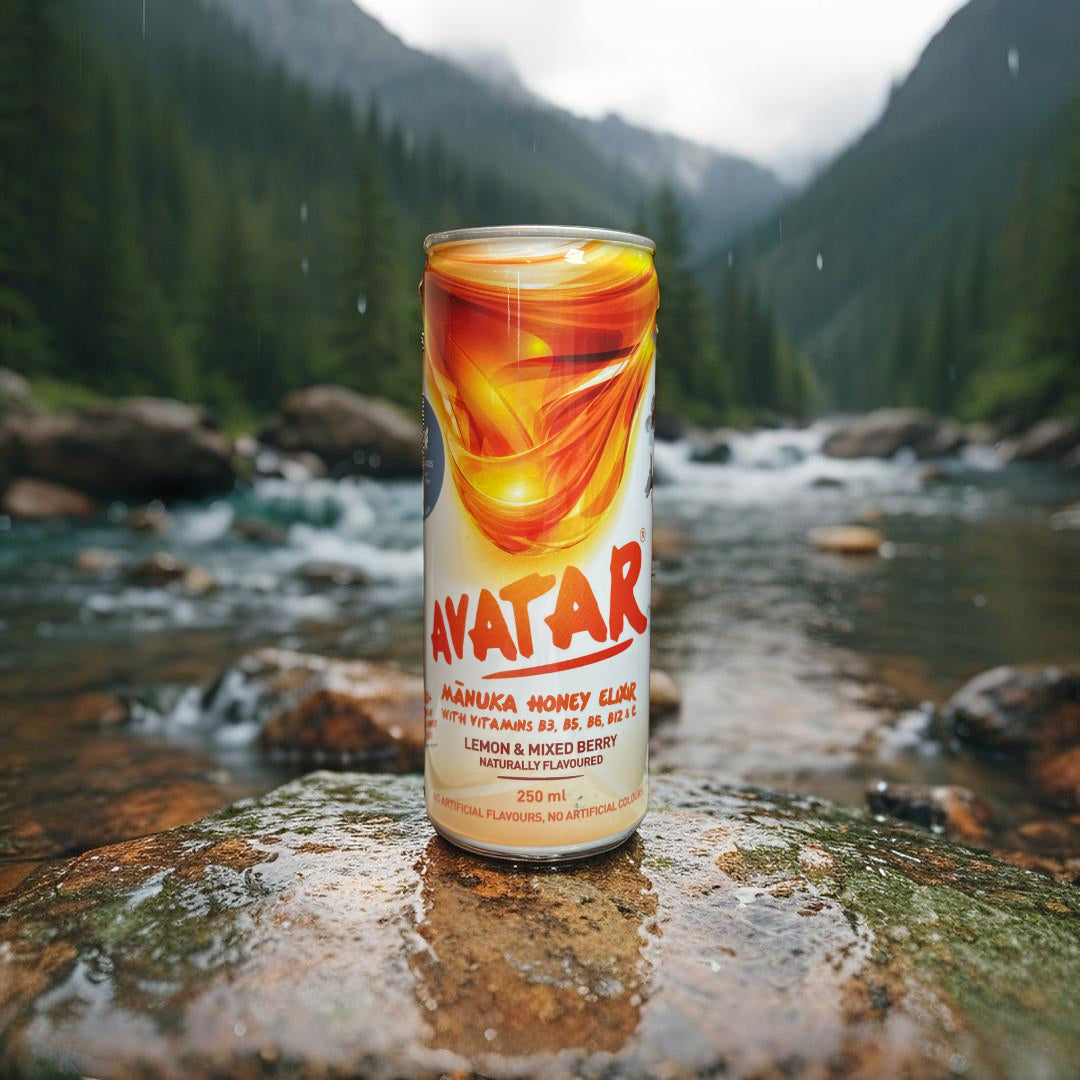
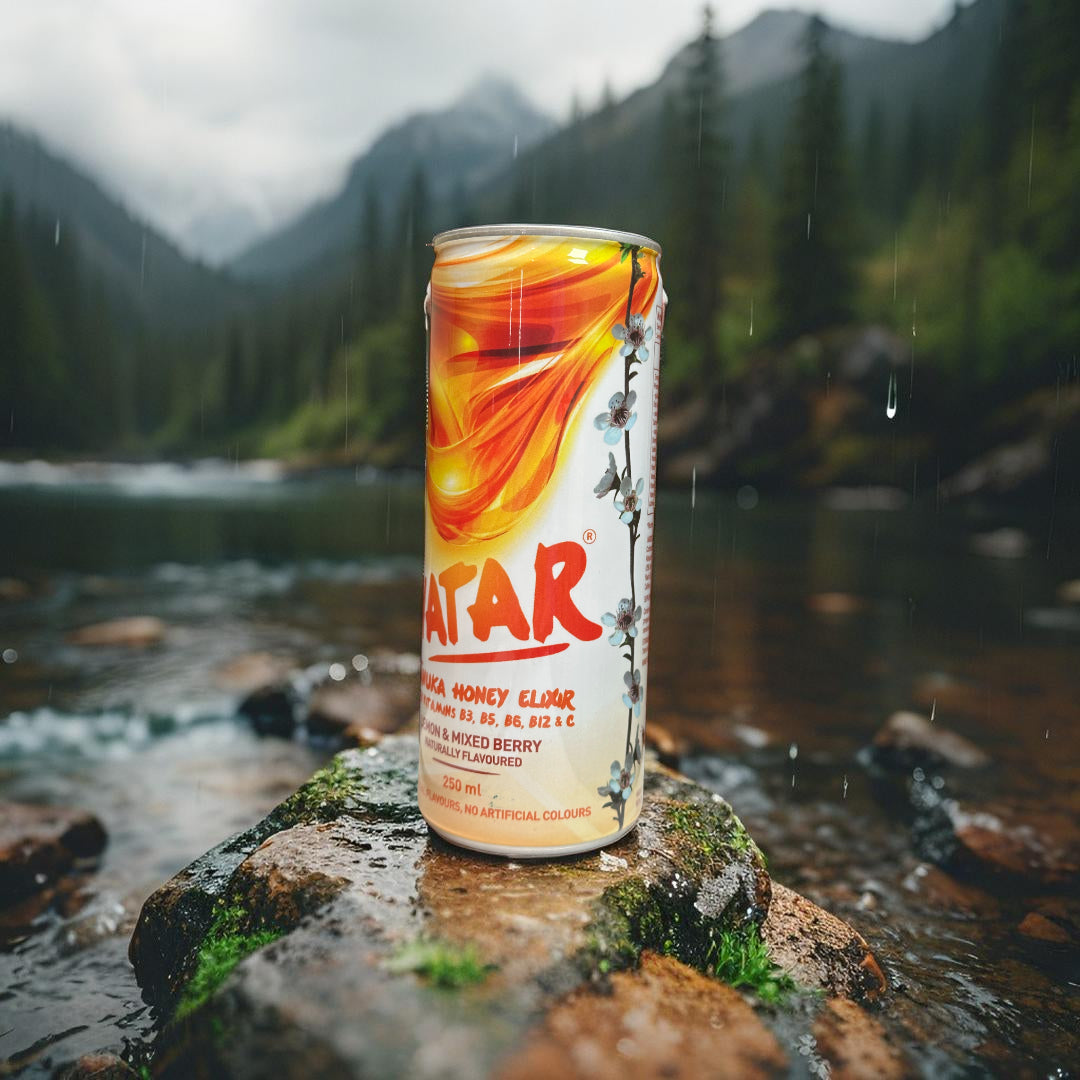
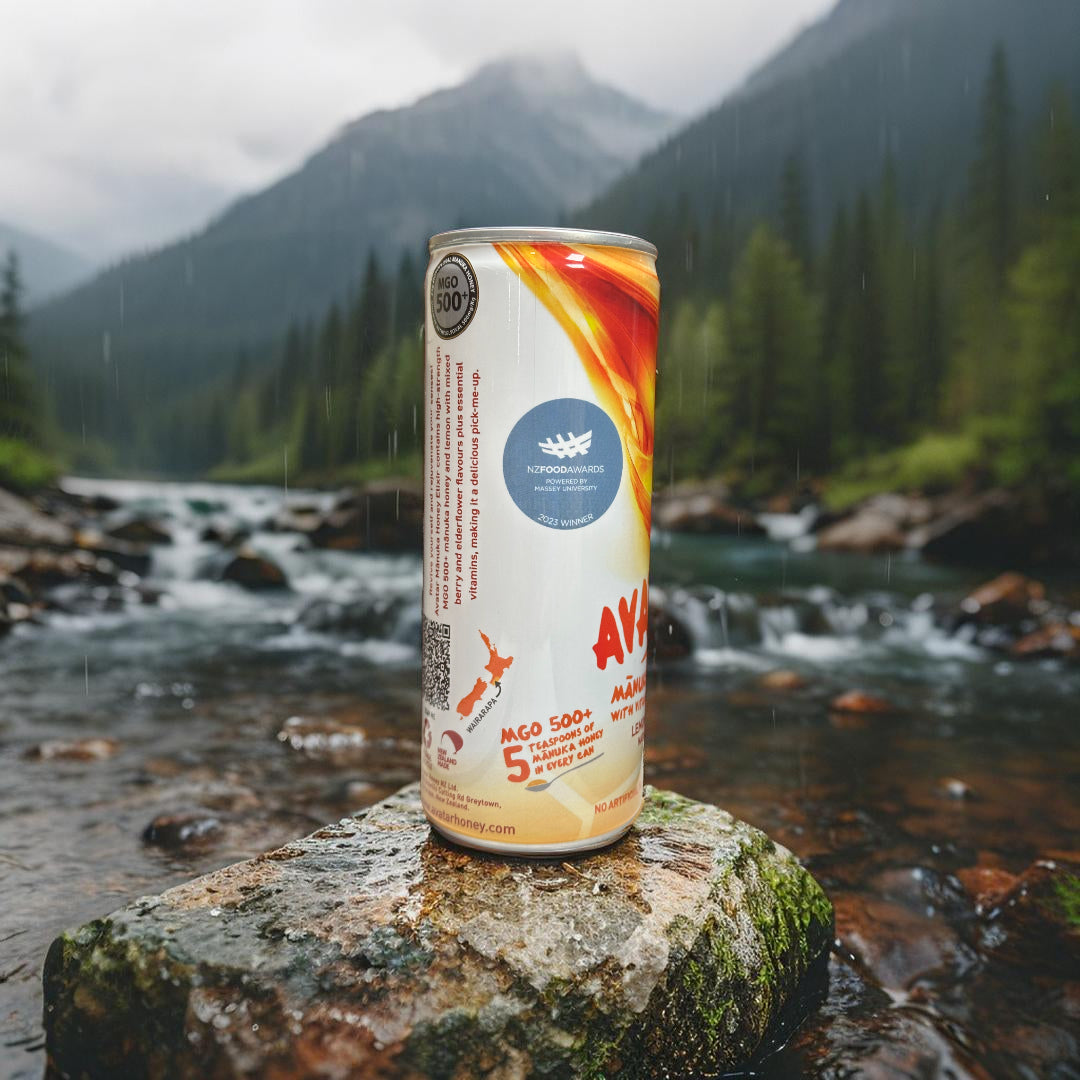
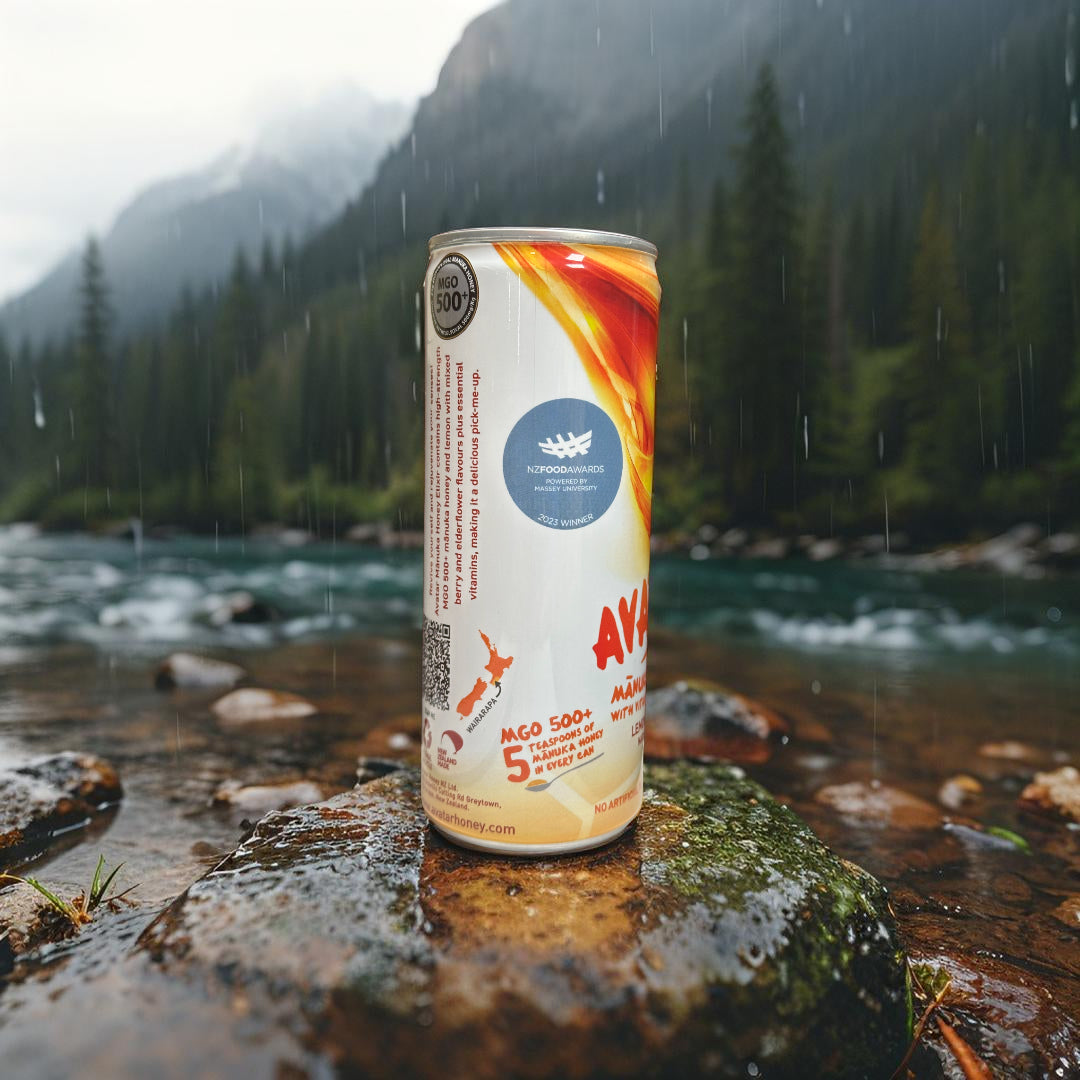
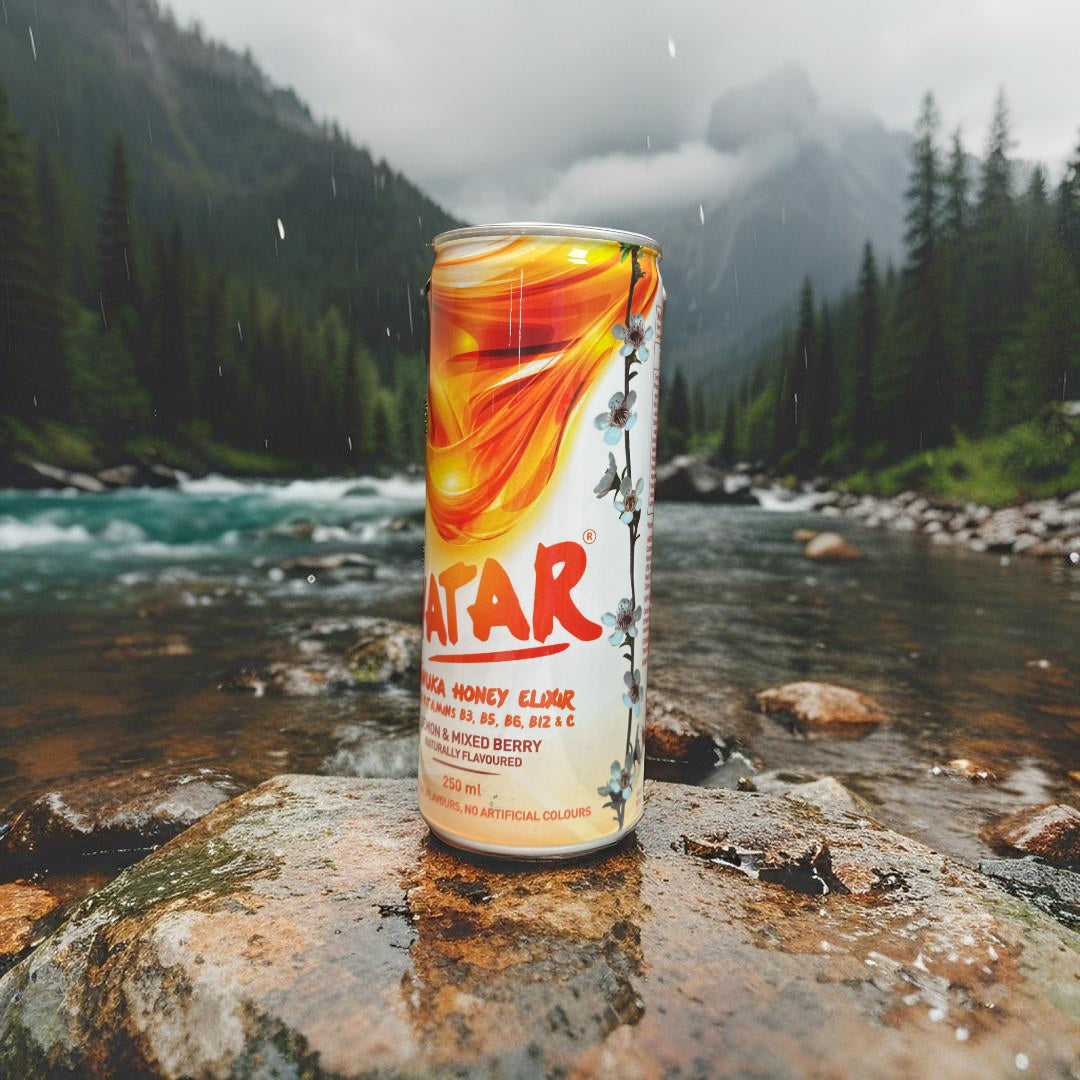
This is where ingredient-led drinks can stand apart from ordinary energy drinks. For example, Avatar Elixir: Award Winning Clean Energy Powered By Manuka Honey uses certified MGO500+ Manuka honey, lemon, elderflower, B vitamins, vitamin C, clean caffeine, and lightly carbonated water. In that kind of formulation, the honey is not just there to sweeten. It contributes flavour and texture, while lemon adds lift and elderflower brings a fragrant, adult finish.
The key point is not that every drink needs to use honey. It is that a good drink without artificial sweeteners should have a clear flavour idea, not just a claim.
Why does carbonation matter in an energy drink without artificial sweeteners?
Carbonation matters because it changes how sweet, fresh, and drinkable an energy drink feels. Light carbonation can make a naturally sweetened drink feel crisp and refreshing, while heavy carbonation may feel sharper or more aggressive depending on the recipe.
For adults, carbonation is part of the drinking moment. A lightly sparkling drink can work well during an afternoon at the desk, with lunch, while travelling, or as a premium non-alcoholic option. A stronger fizz may suit someone who wants a bolder soft drink feel. A still drink may feel smoother, but it may also need stronger flavour to avoid tasting flat.
When comparing energy drinks without artificial sweeteners, ask whether the carbonation supports the ingredients. Honey, citrus, botanicals, and clean caffeine can work well with a gentle sparkle because the bubbles lift the aroma and keep the finish fresh. If the drink tastes overly fizzy, metallic, or sticky, the balance may not be right for everyday drinking.
What should adults check on the label before choosing one?
Adults should check the sweetener source, caffeine amount, sugar level, flavour ingredients, carbonation style, serving size, and any added vitamins or functional ingredients before choosing an energy drink without artificial sweeteners. These label cues give a more complete picture than the front-of-can claim alone.
Use this checklist when you are comparing options:
- Sweetener source: Does the drink use honey, juice, cane sugar, stevia, or another sweetener?
- Artificial sweetener status: Does the ingredient list support the “no artificial sweeteners” claim?
- Caffeine amount: Is the caffeine clearly stated, and does it suit your day?
- Sugar level: Is the sweetness level appropriate for how often and when you plan to drink it?
- Flavour profile: Does it sound refreshing, adult, and balanced, or simply sweet?
- Carbonation: Is it lightly sparkling, strongly carbonated, or still?
- Functional additions: Are vitamins or other ingredients clearly listed without exaggerated promises?
- Occasion fit: Would you drink it at work, while studying, during errands, or at a social occasion?
This checklist helps keep the decision practical. A drink does not need to be perfect in every category, but it should be clear, enjoyable, and suited to the moment you are buying it for.
How do different energy drink options compare without artificial sweeteners?
Different energy drinks without artificial sweeteners can vary widely in sweetness source, flavour, caffeine style, and drinking occasion. A short comparison helps show why adults should look at the full drink rather than relying on one label claim.
| Drink type | Typical sweetness source | Flavour feel | Best label cue to check | Common drinking moment |
|---|---|---|---|---|
| Honey-based energy drink | Honey, sometimes with citrus or botanicals | Rounded, fresh, floral, lightly sweet | Honey type, caffeine amount, sugar level | Work afternoons, study, travel, premium social occasions |
| Fruit juice-based energy drink | Fruit juice or fruit concentrate | Juicy, bright, sometimes sweeter | Juice content, sugar level, caffeine amount | Daytime refreshment or casual routines |
| Zero sugar energy drink with natural sweetener | Often stevia or similar natural sweeteners | Light, sometimes with a noticeable aftertaste | Sweetener name and flavour balance | When low or no sugar is the priority |
| Tea or yerba mate-style drink | May use sugar, juice, or natural sweeteners | Earthy, tannic, herbal, or citrus-led | Caffeine source, bitterness, sweetener source | Alternative to coffee or traditional energy drinks |
| Standard soft drink with caffeine | Sugar, artificial sweeteners, or both depending on the product | Sweet, familiar, soft drink-like | Sweetener type and caffeine amount | Casual refreshment rather than ingredient-led energy |
The table shows why “without artificial sweeteners” is only one filter. A honey-based drink, fruit-based drink, and naturally sweetened zero sugar drink can all meet that claim, but they may taste and feel completely different.
When is a honey-based energy drink a good fit?
A honey-based energy drink is a good fit when you want a more ingredient-led drink with natural sweetness, a rounded flavour, and a premium feel that works beyond the usual energy drink moment. It can suit adults who want something for work, study, errands, travel, or social occasions without the taste profile of a typical high-sweetness energy drink.
Manuka honey brings a distinctive New Zealand ingredient story, but it should still be assessed like any other drink ingredient. Look at how it works with acidity, aroma, caffeine, and carbonation. In a well-balanced drink, honey can soften citrus, add body, and create a more adult sweetness than a standard soft drink style.
Avatar Elixir is a useful example because it combines certified MGO500+ Manuka honey with lemon, elderflower, vitamins, clean caffeine, and lightly carbonated water. The result is designed as a premium clean energy drink with a flavour-first approach. It is not about promising guaranteed focus or health outcomes. It is about offering an adult drink choice where the ingredients, taste, and drinking occasion line up.
What is the simplest way to choose the right energy drink without artificial sweeteners?
The simplest way to choose the right energy drink without artificial sweeteners is to start with the drinking occasion, then check the sweetener source, caffeine level, flavour balance, and carbonation. This approach helps you choose a drink that fits your real day, not just the strongest claim on the can.
If you are choosing for a workday, look for a drink that is easy to sip and not overly sweet. If you are choosing for study, check the caffeine amount and choose a flavour you can enjoy slowly. If you are choosing for errands or travel, consider refreshment and portability. If you are choosing for a social occasion, flavour, presentation, and mixability may matter more than a high-energy feel.
A practical final check is to ask four questions:
- Do I understand what sweetens it?
- Do I know how much caffeine it contains?
- Does the flavour sound balanced and adult?
- Does this drink suit the moment I am buying it for?
Key takeaway: An energy drink without artificial sweeteners is worth choosing when the whole drink makes sense. Look for clear ingredients, suitable caffeine, balanced flavour, enjoyable carbonation, and a drinking moment that fits your routine. A good can should not ask you to trust one claim. It should make its quality clear from the label to the last sip.
These answers help adults compare energy drinks without artificial sweeteners by looking at ingredients, caffeine, flavour, sweetness, and drinking occasion.
What does no artificial sweeteners mean in an energy drink?
An energy drink with no artificial sweeteners does not use synthetic sweeteners such as aspartame, sucralose, or acesulfame potassium to create sweetness. It can still contain honey, sugar, fruit juice, stevia, or another sweet-tasting ingredient. The clearest way to understand the claim is to read the ingredient list and identify what actually provides the sweetness.
Is an energy drink without artificial sweeteners always low sugar?
No, an energy drink without artificial sweeteners is not automatically low sugar. It only means the drink avoids artificial sweeteners, not that it avoids all sugars. Honey, fruit juice, cane sugar, and other natural sweetness sources still contribute sweetness and can affect the nutrition panel, so adults should check both the ingredient list and sugar amount.
How should adults compare energy drinks on the shelf?
Adults should compare energy drinks by checking the sweetener source, caffeine amount, flavour profile, carbonation level, and intended drinking moment. Front-of-can claims such as clean, natural, or zero sugar are useful starting points, but the ingredient list and nutrition panel give the practical detail needed to choose a drink for work, study, errands, travel, or social occasions.
What sweeteners are common in more natural energy drinks?
More natural energy drinks commonly use honey, fruit juice, fruit concentrates, cane sugar, stevia, or no added sweetener. Each option changes the taste and drinking experience. Honey gives a rounded, floral sweetness, fruit juice adds brightness, cane sugar tastes familiar, stevia creates sweetness without sugar, and unsweetened drinks rely more on acidity, flavouring, and carbonation.
What caffeine level should adults look for in an energy drink?
Adults should look for a clearly stated caffeine amount and decide whether it suits the occasion. A work afternoon, study session, long drive, or social drink can call for different caffeine preferences. The best label is specific and easy to read, so shoppers are not guessing how much caffeine is in the can.
How does Avatar Elixir fit this kind of energy drink choice?
Avatar Elixir fits this ingredient-led approach because it combines certified MGO500+ Manuka honey, lemon, elderflower, B vitamins, vitamin C, clean caffeine, and lightly carbonated water. It is a natural example of an energy drink where sweetness, flavour, caffeine, and occasion work together, rather than relying on artificial sweeteners or a single front-of-can claim.
What is the best next step before choosing a drink?
The best next step is to turn the can around and read the full label before buying. Check what sweetens the drink, how much caffeine it contains, how the flavour is described, and whether the drink suits the moment you have in mind. A good choice should make sense as a complete drink, not just as a claim.