


Quick answer: The best energy drinks for studying without the crash usually combine moderate caffeine (about 80 to 100mg), real hydration support, and steady carbohydrates (not huge sugar hits or zero-calorie sweeteners). Look for natural caffeine sources, minimal additives, and a formula that supports sustained focus for 2 to 4 hours instead of a fast spike and drop.
If you’ve ever cracked open an energy drink before a study session and felt like a genius for exactly 47 minutes, then mysteriously became unable to read a paragraph twice, you’re not alone. That “laser focus” feeling can fade fast, especially when the can is built around mega-caffeine (think 300mg+) or a sweetener-heavy formula that leaves your body doing mental gymnastics instead of learning.
For most students, the sweet spot for an energy drink for studying with no crash looks boring on paper: 80 to 100mg caffeine, enough fluids to actually hydrate you, and a little real fuel so your brain is not running on vibes. The good news is that “boring” is exactly what helps you stay locked in through hour two, three, and four.
What “no crash” actually means for studying 🧠
A crash is not one single thing. It’s usually one of these two patterns, and the fix depends on which one you’re dealing with.
1) The stimulant drop (too much caffeine, too fast)
High-dose caffeine can feel productive at first, then turn into mental static. For studying, more stimulation does not always equal more focus. Many students report that once the initial hit passes, they feel restless, jumpy, distractible, or suddenly convinced they need to reorganize their entire desk instead of finishing the chapter.
Key idea: If caffeine pushes you past your “focused” zone into “wired,” your concentration often worsens after the first hour.
2) The sugar curve (fast carbs, then a dip)
If your drink is heavy on sugar, it can create a quick rise in energy followed by a noticeable dip. That dip can look like sleepiness, brain fog, cravings, or that oddly emotional feeling when a quiz question feels personal.
Key idea: For long study blocks, you want steadier glucose availability, not a quick spike.
Quick note: why “zero sugar” is not automatically a win
Zero-sugar energy drinks often rely on synthetic sweeteners. Some people tolerate them fine, but others notice digestive upset or a “not quite right” feeling that can be distracting. There’s also growing interest in how sweeteners may interact with the gut-brain axis, meaning your stomach and brain are not operating as separate departments during finals week — especially if you’ve noticed the same tradeoffs discussed in artificial sweeteners vs honey.
The study-fuel formula that usually works best (and why)
If your goal is sustained focus without jitters, a study-friendly energy drink tends to follow three principles. These align with what students commonly experience as “clean energy” during long reading or problem sets.
1) Moderate caffeine: aim for 80 to 100mg
For many learners, 80 to 100mg of caffeine is enough to increase alertness without tipping into anxiety or scatterbrain mode. It’s also easier to stack responsibly if you study in blocks.
- Why it helps: You get a noticeable lift, but you are less likely to overshoot into jittery overdrive.
- What to avoid: “Boss-level” caffeine doses (especially 200mg, 300mg, or more at once) if you know you tend to get shaky, sweaty, or unfocused.
2) Real carbohydrates for steady brain fuel
Your brain runs primarily on glucose. The trick is keeping that supply steady while you work. Natural carbohydrates can help you stay mentally consistent, especially if your last meal was hours ago.
Honey is interesting here: Honey contains a combination of fructose and glucose. That mix can provide energy differently than a straight sucrose-heavy hit, which is one reason many people experience honey as “steady” rather than “spiky.”
- Why it helps: A steadier supply of glucose can support attention and reduce the “bonk” feeling mid-session.
- What to watch: You still do not want an ultra-high sugar load. Think “support,” not “sugar rush.”
3) Hydration support (because focus is not just a brain thing)
Even mild dehydration can make studying feel harder than it needs to be. Many energy drinks lean heavily into stimulants, then forget the basics: fluids and electrolytes. If your “energy” is coming with a dry mouth and a headache, your drink is not helping. For a deeper look at what actually matters here, see electrolytes in natural energy drinks.
- Why it helps: Hydration supports blood flow and overall cognitive comfort, which matters during long sessions.
- Simple win: If your energy drink is small, chase it with water. Your future self will be less cranky.
What to look for in the best energy drinks for studying (label checklist) ✅
If you only remember one section, make it this one. When you’re choosing the best energy drink for studying, the label tells you almost everything you need to know.
- Caffeine amount listed clearly, ideally in the 80 to 100mg range per serving.
- Caffeine source you recognize (for example, tea or coffee-derived caffeine) if you prefer natural caffeine.
- Carbs that support steady energy, often a modest amount paired with real ingredients like honey.
- Minimal “mystery blend” energy stacks that combine multiple stimulants, especially if you are caffeine-sensitive.
- Sweetener approach that works for your gut, because digestive drama is not a productivity strategy.
- B vitamins in sensible amounts, which support normal energy metabolism. They are not stimulants, but they can complement a well-built formula.
Ingredients that commonly cause the crash (or the “I can’t focus” feeling)
Some ingredients are not “bad,” but they are commonly unhelpful for studying because they increase volatility. Studying rewards steadiness.
Very high caffeine (especially in one serving)
Large caffeine doses can push you into a stress response. That might feel like energy, but it often comes with reduced reading comprehension, more task-switching, and an urge to do anything except the assignment.
Lots of sugar with no fiber, fat, or protein context
A sugary energy drink on an empty stomach is the classic spike-and-dip setup. If you love the taste, consider using it with a snack that slows absorption, or choose a drink with a more moderate carb profile.
Synthetic sweeteners (for people who react to them)
Some students do fine with them. Others feel bloated, nauseous, or “off,” which is a focus killer. If you notice that pattern, trust the pattern.
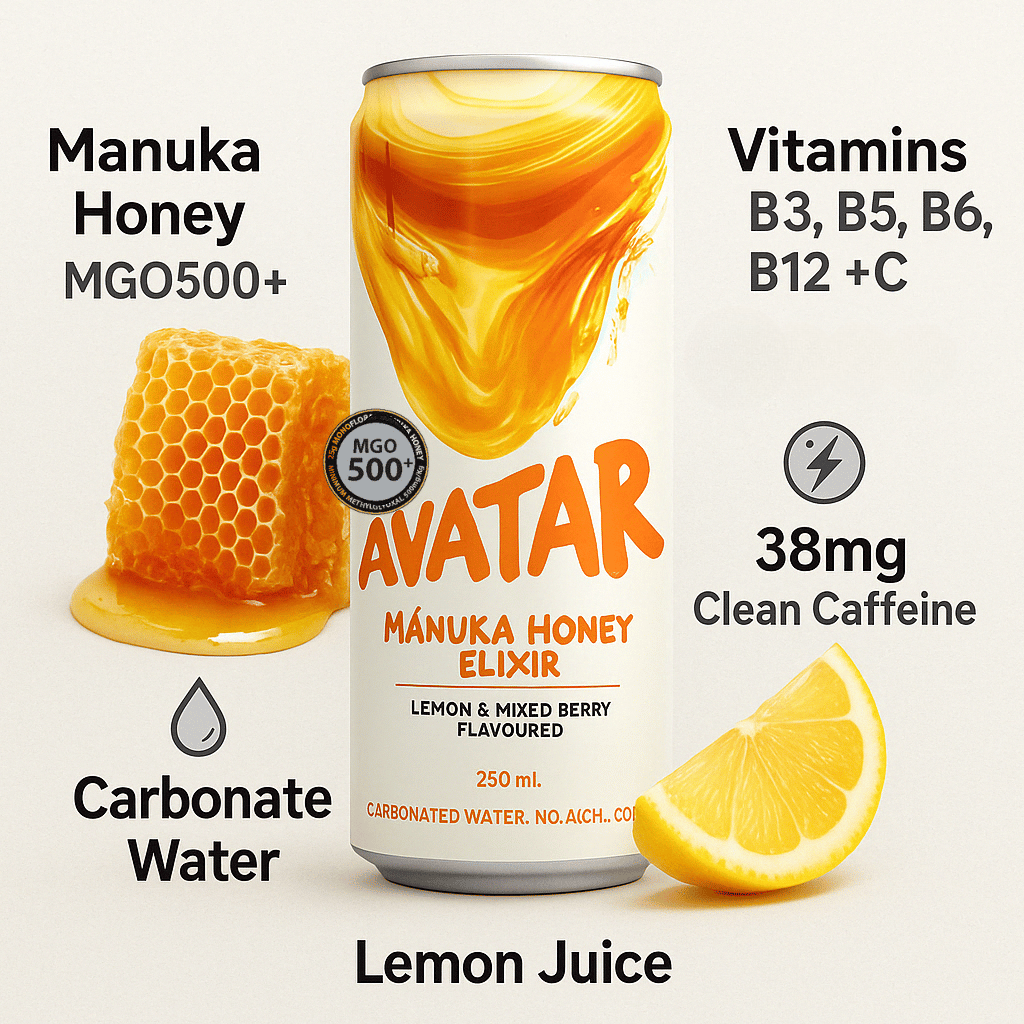
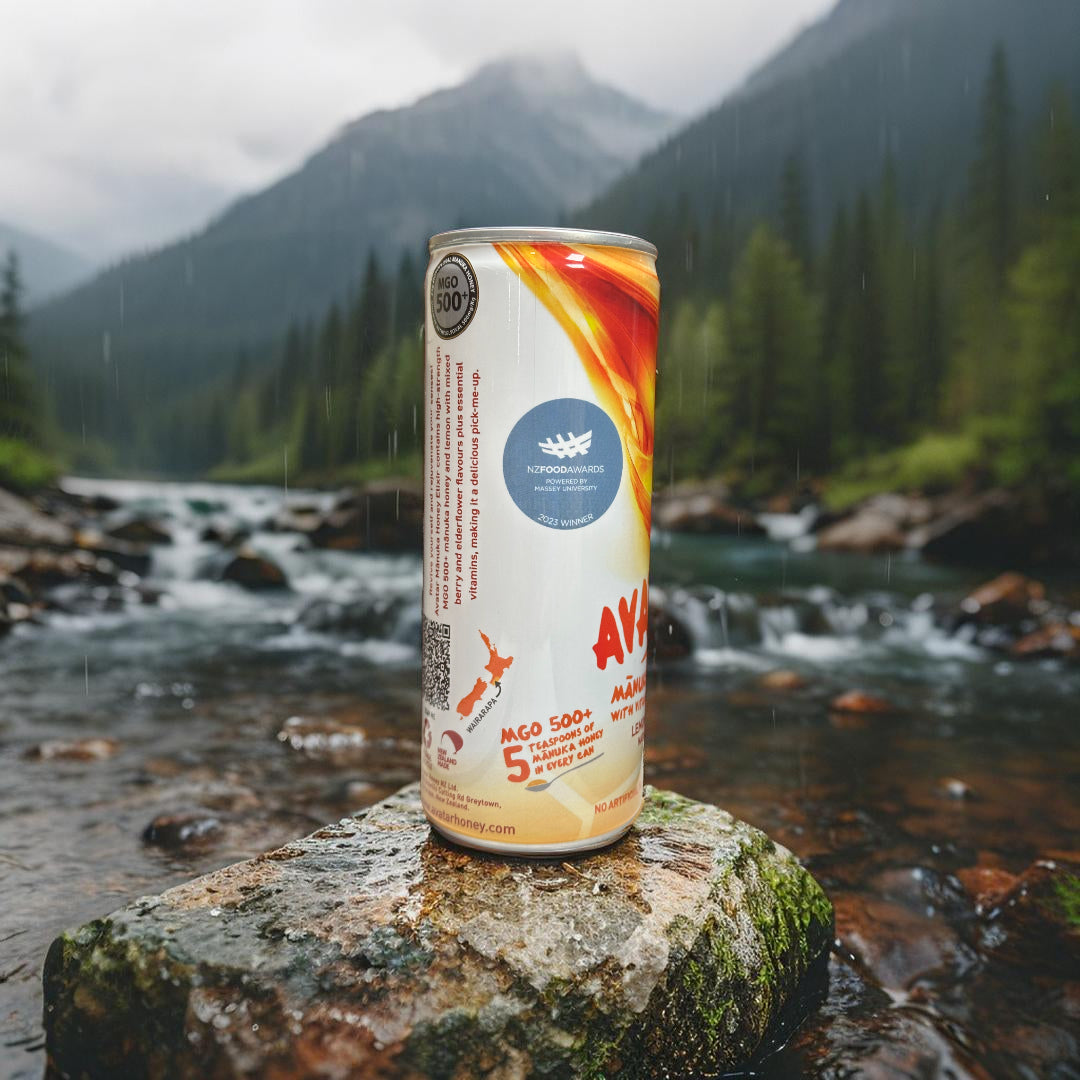
A study-friendly option: Avatar Elixir (why it fits the no-crash profile)
If you want a natural energy drink for studying that’s built for steadier focus, Avatar Elixir is a strong match for the study-fuel formula:
- Low-to-moderate natural caffeine to support alertness without turning your brain into a browser with 42 tabs open.
- Honey as a sustained carbohydrate, which can help provide steadier fuel than a sharp sucrose-style spike.
- B vitamins that support cellular energy metabolism, which pairs well with a balanced caffeine and carb approach.
Takeaway: For most students, a “no crash” drink is not the most intense drink. It’s the most stable drink.
How to use an energy drink for studying (so it actually helps)
Even the best formula can flop if you use it at the wrong time or in the wrong context. Here’s the simplest way to make a study energy drink work for you.
Time it for your hardest work
Use caffeine for tasks that require active thinking, not admin. Drink it 15 to 30 minutes before you start your most demanding block, like practice problems or writing.
Keep your total caffeine reasonable
If you stack coffee, pre-workout, and an energy drink, you can accidentally turn “helpful” into “heart racing.” If you want a second boost later, consider another moderate dose rather than one huge hit upfront.
Pair it with a small snack if you’re crash-prone
If you often get shaky or foggy after energy drinks, try pairing your drink with something simple: yogurt, a banana with peanut butter, or a handful of nuts and fruit. The goal is steadier blood sugar, not a feast.
Hydrate alongside it
Make water part of the plan. If your study space has a bottle within reach, you’ll drink more without thinking about it, which is the best kind of habit.
Choosing the best energy drink for studying: quick scenarios
If you want the “tell me what to pick” version, match the drink style to your usual problem.
- If you get jittery easily: choose 80 to 100mg caffeine, avoid multi-stimulant blends, and prioritize hydration.
- If you crash after hour one: choose moderate caffeine plus real carbs like honey, skip super-sugary cans.
- If sweeteners bother your stomach: choose a naturally sweetened option and keep ingredients simple.
- If you study late: choose lower caffeine or stop earlier, because “no crash” is great, but sleep still wins exams.
These FAQs break down what "no crash" really means when you're using an energy drink to study, plus how to pick a formula that supports steady focus instead of a fast spike and drop.
What caffeine amount works best for studying without a crash?
For most students, 80 to 100mg caffeine is a practical sweet spot for focus. It is often enough to sharpen attention without tipping you into the "wired and scattered" feeling that can show up after high-dose cans. If you're used to 300mg+ caffeine drinks, stepping down can feel less dramatic at first, but it may help you stay consistent through hour two and three.
Why do 300mg+ caffeine energy drinks hurt focus after hour one?
Very high caffeine can push you past "focused" into "overstimulated." After the initial hit, many people feel restless, jumpy, and distractible, which is the opposite of what you want for deep reading or problem sets. In real study life, that often looks like task-switching, doom-scrolling, or reorganizing your desk instead of finishing the chapter.
How can I choose an energy drink for studying with no crash?
Choose a formula built for steady energy, not a fast spike. A simple checklist can keep you from getting tricked by "extreme energy" labels:
- Moderate caffeine: about 80 to 100mg per serving
- Real hydration support: enough fluid volume and electrolytes if included
- Steady carbohydrates: a small amount of real fuel, not a huge sugar hit
- Minimal additives: fewer extras that can upset your stomach mid-session
What's the difference between a stimulant drop and a sugar crash?
A stimulant drop is usually "too much caffeine too fast," while a sugar crash is "fast carbs then a dip." The stimulant pattern often feels like mental static, jitters, and scattered attention after the first wave of energy. The sugar curve tends to show up as a quick boost followed by sluggishness and snack cravings, especially if the drink is built around a big sweet hit.
Do zero-calorie sweeteners affect studying energy and the gut-brain axis?
Synthetic sweeteners can be a problem for some students because gut comfort influences focus. If a "sugar-free" energy drink makes your stomach feel off, that distraction can pull attention away from studying fast. A practical approach is to notice patterns: if sweetener-heavy drinks regularly leave you bloated, unsettled, or craving more, switching to simpler ingredients may help.
How do I use an energy drink to stay focused for 2 to 4 hours?
Timing and pairing matter as much as the can itself. Have your energy drink for studying at the start of a session (or 15 to 30 minutes before), and support it with hydration and a small snack if needed. For steadier focus, aim for:
- Water alongside caffeine to reduce the "dry, jittery" feeling
- Natural carbs for a more even glucose supply
- One serving instead of stacking multiple high-caffeine drinks
Final take: the best energy drinks for studying are built for stability
The best energy drinks for studying without the crash do three things well: moderate caffeine (often 80 to 100mg), steady fuel (not a sugar spike), and hydration support. If your current go-to drink makes you feel unstoppable for an hour and unusable afterward, it’s not a willpower issue. It’s a formula mismatch.
Pick “steady,” and your study sessions start to feel less like a rollercoaster and more like a train you can actually ride to the end of the chapter.