



Short answer: Before a presentation, choose a drink that is familiar, light, pleasant to sip, and not too intense in caffeine, flavour, sweetness, or carbonation. Water, tea, gentle sparkling functional drinks, and clean caffeine beverages can all work, while coffee may feel too sharp if you dislike bitterness, heaviness, or a fast caffeine hit.
That pre-presentation drink decision is familiar: coffee sounds a bit too bitter, strong, or intense, but plain water feels too flat for the moment. You want something that helps you feel comfortable at work, in class, or before a pitch, without arriving with a heavy coffee taste, an overly sweet energy drink feel, or a bubbly drink that does not sit well.
The best drink before a presentation is usually the one that matches the length of the talk, the time of day, your caffeine tolerance, and how your stomach tends to feel before speaking. Taste matters too. A drink that feels fresh, light, and easy to sip can be more useful than one that feels like a big event on its own.
What should you drink before a presentation if coffee feels too sharp?
If coffee feels too sharp before a presentation, choose water, light tea, a gently sparkling functional drink, or a clean caffeine beverage with a softer flavour profile. The best option is one you already know your body handles well and one that does not leave a bitter, heavy, overly sweet, or strongly carbonated feeling right before you speak.
Coffee is a common pre-work or pre-class choice because it is easy to find and clearly caffeinated. The issue is that it can feel intense in several ways at once. It may taste bitter, feel hot and heavy, have a stronger caffeine presence than you want, or leave a lingering coffee flavour when you would rather feel fresh.
Plain water is the safest and simplest choice, especially if you already feel comfortable and only need a clean sip before stepping up. But water can feel a little too neutral when you want something with flavour, light caffeine, or a more polished feel for an important conversation.
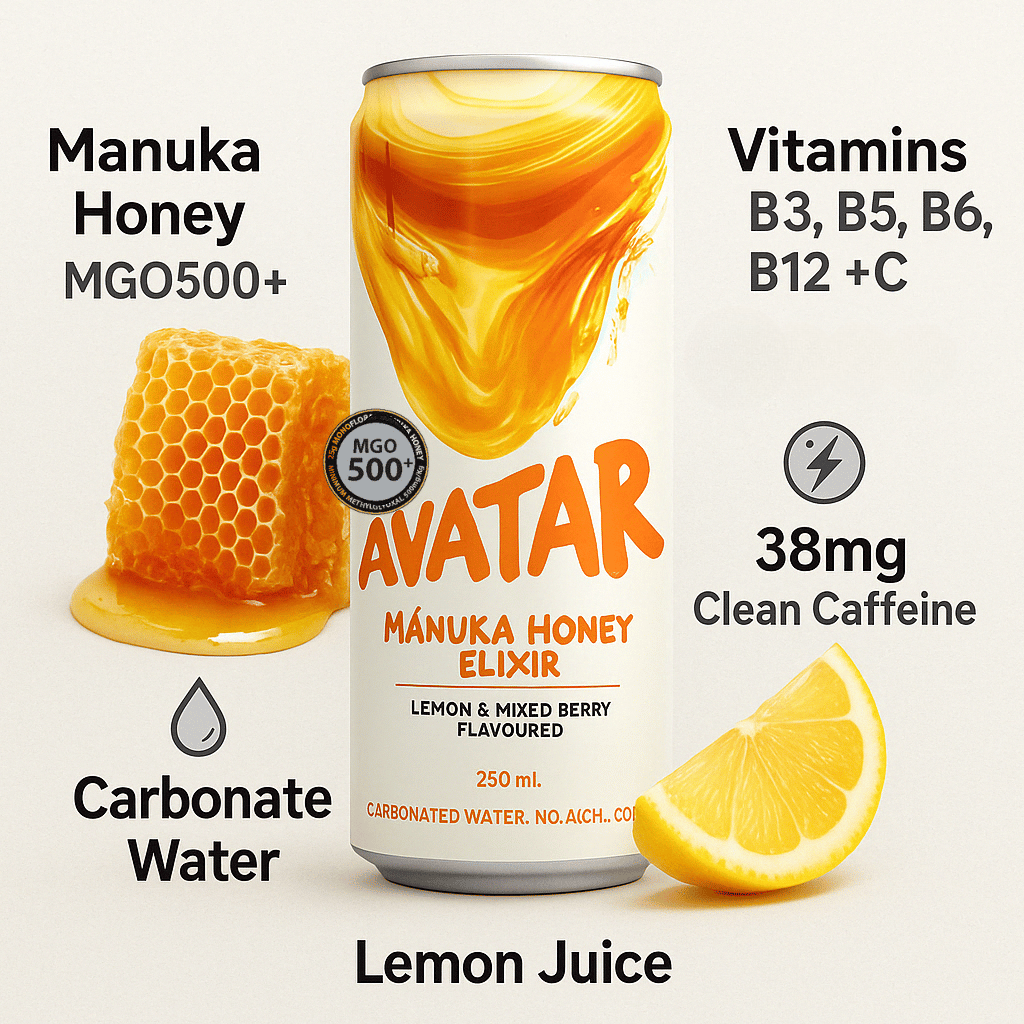
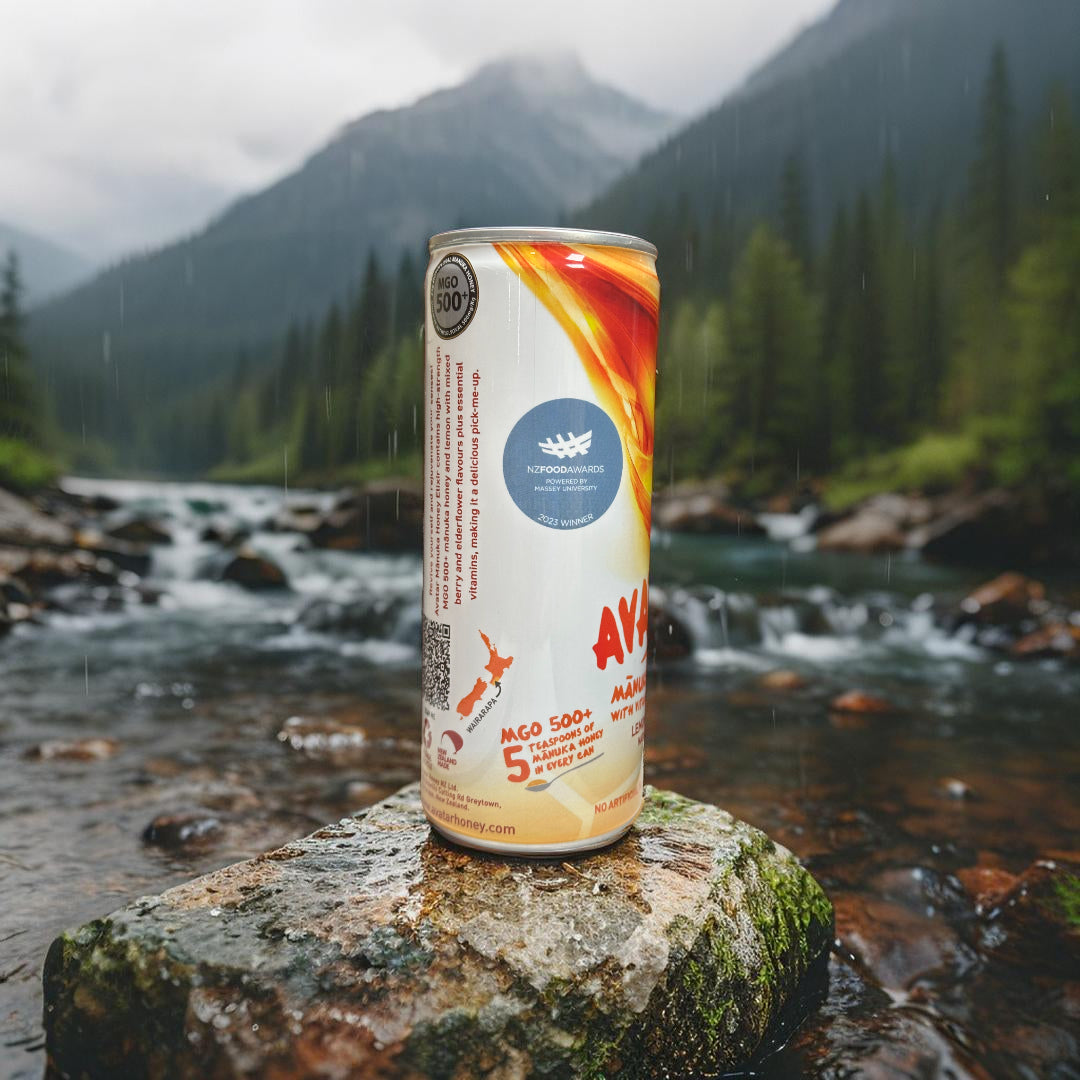
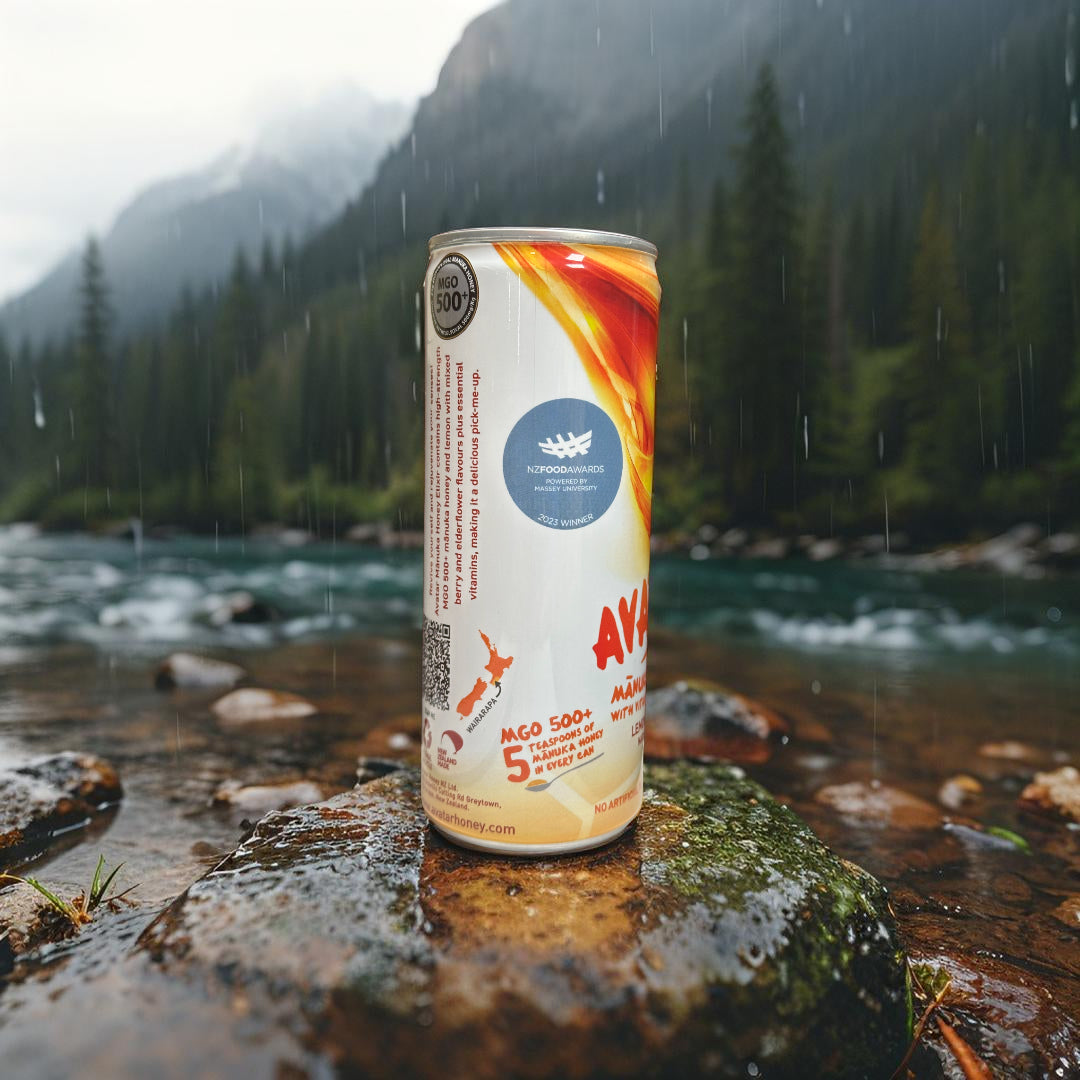
A middle ground is often best. Light tea, sparkling water with citrus, or a clean caffeine drink can give you more flavour and occasion than still water without the darker, sharper feel of coffee. For example, Avatar Elixir is a premium New Zealand honey drink made with MGO500+ Manuka honey, lemon, elderflower, B vitamins, vitamin C, clean caffeine, and lightly carbonated water. It suits the moment when you want a fresher sip with light caffeine and a more refined flavour than a standard soft drink.
How do water, tea, coffee, and clean caffeine drinks compare before presenting?
Water is the lightest option, tea is usually softer than coffee, coffee is the strongest-tasting everyday choice, and clean caffeine drinks can offer a more refreshing middle ground when you want flavour and light caffeine without a heavy coffee feel.
Here is how the main choices compare in practical terms:
- Water: Best for simplicity. It has no caffeine, no sweetness, no bitterness, and no bubbles unless you choose sparkling water. It is easy on taste and usually easy to sip, but it may feel too plain before an important moment.
- Tea: Best for a softer warm drink. Black tea can still have a noticeable caffeine feel and some tannic dryness, while green tea or herbal tea may feel gentler. Tea is useful when you want warmth without the stronger flavour of coffee.
- Coffee: Best if you already enjoy it and tolerate it well. It can feel too sharp before a presentation if the bitterness, heat, acidity, or stronger caffeine sensation does not suit the moment.
- Sparkling functional drinks: Best when you want something more interesting than water. Check the level of sweetness, caffeine, and carbonation, because some drinks feel closer to soft drinks or energy drinks than a light pre-presentation sip.
- Clean caffeine beverages: Best when you want a clearer, more ingredient-led alternative to coffee or ordinary energy drinks. Look for familiar flavours, moderate sweetness, and a caffeine level that matches your own tolerance.
In short, the right drink should feel easy to finish or sip slowly. A pre-presentation drink is not the time to challenge your palate with something harsh, unfamiliar, or overly stimulating.
Is caffeine a good idea before a presentation?
Caffeine can be a reasonable choice before a presentation if you already use it comfortably and choose an amount that feels normal for you. If caffeine often feels too strong, makes you feel unsettled, or affects your stomach, a lower caffeine drink or caffeine-free option may be a better fit.
The key is familiarity. A presentation, pitch, class talk, or important work conversation is not the best time to test a very strong coffee, a high-caffeine energy drink, or a new beverage with several unfamiliar ingredients. Your goal is not to chase a dramatic effect. It is to choose something that feels comfortable and suits the setting.
A light caffeine drink before presenting can work well when you want a small lift in the ritual of the moment, especially if you normally have caffeine during the workday. A clean caffeine drink may feel more suitable than coffee if you want a brighter flavour, a cooler sip, and less bitterness.
If the presentation is late in the day, consider whether caffeine might stay with you longer than you want. Evening presentations often call for less caffeine, a smaller serve, or a caffeine-free drink, especially if you are sensitive to caffeine later in the day.
How important is taste before a presentation?
Taste is important because a pre-presentation drink should feel pleasant, clean, and easy to sip without leaving a flavour you dislike. Drinks with gentle citrus, honey, tea, mint, or light fruit notes often feel more presentation-friendly than bitter coffee, syrupy soft drinks, or heavily flavoured energy drinks.
Before speaking, many people prefer flavours that feel fresh rather than heavy. Lemon can feel clean and bright. Elderflower can add a soft floral note. Honey can round out sharper flavours without making the drink feel like a dessert. These flavours are part of why honey, lemon, and elderflower can make sense in a lighter alternative to coffee.
Avatar Elixir fits this taste profile as a honey-led sparkling drink rather than a coffee substitute that tries to taste like coffee. The Manuka honey brings depth, lemon adds freshness, and elderflower gives a gentle aromatic finish. It is a good example of a drink designed for adults who want flavour and light caffeine without the aggressive taste profile of many energy drinks.
Should you choose still or sparkling drinks before speaking?
Choose still drinks if you want the gentlest option, and choose lightly sparkling drinks if you enjoy freshness and bubbles without feeling too full. Heavy carbonation can be distracting for some people before speaking, so a lightly carbonated drink is usually a safer choice than a very fizzy one.
Carbonation is mostly a comfort decision. Some people like the lift and freshness of bubbles before a presentation. Others find strong fizz too filling, especially if they are speaking soon or standing for a long session.
If you choose a sparkling drink, sip it slowly rather than drinking it quickly. A lightly carbonated beverage can feel crisp and refreshing, while a highly carbonated drink may feel less comfortable right before you need to talk for several minutes.
For a work presentation or class talk, lightly sparkling functional drinks can feel more polished than a can of standard soft drink. The best versions have balanced flavour, moderate sweetness, and a cleaner finish.
When should you drink something before a presentation?
A practical approach is to have your main drink earlier, then take small sips closer to the presentation. This gives you time to notice how the drink feels while still keeping your mouth comfortable before you speak.
For many adults, drinking a coffee or caffeinated beverage immediately before standing up can feel rushed. A gentler rhythm is usually better. Have your chosen drink during preparation, while reviewing your notes, or while setting up. Then keep water nearby for small sips as needed.
Timing also depends on the drink. Hot coffee or tea may need more time because you drink it slowly and the flavour can linger. Cold sparkling drinks may feel refreshing closer to the presentation, but they should still be sipped steadily rather than quickly. Water is the easiest to keep beside you because it does not compete with your voice, flavour preferences, or the room.
What is the best drink for a short talk, long session, or evening presentation?
The best drink depends on the presentation length and time of day: keep short talks light, choose steady and familiar drinks for long sessions, and be more cautious with caffeine for evening presentations.
| Presentation situation | Good drink choice | Why it fits |
|---|---|---|
| Short talk or quick update | Water, light tea, or a lightly sparkling clean caffeine drink | Easy to sip, not too filling, and unlikely to dominate the moment |
| Long session, workshop, or extended meeting | Water plus a familiar light caffeine drink | Lets you pace your sipping and avoid relying on one strong drink |
| Evening presentation | Water, herbal tea, or a lower caffeine option if caffeine suits you | Keeps the drink choice lighter when you may not want a strong caffeine feel late in the day |
For a short presentation, the drink should not become a distraction. A few sips of water or a light sparkling drink may be enough. For a long session, keep water available and use caffeine only if it is already part of your normal routine. For an evening talk, consider whether the flavour experience matters more than caffeine.
What should you avoid drinking right before a presentation?
Right before a presentation, avoid drinks that are unfamiliar, very high in caffeine, overly sweet, strongly carbonated, too acidic for your comfort, or likely to leave a taste you dislike. The safest choice is a drink you have tried before and know feels comfortable.
Common drinks to be careful with include extra-strong coffee, large energy drinks, very fizzy soft drinks, and heavy milk-based drinks. These are not automatically bad choices, but they may not suit everyone before speaking. They can feel filling, sharp, sweet, or intense at the exact time you want your drink to feel easy.
Also be cautious with anything you would not normally drink during a workday. New flavours, unfamiliar functional ingredients, or a bigger caffeine serve than usual can add uncertainty. For an important presentation, boring and reliable often beats adventurous.
Where does Avatar Elixir fit as a pre-presentation drink?
Avatar Elixir fits as a premium, lighter alternative to coffee when you want clean caffeine, a fresher flavour, and a drink that feels more adult than a standard soft drink. It is best suited to people who enjoy a lightly carbonated sip with honey, lemon, and elderflower rather than a bitter coffee profile.
Because Avatar Elixir is made with certified MGO500+ Manuka honey, lemon, elderflower, B vitamins, vitamin C, clean caffeine, and lightly carbonated water, it sits in the space between plain hydration, coffee, and conventional energy drinks. It is not trying to be a medicine or a performance shortcut. It is simply a more ingredient-led drink for moments when taste, light caffeine, and presentation matter.
Before a pitch, class talk, or important conversation, Avatar Elixir can be a good fit if you want something crisp and refreshing from the fridge, with enough flavour to feel considered but not so much intensity that it takes over. As with any caffeinated drink, it makes sense to choose it when it already suits your personal routine.
What is the simplest way to choose your pre-presentation drink?
The simplest way to choose your pre-presentation drink is to pick the lightest familiar option that matches the moment: water for simplicity, tea for softness, coffee only if it feels good to you, and a clean caffeine drink when you want a fresher alternative with flavour.
Use this quick checklist:
- Choose familiar over new: Do not experiment right before an important talk.
- Match caffeine to your routine: If you normally prefer light caffeine, stay with light caffeine.
- Keep flavour clean: Citrus, honey, tea, and gentle floral notes are often easier than bitterness or heavy sweetness.
- Watch the bubbles: Light carbonation can feel fresh, while strong fizz may feel too filling.
- Keep water nearby: Even if you choose tea, coffee, or a clean caffeine drink, water is still the most useful backup.
Final takeaway: When coffee feels too sharp before a presentation, you do not need to force it. Choose a drink that feels comfortable, tastes pleasant, and fits the time of day. For some people that will be water or tea. For others, a lightly sparkling clean caffeine drink such as Avatar Elixir offers a fresher, honey-led option that feels polished without the heavy coffee edge.
These answers help you choose a comfortable, pleasant drink before a presentation, pitch, class talk, or important work conversation.
What should I drink before a presentation instead of coffee?
Drink something familiar, light, and easy to sip, such as water, light tea, a gentle sparkling drink, or a clean caffeine beverage. The best choice is not the strongest drink, it is the one that feels comfortable in flavour, caffeine level, sweetness, and carbonation before you speak.
Is caffeine a good idea before a presentation?
Caffeine is a good idea before a presentation only if you already use it comfortably and know how it feels for you. If coffee feels too sharp, a lighter caffeine option or tea gives a softer middle ground. If caffeine does not suit you before speaking, water or a caffeine-free drink is the simpler choice.
Is tea better than coffee before a work presentation?
Tea is better than coffee before a work presentation if you want warmth and a gentler flavour without the bitterness or intensity of coffee. Black tea still has a noticeable caffeine feel, while green or herbal tea usually feels lighter. Choose tea when you want a calm, familiar sip rather than a strong coffee taste.
Are sparkling drinks okay before speaking in front of people?
Sparkling drinks are okay before speaking if the carbonation is gentle and the drink sits comfortably for you. Strong bubbles, heavy sweetness, or unfamiliar flavours are less ideal right before a talk. A lightly carbonated drink with a fresh citrus or botanical profile works better than a sharp, fizzy soft drink for many people.
What does clean caffeine mean in a presentation drink?
Clean caffeine usually means caffeine delivered in a simpler, more ingredient-led drink rather than a heavily sweetened or artificial-tasting energy drink. For a presentation drink, the practical question is how the caffeine feels to you. Look for a familiar caffeine level, pleasant flavour, moderate sweetness, and a drink you have tried before.
What should I drink for an evening presentation?
For an evening presentation, choose water, herbal tea, or a low-caffeine drink if you want to avoid a strong late-day caffeine feel. If you still want flavour and occasion, a lightly sparkling drink with citrus or honey notes gives more interest than plain water without the heavier character of coffee.
How does Avatar Elixir fit before a pitch or class talk?
Avatar Elixir fits before a pitch or class talk when you want a fresher sip with light caffeine, gentle sparkle, and a premium flavour profile. It is made with certified MGO500+ Manuka honey, lemon, elderflower, B vitamins, vitamin C, clean caffeine, and lightly carbonated water, giving it a softer honey-citrus character than coffee or standard energy drinks.