



Short answer: Drink water regularly, then add coffee, tea, a lightly caffeinated drink, or a caffeine-free option at selected points based on your meals, caffeine sensitivity, bathroom access, travel plans, and intended bedtime. The best conference drink plan is flexible, not one beverage repeated from registration to the journey home.
An all-day conference can include an early start, presentations, networking, catered meals, long stretches in fixed seating, and a late trip home. Instead of relying on one coffee after another, plan several drink options that suit different parts of the day.
Water is the practical foundation. Coffee or tea can remain part of the plan if you enjoy them, while a lightly caffeinated drink can provide an alternative for a specific afternoon moment. Caffeine-free choices are useful when you want flavour, need to limit caffeine, or are getting closer to bedtime.
What should you drink throughout an all-day conference?
A balanced conference-day plan usually includes water as the default drink, one or more deliberately timed caffeinated choices, and at least one caffeine-free alternative. You do not need to replace coffee completely. The goal is to avoid treating every break, meal, or tired moment as a reason for another cup.
- Water: Keep it available throughout the day, especially around meals, warm rooms, walking between venues, and travel.
- Coffee or tea: Choose these when they fit your normal routine and the timing works with your caffeine sensitivity.
- A lightly caffeinated drink: Reserve it for a planned point, such as before an afternoon presentation or during a long break between sessions.
- Caffeine-free drinks: Use sparkling water, still water, herbal tea, or another non-caffeinated option when you want something different without adding more caffeine.
This approach gives you room to adjust. If the venue is hot, lunch is salty, the programme changes, or your journey home becomes longer than expected, you are not locked into a rigid schedule.
How should you time caffeine during a conference?
Time caffeine around your usual habits, the conference schedule, and your planned bedtime. Caffeine can remain in the body for hours, so a drink taken late in the afternoon may still matter when you are trying to sleep that night.
If you normally drink coffee in the morning, having your usual serving before registration or during the first break may feel more familiar than changing your routine for the event. After that, pause before automatically accepting another coffee at every refreshment table.
Before choosing a later caffeinated drink, ask:
- How much caffeine have I already had today?
- Am I sensitive to caffeine later in the day?
- What time do I want to sleep tonight?
- Do I have a presentation, networking session, or long drive ahead?
- Could I choose water or a caffeine-free drink instead?
The caffeine amount varies between coffee, tea, energy drinks, and functional beverages. Check the packaging where available, follow label directions, and include all caffeinated drinks when considering your day. Understanding caffeine half-life can also help explain why the timing of your last caffeinated drink may matter as much as the first.
When does water make the most sense?
Water makes sense as the drink you return to between other beverages. It is particularly practical on arrival, alongside food, after walking between conference spaces, and before a long journey home.
Conference settings can make drinking awkward. You may be seated in the middle of a row, unsure when the next break will happen, or concerned about leaving during a presentation. Rather than drinking a large amount immediately before a long session, take smaller, comfortable amounts when breaks and bathroom access allow.
A refillable bottle is usually the simplest option, although venue rules and security requirements may affect what you can carry. If you are travelling by air or entering a controlled venue, check the relevant restrictions before packing drinks.
Water does not have to be the only non-caffeinated choice. Still or sparkling water, herbal tea, and other caffeine-free drinks can add variety during a long programme.
Are coffee and tea still reasonable choices?
Yes, coffee and tea can fit comfortably into a conference drink plan, especially if they are already part of your normal morning routine. The main consideration is how often you have them and how late in the day you continue.
Coffee is widely available at conference venues, but serving strength and cup size can vary. Tea offers more flexibility because different varieties may contain different amounts of caffeine, while herbal infusions are generally chosen as caffeine-free options. Check the product or ask the caterer if caffeine content is important to you.
Food also affects the practical experience. Some people prefer not to have coffee before breakfast or on an empty stomach, while others find it fits naturally with a morning meal. Choose what feels comfortable for you rather than using the event schedule as a reason to ignore your usual preferences.
If you have already had your normal coffee, a second hot drink does not have to be caffeinated. Herbal tea or hot water with lemon can still provide the warmth and ritual of a conference coffee break.
When could a lightly caffeinated drink replace another coffee?
A lightly caffeinated drink can replace another coffee when you want a different flavour, a portable format, or a planned caffeinated option for one specific part of the day. It should still be counted as part of your total caffeine intake and used according to its label directions.
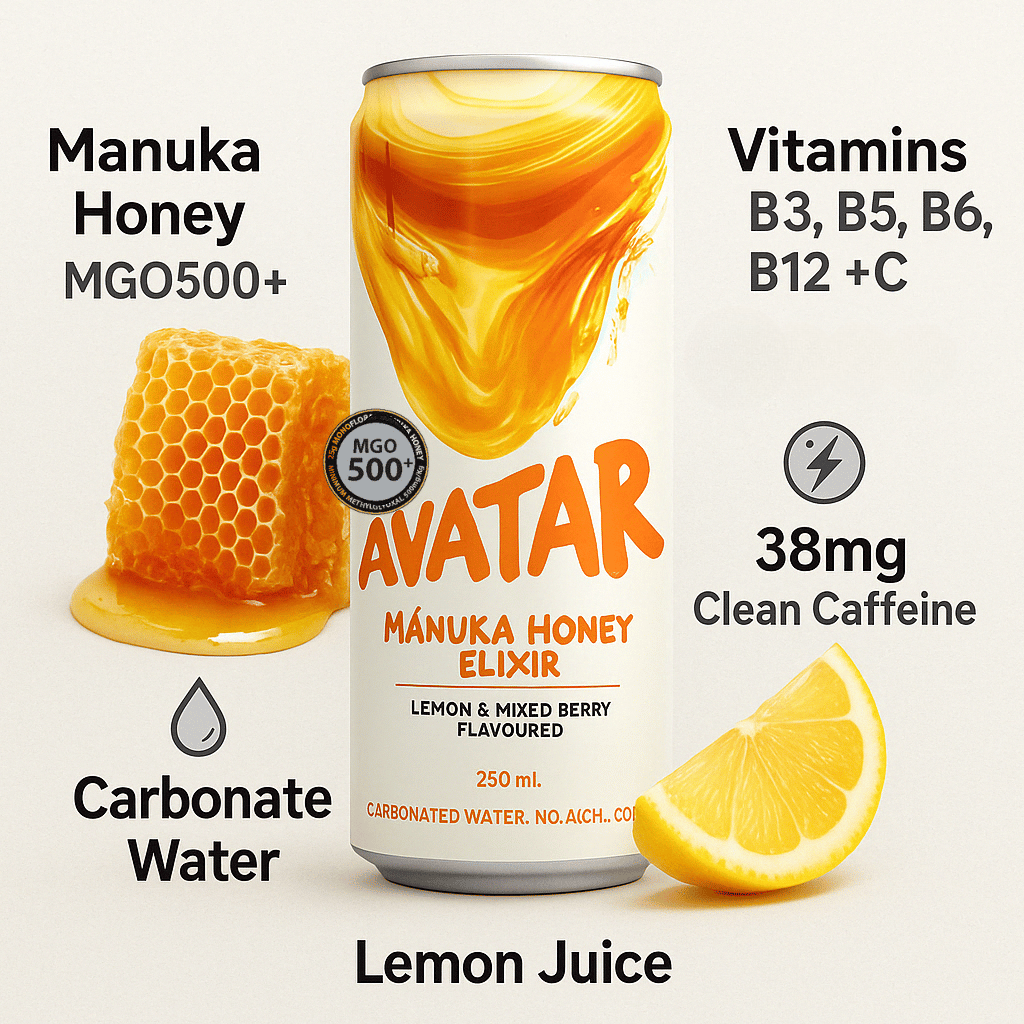
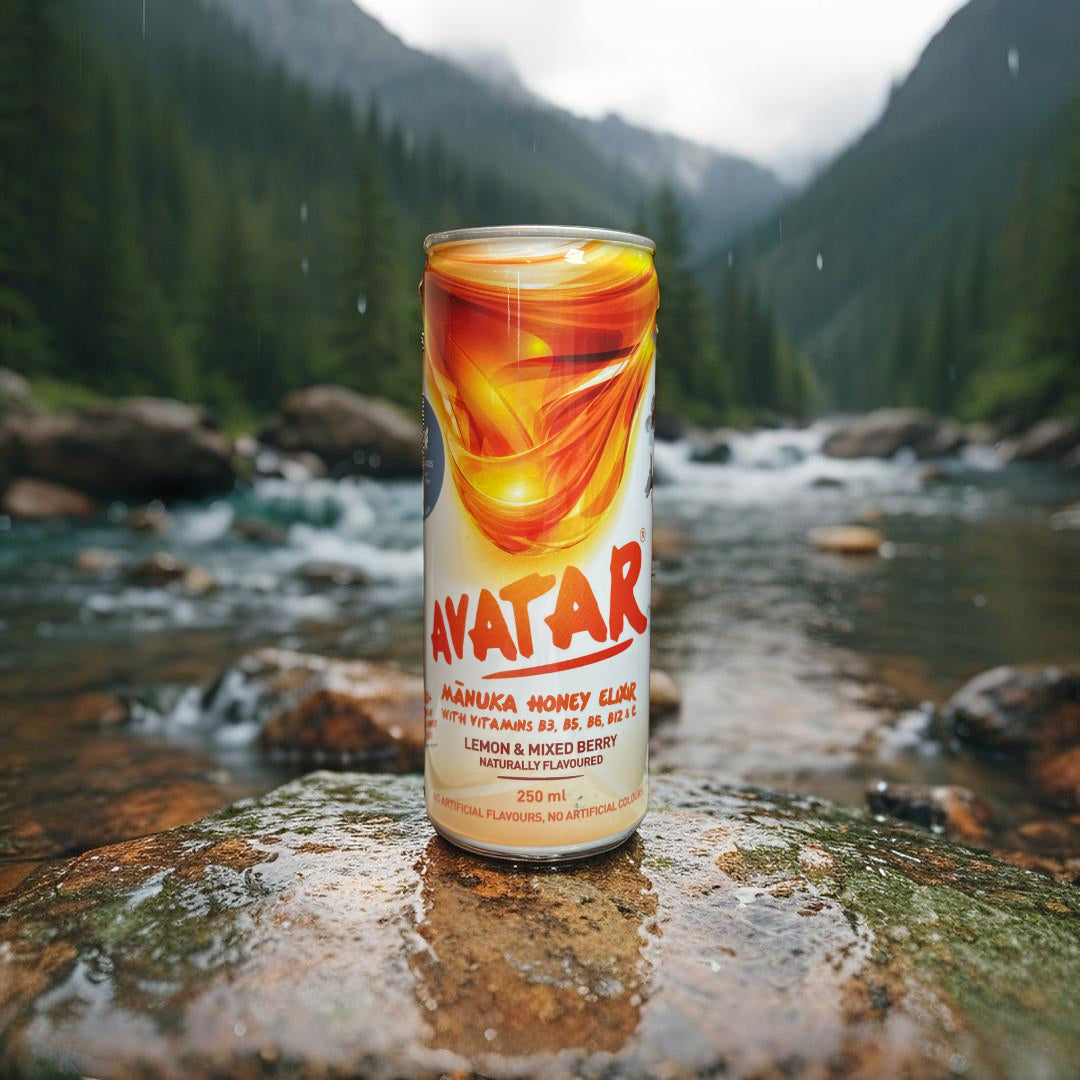
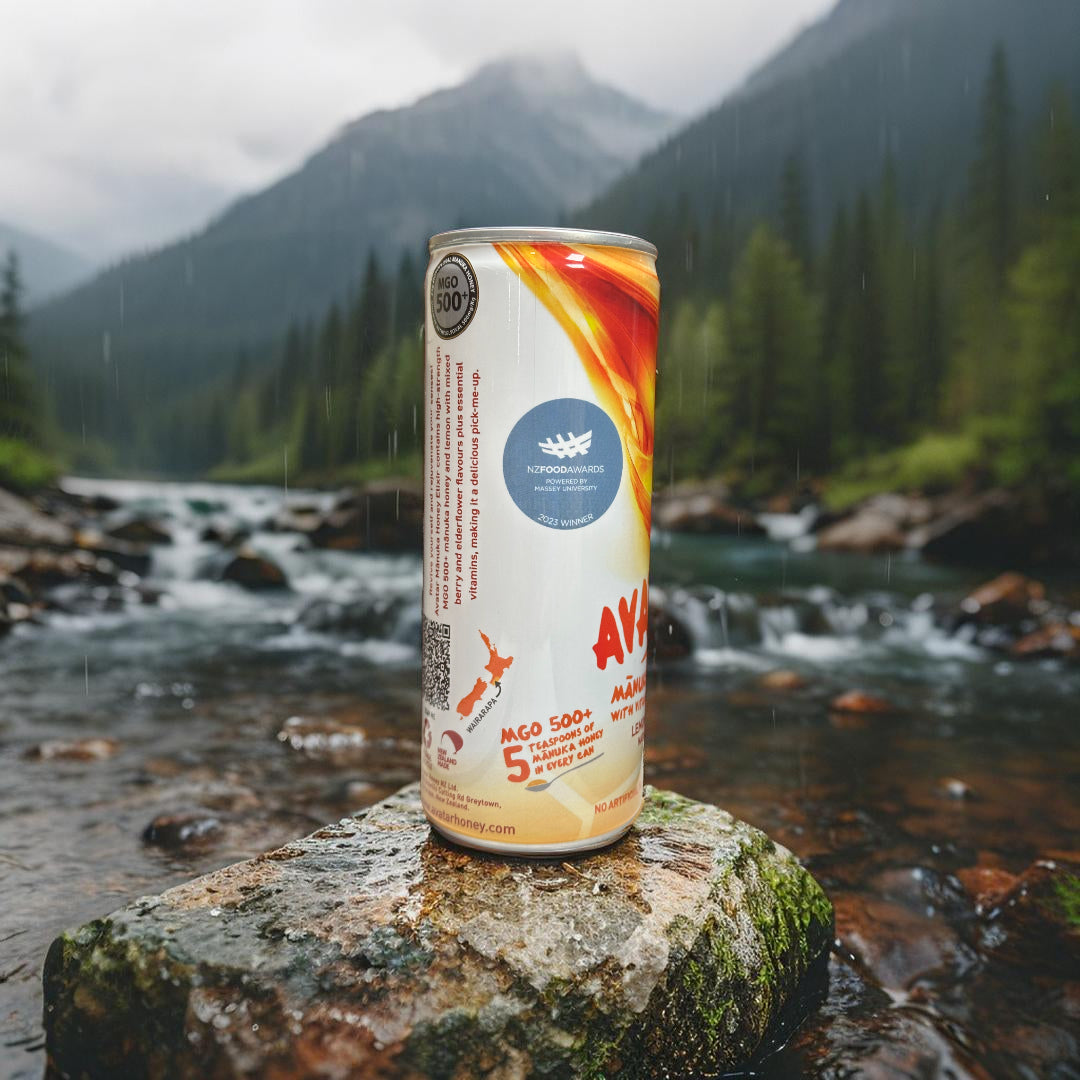
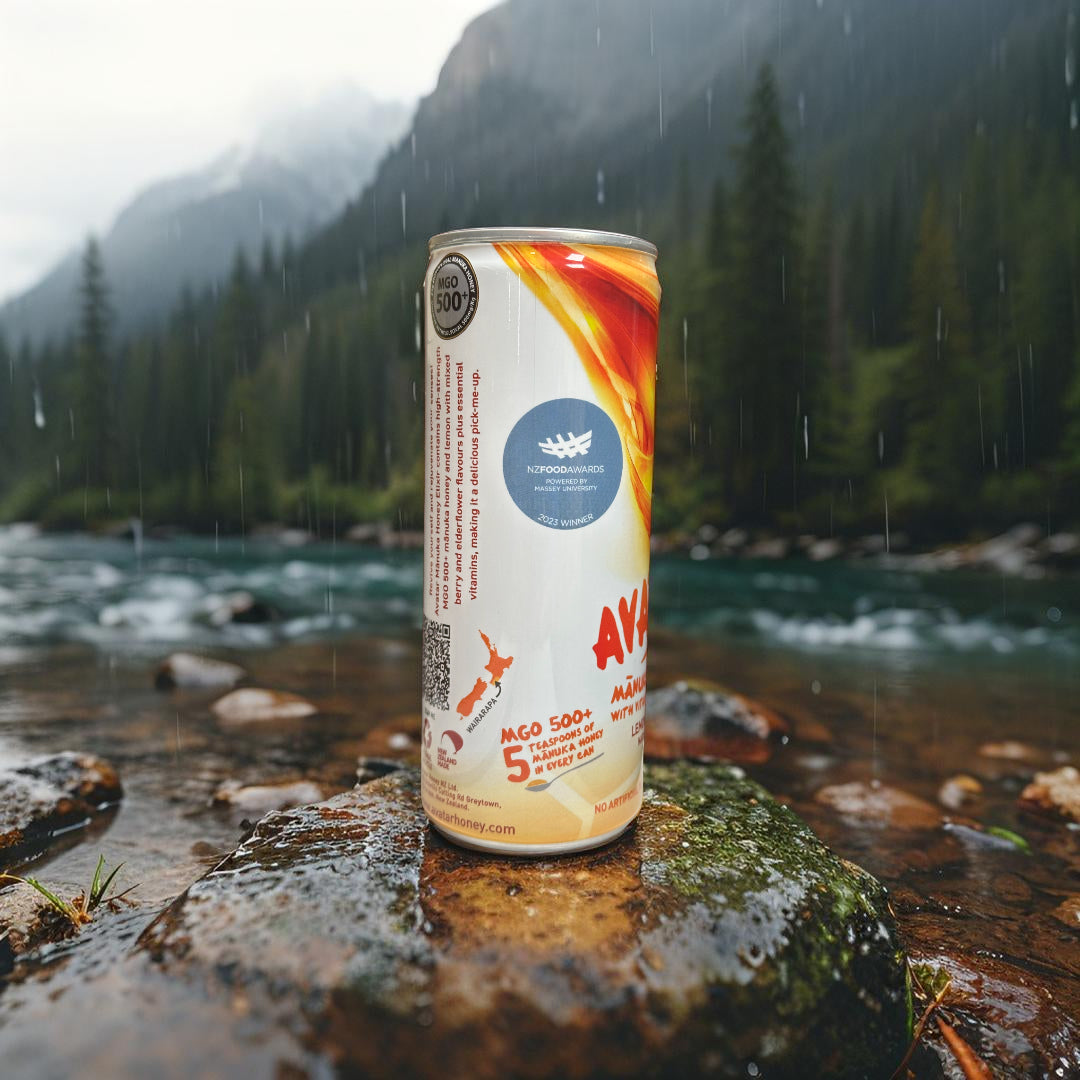
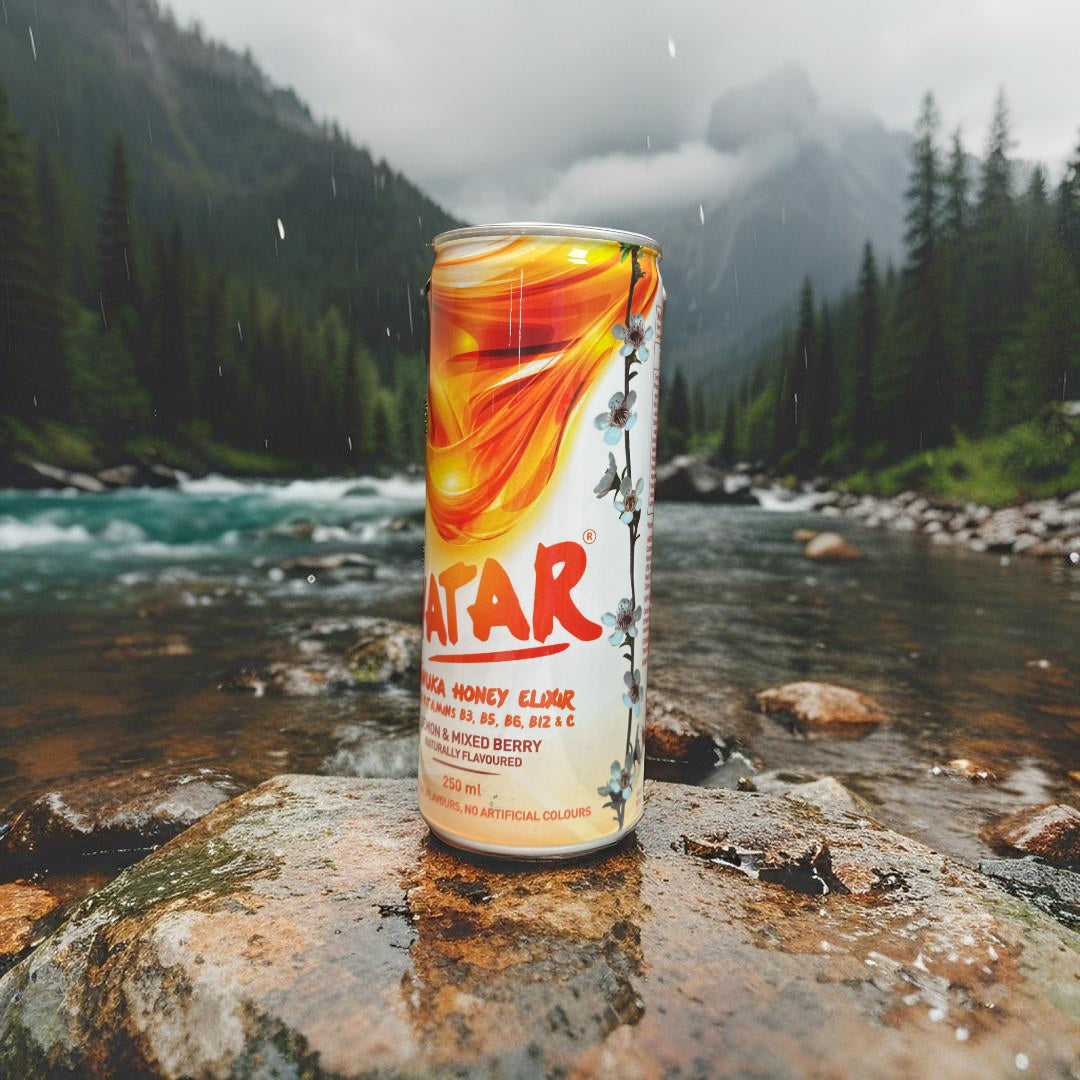
Avatar Elixir is one option for adults who would prefer honey, lemon, elderflower, light carbonation, and clean caffeine instead of returning to the coffee station. Made in New Zealand by Avatar Honey, it combines certified MGO500+ Manuka honey with lemon, elderflower, B vitamins, vitamin C, clean caffeine, and lightly carbonated water.
Its citrus, floral and honey profile makes it distinct from both black coffee and a conventional sweet soft drink. The can format can also be useful when you want to bring a drink for a scheduled workday moment, subject to the conference venue's rules.
It is best treated as a food and beverage choice, not as a substitute for water, food, rest, or sleep. Do not exceed the label directions, and avoid assuming that a lightly caffeinated drink is automatically the right choice late in the day. Personal sensitivity and bedtime still matter.
If you are preparing for several events or sharing drinks with colleagues, the Beekeeper's Apprentice 8pk is a format to consider. For specific product, ingredient, storage, or caffeine questions, consult the Avatar Elixir FAQ and the information printed on the packaging.
What caffeine-free drinks work well at conferences?
Useful caffeine-free conference choices include still water, sparkling water, herbal tea, and simple non-caffeinated beverages served with meals. These options are particularly relevant late in the day, after you have reached your personal caffeine limit, or when you simply want a change of flavour.
Choose drinks that are comfortable to sip and easy to manage in the setting. A very sweet or heavily carbonated beverage may not appeal immediately before speaking on stage. A large drink may also be inconvenient if the next session has no scheduled break.
During networking functions, a sparkling water with citrus or a well-made mocktail can provide a social drink without caffeine or alcohol. If you have a late drive, flight, or early morning ahead, decide what suits that situation before accepting whatever is nearest at the bar.
How do meals and bathroom access affect your drink plan?
Meals and bathroom access should influence both what you drink and how much you have at one time. Pair drinks with food when that is more comfortable for you, and use scheduled breaks rather than waiting until you are seated in a long presentation.
A practical approach is to check the programme when you arrive. Note the morning break, lunch interval, afternoon break, networking period, and expected departure time. If bathroom locations are not obvious, find them before the opening session.
Catered meals can also change your original plan. You might choose water with lunch, skip an additional coffee, and save a lightly caffeinated option for later. Alternatively, if the afternoon sessions are close to bedtime or you are sensitive to caffeine, you may move directly to caffeine-free drinks.
What is a practical conference-day drink timeline?
A practical timeline starts with water, preserves your normal morning routine where appropriate, and leaves the afternoon flexible. The following example is a planning framework, not a required schedule.
- Before registration: Have water and eat according to your normal morning routine. A regular coffee or tea can fit here if you usually have one.
- Morning break: Choose water first, then decide whether another caffeinated drink is genuinely wanted. Herbal tea is an easy alternative.
- With lunch: Have water or another caffeine-free drink with the meal. Consider the remaining programme before ordering coffee.
- Early afternoon: If caffeine still suits your day, this can be a planned moment for tea, coffee, or a lightly caffeinated option such as Avatar Elixir. Check the label and account for what you have already consumed.
- Late afternoon networking: Move toward water, sparkling water, herbal tea, or a caffeine-free social drink if bedtime is approaching.
- Journey home: Choose a drink based on journey length, bathroom access, personal comfort, and how soon you plan to sleep. Dedicated travel-day guidance can help when the conference involves flights, extended driving, or multiple transport connections.
Optional path for caffeine-sensitive adults
If you are caffeine-sensitive, consider having a smaller or earlier morning serving, or choosing no caffeine at all. Use water and caffeine-free drinks through lunch and the afternoon. Check labels carefully because coffee, tea, energy drinks, and some functional beverages may all contribute caffeine.
Optional path for regular coffee drinkers
If coffee is part of your established routine, keep your familiar morning coffee and avoid stacking additional caffeinated drinks simply because they are available. Later, choose either another coffee, tea, or one lightly caffeinated alternative, rather than treating them as separate categories that do not add up.
What should you pack for an all-day conference?
Pack a refillable water bottle if the venue permits it, plus one portable alternative if you do not want to depend entirely on the catering table. Your choice should be easy to carry, clearly labelled, and appropriate for venue and transport restrictions.
A simple checklist includes:
- A refillable water bottle
- A planned caffeinated option, if wanted
- A caffeine-free backup where practical
- A copy or photo of the conference schedule
- Awareness of venue entry and transport restrictions
- A personal cut-off point for caffeine based on your intended bedtime
If you pack Avatar Elixir, keep the can protected in your bag and follow the storage information on the packaging. Do not open a carbonated drink while it is warm or immediately after it has been shaken. For air travel, security and baggage rules take priority over your usual packing plan.
What is the simplest way to choose your next conference drink?
Before each break, choose your drink by checking five things: thirst, food, caffeine already consumed, bathroom access, and bedtime. Water is the dependable default, while coffee, tea, a lightly caffeinated beverage, or a caffeine-free option can each suit a particular moment.
The most useful plan is not to find one universally best conference drink. It is to arrive with options and make deliberate choices as the day changes. That may mean your usual coffee in the morning, water with lunch, Avatar Elixir for one planned early-afternoon moment, and sparkling water during networking. For someone else, the right plan may be caffeine-free from midday onward.
Conference drink planning also requires judgement when caffeine amounts are unclear or the programme runs later than expected.
Does clean caffeine mean Avatar Elixir will not affect sleep?
No. Avatar Elixir contains clean caffeine, so it still belongs in your total caffeine intake for the day. Consider your intended bedtime, personal sensitivity, and any coffee, tea, energy drinks, or other functional beverages you have already consumed. Follow the label directions rather than treating the word clean as an exception to normal caffeine planning.
What if the venue cannot confirm the coffee's caffeine content?
Treat the coffee as a caffeinated drink even when its exact caffeine content is unavailable. Serving strength and cup size can vary, so avoid assuming that a small conference coffee does not count. Before choosing another caffeinated beverage, consider how much coffee or tea you have already had and how close you are to bedtime.
How should I adjust my drink plan if the conference runs late?
Move toward water or caffeine-free choices if the revised schedule brings your next drink closer to bedtime. Recheck the departure time, journey length, bathroom access, and caffeine already consumed. A late finish does not automatically require another caffeinated drink, even when networking or travel continues after the planned programme.