



Short answer: The best drink the morning after a late night is water first, then electrolytes if you feel depleted, followed by gentle caffeine only after some hydration and light food. If coffee feels too harsh but you still have meetings, errands, or family plans ahead, choose a lower-stimulation option such as tea or a considered natural energy drink with moderate caffeine, balanced sweetness, and carbonation that feels comfortable.
Coffee can sound like the obvious answer after a late night, until your stomach, nerves, or energy level says otherwise. A busy day still asks for focus, patience, and movement, but the smartest morning-after drink choice is not the strongest one. It is the one that helps you steady the basics first.
For most wellness-minded mornings after a late night, the order matters: hydrate, add light food, then decide whether caffeine belongs in the picture. Sweetness, carbonation, and timing all make a difference. A gentler natural energy drink can fit, but it works best as part of a balanced morning rather than as something you expect to override fatigue.
What should you drink first the morning after a late night?
Drink water first the morning after a late night, before coffee, tea, or an energy drink. Water is the simplest starting point because late nights often involve less sleep, irregular meals, more talking, more movement, salty food, alcohol, or simply fewer normal hydration cues.
Start with a full glass of water and give your body a little time before deciding what comes next. This is especially helpful if you wake up with a dry mouth, dull headache, heavy limbs, or a slightly unsettled stomach. Those signals do not prove dehydration, but they are common reasons to begin gently.
If plain water feels unappealing, try one of these simple options:
- Cool water: A straightforward choice when your stomach feels sensitive.
- Room-temperature water: Often easier to sip if cold drinks feel too sharp.
- Water with a squeeze of lemon: Useful if you want brightness without much sweetness.
- Still water before sparkling drinks: A safer first step if carbonation feels bloating in the morning.
In short: your first drink does not need to energize you. It needs to help you re-establish a calm baseline before you add anything stimulating.
When should you choose electrolytes instead of plain water?
Choose electrolytes when plain water does not feel like enough, especially if the late night included sweating, salty food, alcohol, travel, dancing, or very little normal eating. Electrolytes are minerals such as sodium, potassium, and magnesium that help support fluid balance, but they are not a shortcut for rest or a replacement for food.
An electrolyte drink can be useful when you feel flat, thirsty again soon after drinking water, or aware that your normal routine was disrupted. The goal is not to flood your system with extras. The goal is to sip something that helps hydration feel more complete.
Look for an option that is not overly sweet and does not contain a large caffeine dose. Some electrolyte powders, tablets, and bottled drinks lean very sweet, which can feel heavy first thing in the morning. If you are already planning to have tea, coffee, or a natural energy drink later, a non-caffeinated electrolyte option may be the steadier choice.
Should you eat before having caffeine after a late night?
Yes, eating something light before caffeine is often the gentler choice after a late night. Food can make coffee, tea, or a natural energy drink feel smoother by giving your body something to work with besides stimulation.
You do not need a large breakfast if that feels unrealistic. A small, balanced snack can be enough to reduce the “empty stomach plus caffeine” feeling that some people experience as shakiness, acidity, or a quick rise and fall in energy.
What light foods pair well with morning-after drinks?
Light foods that combine carbohydrates with protein or healthy fat tend to pair well with morning-after drinks. They help you avoid relying on caffeine alone when your body is already tired.
- Toast with eggs, avocado, nut butter, or cottage cheese: Simple, steady, and easy to adjust to appetite.
- Greek yogurt with fruit: A soft option when you want something cool and not too heavy.
- Oatmeal with nuts or seeds: A slower, grounding option before a long workday or family schedule.
- A banana with nut butter: Easy to manage when you are short on time.
- Soup or broth with toast: Useful if warm, savory food sounds better than breakfast food.
If you are not hungry, start smaller. A few bites before caffeine can be better than forcing a full meal or drinking a strong coffee on an empty stomach.
Is coffee a good idea if it feels too harsh?
No, coffee is not the best choice if it already feels too harsh that morning. If the thought of coffee makes your stomach tighten or your nerves feel jumpy, choose a gentler caffeine source or delay caffeine until after water and food.
Coffee can be perfectly fine on many mornings, but after a late night it may feel more intense than usual. Its bitterness, acidity, heat, and caffeine level can all be harder to tolerate when you are under-rested. If you still want focus for meetings, errands, childcare, travel, or a long to-do list, the answer is not always “more caffeine.” It is often “better-timed caffeine.”
Consider these alternatives:
- Green tea: A lighter caffeine option with a gentler flavor profile than coffee.
- Black tea with food: Still caffeinated, but often easier to sip slowly.
- Half-caf coffee: Useful if you want the ritual of coffee without the full intensity.
- A natural energy drink with moderate caffeine: Helpful when you want something refreshing rather than hot and bitter.
The best caffeine choice is the one you can sip without feeling like you are forcing your body through the day.
When is the best time to have caffeine after a late night?
The best time to have caffeine after a late night is after you have had water and at least a little food, and not so late that it interferes with the next night’s sleep. Morning or early midday is usually the most sensible window for people who are trying to stay functional without extending the fatigue cycle.
If you wake up tired, it can be tempting to reach for caffeine immediately. A short delay can help you make a clearer decision. Ask yourself whether you need alertness now, or whether hydration, food, light movement, and a shower might cover the first part of the morning.
A practical sequence could look like this:
- On waking: Drink water slowly.
- Within the first hour: Add electrolytes if you feel depleted or unusually thirsty.
- Before caffeine: Eat a small breakfast or snack.
- Mid-morning: Choose tea, coffee, or a gentler natural energy drink if you still need support.
- Afternoon: Be cautious with additional caffeine, especially if sleep already took a hit.
This approach supports the day ahead without treating stimulation as the only tool available.
How much sweetness makes sense in a morning-after drink?
A lightly sweet drink often makes more sense than a very sweet one the morning after a late night. Too much sweetness can feel heavy, especially if your stomach is unsettled or your energy already feels uneven.
Sweetness is not automatically bad. A little sweetness can make a drink more palatable, encourage sipping, and pair well with light food. The issue is balance. If a drink tastes syrupy or leaves you wanting more sugar quickly, it may not be the best fit for a steadier morning.
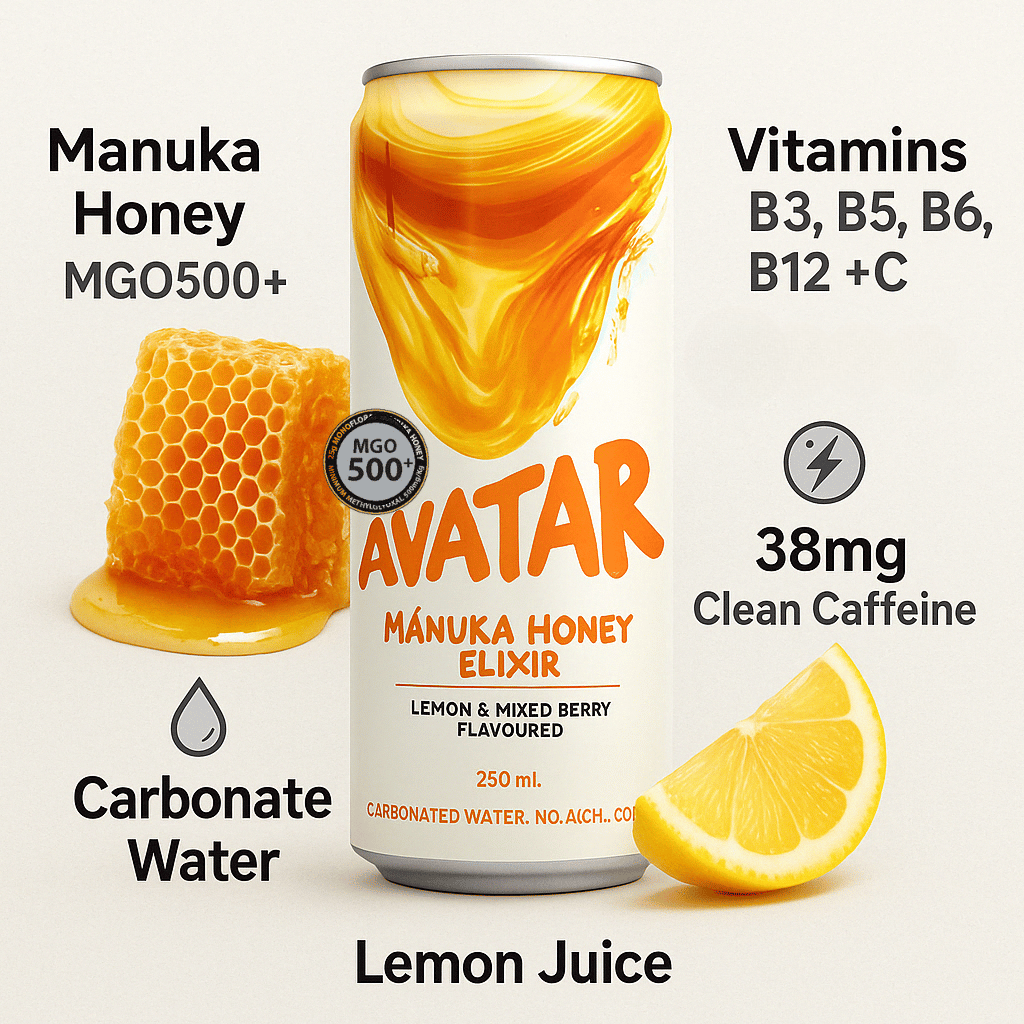
For a busy day, look for drinks that feel balanced rather than extreme. A manuka honey drink, for example, may offer a more rounded sweetness profile than a sharp, candy-like energy drink. That does not make it a fix for tiredness, but it can make the drinking experience feel less harsh when you want something smoother.
If you choose a natural energy drink, check how it fits with the rest of your morning. A sweeter drink may feel better with protein-rich food. A less sweet drink may suit you if you have already had fruit, toast, or a breakfast bowl.
Is carbonation helpful or uncomfortable after a late night?
Carbonation can be refreshing after a late night, but it can also feel uncomfortable if your stomach is sensitive, bloated, or acidic. Choose sparkling drinks only if bubbles sound appealing and easy to sip.
Some people like carbonation because it feels crisp and wakes up the senses without needing a hot drink. Others find that bubbles add pressure or make the stomach feel more unsettled. Neither response is wrong. The best choice depends on how your body feels that morning.
If you are unsure, start with still water first. Then try a few sips of a lightly carbonated drink later, ideally with food. Avoid chugging sparkling drinks when you are already feeling delicate. Slow sipping gives you more control and helps you notice whether carbonation is helping or getting in the way.
Can a natural energy drink be a good morning-after choice?
Yes, a natural energy drink can be a good morning-after choice when it is moderate, easy to sip, and used after hydration and light food. It is not the right first step if you are very dehydrated, nauseous, anxious, or trying to replace sleep with stimulation.
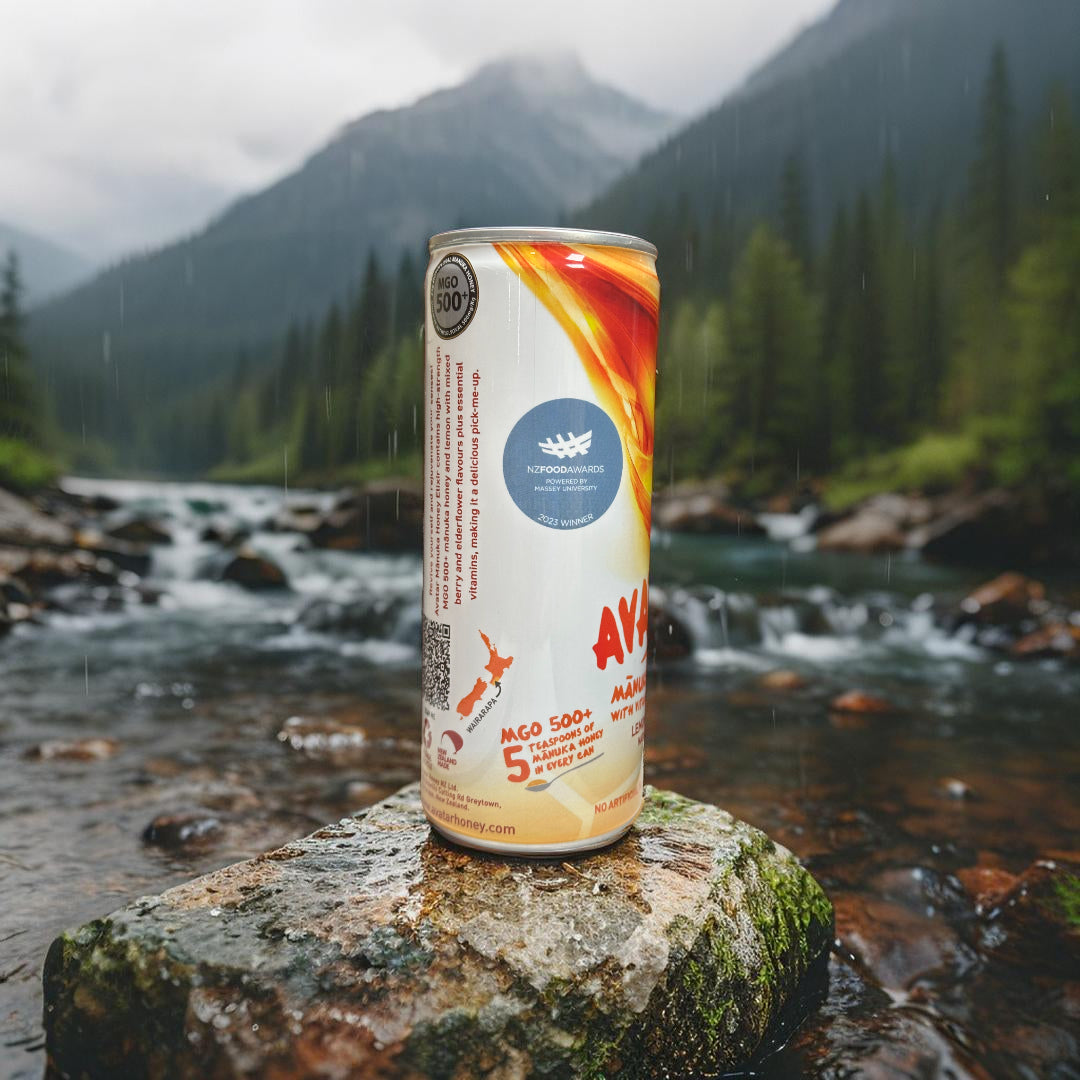
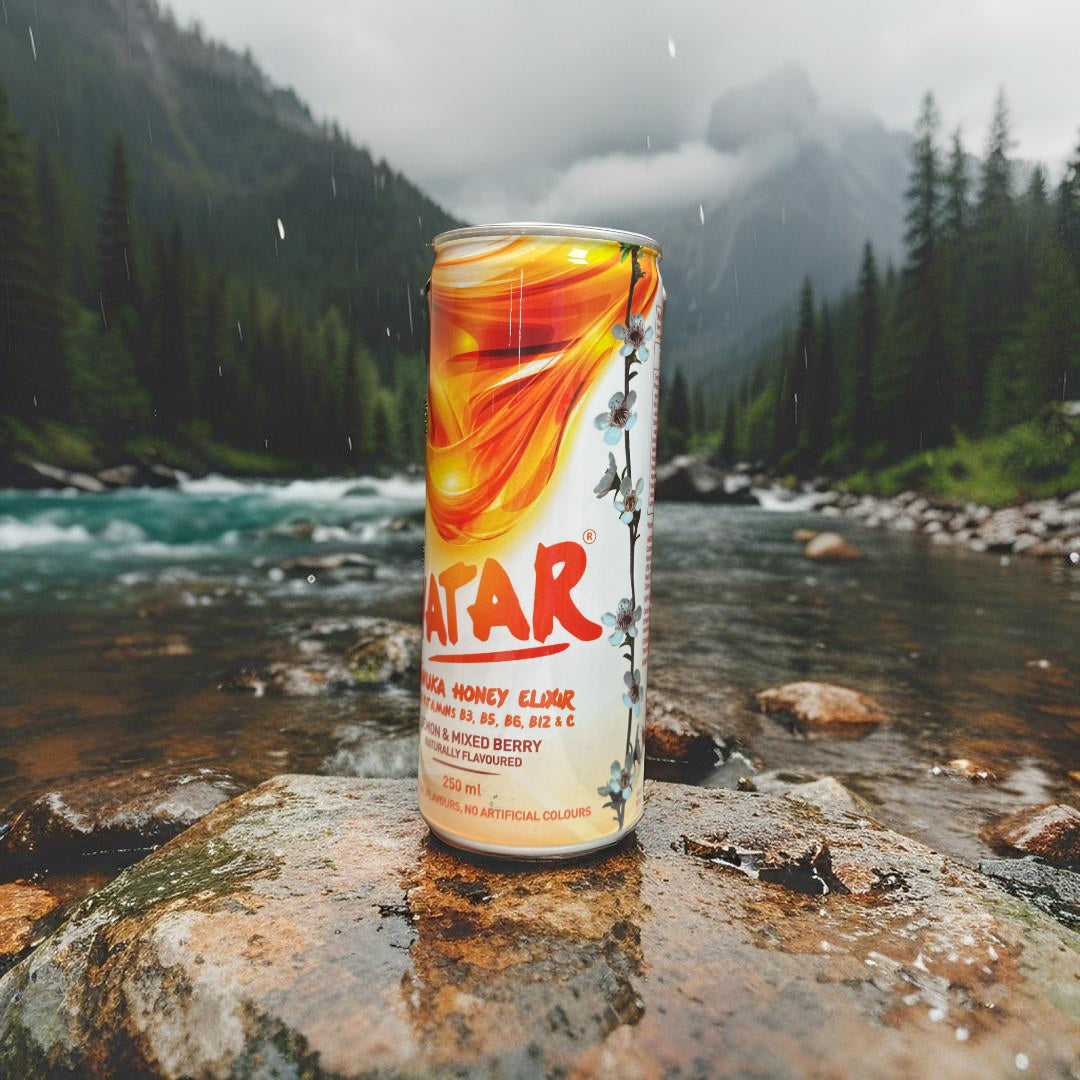
A more considered drink option can make sense when coffee feels too harsh but the day still has structure. For example, something like Beekeeper's Apprentice 8pk or Avatar Elixir may fit the moment if you want a smoother, more intentional alternative to a strong coffee or an overly intense energy drink. The key is to look at the whole experience: caffeine level, sweetness, carbonation, flavor, and how it pairs with food.
A helpful natural energy drink for this situation should feel:
- Moderate: Enough to support alertness, not so much that it feels aggressive.
- Balanced: Sweetness should support the flavor rather than dominate it.
- Sippable: A drink you can take slowly during a meeting prep, commute, or errand run.
- Comfortable: Carbonation and acidity should suit your stomach that morning.
- Part of a routine: Best used alongside water and food, not instead of them.
If your body is asking for rest, a natural energy drink should not be used to ignore that signal. It can help you move through necessary commitments more thoughtfully, but it cannot remove the need for recovery time later.
When should you avoid adding more stimulation after a late night?
Avoid adding more stimulation when you feel shaky, anxious, nauseous, overheated, heart-racey, or deeply exhausted. In those moments, more caffeine may make the morning feel less steady rather than more productive.
Fatigue is not always solved by alertness. Sometimes the better choice is water, electrolytes, light food, a short walk, fresh air, a lower-pressure schedule, or a brief rest if your day allows it. If you have already had coffee or an energy drink, piling on another caffeinated drink can make it harder to judge what your body actually needs.
It is also wise to avoid late-day caffeine when your sleep was already shortened. A second or third caffeinated drink may help you get through an afternoon task, but it can also make the next night more difficult. For wellness lovers trying to keep a steadier rhythm, protecting tonight’s sleep is part of the morning-after plan.
What is the simplest morning-after drink plan for a busy day?
The simplest morning-after drink plan is water first, electrolytes if needed, light food, then a modest caffeine choice if your schedule truly calls for it. This order keeps the focus on steadiness instead of chasing a quick jolt.
Use this practical plan when coffee feels harsh but your day still has demands:
- Start with water: Sip a full glass before judging your energy.
- Add electrolytes if the night was especially dehydrating: Choose a non-caffeinated or lower-sugar option if you plan to have caffeine later.
- Eat something light: Pair carbohydrates with protein or healthy fat where possible.
- Choose caffeine carefully: Tea, half-caf coffee, or a gentle natural energy drink may feel better than strong coffee.
- Watch sweetness and carbonation: Pick what feels comfortable, not just what sounds energizing.
- Stop before overdoing it: If stimulation starts to feel like strain, switch back to water, food, and rest when possible.
Key takeaway: The best thing to drink the morning after a late night is not one magic beverage. It is a calm sequence: hydrate first, support yourself with light food, use caffeine thoughtfully, and choose drinks that help you feel steady rather than pushed.
These answers clarify how to choose water, electrolytes, caffeine, food, sweetness, and carbonation after a late night.
What should I drink first after a late night?
Water should be your first drink after a late night. Start with plain still water before coffee, tea, electrolytes, or an energy drink. This gives you a calm baseline, especially if you wake up with a dry mouth, heavy head, or unsettled stomach. Once you have hydrated, it is easier to decide whether you need electrolytes, food, or gentle caffeine.
Are electrolytes better than coffee the morning after?
Electrolytes are a better first step than coffee if you feel depleted, thirsty, or flat after a disrupted night. They support fluid balance, while coffee mainly adds stimulation. If the late night included alcohol, salty food, sweating, travel, or irregular meals, start with water and consider a non-caffeinated electrolyte drink before deciding whether coffee or tea still makes sense.
Is tea gentler than coffee after poor sleep?
Tea is usually a gentler caffeine choice than coffee after poor sleep. It generally feels lighter for people who find coffee too acidic, intense, or jittery on a tired morning. Green tea, black tea, or a mild matcha can fit after water and light food, especially when you want focus without jumping straight to a strong cup of coffee.
When does a natural energy drink make sense after a late night?
A natural energy drink makes sense after a late night when you have already had water and some light food, but still want moderate support for a busy day. Look for balanced sweetness, comfortable carbonation, and a caffeine level that fits your tolerance. Options like Beekeeper's Apprentice 8pk or Avatar Elixir can be considered when you want a more thoughtful alternative to harsh coffee.
Should I choose still or sparkling drinks the morning after?
Choose still drinks first if your stomach feels sensitive, and choose sparkling drinks only if carbonation feels comfortable. Still water, tea, or a non-carbonated electrolyte drink is usually easier to sip when you feel unsettled. Sparkling drinks can feel refreshing, but they can also feel bloating for some people, especially before food.
How sweet should a morning-after energy drink be?
A morning-after energy drink should be lightly to moderately sweet, not syrupy or heavy. Too much sweetness first thing can feel cloying, especially when appetite is low or sleep was poor. A balanced drink pairs better with simple food, steady hydration, and moderate caffeine, so you are not relying on sugar and stimulation to push through the day.
When should I skip more caffeine after a late night?
Skip more caffeine if you already feel wired, shaky, anxious, nauseous, or close to your usual caffeine limit. Adding stimulation on top of fatigue does not always improve how you feel. In that situation, choose water, electrolytes if useful, light food, fresh air, and a slower pace where possible instead of another coffee or energy drink.