


Quick answer: Caffeine does not usually dehydrate you when consumed in typical amounts through drinks like coffee, tea, or energy drinks. It can have a mild diuretic effect, especially at higher doses or in people who rarely use caffeine, but caffeinated beverages still contribute fluid to your daily hydration. The main times to be more careful are during heavy exercise, hot weather, illness, or when caffeine intake is high.
Caffeine and hydration are often discussed as if the answer is simple: caffeine makes you pee, so it must dehydrate you. The evidence is more balanced. Caffeine can affect urine output, but that does not automatically mean it leaves you dehydrated, especially when it is consumed as part of a fluid-containing drink.
This matters for anyone who drinks coffee, tea, matcha, yerba mate, or natural energy drinks and wants steady energy without compromising wellness. It also matters for people who use caffeine before workouts, where sweat loss, heat, and fluid replacement change the picture.
The most useful answer is context-based. Dose, tolerance, activity level, and the type of beverage all influence whether caffeine has any meaningful effect on hydration.
Does caffeine dehydrate you?
Caffeine does not usually dehydrate healthy adults when consumed in moderate amounts as part of normal beverages. While caffeine can increase urine production in some situations, caffeinated drinks still provide water. The fluid you consume generally counts toward hydration, even if the caffeine slightly changes how your body handles that fluid.
The confusion comes from the word diuretic. A diuretic is something that encourages the body to produce more urine. Caffeine can have this effect, but it is typically mild in people who consume caffeine regularly. A mild increase in urination is not the same as dehydration.
Dehydration happens when your body loses more fluid than it takes in and cannot maintain normal fluid balance. That can occur from heavy sweating, illness, inadequate drinking, heat exposure, or a combination of factors. Caffeine alone, in normal beverage amounts, is rarely the main reason someone becomes dehydrated.
Why caffeine has a diuretic reputation
Caffeine has a diuretic reputation because it can temporarily increase urine output, particularly in people who are not used to it. This effect is linked to how caffeine interacts with the nervous system and kidney function.
Caffeine is a stimulant. It influences alertness by affecting adenosine, a compound involved in sleep pressure and relaxation. It can also affect blood flow and kidney activity, which may lead the body to release more fluid through urine in certain circumstances.
However, the body adapts. People who regularly drink caffeinated beverages often experience less of a noticeable diuretic response than people who rarely consume caffeine. This is one reason the same cup of coffee can affect two people differently.
It is also important to separate urination from dehydration. You may urinate after drinking a caffeinated beverage because you consumed liquid. That does not mean the drink failed to hydrate you. It may simply mean your body is processing fluid normally.
The dose matters more than the label
The hydration effect of caffeine depends more on total dose than on whether the drink is called coffee, tea, or an energy drink. A small or moderate amount of caffeine is less likely to meaningfully affect hydration than a large intake taken quickly.
For wellness-focused consumers, this is an important distinction. A natural caffeine drink is not automatically hydrating or dehydrating based only on its source. Caffeine from coffee, tea, guayusa, yerba mate, or green tea extract can still contribute to your total caffeine load.
Higher caffeine intake may be more likely to cause:
- More frequent urination
- Jitteriness or restlessness
- Faster heart rate in sensitive people
- Sleep disruption, which can indirectly affect recovery and hydration habits
- Stomach discomfort, especially when consumed quickly or without food
The practical takeaway is simple: look at your total daily caffeine intake, not just one product. A morning coffee, an afternoon tea, and a pre-workout energy drink can add up. Even if each drink feels reasonable on its own, the combined intake may affect how you feel.
Habitual caffeine use changes the response
Regular caffeine consumers often develop tolerance to some of caffeine’s fluid-related effects. If you drink caffeine most days, your body may respond differently than someone who only has it occasionally.
This does not mean tolerance makes caffeine risk-free. It means the mild diuretic effect may be less noticeable. Someone who drinks coffee daily may find that it feels like a normal part of hydration, while someone who rarely drinks caffeine may notice more urination or a stronger stimulant effect.
Sensitivity still varies. Body size, sleep, stress, medication use, menstrual cycle phase, and overall diet can influence how caffeine feels. If caffeine seems to make you feel dry, lightheaded, or overly stimulated, that experience is worth taking seriously even if general evidence suggests moderate intake is usually compatible with hydration.
Caffeinated drinks still count toward fluid intake
Caffeinated beverages can contribute to hydration because they contain water. This is one of the most important points in the caffeine dehydration debate.
Plain water is still the simplest hydration choice, but it is not the only fluid your body can use. Tea, coffee, sparkling drinks, and many energy drinks provide fluid. If a caffeinated drink causes a mild increase in urine output, the drink may still contribute net fluid to your day.
The bigger issue is beverage quality and context. Some caffeinated drinks contain large amounts of sugar, intense sweeteners, carbonation, acids, or other stimulants that may not suit every person. Others are simpler and more wellness-oriented, using ingredients such as brewed tea, fruit juice, honey, or electrolytes.
From a hydration standpoint, consider these factors:
- Fluid volume: A full beverage provides more fluid than a concentrated caffeine shot.
- Caffeine amount: Higher caffeine loads are more likely to affect urination or comfort.
- Electrolytes: Sodium and other electrolytes can support fluid balance during sweat-heavy conditions.
- Sugar concentration: Very sweet drinks may feel heavy during exercise or hot weather.
- Timing: Late caffeine may interfere with sleep, which can affect recovery habits.
A balanced approach is to count caffeinated beverages as part of your fluid intake, while still using water as your baseline. If you rely heavily on caffeinated drinks and rarely drink plain water, hydration may become less consistent.
When caffeine and hydration matter most
Caffeine is more likely to affect hydration decisions when fluid losses are already high. The main examples are exercise, hot environments, illness, travel, and long periods without food or water.
In everyday settings, a caffeinated drink with breakfast or lunch is unlikely to create a hydration problem for most healthy adults. During more demanding conditions, the margin for error is smaller. Sweat loss, heat stress, and inadequate fluid replacement can matter more than caffeine itself.
Exercise and pre-workout caffeine
Caffeine before exercise does not automatically dehydrate you, but it should be paired with a hydration plan. This is especially true for long workouts, outdoor training, endurance sessions, or high-heat environments.
Caffeine is commonly used before exercise because it can support alertness and perceived energy. The hydration concern comes from combining caffeine with sweating, heat, and sometimes under-drinking. If you start a workout already low on fluids, caffeine will not solve that problem.
Before exercise, pay attention to:
- Your starting hydration: Dark urine, thirst, headache, or dry mouth may suggest you need fluid before training.
- Workout length: Longer sessions require more deliberate fluid replacement.
- Sweat rate: Some people naturally lose more fluid through sweat than others.
- Heat and humidity: Hot conditions increase fluid and electrolyte needs.
- Stomach tolerance: Strong caffeine on an empty stomach may cause discomfort.
If you use a caffeinated pre-workout drink, it is usually sensible to drink water as well. For sweat-heavy training, electrolytes may also be useful. The goal is not to avoid caffeine entirely, but to avoid treating caffeine as a substitute for hydration.
Hot weather and outdoor activity
Hot weather increases fluid needs regardless of caffeine intake. If you are hiking, running errands in the heat, gardening, working outdoors, or spending time at the beach, dehydration risk comes mostly from sweat loss and inadequate replacement.
In these conditions, caffeine may be fine in reasonable amounts, but water should stay central. A chilled caffeinated beverage can feel refreshing, yet it may not provide enough total fluid for prolonged heat exposure. If you notice thirst, fatigue, dizziness, or reduced sweating, take those signs seriously.
Illness, alcohol, and poor sleep
Caffeine deserves extra caution when your body is already stressed. Fever, vomiting, diarrhea, alcohol intake, and poor sleep can all make hydration more fragile.
During illness, the priority is fluid tolerance and electrolyte balance. Strong caffeine may worsen nausea or make rest harder for some people. After alcohol, caffeine may increase alertness, but it does not reverse dehydration or restore judgment. After poor sleep, caffeine may help you function temporarily, but it can also create a cycle of late-day stimulation and weaker recovery.
Signs caffeine may not be working well for your hydration
Your body’s response is the best clue to whether your caffeine routine needs adjusting. General evidence is helpful, but individual feedback matters.
Consider reducing caffeine, spacing it out, or increasing water intake if you commonly notice:
- Persistent thirst after caffeinated drinks
- Frequent urination that feels disruptive
- Headaches that improve with water or electrolytes
- Dry mouth paired with low fluid intake
- Lightheadedness during workouts or hot weather
- Jitters, anxiety, or a racing heart
- Poor sleep after afternoon or evening caffeine
These signs do not prove caffeine is dehydrating you. They do suggest your overall routine may need attention. Sometimes the issue is not caffeine itself, but too much caffeine, too little food, too little water, or using energy drinks in place of meals and fluids.
How to drink caffeine without compromising hydration
The best approach is to enjoy caffeine within a broader hydration routine. You do not need to choose between energy and hydration if your intake is moderate, timed well, and matched to your activity level.
Use these practical guidelines:
- Start your day with fluid: If you wake up thirsty, drink water before or alongside caffeine.
- Pair caffeine with meals when needed: Food can improve tolerance for people who feel shaky or nauseous.
- Watch total intake: Add up coffee, tea, energy drinks, pre-workouts, and caffeine-containing supplements.
- Use water as your baseline: Caffeinated drinks can count, but they should not be your only fluid source.
- Adjust for sweat: Drink more during heat, long workouts, sauna use, or physically demanding days.
- Consider electrolytes when appropriate: They can help when sweat loss is significant.
- Avoid late caffeine if it affects sleep: Poor sleep can undermine recovery and wellness habits.
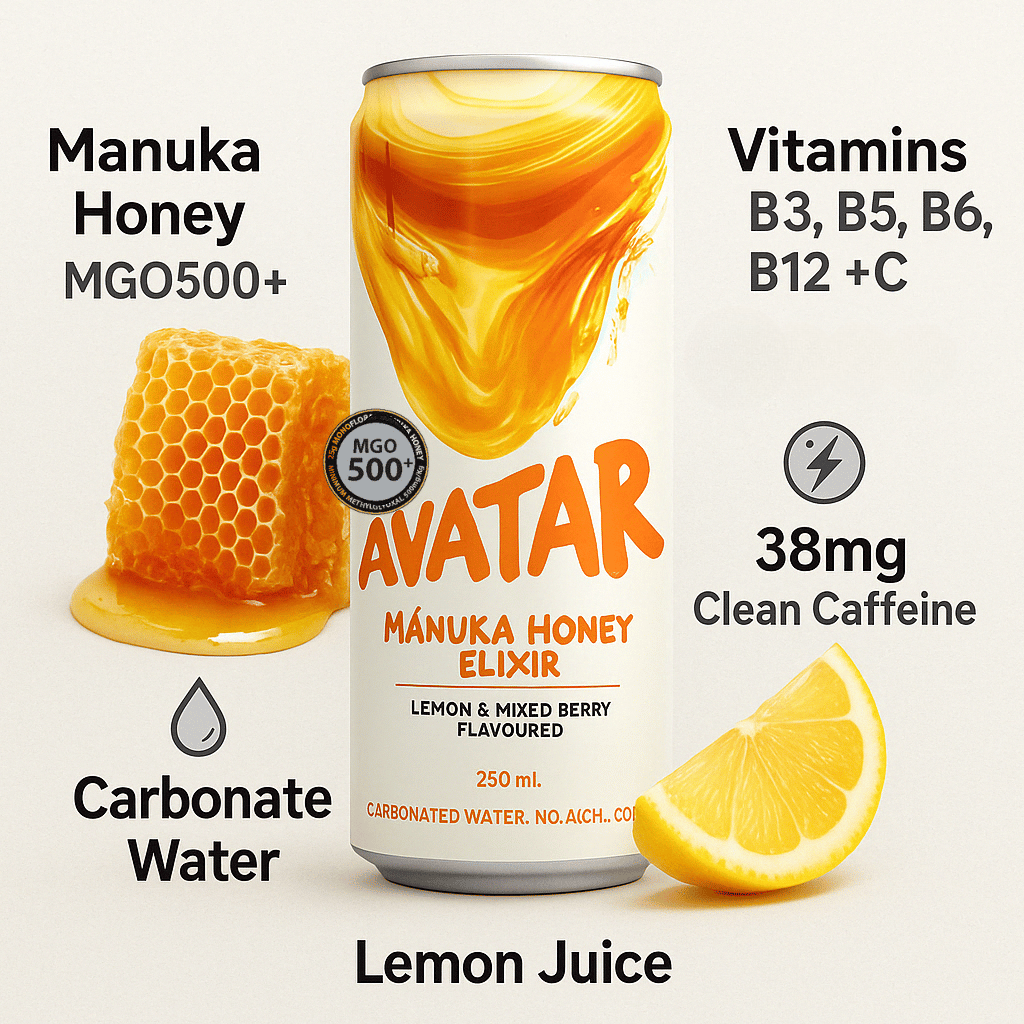
For natural energy drink users, the label is worth reading carefully. Look at caffeine amount, serving size, added stimulants, sugar level, and whether the drink contains meaningful fluid volume. A clean-looking label is helpful, but your body still responds to the total formula—see this clean label checklist.
What to watch for on energy drink labels
Energy drink labels can help you predict whether a product fits your hydration needs. The most relevant information is not just whether the drink contains caffeine, but how much caffeine it provides and what else is in the can or bottle.
For hydration-conscious choices, look for:
- Caffeine per serving: Make sure the serving size matches how much you actually drink.
- Multiple stimulant sources: Ingredients like guarana or yerba mate may contribute additional caffeine.
- Electrolytes: These may be useful during exercise or heat exposure.
- Sweeteners: Choose what works for your digestion, taste, and wellness goals.
- Acidity and carbonation: Some people tolerate still drinks better during workouts.
- Fluid amount: A beverage with meaningful volume supports hydration more than a small concentrated shot.
Natural ingredients do not remove the need for moderation. A drink made with tea, botanical caffeine, or honey can still be strong. The best product is the one that supports energy while fitting comfortably into your full day of fluids, food, movement, and sleep.
Who should be more cautious with caffeine?
Some people should take a more careful approach to caffeine, regardless of hydration concerns. Caffeine affects the nervous system, cardiovascular system, digestion, and sleep, so personal health context matters.
More caution may be appropriate for people who are pregnant, sensitive to stimulants, prone to anxiety, managing heart rhythm concerns, dealing with high blood pressure, taking certain medications, or experiencing sleep problems. Children and adolescents also need more conservative caffeine habits than adults.
If you have a medical condition or take medication, it is best to ask a qualified healthcare professional how caffeine fits your situation. Hydration is only one part of the decision.
The bottom line on caffeine and dehydration
Caffeine can be mildly diuretic, but it does not usually cause dehydration when consumed in normal amounts through beverages. The old advice that caffeinated drinks “do not count” toward hydration is too simplistic.
The more accurate view is that caffeine’s hydration effect depends on dose, tolerance, timing, and context. A regular coffee, tea, or natural energy drink can contribute fluid. Higher intakes, concentrated caffeine, hot weather, heavy sweating, illness, and poor baseline hydration require more attention.
If you want a practical rule, use this: caffeinated drinks can be part of your hydration routine, but water should remain the foundation. During exercise or heat, add fluids deliberately and consider electrolytes when sweat loss is high. That balanced approach lets you enjoy caffeine without treating it as either a hydration villain or a hydration solution.
These FAQs clarify how caffeine interacts with hydration in everyday life, and when it can matter more. You will get practical, context-based guidance on dose, tolerance, beverage type, and exercise.
Does caffeine dehydrate you if you drink coffee daily?
Usually no, regular coffee drinkers are not typically dehydrated by caffeine. Caffeine can have a mild diuretic effect, but tolerance often reduces noticeable changes in urine output for people who consume caffeine consistently. In most typical patterns, the fluid in coffee still contributes to daily hydration.
Why can caffeine make you pee more but not dehydrate you?
Because a mild diuretic effect is not the same thing as dehydration. "Diuretic" means it can increase urine production, but dehydration is a net fluid deficit that affects how you feel and function. If the caffeinated drink provides enough fluid, it commonly still "counts" toward hydration even if you urinate a bit more.
How does caffeine dose change hydration effects and risk?
Higher caffeine doses are more likely to increase urine output, especially if you are not used to caffeine. In typical amounts from coffee, tea, or natural energy drinks, the effect is often mild, but it can be more noticeable when intake is high. A practical approach is to keep caffeine moderate and pair it with adequate fluids when conditions increase fluid loss.
Do energy drinks hydrate the same as water during hot weather?
Water is still the simplest hydration tool, but many caffeinated drinks can contribute fluid. During hot weather, dehydration risk is driven more by sweat loss and insufficient fluid replacement than by moderate caffeine alone. If you use natural energy drinks, it can help to also drink water and watch for signs you are not keeping up with heat-related fluid needs.
What are best practices for caffeine before workouts and hydration?
The best practice is to match caffeine use with your sweat rate and conditions. Caffeine before workouts is common, but hydration becomes more sensitive during heavy exercise or heat because you lose more fluid through sweat. Consider these basics:
- Start hydrated and sip fluids consistently if you sweat heavily.
- Keep caffeine moderate if you notice frequent bathroom breaks or stomach discomfort.
- Adjust for heat by increasing fluids, and consider electrolytes if sweating is significant.
How can you tell if caffeine is affecting your hydration?
Look for practical, body-based signals rather than assuming caffeine equals dehydration. If you feel unusually thirsty, get headaches, feel lightheaded, or notice very dark urine, your overall hydration may be low, regardless of caffeine. It can help to reduce caffeine dose, space it earlier in the day, and increase non-caffeinated fluids, especially during illness, hot weather, or long workouts.
Which caffeinated drinks are least likely to impact hydration?
Drinks with more total fluid and moderate caffeine are generally easier on hydration. Tea, coffee, matcha, yerba mate, and many natural energy drinks can still support daily fluid intake, but the context matters. If you are sensitive or rarely consume caffeine, choose a lower-caffeine option and drink extra water alongside it. If you want help comparing options, this guide to the healthiest energy drink may help.