



Quick answer: Singers most often drink water, warm herbal tea, and honey-based drinks for vocal health. Manuka honey is especially popular because honey can act as a demulcent, meaning it may coat and soothe the throat, while hydration supports the vocal fold tissue that produces sound.
Professional vocalists, choir members, voice teachers, and frequent speakers all ask the same practical question: what do singers drink for vocal health? The best answer starts with hydration, then adds soothing ingredients that support the throat without increasing irritation, reflux, or dryness.
Manuka honey is one of the most talked-about options in vocal care. Ed Sheeran, Ariana Grande, and Barbra Streisand have all publicly used manuka honey as part of vocal care routines, which has helped make it a familiar choice among performers. The appeal is not just celebrity habit. Honey has long been used for throat comfort, and its texture, plant compounds, and demulcent qualities make it relevant for singers who rely on their voices daily. For a deeper look, see manuka honey for singers.
This guide focuses on evidence-informed drink choices, practical pre-show and post-show routines, and what to avoid when your vocal cords need to perform consistently. It does not replace medical care for hoarseness, nodules, reflux disease, or vocal injury, but it can help you make smarter daily decisions about what you sip before rehearsal, recording, teaching, or performance.
What Singers Should Drink First: Water
Water is the foundation of vocal health because vocal folds need adequate hydration to vibrate efficiently. The vocal folds, often called vocal cords, are delicate tissue structures in the larynx. When you sing, they come together and vibrate rapidly to create sound. If the tissue is dry or irritated, phonation can feel harder, less flexible, or less reliable.
Hydration works in two ways. Systemic hydration comes from the fluids you drink throughout the day. This supports the body’s tissues from the inside. Surface hydration refers to moisture around the throat and airway, which can be supported by steam, humidified air, and gentle warm drinks.
For singers, the most useful hydration habit is consistent intake rather than last-minute chugging. Drinking a large amount of water right before singing may not immediately hydrate the vocal folds. A better approach is to drink regularly across the day, then use small sips before and during vocal use.
Best water habits for vocalists
- Sip steadily throughout the day instead of relying on a single large drink before singing.
- Use room-temperature or warm water if cold water makes your throat feel tense.
- Keep water nearby during rehearsals, lessons, and teaching sessions.
- Pair hydration with vocal pacing, especially during long rehearsals or back-to-back performances.
Water may sound basic, but it remains the most important drink for vocal endurance. Honey, tea, and specialty beverages work best when they support a hydrated voice rather than trying to compensate for dehydration.
Why Manuka Honey Is Popular for Vocal Health
Manuka honey is popular among singers because honey may soothe the throat by coating irritated surfaces and supporting comfort during vocal use. Honey is considered a demulcent, which means it can form a soothing layer over mucous membranes. For singers, that coating sensation can feel helpful when the throat is dry, scratchy, or overused.
Manuka honey comes from nectar gathered from the manuka plant in New Zealand and parts of Australia. It is known for naturally occurring compounds that are studied for antimicrobial and anti-inflammatory activity. In beverage form, the main vocal benefit is not that honey “fixes” the vocal cords. It is that honey may help the throat feel more comfortable while the singer maintains hydration and healthy vocal technique.
This distinction matters. Honey does not directly touch the vocal folds during normal swallowing because the vocal folds sit inside the airway, not the food pipe. However, the throat, pharynx, and surrounding tissues can influence how a singer feels when warming up, speaking, or singing. A soothing drink can reduce the urge to cough or clear the throat, both of which can be hard on the voice.
Why singers often choose manuka honey over regular sweeteners
- Texture: Honey has a coating quality that plain sugar does not provide in the same way.
- Throat comfort: Many singers find honey drinks soothing before or after heavy vocal use.
- Plant-derived compounds: Manuka honey contains naturally occurring compounds that are often discussed in wellness and throat care contexts.
- Flavor: Its rich taste can make warm water or tea easier to sip consistently.
For vocalists who want a simple routine, warm water with manuka honey is one of the most practical options. It is easy to prepare, gentle for many singers, and compatible with pre-show rituals.
Warm Tea, Herbal Infusions, and Honey Drinks
Warm non-caffeinated tea with honey is one of the most singer-friendly drink choices because it supports hydration, warmth, and throat comfort at the same time. Warmth can help the throat feel relaxed, especially before a lesson, audition, or performance. Herbal infusions also provide a familiar ritual that can calm pre-show tension without relying on heavy stimulants.
Good options include mild herbal teas such as chamomile, ginger, licorice root, or slippery elm blends. Not every ingredient suits every singer, especially if reflux, allergies, pregnancy, medication interactions, or medical conditions are involved. A voice teacher or clinician may suggest keeping a simple drink journal to identify what feels helpful and what creates irritation.
Common singer-friendly combinations
- Warm water and manuka honey: A simple choice when the throat feels dry or tired.
- Ginger tea with honey: Often chosen for warmth and throat comfort.
- Chamomile tea with honey: Common before evening performances because it is naturally caffeine-free.
- Slippery elm tea: Used by some singers for its mucilage-like, coating quality.
Lemon is a common addition, but it is not ideal for everyone. Its acidity can aggravate reflux or throat sensitivity in some singers. If lemon makes your throat feel sharper, tighter, or more irritated, a honey-only drink may be the better choice.
What Damages Vocal Cords and What to Avoid
The most common drink-related vocal problems come from dehydration, reflux triggers, excess caffeine, alcohol, and beverages that increase mucus sensation or throat clearing. A drink does not need to be “bad” for everyone to be a poor choice before singing. The key is how your voice responds.
Dehydration
Dehydration can make the vocal folds less pliable. Singers may notice more effort, reduced range comfort, or a scratchier onset when they are under-hydrated. Dry environments, air travel, intense rehearsals, and long teaching days can increase the need for fluids.
Caffeine
Caffeine affects singers differently. Some vocalists tolerate moderate caffeine well, while others feel drier, more anxious, or more prone to throat clearing. Coffee and strong tea may also worsen reflux symptoms in some people. If caffeine is part of your routine, test it during rehearsals rather than discovering your response on performance day.
Acid reflux triggers
Acid reflux is one of the most important concerns for vocal performers because reflux can irritate the throat and laryngeal area. Common triggers include acidic drinks, alcohol, large meals close to singing, carbonated beverages, and high-fat foods. Not every singer reacts the same way, but reflux-prone vocalists should be careful with citrus, coffee, alcohol, and heavy late meals.
Dairy
Dairy does not damage vocal cords directly for most people, but many singers report a thicker mucus sensation after milk, cream, or rich dairy drinks. That sensation can lead to throat clearing, which is mechanically irritating. If dairy makes you clear your throat more often, avoid it before singing and save it for after vocal demands are finished.
Alcohol
Alcohol is generally a poor pre-performance choice. It can contribute to dryness, impair coordination, and increase reflux risk for some singers. Even when it feels relaxing, it may reduce the precision and consistency singers need on stage.
Where a Honey-Based Energy Drink Fits
A honey-based energy drink can fit a singer’s routine when it provides gentle performance energy without ignoring vocal comfort. Many energy drinks are built around high stimulant intensity, sharp acidity, artificial flavors, or heavy carbonation. Those features may not suit singers who are managing dryness, reflux, or throat sensitivity.
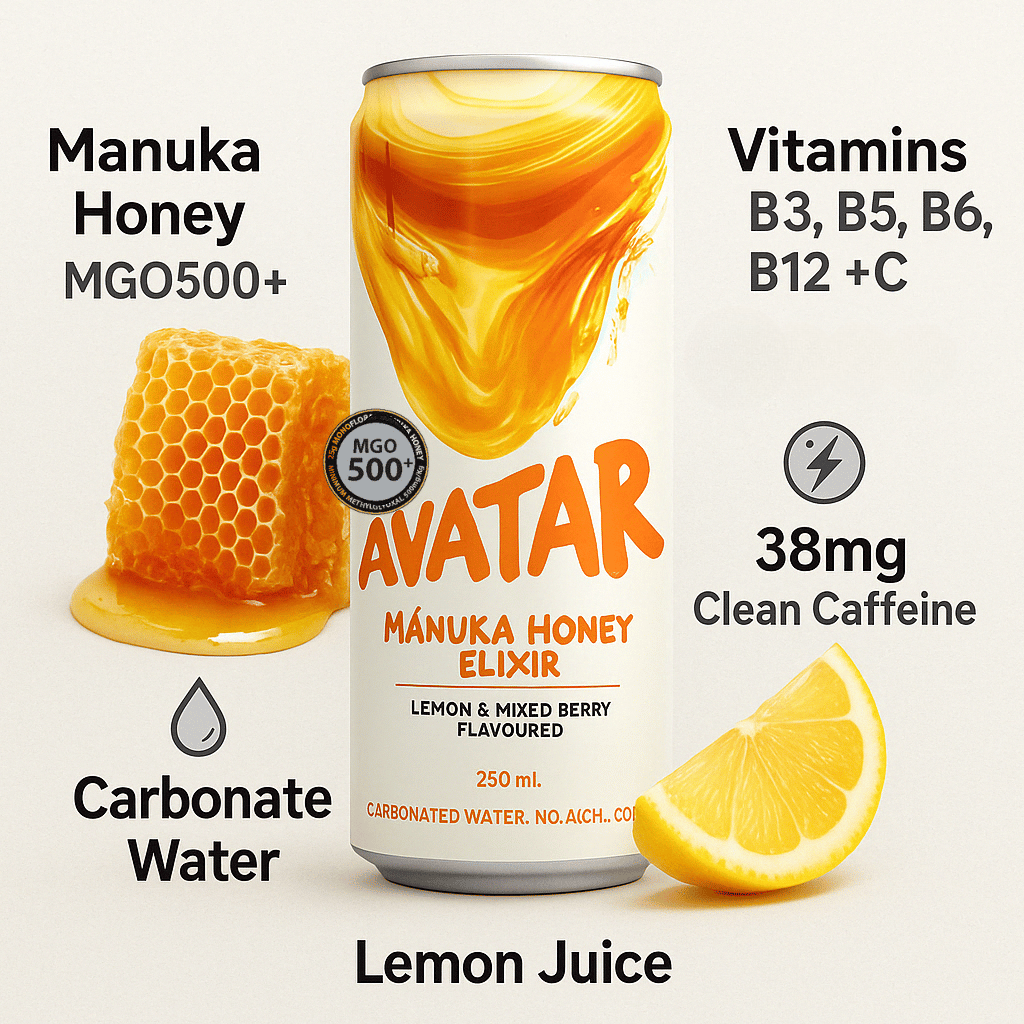
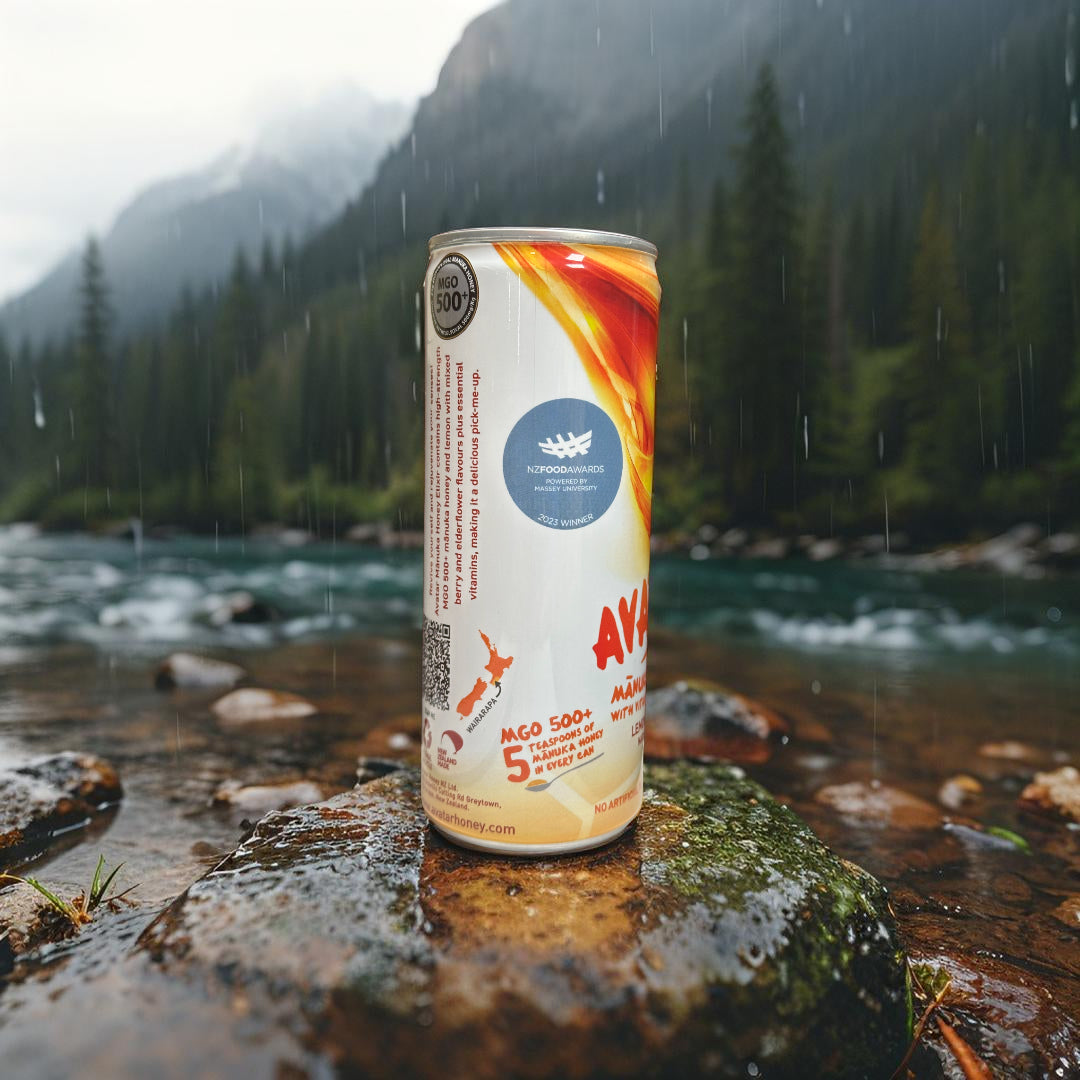
Avatar Elixir is a honey-based sparkling energy drink designed for people who want a more natural energy option. For singers, its relevance is the combination of honey-based throat comfort and performance energy. It may support a vocalist who needs focus and stamina for rehearsal, teaching, recording, or stage work, while offering a format that feels closer to a wellness drink than a conventional energy drink.
The right use depends on the singer. Because Avatar Elixir is sparkling, reflux-prone performers may prefer to drink it earlier in the day rather than immediately before singing. Singers who tolerate carbonation well may find it useful before a long rehearsal or as part of a performance-day energy routine. The best approach is to test it during practice, not on the day of an audition or major show.
How singers can use a honey energy drink wisely
- Try it first on a rehearsal day to observe your voice, digestion, and energy response.
- Avoid chugging, since rapid drinking can increase burping or reflux discomfort in sensitive singers.
- Pair it with plain water so energy support does not replace hydration.
- Time it thoughtfully, especially if carbonation or caffeine affects your throat or stomach.
No beverage should be presented as a treatment for vocal injury or medical voice conditions. A honey-based drink may support comfort and performance energy, but persistent hoarseness, pain, loss of range, or vocal fatigue should be evaluated by a qualified voice-specialized clinician.
Pre-Show Drink Routine for Singers
A strong pre-show drink routine starts hours before singing, not minutes before the first note. The goal is to arrive hydrated, comfortable, and energized without triggering reflux, dryness, or excessive mucus sensation.
A practical routine can be simple. Start with steady water intake earlier in the day. About one to two hours before singing, choose a warm, non-caffeinated drink if your throat feels dry or tense. Warm water with manuka honey, mild herbal tea with honey, or a carefully timed honey-based energy drink can all have a place depending on your needs.
Example pre-show routine
- Morning or early day: Drink water steadily and avoid waiting until you feel thirsty.
- Several hours before singing: Eat a balanced meal that does not trigger reflux for you.
- One to two hours before singing: Sip warm water or herbal tea with manuka honey for throat comfort.
- If you need energy: Use a familiar, tested option such as a honey-based energy drink, timed early enough to avoid reflux or carbonation discomfort.
- During warmups: Take small sips of water rather than large amounts.
The best pre-show drink is one you have already tested. Performers should avoid experimenting with new ingredients, unusual herbal blends, or unfamiliar energy drinks right before an important performance.
Post-Show Drink Routine for Vocal Recovery
After singing, drinks should support rehydration, comfort, and recovery from heavy voice use. A post-show routine is especially valuable after loud performances, long choir rehearsals, musical theater runs, studio sessions, or teaching days.
Plain water is still the priority. Warm honey drinks can also feel helpful if the throat is tired or scratchy. If your voice feels inflamed or strained, avoid repeated throat clearing and give yourself vocal rest. Gentle sipping is usually better than forcing the voice to “test” whether it has recovered.
Example post-show routine
- Drink water after the performance to replace fluids lost through exertion, warm lights, travel, or dry venues.
- Use warm water with manuka honey if your throat feels dry or overused.
- Avoid alcohol immediately after heavy voice use if you are prone to dryness or reflux.
- Limit late-night heavy meals if reflux affects your voice the next morning.
- Rest the voice when fatigue is clear, especially after intense singing.
Post-show recovery is not just about what you drink. Sleep, vocal rest, humidity, and reflux management all influence how the voice feels the next day. A soothing drink can help, but recovery works best when the whole routine supports the voice.
What Voice Teachers and Choir Directors Should Recommend
Voice teachers and choir directors should recommend simple, low-risk drink habits that support hydration and reduce irritation. Students often copy performer rituals without understanding why they work. A clear framework helps singers make better decisions.
For most singers, the safest baseline is water throughout the day, warm non-caffeinated drinks when comfort is needed, and honey for soothing support. Teachers can also remind singers that throat comfort is not the same as vocal healing. If a student has ongoing hoarseness, pain, or sudden loss of range, referral to a medical professional or voice-specialized clinician is appropriate.
A practical teaching script
A voice teacher might say: “Bring water to every rehearsal, avoid drinks that trigger reflux or mucus sensation for you, and use warm tea with honey if your throat feels dry. Do not rely on any drink to push through pain or fatigue.”
This message is simple, evidence-informed, and realistic. It gives singers autonomy while keeping the focus on vocal function and long-term health.
These FAQs answer the most practical questions singers ask about drink choices for vocal health, with a focus on hydration and honey-based routines. You will also learn why manuka honey is so popular among performers and what to avoid if you want a reliable voice.
What do singers drink for vocal health before rehearsals?
Most singers start with water, then add gentle warmth if needed. Water supports hydrated vocal fold tissue, and warm herbal tea can feel soothing without adding acidity or heaviness. If you use honey, choose a small amount in warm (not boiling) liquid so it dissolves evenly.
Why is manuka honey popular for singers and voice teachers?
Manuka honey is popular because honey can act as a demulcent, which may coat and soothe the throat. Many performers also like it because honey contains plant-derived compounds that are often discussed in wellness for their supportive properties. Celebrity use (including Ed Sheeran, Ariana Grande, and Barbra Streisand) made it more visible, but singers typically keep it in rotation for comfort and routine consistency.
Warm herbal tea vs water, which is better for vocal cords?
Water is the baseline for vocal cords, and warm herbal tea is a comfort tool. Water supports systemic hydration that helps vocal folds vibrate efficiently, while warm tea can feel soothing when your throat feels tense or dry. A common best practice is to prioritize water daily, then use warm tea when you want gentle warmth without irritation.
How do you use manuka honey safely before singing?
Use manuka honey in a small, consistent dose and pair it with hydration. Many singers take 1 to 2 teaspoons on its own or stir it into warm water or herbal tea 15 to 30 minutes before singing, then follow with sips of plain water. Avoid very hot drinks, since excess heat can irritate throat tissue and makes honey harder to enjoy.
What drinks should singers avoid to prevent dryness or reflux?
To reduce irritation risk, avoid drinks that commonly increase dryness, mucus sensation, or reflux.
- High caffeine drinks if they make you feel dry or jittery
- Acidic drinks (for example, citrus-heavy options) if you are reflux-prone
- Dairy if it increases a thick saliva or mucus sensation for you
Individual tolerance varies, so the best approach is to track what your voice does in rehearsals after specific drinks.
Can a honey-based sparkling energy drink fit a singer's routine?
It can fit when you need gentle energy support without abandoning throat-friendly habits. A honey-based sparkling energy drink like Avatar Elixir may support performance energy while still aligning with a honey-forward vocal care routine, especially when you keep total caffeine moderate and continue sipping water. If carbonation or caffeine triggers reflux for you, use it earlier in the day or choose a non-carbonated, lower-stimulation option.
The Best Drink Strategy for Vocal Health
The best drink strategy for singers is consistent hydration, gentle throat support, and careful avoidance of personal triggers. Water remains the foundation. Warm herbal tea and manuka honey can support comfort. Honey-based drinks may offer a useful middle ground for singers who want both soothing qualities and performance energy.
Manuka honey has earned its place in vocal routines because it is practical, soothing, and widely used by performers. Its demulcent properties may help the throat feel coated and comfortable, while its role in warm drinks makes hydration more appealing. Public use by artists such as Ed Sheeran, Ariana Grande, and Barbra Streisand reflects a broader pattern among vocal professionals: simple throat-supporting rituals often matter.
Avatar Elixir fits this conversation as a honey-based sparkling energy drink that may support vocal comfort and performance energy for singers who tolerate its format well. Like any drink used by serious vocalists, it should be tested during practice, paired with water, and used as part of a thoughtful vocal health routine.
For singers, the goal is not to find a magic beverage. The goal is to choose drinks that help the voice feel hydrated, comfortable, and ready to work, without adding avoidable irritation. That is the standard every vocal health drink should meet.