


Short answer: No. A mocktail can contain alcohol even when no spirits are added. Bitters, flavor extracts, fermented mixers, and dealcoholized drinks can introduce alcohol. Check each ingredient’s current label, confirm unclear claims with the manufacturer, and ask guests what they prefer rather than assuming “mocktail” means suitable for everyone avoiding alcohol.
For a host, the distinction is between leaving out liquor and knowing what is in the finished glass. A dash of bitters or a splash of fermented mixer still counts as an ingredient. The aim is not to interrogate guests or promise absolute certainty, but to give them enough information to choose comfortably.
Which mocktail ingredients can contain alcohol?
Alcohol-based bitters and extracts, fermented beverages, and products made by removing alcohol deserve particular attention. Their alcohol content depends on the specific product, so a recipe’s “mocktail” label cannot replace checking the bottles you actually use.
| Ingredient | Why it needs checking | What to check before serving | An alternative to consider |
|---|---|---|---|
| Aromatic, orange, or botanical bitters | Some bitters use alcohol to extract and carry flavor. A few dashes still introduce alcohol. | Check the alcohol statement and whether the exact product is alcohol-based. “Bitters” describes a flavoring category, not an alcohol-content guarantee. | Citrus peel or a clearly labeled alcohol-free bittering ingredient. |
| Vanilla, citrus, and other flavor extracts | Some extracts use alcohol as a solvent, even though they are sold as cooking ingredients. | Read the ingredient list and any alcohol declaration. Ask the manufacturer if the carrier or finished-product content is unclear. | Fresh zest, herbs, or a flavoring whose alcohol-content claim meets the guest’s preference. |
| Kombucha and other fermented mixers | Fermentation can produce alcohol. Content may also be affected by continued fermentation and storage. | Check the specific label, storage instructions, and manufacturer information. Do not assume all versions share the same content. | A non-fermented mixer with clear ingredient and alcohol information. |
| Dealcoholized wine, beer, and similar drinks | Removing alcohol does not necessarily remove every trace. | Look for the finished product’s alcohol declaration, not just the word “dealcoholized.” | A drink not made through alcohol fermentation, with labeling that matches the guest’s requirements. |
Apply the same check to finishing touches. A spirit-soaked cherry, a flavor spray, or a prepared syrup containing an extract can change what is in the glass. Ingredient names alone do not always reveal how a product was made.
Do alcohol-free, non-alcoholic, and zero-proof mean the same thing in the US?
No. In US labeling, these terms are not interchangeable across every beverage category. “Non-alcoholic” can describe products with residual alcohol, “dealcoholized” describes alcohol removal rather than guaranteed absence, and “zero-proof” should not be treated as a universal legal guarantee. “Alcohol-free” is a stronger absence claim, but its applicable requirements still need to be understood in the context of the product.
There is no single threshold that a host should apply indiscriminately to every mixer, extract, fermented drink, and beverage alternative. Rules differ by beverage category and jurisdiction. A term used on an imported product also should not be assumed to carry exactly the same meaning everywhere it is sold.
- Alcohol-free: Look for a clear finished-product alcohol statement and seek clarification if a guest needs a strict absence standard.
- Non-alcoholic: Do not automatically interpret this as containing no alcohol.
- Zero-proof: Treat this as a cue to inspect the product, not a substitute for its alcohol declaration.
- Dealcoholized: Check how the finished drink is labeled after alcohol removal.
ABV means alcohol by volume, a measure of a drink’s alcohol concentration. An ABV declaration is more specific than a menu description, but a host still should not turn a label claim into a medical, religious, or personal suitability assurance. Let guests decide whether the available information meets their needs.
Does using only a small amount make an ingredient alcohol-free?
No. Using less of an alcohol-containing ingredient reduces its contribution, but does not make that ingredient alcohol-free. Adding sparkling water, juice, or ice dilutes alcohol rather than removing it.
This matters with bitters and extracts because recipes may call for only a dash or a few drops. That can seem negligible to one guest and be unacceptable to another. Neither preference needs debating at the drinks table.
If someone wants to avoid alcohol-containing ingredients entirely, leave the uncertain ingredient out or replace it with a checked alternative. Do not rely on taste, a small serving, or the fact that a flavoring comes from the baking aisle.
How can hosts check ingredients without asking intrusive questions?
Ask what the guest wants to avoid, not why. Then check the complete recipe against that preference and make any remaining uncertainty clear before serving.
- Ask a practical preference question. For example: “Would you like me to avoid bitters, extracts, and drinks that may contain residual alcohol?” There is no need to request medical information or a recovery history.
- Audit the whole recipe. Include the base, mixer, syrup, flavorings, garnish, and finishing spray.
- Read the current packaging. Use the exact product being served, rather than assuming a familiar brand name or old recipe establishes its content.
- Resolve uncertainty or choose something else. If the label is unclear, ask the manufacturer about the finished product. Until clarified, offer a simpler option the guest is comfortable with.
- Keep serving information available. Retain bottles or labels, identify ingredients on batch drinks, and use clean utensils rather than tools just used for alcoholic cocktails.
A useful description is specific: “This contains sparkling water, fresh lemon, and the syrup shown here.” That gives a guest more to work with than “Don’t worry, it’s just a mocktail.”
Can Avatar Elixir be used as a mocktail mixer?
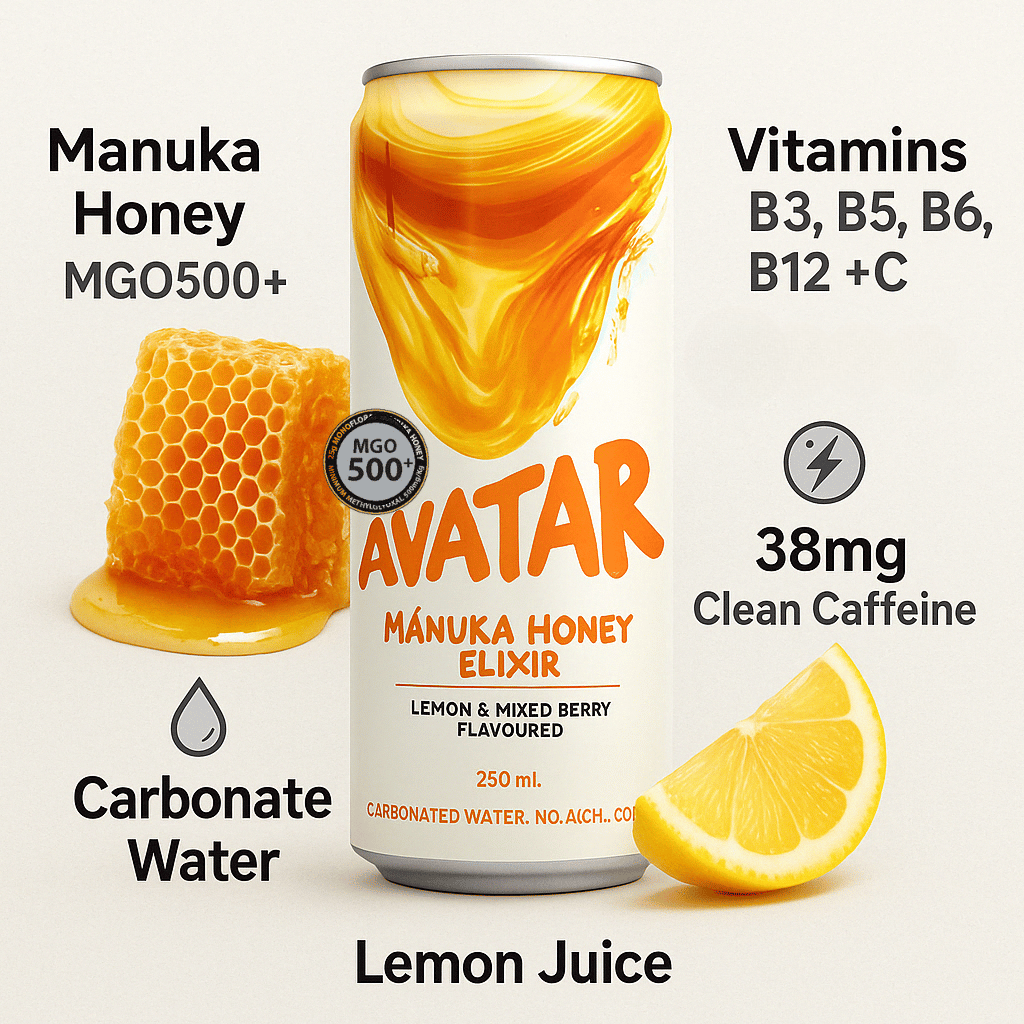
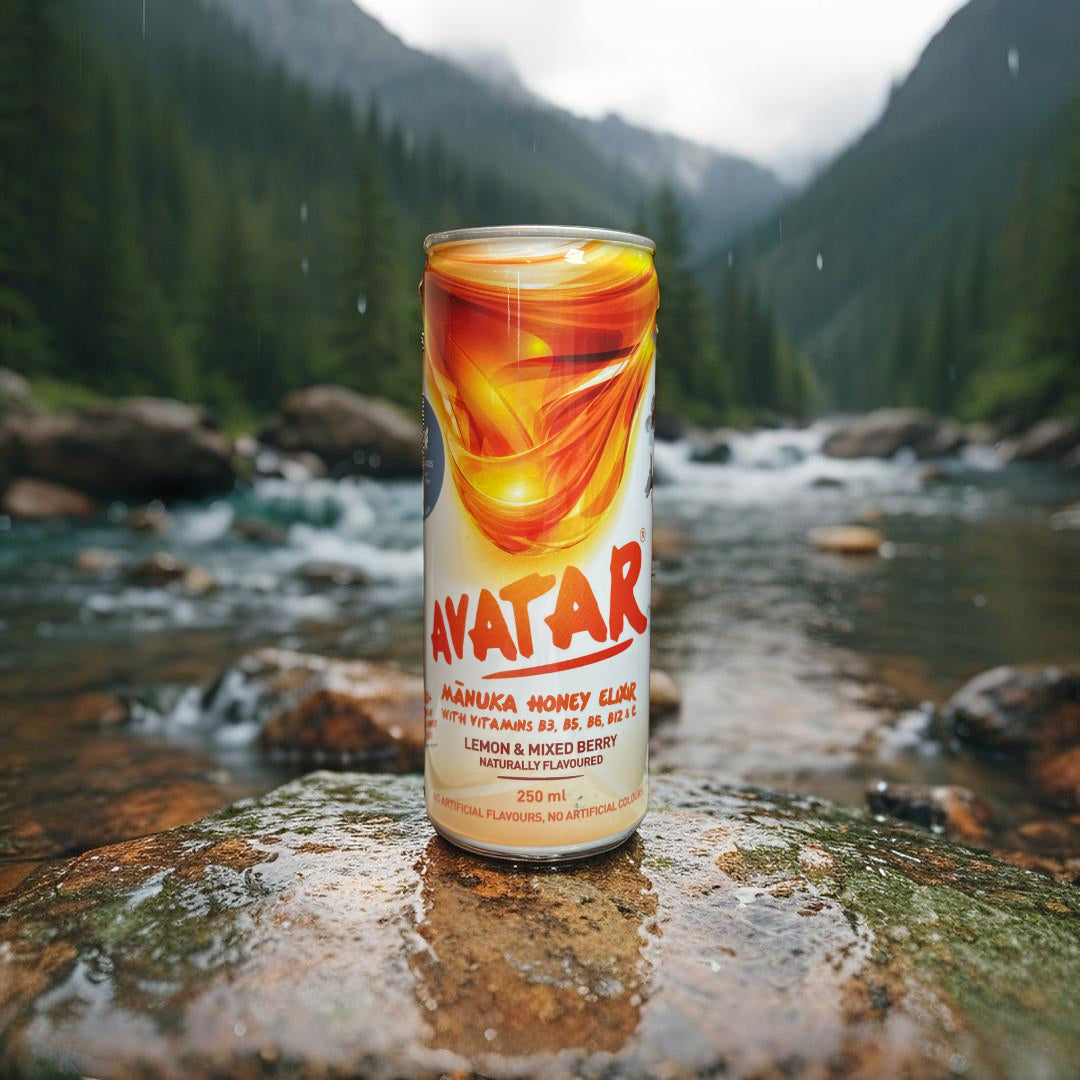
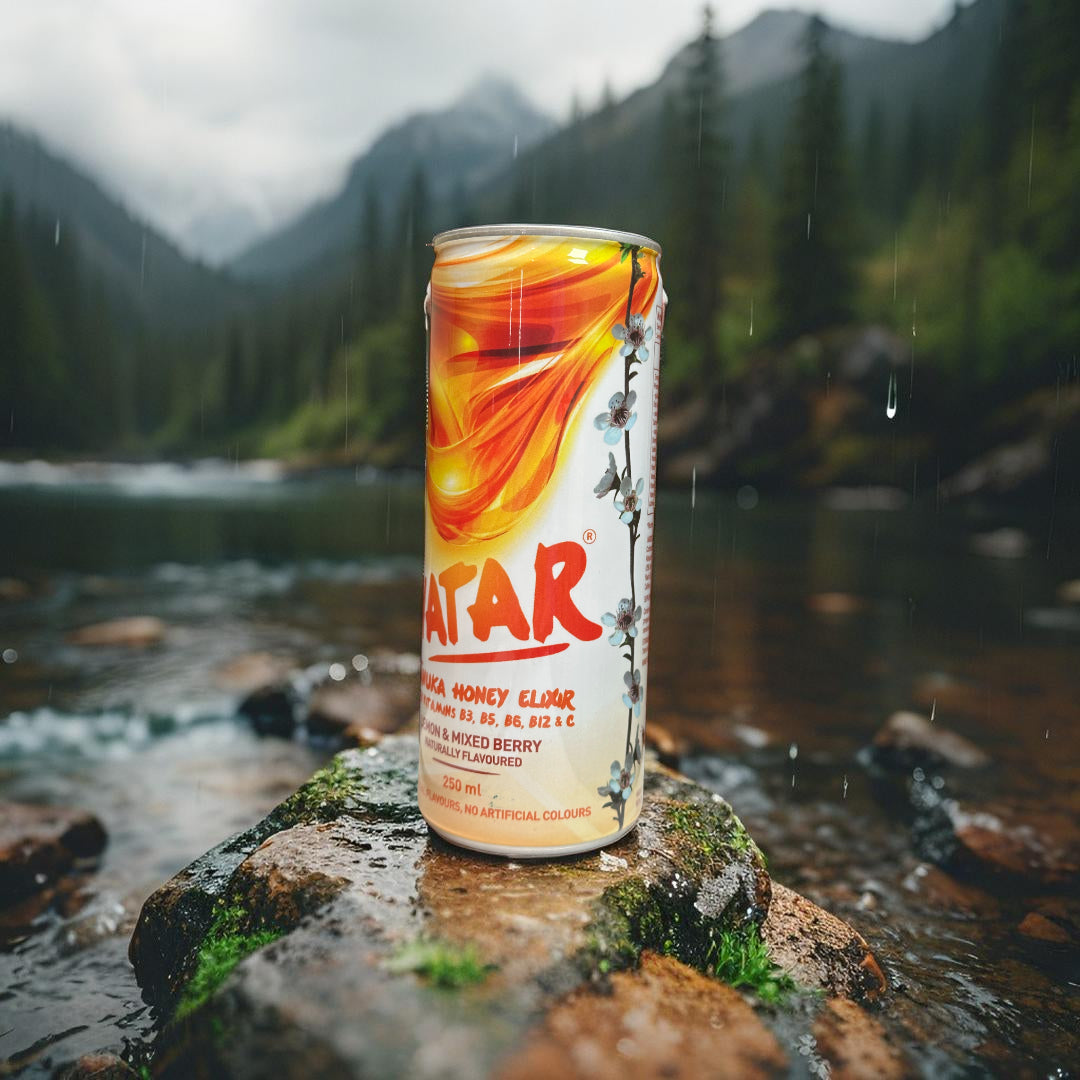
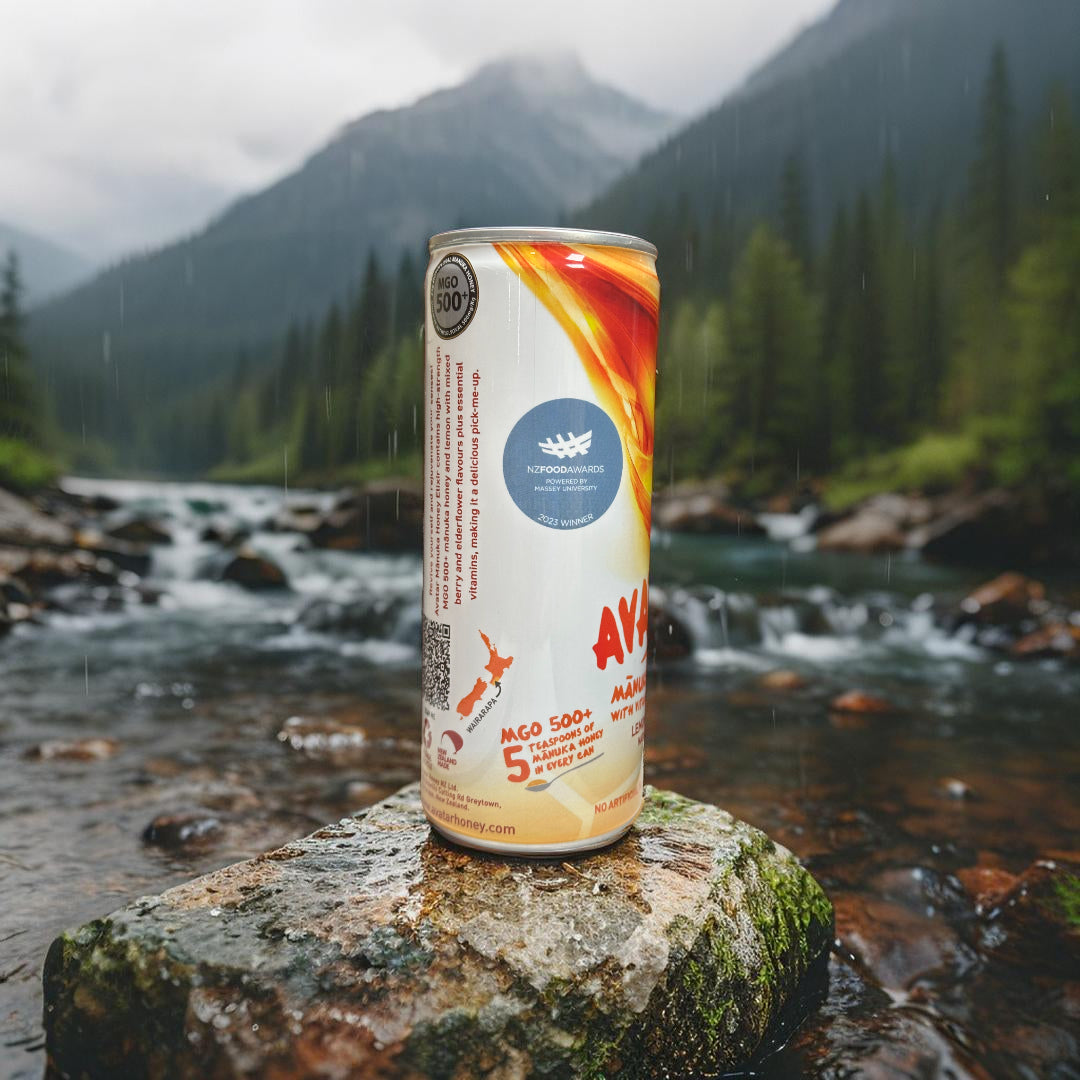
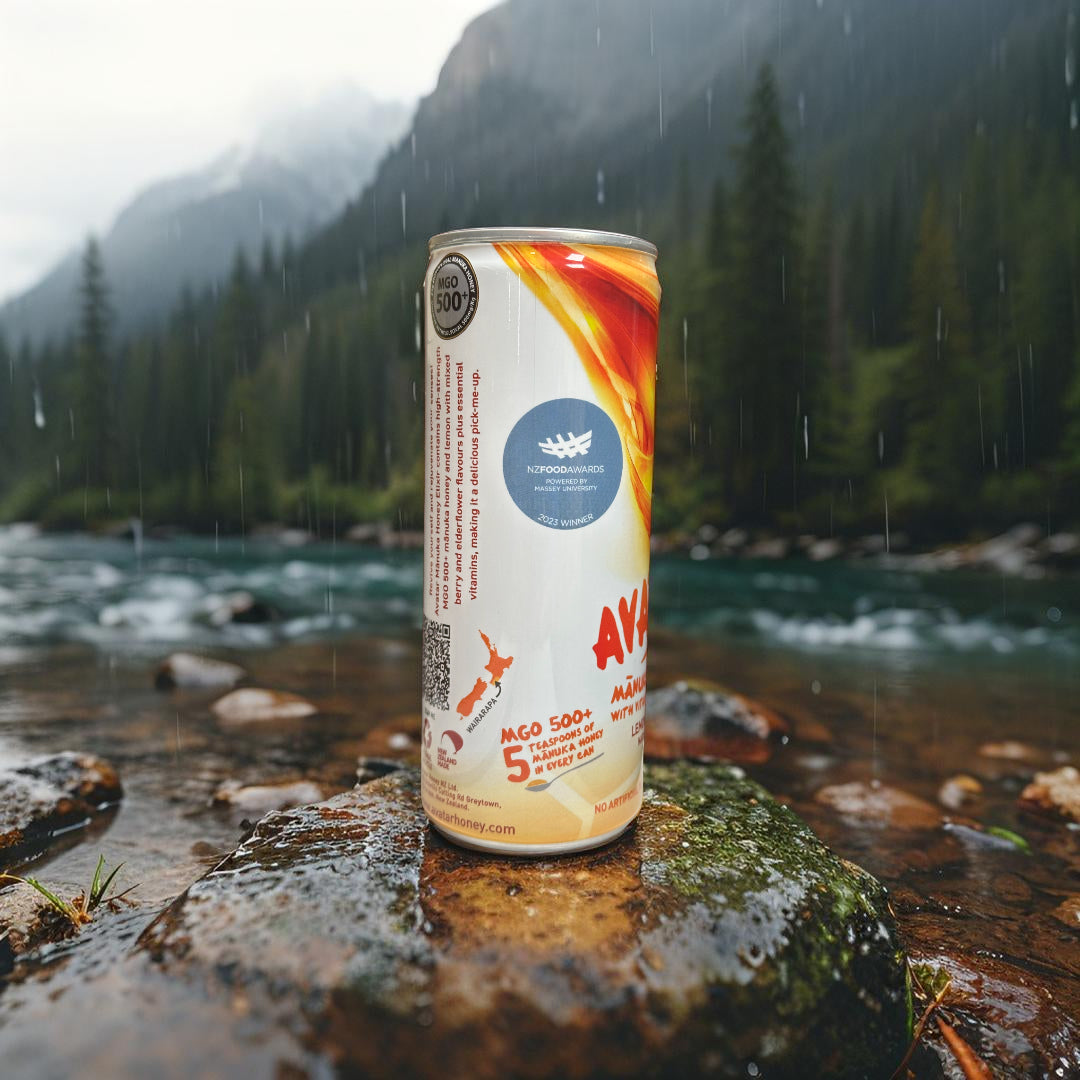
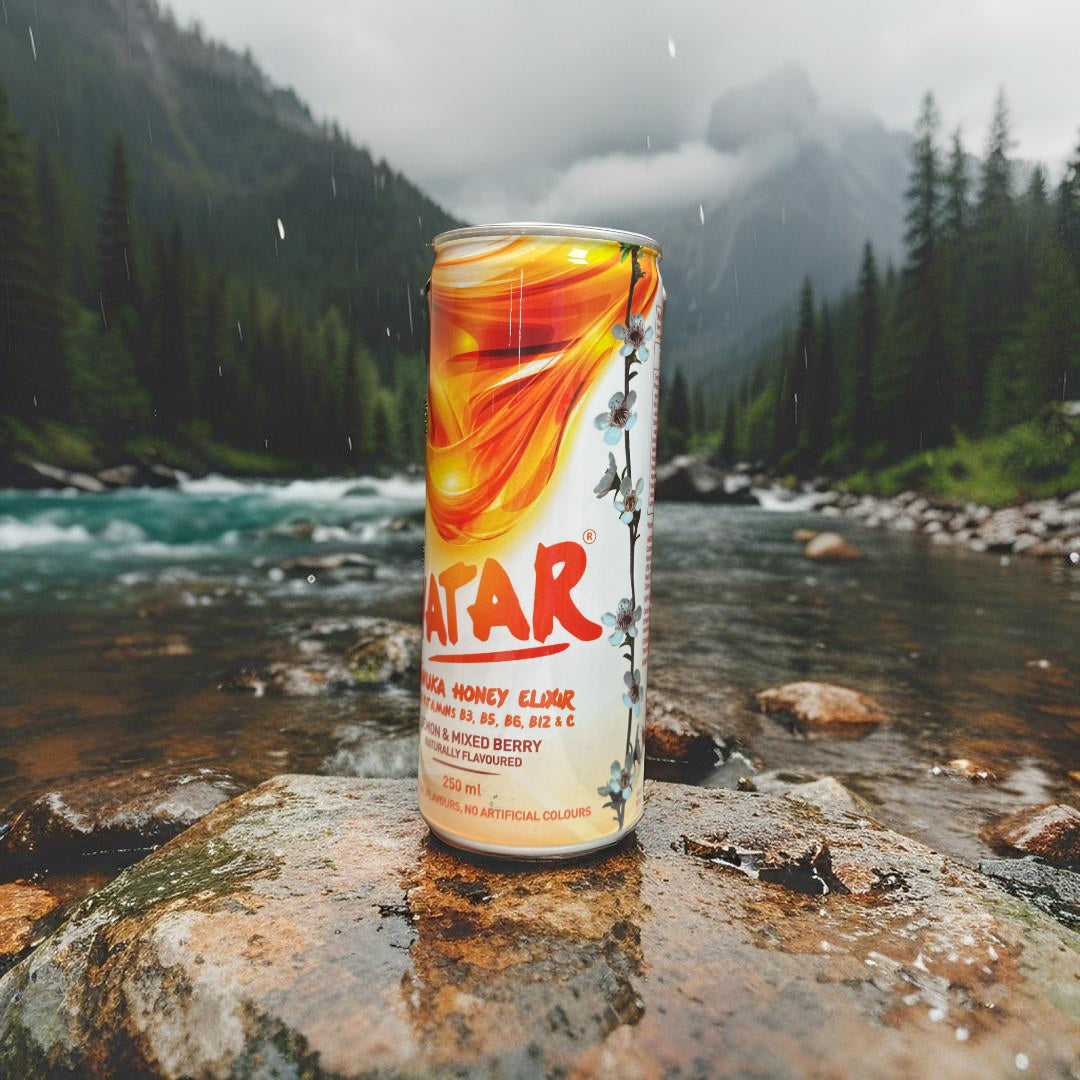
Our Avatar Elixir is a honey, lemon, and elderflower mixer option, with light carbonation. Before making an alcohol-content claim about it in a recipe or on a drinks menu, confirm that claim from its current label or with the manufacturer. Its flavor profile alone does not establish alcohol content.
Separately, Avatar Elixir contains caffeine. Tell guests that clearly and offer a caffeine-free choice for anyone who prefers one. Caffeine disclosure is a separate check from alcohol disclosure, and caffeine does not offset alcohol.
For clarification about current product information, use our Contact Us page. For flavor planning, see “How to Choose a Premium Natural Mixer for Mocktails, Spirits, and Sparkling Water.” Our article “Should Caffeinated Mocktails Be Labeled for Guests?” covers the separate caffeine-labeling question.
Thoughtful hosting comes down to checking the ingredients, describing the drink accurately, and respecting the guest’s choice. Leaving out spirits is a starting point, not proof that every ingredient is alcohol-free.
A little planning can make manufacturer checks, shared mocktail batches, and last-minute ingredient mistakes easier to handle.
What should I ask a manufacturer about a mocktail ingredient?
Ask about the finished product's alcohol content, not just whether spirits are added during production. Identify the exact product and ask what its alcohol-content wording means, whether residual alcohol may remain, and whether storage affects that information. Share the clarification with your guest rather than treating it as a guarantee of suitability.
Can I serve one mocktail batch to guests with different preferences?
Yes, if every ingredient meets the preferences those guests have shared. Check alcohol and caffeine separately, since agreement on one does not establish agreement on the other. If preferences differ or an ingredient remains unclear, prepare separate, clearly identified options rather than assuming one batch will suit everyone.
What if I accidentally add alcoholic bitters to a mocktail?
Remake the drink with checked ingredients if the guest wants to avoid alcohol-containing ingredients entirely. Adding more mixer or ice only dilutes the alcohol; it does not remove it. Use a clean glass and utensils, and tell the guest what happened if the drink has already been served.