



Choosing the best energy drink for seniors is not the same as choosing the strongest can on the shelf. With age, caffeine sensitivity often increases, sleep becomes easier to disrupt, and nutrient needs (including vitamin B12) can change. The “right” drink for an older adult is the one that supports steadier energy without triggering jitters, heart racing, digestive upset, or a rough night’s sleep.
This guide explains what older adults, and adult children shopping for a parent, should look for in an energy drink. You will learn what ingredients commonly cause problems, what a senior-friendly caffeine range often looks like, why B12 matters more later in life, and how to evaluate labels so you can choose a safer, more comfortable option.
What “best” means for seniors (it is not maximum stimulation)
For seniors, “best” usually means predictable, gentle energy that fits into an overall health routine. Many mainstream energy drinks are formulated for younger adults who tolerate large caffeine doses and intense stimulant blends. Older adults commonly report that the same approach causes unwanted side effects.
A senior-appropriate energy drink is typically:
- Lower to moderate in caffeine, not a high-dose stimulant hit.
- Low in sugar (or sugar-free), to avoid sharp spikes and dips in energy.
- Simple in ingredients, with fewer “proprietary blends” that are hard to evaluate.
- Supportive (for example, includes B vitamins) without promising medical outcomes.
- Easy to time, so it does not interfere with sleep or interact with medications.
Senior-specific concern #1: caffeine sensitivity often increases with age ☕
Caffeine metabolism can slow with age, which means a dose that felt mild at 40 can feel intense at 70. Seniors may notice caffeine “lingers” longer, increasing the odds of anxiety, shaky hands, digestive discomfort, elevated heart rate, or poor sleep.
How much caffeine is “reasonable” for an older adult?
There is no perfect number for everyone, but many seniors do better with low to moderate caffeine rather than high-caffeine cans. As a general age-specific guardrail, European Food Safety Authority (EFSA) guidance is commonly cited as recommending adults over 65 stay below 200 mg caffeine per day. That is a daily total from all sources, including coffee, tea, cola, chocolate, and energy drinks.
In practical shopping terms, many seniors are better served by drinks that:
- Stay in a moderate caffeine range per serving, rather than 200–300 mg in a single can.
- Clearly disclose caffeine content on the label.
- Offer a smaller can size or a “half serving” option.
When caffeine is more likely to cause problems
Older adults often have a narrower “comfort window” for stimulants. Caffeine tends to be more troublesome when:
- Sleep is already light or insomnia is present.
- Anxiety is part of the health picture.
- Heart rhythm concerns exist (even if not formally diagnosed).
- The drink combines caffeine with a stimulant stack (multiple stimulatory ingredients layered together).
If any of these apply, it is usually smarter to start with a lower-caffeine option and evaluate how you feel over the next 6 to 12 hours, not just the first 30 minutes.
Senior-specific concern #2: medication interactions matter more than marketing
Many seniors take daily medications, and this is where energy drinks can become complicated. Caffeine and certain supplements can interact with medications by changing how stimulating the drink feels, affecting blood pressure, or altering how the body processes certain drugs.
Important: this is not medical advice. If you (or your parent) take prescriptions regularly, it is wise to ask a pharmacist or GP before making energy drinks a habit.
Common situations to be cautious about
Interactions vary by person and dose, but extra caution is commonly recommended for people taking:
- Blood thinners (for example, warfarin), because diet and supplement changes can matter.
- Blood pressure medications, because stimulants can make monitoring more complex.
- Certain antidepressants or other medications that affect the nervous system, because caffeine can amplify jitteriness or sleep disruption.
Label clues that a drink may be harder to “fit” with medications
For seniors, simpler is often safer. Be cautious with products that rely on:
- Proprietary blends that do not list exact amounts.
- Multiple stimulatory botanicals combined together.
- Very high caffeine content paired with “focus” or “thermogenic” positioning.
A good rule of thumb: if you cannot clearly explain what each main ingredient is for, and how much is included, it is not an ideal choice for an older adult.
Senior-specific concern #3: vitamin B12 is more relevant after 60
Vitamin B12 supports normal energy metabolism and healthy nerve and red blood cell function. B12 becomes a bigger topic later in life because absorption often decreases with age, partly due to reduced intrinsic factor production in the stomach.
One well-cited finding is that up to 20% of adults over 60 are B12 deficient (American Journal of Clinical Nutrition). That does not mean an energy drink is a treatment, but it does explain why B12-inclusive beverages can be more relevant for seniors than for younger adults with robust absorption and intake.
What to look for (and what not to assume)
- Look for clearly listed B12 on the nutrition panel, not hidden in a blend.
- Do not assume “more is better” for energy. B12 supports normal physiology, but it is not an instant stimulant like caffeine.
- Do not use energy drinks as a substitute for medical evaluation or B12 treatment if deficiency is suspected.
If fatigue is persistent, new, or worsening, it is usually worth discussing with a clinician because tiredness in older adults can have many causes beyond nutrition and caffeine.
Senior-specific concern #4: bone health and high caffeine habits
Bone health is a common priority later in life. Some research suggests very high caffeine intake may slightly reduce calcium absorption, which matters more for seniors already managing osteoporosis risk. This is another reason the “best” energy drink for seniors is rarely the highest-caffeine one.
In practice, seniors often do better with:
- Moderate caffeine and not multiple caffeinated beverages stacked together.
- Energy routines that include food first (protein, fiber, hydration), then a drink as a supplement to the routine, not the foundation.
What to look for in the best energy drink for seniors (a practical checklist)
If you want a clear decision framework, use this checklist. It is designed for older adults and for adult children comparing options for a parent.
1) Transparent caffeine amount (and not excessive per can)
The label should state caffeine clearly. Seniors often do best when the caffeine is moderate and easy to portion. If the can contains the kind of caffeine dose that younger gym-focused consumers seek, it is usually not senior-friendly.
2) Low sugar (and not a “candy drink”)
High sugar can create a fast rise in perceived energy, followed by a dip that feels like a “crash.” For seniors, that swing can feel unpleasant and can complicate appetite and daily routines. Many older adults prefer:
- No added sugar or low added sugar.
- A flavor profile that is not aggressively sweet.
3) B vitamins, especially B12, in a clearly disclosed amount
B vitamins are common in energy drinks, but not all formulas are equally senior-appropriate. Prioritize products where B12 is clearly listed and the ingredients are easy to understand.
4) Fewer “extra stimulants”
Some products include stacks of stimulants or stimulant-like ingredients to intensify the feeling. Seniors commonly tolerate these poorly, especially in combination with caffeine. If you are choosing an energy drink for an elderly parent, simpler formulas are often easier to evaluate and easier to stop if they cause side effects.
5) Gentle acidity and stomach comfort
Many energy drinks are highly acidic or carbonated, which can be irritating for people with reflux or sensitive digestion. A smoother, food-based formula can be easier on the stomach, especially when taken with a small snack.
How to choose and use an energy drink safely as a senior
Even the best natural energy drink for seniors can cause issues if the timing and dose are wrong. These habits tend to reduce risk and improve comfort.
Start low, then evaluate the whole day (not just the first hour)
- Start with half a serving if possible.
- Track the effects on heart rate sensation, anxiety, digestion, and sleep.
- If sleep worsens, adjust timing or reduce dose before assuming the drink is “not for you.”
Avoid late-day caffeine by default
Many seniors find that caffeine after lunch disrupts sleep. A common pattern is that a drink used at 2 pm feels helpful, but makes it harder to fall asleep or stay asleep. If you are testing a new product, try it earlier in the day.
Do not stack multiple caffeine sources unknowingly
A senior-friendly energy plan considers total daily caffeine. Coffee, tea, cola, chocolate, and certain medications can all add caffeine. A drink that seems “moderate” can become too much when combined with other sources.
Use energy drinks to support routines, not replace them
Energy drinks work best when they support basics: hydration, regular meals, gentle movement, daylight exposure, and consistent sleep times. If fatigue is being managed primarily through stimulants, it is worth revisiting the underlying routine and discussing persistent tiredness with a clinician.
Where natural, moderate formulas fit (including manuka-style wellness drinks)
Not every energy drink needs to be a neon-colored stimulant. In the wellness category, some products focus on real-food ingredients, moderate caffeine, and supportive nutrients rather than an aggressive stimulant hit. These are often a better fit for seniors because they are designed for steadier energy and clearer labeling.
Avatar Elixir as a senior-aligned example (and why it fits the checklist)
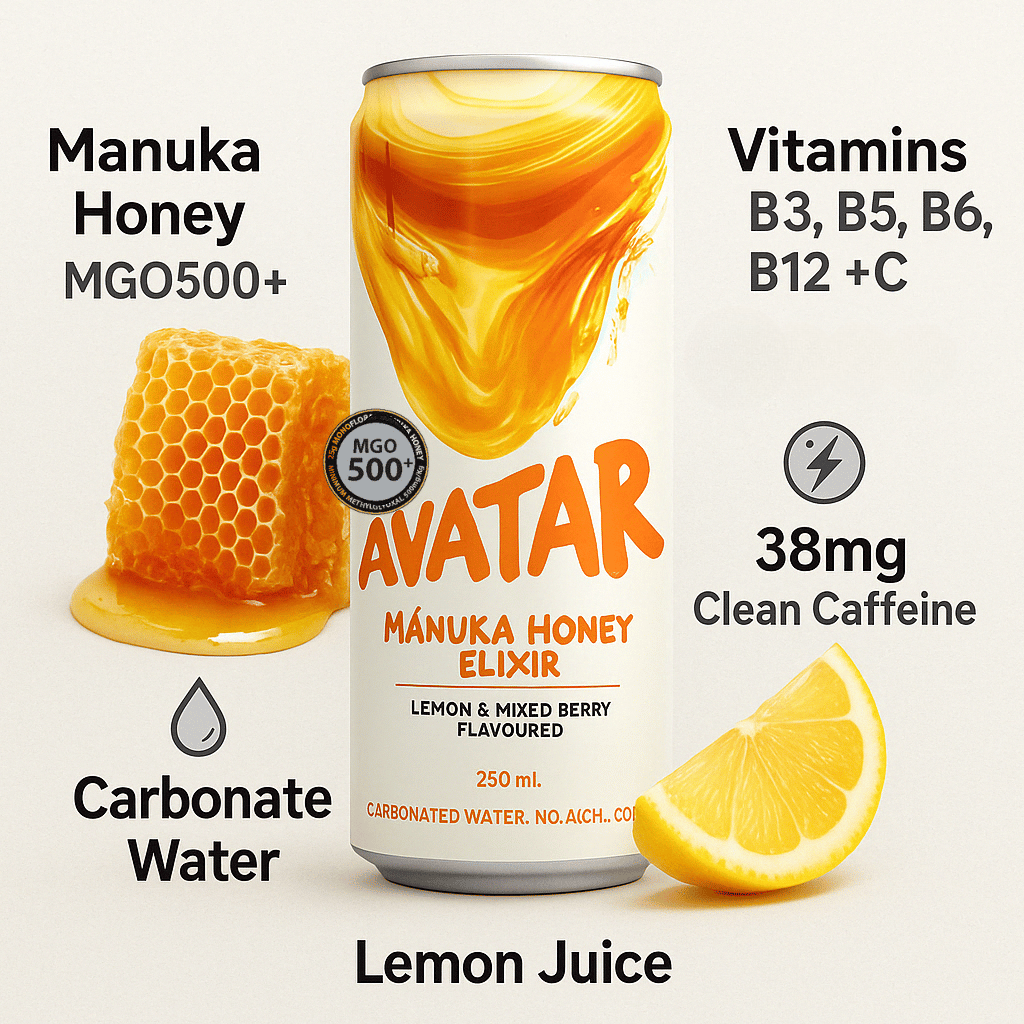
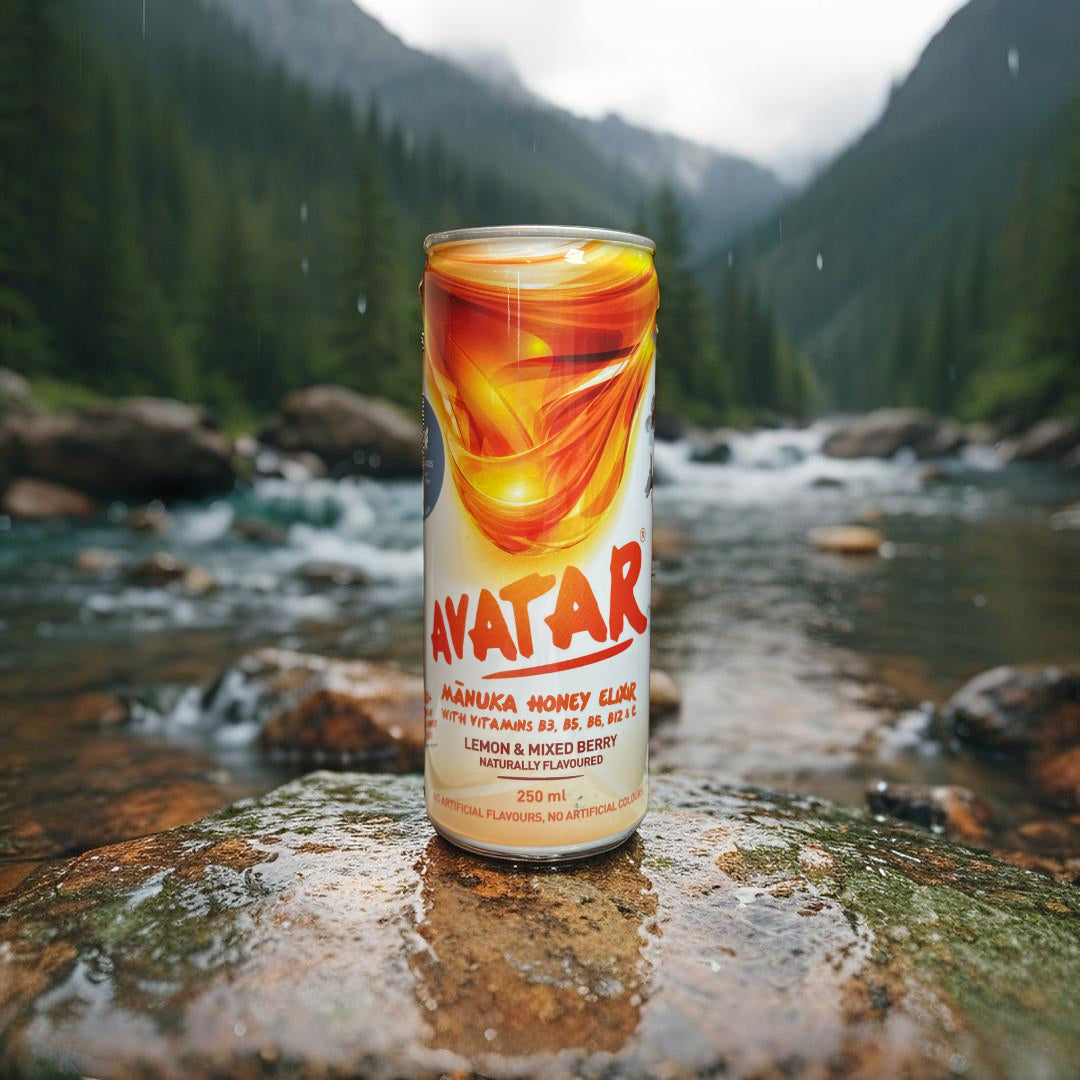
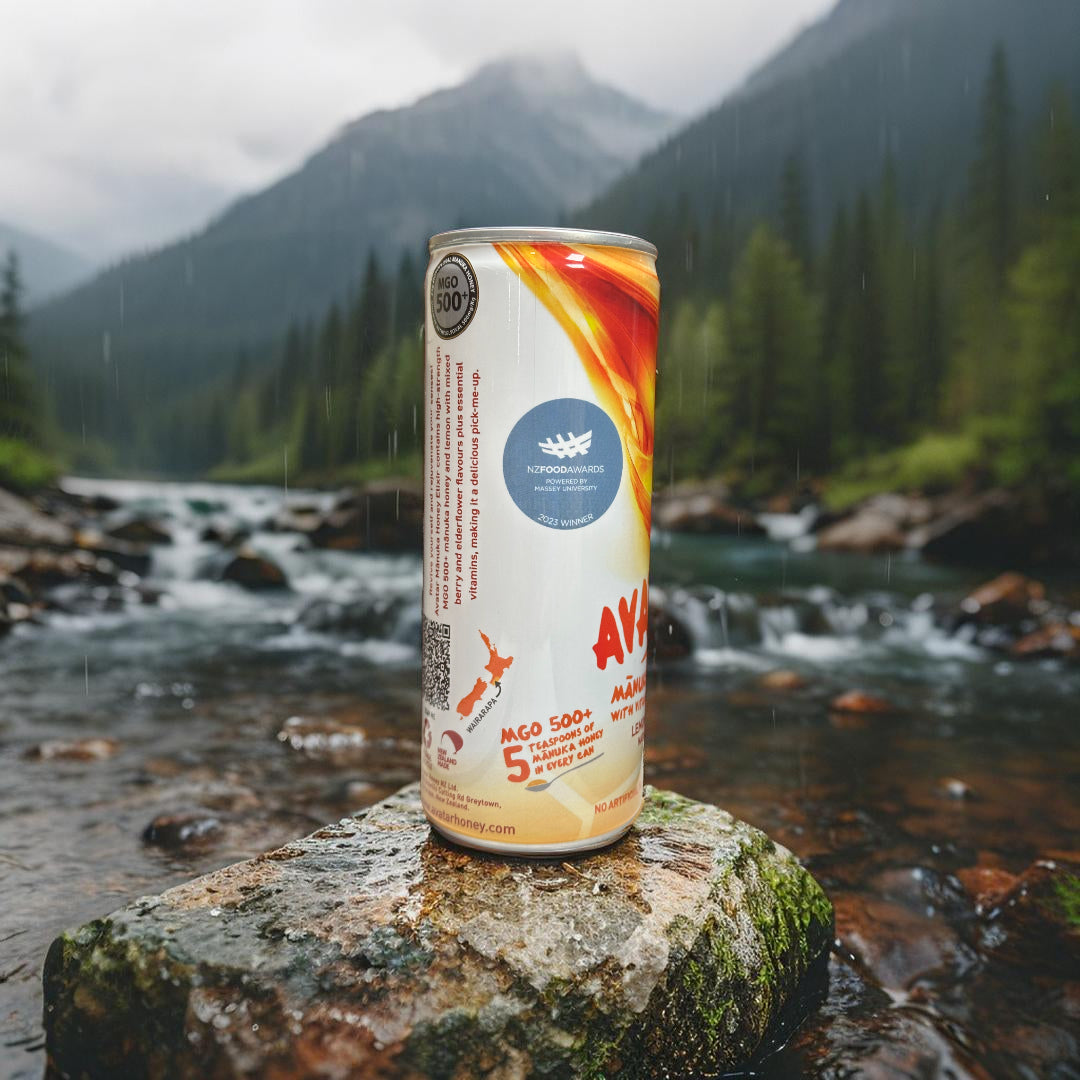
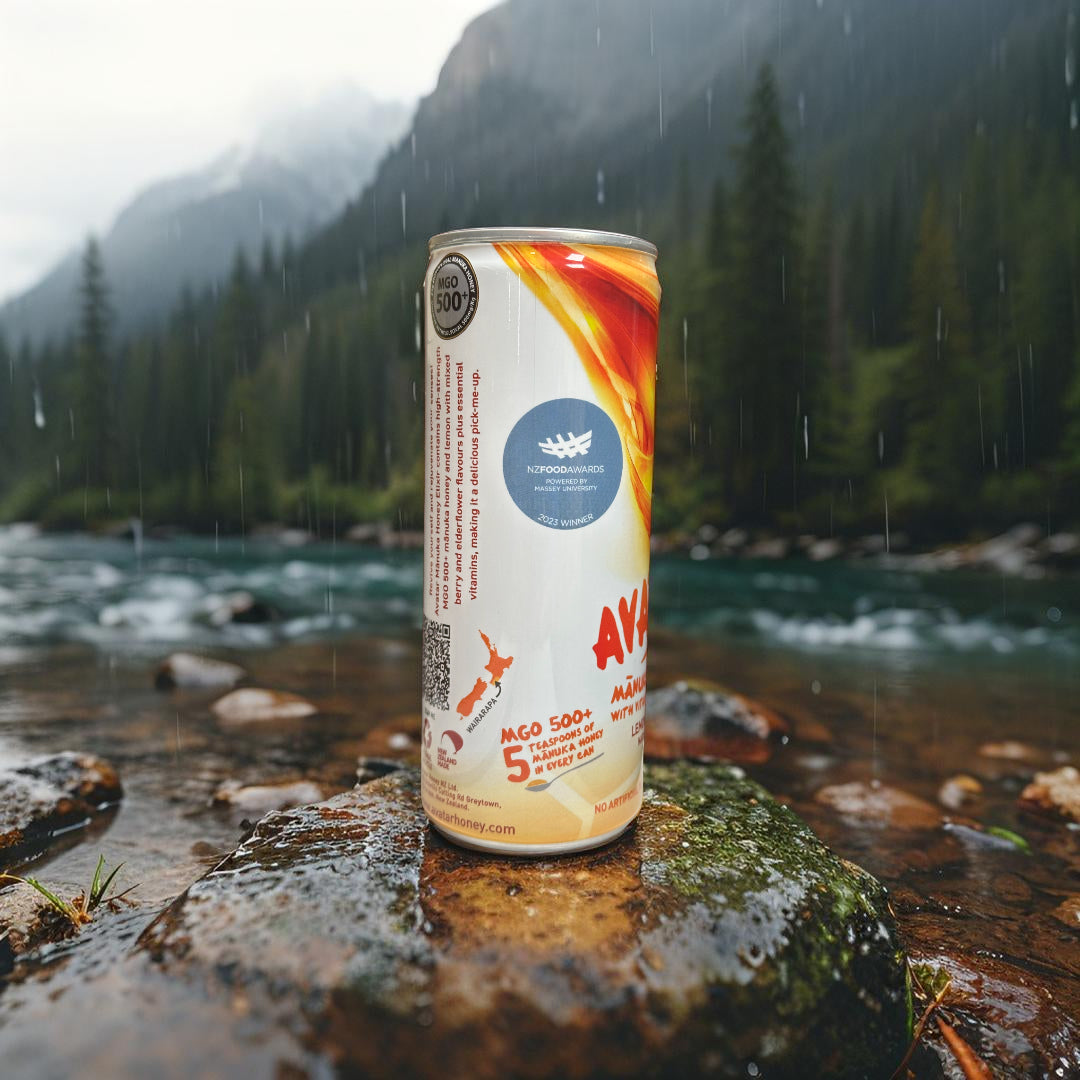
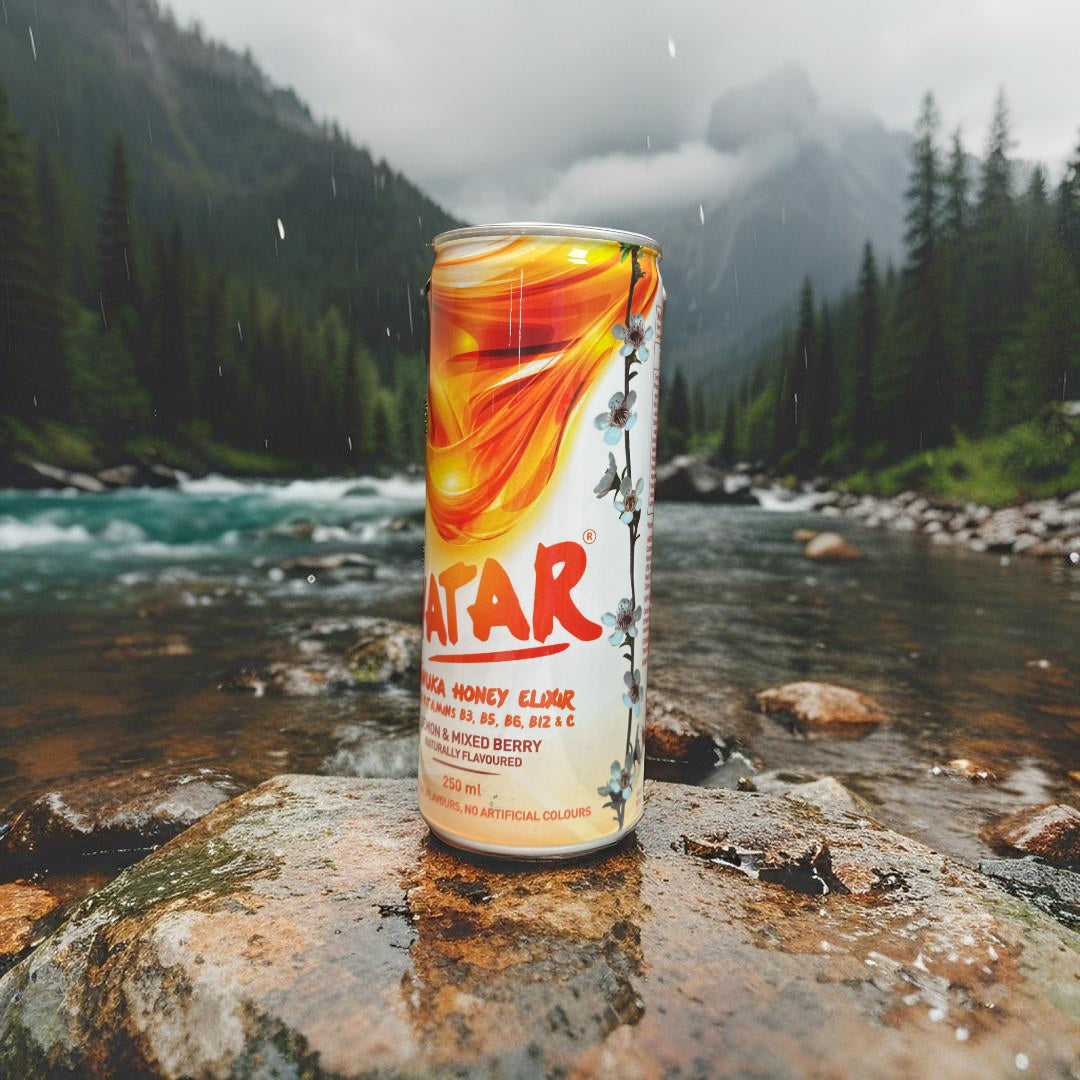
Avatar Elixir is an example of a formula that typically aligns with what older adults look for: moderate natural caffeine, a focus on B12, and an overall “wellness drink” positioning rather than a high-stimulant stack. It also signals premium quality through its New Zealand provenance, which many shoppers associate with higher ingredient standards.
Two important boundaries still apply:
- No energy drink should be treated as a medical solution for fatigue or a replacement for B12 treatment when deficiency is present.
- Medication considerations still come first, so it is smart to check with a pharmacist or GP if the person drinks it regularly.
If you are building a senior-focused product collection on Shopify, positioning drinks like this under “gentle energy” or “steady energy support” is usually more accurate and more helpful than lumping them into a generic “energy drinks” category.
Common red flags: when an energy drink is usually a poor choice for seniors
If you want quick screening criteria, these are common reasons an energy drink is not the best option for an older adult:
- Very high caffeine per can (especially if it resembles pre-workout levels).
- Unclear labeling, including proprietary blends without amounts.
- High sugar or very sweet taste designed for “candy” flavor profiles.
- Strong stimulant stacks that intensify jitteriness or raise the risk of sleep disruption.
- Symptoms after use (palpitations, anxiety, shakiness, reflux, insomnia) that repeat more than once.
If symptoms show up, the most practical adjustment is often to reduce the dose, switch to a lower-caffeine option, or stop entirely and discuss with a clinician, especially if heart-related symptoms occur.
Key Takeaways
- The best energy drink for seniors is usually low to moderate in caffeine, because caffeine sensitivity often increases with age and sleep disruption becomes more likely.
- Older adults should treat 200 mg/day caffeine as a practical upper guardrail (EFSA guidance for adults over 65), counting coffee, tea, and energy drinks together.
- B12 matters more after 60 because absorption can decline, and up to 20% of adults over 60 are B12 deficient (American Journal of Clinical Nutrition), but energy drinks should not replace medical evaluation or treatment.
- Medication interactions are a primary safety consideration for seniors, so regular energy drink use should be cleared with a pharmacist or GP when prescriptions are involved.
- Senior-friendly choices prioritize transparency and simplicity: clearly labeled caffeine, lower sugar, and fewer stimulant add-ons that can increase jitters and heart racing.
This FAQ answers common, age-specific questions about choosing an energy drink that feels steady and comfortable for older adults. It focuses on caffeine sensitivity, label reading, sleep timing, and why vitamin B12 often matters more later in life.
What caffeine amount is usually best for seniors in energy drinks?
A lower to moderate caffeine amount is usually the best fit for seniors, because caffeine sensitivity often increases with age. Many older adults do better with a smaller serving and adjusting based on how they feel, rather than choosing high-caffeine cans. If you are unsure, start low and avoid stacking caffeine from coffee, tea, chocolate, and energy drinks on the same day.
Why do seniors feel jitters from energy drinks more easily?
Seniors often feel jitters more easily because caffeine metabolism can slow with age, so the same dose can feel stronger and last longer. That can show up as anxiety, a racing heart feeling, shakiness, digestive upset, or difficulty sleeping. Drinks with intense stimulant blends and "proprietary blends" can also make effects harder to predict.
How can I read an energy drink label for senior-friendly ingredients?
To evaluate an energy drink label for seniors, prioritize simplicity and clarity so you can predict how it will feel. Look for:
- Caffeine listed in mg per can and per serving (not hidden in blends)
- Low sugar (or sugar-free) to avoid sharp spikes and dips
- Fewer add-ons and no vague "proprietary blend" totals
Is vitamin B12 in energy drinks helpful for older adults?
Vitamin B12 in an energy drink can be supportive for older adults, because B12 needs and absorption can change with age. It is still important to treat B12 as nutritional support, not a medical fix, especially if deficiency is suspected. If fatigue is persistent, a clinician can check B12 status and recommend an appropriate plan.
What is the best time for seniors to drink caffeine?
The best time is usually earlier in the day so caffeine is less likely to disrupt sleep. Many seniors find that caffeine taken late morning or early afternoon can still interfere with bedtime, even if it would not have years ago. A practical approach is to set a personal caffeine cut-off time and keep it consistent.
What should seniors avoid in mainstream energy drinks compared to gentle options?
Seniors often do better avoiding high-dose caffeine and complicated stimulant stacks, which are commonly designed for younger, high-tolerance users. Compared with gentler options, mainstream cans more often include high caffeine levels, lots of sugar, and blends that are difficult to evaluate. A senior-friendly choice is typically lower to moderate caffeine, low sugar, and straightforward to time around sleep and daily routines.
Can energy drinks interact with medications in older adults?
Yes, energy drinks can interact with medications, mainly due to caffeine and other active ingredients. If you or your parent takes prescription medicines (especially for blood pressure, heart rhythm, mood, or blood thinning), ask a pharmacist or GP before using energy drinks regularly. Bring the can (or a photo of the label) so the ingredient list and caffeine amount can be reviewed quickly.