


Short answer: Yes, a natural energy drink can make sense for night shift work if you choose one with clear caffeine information, a lighter flavour profile, sensible sweetness, and timing that does not work against your plan to wind down later.
It is late, the lights are too bright, and another coffee feels harsh. You still want something refreshing, adult, and lightly energising enough to help you get through overnight work without reaching for the most aggressive can in the fridge.
For night shift workers, the question is not simply whether an energy drink is “natural.” The better question is whether the drink fits the timing of your shift, your tolerance for caffeine, the food you have eaten, your hydration habits, and your plan for getting home and winding down afterwards. A lighter caffeine drink can be useful in some overnight routines, but it needs to be chosen carefully.
Can a natural energy drink make sense for night shift work?
Yes, a natural energy drink can make sense for night shift work when it provides a clear, moderate caffeine cue, tastes lighter than standard energy drinks, and is used at a point in the shift where caffeine still fits your routine. It makes less sense when it is used too close to sleep, used instead of water and food, or chosen without checking the label.
Night shift work changes the way people think about energy. A drink at 11 pm can feel practical if your shift is just beginning. The same drink at 5 am may feel less sensible if you are hoping to sleep soon after getting home. That is why timing matters as much as the type of drink.
A natural energy drink is often chosen by adults who want something that feels cleaner, less syrupy, and less intense than a conventional energy drink. That can mean ingredients such as fruit, botanical flavours, honey, vitamins, or clean caffeine, depending on the drink. However, “natural” does not automatically mean caffeine-free, low sugar, or suitable at any hour. The label still matters.
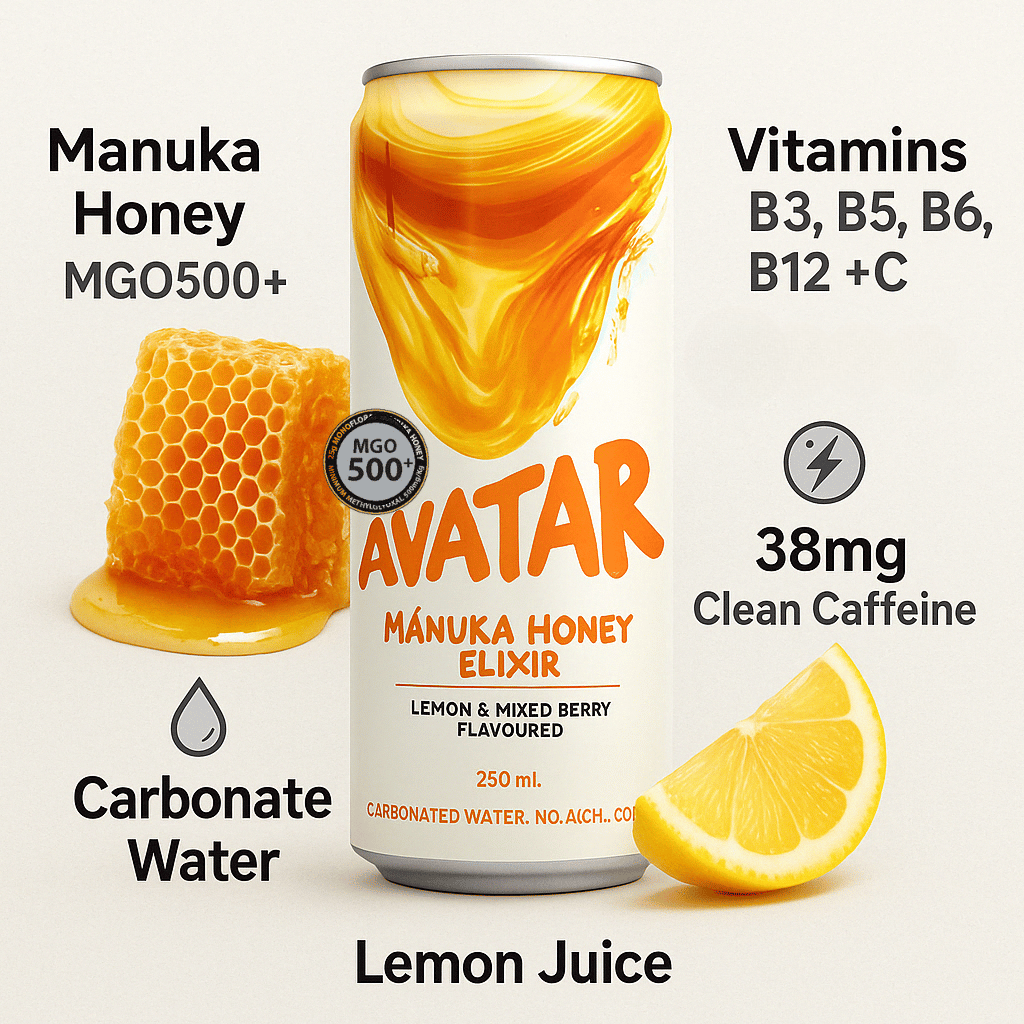
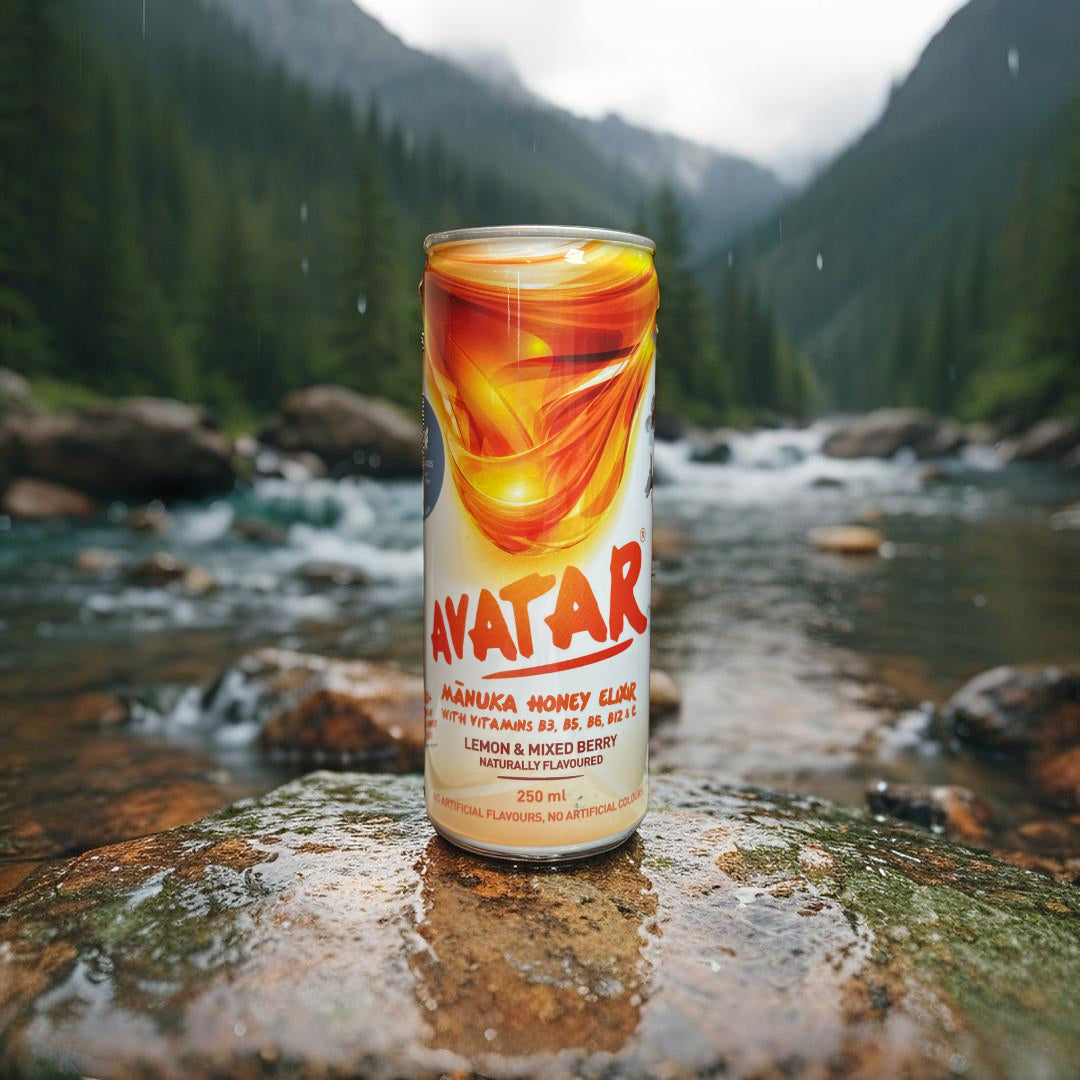
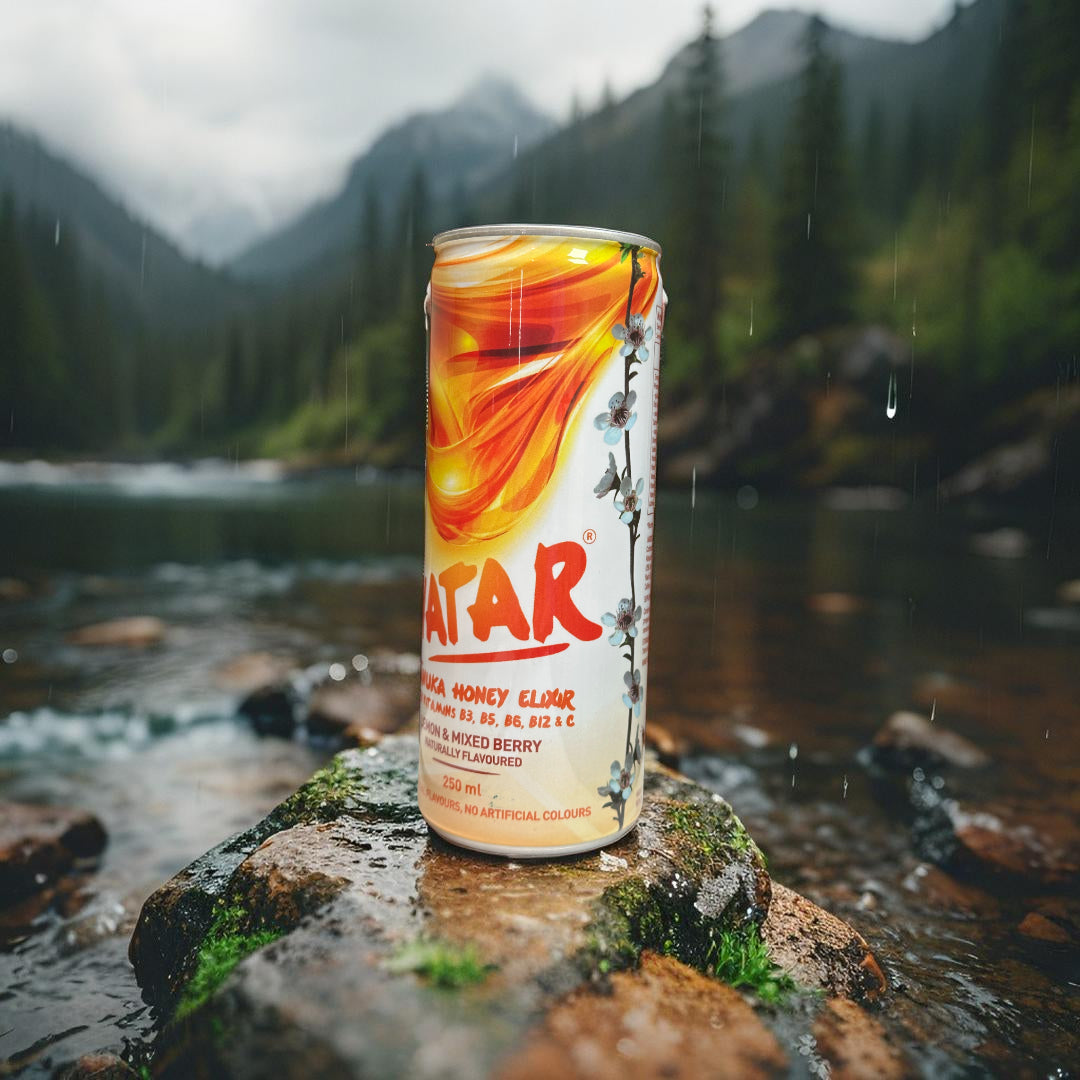
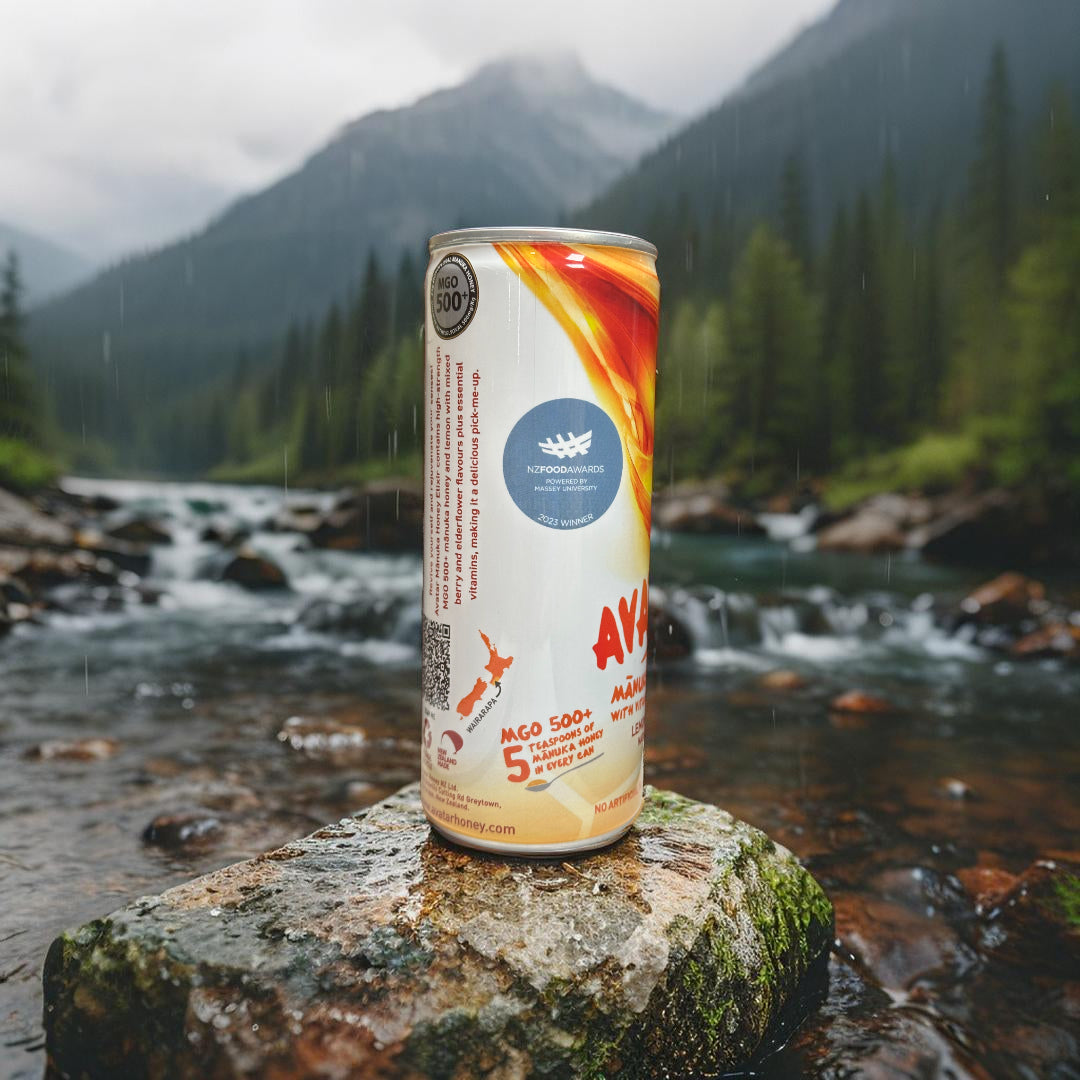
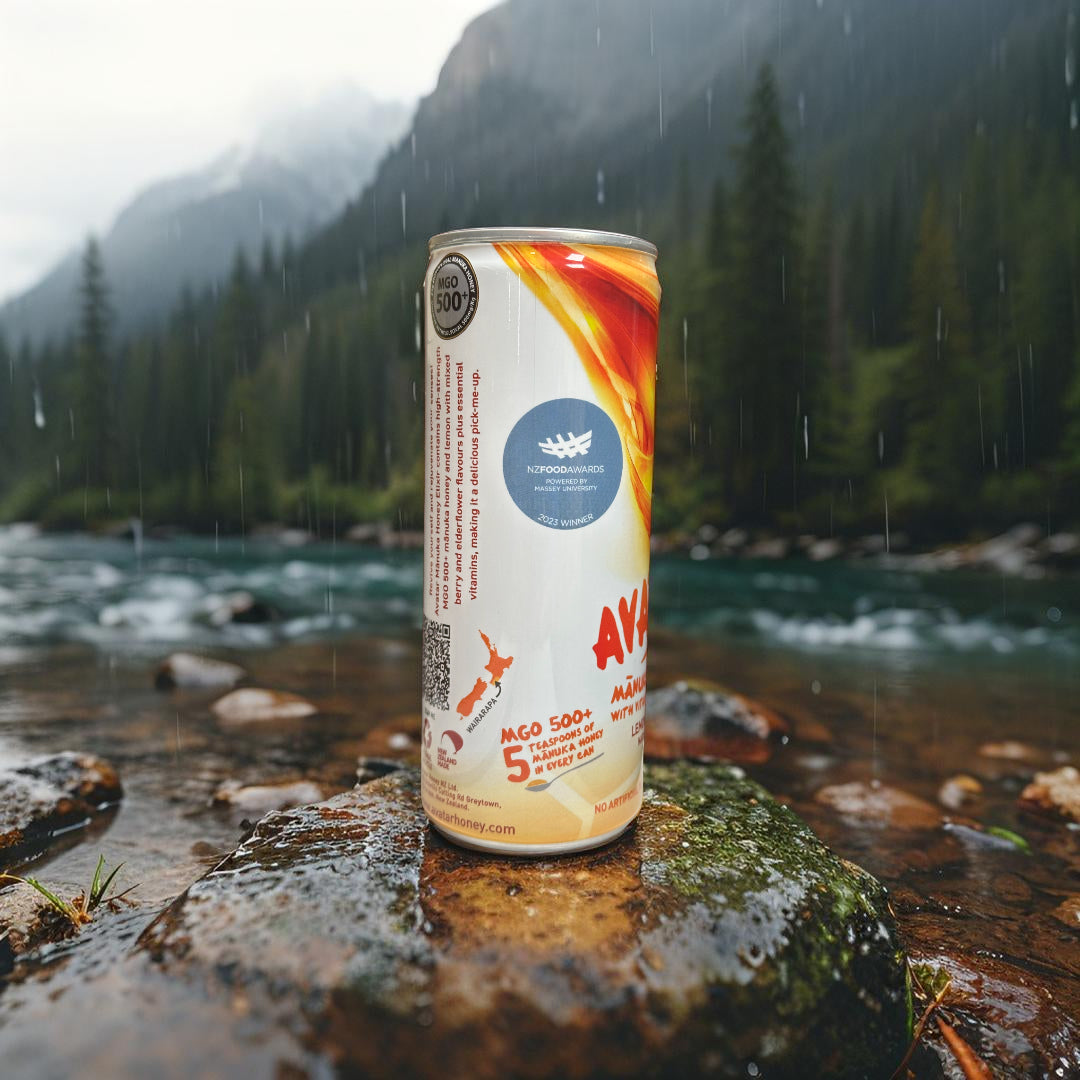
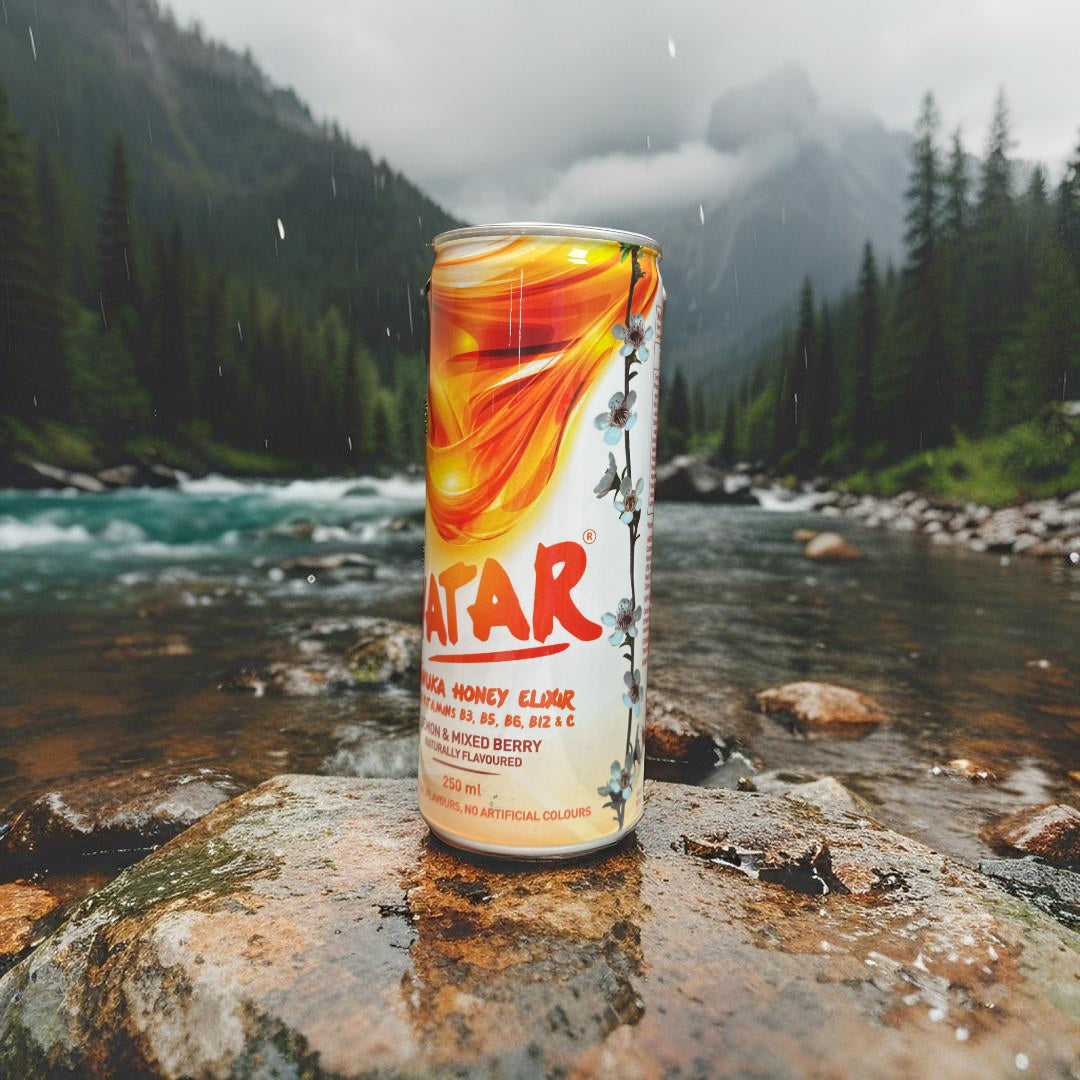
Avatar Elixir is one example for readers comparing natural drinks for overnight work. It combines certified MGO500+ Manuka honey, lemon, elderflower, B vitamins, vitamin C, clean caffeine, and lightly carbonated water. The appeal for shift workers is not that it promises a specific outcome, but that it offers a more ingredient-led option with a citrus, floral, honeyed profile instead of the heavy sweetness and sharp flavour many people associate with standard energy cans.
When is the best time to drink caffeine during a night shift?
The best time to drink caffeine during a night shift is usually earlier in the shift or before the most demanding part of the night, rather than near the end when you may soon need to rest. Caffeine timing should match your work pattern, your sensitivity, and your intended sleep window after the shift.
For many overnight workers, caffeine feels most useful when the shift is starting, when tasks require steady attention, or when there is a known low point in the middle of the night. Drinking caffeine late in the shift can be less helpful if it leaves you feeling too alert when you are trying to get home, eat, shower, and settle down.
A practical way to think about timing is to divide the shift into three parts:
- Start of shift: A lighter caffeine drink may make sense if you want a refreshing alternative to coffee before the night gets busy.
- Middle of shift: This can be a reasonable point for caffeine if you still have several hours of work ahead and have eaten something sensible.
- End of shift: This is the time to be more cautious, especially if you plan to sleep soon after getting home.
The exact cut-off is personal. Some adults feel caffeine for longer than others. If you already know that late coffee affects your ability to wind down, treat a caffeinated natural energy drink with the same caution. “Clean caffeine” still contains caffeine.
What should night shift workers check on an energy drink label?
Night shift workers should check the caffeine amount, serving size, sugar source, ingredient list, flavourings, and any added functional ingredients before choosing an energy drink. A label should make it easy to understand what you are drinking and how it fits your shift.
Start with caffeine. The most useful label is one that clearly states how much caffeine is in the can or bottle. This helps you compare it with coffee, tea, cola, or other drinks you may have had earlier. If the caffeine information is unclear, that is a reason to pause.
Next, look at the sweetness. Some energy drinks taste very sweet because they rely on large amounts of sugar or intense sweeteners. Others use a more balanced approach with ingredients such as honey, citrus, or botanicals. Sweetness is not only about nutrition. It also affects how the drink feels at 2 am when you may want something fresh rather than heavy.
Useful label cues include:
- Caffeine amount: Look for a clearly stated caffeine figure per can or serving.
- Serving size: Check whether the can is one serving or more than one serving.
- Sweetness source: Notice whether the drink uses sugar, honey, fruit ingredients, sweeteners, or a combination.
- Flavour ingredients: Lemon, elderflower, botanicals, and fruit notes can indicate a lighter flavour style.
- Added nutrients: B vitamins or vitamin C may be included, but they should not be treated as a promise of performance.
- Stimulant blend: Be cautious with products that stack multiple stimulants without clear explanation.
A natural energy drink with a simple, readable label is often easier to place in a night shift routine than a drink that relies on vague blends or extreme claims. Clear ingredients help you decide whether the drink suits the moment.
Why does flavour matter more at night?
Flavour matters more at night because heavy sweetness, harsh bitterness, or strong artificial notes can feel tiring when your body already feels out of rhythm. A lighter flavour can make a caffeine drink feel more refreshing and adult, especially during long overnight hours.
Coffee can be comforting, but late at night it can also feel acidic, hot, or too intense. Standard energy drinks can feel cold and convenient, but some taste syrupy or sharp. A lighter natural energy drink sits in a different space. It can feel closer to a sparkling botanical drink, but with caffeine included.
For night shift work, flavours such as lemon, elderflower, honey, ginger, lime, berry, or herbal notes often feel more drinkable than heavy candy-like profiles. Citrus brings brightness. Elderflower adds a soft floral lift. Manuka honey gives a rounded sweetness rather than a flat sugary taste. Light carbonation can also make the drink feel fresher during a long shift.
This is where Avatar Elixir may appeal to adults comparing options. Its Manuka honey, lemon, and elderflower profile is designed to feel premium and refreshing rather than loud. For someone who wants a caffeine drink that feels less aggressive than a standard energy can, that style of flavour can be part of the decision.
Should a natural energy drink replace water during overnight work?
No, a natural energy drink should not replace water during overnight work. It can sit alongside water in your routine, but hydration should still come mainly from plain water and normal meals or snacks.
Night shifts can make people forget basic hydration. Air conditioning, busy periods, long driving breaks, and protective work environments can all interrupt regular sipping. A caffeinated drink may feel refreshing, but it is not a complete hydration plan.
A simple approach is to treat a natural energy drink as a chosen caffeine moment, not as your only drink. Keep water nearby, especially if your work is physical, warm, or requires long stretches without breaks. If you are drinking caffeine, eating properly also matters. Caffeine on an empty stomach can feel different from caffeine taken with a meal or snack.
Good overnight drink habits can be simple:
- Have water available before reaching for caffeine.
- Pair caffeine with food if you know drinks feel harsh on an empty stomach.
- Avoid using sweet or caffeinated drinks as your only fluid through the shift.
- Choose lighter carbonation if heavy fizz feels uncomfortable late at night.
This context helps keep the drink in the right role. A natural energy drink may be enjoyable and useful, but it is still one part of a broader night shift routine.
When should night shift workers avoid more caffeine?
Night shift workers should avoid more caffeine when they are close to their planned sleep time, already feel over-caffeinated, have had several caffeinated drinks, or know that caffeine makes it harder for them to wind down. A natural label does not remove the need to listen to your own limits.
Common signs that more caffeine may not be the right move include feeling jittery, unsettled, unusually wired, or unable to relax during the final part of the shift. Some people also find that caffeine late in the morning affects how they feel after getting home. These experiences vary, so personal pattern recognition is important.
It is also worth considering what happens after the shift. If you need to drive home, eat, care for family, or transition quickly into sleep, a late caffeinated drink may not fit that plan. If you still want something cold and refreshing near the end of the shift, a non-caffeinated sparkling water or light soft drink may be a better choice.
This is not about strict rules. It is about matching the drink to the hour. Earlier caffeine can be part of a considered night shift routine. Late caffeine can work against your wind-down plan if you are sensitive to it.
How can you choose a lighter caffeine drink for overnight work?
You can choose a lighter caffeine drink for overnight work by looking for clear caffeine information, a flavour you can enjoy slowly, balanced sweetness, light carbonation, and ingredients that suit your preferences. The best choice is the one that fits your shift without feeling too intense.
Use this checklist before buying or stocking your work fridge:
- Is the caffeine amount clear? Choose drinks that make it easy to understand what you are consuming.
- Does the flavour sound refreshing? Lemon, elderflower, honey, and botanical notes may feel lighter than heavy candy flavours.
- Is the sweetness balanced? Look for a drink that will still feel pleasant halfway through the can.
- Is the carbonation gentle enough? Light carbonation can feel fresh without being too sharp.
- Does it fit the timing of your shift? Choose caffeinated drinks earlier, and be more cautious near your planned rest period.
- Does the label avoid over-the-top claims? A good drink should not need to promise extreme results.
For adults comparing natural drinks, Avatar Elixir fits the lighter, ingredient-led side of the category. It is a New Zealand Manuka honey drink with lemon, elderflower, clean caffeine, B vitamins, vitamin C, and lightly carbonated water. It can make sense as an earlier-shift option for people who want something more refreshing than extra coffee and more considered than a typical energy drink.
What is the simple takeaway for night shift workers choosing a natural energy drink?
A natural energy drink can be a sensible night shift choice when it is timed carefully, clearly labelled, lighter in flavour, and treated as one drink within a wider routine that includes water, food, and a plan to wind down. It should not be treated as a guarantee of alertness, sleep control, or better performance.
If coffee feels too harsh late at night, a sparkling drink with clean caffeine, citrus, botanicals, and balanced sweetness may feel more adult and refreshing. The key is to choose deliberately. Check the caffeine. Notice the sweetness. Think about when your shift ends. Keep water in the picture. Avoid more caffeine when your body is already asking to slow down.
For night shift work, the best drink is not the strongest one. It is the one that fits the hour, the task, and the person drinking it.
These FAQs cover practical choices for natural energy drinks during overnight and irregular shifts.
Can a natural energy drink work for night shift workers?
Yes, a natural energy drink can work for night shift workers when the caffeine amount is clear, the flavour feels lighter, and the timing fits the shift. The best choice is not simply the most natural-looking can. It is the drink that fits your caffeine tolerance, food intake, hydration habits, and plan to wind down after work.
When should I drink caffeine during an overnight shift?
The best time to drink caffeine during an overnight shift is usually earlier in the shift or before the most demanding part of the night. Caffeine near the end of a shift is less practical if you plan to sleep soon after getting home. Treat a caffeinated natural drink the same way you would treat late coffee, because clean caffeine still contains caffeine.
What should I check on a night shift energy drink label?
Check the caffeine amount, serving size, sugar source, ingredient list, flavour profile, and any added vitamins or functional ingredients. A good label should make it easy to compare the drink with coffee, tea, cola, or another energy drink you have already had. Clear caffeine information is especially useful for overnight workers planning their timing.
Is a natural energy drink better than coffee at night?
A natural energy drink is not automatically better than coffee at night, but it can feel like a better fit if coffee tastes harsh or too heavy late in a shift. Coffee is simple and familiar, while a lightly carbonated drink can feel more refreshing. The better option is the one with a clear caffeine amount and a flavour you actually want to sip.
What natural energy drink feels less aggressive for overnight work?
A natural energy drink that feels less aggressive usually has lighter carbonation, balanced sweetness, clear caffeine information, and a flavour profile built around fruit, botanicals, or honey rather than heavy syrupy sweetness. Avatar Elixir is one option for readers comparing this style of drink, with certified MGO500+ Manuka honey, lemon, elderflower, B vitamins, vitamin C, clean caffeine, and lightly carbonated water.
Should I avoid caffeine near the end of a night shift?
You should avoid more caffeine near the end of a night shift if you are close to your planned sleep window or already know late caffeine makes winding down harder. This is especially relevant after several coffees, teas, colas, or energy drinks earlier in the shift. Water, food, and a calmer routine are usually better fits when the work night is nearly over.
How can I make a night shift drink routine feel calmer?
A calmer night shift drink routine starts with timing caffeine earlier, drinking water alongside flavoured drinks, eating something sensible, and choosing lighter flavours you enjoy. Keep the end of the shift less stimulating where possible. This approach helps you treat caffeine as one part of the shift, not the only tool for getting through it.