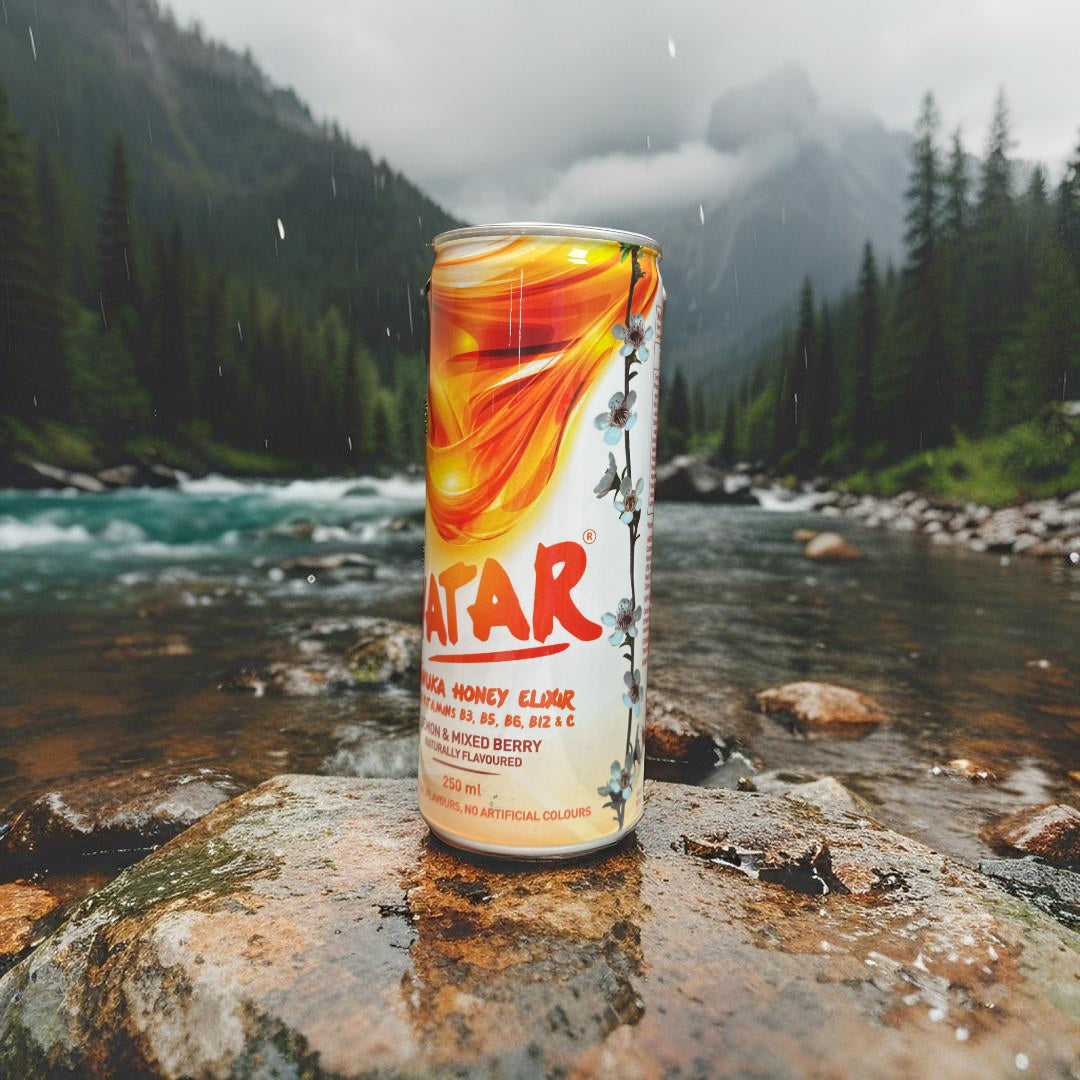




Short answer: Natural energy drinks generally count toward your daily fluid intake because they are mostly liquid, but they should not be treated as the same thing as plain water. Caffeine, sugar, carbonation, minerals, serving size, and the situation you are in, such as heat, exercise, or travel, all affect how useful and comfortable they feel as part of your day.
You are carrying a water bottle, drinking a cup of tea, and sipping a natural energy drink during a busy afternoon. Then the tracking question arrives: what actually counts as fluid?
The plain-language answer is that most drinks contribute fluid volume, including tea, coffee, sparkling drinks, juice-based drinks, and natural energy drinks. The more useful question is not only does it count? It is how should it fit alongside water?
This article looks at fluid intake, caffeine, carbonation, sugar, and minerals in natural energy drinks without overstating hydration claims. It is written for everyday beverage choices, not for treating dehydration or replacing personal medical advice.
Do natural energy drinks count as fluid intake?
Yes, natural energy drinks count as fluid intake because they contain water as their main volume, but they are not a one-for-one replacement for plain water in every situation. A can or bottle of a natural energy drink adds liquid to your day, while its caffeine, sweetness, carbonation, and other ingredients affect how it feels and how often you may want to drink it.
When people track fluids, they often think only plain water counts. In everyday nutrition language, fluid intake usually includes the liquid you drink across the day, not just water from a bottle. That can include herbal tea, black tea, coffee, milk, sparkling water, juices, smoothies, and functional beverages.
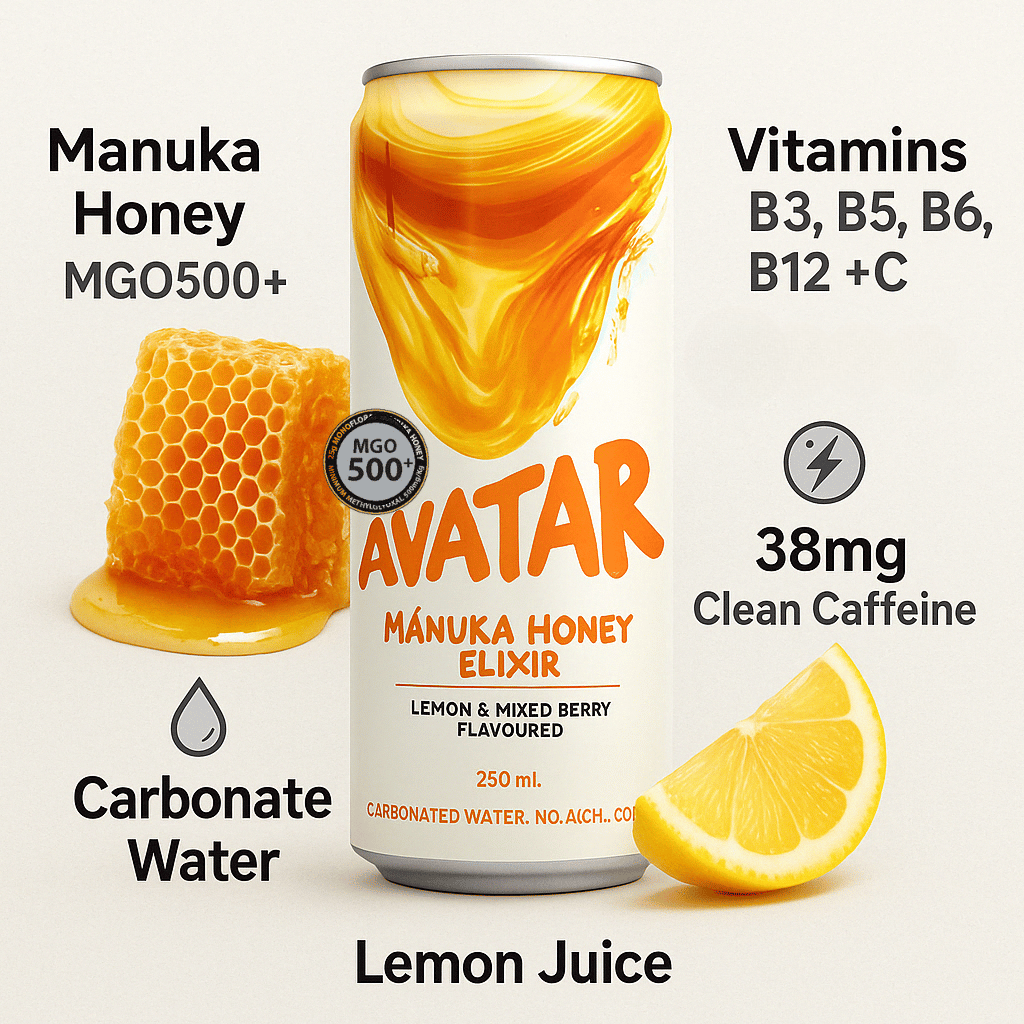
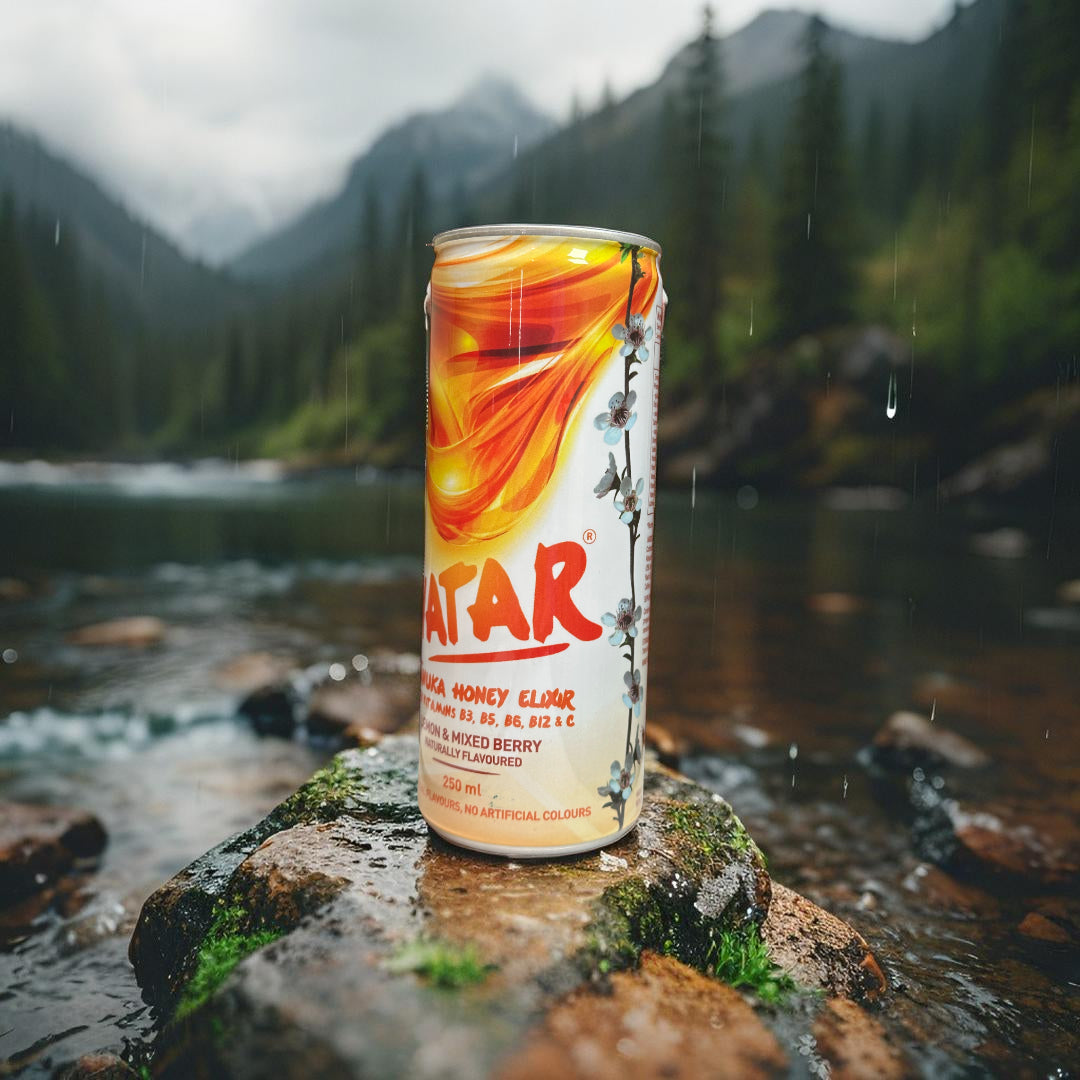
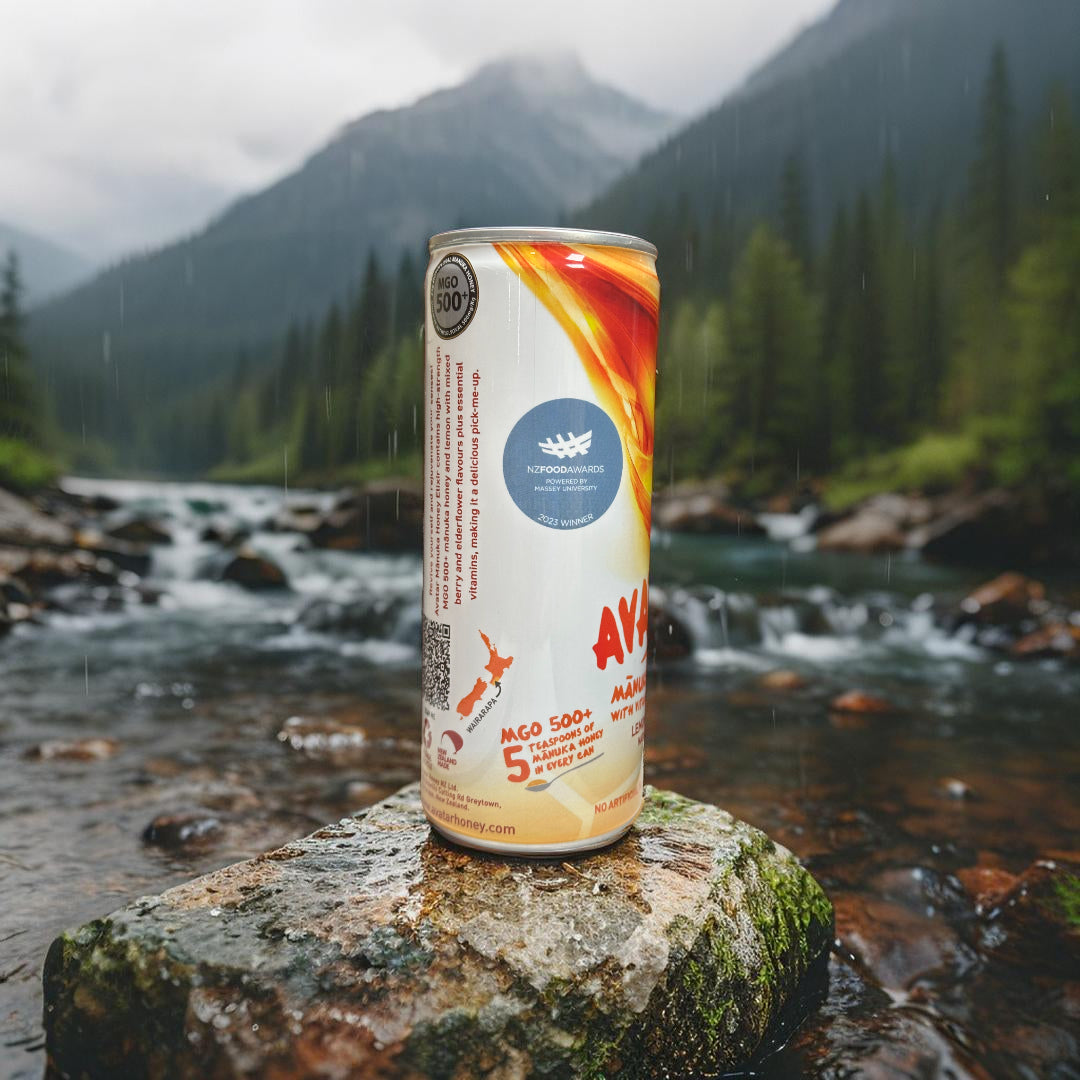
A natural energy drink sits in that broader fluid category. Avatar Elixir, for example, is a lightly carbonated New Zealand Manuka honey drink made with water, certified MGO500+ Manuka honey, lemon, elderflower, B vitamins, vitamin C, and clean caffeine. It still contributes fluid volume, but it also brings flavour, gentle sparkle, caffeine, and sweetness, so it plays a different role from plain water.
Key takeaway: Natural energy drinks can count toward daily fluids, but water should still be the steady baseline, especially when you are thirsty, hot, active, or drinking multiple caffeinated beverages.
Does caffeine stop an energy drink from counting as fluid?
No, caffeine does not automatically stop an energy drink from counting as fluid. Caffeinated drinks still add liquid to your day, but caffeine can affect how your body responds, especially if you are sensitive to it, drinking a large amount, or using it late in the day.
Caffeine is often described as dehydrating, but that can be too simple for everyday drink choices. A caffeinated drink still contains water. For many adults, moderate caffeine in drinks such as tea, coffee, or natural energy drinks can still be part of total fluid intake.
What caffeine changes is the experience. Some people notice they urinate more after caffeine. Some feel alert but also a little restless if they have too much. Others tolerate caffeine well with food and water. This is why caffeine-containing drinks can count as fluid without being the drink you rely on for every hydration moment.
For daily balance, think about three practical questions:
- How much caffeine have you already had? Tea, coffee, energy drinks, cola, and some functional beverages can all add up.
- What time is it? A caffeinated drink in the late afternoon or evening may not suit people who are sensitive to sleep disruption.
- Are you drinking water too? If every drink is caffeinated, it is usually worth adding plain water back into the routine.
Caffeine is not the reason to exclude natural energy drinks from fluid tracking. It is the reason to place them thoughtfully in the day.
Does carbonation change whether a drink counts as fluid?
No, carbonation does not stop a drink from counting as fluid. Lightly sparkling and carbonated drinks still contribute liquid volume, but bubbles can change comfort, fullness, and how quickly you want to drink.
Carbonation is simply dissolved carbon dioxide that creates fizz. It can make a drink feel fresher, brighter, and more satisfying, especially when paired with citrus, botanicals, or honey. For some people, that makes a beverage easier to enjoy than still water. For others, bubbles can feel filling or uncomfortable, particularly before exercise or during travel.
Carbonated natural energy drinks can be useful when you want something more adult than a soft drink and more refreshing than another coffee. A lightly sparkling drink with lemon or elderflower can feel crisp and lifted, without needing to be framed as a hydration product.
The practical point is simple: sparkling drinks count as fluid, but your body may prefer still water in certain moments. If you are about to train, walking in strong heat, or feeling unsettled while flying, plain water may be easier to sip steadily.
How do sugar, honey, and sweetness affect fluid choices?
Sugar, honey, fruit juice, or other sweeteners do not stop a drink from counting as fluid, but they do change the drink’s role. A sweetened natural energy drink is best viewed as a flavoured beverage that contributes fluid, energy, and taste, not as the same everyday baseline as water.
Sweetness matters because drinks are easy to consume quickly. A naturally sweetened drink may feel more premium and ingredient-led than a conventional soft drink, but it still adds sugars or carbohydrates depending on the recipe. That does not make it bad. It simply means it belongs in the part of your day where flavour, enjoyment, and function are part of the reason you are choosing it.
Honey-based drinks are a good example. Manuka honey brings flavour, aroma, and a natural sweetness that feels different from a sharp artificial drink. In Avatar Elixir, the Manuka honey sits with lemon, elderflower, clean caffeine, B vitamins, vitamin C, and carbonation to create a bright, floral, honeyed beverage. It contributes fluid, but it is chosen for more than fluid alone.
If your goal is simple hydration across the day, plain water remains the most flexible option. If your goal is a more enjoyable drink for a work session, travel day, social moment, or afternoon lift, a natural energy drink may fit as one part of your total fluids.
Do electrolytes or minerals make a natural energy drink more hydrating?
Electrolytes and minerals can support fluid balance in certain contexts, but their presence does not automatically make a drink the best hydration choice for every person or every day. For most everyday situations, total fluid, regular drinking, food intake, and context matter more than a single ingredient claim.
Electrolytes are minerals such as sodium, potassium, magnesium, and chloride that help the body manage fluid balance and normal muscle and nerve function. Some sports drinks are formulated around electrolytes because sweat contains minerals, especially during long or intense activity.
Natural energy drinks are not all designed for the same purpose. Some are closer to sparkling soft drinks with caffeine. Some include vitamins. Some include minerals or electrolytes. Some focus on botanicals, fruit, honey, or tea extracts. The label matters because the category is broad.
For everyday work, study, commuting, and social occasions, you do not need to treat minerals as a magic switch. A drink can contain minerals and still be sweet, caffeinated, or carbonated. A drink can contain no added electrolytes and still contribute fluid volume.
In short: Minerals can be useful in specific drink formulas, especially for active or sweaty situations, but they do not replace the basic habit of drinking enough plain water and eating normally across the day.
How do heat, exercise, and travel change what counts?
Heat, exercise, and travel do not change the fact that natural energy drinks count as fluid, but they do change how much you should rely on them. In demanding conditions, plain water usually needs a larger role because it is easy to drink steadily, contains no caffeine, and does not add sweetness or bubbles.
Context is where fluid tracking becomes practical. A natural energy drink on a normal desk day is different from the same drink after a long run, during a hot outdoor event, or while flying. The beverage still counts, but your needs and comfort may shift.
What should you drink in hot weather?
In hot weather, natural energy drinks can contribute fluid, but water should usually be the main drink you return to throughout the day. Heat can increase sweating, and it is easy to fall behind if you wait until you feel very thirsty.
A chilled natural energy drink may feel refreshing in summer, especially if it has citrus, floral notes, and light carbonation. It can be enjoyable as part of a picnic, work break, or social moment. Still, if you are outside for hours, walking, gardening, or spending time at the beach, keep water close and drink it regularly.
What should you drink around exercise?
A natural energy drink may count as fluid around exercise, but it is not automatically the best exercise drink. Caffeine, carbonation, and sweetness can feel different before, during, or after movement, so comfort matters.
Some people enjoy caffeine before activity. Others find bubbles or sweetness uncomfortable when they are breathing hard or moving intensely. For ordinary exercise, water is often the simplest choice. For longer, sweatier, or more demanding activity, people may choose drinks designed specifically around electrolytes and carbohydrates.
This article is not advice for treating dehydration, heat illness, or exercise-related medical concerns. If you feel unwell, dizzy, confused, or unable to keep fluids down, seek appropriate professional guidance.
What should you drink while travelling?
During travel, a natural energy drink counts as fluid, but water should remain your anchor because travel often disrupts routine. Flights, long drives, airport queues, salty food, and extra coffee can all make your normal drinking pattern less reliable.
A lightly carbonated natural energy drink can be a pleasant travel companion when you want something more interesting than water and less heavy than a sugary soft drink. It can also fit a long workday after landing or an afternoon when you want a more considered beverage. Pairing it with water is the more balanced approach.
How should you track natural energy drinks in daily fluid intake?
The simplest way to track natural energy drinks is to count their liquid volume, then separately notice caffeine, sugar, and context. This keeps tracking practical without pretending every drink has the same role.
If you use a bottle, app, notebook, or mental tally, you can count the volume of a natural energy drink as part of your fluid intake. Then add a common-sense layer: was it caffeinated, sweetened, carbonated, or chosen during heat, exercise, or travel?
A useful daily approach looks like this:
- Start with water as the baseline. Keep plain water available at your desk, in the car, or in your bag.
- Count beverage volume honestly. Tea, coffee, sparkling water, and natural energy drinks all add fluid.
- Track caffeine separately. If you have coffee, tea, and an energy drink, the caffeine matters even though all three count as fluids.
- Notice sweetness. Honey, juice, cane sugar, or other sweeteners affect how often you may want that drink.
- Adjust for conditions. In heat, after sweating, or during travel, increase the role of plain water.
This method avoids two common mistakes. The first mistake is saying only water counts, which is too narrow for real life. The second mistake is saying every drink is equal, which ignores caffeine, sugar, carbonation, and purpose.
Where does a natural energy drink fit next to water?
A natural energy drink fits best as an occasional or intentional beverage within a broader fluid routine, while water remains the everyday foundation. It can count toward fluid intake, but it is usually chosen for flavour, caffeine, refreshment, and experience rather than hydration alone.
This is especially true for wellness-minded drinkers who want better options than conventional energy drinks or very sweet soft drinks. A premium natural energy drink may offer a cleaner flavour profile, recognizable ingredients, and a more grown-up drinking experience. That can make it a good fit for work, study, travel, gifting, or social occasions.
Avatar Elixir is one example of this broader category. Its Manuka honey, lemon, elderflower, vitamins, clean caffeine, and light carbonation make it a functional beverage with a distinct New Zealand honey character. It contributes fluid, but it should be understood as part of a daily drinks mix, not as a replacement for water.
A balanced day might include water first, tea or coffee if you enjoy them, and a natural energy drink when you want a more flavourful, lightly energising option. The exact mix depends on your routine, caffeine tolerance, activity, climate, and personal preference.
What is the plain-language answer to “what counts as fluid”?
Most drinks count as fluid because they add liquid to your day, including natural energy drinks, but plain water should remain the simplest and most reliable hydration choice. The better question is how each drink behaves in context, not whether it counts at all.
Use this simple guide:
- Water: Counts as fluid and is the best everyday baseline.
- Tea and coffee: Count as fluid, while also contributing caffeine unless decaffeinated.
- Natural energy drinks: Count as fluid, while also contributing caffeine, flavour, sweetness, carbonation, and functional ingredients depending on the recipe.
- Sparkling drinks: Count as fluid, although carbonation may affect comfort or fullness.
- Sweetened drinks: Count as fluid, but sweetness should be considered as part of your overall drinking pattern.
- Electrolyte drinks: Count as fluid and may be useful in specific active or sweaty contexts, depending on the formula.
The most practical answer is balanced, not extreme. Natural energy drinks count toward fluid intake, but they are not the same as plain water. Caffeine, sugar, minerals, bubbles, serving size, and context all matter. For everyday wellness, keep water close, enjoy more flavourful drinks intentionally, and treat hydration as a whole-day pattern rather than a single can, bottle, or cup.
These answers explain how natural energy drinks, caffeine, bubbles, sweetness, and water fit into everyday fluid intake.
Do natural energy drinks count toward daily fluid intake?
Yes, natural energy drinks count toward daily fluid intake because their main volume is liquid, usually water. A can or bottle adds fluid volume to your day in the same broad category as tea, coffee, sparkling water, juice drinks, and other beverages. The practical difference is that energy drinks also bring ingredients such as caffeine, sweetness, carbonation, vitamins, or botanicals, so they should sit alongside plain water rather than fully replace it.
Does caffeine in an energy drink cancel out fluid intake?
No, caffeine does not cancel out the fluid in an energy drink. A caffeinated drink still contributes liquid volume, but caffeine can change the experience for some people, especially if they are sensitive to it or have already had coffee, tea, cola, or another energy drink. For everyday balance, count the fluid, but keep plain water in the routine and pay attention to total caffeine across the day.
Does a carbonated energy drink still count as fluid?
Yes, a carbonated energy drink still counts as fluid because carbonation does not remove the liquid volume. Bubbles can make a drink feel fresher and more satisfying, but they can also create fullness or discomfort for some people. Light carbonation suits many everyday moments, while still water is usually the simpler choice when you are very thirsty, active, hot, or trying to drink larger amounts.
Do sugar or honey change whether a drink counts as fluid?
No, sugar or honey do not stop a drink from counting as fluid, but they do change how the drink fits into your day. Sweetened drinks still add liquid volume, yet they also add flavour and dietary energy. A honey-based drink can feel more ingredient-led than a standard soft drink, but it is still best treated as a flavoured beverage rather than the main source of daily water.
Do energy drinks need electrolytes to count as fluids?
No, energy drinks do not need electrolytes to count as fluids. Electrolytes are minerals such as sodium, potassium, magnesium, and calcium, and they are relevant in some sports or heavy-sweat situations. For normal daily fluid tracking, the liquid volume matters first. If you are exercising hard, sweating heavily, travelling in heat, or managing a health concern, choose drinks based on the situation rather than assuming every functional drink replaces water.
When should plain water be your main drink?
Plain water should be your main drink when you are thirsty, hot, exercising, travelling, drinking alcohol, or having several caffeinated drinks in one day. Water is simple, unsweetened, caffeine-free, and easy to drink in larger amounts. Natural energy drinks can still have a place for flavour, refreshment, or a clean caffeine moment, but water is the steady baseline for everyday fluid intake.
How does Avatar Elixir fit into daily fluid intake?
Avatar Elixir fits into daily fluid intake as a flavoured, lightly carbonated natural energy drink, not as a replacement for plain water. It contains water along with certified MGO500+ Manuka honey, lemon, elderflower, B vitamins, vitamin C, and clean caffeine. That means it contributes fluid volume while also offering sweetness, gentle sparkle, and caffeine, making it better suited to intentional drink moments than constant sipping all day.