



Short answer: You should not intentionally freeze a sealed canned energy drink. As the liquid freezes, it expands and places extra stress on the pressurised can, which may bulge, leak, split, or rupture. Use an ice-water bath for faster, more controlled chilling instead.
Putting a warm can in the freezer may seem like a quick solution, but it is easy to leave it there too long. Carbonated energy drinks need particular care because the container is already under pressure. Freezing can damage the packaging, change the drink’s carbonation and flavour, and create a messy or potentially hazardous situation.
Can you safely freeze a sealed canned energy drink?
No, freezing a sealed canned energy drink is not a recommended chilling method. The can is designed to contain a liquid carbonated beverage under normal storage and serving conditions, not to accommodate the expansion that occurs when much of its water content freezes.
A can placed briefly in a freezer may cool without freezing, but there is no universal safe freezer time. Results depend on several variables, including:
- The freezer temperature and airflow
- The drink’s starting temperature
- Where the can sits inside the freezer
- The drink’s ingredients and level of carbonation
- The condition, age, and construction of the can
- Whether the freezer is opened during chilling
Because these factors vary, a timer cannot guarantee that a canned drink will remain unfrozen or undamaged. The practical risk is not simply that the drink becomes too cold. It is that someone forgets the can and returns to find it distorted, leaking, or split.
Why can a carbonated can bulge or split in the freezer?
A carbonated can can bulge or split because freezing changes both the volume of the liquid and the pressure conditions inside the sealed package. Water-based liquids expand as they freeze, leaving less room inside a container that cannot safely stretch to accommodate the change.
Carbonation adds another consideration. Carbon dioxide is dissolved in the drink, while the sealed can also contains internal pressure. As ice forms, the composition of the remaining liquid changes and the available space inside the package can decrease. Together, these changes can place additional stress on the can’s body, lid, and seams.
The result is not always dramatic. A can may develop a rounded end, a slight seam leak, or a small split rather than bursting suddenly. Any visible distortion or loss of package integrity should still be treated as a warning that the can is compromised.
Does partial freezing affect carbonation and flavour?
Yes, partial freezing can affect carbonation, texture, and flavour balance even if the can remains intact. Ice does not necessarily form evenly throughout a mixed beverage, so the remaining liquid may temporarily become more concentrated in sugars, acids, flavour compounds, caffeine, and other dissolved ingredients.
Freezing and thawing can also change how well carbon dioxide remains dissolved. Once opened, a previously frozen drink may foam more than expected or taste flatter after the initial release of gas. Its sweetness, acidity, or botanical notes may also seem less balanced if it has not thawed and remixed evenly.
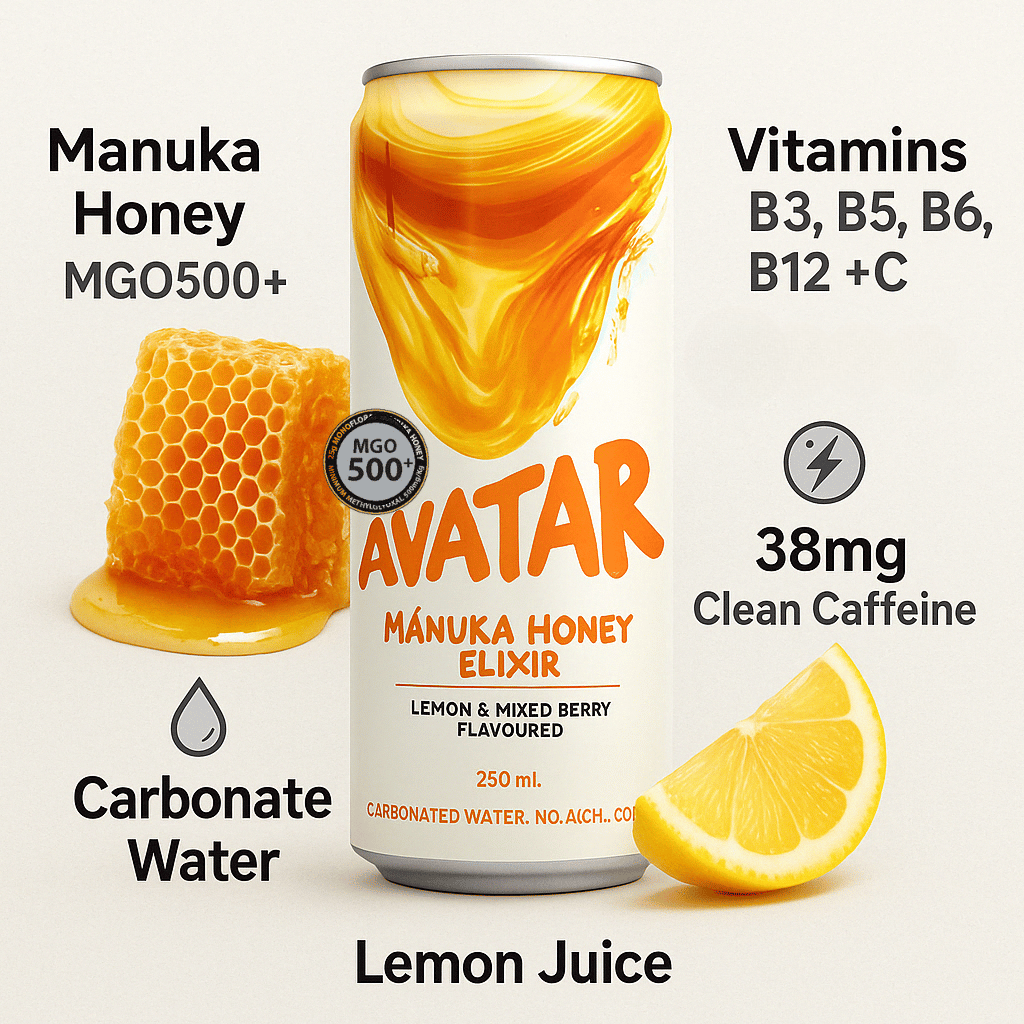
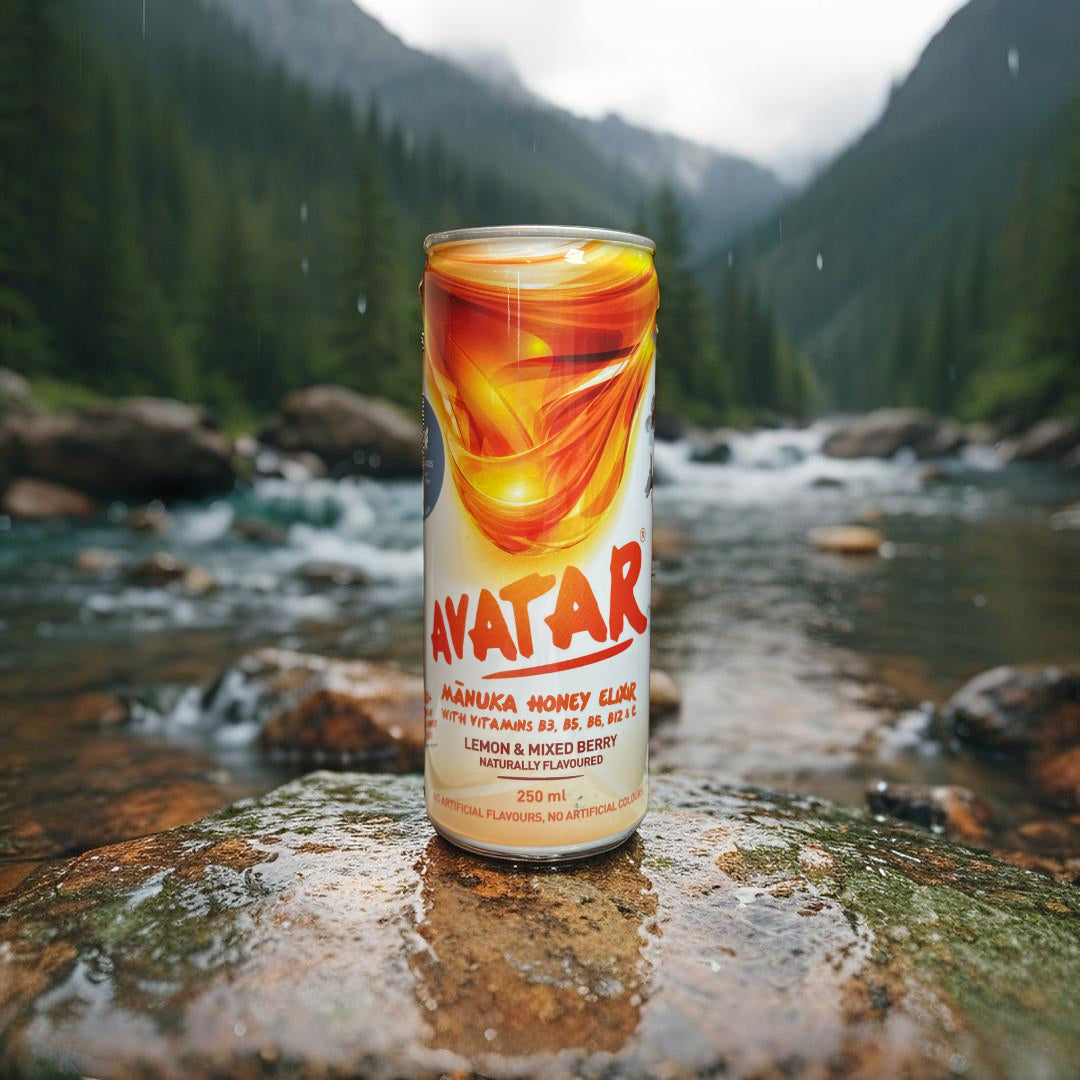
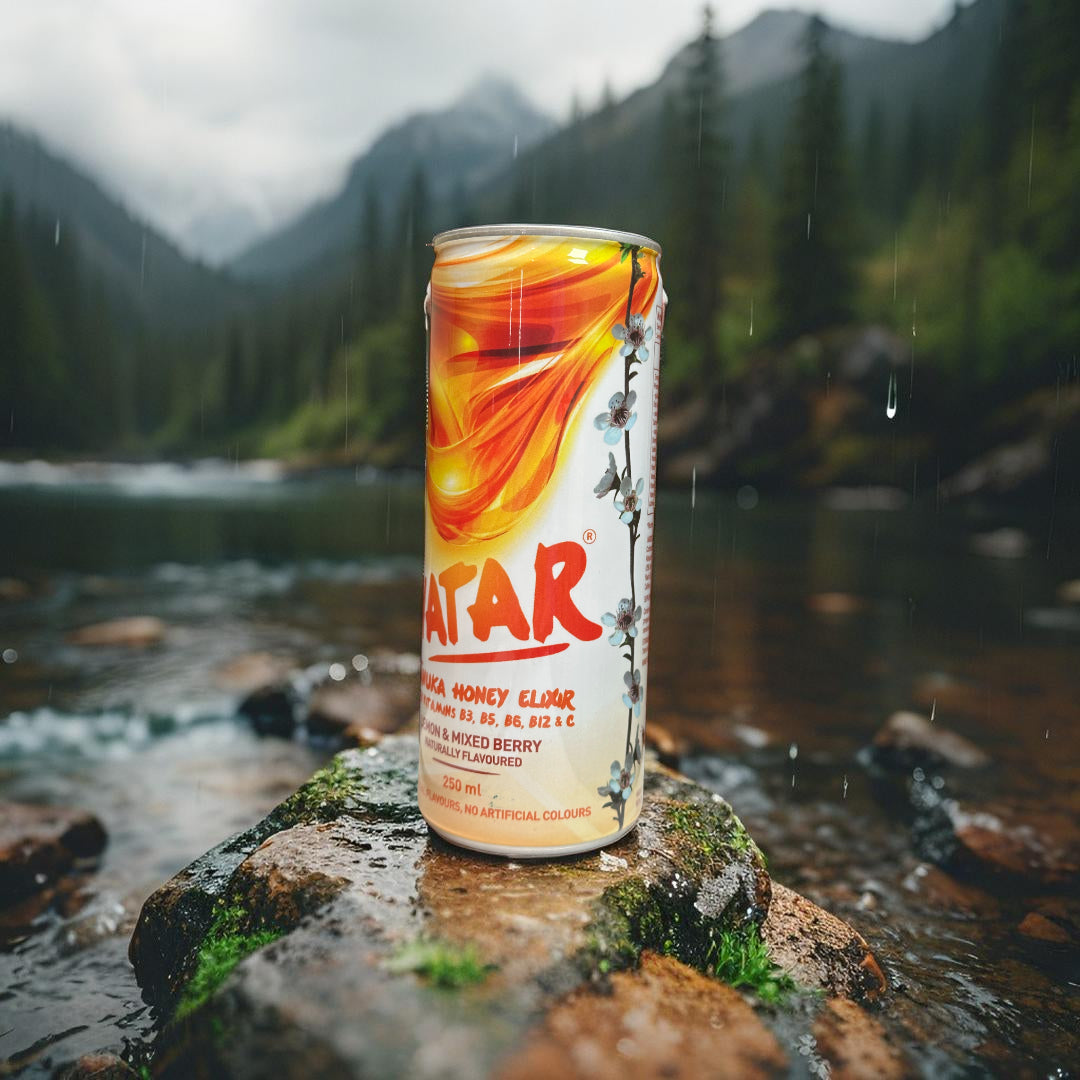
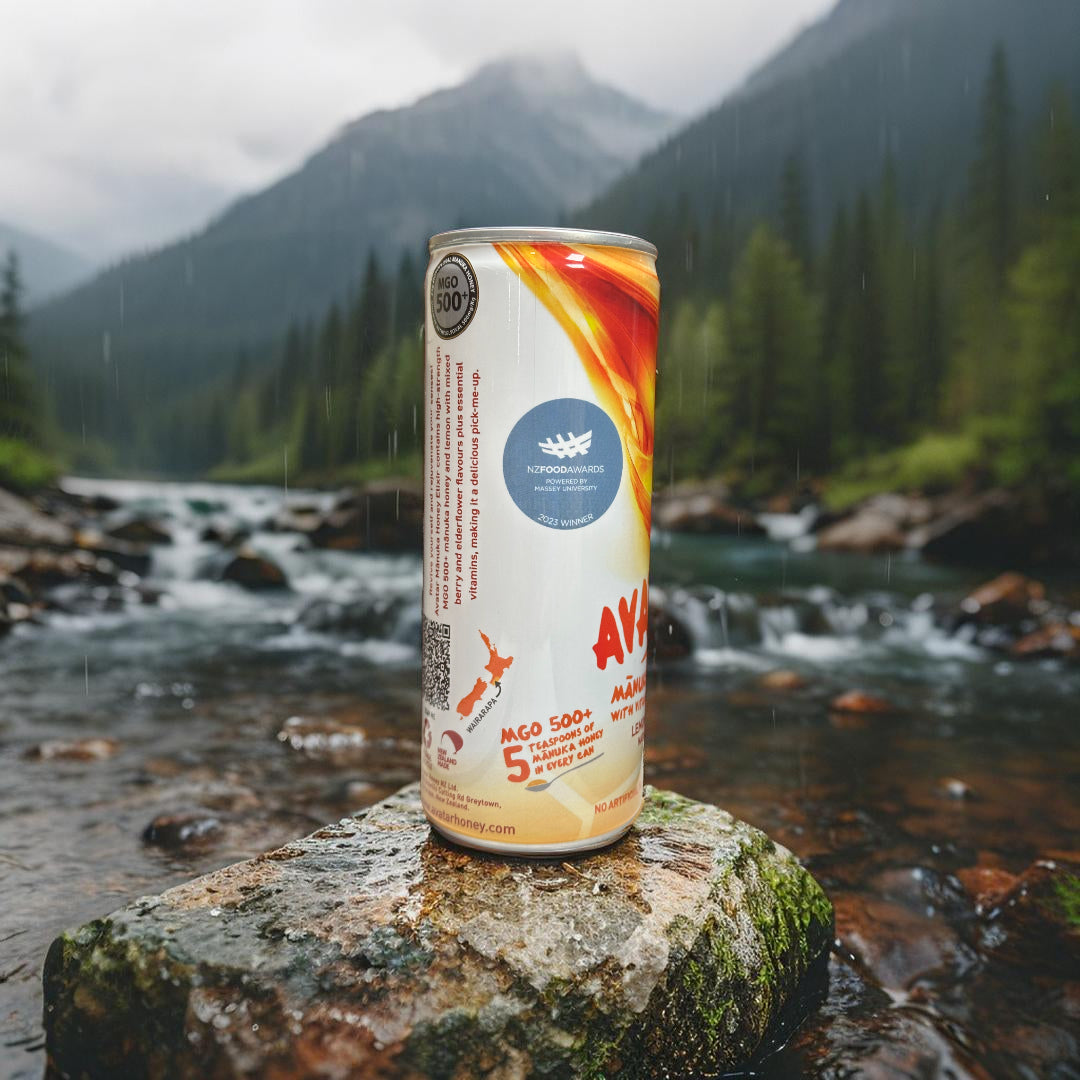
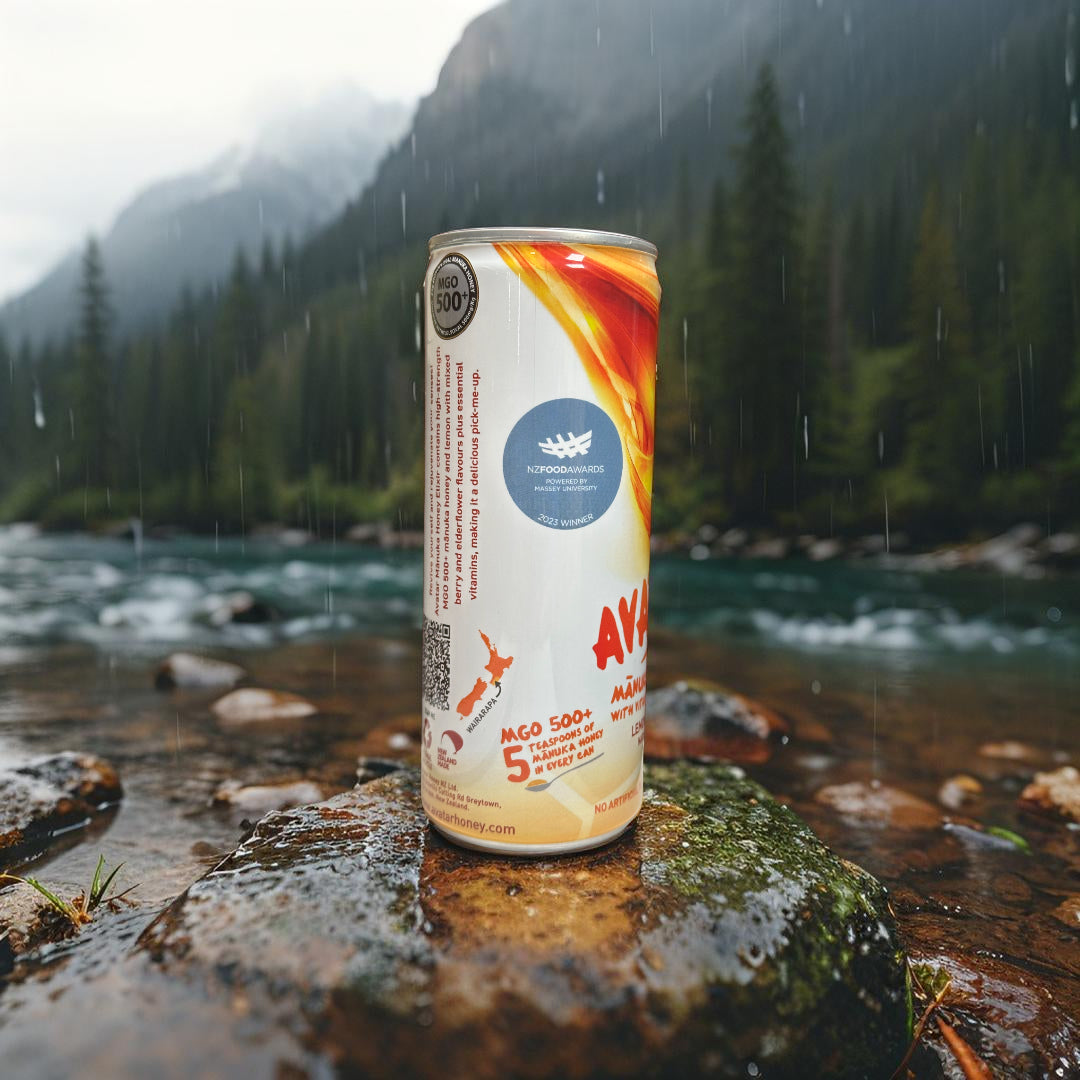
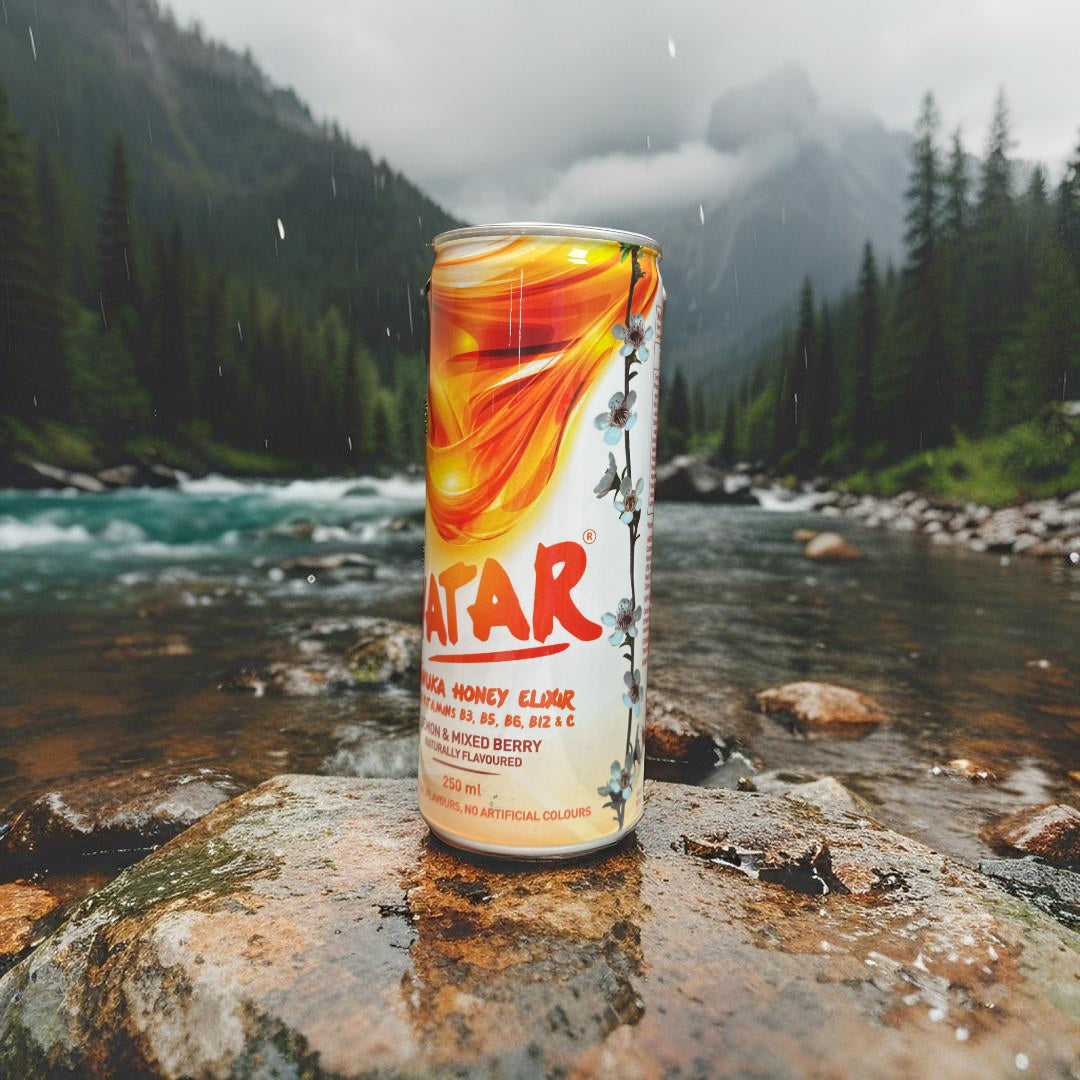
For a premium canned drink such as Avatar Elixir, controlled refrigeration better protects the intended combination of MGO500+ Manuka honey, lemon, elderflower, and light carbonation. This is a general storage principle rather than a claim based on product-specific freeze testing.
What should you do if the can is frozen solid?
Do not open a frozen-solid carbonated can. Handle it carefully, keep it away from your face, and place it in a leak-contained area of the refrigerator to thaw slowly.
- Do not shake, squeeze, puncture, or pry at the can. These actions may further stress the container.
- Move it carefully. Avoid dropping it or gripping any visibly distorted section.
- Contain possible leaks. Place it upright in a bowl or tray inside the refrigerator.
- Let it thaw completely under refrigeration. Do not apply direct heat, hot water, a microwave, or another rapid heating method.
- Inspect it before considering opening. Look closely at the lid, base, body, and seams.
If the can remains completely intact after thawing, the drink may still have noticeable changes in flavour or carbonation. Open it cautiously over a sink only after it is fully liquid and has had time to settle. If anything about the container appears abnormal, discard it instead.
What should you do if the can bulges, leaks, or splits?
Do not open or consume a can that is bulging, leaking, split, punctured, badly dented at a seam, or otherwise visibly compromised. Package damage means the can can no longer be treated as securely sealed.
- Bulging: Do not press the ends back into place or attempt to open the can.
- Leaking: Place the can and leaked liquid in a suitable bag or container for disposal, then clean the surrounding surface.
- Split or ruptured: Handle carefully because torn aluminium may have sharp edges.
- Uncertain condition: Discard the drink rather than tasting it to check whether it is acceptable.
Wash your hands after handling a leaking package and clean any freezer surfaces contacted by the drink. Follow the disposal guidance that applies in your area, particularly if separating damaged aluminium for recycling is not practical or safe.
How can you chill a canned energy drink quickly without freezing it?
An ice-water bath is a safer and more controlled way to chill a can quickly. Water fills the spaces between the ice and the can, creating more complete contact with the packaging than ice cubes alone.
- Fill a bowl, bucket, or sink with plenty of ice.
- Add enough cold water to create an icy slurry.
- Place the unopened can in the bath so most of its surface is surrounded.
- Turn it gently from time to time without shaking it.
- Remove it once it reaches your preferred serving temperature, then dry the can before opening.
This method lets you monitor the drink directly and avoids leaving a pressurised can in the freezer. Our guide to chilling canned drinks quickly provides more practical options for cooling drinks before work, study, travel, or a social occasion.
If rapid chilling is not necessary, the simplest approach is to refrigerate cans in advance. Store them upright in a cool, dry place, follow the package directions, and check the date and container condition before serving. Our canned-drink storage and expiration guidance covers those checks in more detail.
Should you use a wet paper towel around the can in the freezer?
A wet paper towel may increase cooling contact around a can, but it does not remove the risk of forgetting the drink or allowing it to freeze. It still relies on an unpredictable freezer environment and should not be treated as a guaranteed safe shortcut.
An ice-water bath is preferable because the can stays visible and can be checked easily. If a can has already been placed in the freezer, set a reminder and inspect it carefully when removing it. Never handle or open it normally if it has frozen, expanded, or begun leaking.
How can you decide whether a frozen can should be kept or discarded?
Discard the drink whenever the can’s integrity is visibly compromised or its condition is uncertain. An intact can that was only chilled, without freezing or distortion, can generally be returned to the refrigerator, but any sign of damage changes the decision.
- Cold but still fully liquid, with a normal can: Refrigerate or serve carefully.
- Partly frozen, with no visible damage: Thaw fully in the refrigerator and inspect before opening.
- Frozen solid: Do not open while frozen. Thaw slowly in a contained area and inspect closely.
- Bulging, leaking, split, punctured, or seam-damaged: Do not open or consume. Dispose of it carefully.
- Unsure whether the package is sound: Do not taste-test it. Discard it or ask the manufacturer for product-specific advice.
Key takeaway: A freezer is not a reliable rapid chiller for sealed carbonated cans. An ice-water bath gives you better control, while normal refrigeration is the best choice for protecting the can, carbonation, and intended flavour.
These follow-ups clarify how to handle partly frozen, thawed, and ingredient-led canned drinks.
Can I open a can that is still partly frozen?
No. Let a partly frozen carbonated can thaw completely in a leak-contained area of the refrigerator before handling it as usual. Opening while ice remains can lead to unexpected foaming or spraying, and any bulging, leaking, split, punctured, or seam-damaged can should be discarded without opening or tasting it.
Does Manuka honey stop Avatar Elixir from freezing?
No. Avatar Elixir contains MGO500+ Manuka honey, but that does not make its sealed can suitable for freezing or remove the packaging risks associated with a water-based carbonated drink. Careful refrigeration helps preserve its intended honey, lemon, elderflower, and sparkling character. This is general storage guidance, not a claim based on product-specific freeze testing.
Can a thawed, undamaged can go back in the refrigerator?
Yes, provided it thawed under refrigeration and the can remains completely normal, with no bulging, leaking, splitting, puncture, or seam damage. Keep it refrigerated and expect that carbonation or flavour may have changed. If the package condition is uncertain, do not use taste as a test. Discard the can or contact the manufacturer for product-specific advice.