


Short answer: Yes, you can use a natural energy drink as a cocktail mixer when the flavour fits, but it should be done thoughtfully because caffeine and alcohol can feel different together. A good mixer needs balance, acidity, sweetness, carbonation, aroma, and a clean finish, and any caffeinated mixer should be used with moderation and responsible drinking in mind.
A relaxed dinner, a summer barbecue, a long lunch, or a small celebration often comes down to what is in the glass. Some adults enjoy energy drinks in cocktails because they add sweetness, sparkle, and a lifted flavour. A natural energy drink can sometimes play the same role, especially when it has real citrus, botanical notes, honeyed sweetness, or a crisp sparkling finish.
The important point is balance. A natural energy drink as a cocktail mixer can work well in lighter, lower-key serves, but caffeine adds another consideration. Alcohol and caffeine do not cancel each other out. Caffeine may make tiredness less noticeable, so it is worth being deliberate about how much you drink, how strong the serve is, and whether a non-caffeinated mixer would be the better choice.
Can you use a natural energy drink as a cocktail mixer?
Yes, a natural energy drink can be used as a cocktail mixer if its flavour profile suits the drink and the caffeine content is considered carefully. It is best treated as a flavourful sparkling mixer, not as a way to make alcohol feel stronger, sharper, or more energising.
Natural energy drinks vary widely. Some are citrus-forward and bright. Some are sweet and tropical. Others lean herbal, floral, honeyed, or tea-like. The best cocktail use depends on whether the drink brings balance rather than clutter. A mixer should support the spirit, not fight it.
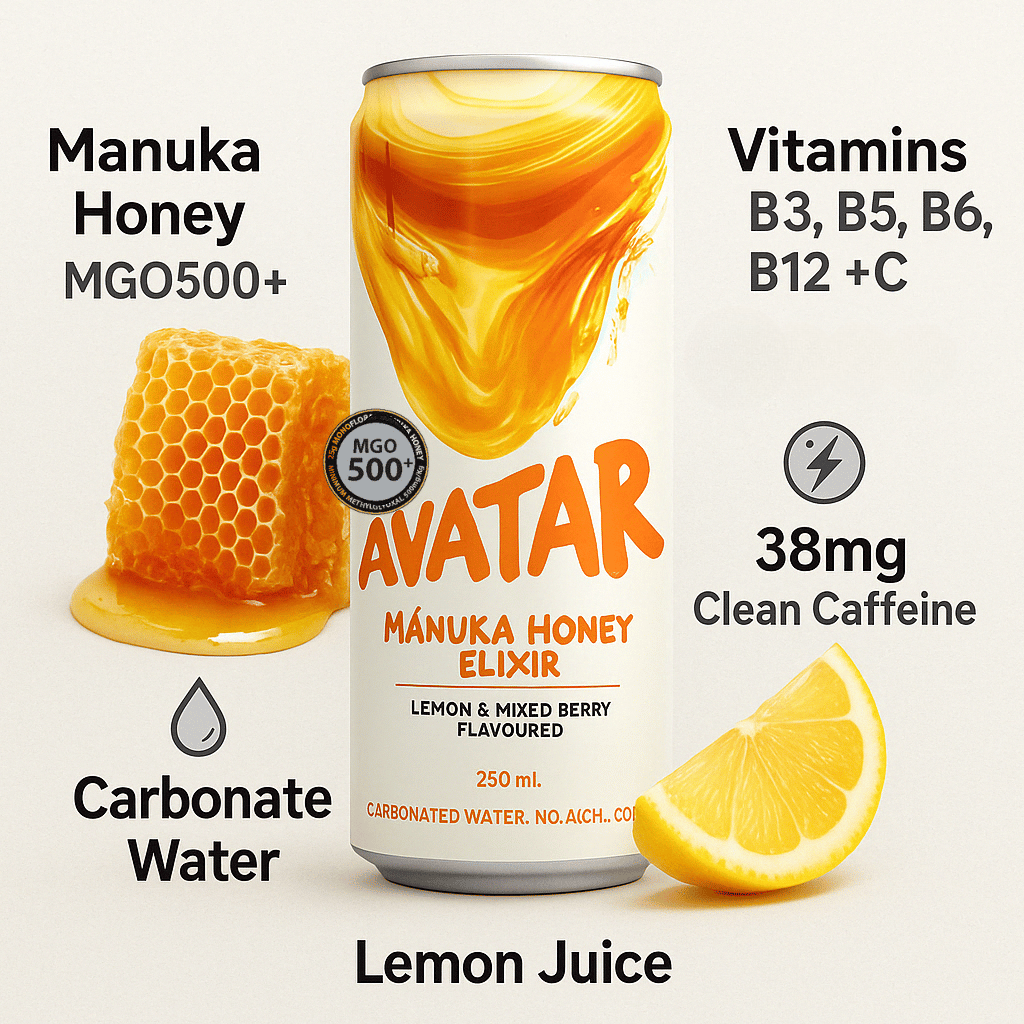
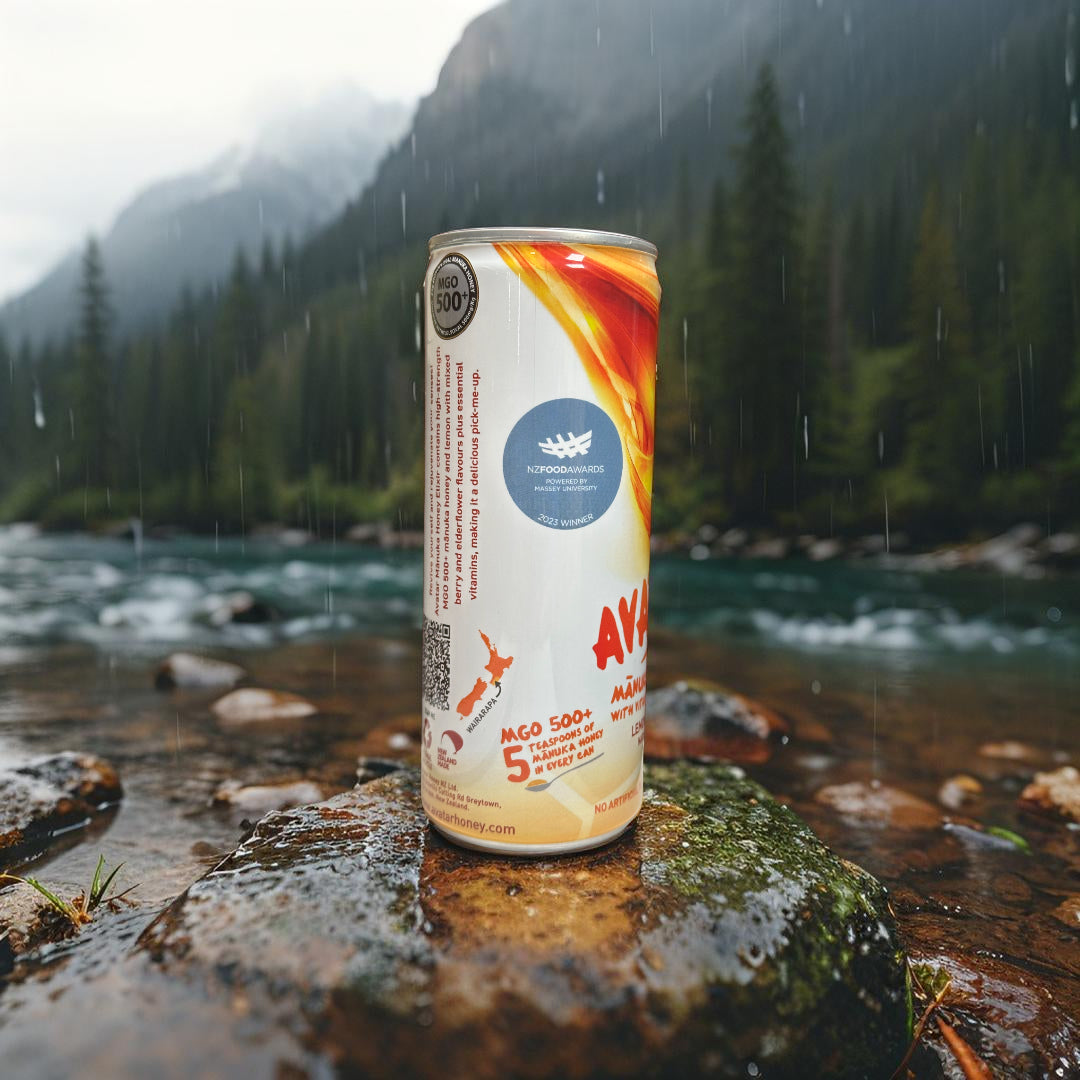
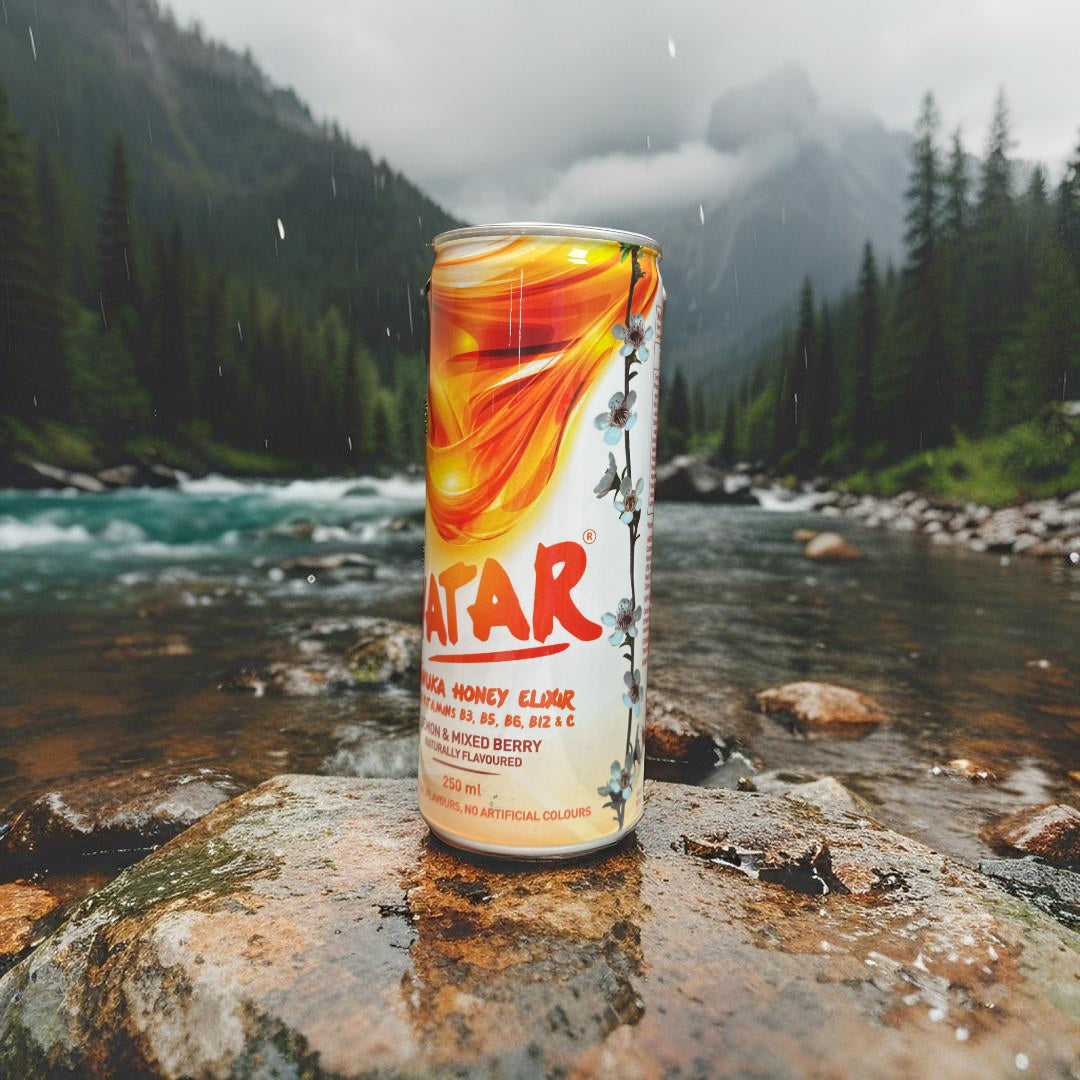
For example, a lightly carbonated drink with lemon, elderflower, Manuka honey, and a clean finish can suit softer serves where freshness matters. Avatar Elixir is one flavour example in this space, with certified MGO500+ Manuka honey, lemon, elderflower, B vitamins, vitamin C, clean caffeine, and sparkling water. In a cocktail context, those ingredients suggest brightness, floral aroma, and honeyed roundness. That does not mean it should be combined heavily with alcohol. It simply shows how a natural energy drink can bring mixer-like qualities when used thoughtfully.
In short, natural energy drinks in cocktails make the most sense when the serve is simple, measured, and flavour-led.
What makes a natural energy drink suitable as a cocktail mixer?
A natural energy drink is suitable as a cocktail mixer when it has enough acidity, sweetness, carbonation, aroma, and finish to balance alcohol without overwhelming the drink. These five qualities matter more than whether the drink is labelled natural, functional, premium, or energy-based.
Why does acidity matter in a cocktail mixer?
Acidity gives a mixed drink lift and freshness. Citrus-based natural energy drinks often work better as mixers because lemon, lime, or grapefruit notes can brighten spirits and reduce a flat, syrupy taste.
Without acidity, a sweet mixer can make a cocktail feel heavy. With too much acidity, the drink can become sharp or thin. The best fit sits somewhere in the middle, where the mixer gives a refreshing edge without making the serve taste sour.
Why does sweetness matter in a cocktail mixer?
Sweetness helps soften alcohol and round out bitter, herbal, or citrus flavours. In a natural energy drink, sweetness may come from fruit juice, honey, cane sugar, or other sweeteners, and each creates a different finish.
Honey-based sweetness can feel rounder than a standard soft drink sweetness. A Manuka honey drink, for instance, may bring a deeper golden note rather than a plain sugary taste. That can be useful with clean spirits, citrus garnishes, or floral ingredients, but it still needs restraint. Too much sweetness can quickly make a cocktail feel sticky.
Why does carbonation matter in a cocktail mixer?
Carbonation adds freshness, texture, and a lighter mouthfeel. A lightly sparkling natural energy drink can make a simple mixed serve feel brighter without needing extra soda water.
Strong carbonation can be lively and crisp, while softer carbonation can feel smoother and more relaxed. For social occasions where people are sipping slowly, light carbonation often works well because it keeps the drink refreshing without dominating the flavour.
Why do aroma and finish matter?
Aroma and finish decide whether the drink feels complete after the first sip. Floral notes, citrus peel, herbs, honey, or gentle bitterness can all make a mixer more interesting, but the finish should remain clean.
A natural energy drink with a lingering artificial aftertaste, heavy sweetness, or strong synthetic flavour may not mix well, even if it tastes acceptable on its own. A good cocktail mixer should leave the palate ready for the next sip.
What should you know about mixing caffeine and alcohol?
Caffeine and alcohol should be combined cautiously because they can change how a drink feels. Caffeine may make tiredness less noticeable, while alcohol can still affect judgement, coordination, and pace of drinking.
This is the key safety point. A caffeinated cocktail may feel lighter or more alert than the amount of alcohol suggests. That does not mean the alcohol is having less effect. It means the drinking experience can be harder to read, especially over a longer evening.
If you choose to use a natural energy drink as a cocktail mixer, keep these practical points in mind:
- Keep the serve measured: Use standard pours and avoid topping up repeatedly without noticing how much alcohol has gone into the glass.
- Choose lower-key occasions: A single mixed drink with food is different from using caffeinated mixers across a long night.
- Pay attention to timing: Caffeine later in the evening may not suit everyone, especially people who are sensitive to caffeine.
- Alternate with water or non-alcoholic drinks: This helps slow the pace and keeps the occasion more balanced.
- Know your own limits: Caffeine tolerance and alcohol tolerance vary between adults.
The safest approach is not to treat caffeine as a reason to drink more or stay out longer. If the purpose is flavour, sparkle, and a more natural mixer profile, keep the drink simple and moderate.
Which cocktails work best with a natural energy drink mixer?
Natural energy drinks work best in simple cocktails where citrus, bubbles, and light sweetness are already welcome. They are usually better in spritz-style drinks, highballs, and lighter mixed serves than in complex cocktails with many strong ingredients.
A natural energy drink can suit drinks built around clean, bright flavours. Think lemon, elderflower, mint, cucumber, ginger, berry, white spirits, or aromatic garnishes. It may be less suitable for drinks that already contain heavy syrups, cream, strong liqueurs, or very smoky flavours.
Lower-key serve ideas include:
- A light spritz-style serve: Use a small measured pour of a chosen spirit or aperitif, plenty of ice, and a modest top of a citrus or floral natural energy drink.
- A simple highball: Pair a clean spirit with a sparkling natural energy drink that has lemon, honey, or botanical notes, then garnish with citrus or fresh herbs.
- A long, diluted serve: Combine a smaller amount of alcohol with ice, soda water, and a splash of natural energy drink for flavour rather than intensity.
For a flavour example, Avatar Elixir’s lemon, elderflower, Manuka honey, and light carbonation would naturally point toward fresh, floral, honey-citrus serves. That makes it more suited to a gentle spritz or highball style than to heavy, late-night mixing. The aim should be taste and balance, not a high-caffeine cocktail.
When should you choose a non-caffeinated mixer instead?
You should choose a non-caffeinated mixer when you want to avoid caffeine, when it is late in the evening, when you plan to have more than one alcoholic drink, or when the occasion calls for a slower, simpler serve.
A non-caffeinated mixer is often the better choice for longer social occasions because it removes one variable from the drink. Soda water, tonic, sparkling citrus drinks, ginger beer, fruit sodas, iced tea without caffeine, and alcohol-free botanical mixers can all provide flavour without clean caffeine or any other caffeine source.
A non-caffeinated mixer may be the better option if:
- You are sensitive to caffeine.
- You are drinking later in the evening.
- You are planning to have several drinks over time.
- You want a drink that feels more relaxing than stimulating.
- You are making drinks for guests and do not know their caffeine preferences.
- You want to keep the serve as simple and low-risk as possible.
There is nothing less premium about choosing a non-caffeinated mixer. In many cases, it is the more appropriate and considerate option.
Can you make mocktails with a natural energy drink instead?
Yes, a natural energy drink can work very well in mocktails because it brings flavour, sweetness, acidity, and carbonation without alcohol. The caffeine still matters, but removing alcohol makes the drink simpler to manage.
Mocktails are often where natural energy drinks are most useful. They can make a non-alcoholic drink feel more grown-up, especially when paired with fresh garnish, good ice, and balanced flavours. A lemon and elderflower energy drink, for example, can be served with mint, cucumber, berries, or a strip of citrus peel for a fresh social drink.
Simple mocktail ideas include:
- Citrus and mint cooler: Serve a natural energy drink over ice with fresh mint and a squeeze of lemon or lime.
- Elderflower-style spritz: Pair a floral natural energy drink with soda water, cucumber, and a citrus garnish.
- Honey berry fizz: Muddle a few berries gently, add ice, then top with a honey-citrus natural energy drink.
- Low-sweetness long drink: Use half natural energy drink and half sparkling water for a lighter, more diluted option.
These serves keep the focus on flavour, aroma, and refreshment. They are especially useful when you want something more considered than a soft drink but do not want alcohol in the glass.
How do you use a natural energy drink as a cocktail mixer responsibly?
Use a natural energy drink as a cocktail mixer responsibly by keeping the drink measured, limiting the number of caffeinated alcoholic serves, choosing lighter recipes, and being clear that caffeine does not reduce the effects of alcohol.
A practical approach is to treat the natural energy drink as a finishing mixer, not the whole point of the cocktail. Build the drink around ice, a measured alcoholic base if using one, a flavourful top, and a garnish. Keep it slow and social rather than strong and fast.
A responsible mixing checklist looks like this:
- Check the caffeine: Read the can or bottle so you know whether the mixer contains caffeine and how much.
- Measure the alcohol: Avoid free-pouring, especially when using sweet or sparkling mixers that can soften the taste of alcohol.
- Keep the recipe simple: One base, one mixer, ice, and garnish is often enough.
- Serve with food or water: A slower setting makes it easier to enjoy the drink for flavour.
- Offer a non-caffeinated option: This is helpful for guests who do not want caffeine or alcohol.
The main idea is straightforward: if you are using a natural energy drink in a cocktail, make it a thoughtful flavour choice, not a way to intensify the evening.
What is the final answer?
A natural energy drink can be used as a cocktail mixer, but it is best for simple, flavour-led, moderate serves where the caffeine is acknowledged. The best options have balanced acidity, gentle sweetness, refreshing carbonation, pleasant aroma, and a clean finish.
For adults considering natural energy drinks in cocktails, the balanced view is this: the flavour can work beautifully in the right drink, especially with citrus, floral, honeyed, or sparkling profiles, but caffeine and alcohol need care. If you want the taste without the added consideration, choose a mocktail or a non-caffeinated mixer instead.
Avatar Elixir is one example of a natural New Zealand Manuka honey drink with flavours that could suit light, fresh serves, particularly lemon, elderflower, honey, and soft sparkle. If used in a cocktail context, it should be approached as a flavourful mixer for a measured occasion, not as encouragement to combine caffeine and alcohol heavily.
Key takeaway: Natural energy drinks can make interesting cocktail mixers, but the best choice is always the one that fits the flavour, the setting, and responsible drinking.
These answers explain how natural energy drinks can fit into mixed drinks, lighter serves, mocktails, and responsible social occasions.
Can a natural energy drink work as a cocktail mixer?
Yes, a natural energy drink can work as a cocktail mixer when its flavour is balanced and the caffeine content is considered. The best fit is usually a drink with acidity, controlled sweetness, gentle carbonation, pleasant aroma, and a clean finish. Treat it as a flavourful sparkling mixer, not as a way to make alcohol feel more energising.
What makes an energy drink taste good in cocktails?
An energy drink tastes good in cocktails when it supports the spirit instead of overpowering it. The main flavour factors are acidity for freshness, sweetness for roundness, carbonation for lift, aroma for interest, and finish for balance. Citrus, honey, botanical, or floral notes can work well in simple serves when the overall drink stays crisp rather than heavy or sticky.
Is it safe to mix caffeine and alcohol in one drink?
Mixing caffeine and alcohol requires moderation because the two can feel different together. Caffeine does not cancel out alcohol, and it may make tiredness less noticeable while alcohol is still affecting the body. If you choose a caffeinated mixer, keep the serve measured, sip slowly, drink water, and choose a non-caffeinated option when you want a more relaxed drink.
Which spirits pair best with citrus, honey, and elderflower mixers?
Citrus, honey, and elderflower mixers usually suit lighter spirits such as gin, vodka, and white rum because those spirits leave room for fresh and floral flavours. They can also work with non-alcoholic spirits or soda water for a mocktail-style serve. Richer spirits can clash if the mixer is too sweet, too floral, or strongly caffeinated.
When should you choose a non-caffeinated mixer instead?
You should choose a non-caffeinated mixer when you want a slower, calmer drink, when it is late in the day, or when you are having more than one mixed drink. A non-caffeinated soda, tonic, sparkling water, juice, or botanical mixer is also a better fit when caffeine sensitivity, sleep, or responsible pacing is the priority.
How can you make a lower-key serve with a natural energy drink?
A lower-key serve with a natural energy drink should be simple, refreshing, and not too strong. Use plenty of ice, keep the alcohol measure modest if using alcohol, top with the natural energy drink, and add a citrus garnish or fresh herb. For a mocktail, skip the alcohol and build the drink with ice, sparkling water, citrus, and a flavourful natural energy drink.
Can Avatar Elixir be used in mocktails as well as cocktails?
Yes, Avatar Elixir can be used as a flavourful mocktail mixer as well as a light cocktail ingredient when used thoughtfully. Its Manuka honey, lemon, elderflower, clean caffeine, and gentle carbonation give it brightness, floral aroma, and honeyed roundness. In alcoholic drinks, it is best treated as a flavour example for measured serves, not as a reason to combine heavily with alcohol.