



Headline finding: A US energy drink label does not always have to state the exact milligrams of caffeine. For a conventional beverage, added caffeine generally must appear in the ingredient list, but federal rules do not generally require its quantity on the label. Products marketed as dietary supplements follow a different labeling framework, which can make caffeine information appear in different places.
A shopper can pick up two similar-looking energy drink cans and find very different caffeine disclosures. One may print an exact amount on the front, another may mention caffeine only in the ingredients, and a third may use a Supplement Facts panel.
Those differences do not automatically indicate that one label is incomplete. In the United States, the applicable federal labeling framework depends partly on whether the product is sold as a conventional food or beverage, or as a dietary supplement. The container style alone does not settle that classification.
This article provides general consumer education based on the current federal labeling framework. It is not legal advice, and manufacturers should obtain qualified regulatory guidance for decisions about their own products.
The Exact Caffeine Amount Is Not Universally Required on US Beverage Labels
The central distinction is between disclosing the presence or source of caffeine and declaring an exact quantity in milligrams.
For a conventional energy drink, added caffeine is generally identified in the ingredient list by its common or usual name. However, caffeine is not one of the nutrients that must routinely appear in the Nutrition Facts panel. A conventional beverage can therefore identify caffeine as an ingredient without stating how many milligrams the container contains.
Many beverage brands voluntarily provide an exact caffeine quantity elsewhere on the can or packaging. This can make comparison easier, but common industry practice should not be confused with a universal federal requirement.
The answer can differ for products labeled as dietary supplements. Their Supplement Facts requirements may call for quantities of listed dietary ingredients, although the way caffeine enters the formula matters. For example, caffeine listed as a dietary ingredient is not necessarily treated in the same way as caffeine naturally present within a botanical ingredient or included as part of a proprietary blend.
Takeaway: US federal labeling rules do not give every caffeinated product one universal obligation to print an exact caffeine amount.
Conventional Beverages and Dietary Supplements Follow Different Frameworks
An energy drink may be regulated as a conventional food or as a dietary supplement. This distinction affects the label format and where caffeine information may appear.
Conventional energy drinks
A conventional energy drink normally carries a Nutrition Facts panel and a separate ingredient list. If caffeine is added as an ingredient, shoppers can generally expect to see the word “caffeine” in that ingredient list.
A drink may also obtain caffeine from ingredients that naturally contain it, such as coffee, tea, yerba mate or guarana. In those cases, the ingredient list may name the source without separately identifying the caffeine that occurs within it. Seeing a botanical or brewed ingredient does not reveal its caffeine contribution unless the manufacturer provides additional information.
Ingredients on conventional food labels are generally listed in descending order by weight. That order does not provide a reliable way to calculate caffeine content. A relatively small amount of a concentrated ingredient can contribute meaningful caffeine, while a larger amount of another ingredient may contribute little or none.
Energy products sold as dietary supplements
A dietary supplement generally uses a Supplement Facts panel rather than a Nutrition Facts panel. Dietary ingredients are handled under supplement-labeling requirements, including rules governing how amounts per serving are presented.
If caffeine itself is listed as a dietary ingredient, an amount per serving may appear in the Supplement Facts panel. However, shoppers may still encounter less direct disclosure when caffeine is naturally present in another dietary ingredient or when ingredients are grouped in a proprietary blend. The exact treatment depends on the product formulation and how the ingredients are represented.
The words and claims elsewhere on the packaging also matter to product classification. A slim can, sparkling format or placement in a beverage refrigerator does not by itself prove that the product is a conventional drink.
Takeaway: The Nutrition Facts or Supplement Facts heading is the clearest first clue to the federal framework being used.
Where Caffeine Information May Appear on an Energy Drink
Caffeine information can be spread across several parts of a package rather than placed in one standard location. The following table shows what each location can and cannot usually establish.
| Location | What shoppers may find | What it may not establish |
|---|---|---|
| Ingredient list | Added caffeine, coffee, tea, guarana, yerba mate or another caffeine-containing source | The exact caffeine quantity |
| Nutrition Facts panel | Serving information, calories, sugars and required nutrients for a conventional beverage | Caffeine is not normally a required Nutrition Facts nutrient |
| Supplement Facts panel | Dietary ingredients and applicable amounts per serving | A separately stated caffeine amount in every formulation, particularly when caffeine comes from another ingredient or a proprietary blend |
| Front or side label | A voluntary statement such as milligrams of caffeine per serving or per can | Whether the stated amount applies to one serving or the entire container without further reading |
| Brand website | Product details, frequently asked questions or current caffeine information | Whether online information matches an older can, a different size or a reformulated product |
Front-label statements are often the fastest to read, but they need context. “Caffeine per serving” and “caffeine per can” mean the same thing only when the can contains one labeled serving. A multip serving container can create a substantial difference between those figures.
The site’s companion guides to serving sizes, reading beverage labels and comparing caffeine across cans explore those calculation issues in more detail. For the narrower disclosure question, the important point is that the amount and the unit of comparison must be read together.
Takeaway: No single panel consistently contains all caffeine information, so the ingredient list, panel type and voluntary statements need to be considered together.
Why “Contains Caffeine” Is Not the Same as “Contains a Stated Amount”
A label can clearly reveal that a beverage is caffeinated without allowing a shopper to calculate its caffeine content.
If “caffeine” appears in a conventional beverage’s ingredient list, the presence of added caffeine is evident. If the list includes coffee extract, tea or guarana, it may also indicate a potential caffeine source. Neither form of disclosure necessarily states the total milligrams in the finished drink.
This distinction matters because a beverage can contain caffeine from more than one source. A formula might combine added caffeine with tea extract, for example. A front-label figure may represent total caffeine from all sources, but shoppers should not assume that unless the label or manufacturer makes it clear.
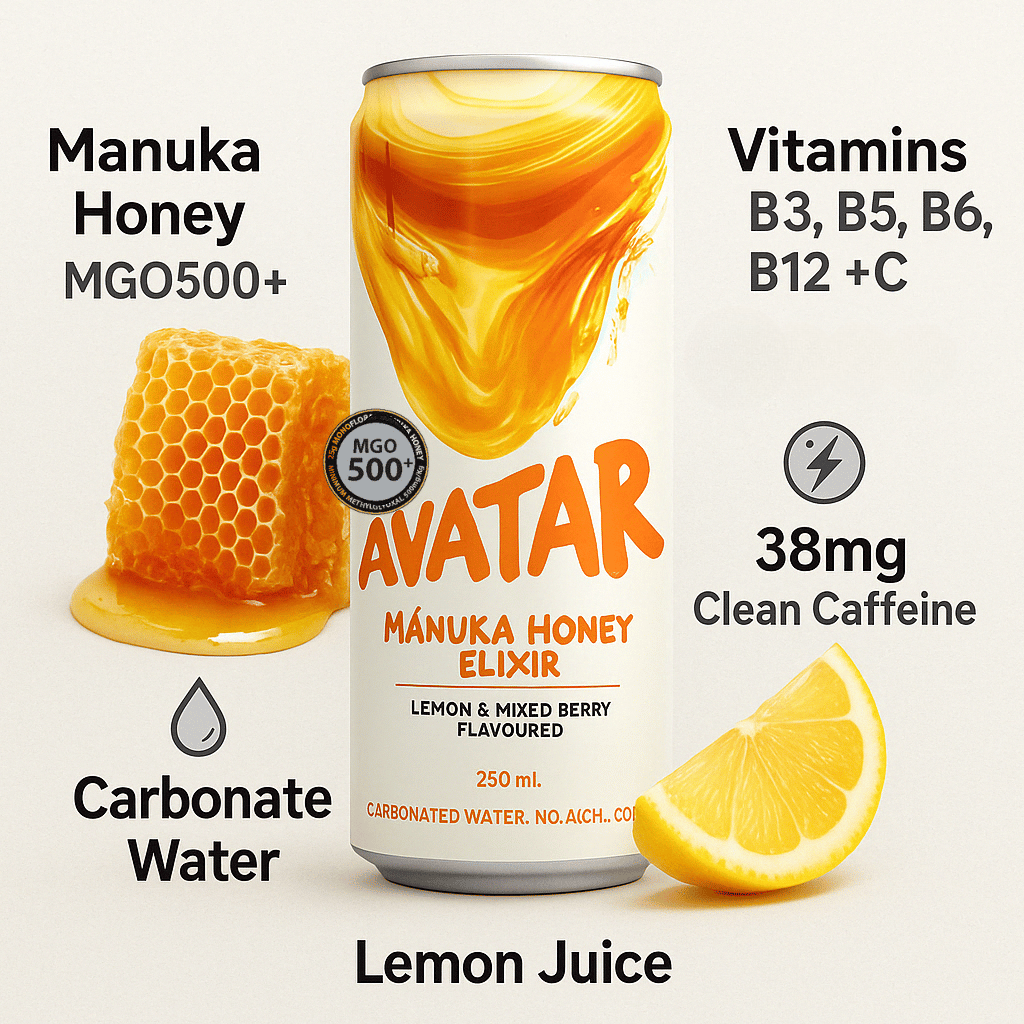
Terms such as “natural caffeine,” “plant-based caffeine” and “clean caffeine” can describe sourcing or brand positioning, but they are not substitutes for a numerical caffeine declaration. “Clean caffeine” is not a standard unit or a standalone federal disclosure category. It does not tell a shopper how many milligrams are present.
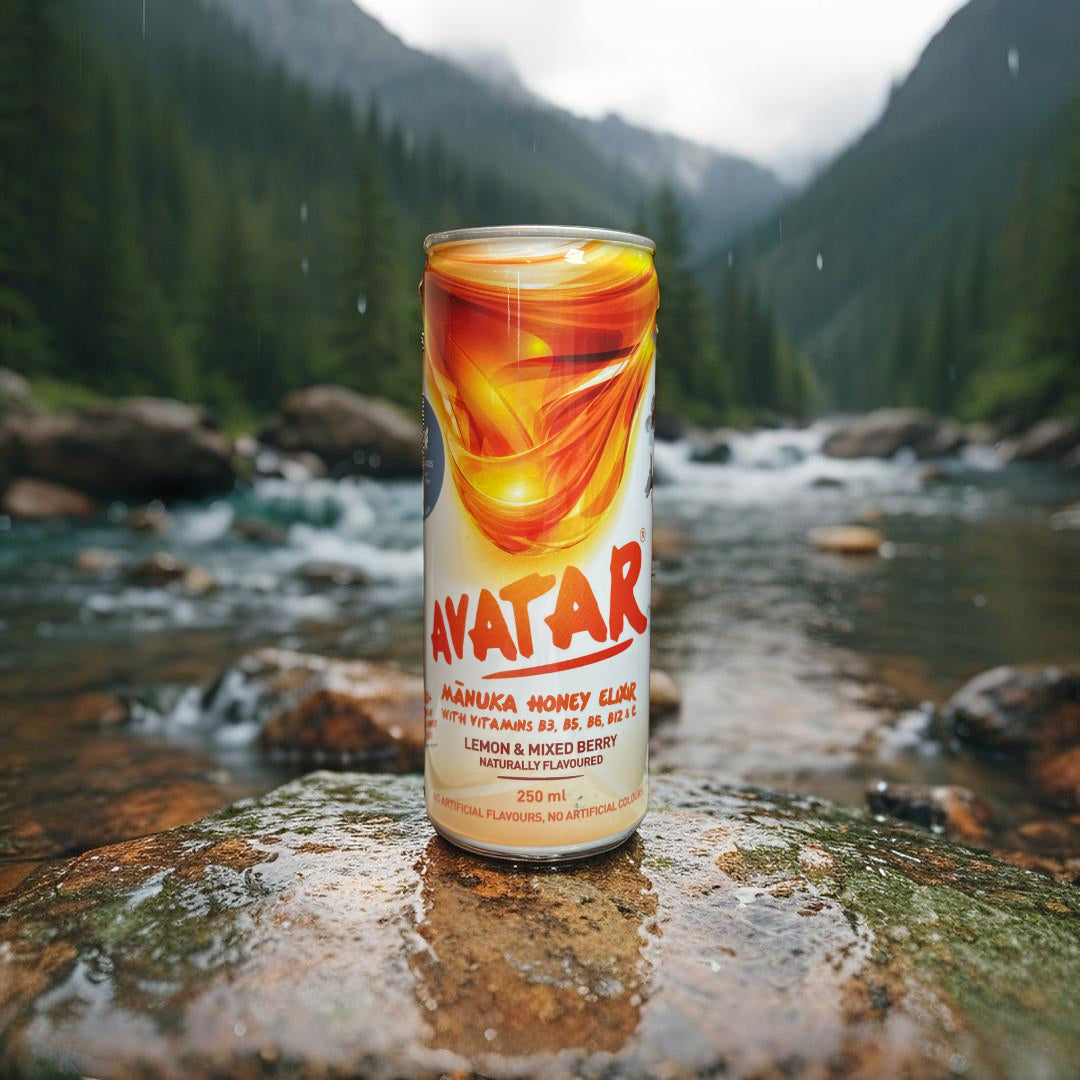
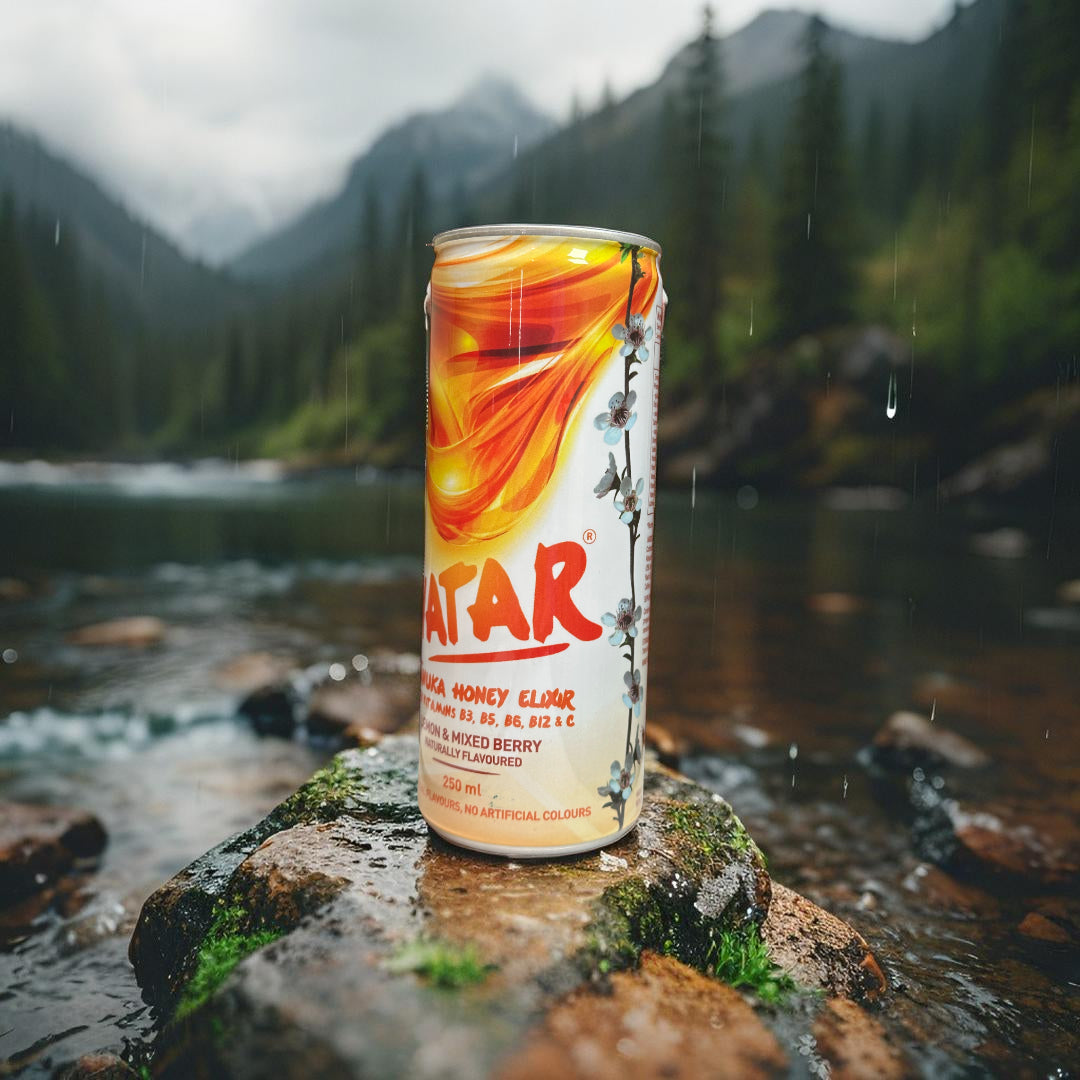
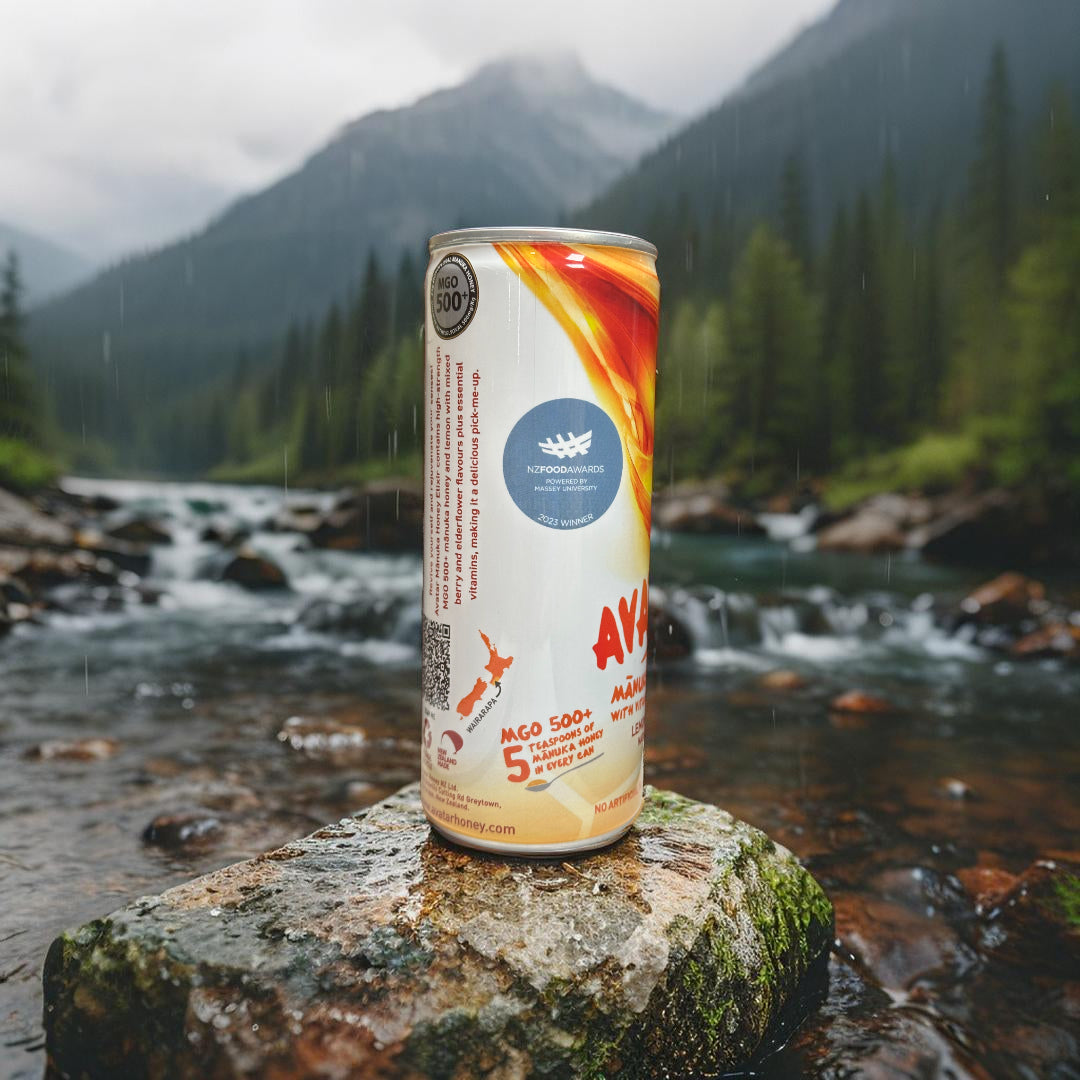
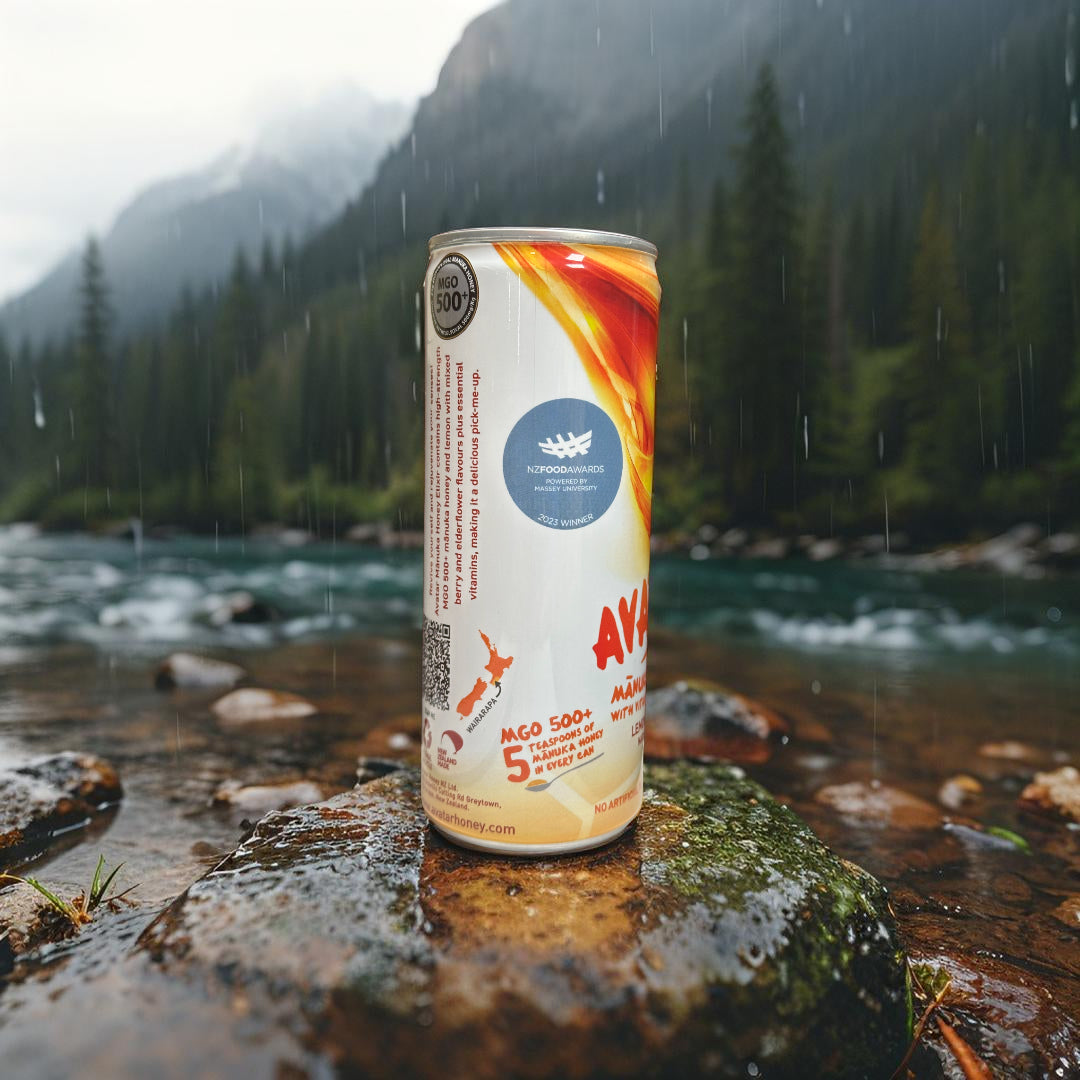
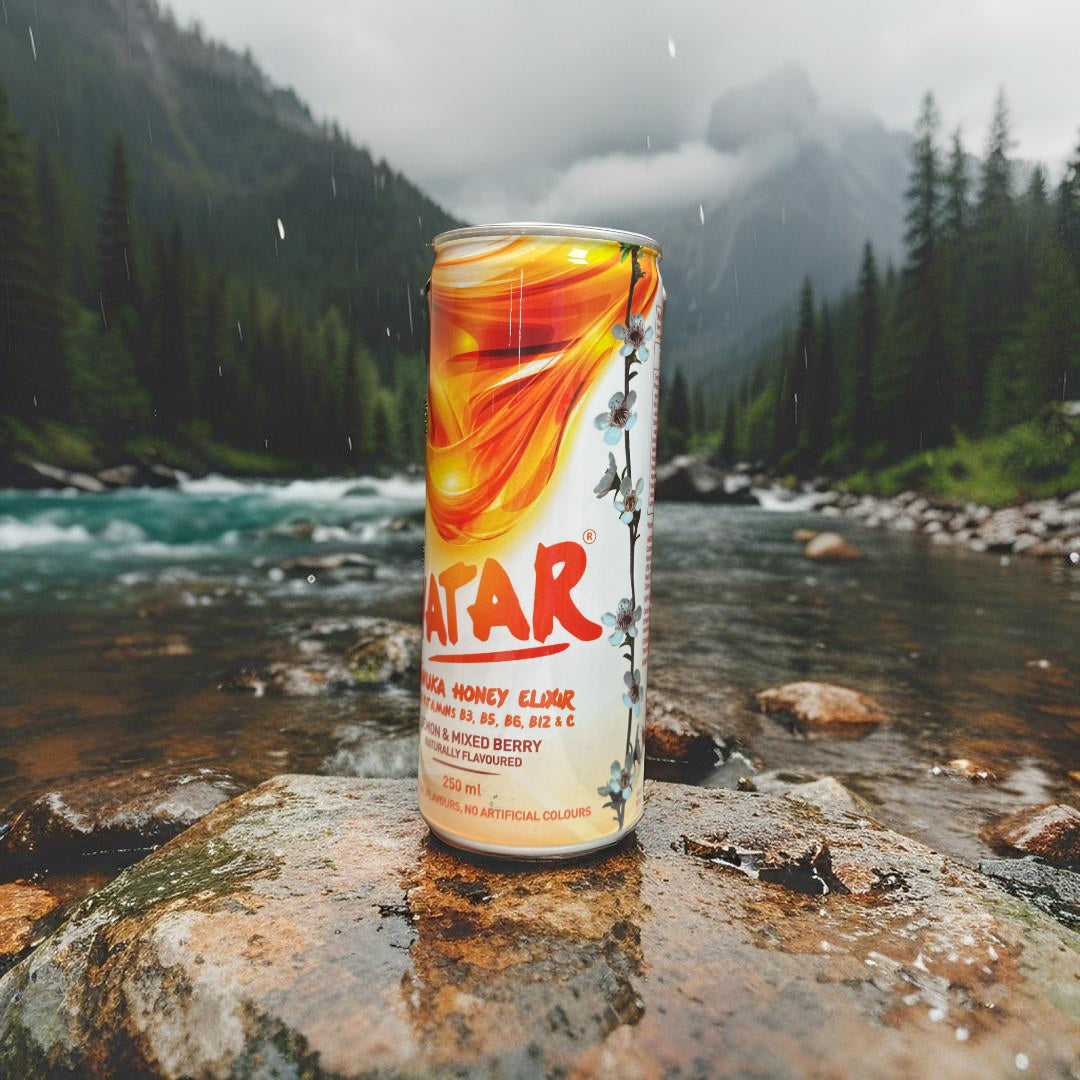
The same reasoning applies to honey-based functional beverages. Manuka honey does not naturally supply caffeine, so caffeine in a Manuka honey energy drink would come from another listed ingredient or source. Avatar Elixir, a New Zealand drink made with certified MGO500+ Manuka honey, lemon, elderflower, B vitamins, vitamin C, clean caffeine and lightly carbonated water, is one relevant example of this type of beverage. Because no caffeine quantity is provided here, shoppers should inspect the current Avatar Elixir label or contact the maker rather than relying on an assumed figure.
Takeaway: Ingredient wording can identify caffeine or its source, but only a numerical declaration answers how much the beverage contains.
What Label Differences Mean When Comparing Energy Drinks
Different caffeine disclosures often reflect product category, formulation and voluntary labeling choices rather than a simple difference between compliant and noncompliant brands.
A conventional beverage may show:
- A Nutrition Facts panel
- Caffeine in the ingredient list
- An optional milligram statement on the front, side or back of the can
A dietary supplement may show:
- A Supplement Facts panel
- Caffeine as a separately listed dietary ingredient
- A botanical ingredient that naturally contains caffeine
- A proprietary blend with limited information about individual ingredient quantities
These formats create a practical comparison problem. One brand may disclose caffeine per serving, another per container, and another may not voluntarily state an exact total. Even when two cans are physically the same size, their labeled serving structures can differ.
Formula changes add another source of uncertainty. A product page, retailer description or photograph may represent an earlier version of the drink. The physical package in hand is usually the most relevant starting point, provided it is the current product and size being considered.
Claims such as “more energy,” “smooth energy” or “natural energy” do not quantify caffeine. Flavor, sweetness, carbonation and added functional ingredients may shape the drinking experience, but they cannot be used to infer an exact caffeine level.
Takeaway: Meaningful comparison requires the caffeine quantity, its stated basis and the number of servings in the container, not just general energy-related wording.
What to Do When the Caffeine Amount or Source Is Unclear
An unclear label does not give shoppers enough information to estimate caffeine reliably. Guessing from the ingredient order, package size, flavor or product name is unlikely to produce a dependable answer.
A practical review can focus on four questions:
- Is the product using Nutrition Facts or Supplement Facts? This identifies the main labeling framework visible to the shopper.
- Does the ingredient list name caffeine or a common caffeine-containing source? Coffee, tea, guarana and yerba mate are examples that may warrant closer attention.
- Is a milligram amount stated per serving or per container? The serving basis determines whether multiplication is necessary.
- Does the information apply to the exact product and package size? Different flavors, formats and market versions may not use identical formulas.
If the exact amount remains unavailable, the manufacturer is the most appropriate party to ask. A useful question is whether the stated or supplied figure represents total caffeine from all sources in the complete container. The response should also identify the product size and current formula to avoid ambiguity.
People who have been advised to limit or avoid caffeine, who are pregnant or breastfeeding, who take medications, or who have individual health concerns should seek guidance from a qualified healthcare professional. A label explanation cannot replace advice based on personal circumstances.
Takeaway: When the package does not provide a clear total, verify the current product with the manufacturer rather than estimating from marketing language or ingredient position.
The Bottom Line on US Caffeine Disclosure
A US energy drink label does not always have to print the exact caffeine amount. Conventional beverages generally disclose added caffeine through the ingredient list, while an exact milligram figure is commonly voluntary. Dietary supplements use a different framework, and their caffeine disclosure can depend on whether caffeine is listed directly, occurs within another ingredient or is included in a proprietary blend.
For shoppers, the most reliable interpretation comes from reading the panel heading, ingredient list, serving information and any voluntary caffeine statement as one set of information. If those elements do not establish the total caffeine per can, the current manufacturer or brand information is the appropriate next source.
These follow-up points clarify how to handle incomplete, conflicting or personally relevant caffeine information.
Does Supplement Facts always show total caffeine from all sources?
No. A Supplement Facts panel may state an amount when caffeine is listed directly as a dietary ingredient, but disclosure can be less direct when caffeine occurs naturally within another ingredient or forms part of a proprietary blend. The panel and the full ingredient information need to be considered together.
What if the can and brand website show different amounts?
The current physical label for the exact product and package size is the most relevant starting point, but a conflict should be confirmed with the manufacturer. Website details, retailer listings and package photographs can reflect older formulas, different flavors or different container sizes.
What should I ask a manufacturer about unclear caffeine information?
Ask for the total caffeine from all sources in the complete container, while identifying the product name, flavor, package size and current label version. For Avatar Elixir, shoppers should inspect the current product label or contact the maker because no caffeine quantity is supplied in this article.
When should someone seek professional guidance about caffeine?
People who have been advised to limit or avoid caffeine, are pregnant or breastfeeding, take medications or have individual health concerns should consult a qualified healthcare professional. Label information can clarify ingredients and quantities, but it cannot determine what is appropriate for a person's circumstances.