


Quick answer: To find energy drinks without aspartame, turn the can around, read the full ingredient list, look for “aspartame” and related sweetener wording, then compare the sweetness source, caffeine amount, serving size, flavour style, and ingredient clarity before buying.
You are in the drinks aisle, holding a can that looks fresh and functional from the front. Then you turn it around and find a crowded ingredient list, caffeine information, sweetener names, flavour notes, vitamins, and serving details all competing for attention. This guide shows you how to read cleaner energy drink labels calmly, especially when you want an energy drink without aspartame but still care about taste, caffeine levels, and what is actually sweetening the drink.
What aspartame is on an energy drink label
Aspartame is a low-calorie artificial sweetener used to make drinks taste sweet without adding much sugar. On an energy drink label, it usually appears in the ingredient list by its plain name: aspartame.
Avoiding aspartame is a personal label choice for many shoppers. It does not automatically make every other drink better or worse. A stronger buying decision comes from reading the whole label, including the sweetness source, caffeine amount, serving size, flavour ingredients, and how clearly the brand explains what is inside the can.
Where aspartame appears on cans
Aspartame is most likely to appear in the ingredient list, not in the nutrition panel. The nutrition panel tells you amounts such as energy, sugar, carbohydrate, and sometimes caffeine. The ingredient list tells you what the drink is made from.
If a drink contains aspartame, the word is usually listed near other sweetening or flavouring ingredients. Depending on local labelling rules, you may also see a statement related to phenylalanine when aspartame is present. The simplest habit is to scan the ingredient list slowly rather than relying only on front-of-can claims like “zero sugar,” “diet,” “light,” or “low calorie.”
How to choose an energy drink without aspartame
Use the can, bottle, or product page in front of you. You need the ingredient list, the nutrition information panel, and any caffeine statement shown on the packaging.
- Find the full ingredient list.
Turn the can around and look for the small-print list that starts with the largest ingredient first. This is the most important place to check when you are looking for energy drinks without aspartame.
- Look for the word “aspartame.”
Scan the ingredient list from start to finish. If “aspartame” appears anywhere in the list, the drink is not the right choice for your aspartame-free preference.
- Notice other sweetener terms near the flavour ingredients.
Look for names such as sucralose, acesulfame potassium, Ace-K, stevia, steviol glycosides, monk fruit extract, erythritol, xylitol, sugar, glucose, fruit juice, or honey. These are not all the same as aspartame, but they tell you how the drink has been sweetened.
- Identify the main source of sweetness.
Decide whether the drink is sweetened mainly with sugar, fruit ingredients, honey, plant-derived sweeteners, sugar alcohols, artificial sweeteners, or a blend. This step helps you understand the drinking experience, not just whether aspartame is absent.
- Check the caffeine amount.
Find the caffeine statement and compare it with how you usually respond to caffeine from coffee, tea, or other energy drinks. Clean caffeine still matters, so choose an amount that suits the time of day and the reason you are drinking it.
- Confirm the serving size.
Check whether the caffeine and sugar information applies to the whole can or only one serving. A large can may contain more than one serving, which can change how you read the label.
- Read the flavour description against the ingredient list.
Match the front-of-can flavour, such as lemon, berry, tropical, citrus, or elderflower, with the ingredients listed on the back. A clearer label usually makes it easier to see whether the flavour is built from named ingredients, flavourings, sweeteners, or a combination.
- Choose the drink with the clearest overall fit.
Pick the can that matches your preference for no aspartame, a suitable caffeine level, a serving size you understand, and a sweetness style you actually want to drink. Avoiding one ingredient is useful, but the full label gives you the better picture.
What other sweetener terms mean for your choice
Other sweetener names are worth noticing because “no aspartame” does not mean “no sweeteners.” Some drinks avoid aspartame but use another intense sweetener. Others use sugar, juice, honey, or a mixed approach to create a different taste and mouthfeel.
- Sucralose: A low-calorie artificial sweetener often used in zero sugar drinks.
- Acesulfame potassium or Ace-K: A low-calorie sweetener often blended with other sweeteners.
- Stevia or steviol glycosides: Plant-derived sweeteners that can taste different from sugar or honey.
- Monk fruit extract: A plant-derived sweetener sometimes used in reduced-sugar drinks.
- Erythritol or xylitol: Sugar alcohols that may appear in some lower-sugar drinks.
- Sugar, juice, or honey: More familiar sweetness sources that also contribute to flavour, body, and texture.
The goal is not to treat every sweetener as a problem. The goal is to know what role each sweetener plays, then choose a drink that suits your taste, routine, and label preferences.
How natural sweetness changes the drinking experience
Natural sweetness often affects more than sweetness level. Ingredients such as honey, fruit juice, and citrus can add body, aroma, and flavour depth, while many zero sugar sweetener systems focus mainly on sweetness without the same rounded texture.
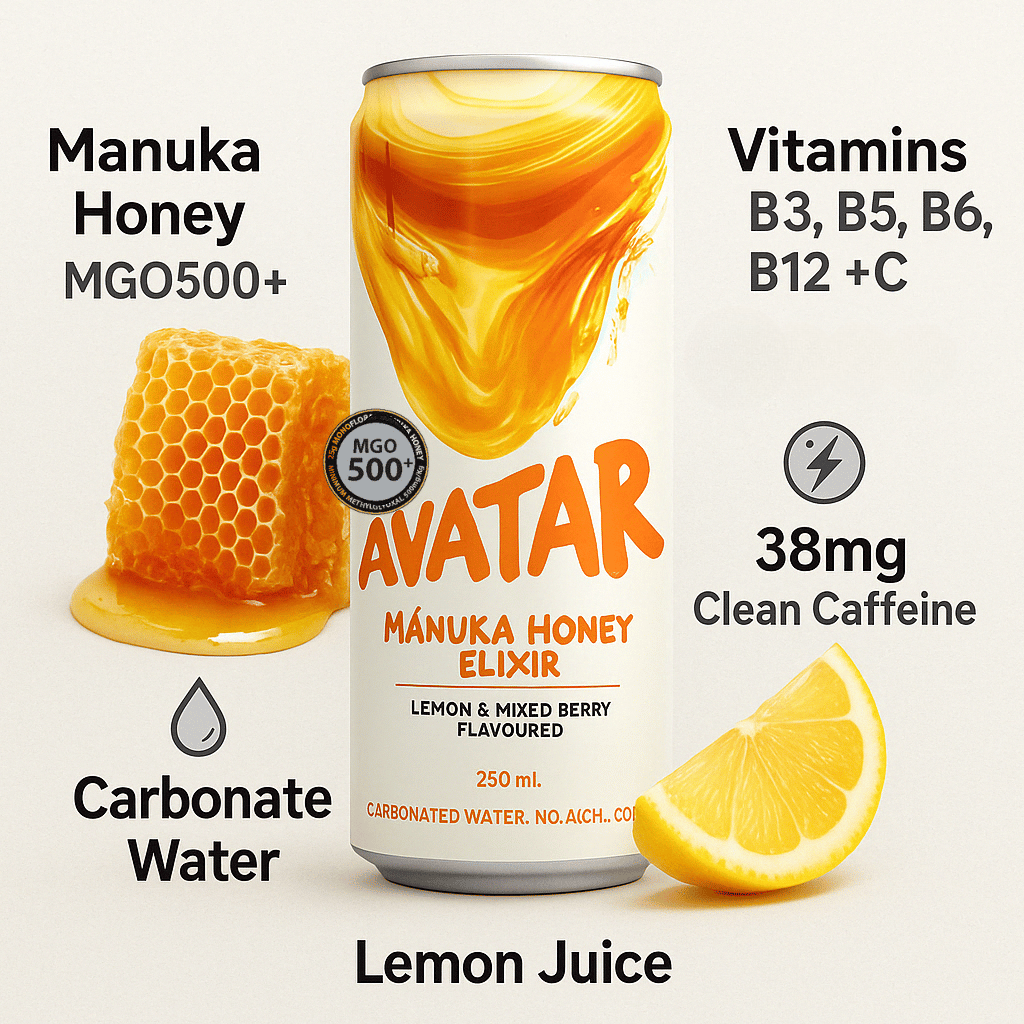
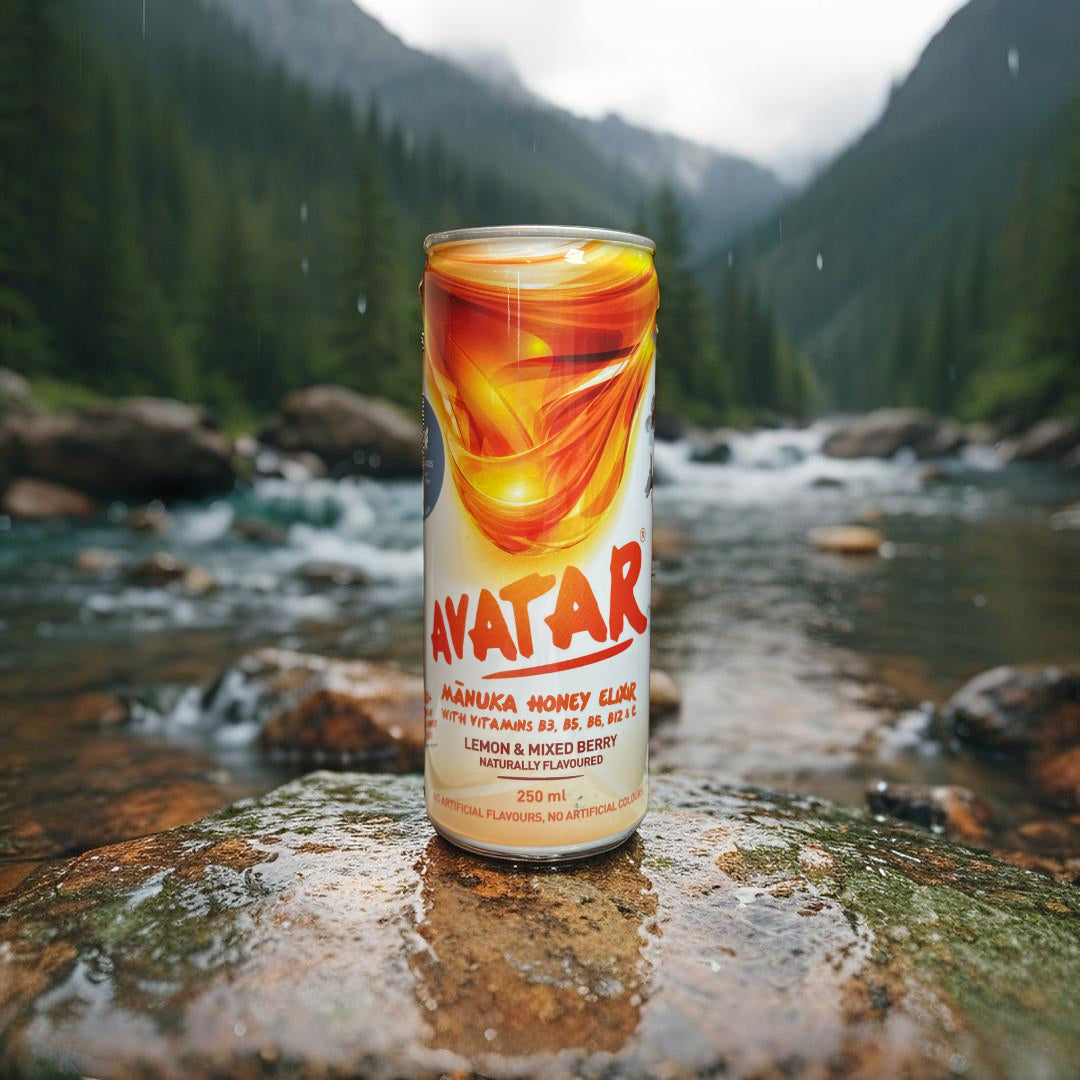
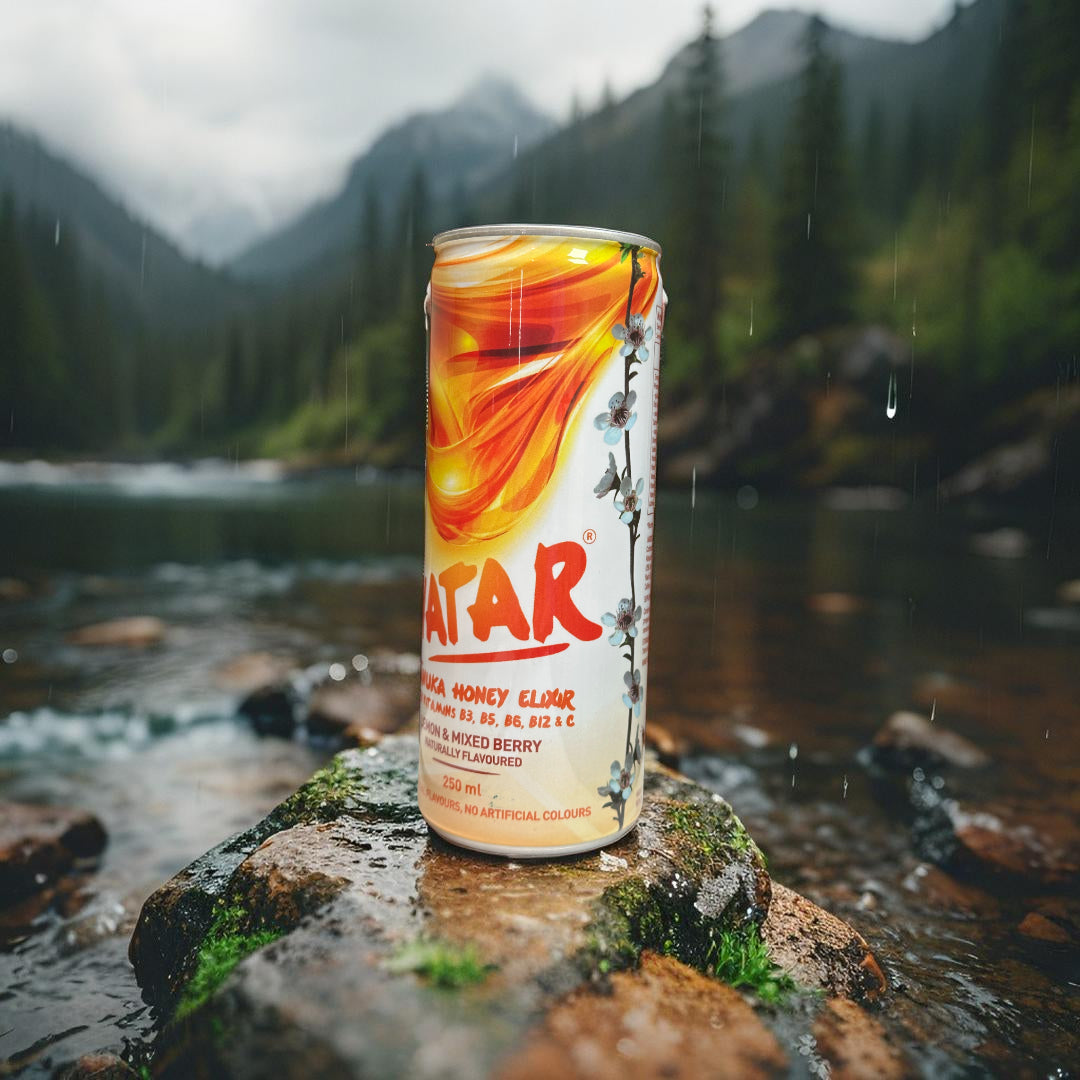
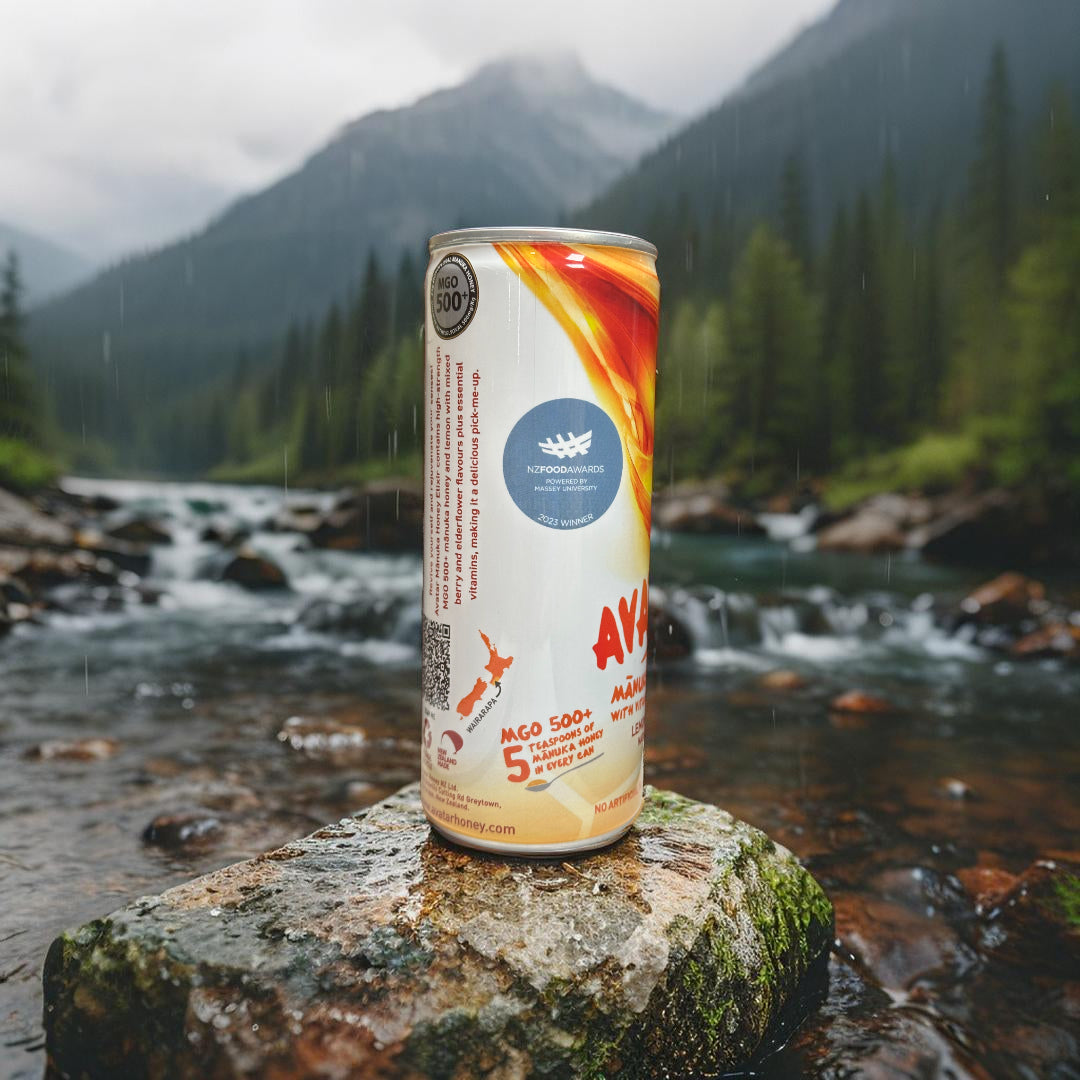
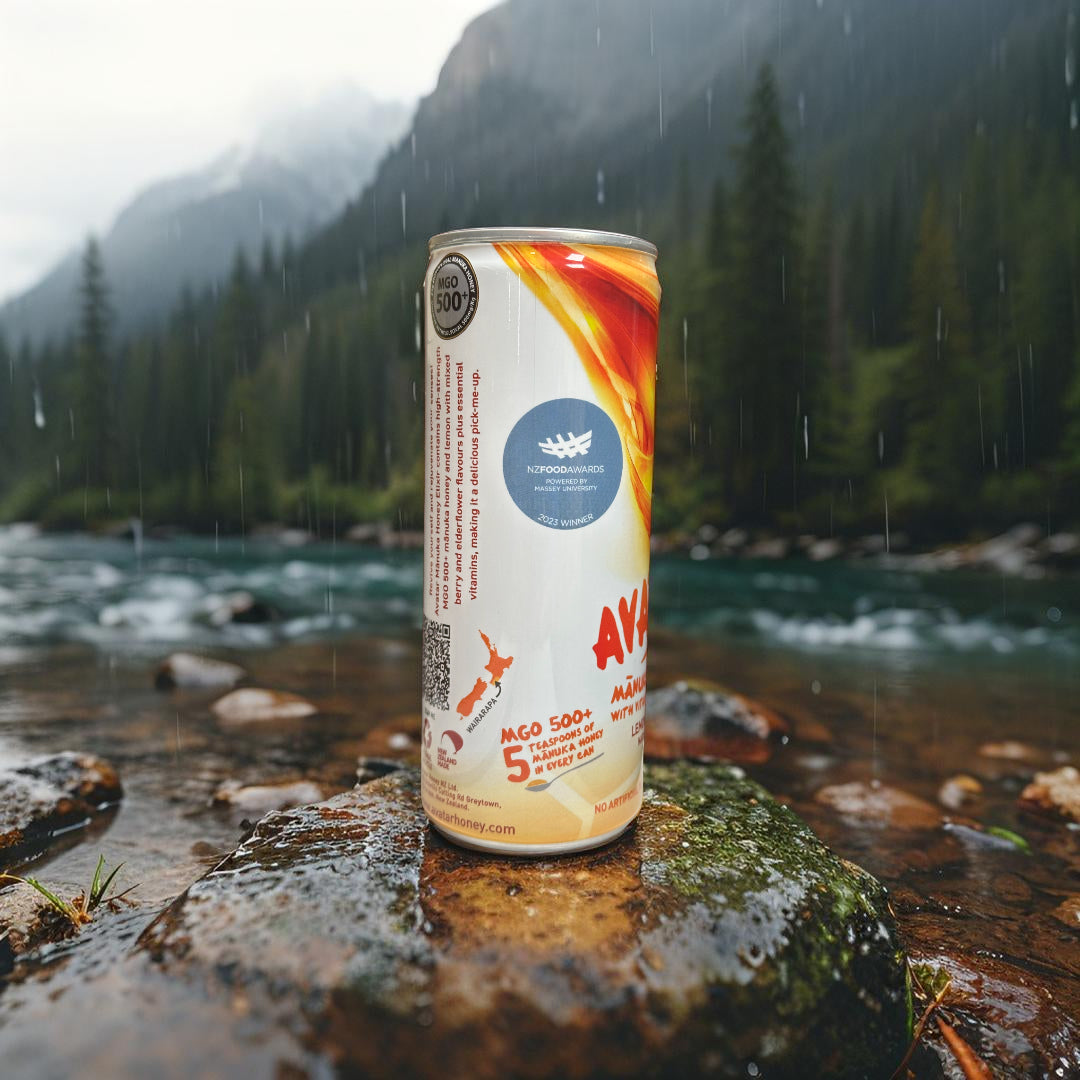
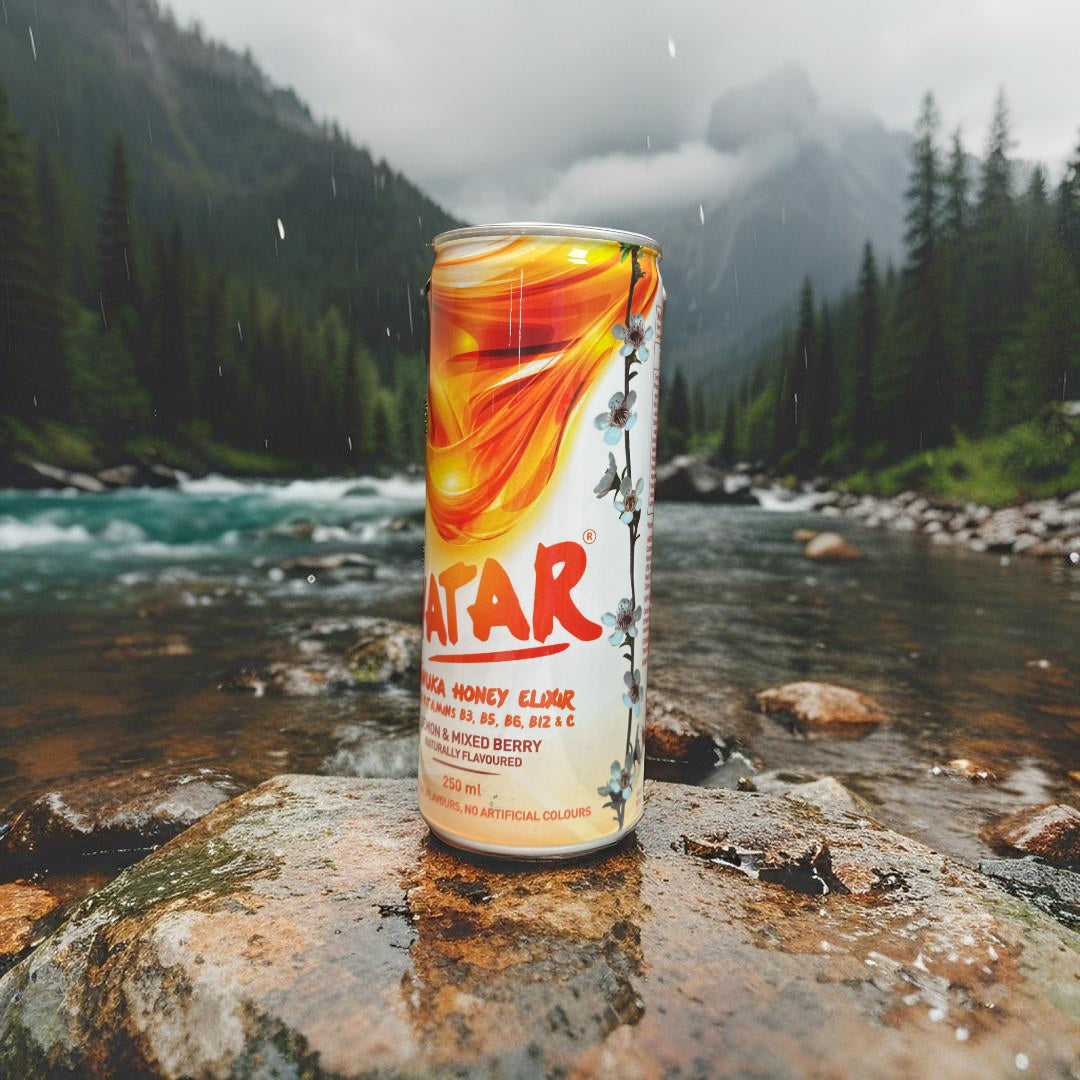
A Manuka honey based drink is a good example of an ingredient-led approach. Avatar Elixir, for instance, is built around certified MGO500+ Manuka honey with lemon, elderflower, B vitamins, vitamin C, clean caffeine, and lightly carbonated water. It is not trying to be a zero-sweetener drink. The honey is part of the flavour design, giving the drink a smooth sweetness that works with citrus brightness and floral elderflower rather than simply covering bitterness.
This style of drink may appeal if you want a more grown-up flavour profile and a label that reads closer to food and drink ingredients. It is still worth checking the caffeine level, serving size, and full ingredient list so the choice fits your day.
Common label mistakes to avoid
- Only reading the front of the can: Front labels are designed to be quick and attractive, but the ingredient list gives you the real detail.
- Assuming “zero sugar” means aspartame: Some zero sugar drinks use aspartame, but others use different sweeteners.
- Assuming “natural” means caffeine-free: Natural energy drinks can still contain caffeine, so always check the amount.
- Ignoring serving size: A drink can look moderate until you realise the numbers are listed per serving rather than per can.
- Choosing only by sweetener: A better choice also considers flavour, caffeine, ingredient clarity, and when you plan to drink it.
When an aspartame-free energy drink is the better fit
An aspartame-free energy drink is a better fit when the full label matches your preferences, not just when one ingredient is missing. The strongest choice is a drink where you can quickly understand what sweetens it, how much caffeine it contains, how large the serving is, and what kind of flavour experience to expect.
For work, study, travel, long afternoons, or social occasions, that might mean choosing a drink with clean caffeine and a flavour you genuinely enjoy. For some adults, that will be a zero sugar option with a sweetener they prefer. For others, it may be a honey based or fruit-led drink with a softer, more rounded sweetness.
Final label check before you buy
You are done when you can answer five simple questions from the label: does it contain aspartame, what else sweetens it, how much caffeine is in it, what serving size do the numbers refer to, and does the flavour sound clear rather than confusing? If those answers feel straightforward, you can choose your drink with more confidence.
These answers help you check sweeteners, caffeine, serving size, and flavour choices when comparing aspartame-free energy drinks.
How do I know if an energy drink has aspartame?
An energy drink has aspartame when the ingredient list includes the word aspartame. Check the ingredient list rather than relying on front-of-can phrases such as zero sugar, diet, light, or low calorie. The nutrition panel helps with sugar and serving details, but the ingredient list tells you what sweeteners are inside.
Is zero sugar the same as aspartame free?
No, zero sugar is not the same as aspartame free. A zero-sugar energy drink can use sweeteners such as sucralose, acesulfame potassium, stevia, monk fruit extract, or aspartame. If avoiding aspartame is your goal, the most reliable step is to scan the full ingredient list for the word aspartame.
What other sweetener names should I check on energy drink labels?
Check for sweetener names such as sucralose, acesulfame potassium, Ace-K, stevia, steviol glycosides, monk fruit extract, erythritol, xylitol, sugar, glucose, fruit juice, and honey. These ingredients are not all the same as aspartame. They help you understand whether the drink is sweetened with artificial sweeteners, plant-derived sweeteners, sugar alcohols, sugars, fruit ingredients, honey, or a blend.
Are naturally sweetened energy drinks different to artificially sweetened ones?
Naturally sweetened energy drinks usually give a different flavour and mouthfeel from drinks built mainly around high-intensity sweeteners. Honey, fruit ingredients, or sugar tend to add body, roundness, and a more familiar sweetness, while artificial or plant-derived low-calorie sweeteners usually taste lighter and more intense. The better choice depends on your taste preference, caffeine needs, and how clearly the label explains the drink.
What should I compare after avoiding aspartame?
After avoiding aspartame, compare the drink's sweetness source, caffeine amount, serving size, flavour design, and ingredient clarity. This gives you a fuller picture than checking one ingredient alone. A drink without aspartame still needs to fit the time of day, the amount you want to drink, and the flavour experience you actually enjoy.
Where does a Manuka honey drink fit in this choice?
A Manuka honey drink fits this choice as an ingredient-led alternative for people who want sweetness from honey rather than a zero-sweetener style drink. Avatar Elixir is one example, made with certified MGO500+ Manuka honey, lemon, elderflower, B vitamins, vitamin C, clean caffeine, and lightly carbonated water. It is not positioned as a medical product, but as a premium New Zealand honey-based drink for everyday energy occasions.
What should I do if the label is hard to read in store?
If the label is hard to read in store, check the brand's product page before buying or choose a drink with a clearer ingredient list. Look for a full ingredient list, caffeine information, serving size, and nutrition panel. Clear labelling makes it easier to compare drinks calmly instead of relying on front-of-can claims alone.