


Quick answer: Energy drinks without taurine can be a good fit for adults who prefer simpler, more ingredient-led labels, but taurine alone should not decide whether a drink is right for you. Check the caffeine source and amount, sweeteners, flavour ingredients, vitamins, acidity, carbonation, serving size, and how transparent the label feels as a whole.
You pick up a can from the fridge, turn it around, and there it is: taurine listed beside caffeine, sweeteners, flavourings, B vitamins, and a row of ingredients that may or may not feel familiar. For many adults, that label moment is where the decision starts. You are not necessarily looking for a perfect drink. You are looking for one that makes sense.
Taurine appears in many conventional energy drinks, which is why it often becomes a point of comparison when people search for energy drinks without taurine. The better question is not simply whether taurine is present or absent. It is what the whole drink is trying to be, how clearly it explains itself, and whether the ingredient list matches the kind of energy, flavour, and refreshment you actually want.
This guide gives you a practical, non-medical way to read the label. You will understand what taurine usually signals in energy drink formulas, what else deserves your attention, and why a simpler ingredient profile can feel more transparent without turning your drink choice into supplement math.
What Is Taurine in an Energy Drink?
Taurine is a commonly used ingredient in many energy drink formulas, often included alongside caffeine, vitamins, sweeteners, and flavouring systems. It is an amino acid-like compound that occurs naturally in the body and in some foods, but in energy drinks it is usually added as part of a formulated functional blend.
For shoppers, taurine is less useful as a standalone judgement and more useful as a label cue. When you see taurine on a can, it often tells you the drink is built in the familiar energy drink style: caffeine plus added functional ingredients, sometimes with B vitamins, acids, sweeteners, preservatives, and bold flavouring.
That does not automatically make the drink good or bad. It simply means the product is taking a more formulated approach. Some adults are comfortable with that. Others prefer beverages where the main ingredients are easier to recognise, such as honey, citrus, botanical flavours, vitamins, caffeine, and sparkling water.
Why Some Energy Drinks Use Taurine
Taurine is usually used because it fits the traditional energy drink formula. Many classic energy drinks are designed around a blend of stimulation, sweetness, strong flavour, and functional positioning. Taurine became part of that pattern, so shoppers now expect to see it in many cans.
In practical label terms, taurine often appears in drinks that want to signal a stronger, more performance-oriented identity. It may sit next to caffeine, guarana, ginseng, B vitamins, amino acids, or other added compounds. The label may be designed to feel technical, energetic, or supplement-like.
For adults choosing a drink for work, study, travel, or a long afternoon, that style may not always feel necessary. You may want a drink that feels lighter, more grown up, and more transparent. In that case, looking for energy drinks without taurine can be less about avoiding one ingredient and more about finding a different kind of beverage philosophy.
Does “Without Taurine” Mean Cleaner?
An energy drink without taurine is not automatically cleaner, and an energy drink with taurine is not automatically worse. Clean label comparison depends on the full ingredient list, not one word.
A drink can be taurine-free and still contain artificial sweeteners, intense flavouring, high caffeine, or a long list of additives. Another drink may contain taurine but still be relatively clear about caffeine content, sweetener type, and serving size. The label has to be read as a whole.
For many adults, a cleaner label feels like this:
- Recognisable core ingredients, such as fruit, honey, tea, botanicals, or sparkling water.
- Clear caffeine information, including the source and amount where provided.
- Sweeteners you understand, rather than a confusing mix of unfamiliar names.
- A flavour profile that sounds like food or drink, not a laboratory description.
- A purpose that is easy to explain, such as light refreshment with caffeine, rather than a crowded stack of functional claims.
The absence of taurine can support a simpler label, but it does not prove one by itself.
What Taurine Usually Signals on the Label
Taurine often signals that a drink follows the classic energy drink format. That format is usually about impact, intensity, and a functional blend rather than a food-led or flavour-led drinking experience.
A more formulated energy profile
When taurine appears beside caffeine, B vitamins, acids, and sweeteners, the drink may be positioning itself as a functional energy product first and a beverage second. The taste may be bold, sweet, sharp, or highly flavoured to support that format.
This is not inherently negative. Some people enjoy that style. But if you are looking for something that feels more like a premium adult drink than a conventional energy can, taurine may be one clue that the product is not in that simpler lane.
A supplement-style ingredient stack
Some labels include taurine as one ingredient in a longer stack. You might also see botanical extracts, amino acids, vitamins, minerals, and caffeine sources grouped together. This can make the can feel more technical.
The challenge is that shoppers may start treating the drink like a supplement formula, comparing every added ingredient as though they are building a nutrition plan. For most adults buying a beverage, that level of analysis is not necessary. It is more useful to ask whether the drink is transparent, enjoyable, and suitable for the occasion.
A less flavour-led identity
Traditional energy drinks often rely on a powerful flavour system to create a recognisable energy drink taste. Taurine itself is not the only reason for that, but it often appears in products where flavour is part of a broader functional identity.
If your priority is taste that feels fresh, balanced, and adult, pay close attention to the flavour ingredients. Lemon, elderflower, honey, ginger, mint, berry, tea, or citrus can point toward a more culinary style, depending on how the drink is made.
What to Check Beyond Taurine
The most useful way to compare energy drinks is to read beyond taurine and look at the full label structure. A drink is the sum of its caffeine, sweetness, flavour, serving size, and overall transparency.
Caffeine source and caffeine amount
Caffeine is usually the main energy-related ingredient adults care about. Check whether the label tells you how much caffeine is in the serving and where it comes from. Some drinks use synthetic caffeine, while others use caffeine from coffee, tea, guarana, yerba mate, or other sources.
The source does not automatically tell you how the drink will feel for you, but clear labelling helps you make a more informed choice. If you are comparing coffee, ordinary energy drinks, and cleaner energy drinks, caffeine clarity matters more than the presence or absence of taurine alone.
Sweeteners and sugar style
Sweetness shapes both taste and drinking experience. Some energy drinks use sugar, some use artificial sweeteners, some use sugar alcohols, and some combine multiple sweetening systems. Others use ingredients like honey to bring sweetness with flavour character.
When reading the label, ask whether the sweetness feels aligned with the drink’s identity. A honey-based drink, for example, may taste rounded and floral rather than sharply sweet. A zero-sugar drink may suit some preferences, but it can also rely on sweeteners that not everyone enjoys.
Flavour ingredients
Flavour is where a drink either earns your attention or loses it. A label that points to real flavour cues, such as lemon, elderflower, honey, fruit juice, tea, or botanicals, can feel more grounded than one that only lists generic flavouring.
That does not mean every “natural flavour” phrase tells the full story. It simply means you should look for enough information to understand what the drink is trying to taste like. Adult energy drinks often work best when refreshment and flavour balance matter as much as caffeine.
Vitamins and added nutrients
B vitamins are common in energy drinks, with or without taurine. Vitamin C also appears in many wellness-style beverages. These ingredients can help define the product’s functional positioning, but they should not distract from the basics: caffeine, sweetness, flavour, and serving size.
A useful label does not overwhelm you with nutrient language. It explains the drink clearly enough that you can understand it as a beverage, not a puzzle.
Serving size and drinking occasion
Compare serving size before you compare ingredient lists too deeply. A small can, slim can, bottle, or larger format can change how much caffeine, sugar, and acidity you consume in one sitting.
Also think about when you would actually drink it. A label that feels right for a late-night gaming drink may not feel right for a meeting, a study session, a road trip, or a social occasion. Adults often want a drink that fits more than one part of the day.
How to Compare Energy Drinks Without Turning It Into Supplement Math
You do not need to analyse every ingredient like a sports nutrition formula to choose a better energy drink. A practical label check can be simple, consistent, and based on how you actually drink.
Use this quick comparison method when standing in front of the fridge:
- Start with caffeine. Is the amount clear, and does it suit the occasion?
- Look at the sweetener system. Is it sugar, honey, artificial sweetener, sugar alcohol, or a blend?
- Check the flavour cues. Does the drink sound refreshing and adult, or just intense?
- Notice the functional stack. Is taurine part of a long list, or is the formula simpler?
- Read the whole label once. Can you explain what the drink is in one sentence?
If you cannot describe the drink simply, the label may be doing too much. That does not make it unsuitable, but it may not be the transparent choice you are looking for.
When a Taurine-Free Energy Drink May Suit Adult Routines
A taurine-free energy drink may suit adults who want a lighter, more beverage-led option for everyday routines. This is especially true when the drink also has clear caffeine information, balanced sweetness, and a flavour profile that feels refreshing rather than aggressive.
Common moments where adults look for this kind of option include:
- Work afternoons, when coffee feels too heavy or repetitive.
- Study sessions, when you want caffeine with a refreshing taste.
- Travel days, when a can from the fridge feels easier than another takeaway coffee.
- Social occasions, when you want something more grown up than a standard soft drink.
- Mocktails or mixers, when flavour matters as much as function.
The key is not that taurine-free means better for every person. It is that some taurine-free drinks are built around a cleaner, more recognisable drinking experience.
What a Simpler Label Can Look Like
A simpler label usually focuses on a few meaningful ingredients that explain the drink’s flavour and purpose clearly. Instead of a long technical stack, you may see a shorter set of ingredients with a more natural flavour story.
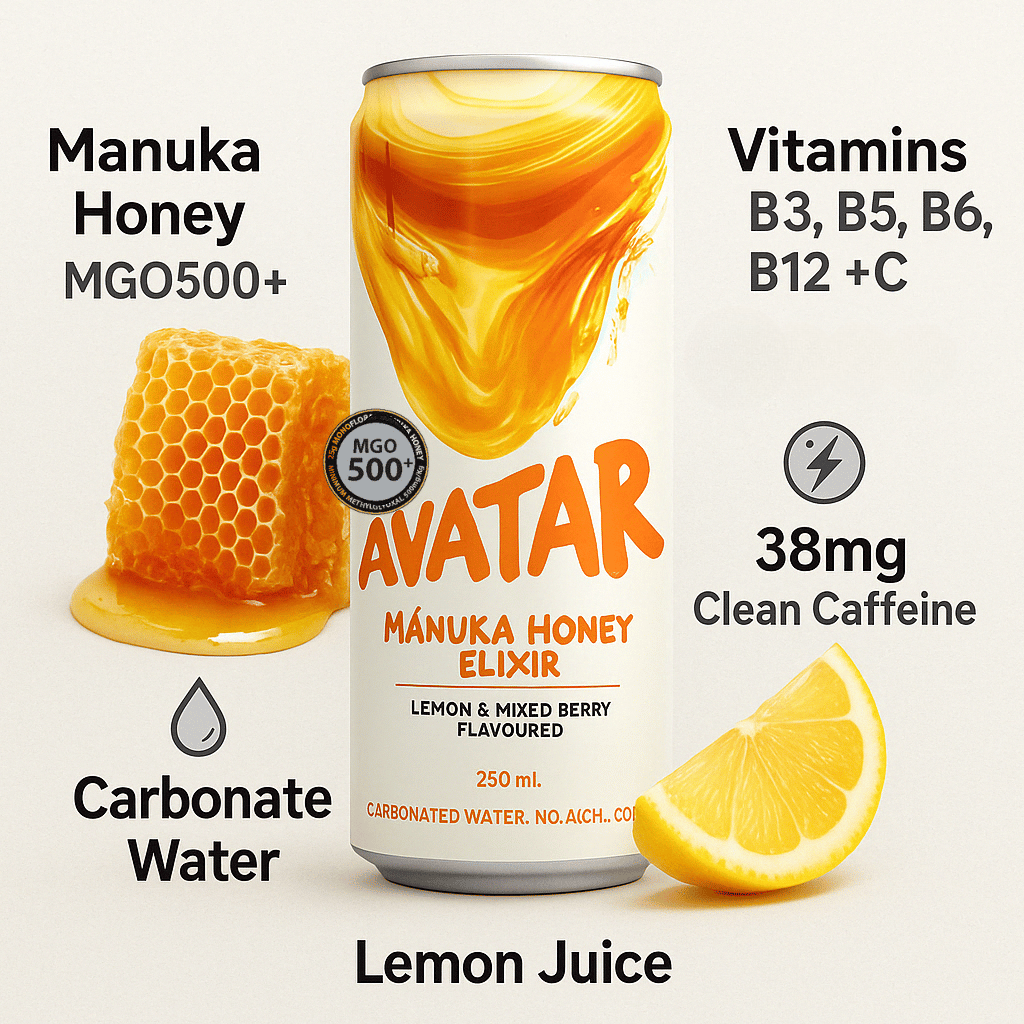
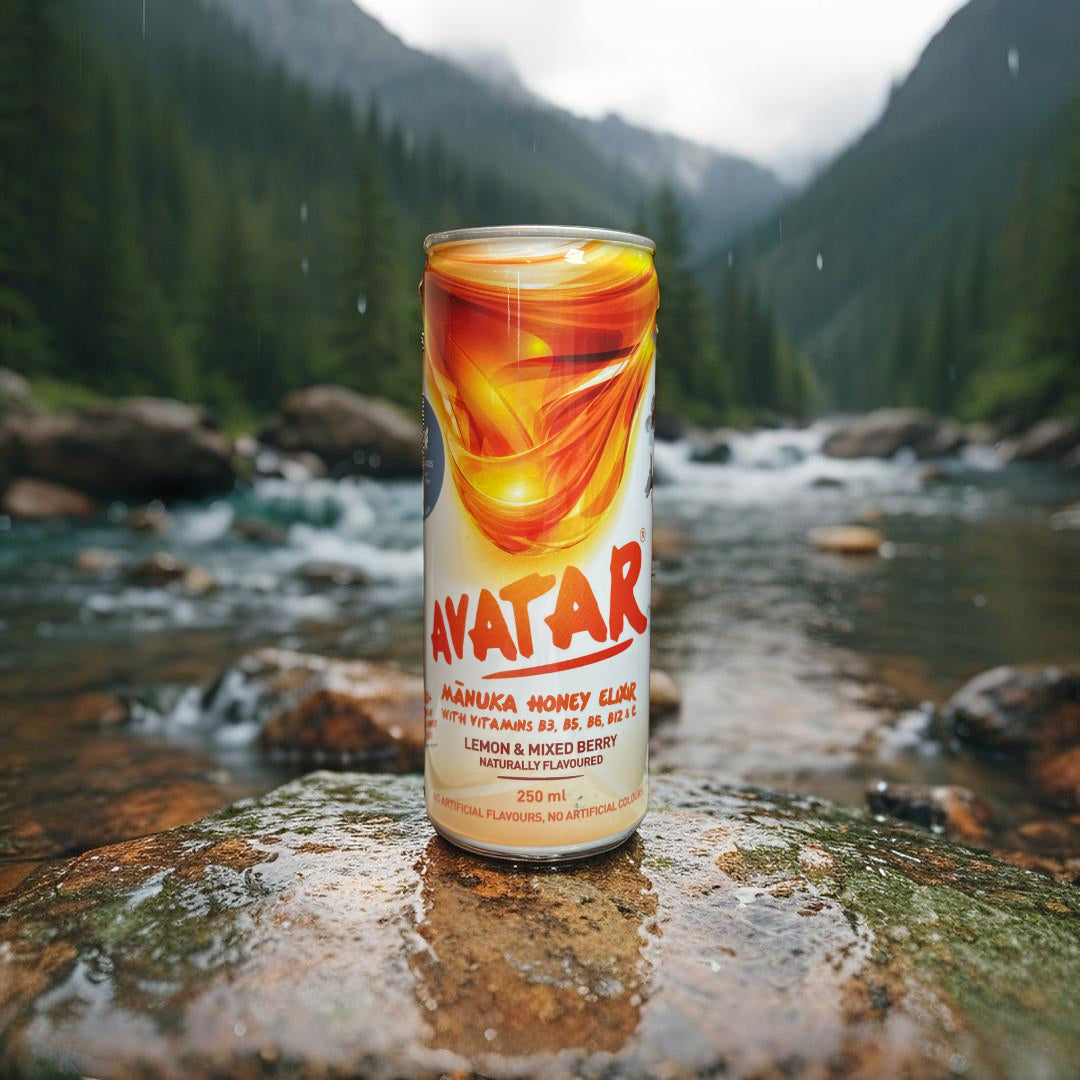
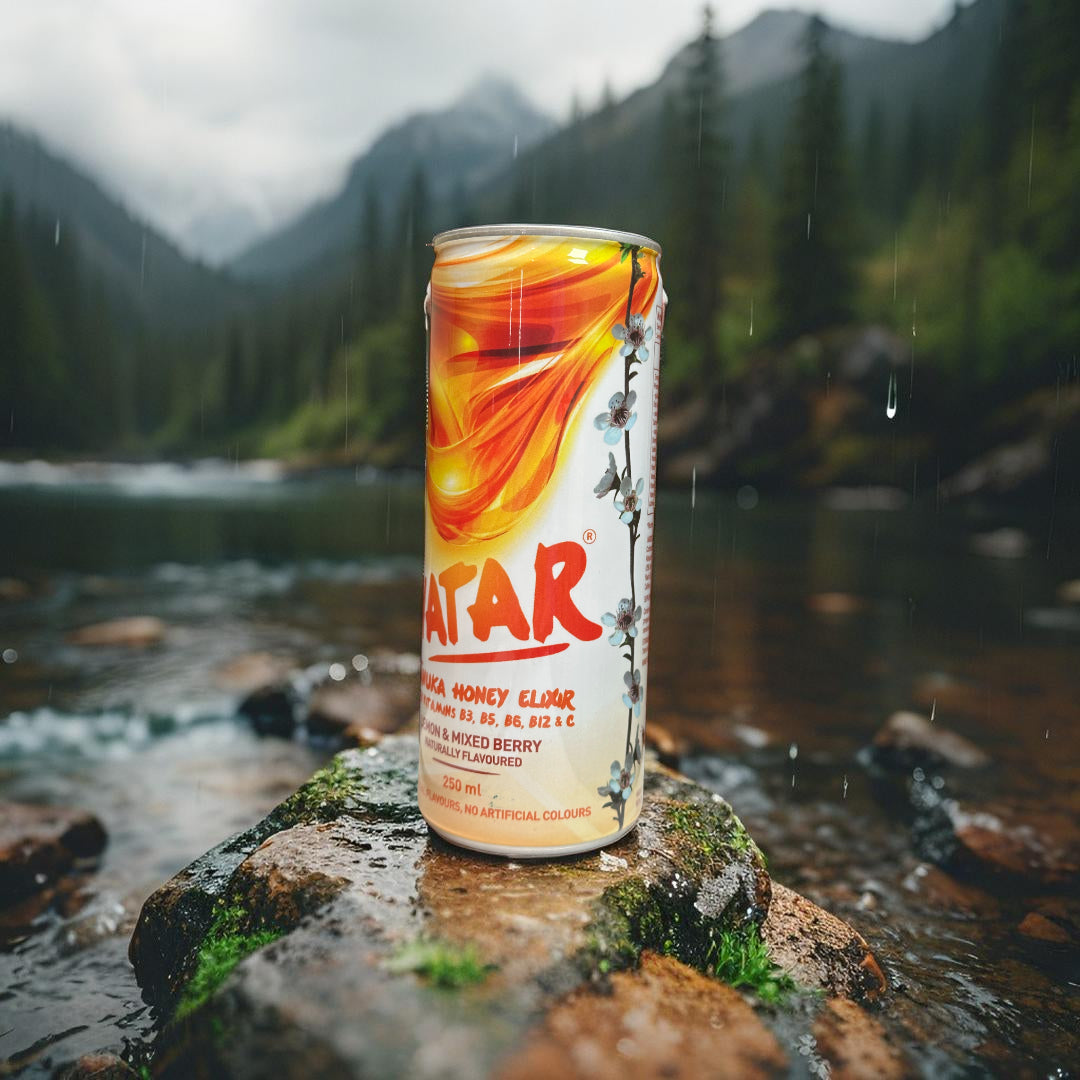
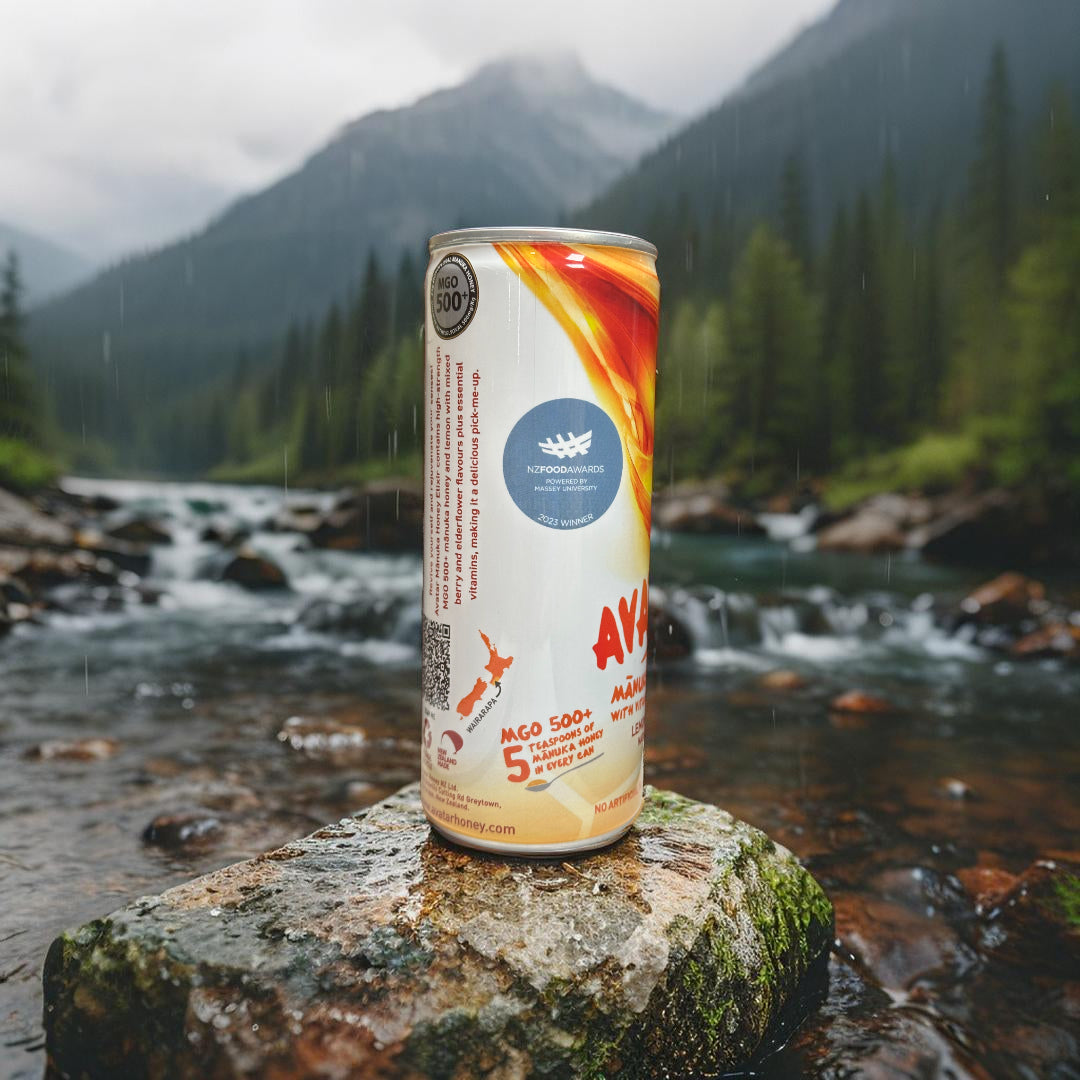
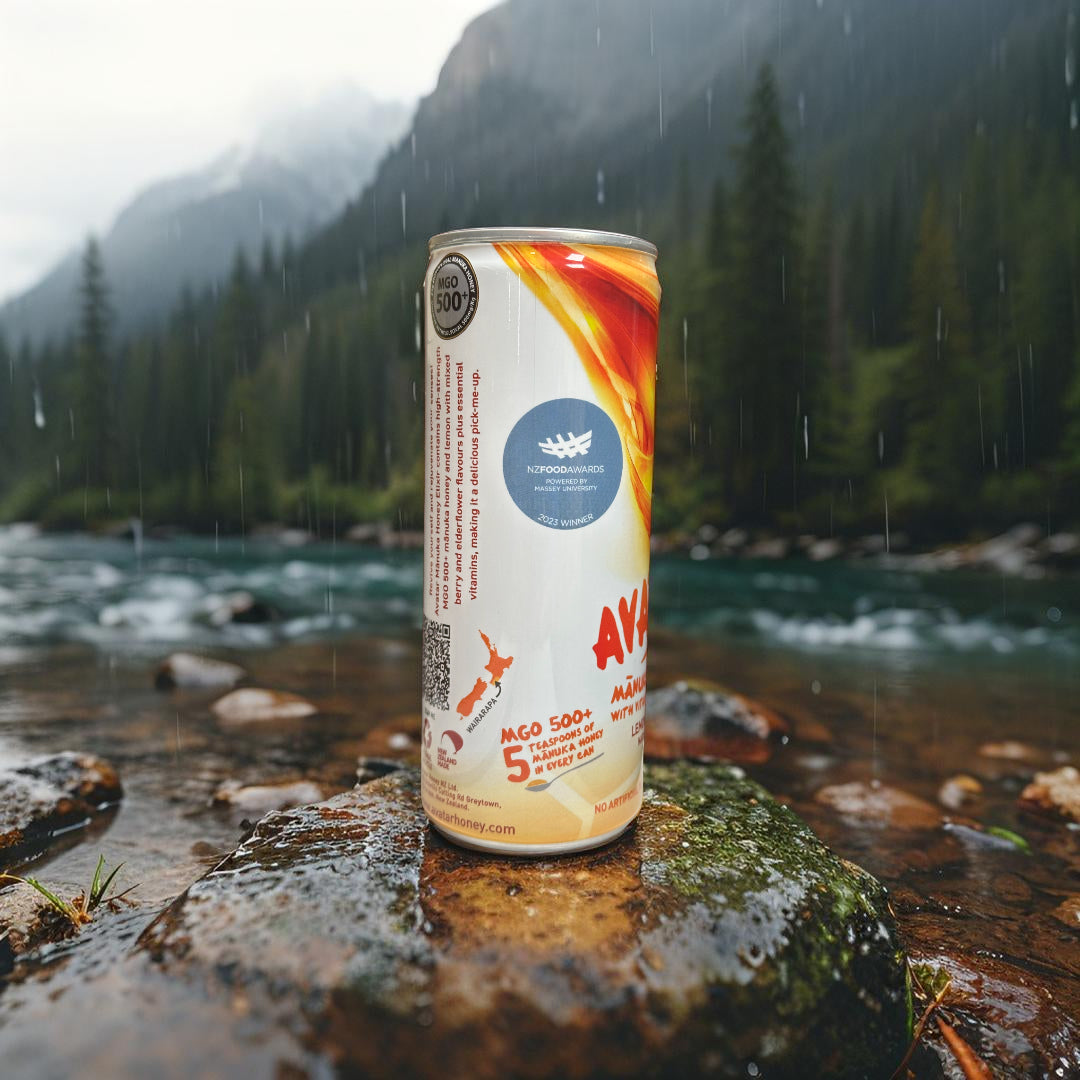
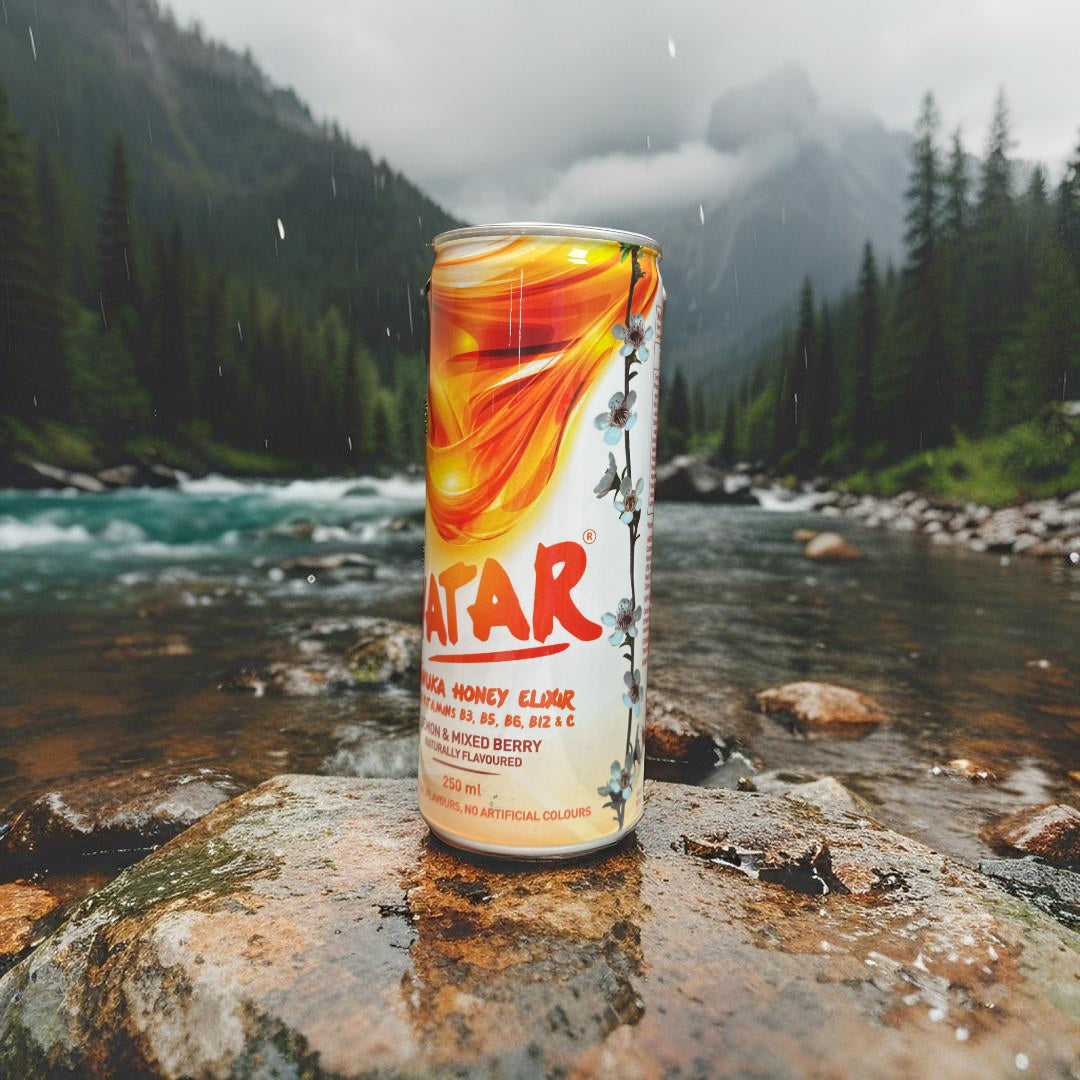
Avatar Elixir: Award Winning Clean Energy Powered By Manuka Honey is a useful example of this style. It is made with certified MGO500+ Manuka honey, lemon, elderflower, B vitamins, vitamin C, clean caffeine, and lightly carbonated water. The point is not to claim that every ingredient-led drink works the same way for every person. The point is that the label tells a clear story: honeyed sweetness, bright citrus, floral elderflower, gentle sparkle, and caffeine in a more premium adult format.
That kind of approach can feel more transparent because the main flavour and energy cues are easy to understand. You do not need to decode a long functional stack to know what the drink is aiming to be. It reads like a beverage first, with function built in thoughtfully.
How to Read “Clean Energy” Claims Carefully
Clean energy is best understood as a label and experience cue, not a guaranteed outcome. Brands use the phrase in different ways, so it is worth checking what sits behind it.
A credible clean energy drink should make its formula reasonably easy to understand. Look for a clear caffeine source or caffeine statement, a sweetener approach that suits your preferences, and ingredients that support the flavour rather than hiding behind broad claims.
Be cautious with any drink that promises too much. Beverages can be refreshing, flavourful, energising in the everyday sense, and useful for certain routines, but they should not be presented as medical products or guaranteed performance tools. A good label respects the adult shopper by giving enough information without overpromising.
Taurine-Free Does Not Mean Flavour-Free
Energy drinks without taurine can still be flavourful, complex, and satisfying. The absence of taurine does not mean the drink has to be plain or watery.
For adults, flavour often matters more than intensity. Lemon can bring brightness. Elderflower can add a soft floral lift. Manuka honey can add depth, roundness, and a distinctive New Zealand character. Light carbonation can make the drink feel crisp without turning it into a sugary soft drink experience.
This is where ingredient-led drinks can stand apart from ordinary energy drinks. They do not need to shout. They can feel fresh, balanced, and considered, which often makes them easier to enjoy across work, study, travel, and social occasions.
A Practical Label Checklist for Energy Drinks Without Taurine
The best label check is simple enough to use in-store and clear enough to guide repeat choices. If you are comparing taurine-free energy drinks, use this checklist before deciding.
- Is taurine absent because the formula is simpler, or is it replaced by another long list of functional ingredients?
- Is the caffeine amount easy to find and understand?
- Does the caffeine level suit the time of day and your personal tolerance?
- What sweeteners are used, and do you enjoy that style of sweetness?
- Are the flavour cues specific, such as lemon, honey, elderflower, berry, tea, or ginger?
- Does the drink contain vitamins, and are they presented clearly rather than dramatically?
- Is the serving size realistic for how you drink?
- Can you understand the product without researching every ingredient?
If a drink answers most of these questions clearly, it is likely easier to compare. If the label feels crowded or vague, taurine-free may not be enough to make it feel cleaner.
Final Takeaway: Read the Whole Can, Not One Ingredient
Energy drinks without taurine are worth considering if you prefer cleaner, more transparent labels, but taurine should not be treated as the whole story. The smarter approach is to compare the complete drink: caffeine, sweeteners, flavour, vitamins, serving size, and how clearly the brand explains what is inside.
For adults moving away from ordinary energy drinks, the goal is often a better fit for real life. That might mean a can that feels appropriate at your desk, refreshing during travel, interesting enough for a social occasion, or balanced enough to replace another coffee. Ingredient-led options, including honey, lemon, elderflower, vitamin, and clean caffeine drinks like Avatar Elixir, show how energy beverages can feel more grown up without becoming complicated.
The best label is the one you can understand, trust, and enjoy. Taurine may be one line on the can, but the whole ingredient list tells you what kind of drink you are really holding.
These answers explain how taurine fits into energy drink labels and what to compare when choosing a more ingredient-led drink.
What does taurine mean on an energy drink label?
Taurine on an energy drink label usually signals a traditional functional energy drink formula. It is commonly listed beside caffeine, B vitamins, sweeteners, acids, and flavouring systems. Its presence does not make a drink automatically good or bad, but it tells you the product is using a more formulated approach rather than a simpler beverage-style ingredient list.
Are energy drinks without taurine automatically cleaner?
Energy drinks without taurine are not automatically cleaner. A taurine-free drink can still contain high caffeine, artificial sweeteners, intense flavouring, preservatives, or a long ingredient list. A cleaner-feeling label comes from the full picture, including caffeine source, sweetness, flavour ingredients, serving size, and how clearly the drink explains what is inside.
Is taurine the same thing as caffeine in energy drinks?
Taurine is not the same thing as caffeine. Caffeine is the ingredient most people associate with the alert, stimulated feeling of energy drinks, while taurine is an added compound used in many traditional formulas. When comparing cans, check the caffeine amount and source separately rather than assuming taurine is the main energy ingredient.
What should adults check besides taurine in energy drinks?
Adults should check caffeine, sweeteners, flavour ingredients, vitamins, acids, carbonation, serving size, and label transparency. Taurine is only one part of the formula. A practical label check asks whether the drink uses ingredients you understand, whether the caffeine level suits your routine, and whether the flavour sounds refreshing rather than overly manufactured.
Why do some adults prefer taurine-free energy drinks?
Some adults prefer taurine-free energy drinks because they want a simpler, more beverage-led label. They are not always trying to avoid one ingredient completely. Often, they are choosing a drink that feels lighter, more transparent, and better suited to work, study, travel, social occasions, or an afternoon refreshment.
What is a simpler alternative to a traditional energy drink?
A simpler alternative to a traditional energy drink is one built around recognisable flavour ingredients, clear caffeine, and a less crowded formula. Avatar Elixir is one example of this approach, with certified MGO500+ Manuka honey, lemon, elderflower, B vitamins, vitamin C, clean caffeine, and lightly carbonated water. It offers a more ingredient-led style without presenting the drink like a supplement stack.
How should I choose a taurine-free drink for work or study?
Choose a taurine-free drink for work or study by reading the full label, not just the front of the can. Look for clear caffeine information, a flavour profile you will enjoy slowly, and sweeteners or ingredients that make sense to you. The best fit is the drink that feels appropriate for your routine, taste preferences, and the kind of energy occasion you are planning.