


What this means for buyers:
- Beverage judges may consider appearance, aroma, flavour balance, texture, carbonation, finish, originality and how well a drink fits its entered category.
- Judging methods and medal structures vary, so the competition name, year, category and award level provide essential context.
- An award can indicate expert recognition, but it cannot guarantee that you will enjoy the flavour or that the drink will suit your dietary and caffeine preferences.
An award badge can make a beverage stand out, but the badge alone rarely explains what judges tasted or how they reached their decision. Was the drink assessed blind? Did it win its category, receive a medal or reach a finalist stage? Was originality important, or did judges mainly look for a well-executed example of an established style?
These details matter because beverage competitions do not all use one universal judging system. Some may emphasise technical execution and category fit, while others may give more weight to flavour, commercial appeal, originality or presentation. Understanding the common judging dimensions helps you read an award claim with confidence, without expecting it to prove more than it reasonably can.
What beverage judges may assess
Beverage judging generally involves more than asking whether a drink tastes good. Judges may assess how its sensory elements work together, whether it delivers a coherent flavour experience and whether it makes sense within the category in which it was entered.
The exact criteria and weighting can differ significantly between competitions. The following table describes common judging dimensions rather than the rules of any particular award programme.
| Judging dimension | What judges may consider | What it can mean for buyers |
|---|---|---|
| Appearance | Colour, clarity, foam, bubbles and whether the drink looks appropriate for its style. | The beverage has been considered as a complete sensory experience, not only for its flavour. |
| Aroma | The intensity, freshness and clarity of the aromas, along with any distracting or undesirable notes. | The drink may offer recognisable aromatic character before the first sip. |
| Flavour balance | How sweetness, acidity, bitterness and individual ingredients work together. | No single flavour may dominate unintentionally, although personal preferences still vary. |
| Texture and body | Weight on the palate, smoothness, crispness and how the drink feels in the mouth. | The drinking experience may feel deliberate and suited to the beverage style. |
| Carbonation | Bubble level, liveliness and whether carbonation supports or disrupts the flavour. | A sparkling drink may be judged on how its fizz carries aroma and shapes the finish. |
| Finish | The flavours and sensations that remain after swallowing, including their length and cleanliness. | The drink may leave a pleasant final impression rather than an abrupt or muddled aftertaste. |
| Originality | Whether the recipe, ingredient combination or overall concept offers a distinctive interpretation. | The product may provide something different from familiar soft drink or energy drink profiles. |
| Category fit | How successfully the beverage meets the expectations or definition of its entered category. | The award is most useful when you know which type of drinks were being compared. |
How judges interpret flavour balance
Flavour balance does not necessarily mean that every taste must have equal intensity. It means the components work together in a way that suits the intended drink.
For example, a honey-based sparkling beverage might combine sweetness from honey, brightness from citrus, floral aroma and the light bite of carbonation. A balanced result could allow each element to remain identifiable without one overwhelming the others. A slightly bitter or tart note is not automatically a flaw if it contributes structure and keeps the drink refreshing.
Judges may also consider the order in which flavours appear. Aroma creates the first expectation, the initial sip establishes sweetness and acidity, and the finish determines what remains. A beverage can be appealing at first but lose clarity in the aftertaste, which is why finish often matters alongside immediate flavour.
What this means for choosing a drink is simple: an award may suggest that a judging panel found the flavour composition well resolved under that competition's criteria. It does not mean every buyer will prefer the same sweetness, acidity, floral character or carbonation level.
Blind judging, scoring and panels are not identical everywhere
Competition systems vary, so it is important not to assume that every award was decided in the same way.
Blind judging
In blind judging, information that could reveal the brand is withheld during sensory assessment. The aim is to let judges focus on what is in the glass rather than packaging, brand familiarity or price. However, the extent of blinding may differ. Judges may still know the broad category or style because they need an appropriate basis for evaluation.
Not every competition is necessarily blind. Packaging, brand presentation or commercial concept may be part of some awards. The competition's published rules are the appropriate place to confirm its process.
Scoring and discussion
Some competitions may use numerical scoring, descriptive assessment, panel discussion or a combination of methods. A score can help organise evaluations, but its meaning depends on the scoring scale, judging criteria and thresholds used by that specific competition.
A judging panel can also bring multiple perspectives to the assessment. Individual preferences do not disappear entirely, but a structured process may encourage judges to explain their reactions against shared criteria rather than relying only on a simple like or dislike response.
Medals, winners and finalists
Terms such as gold, winner, best in category and finalist are not automatically interchangeable. A competition might award several medals based on score thresholds, select one category winner, recognise finalists or use another structure entirely.
That distinction is important for buyers. A finalist claim means something different from winning a category, while a medal may reflect reaching a judging standard rather than finishing in a single ranked position. The competition rules and official result wording determine what each status means.
What an award can tell you about a beverage
An award can be a useful signal that a beverage received positive recognition within a particular judging framework. It may help narrow your choices when you are comparing unfamiliar drinks, especially if the category and judging criteria align with what you value.
Depending on the competition, recognition may indicate that judges responded positively to qualities such as:
- A clear and appealing aroma
- A coherent balance of sweetness, acidity and bitterness
- An appropriate texture or carbonation level
- A pleasant and defined finish
- A distinctive ingredient combination or concept
- Strong execution within the entered beverage category
An award can also give you a reason to look more closely at the drink. Rather than making the entire buying decision, it can prompt useful questions about flavour, ingredients, caffeine, serving occasions and category fit.
What an award does not prove
An award is not a guarantee of personal taste. Judges might value a dry finish, pronounced acidity or floral aroma that does not match your preferences. Someone who likes very sweet soft drinks may respond differently from someone looking for a lighter, more ingredient-led drink.
An award also does not establish that a beverage will improve health, concentration, energy or performance. Those are separate considerations and should not be inferred from sensory recognition. If the drink contains caffeine, sugar, allergens or ingredients relevant to your diet, the label and product information remain more useful than the award badge.
Nor does an award necessarily prove that a beverage is better than every competing product on the market. It usually relates to the entries, category, rules and judging process of a particular competition. Products that were not entered were not part of that assessment.
How to read an award badge critically
A credible award claim should provide enough context for you to understand what was recognised. When details are available, look for:
- The formal award or competition name: This identifies the programme behind the recognition.
- The year: Awards relate to a particular competition cycle and often to the product entered at that time.
- The organiser: This helps distinguish the competition from similarly worded programmes.
- The category: A sparkling honey drink, energy drink, mixer and soft drink may be evaluated in different contexts.
- The precise result: Confirm whether the product was a winner, medal recipient, finalist or another form of recognised entry.
- The judging method: Where published, rules may clarify whether sensory judging was blind and whether packaging or commercial presentation was included.
Be cautious about filling in missing details yourself. Broad phrases such as “award winning” provide an initial signal, but the formal title and result are needed to interpret the claim accurately.
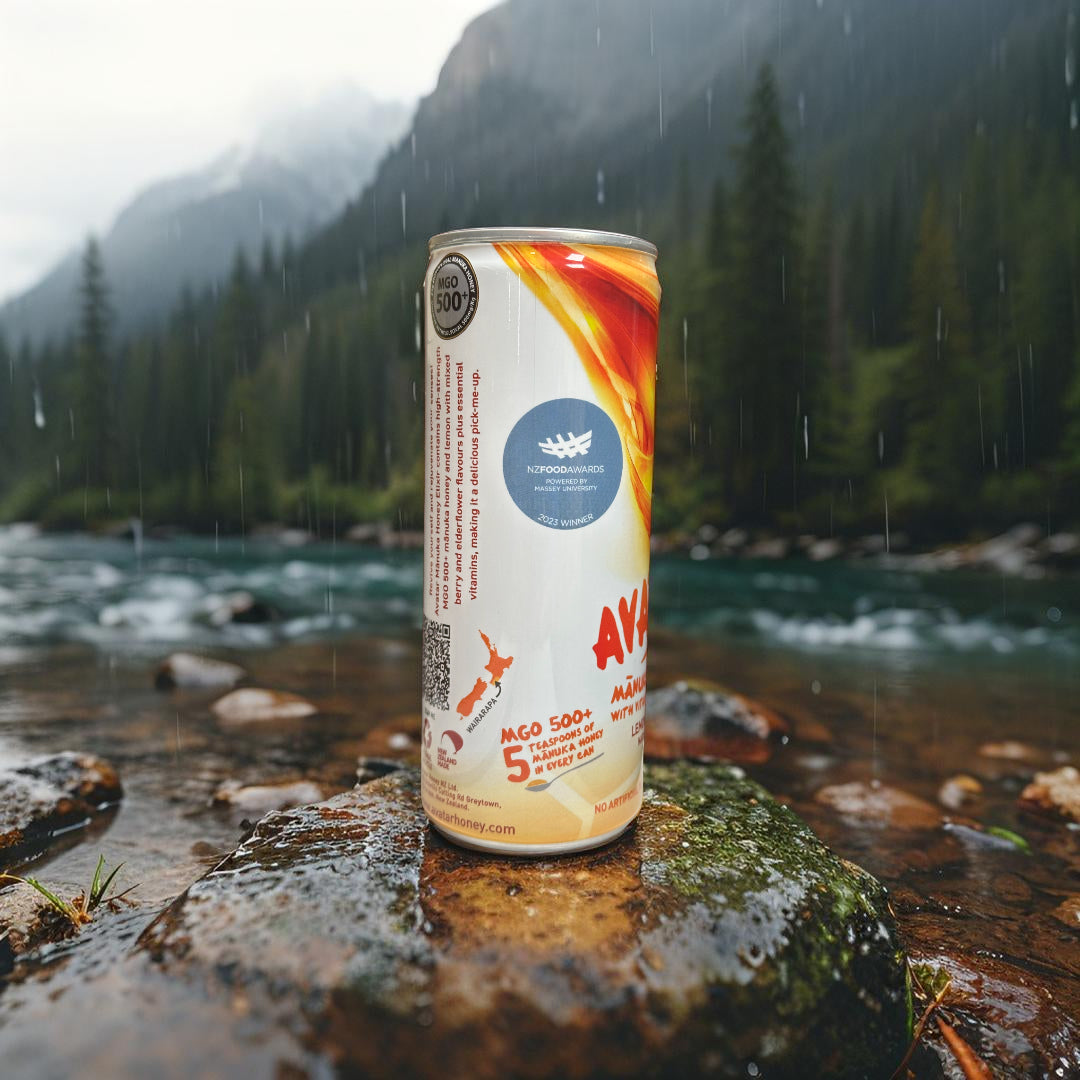
How to interpret the Avatar Elixir award wording
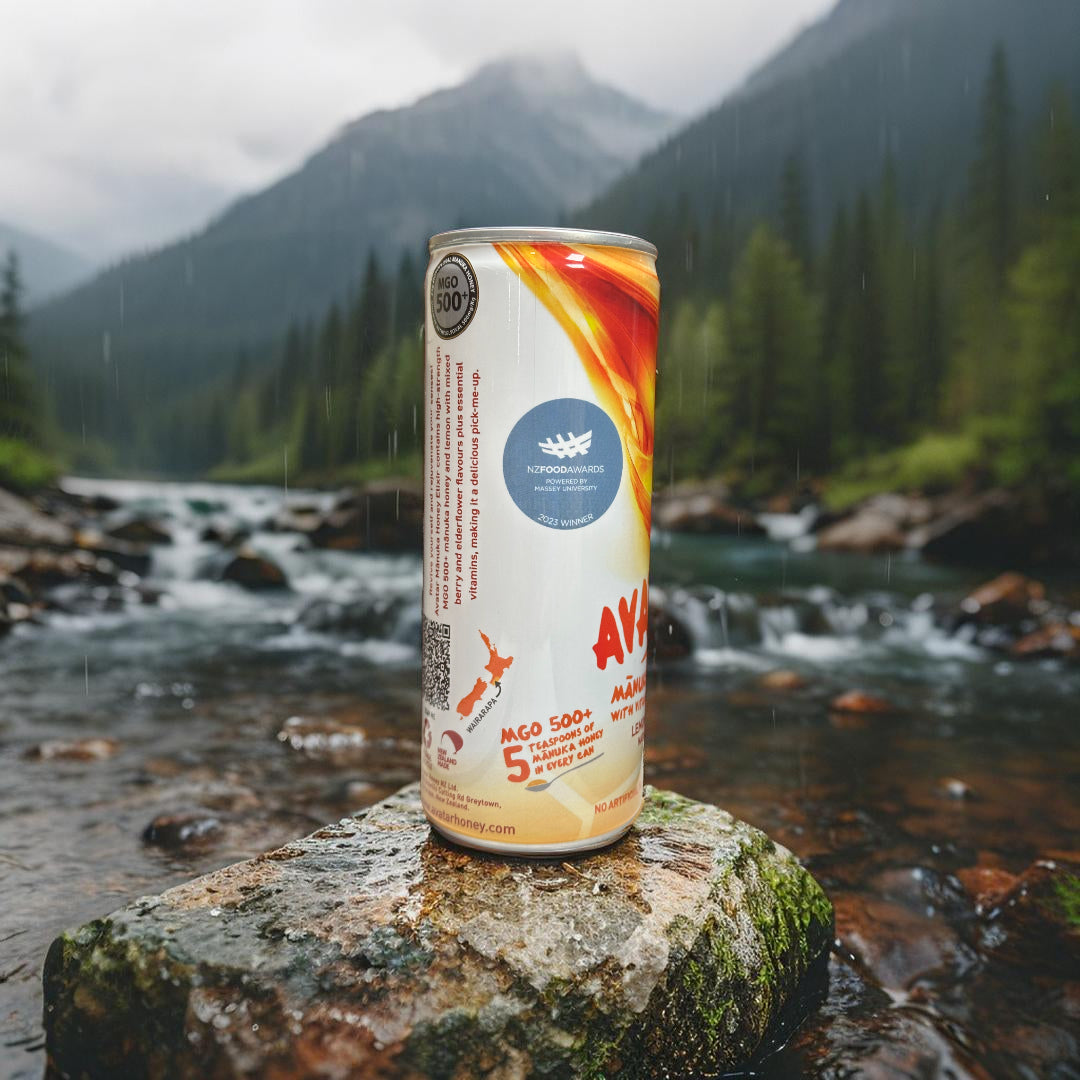
Avatar Elixir is described in the supplied catalogue wording as “award winning” and as having “took out New Zealand's Best Beverage”. No supporting reference material was supplied here to confirm the formal award name, year, organiser, category, judging process or precise result structure. Those details should therefore be checked before adding further specificity to the claim.
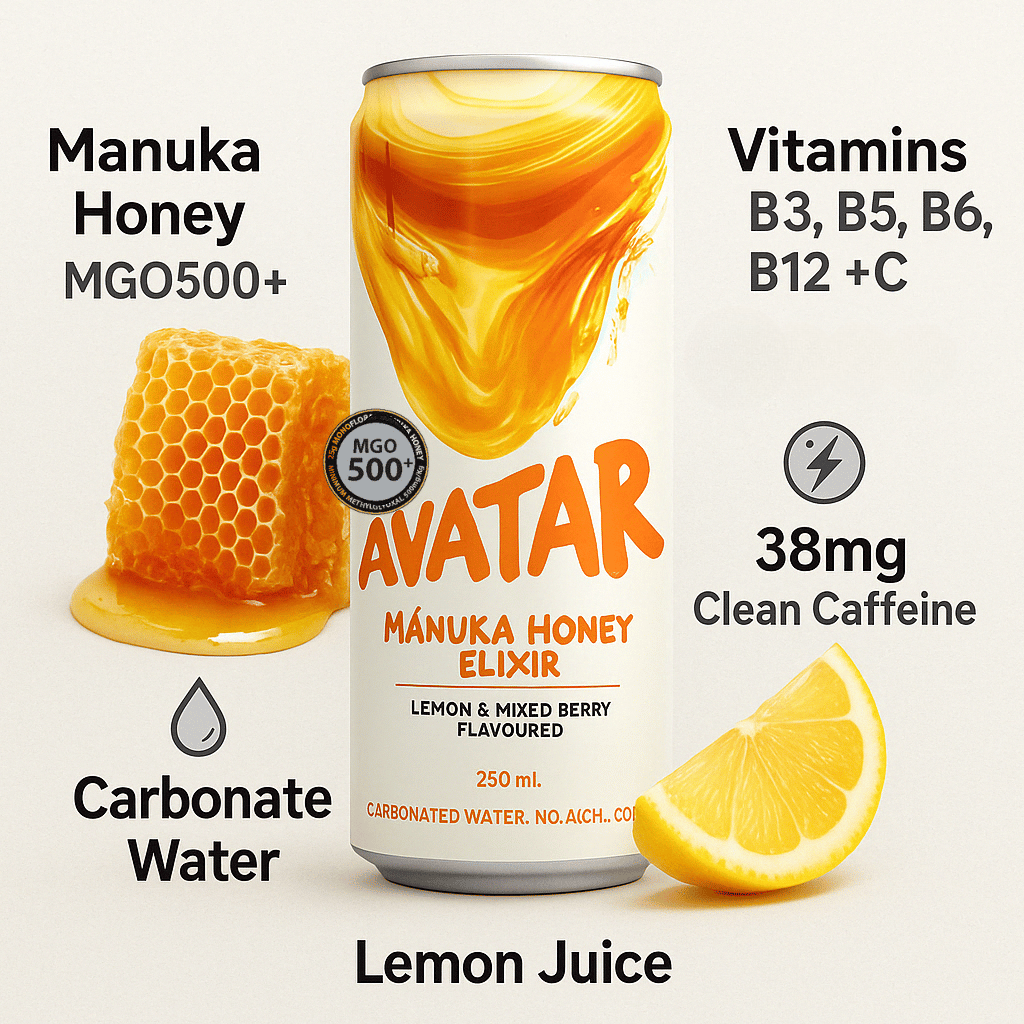
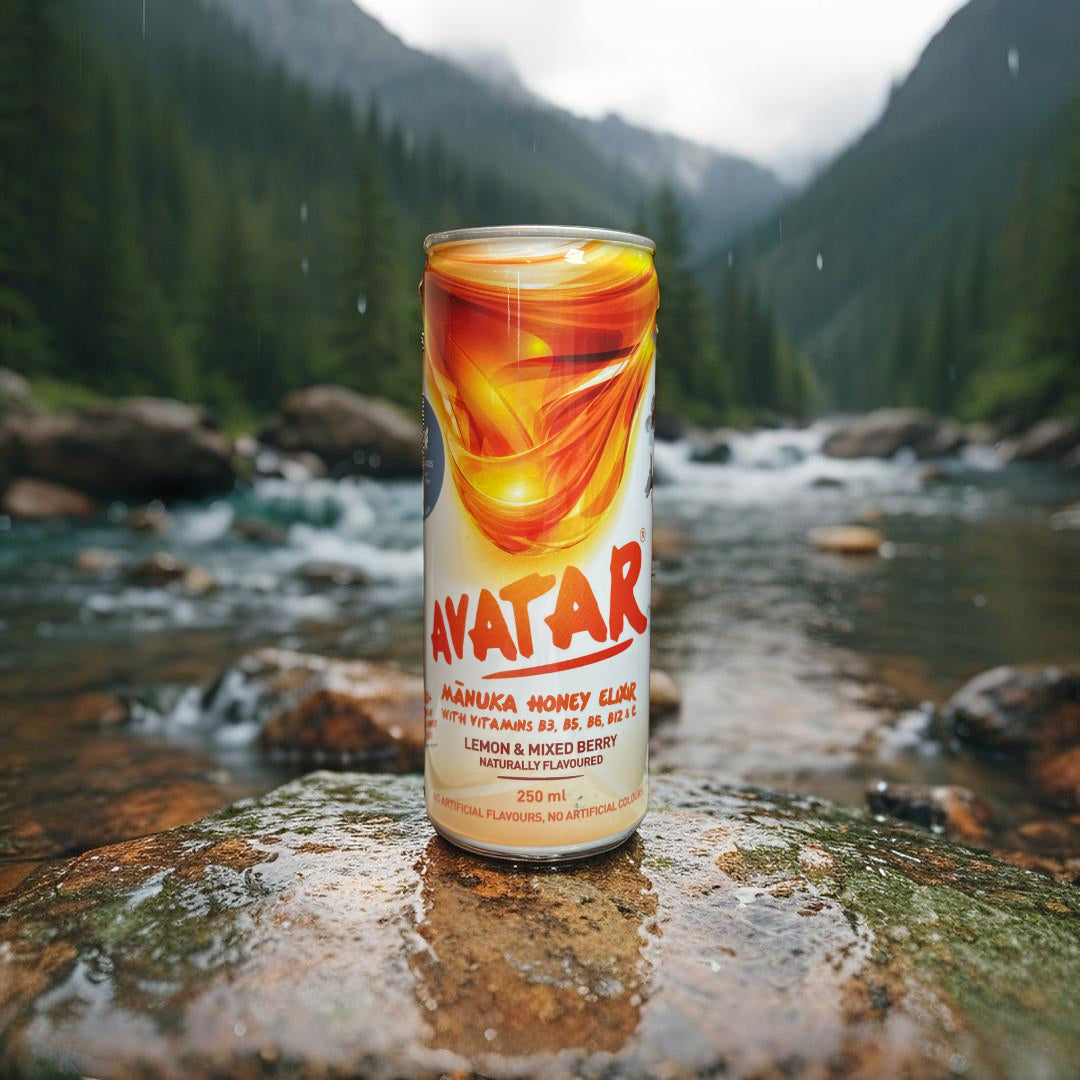
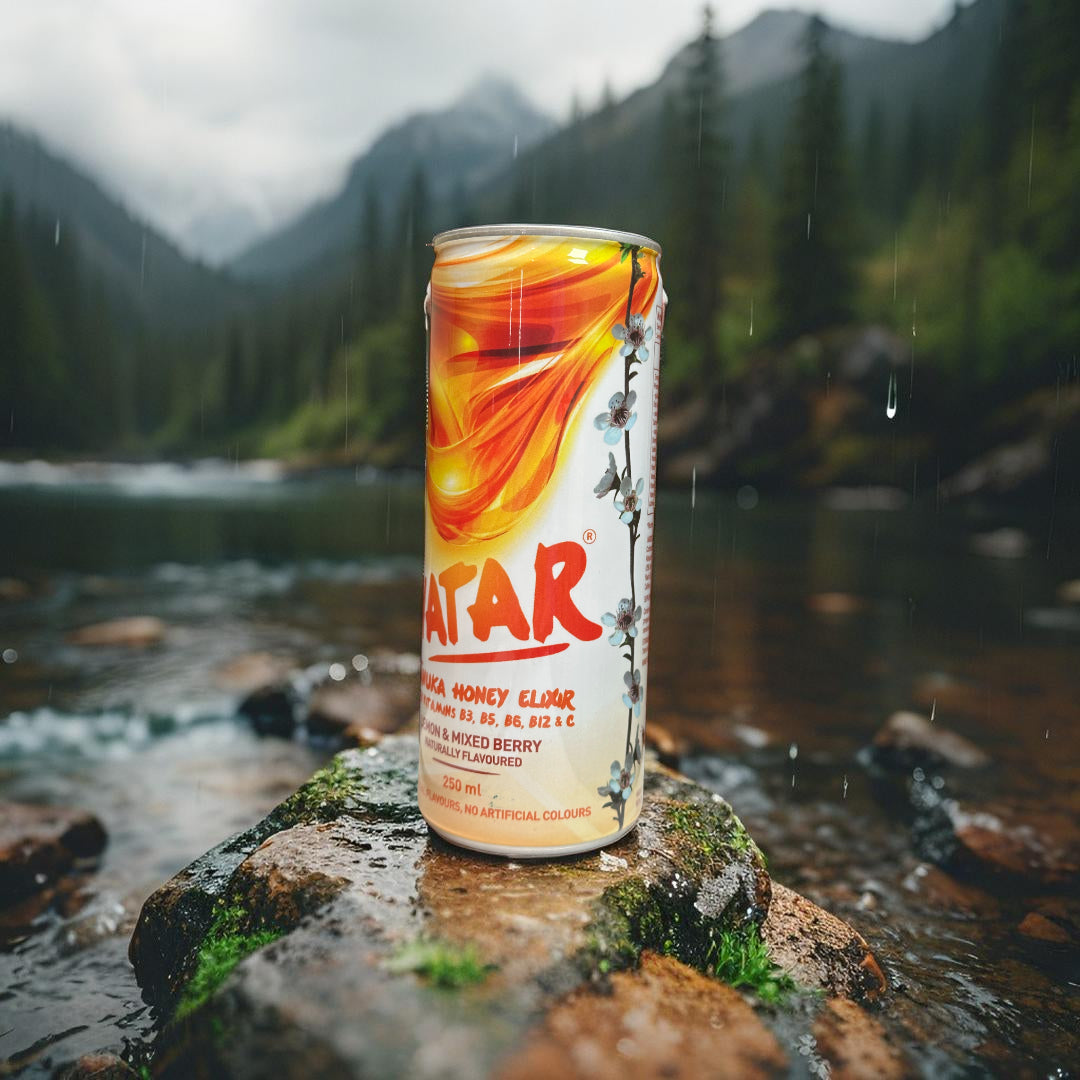
The claim can reasonably invite shoppers to explore the beverage, but it should sit alongside practical product information. Avatar Elixir is a lightly carbonated New Zealand drink made with certified MGO500+ Manuka honey, lemon, elderflower, B vitamins, vitamin C and clean caffeine. That description gives you more direct guidance about expected flavour and suitability: honeyed depth, citrus brightness, floral character and a sparkling texture, with caffeine to account for when choosing when and how to enjoy it.
The award wording should not be confused with the separate NZ Fine Food Awards finalist wording attached to The Founders' Reserve offer. A finalist reference for one offer and an award claim for another product are distinct statements. They should not be merged or treated as evidence of the same result.
A short at-home sensory checklist
You do not need to reproduce a formal judging process to decide whether an awarded beverage suits you. Pour it into a clean glass, serve it according to the label directions and consider these points:
- Look: Is the colour appealing, and does the carbonation appear lively or gentle?
- Smell: Which aromas arrive first? Look for clear notes such as honey, citrus, flowers, herbs or fruit.
- Taste: Notice the relationship between sweetness, acidity and bitterness rather than judging each in isolation.
- Feel: Consider whether the body and bubbles feel crisp, soft, full or light.
- Finish: Pay attention to what remains after the sip and whether you enjoy the length and character of the aftertaste.
- Check the fit: Decide whether the flavour, ingredients and caffeine content suit your intended occasion.
Your conclusion does not have to match an award panel's conclusion. The purpose of tasting thoughtfully is to understand why a drink works for you, whether that is because of its bright citrus edge, soft floral aroma, honey character, restrained sweetness or sparkling finish.
The best way to use an award when choosing a drink
Treat a beverage award as one piece of decision-making information. It can signal that a product stood out under a particular set of competition criteria, but it becomes more meaningful when the formal award details are clear.
Then compare that recognition with the information that directly affects your experience: ingredient profile, flavour description, carbonation, caffeine content, format and intended occasion. This approach lets an award guide discovery without asking it to guarantee taste, suitability or any health outcome.
For buyers considering Avatar Elixir, the useful next step is to weigh its award wording alongside its distinctive New Zealand ingredient story and flavour profile. Expert recognition may attract your attention, but the combination of Manuka honey, lemon, elderflower, clean caffeine and light carbonation is what helps you decide whether it belongs in your workday, social serve, mocktail or premium mixer selection.
These follow-up points help you verify beverage award wording and decide how much weight to give it when choosing a drink.
Is "New Zealand's Best Beverage" Avatar Elixir's formal award title?
No formal award title can be confirmed from the supplied catalogue wording alone. Avatar Elixir is described as "award winning" and as having "took out New Zealand's Best Beverage," but the organiser, year, category and precise result should be verified before interpreting that phrase as an official award title.
Does an award still apply if a beverage recipe changes?
You should not automatically assume that recognition applies to a later or changed recipe. An award generally relates to the product entered during a particular competition cycle. If ingredients, formulation or presentation have changed meaningfully, check which version received the recognition and whether packaging formed part of the assessment.
How should caffeine affect my choice of an awarded beverage?
An award does not determine whether a caffeinated beverage suits you or your intended occasion. Avatar Elixir contains clean caffeine, so consider the product information and your caffeine preferences alongside its flavour, ingredients and carbonation. This gives you a more useful basis for choosing it for work, travel, social serving or another occasion.
Should I taste an awarded drink alone before mixing it?
Tasting the beverage on its own first can help you understand what the judges may have appreciated. Serve it according to the label directions and notice its aroma, sweetness, acidity, texture and finish. You can then try it as a mixer or mocktail ingredient and decide which serving style best suits your taste.