



Short answer: For many adults, a clean energy drink with a moderate caffeine level, often around the lighter-to-mid range rather than the strongest end of the category, makes the most practical sense. The right choice depends on the label, serving size, how quickly you drink it, whether it is carbonated, how sweet it is, and whether you are using it for work, study, travel, or a longer day.
You are standing in front of two cans that both say clean energy. One is slim, lightly sparkling, and built for sipping. The other is larger, sweeter, and feels closer to a high-impact energy drink. Both may contain caffeine, but they can feel very different in real use because caffeine level is only one part of the decision.
For adults comparing coffee, tea, and cleaner energy drink options, the most useful question is not simply “How much caffeine is in this?” It is “Does this caffeine level make sense for this serving, this moment, and the way I will drink it?” A practical label check should include caffeine per serving, can size, sweetness, carbonation, ingredients, and the pace at which the drink is likely to be consumed.
What caffeine level makes sense in a clean energy drink for adults?
A sensible caffeine level in a clean energy drink for adults is usually one that fits the occasion without pushing the drink into a high-stimulation experience. In practical terms, many adults look for light-to-moderate caffeine when they want a cleaner drink for work, study, travel, or a long afternoon, rather than the highest caffeine number available.
Caffeine levels vary widely across coffee, tea, and energy drinks. A cup of coffee is commonly perceived as stronger than tea, while energy drinks can range from lightly caffeinated to very high in caffeine per can. Clean energy drinks often sit somewhere in the middle, but the front of the can does not always tell the full story.
For adult routines, a moderate caffeine level can be useful because it leaves room for context. Someone who has already had coffee in the morning may want a lighter afternoon option. Someone who wants a drink with lunch, on the road, or before an evening social occasion may prefer a gentler can that is pleasant to sip. Someone who rarely drinks caffeine may choose the lower end of the range or avoid caffeine later in the day.
The key point is simple: the best caffeine level is not always the biggest number. It is the level that matches the drink’s purpose, the serving size, and your usual caffeine habits.
How do common caffeine ranges compare across coffee, tea, and clean energy drinks?
Coffee, tea, and clean energy drinks can all contain caffeine, but they usually deliver it in different formats. Coffee often feels stronger and more direct, tea is generally lighter, and clean energy drinks vary depending on the brand, can size, and ingredient style.
As a general pattern, adults often think about caffeine in these broad bands:
- Low caffeine: Often associated with tea-style drinks, lighter functional beverages, or smaller servings designed for gentle sipping.
- Moderate caffeine: Common in many cleaner energy drinks and ready-to-drink options intended for daytime routines.
- Higher caffeine: More common in strong coffees, larger energy drinks, or products positioned for a bigger lift.
These categories are useful, but the label matters more than the category name. A small coffee can contain more caffeine than a large tea. A “natural” energy drink may still be highly caffeinated. A wellness-style can may look light but still contain enough caffeine to count as a meaningful part of your day.
When comparing options, look at the caffeine amount per serving and the number of servings in the container. If the whole can is one serving, the decision is simpler. If the container lists more than one serving, the caffeine amount can be easy to underestimate if you drink the full can.
How should adults read the caffeine label on a clean energy drink?
Adults should read the caffeine label by checking the caffeine amount per serving, the serving size, the number of servings per container, and any other caffeine-containing ingredients. This gives a clearer picture than relying on words like clean, natural, focus, energy, or functional.
A practical label check can follow five steps:
- Find the caffeine amount. Look for caffeine listed in milligrams, usually shown as caffeine per serving or per can.
- Check the serving size. Confirm whether the listed caffeine applies to the whole can or only part of it.
- Look for caffeine sources. Caffeine may be listed as clean caffeine, natural caffeine, green coffee bean caffeine, tea extract, guarana, yerba mate, or another source.
- Review the sweetness. Sugar, honey, fruit juice, stevia, or other sweeteners affect the overall drinking experience, even when they do not change the caffeine number.
- Consider the full routine. Add the drink to the coffee, tea, cola, chocolate, or other caffeinated products you may already have that day.
The term clean caffeine is not a single universal standard. In everyday drink language, it usually signals a more ingredient-led approach, often with fewer artificial cues or a cleaner flavour profile. It does not automatically mean low caffeine, caffeine-free, or suitable for every person at every time of day.
For a cleaner choice, the caffeine number should make sense alongside the full ingredient list. A premium drink can still be caffeinated, and a natural-looking label still deserves a proper read.
Why does serving size change how caffeine feels in a drink?
Serving size matters because the same caffeine amount can feel different depending on how much liquid it is spread across and how quickly the drink is consumed. A smaller, fast-drunk serving may feel more concentrated than a larger can that is sipped slowly.
Imagine two drinks with similar caffeine amounts. One is a small coffee finished in a few minutes. The other is a lightly carbonated can sipped over a work session, a study block, or a drive break. The caffeine number may be close, but the experience can feel different because the drinking pace is different.
This is why adults should compare caffeine alongside format. A clean energy drink designed for sipping can suit a longer routine better than a drink that feels like it needs to be consumed quickly. A can with balanced flavour, light carbonation, and a less aggressive sweetness profile may naturally encourage a slower pace.
Serving size also affects how the drink fits into the day. A larger can may be more refreshing but may also contain more total caffeine. A smaller can may be easier to place in a routine but may deliver caffeine more quickly. Neither is automatically better. The sensible choice depends on the label and the occasion.
Why do carbonation and sweetness matter when choosing a caffeine level?
Carbonation and sweetness matter because they influence how quickly a drink is consumed and how heavy or light it feels. Even with the same caffeine level, a very sweet or highly carbonated drink may feel different from a lightly sparkling drink with a cleaner finish.
Light carbonation can make a drink feel bright, refreshing, and suitable for sipping. Stronger carbonation may feel sharper or more intense. Sweetness also changes the experience. A heavily sweet drink may feel closer to a soft drink, while a balanced sweetness from ingredients such as honey or fruit can feel more rounded and adult.
For clean energy drinks, caffeine should not be judged in isolation. A lower-to-moderate caffeine level may feel more appropriate when paired with a crisp, sparkling format and a flavour profile that works across more occasions. A higher caffeine drink with strong sweetness may feel more like a functional hit than an everyday beverage.
This is especially relevant for adults choosing drinks for the office fridge, travel bag, study desk, or social table. The drink needs to taste good, refresh well, and fit the moment, not simply carry an energy claim.
What caffeine level makes sense for work, study, travel, and longer days?
For work, study, travel, and longer days, a light-to-moderate caffeine level often makes the most sense because it can fit into adult routines without making the drink feel overly intense. The right option also depends on what else you have consumed and how late in the day you plan to drink it.
What makes sense for work?
For work, adults often want a drink that is easy to sip, not too sweet, and not too strong for a desk or meeting-heavy day. A moderate clean energy drink can be a useful alternative when another coffee feels too heavy or when a soft drink feels too sugary.
What makes sense for study?
For study, the practical choice is usually a drink that supports steady sipping rather than quick consumption. The caffeine level should be easy to understand on the label, and the flavour should be pleasant enough to keep nearby without feeling distracting or overly sharp.
What makes sense for travel?
For travel, convenience and timing matter as much as caffeine amount. A drink that is lightly carbonated, sealed in a can, and enjoyable cold can suit airport lounges, road stops, ferry trips, and longer days away from the usual kitchen or café routine.
What makes sense for longer days?
For longer days, adults should think about total caffeine across the whole day rather than treating each drink separately. If coffee was part of the morning, a cleaner drink later on may make more sense at a lighter or moderate caffeine level than at the strongest end of the shelf.
How does Avatar Elixir fit into this decision?
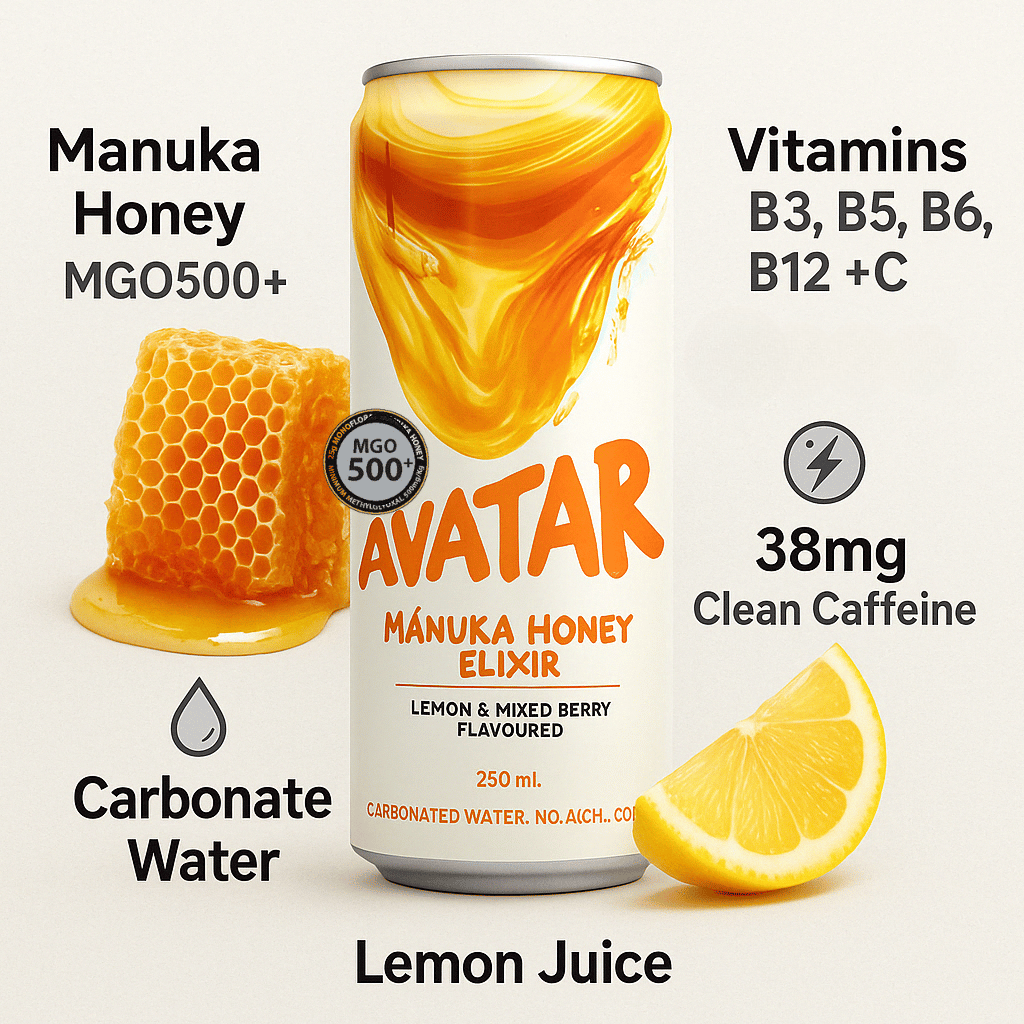
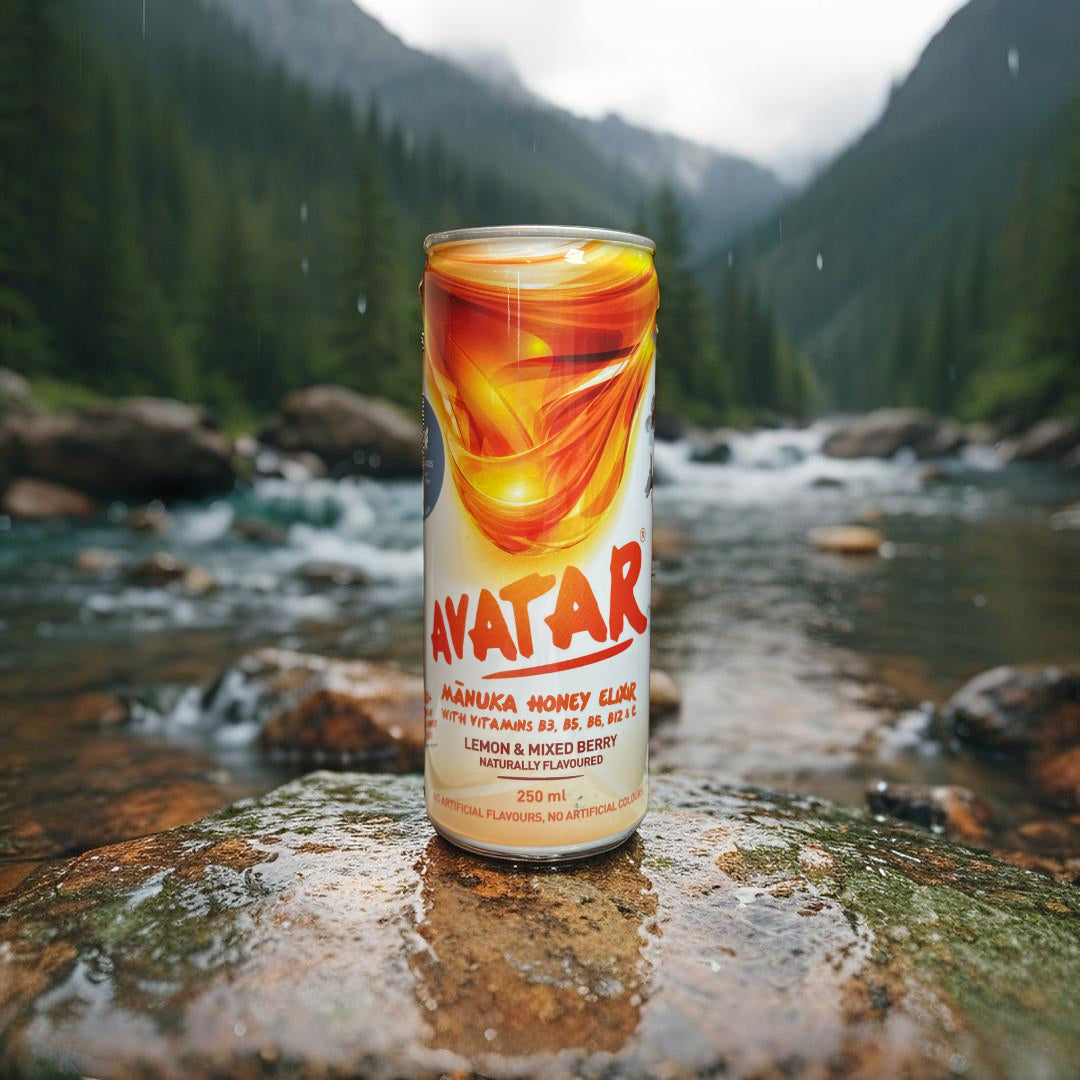
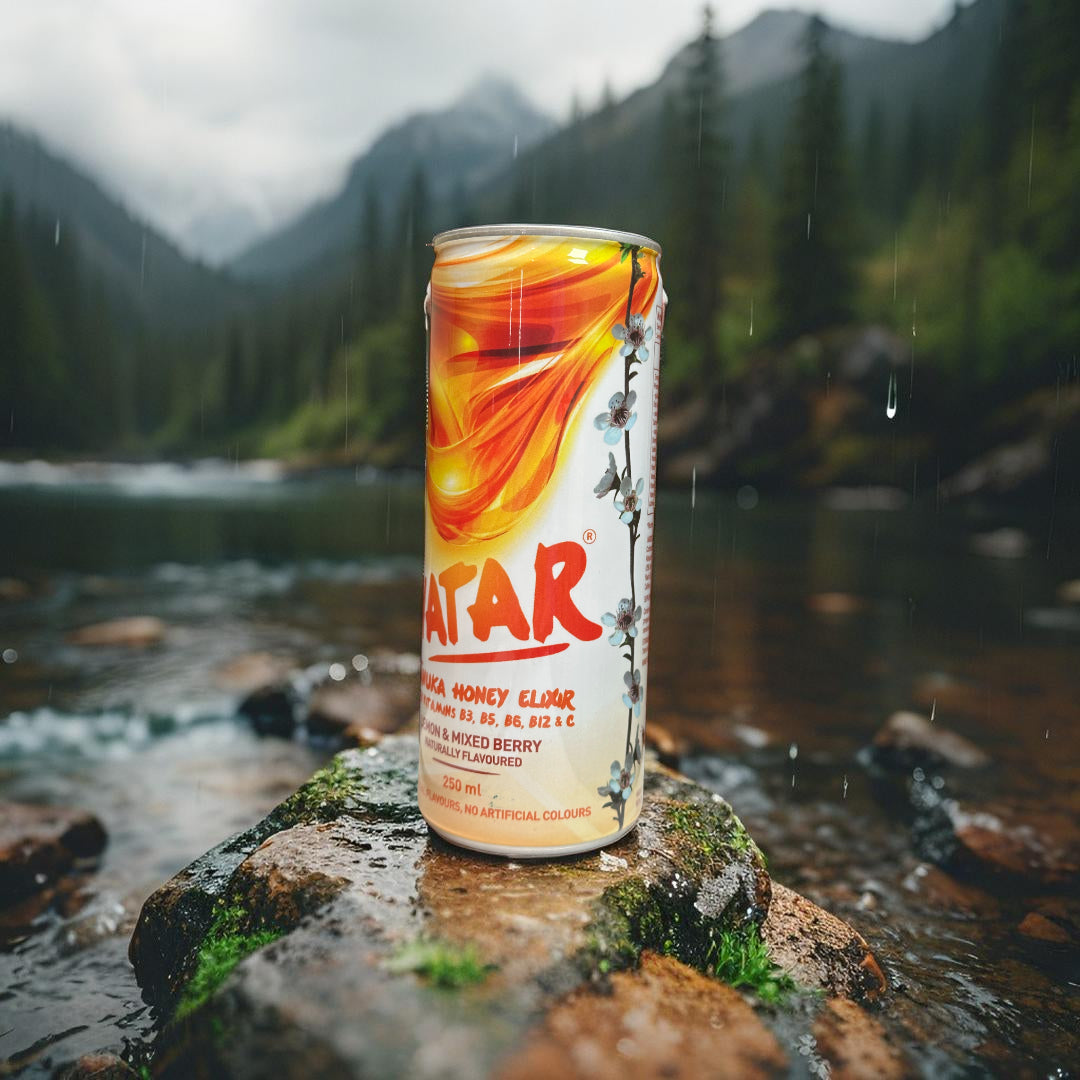
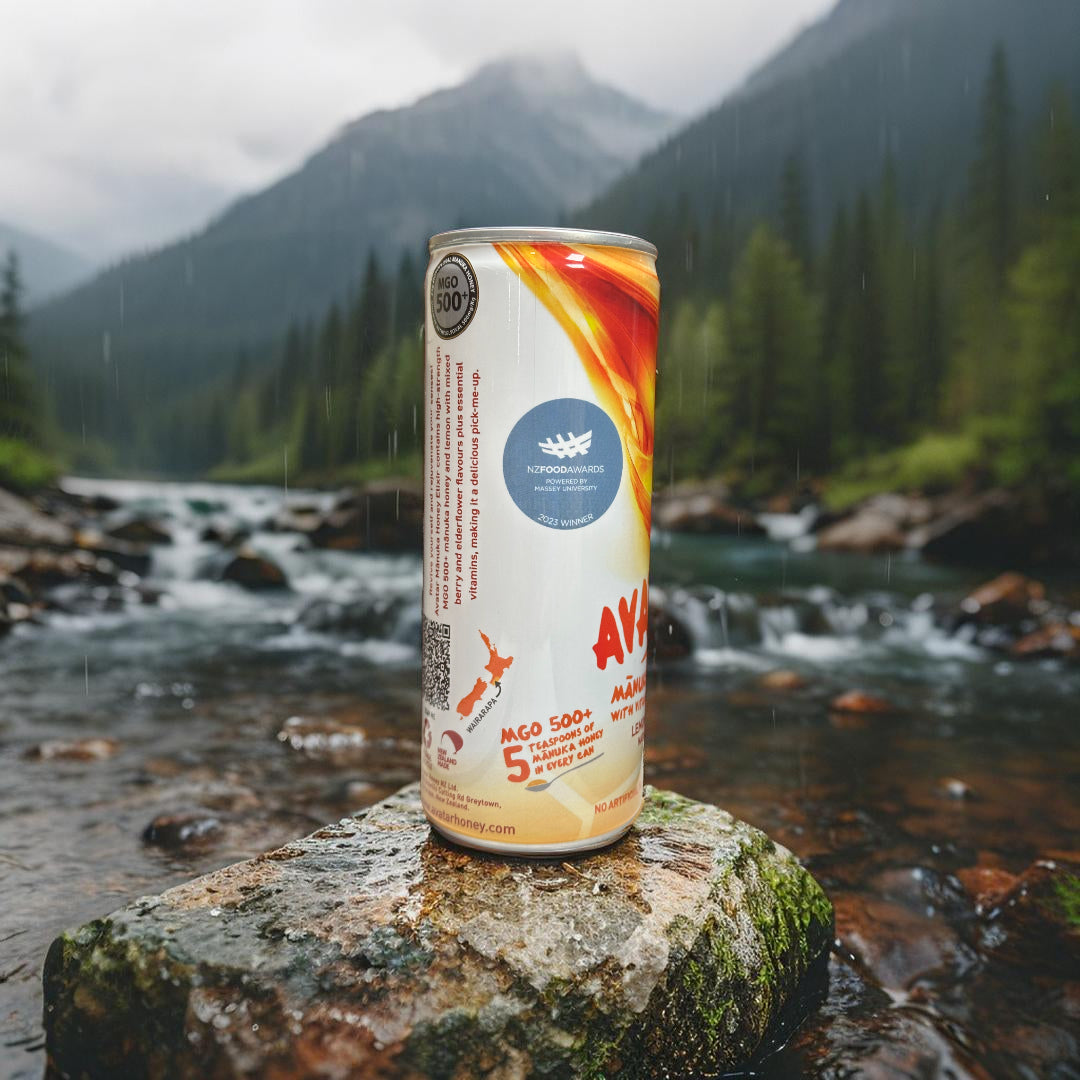
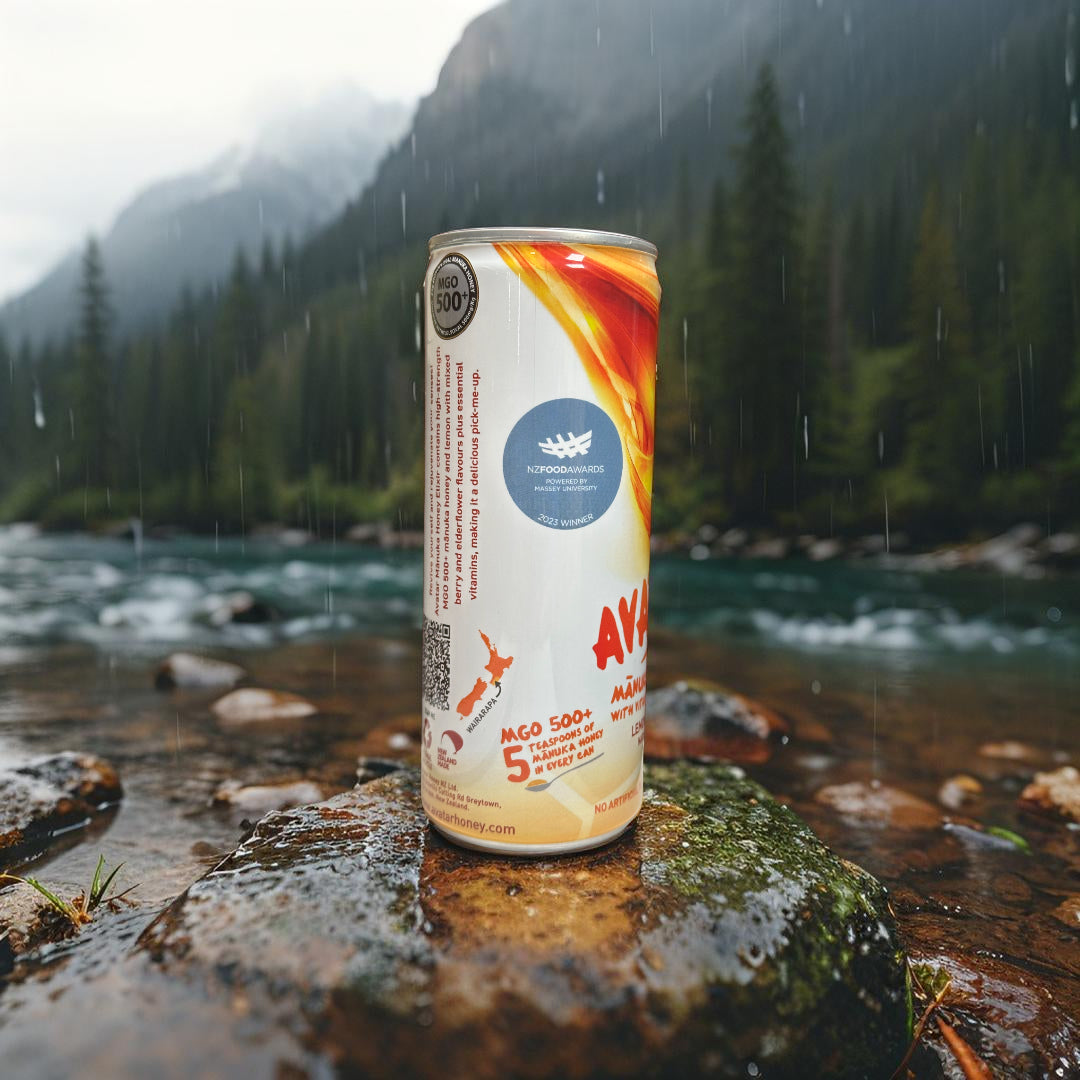
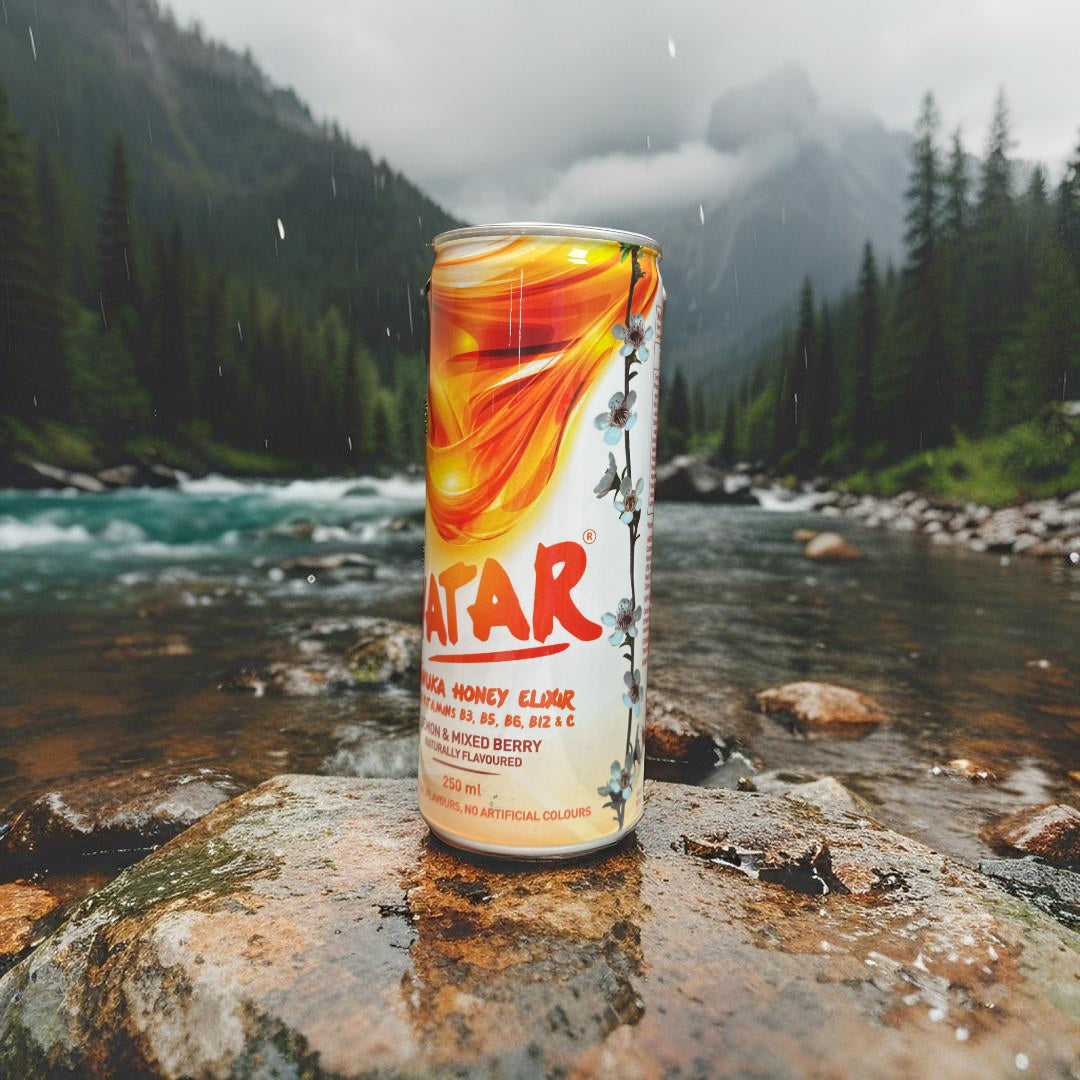
Avatar Elixir fits this decision as a premium, lightly carbonated Manuka honey drink for adults who want an ingredient-led alternative to ordinary energy drinks, soft drinks, or another coffee. It brings together certified MGO500+ Manuka honey, lemon, elderflower, B vitamins, vitamin C, clean caffeine, and sparkling water in a format designed for real drinking occasions.
The useful way to consider Avatar Elixir is not as a promise of performance, but as a cleaner beverage choice with a more considered flavour profile. The Manuka honey gives depth and roundness. Lemon brings brightness. Elderflower adds a floral lift. Light carbonation keeps it refreshing without turning the drink into a heavy, syrupy experience.
For adults comparing caffeine drinks, Avatar Elixir is an example of how caffeine can sit within a broader drinking experience. The can is not just about the caffeine number. It is also about taste, serving moment, sweetness source, carbonation, and whether the drink feels suitable for work, study, travel, social occasions, or gifting.
If you are stocking up for home, office, or shared adult occasions, Avatar: Award Winning Elixir 12pk is a practical example of choosing a consistent clean energy drink format rather than making a one-off convenience-store decision each time. As with any caffeinated drink, the label should guide how it fits into your own routine.
When should adults choose a lower caffeine clean energy drink?
Adults should consider a lower caffeine clean energy drink when they are caffeine-sensitive, drinking it later in the day, already having coffee or tea, or looking for refreshment more than a strong energy-style experience. Lower caffeine can also make sense when the drink is part of a social occasion, travel day, or relaxed afternoon.
A lower caffeine choice may be the better fit when the drink is meant to replace a soft drink or sparkling beverage rather than a strong coffee. It can also suit people who enjoy the ritual of opening a can and sipping something cold without wanting the most intense option available.
Some adults should be especially careful with caffeine, including those who are pregnant, breastfeeding, particularly sensitive to caffeine, or managing health considerations. In those cases, it is sensible to follow qualified guidance and read labels carefully.
When might a higher caffeine drink make sense?
A higher caffeine drink may make sense for adults who knowingly prefer stronger caffeine and can place it appropriately within their overall day. Even then, the caffeine amount, serving size, and other caffeine sources should be checked before choosing it.
Higher caffeine is not automatically better for work, study, or long days. It may simply be more than the moment requires. If a drink is very strong, it becomes more important to consider timing, how quickly it will be consumed, and whether it is being combined with coffee or tea.
For many everyday routines, the more premium choice is not the most powerful drink. It is the drink with a caffeine level, flavour, and format that feel balanced enough to use more intentionally.
What is the simplest way to choose the right caffeine level?
The simplest way to choose the right caffeine level is to match the drink to the moment, then confirm the label supports that choice. Start with why you want the drink, then check caffeine per serving, serving size, sweetness, carbonation, and ingredients.
Use this quick decision filter:
- If you want a coffee replacement, compare the drink’s caffeine level with the coffee you would normally have.
- If you want an afternoon drink, consider a lighter or moderate caffeine level and pay attention to timing.
- If you want something for work or study, choose a drink that is easy to sip and clear on its label.
- If you want something for travel, think about portability, carbonation, sweetness, and how fast you are likely to drink it.
- If you want a social or premium adult drink, flavour and finish may matter as much as the caffeine number.
In short: a clean energy drink should not make you work hard to understand it. The caffeine amount should be visible, the serving should be clear, and the flavour should match the occasion. For many adults, that points toward a balanced, ingredient-led drink rather than the strongest can on the shelf.
These answers explain how adults can compare caffeine, serving size, sweetness, and sipping style when choosing cleaner energy drinks.
What caffeine level is sensible in a clean energy drink?
A sensible caffeine level in a clean energy drink is usually a light-to-moderate amount that fits the serving and occasion. The strongest option is not automatically the best choice for work, study, travel, or a long afternoon. A more practical comparison looks at caffeine per serving, total can size, sweetness, carbonation, and how quickly the drink is likely to be finished.
How do I compare caffeine in coffee, tea, and energy drinks?
Compare coffee, tea, and energy drinks by checking the caffeine amount in milligrams rather than relying on the drink category. Coffee is commonly treated as stronger, tea is usually lighter, and energy drinks vary widely from gentle to high-caffeine formats. The most useful label detail is whether the caffeine number applies to one serving, part of a can, or the full container.
Does serving size change how strong a clean energy drink feels?
Serving size changes how a clean energy drink feels because caffeine is experienced in the context of the whole drink. A smaller can with moderate caffeine and gentle carbonation often feels different from a larger, sweeter can with a similar caffeine number. If a container lists more than one serving, drinking the full can means the total caffeine intake is higher than the front label might suggest.
Why do carbonation and sweetness matter in an energy drink?
Carbonation and sweetness matter because they influence drinking pace, refreshment, and how heavy or sharp the drink feels. A lightly carbonated drink is usually easier to sip slowly, while a sweeter or more intensely fizzy drink is often consumed more quickly. For adults choosing a cleaner energy drink, flavour balance matters alongside caffeine level because it shapes the real drinking occasion.
How should I read a clean energy drink label?
Read a clean energy drink label by checking caffeine per serving, servings per container, sweeteners, key ingredients, and the drink's intended style. Words like clean, natural, functional, or focus do not replace the label facts. A good label check shows whether the drink suits a workday, study session, road trip, social setting, or everyday refreshment.
When does a lightly carbonated Manuka honey drink fit best?
A lightly carbonated Manuka honey drink fits best when an adult wants a premium, refreshing alternative to ordinary energy drinks, soft drinks, or another coffee. Avatar Elixir, for example, combines certified MGO500+ Manuka honey with lemon, elderflower, B vitamins, vitamin C, clean caffeine, and lightly carbonated water. It is suited to sipping during adult routines such as work, study, travel, social occasions, mixers, mocktails, and gifting.
What should I choose after reading the caffeine label?
After reading the caffeine label, choose the drink that matches the moment rather than the biggest caffeine number. For a long day or shared fridge, a balanced option such as Avatar Elixir or Avatar: Award Winning Elixir 12pk makes sense when you want a premium New Zealand Manuka honey drink with clean caffeine and a more ingredient-led feel. The best choice is the one that suits your usual caffeine habits, flavour preference, and drinking pace.