


A useful energy drink review separates four things: taste preferences, verifiable product facts, commercial relationships and personal reactions. It should help you decide whether a drink suits your tastes and buying priorities, rather than simply persuade you that the reviewer enjoyed it.
Enthusiasm is welcome. A lively first-sip video can be entertaining and informative. The useful part is the detail behind the reaction: what the reviewer noticed, what they checked and what their experience cannot tell you.
What makes a flavour description useful?
A useful flavour description gives you something to compare with your own preferences. Citrus character, floral notes, sweetness, carbonation and aftertaste tell you more than a score or a declaration that a drink is the best.
Consider this short hypothetical comparison. These descriptions are illustrative, not customer quotes or tasting notes for Avatar Elixir or any other particular drink:
- Vague praise: The best energy drink. Absolutely delicious.
- Specific description: Citrus comes through first, followed by a light floral note, moderate sweetness and gentle fizz. The sweetness lingers after a sip.
The second description is not more enthusiastic, but it is more useful. If you enjoy floral drinks, that detail may appeal. If you prefer a sharp finish with little lingering sweetness, you have a reason to look more closely.
A description like this is still subjective. Its value is that you can interpret it. Serving details help too: was the drink chilled, poured over ice or mixed with something else? A first-sip video can offer a clear account of an initial impression without being a complete assessment of the drink.
If you want to explore how to notice and describe those details yourself, our first-sip guide is a natural next read.
Which review details should match the label?
Check measurable claims against the label for the exact product and flavour being discussed. A reviewer’s impression can tell you how sweet a drink seems to them; the nutrition information tells you its declared sugar content. Those are different kinds of information.
The most useful checks are:
- Can size and serving size: Does a quoted amount apply to the whole can, one serving or 100 ml?
- Caffeine: Does the review state a quantity and its basis, rather than relying on words such as light or strong?
- Ingredients and nutrition: Are statements about honey, sweeteners, vitamins or sugar consistent with the label?
- Product version: Is the reviewer discussing the same flavour and formulation you are considering?
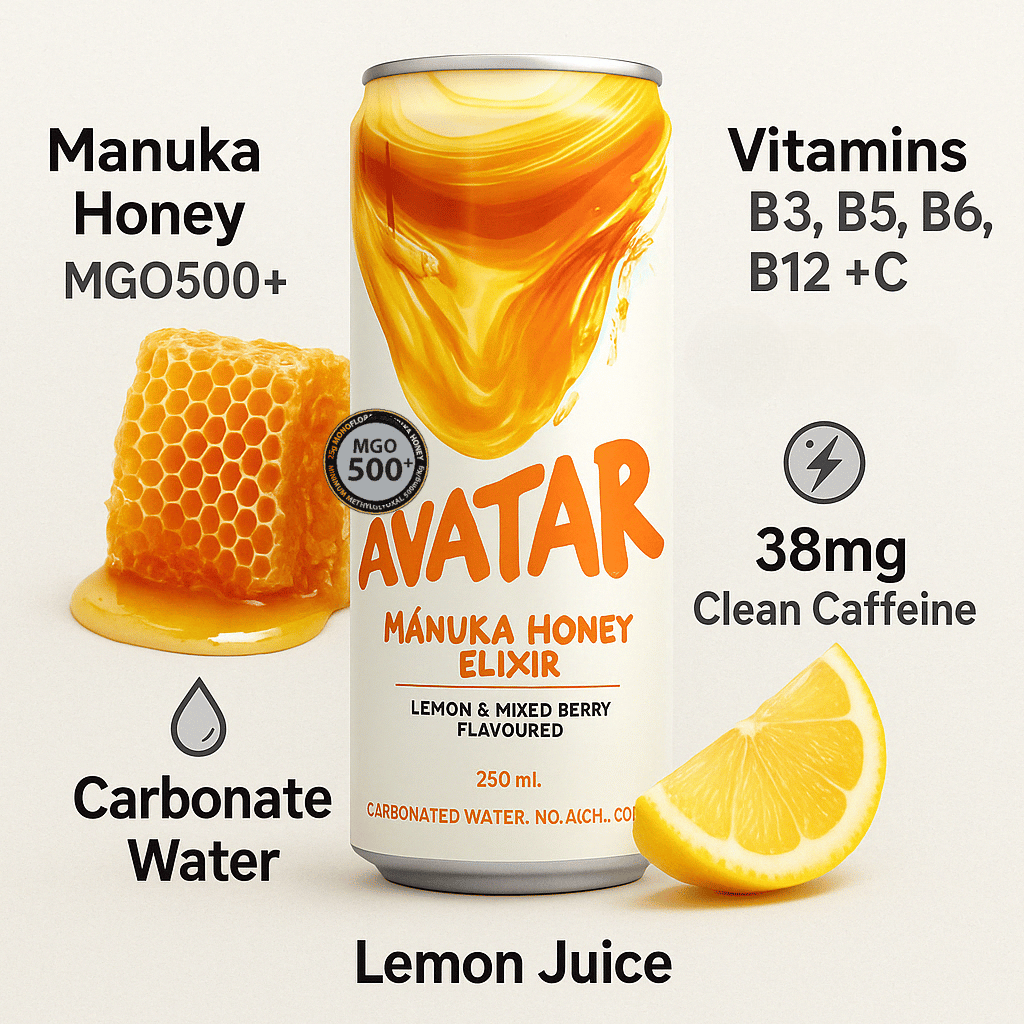
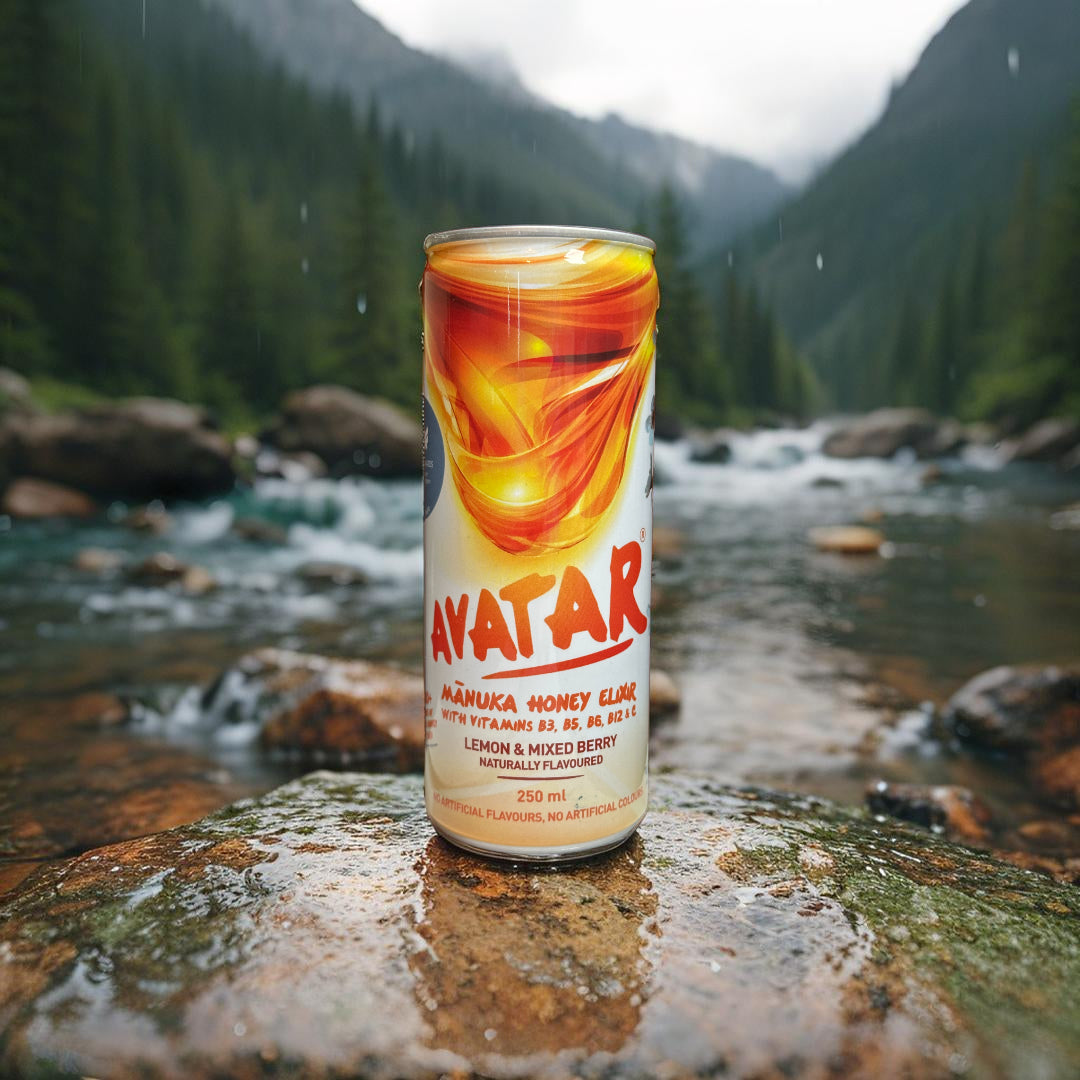
For example, Avatar Elixir is sold in a 250 ml can and contains Mānuka honey, lemon, elderflower, B vitamins, vitamin C and caffeine. Those are product facts. Whether its flavour balance suits you is a preference. The presence of lemon or elderflower alone does not tell you how prominently a reviewer will perceive either ingredient.
Likewise, honey in an ingredient list does not establish a drink’s total sugar content. Use the nutrition panel for that question. If a review does not provide a caffeine amount, check the label or ask the maker rather than estimating it from the drink’s positioning.
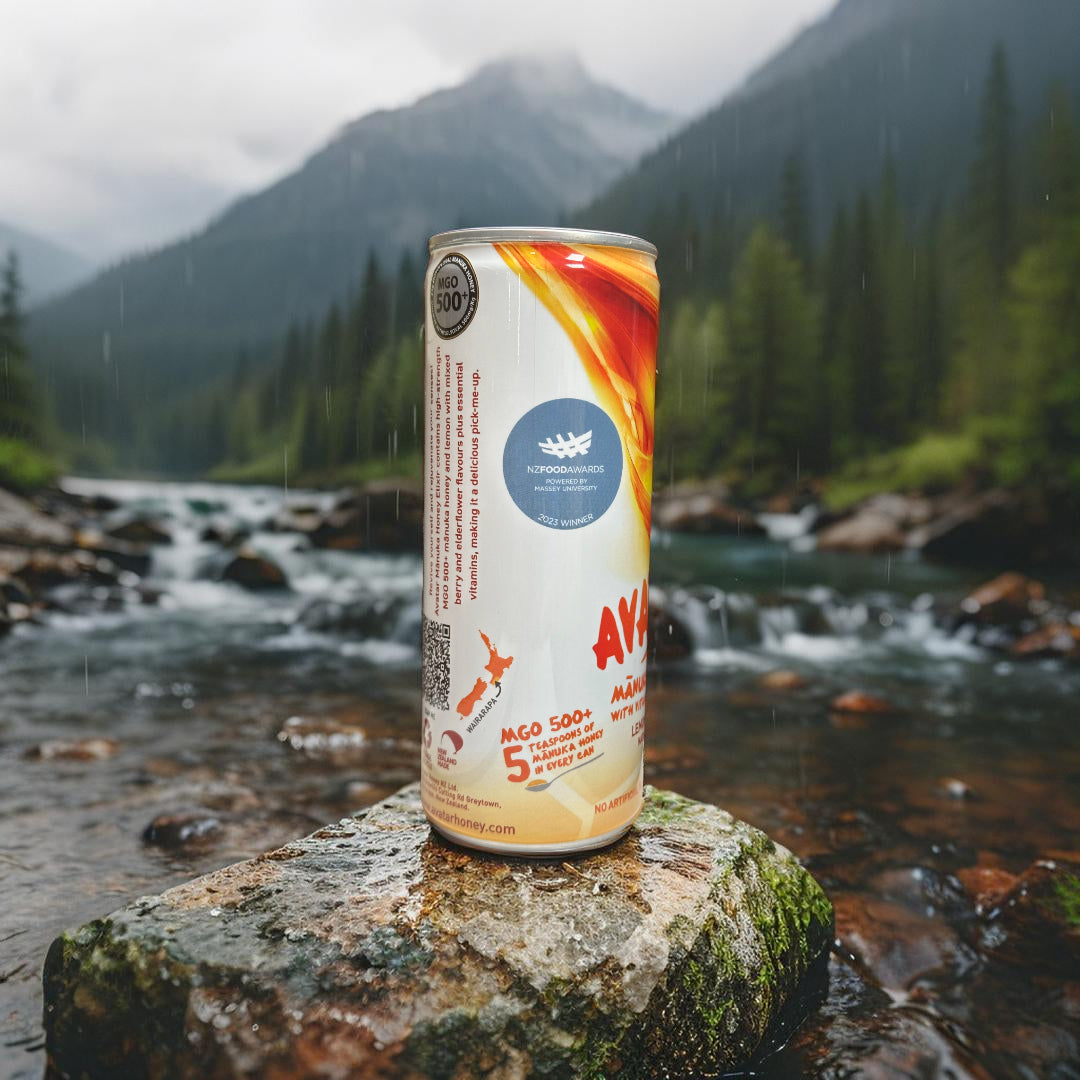
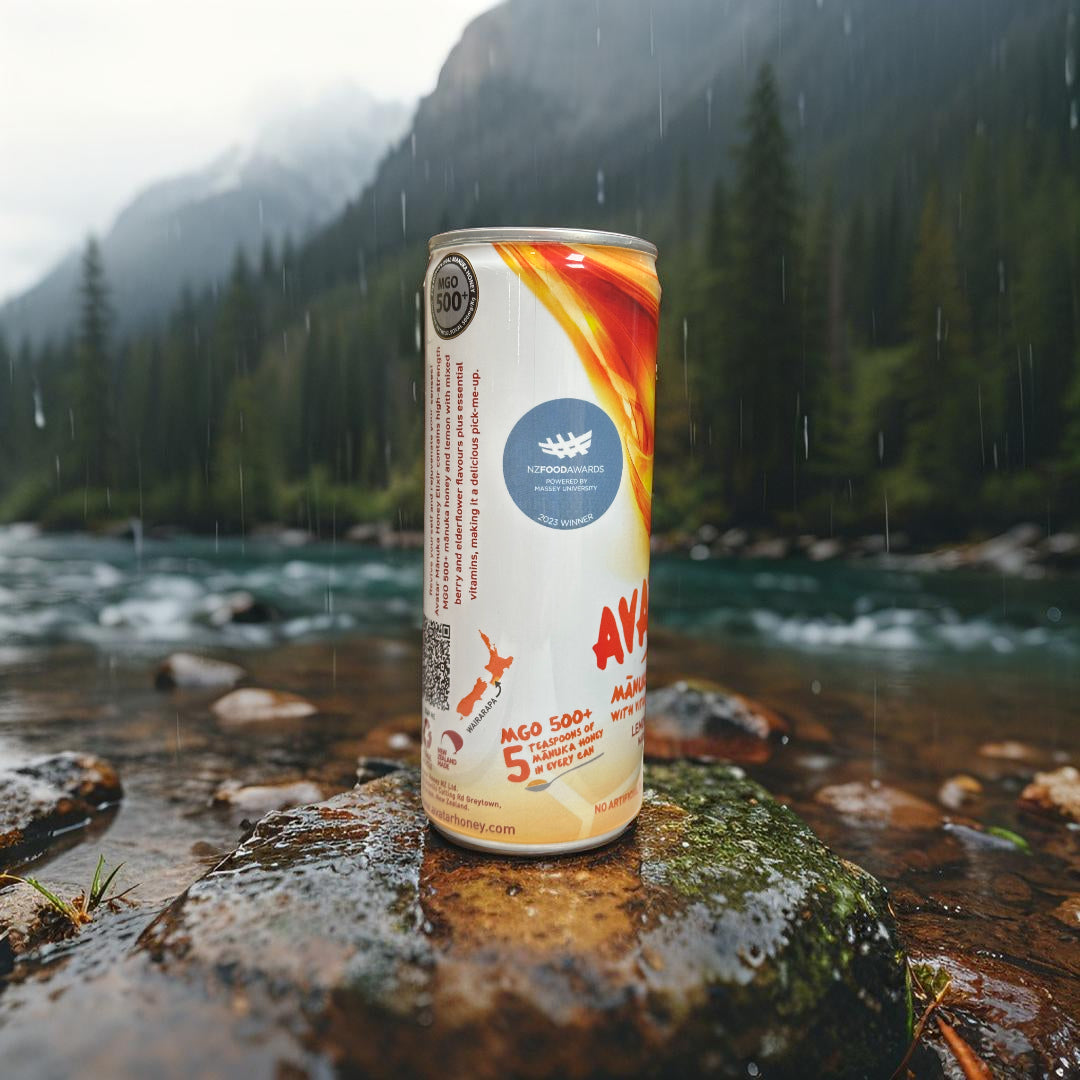
Awards also belong in the factual category when named precisely. Avatar Mānuka Honey Elixir, Lemon & Mixed Berry Flavoured, won the Beverage Award at the 2023 New Zealand Food Awards. That recognition does not settle your personal taste preferences. Our beverage-awards explainer offers a companion read when an award badge is part of your decision.
Does sponsorship make a review less useful?
A commercial relationship does not automatically make a review unhelpful. Clear disclosure lets you understand the circumstances and assess the review on its detail, accuracy and usefulness.
Look for a straightforward explanation of whether the reviewer bought the drink, received it as a gift, was paid to create the content or earns commission from purchases. Receiving a free sample and receiving payment are different arrangements, so a specific disclosure is more informative than a vague thank-you.
You can still learn from sponsored content that describes flavour carefully and reports label facts accurately. Equally, an unpaid review can be too vague to help. If the relationship is unclear, treat independence as unknown rather than assuming either sponsorship or impartiality.
Can someone else’s focus or lack of jitters predict your response?
No. One person’s report of better focus or no jitters cannot reliably predict how you will respond. It is an account of their experience, not a promise about yours.
People differ in caffeine sensitivity and usual caffeine intake. The amount consumed, other caffeine that day, sleep and circumstances can also differ. A reviewer may sincerely associate a drink with a productive afternoon without establishing that the drink caused it.
The distinction matters even when the language sounds reassuring. Reporting that they did not notice jitters on one occasion is narrower than claiming a drink cannot cause jitters. Neither a first-sip reaction nor an enthusiastic testimonial establishes a guaranteed focus, performance or health outcome.
Scientific language should have an identifiable basis if it is being used to support an effects claim. A reference to science, without an explanation or relevant evidence, is not enough to evaluate that claim. Flavour opinions do not need clinical proof, but they should not be used as proof of physiological effects.
What makes a ranking or comparison worth using?
A useful ranking explains what is being ranked and how. Best for someone who wants gentle carbonation may be quite different from best for someone prioritising price, a particular ingredient or a less sweet taste.
Look for the comparison set and criteria. A reviewer’s favourite among three drinks they tried is a narrower judgment than the best energy drink overall. Both can be expressed honestly, but the first tells you the scope.
Fair comparisons also use a consistent basis. If value matters, check whether prices refer to individual cans or multipacks and whether can sizes differ. If caffeine or sugar matters, compare the same units, while keeping the amount in a whole can visible. For taste comparisons, knowing how each drink was served helps you interpret the result.
Before buying, identify what matters most to you, then look for review details that answer those priorities. A calm description from someone whose preferences differ from yours can be more useful than glowing praise from someone who gives you nothing specific to work with.
The most useful review is not necessarily the most positive one. It is the one that leaves you knowing what is factual, what is personal and what you still need to check.
These follow-ups help you handle conflicting opinions, older reviews and missing label details before choosing a drink.
How should I choose when two reviewers disagree about flavour?
Compare their descriptions and usual preferences rather than deciding which reviewer is right. One person may enjoy lingering sweetness while another prefers a sharper finish. Check whether they tried the same flavour and served it similarly. Agreement on specific details, such as floral character or gentle fizz, can still help you choose even when their overall ratings differ.
Is an older energy drink review still worth reading?
Yes, provided it discusses the same product version you are considering. Check the flavour, can size and ingredient information against the current label. If those details differ, the review may describe a different formulation. Its tasting impressions can offer context, but should not replace the label for caffeine, sugar or serving information.
What should I do if a review leaves out caffeine quantities?
Check the product label or ask the maker for the caffeine amount and whether it applies per serving, per 100 ml or per whole can. Descriptions such as light, gentle or strong do not establish a quantity. Keep the whole-can amount visible when comparing drinks, particularly when their can sizes differ.