



Short answer: If you have finished only half an energy drink, refrigerate it promptly, keep it covered, and follow any opened-storage instructions on the label. There is no single safe fridge deadline for every energy drink because formulations, packaging, handling, and manufacturer guidance differ. Refrigeration slows deterioration, but it does not reverse contamination or guarantee that an older drink is safe.
You open a can, take a few sips, and decide you have had enough for now. Putting the rest in the fridge is better than leaving it on the bench, but both safety and drink quality depend on what happened before refrigeration. How long the can sat out, whether you drank directly from it, how it was covered, and what the label says all matter.
How should you decide whether to keep or discard an opened energy drink?
Check the label first, then consider time, temperature, handling, and visible changes. If the manufacturer provides instructions for refrigeration or use after opening, follow those instructions rather than applying a general deadline.
| Situation | What to consider | Practical decision |
|---|---|---|
| Opened recently and refrigerated promptly | The drink was not left warm for an extended period, and the label does not prohibit storage after opening. | Cover it or transfer it to a clean, sealed container. Use it within the manufacturer’s opened-storage guidance. |
| Refrigerated overnight | The drink may have lost carbonation and aroma, even if it has remained cold. | Check the label and inspect it before drinking. Expect a flatter, less fresh taste. |
| Stored for an unknown length of time | You cannot confirm when it was opened, whether it stayed cold, or who drank from it. | Discarding it is the prudent choice. |
| Left at room temperature or in a warm car | Refrigerating it later does not undo earlier warming or contamination. | Follow the label. If the storage history is uncertain or the drink was warm longer than permitted, discard it. |
| Drunk directly from the can | Contact with the mouth can introduce saliva and microorganisms into the remaining drink. | Refrigerate promptly and avoid extended storage. Do not share the can. |
| Unusual smell, appearance, pressure, or flavour | Unexpected cloudiness, floating material, leakage, bulging, or an abnormal odour can indicate deterioration or contamination. | Do not taste it to investigate. Discard it. |
Is there a universal fridge limit for an opened energy drink?
No. A universal deadline would ignore differences in ingredients, acidity, preservatives, packaging, production methods, and manufacturer testing. The instructions printed on the can or packaging are the most relevant guidance for that particular drink.
An unopened best-before or expiry date does not automatically tell you how long the drink remains suitable after opening. Once the seal is broken, the contents are exposed to air, handling, and possible contamination. Any wording such as “refrigerate after opening” or “consume within” should take priority.
If the product does not provide after-opening instructions, refrigerate it promptly, keep it covered, and treat it as a drink intended for near-term consumption rather than long-term storage. When you cannot confirm how it was handled, replacing a partly finished can is safer than relying on guesswork.
Does refrigeration keep an opened energy drink safe?
Refrigeration helps by slowing microbial growth and many chemical changes, but it does not sterilise the drink. It cannot remove contamination introduced before the can entered the fridge, and it cannot make a drink safe again after unsuitable storage.
For refrigeration to be useful, the fridge must be operating properly and the drink should be chilled promptly after use. Repeatedly taking the can out, allowing it to warm, and returning it to the fridge creates less predictable storage conditions.
A cold drink can still be unsuitable. Temperature is only one part of the decision, alongside the label, storage history, container cleanliness, and signs of spoilage.
What happens to carbonation and flavour after the can is opened?
Carbonation starts escaping as soon as the seal is broken. Refrigeration can help slow the loss of dissolved gas, but an uncovered can will usually become flatter because its opening allows carbon dioxide to escape.
Aroma can fade or change as well. Citrus, floral, fruit, and botanical notes are often most noticeable when a drink is freshly opened. Exposure to air and other fridge odours may make the flavour seem muted, stale, or unbalanced.
This distinction matters because a flat drink is not necessarily unsafe. It may simply be past its best sensory condition. Conversely, a drink that still tastes sweet or appears fizzy is not automatically safe if it was mishandled. Carbonation, sweetness, caffeine, and refrigeration should not be used as proof of safety.
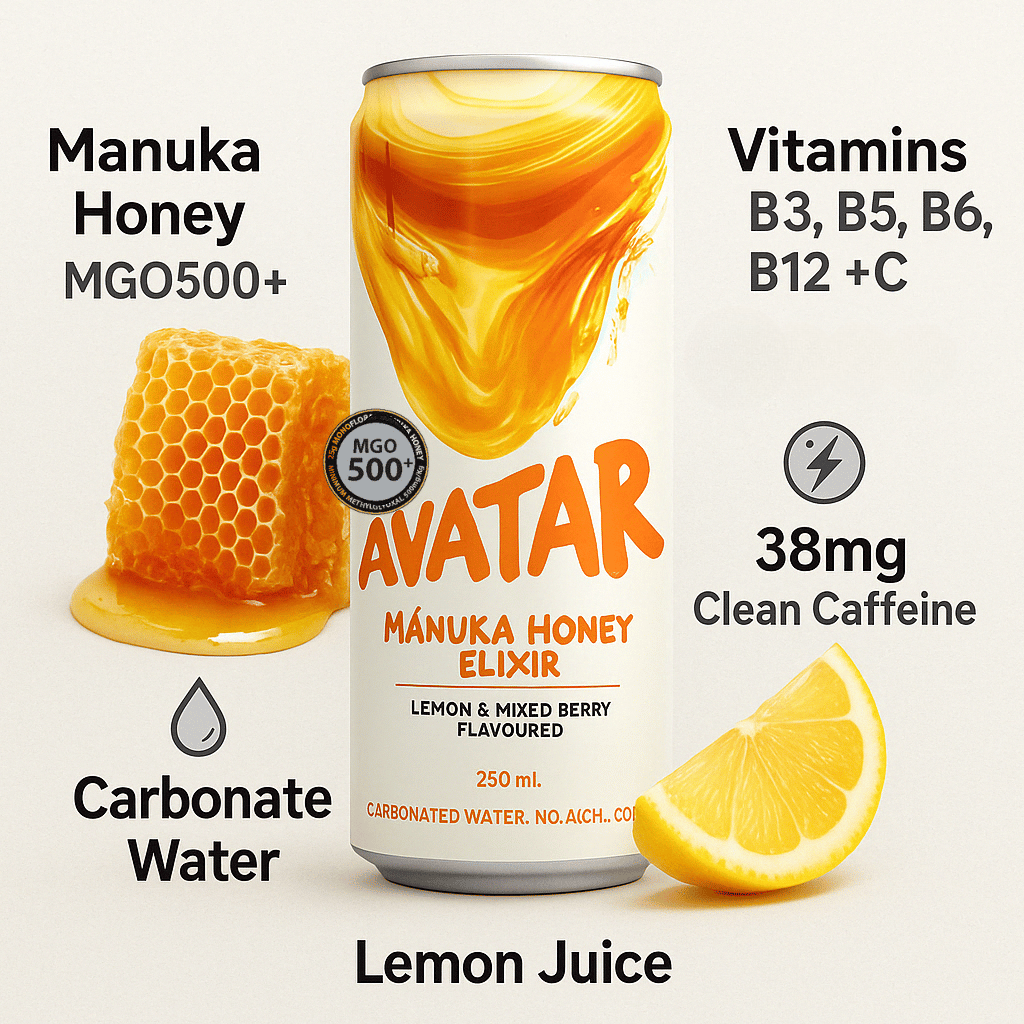
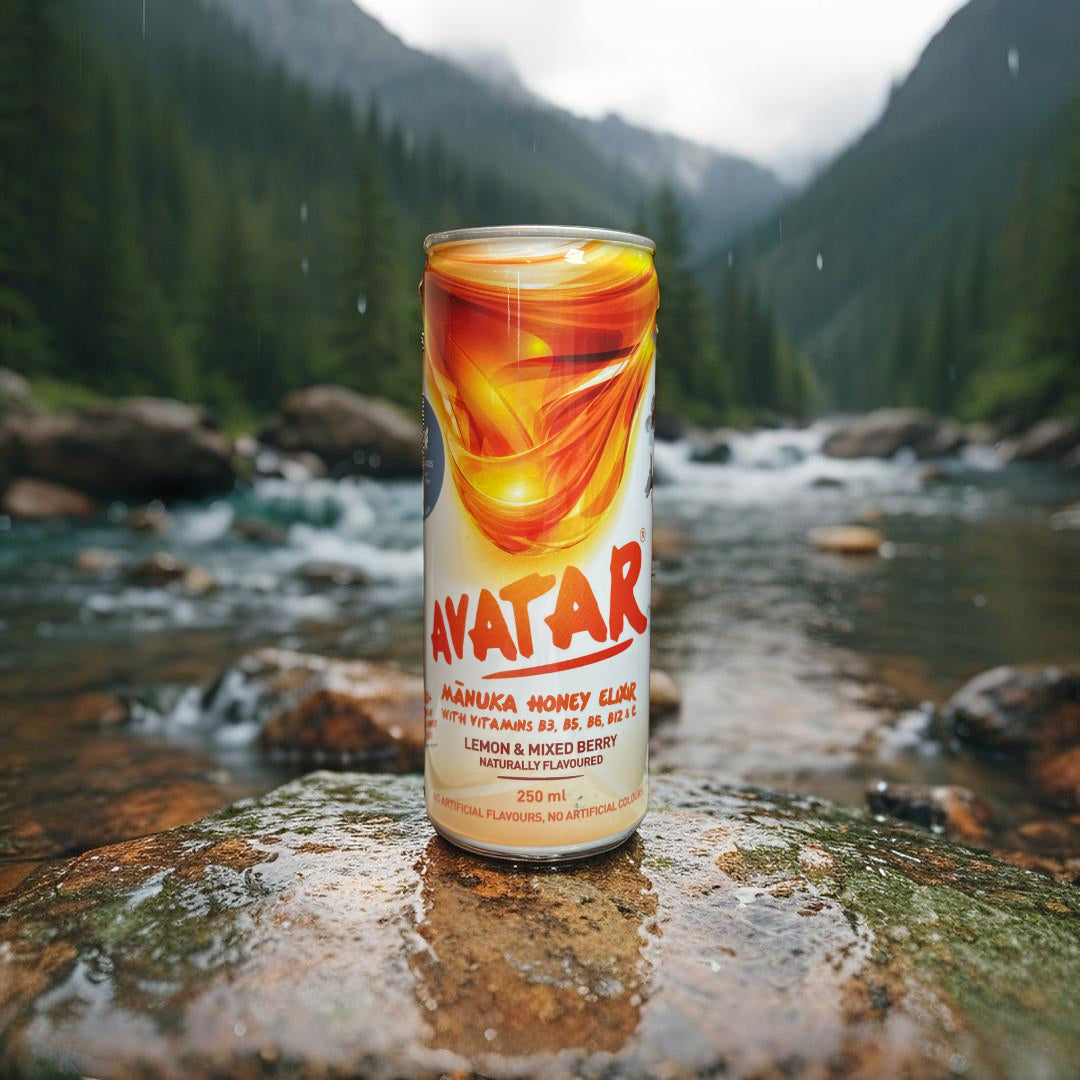
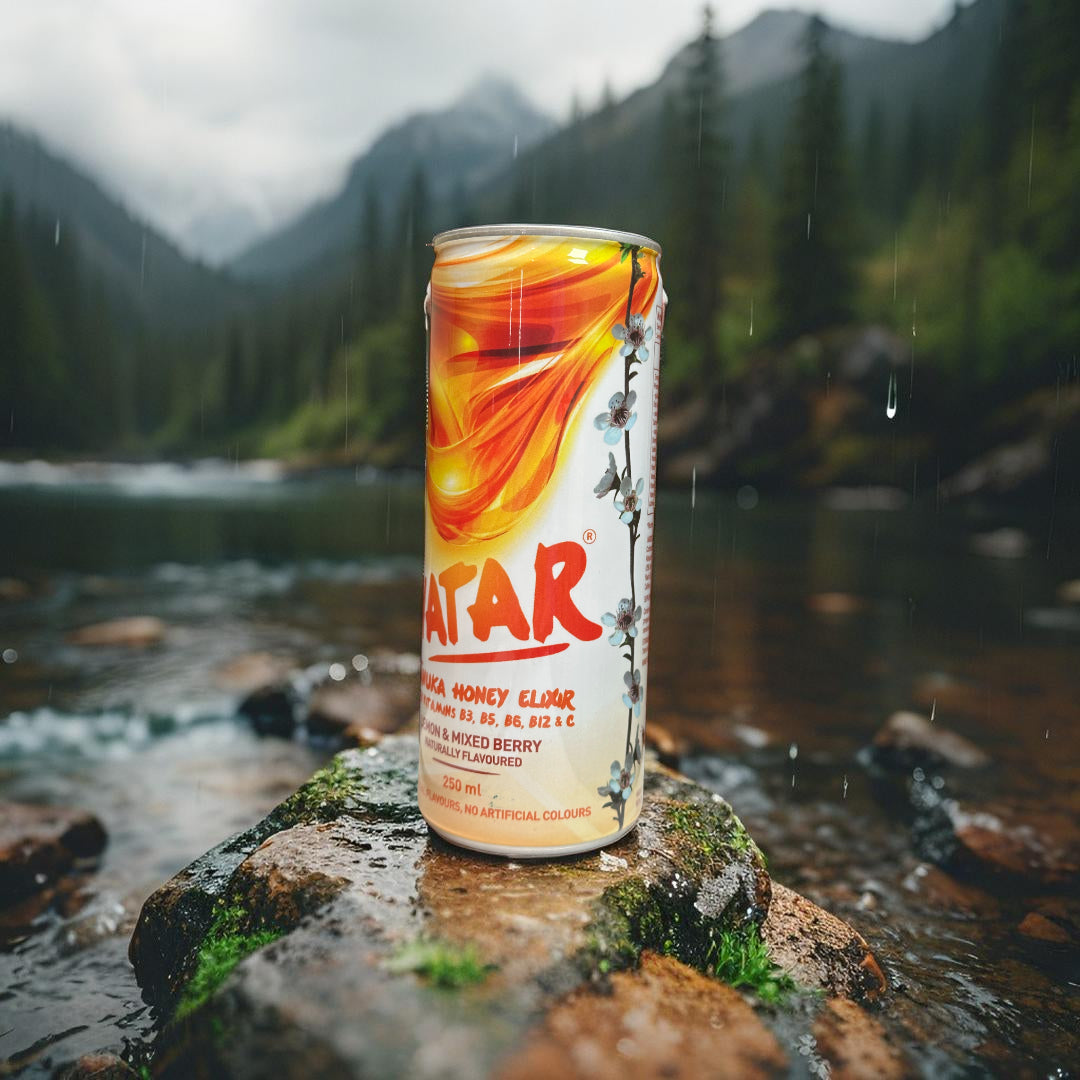
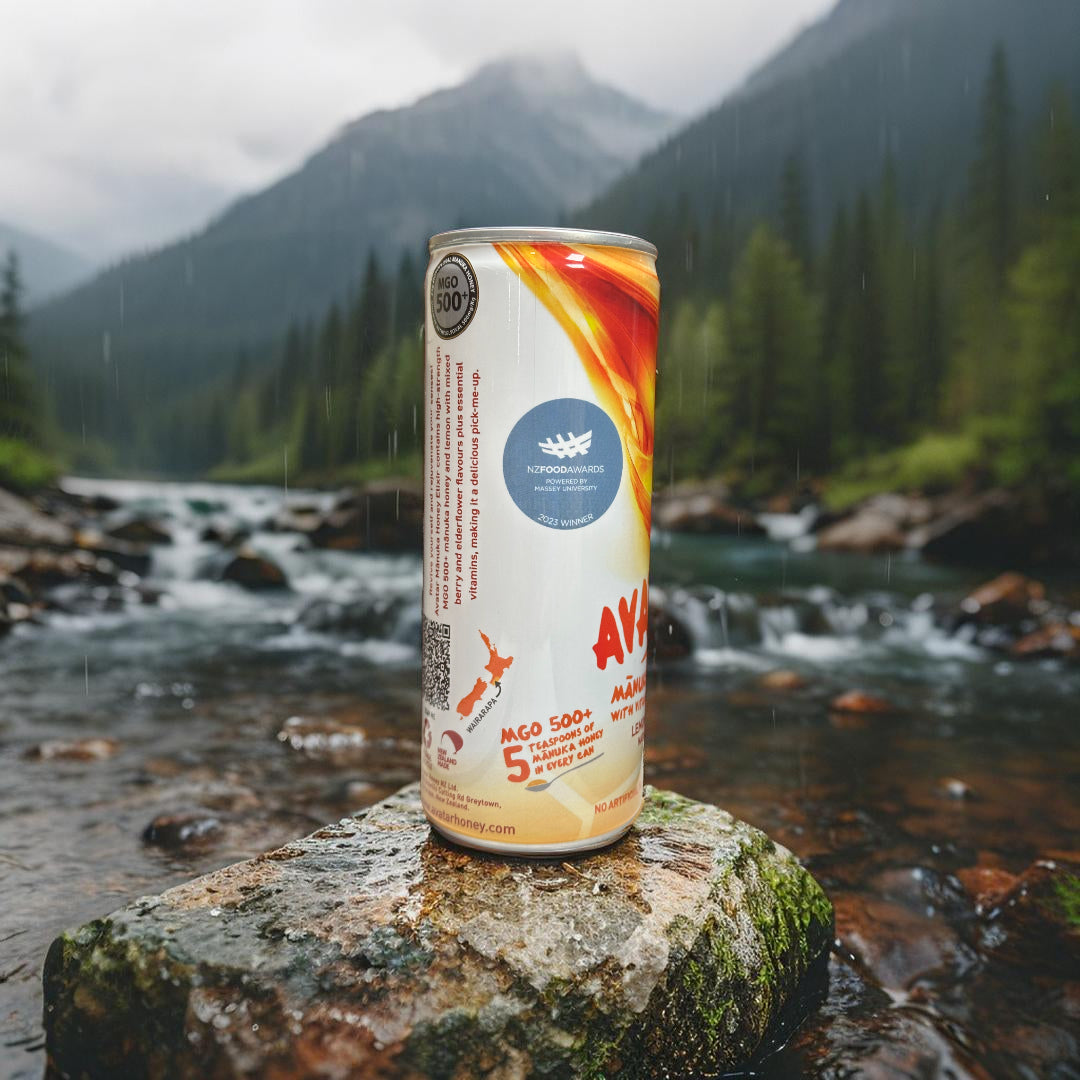
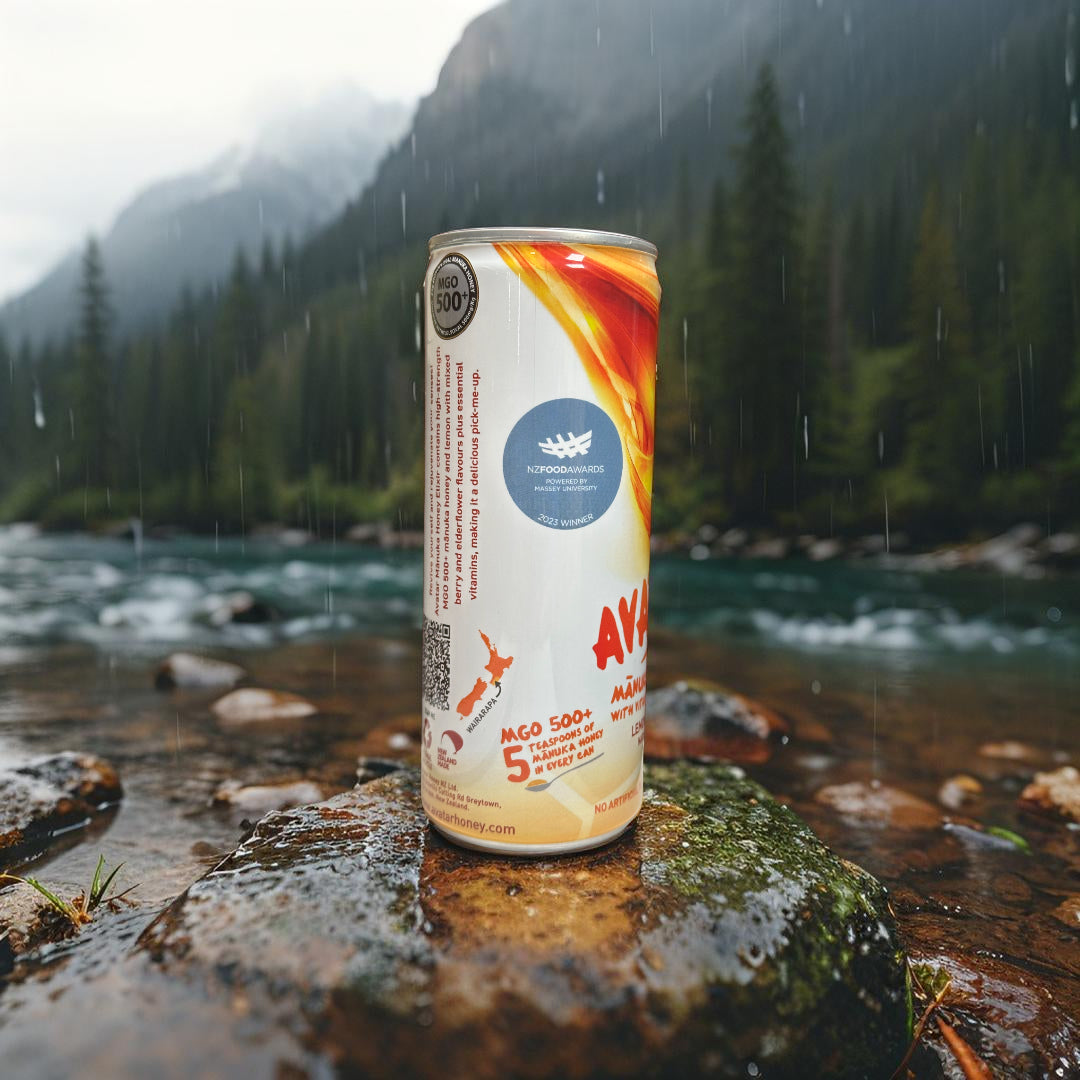
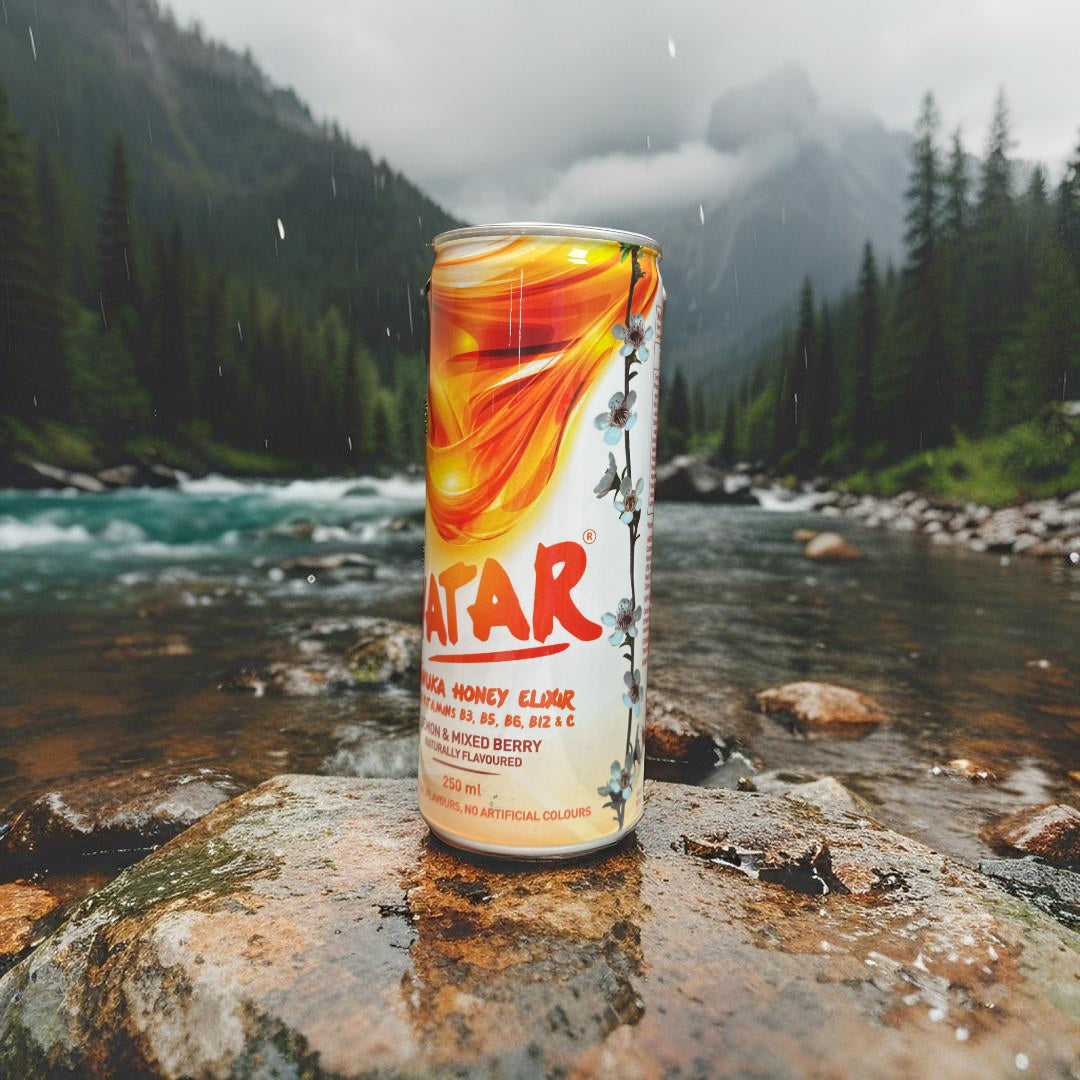
Avatar Elixir is a useful example. Its lightly carbonated profile and flavours of MGO500+ Manuka honey, lemon, and elderflower are intended to feel fresh and balanced. After opening, lost bubbles can make the honey seem more prominent while the citrus and elderflower aroma becomes less lively. Refrigeration may preserve some freshness, but it cannot restore the original sparkle once carbonation has escaped.
Does drinking directly from the can change how it should be stored?
Yes. Drinking directly from the can introduces contact with the mouth, which can transfer saliva and microorganisms into the remaining liquid. Refrigeration slows growth, but it does not remove what has already been introduced.
This does not mean every partly consumed can immediately becomes unsafe. It does mean that a sipped-from can should not be treated like a freshly opened drink that was poured without mouth contact. Avoid sharing it, refrigerate it promptly, and be more cautious about keeping it when the timing is uncertain.
If you expect to save part of a drink, pouring a serving into a clean glass before drinking reduces direct contact with the remaining contents. The rest can then be sealed and refrigerated without anyone drinking from the original container.
Should you leave the opened can in the fridge or transfer the drink?
A clean, food-safe container with a tight seal usually protects drink quality better than an uncovered can. It reduces exposure to fridge odours, airborne material, spills, and some carbonation loss.
- Use a clean container designed for food or beverages.
- Choose the smallest practical container to limit empty air space.
- Seal it tightly and refrigerate it promptly.
- Label it with the opening date or time if you may forget.
- Follow the original product’s after-opening instructions.
Transfer does not reset the storage clock. It also does not reverse warming, remove contamination from direct drinking, or make an old beverage safe. The container must be clean, and the drink’s earlier handling still counts.
Some sealed bottles are not designed to hold pressure from carbonated drinks. Use a suitable beverage container and avoid filling or handling it in a way that could create unexpected pressure.
What warning signs mean an opened energy drink should be discarded?
Discard the drink when its storage history is uncertain, the label instructions were not followed, or it shows unexpected changes. Do not rely on tasting a questionable drink to decide whether it is safe.
- An unusual, sour, fermented, rotten, or otherwise abnormal smell
- Unexpected cloudiness, sediment, floating material, or colour change
- A leaking, swollen, damaged, or unusually pressurised container
- Visible mould or growth around the opening or in the drink
- Evidence that the can was shared or handled unsafely
- An unknown opening time or uncertain refrigeration history
Some beverages naturally contain pulp, extracts, honey, or sediment, so compare the appearance with what is normal for that product. If you are unsure whether a change is expected, check the label or ask the manufacturer rather than assuming it is harmless.
What is the safest practical approach to a half-finished can?
Read the label, refrigerate the drink promptly, cover it securely, and consume it within the manufacturer’s stated after-opening period. If no such period is given, keep it only for near-term use and discard it whenever its timing, handling, or condition is uncertain.
For the best drinking experience, opening a can when you expect to finish it is the simplest option. This protects the intended carbonation, aroma, and flavour while avoiding questions about direct contact and storage history. When saving the remainder is necessary, a clean sealed container can help preserve quality, but refrigeration remains a slowing measure rather than a safety reset.
These follow-ups clarify what resealing can and cannot do, and whether a properly stored remainder still suits mixed drinks.
Does transferring a sipped-from energy drink remove contamination?
No. Transferring the drink does not remove saliva or microorganisms already introduced through direct sipping. A clean, sealed container can protect the remainder from further exposure and quality loss, but its earlier storage and handling still count. Refrigerate it promptly, follow the label, and discard it if the timing or handling is uncertain.
Is a can cover enough to preserve carbonation?
A can cover may reduce exposure, but it will preserve carbonation only if it forms an appropriately tight seal. A clean, food-safe container suitable for carbonated beverages generally offers better protection from fridge odours and escaping gas than a loosely covered can. Neither option can restore bubbles that have already escaped.
Can refrigerated Avatar Elixir be used in a mocktail?
A refrigerated remainder can be used in a mocktail if it was chilled promptly, stored according to the label, and shows no warning signs. Expect less sparkle than from a freshly opened can. In Avatar Elixir, reduced carbonation may make the Manuka honey more noticeable while the lemon and elderflower aromas seem less lively.