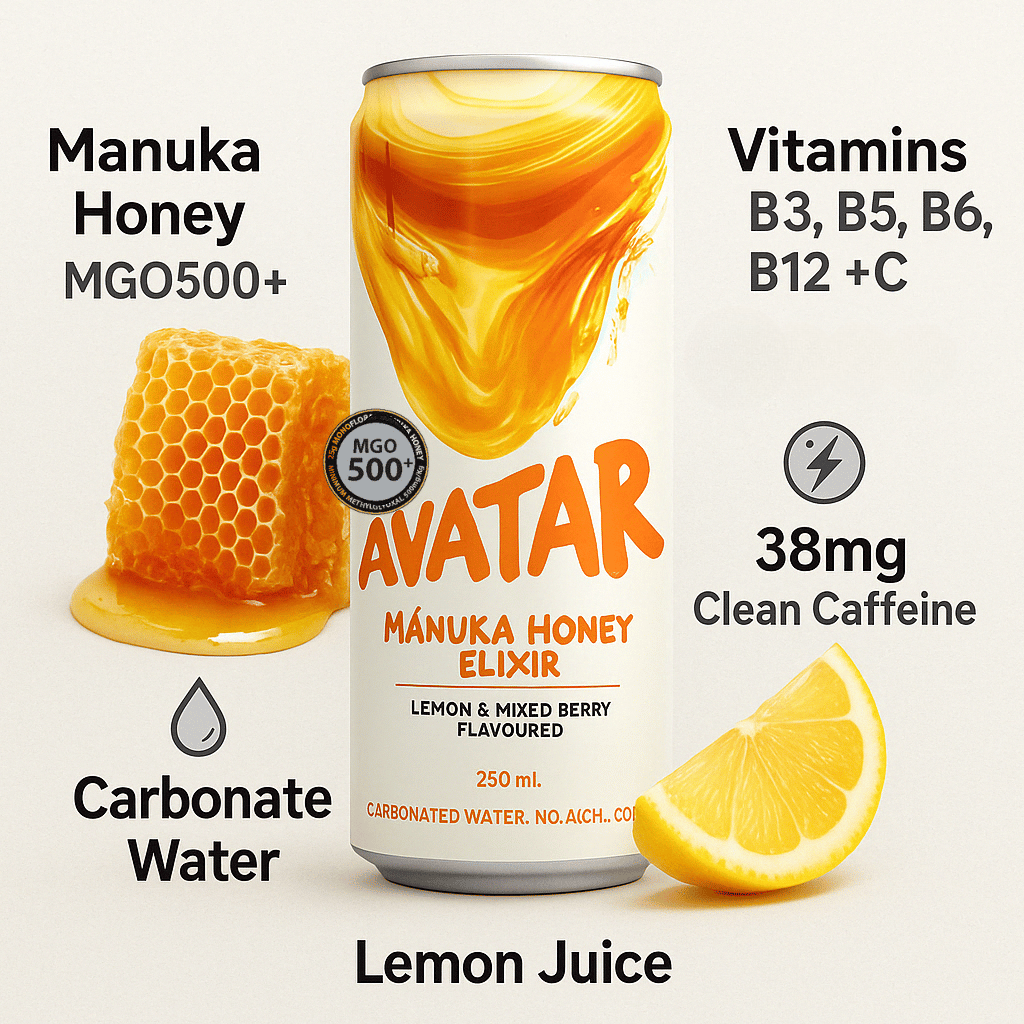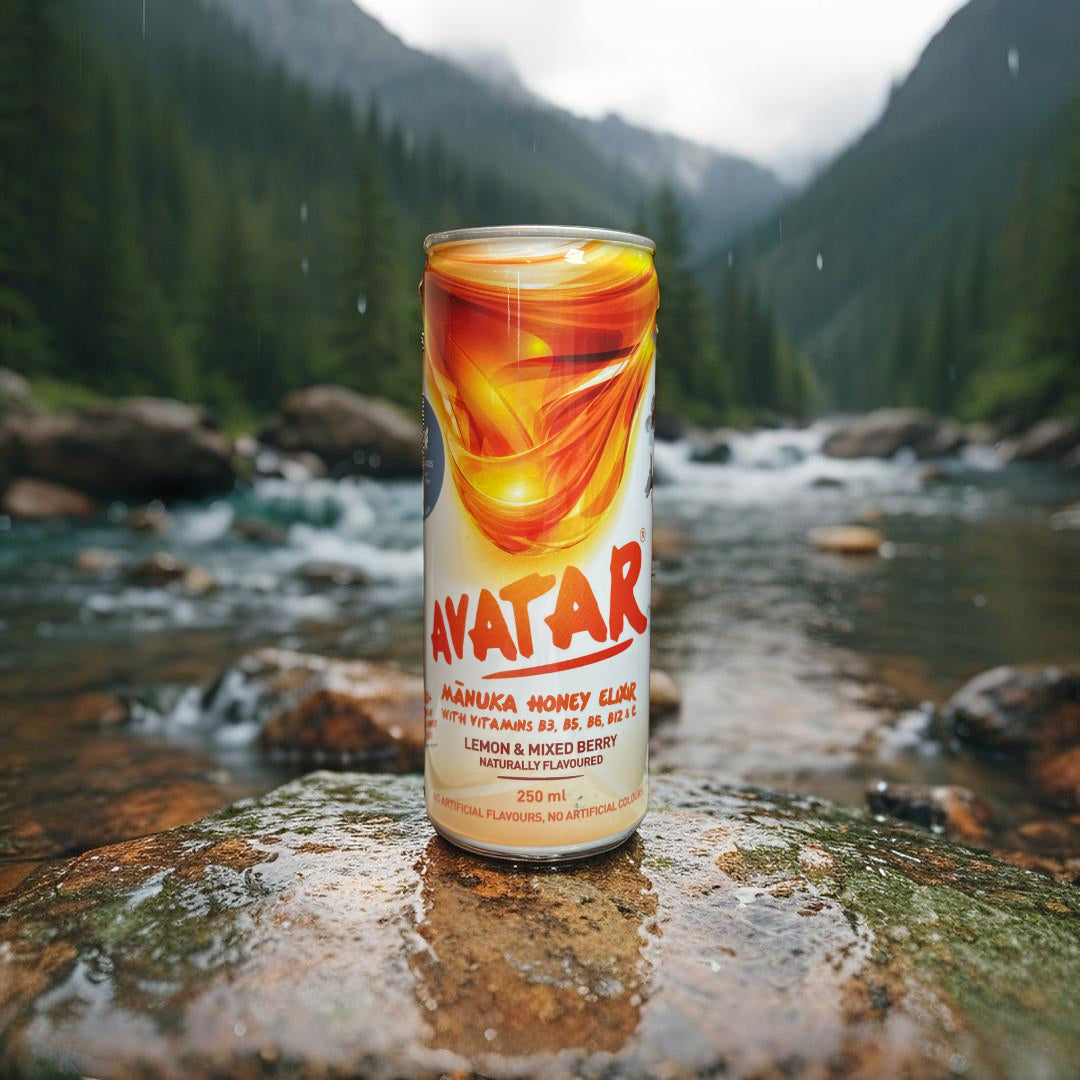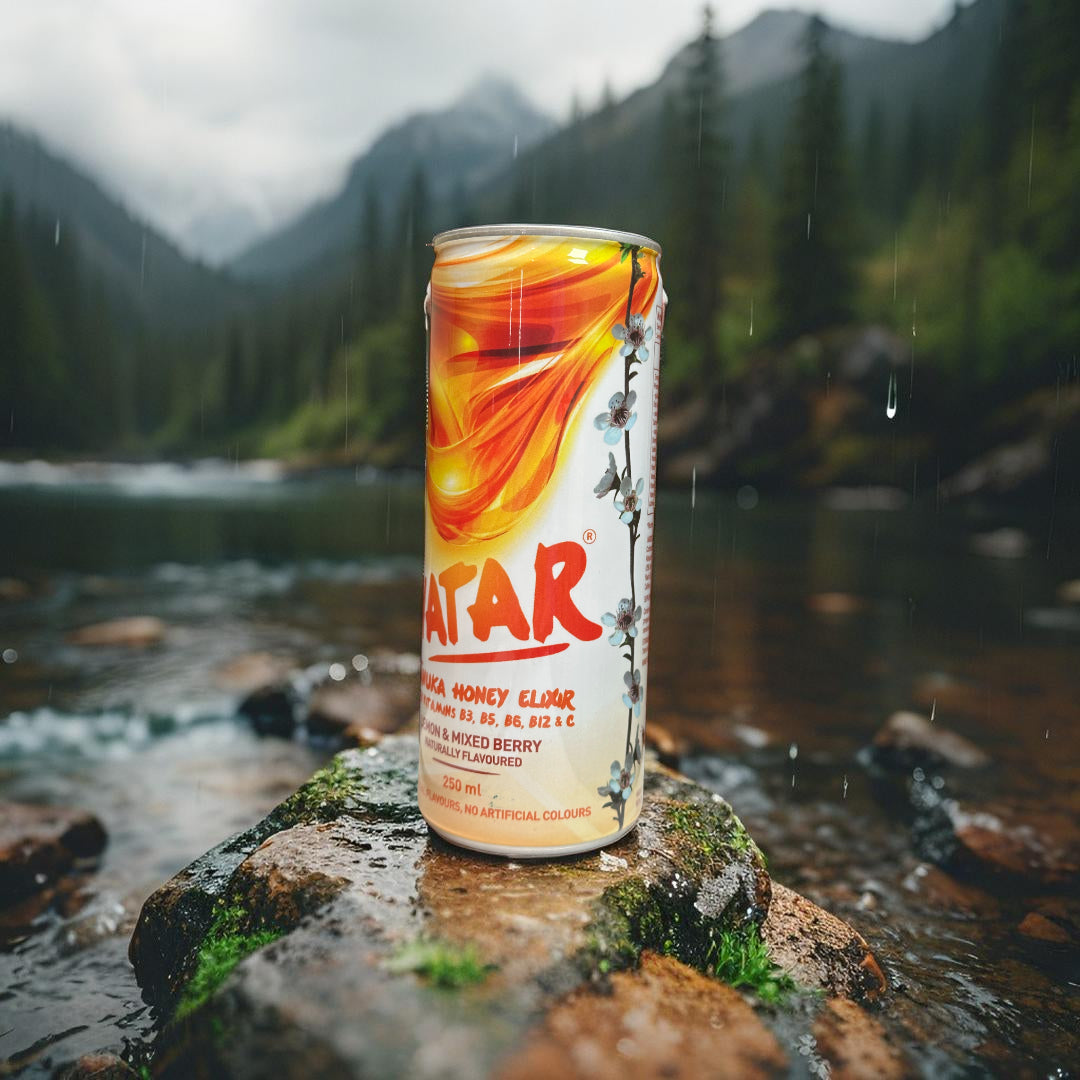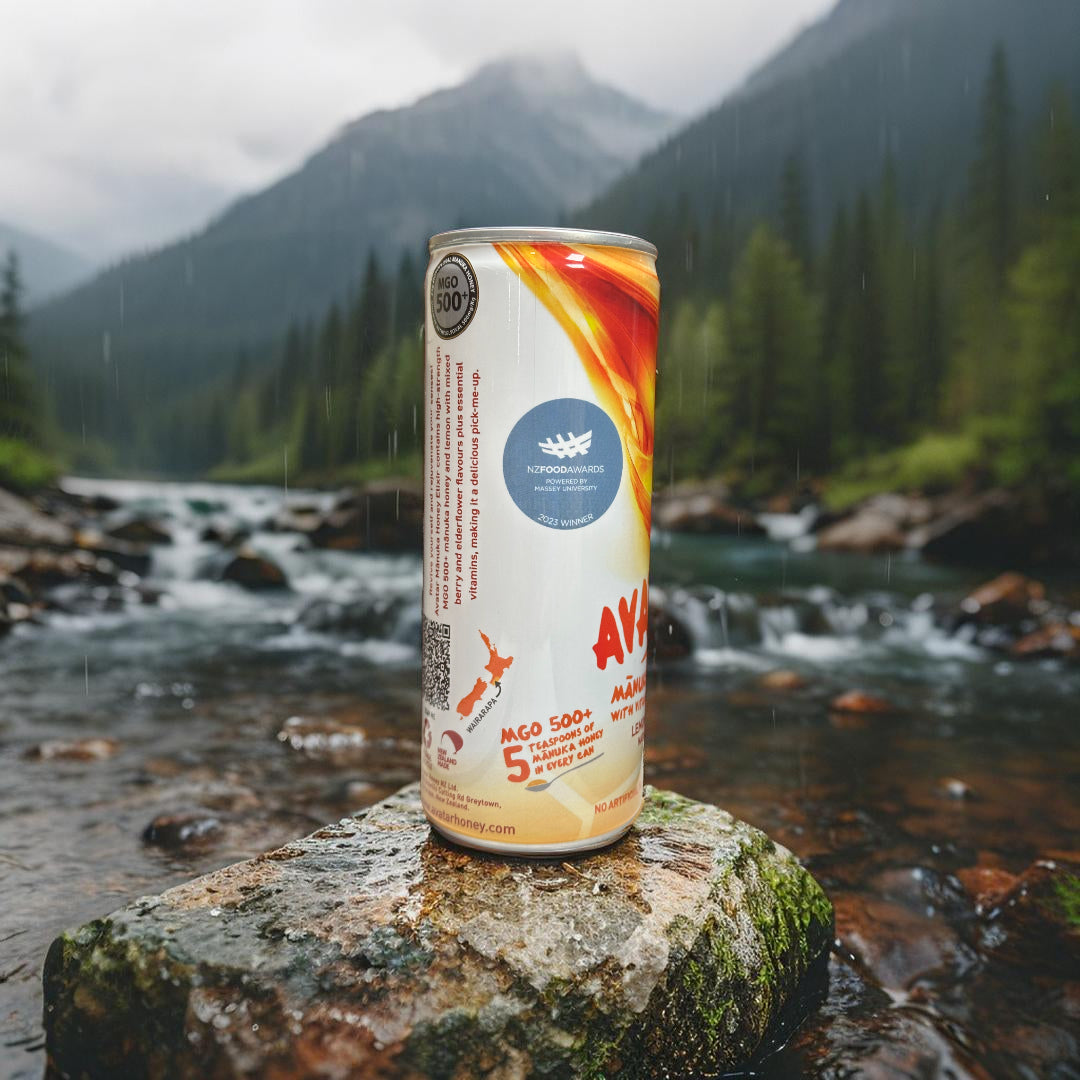



Quick answer: Taste a Manuka honey drink systematically by starting with a chilled can and clean glass, then observing its appearance, aroma, first sip, sweetness, acidity, carbonation, body, balance, and finish. Let a small amount warm slightly to check for aroma changes, and compare the drink from the glass with the same drink directly from the can.
You do not need specialist training or elaborate vocabulary. The aim is to slow down, assess one quality at a time, and record what you genuinely notice rather than searching for a “correct” tasting note.
What you need
- One properly chilled can of Avatar Elixir
- One clean, clear glass with no detergent or cupboard odours
- Plain water
- The tasting scorecard provided in this guide
- A quiet place without strong food, perfume, coffee, or cooking aromas
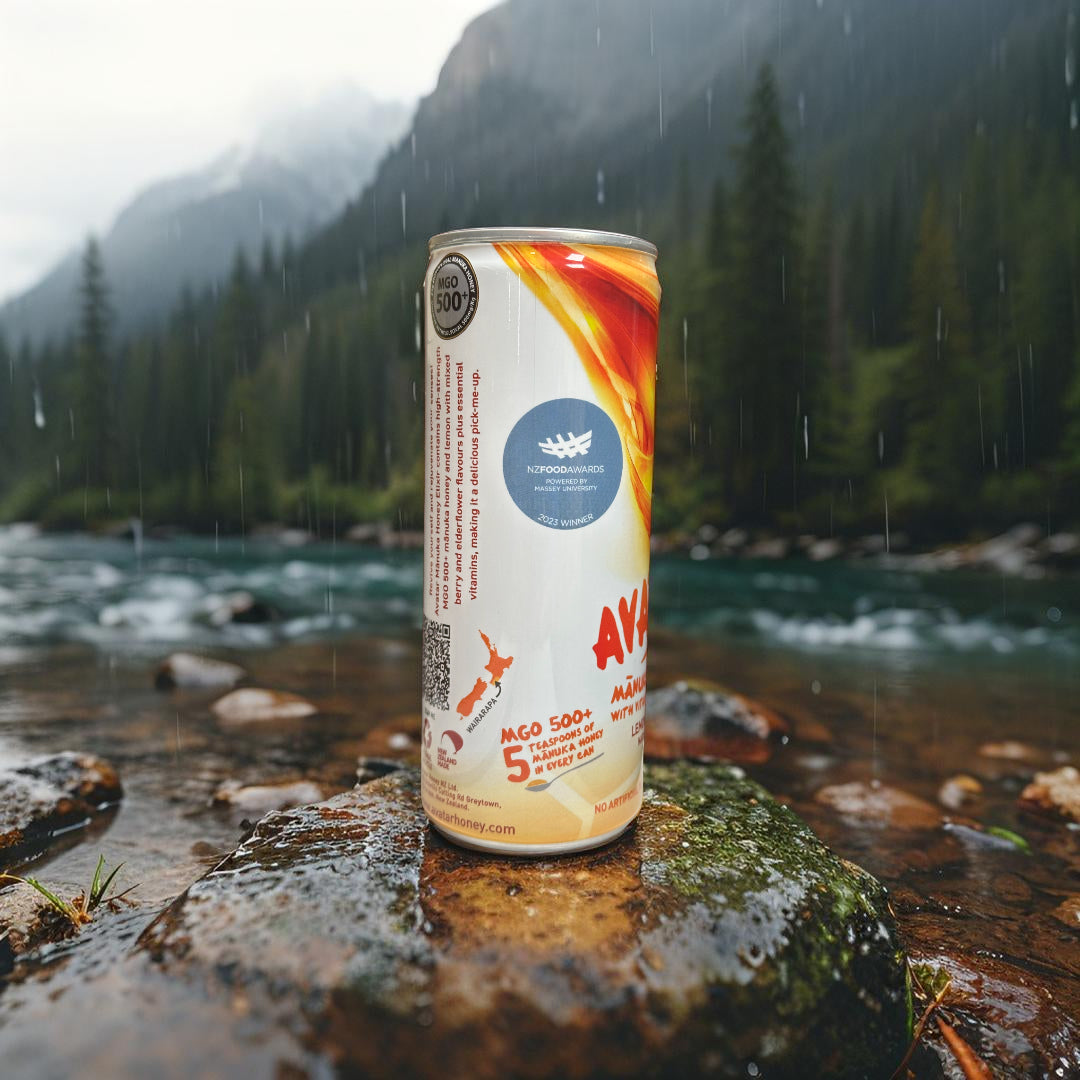
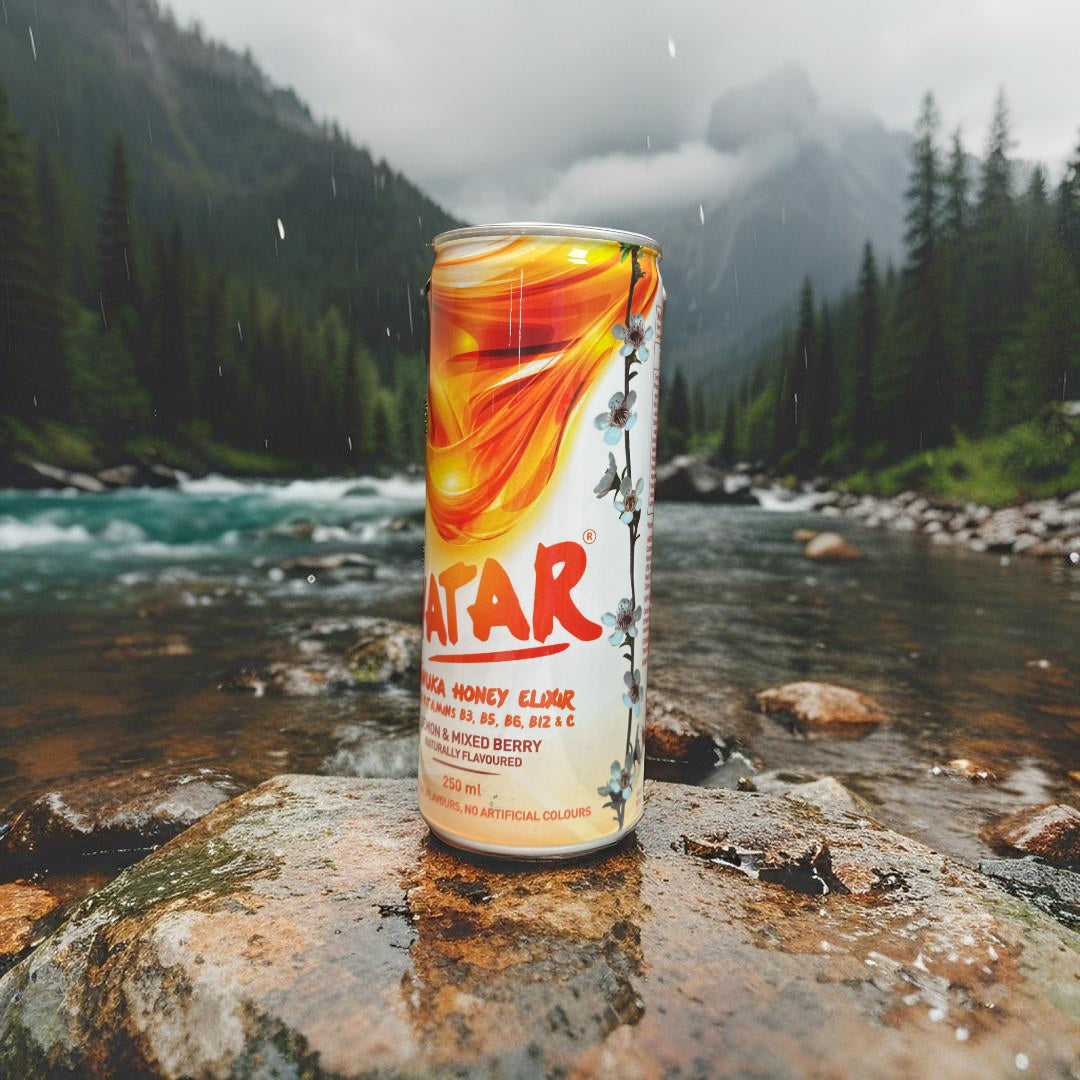
Avatar Elixir is a useful working example because its flavour structure includes certified MGO500+ Manuka honey, lemon, elderflower, and light carbonation. Your task is not to confirm predetermined notes. It is to observe how those ingredients present themselves to you.
How to taste a Manuka honey drink step by step
-
Prepare the drink and your palate
Start with a properly chilled can. Drink a little plain water, then wait until strong food or drink flavours have cleared from your mouth.
Avoid tasting immediately after coffee, chewing gum, spicy food, or toothpaste. These can make delicate honey, citrus, and floral qualities harder to distinguish.
-
Pour a small serving into a clean glass
Open the can and pour slowly, leaving some drink in the can for the comparison exercise. Hold the glass at a slight angle if you want to limit the initial foam.
Do not swirl vigorously. Heavy agitation can release carbonation quickly and make it harder to assess the drink in its normal sparkling state.
-
Examine the appearance
Hold the glass against a plain, light background. Note the colour, clarity, bubbles, and any foam that forms after pouring.
Use neutral descriptions such as pale, golden, clear, slightly cloudy, fine bubbles, or brief foam only when they match what is in your glass. Appearance can vary between drinks, so record the observation without treating it as a quality verdict on its own.
-
Smell it cold, then let it warm slightly
Bring the glass near your nose and take two or three short, gentle sniffs. Look for broad aroma families first, such as honeyed, citrus, floral, fresh, sweet, or subtle.
Set the glass down for a few minutes and smell it again after it has warmed slightly. A warmer sample may make some aromas easier to notice, while a colder one may seem tighter or more restrained. There is no need to target a specific temperature. Simply compare the two impressions.
With Avatar Elixir, Manuka honey, lemon, and elderflower provide useful reference points, but do not force yourself to detect all three. Write down only what you can observe.
-
Take a small first sip
Take enough to cover your tongue, then swallow normally. Record the immediate impression before analysing individual elements.
Ask whether the opening feels bright, soft, lively, rounded, delicate, or pronounced. This first response captures how the drink presents itself before your palate becomes familiar with it.
-
Assess sweetness and acidity separately
Take another sip and focus first on sweetness. Notice its intensity, where it appears, and whether it fades quickly or remains after swallowing.
On the next sip, focus on acidity. Lemon can contribute a fresh, tart impression, but assess what you actually taste rather than what the ingredient list suggests. Consider whether the acidity feels gentle, crisp, sharp, or restrained.
Finally, consider the relationship between them. A balanced drink does not require sweetness and acidity to be equal. It means neither quality distracts from the complete drinking experience for you.
-
Notice the bubble texture and body
Take a slightly larger sip and pay attention to how the carbonation moves across your tongue. Describe the bubbles as fine, lively, soft, persistent, quick, or another plain term that fits your experience.
Then assess body, which means the drink’s sense of weight and texture in your mouth. Ask whether it feels light, rounded, smooth, lean, or fuller. Honey may influence the impression of softness or body, but you should judge the finished drink rather than assuming how one ingredient will behave.
-
Evaluate balance and finish
Take one final considered sip. Notice whether the honeyed, citrus, floral, sweet, acidic, and sparkling qualities feel connected or whether one dominates.
After swallowing, wait before taking another sip. The finish is what remains once the liquid has left your mouth. Record its length as short, medium, or lingering, then describe the main impression that remains. It might be citrus-led, honeyed, floral, clean, sweet, tart, or simply subtle.
-
Compare the can with the glass
Take one sip directly from the can, followed by a sip from the glass. Keep the servings close together in time so temperature and carbonation have not changed too much.
Compare aroma access, perceived sweetness, bubble intensity, body, and finish. A glass exposes more of the drink to your nose, while the can changes how the liquid reaches your mouth. Neither format needs to be declared better. The purpose is to identify which format makes particular qualities easier for you to notice.
One-page Manuka honey drink tasting scorecard
This scorecard is a neutral observation tool, not an official competition sheet or a set of award criteria. Copy it into your notes or print it before opening the can.
Drink: ______________________________
Date: ______________________________
Serving format: Can / Glass / Both
Starting condition: Properly chilled
Appearance
- Colour: ______________________________
- Clarity: ______________________________
- Bubble appearance: ______________________________
- Foam after pouring: ______________________________
Aroma
- First aroma noticed: ______________________________
- Honey impression: None / Subtle / Clear / Pronounced
- Citrus impression: None / Subtle / Clear / Pronounced
- Floral impression: None / Subtle / Clear / Pronounced
- Change after warming slightly: ______________________________
Flavour and texture
- First-sip impression: ______________________________
- Sweetness: Low / Moderate / Pronounced
- Acidity: Low / Moderate / Pronounced
- Sweetness and acidity together: ______________________________
- Bubble texture: ______________________________
- Body: Light / Medium / Fuller
Balance and finish
- Most noticeable quality: ______________________________
- How the elements work together: ______________________________
- Finish length: Short / Medium / Lingering
- Flavour remaining after swallowing: ______________________________
Can and glass comparison
- Aroma was easier to notice from: Can / Glass / No clear difference
- Carbonation felt stronger from: Can / Glass / No clear difference
- Flavour felt more open from: Can / Glass / No clear difference
- Preferred format for this drink: Can / Glass / No preference
- Reason: ______________________________
Common tasting mistakes to avoid
- Searching for impressive language: Simple descriptions are usually more useful than elaborate ones.
- Reading the ingredients as a script: An ingredient may be present without being equally obvious to every drinker.
- Judging everything in one sip: Focus on one quality at a time so sweetness, acidity, bubbles, and finish do not blur together.
- Letting the full serving go flat: Pour only what you need for each stage and keep the tasting moving at a comfortable pace.
- Treating preference as fact: “I prefer softer carbonation” is more precise than declaring that softer carbonation is always superior.
- Ignoring temperature changes: Note whether your impression shifts as the drink warms rather than assuming the first sip tells the whole story.
When your tasting is complete
You’re done when you can describe the drink’s appearance, aroma, sweetness, acidity, carbonation, body, balance, and finish in your own words. For Avatar Elixir, the most useful result is not matching a prepared description. It is understanding how its Manuka honey, lemon, elderflower, and light carbonation come together in your glass, and whether you prefer experiencing that balanced, refreshing format from the can or poured.
These practical clarifications help you interpret tasting notes and make fair comparisons without forcing a predetermined result.
What if I cannot identify honey, lemon, or elderflower?
Record the qualities you genuinely notice instead of trying to match the ingredient list. You might perceive a broad honeyed, citrus, floral, sweet, fresh, or subtle impression without identifying a specific ingredient. Not detecting every expected note does not make your tasting incorrect.
Does a stronger aroma after warming mean the drink is better?
No, a stronger aroma after warming slightly is simply a change to observe. Some aromas may become easier to notice as the drink sits in the glass, while the colder sample may seem fresher or more restrained. Neither result is automatically a sign of higher quality.
Can I use the scorecard to compare two different drinks?
Yes, provided you assess each drink separately under similar conditions. Start both properly chilled, use clean glasses, drink plain water between samples, and apply the same neutral prompts. Compare your completed observations rather than deciding that one isolated feature, such as stronger sweetness or carbonation, makes a drink better overall.
How should several people conduct the same tasting?
Ask each person to complete their notes independently before discussing the drinks. This reduces the chance that one description will shape everyone else's impressions. Afterward, compare where the notes overlap and differ. Variation is useful because aroma, sweetness, acidity, texture, and finish can be perceived differently by each taster.