


Quick answer: Mead is generally a fermented alcoholic drink made with honey, honey soda is usually a sweet carbonated soft drink flavoured or sweetened with honey, and a honey energy drink is a functional beverage that combines honey with caffeine and other selected ingredients. Recipes vary, so the label is the best place to confirm alcohol, caffeine, sweetness, carbonation, and serving guidance.
The phrase honey drink can describe beverages that have very little in common beyond one ingredient. A bottle of traditional mead may belong beside wine, while a honey soda suits a soft-drink fridge. A honey-based energy drink belongs to another category again, with caffeine and functional ingredients shaping how and when it is served.
Understanding these differences helps you choose a drink that fits the occasion. It also prevents a common mistake: assuming every honey beverage is sweet, non-alcoholic, naturally caffeinated, or intended as a wellness tonic.
Mead, honey soda, and honey energy drinks at a glance
The clearest differences are found in how each drink is made and what the finished product is designed to offer. The following comparison describes common category patterns, but individual recipes and labels can differ by producer.
| Feature | Mead | Honey soda | Honey energy or functional drink |
|---|---|---|---|
| Production method | Honey is generally diluted with water and fermented with yeast. Fruit, herbs, spices, or other flavouring ingredients may be added. | Usually blended as a soft drink using carbonated water, honey, flavourings, and sometimes other sweeteners or acids. | Usually formulated as a ready-to-drink beverage using honey, caffeine, flavour ingredients, and selected functional ingredients. |
| Alcohol | Generally alcoholic because fermentation converts sugars into alcohol. Strength varies. | Usually non-alcoholic, but the label should confirm this. | Usually non-alcoholic unless specifically marketed as an alcoholic product. |
| Caffeine | Not normally a defining ingredient, although a producer could create a caffeinated variation. | Often caffeine-free, but not always. Some sodas contain caffeine or caffeinated botanical ingredients. | Caffeine is a defining feature of the energy-drink format. The amount and source vary. |
| Carbonation | May be still, gently sparkling, or fully sparkling. | Typically carbonated. | May be still or carbonated. Many canned versions use light or moderate carbonation. |
| Sweetness | Can range from dry to richly sweet, depending on fermentation and recipe choices. | Usually sweet, although the level depends on the amount of honey and any additional sweeteners. | Varies widely. Honey may contribute flavour and sweetness, but other sweeteners may also be present. |
| Flavour expectations | Fermented, wine-like, floral, fruity, spiced, or honeyed, depending on style. | Bright, fizzy, refreshing, and usually straightforward in sweetness and flavour. | Often balances sweetness with citrus, botanicals, acidity, and carbonation to create a more layered profile. |
| Common occasions | Meals, tastings, celebrations, and occasions where an alcoholic drink is appropriate. | Casual refreshment, meals, social gatherings, or use as a non-alcoholic mixer. | Work, study, travel, long days, social occasions, or whenever a caffeinated ready-to-drink option is wanted. |
Mead is a fermented alcoholic honey drink
Mead is generally made by fermenting honey and water with yeast. That fermentation process is the main feature separating mead from honey soda and most honey energy drinks. The yeast converts some of the honey's sugars into alcohol, creating a drink more closely related to wine or cider than to a conventional soft drink.
Mead is not one single flavour or texture. It can be dry or sweet, still or sparkling, delicate or full-bodied. Producers may also add berries, citrus, spices, herbs, or other ingredients, which means the word mead tells you about the broad production method rather than the complete tasting experience.
The presence of honey does not guarantee that mead will taste intensely sweet. If more sugar is fermented, the finished drink may be relatively dry. If more sweetness remains, or sweetness is added during production, the honey character may feel richer and more obvious.
When mead makes sense
Mead suits adults looking for an alcoholic honey beverage to serve with food, explore in a tasting, or enjoy as an alternative to wine, cider, or other fermented drinks. Because alcohol level and serving style vary, check the bottle rather than relying on the category name alone.
Honey soda is a carbonated soft-drink style beverage
Honey soda is typically a fizzy, non-alcoholic drink in which honey contributes sweetness, flavour, or both. Unlike mead, it is not defined by alcoholic fermentation. It is generally produced as a soft drink by combining water, carbonation, honey, acidity, and flavouring ingredients.
Some honey sodas put the rounded sweetness and floral character of honey at the centre. Others use honey as part of a broader flavour combination, such as honey and lemon, honey and ginger, or honey with herbs and fruit.
Honey soda should not automatically be treated as unsweetened or low in sugar. Honey contains sugars, and a recipe may include additional sweeteners. The ingredient list and nutrition information provide a clearer picture than front-of-pack phrases such as “made with honey.”
Does honey soda contain caffeine?
Many honey sodas are caffeine-free, but caffeine-free is not part of the category definition. A producer may add caffeine or use an ingredient that naturally contains it. If avoiding or managing caffeine matters to you, check the label for both the caffeine statement and the full ingredient list.
Honey soda commonly suits meals, afternoon refreshment, alcohol-free social occasions, and simple mixed drinks. Its sweetness and carbonation can make it an approachable substitute for an ordinary soft drink, but the exact taste depends heavily on the recipe.
Honey energy drinks combine honey with caffeine
A honey energy drink is a caffeinated beverage that uses honey as part of its formulation. Honey may provide sweetness, flavour, ingredient identity, or a combination of all three. The caffeine is normally added separately or supplied through a specified caffeinated ingredient, so honey itself should not be mistaken for a natural source of caffeine.
This category can include conventional energy-drink flavours, sparkling botanical drinks, honey and citrus blends, and more premium functional beverages. Some formulas include vitamins or other selected ingredients, while others keep the recipe relatively simple.
The term functional beverage generally describes a drink designed to offer features beyond basic refreshment, such as caffeine, vitamins, minerals, electrolytes, or other deliberately selected ingredients. It does not mean that every product has the same formula, purpose, or effect.
What does clean caffeine mean?
“Clean caffeine” is commonly used to describe a more ingredient-conscious approach to caffeinated drinks. It may refer to the caffeine source, the overall recipe, or the absence of ingredients a brand chooses not to use. It is not a substitute for reading the label, and the phrase alone does not tell you the caffeine amount.
For a useful comparison, look at the caffeine quantity per can or bottle, the serving size, the sweeteners, and the complete ingredient list. Your total caffeine intake can also include coffee, tea, cola, chocolate, and other products consumed during the day.
Where Avatar Elixir fits within the honey drink category
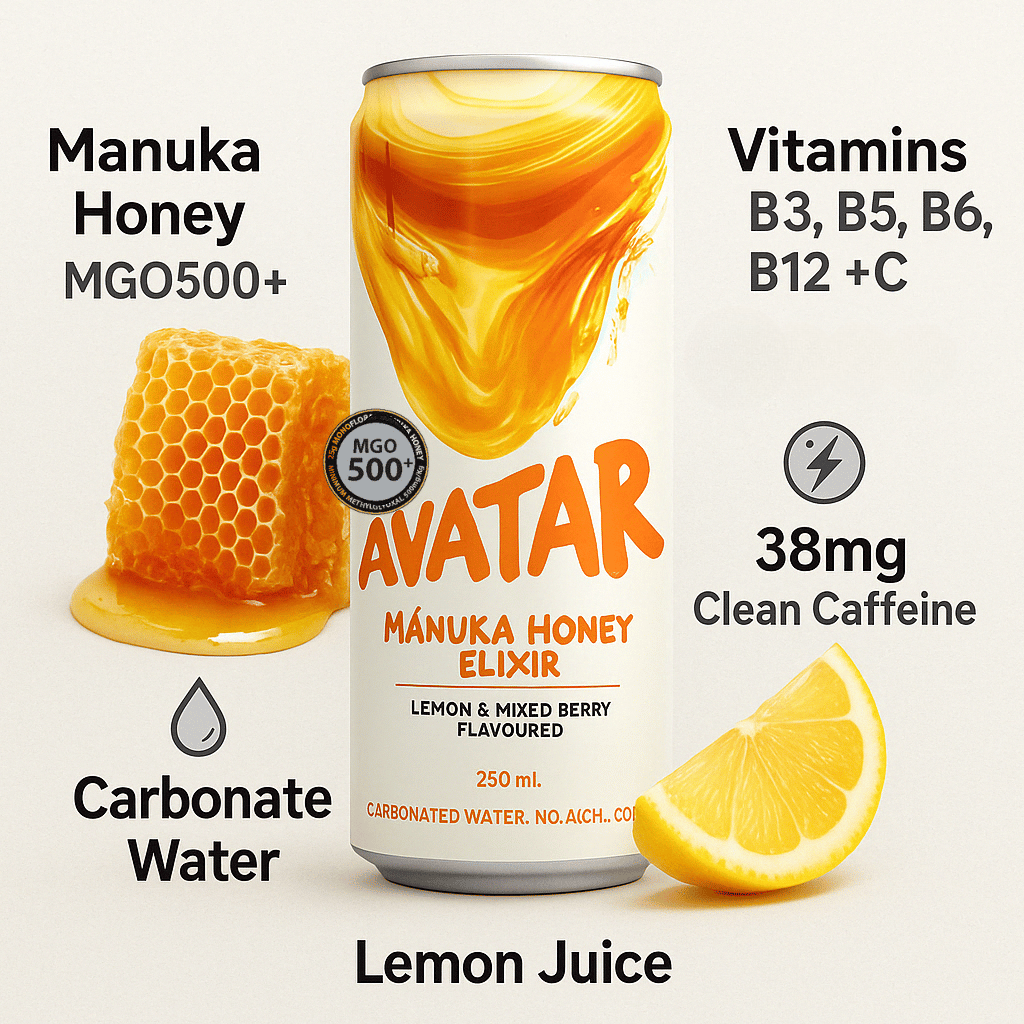
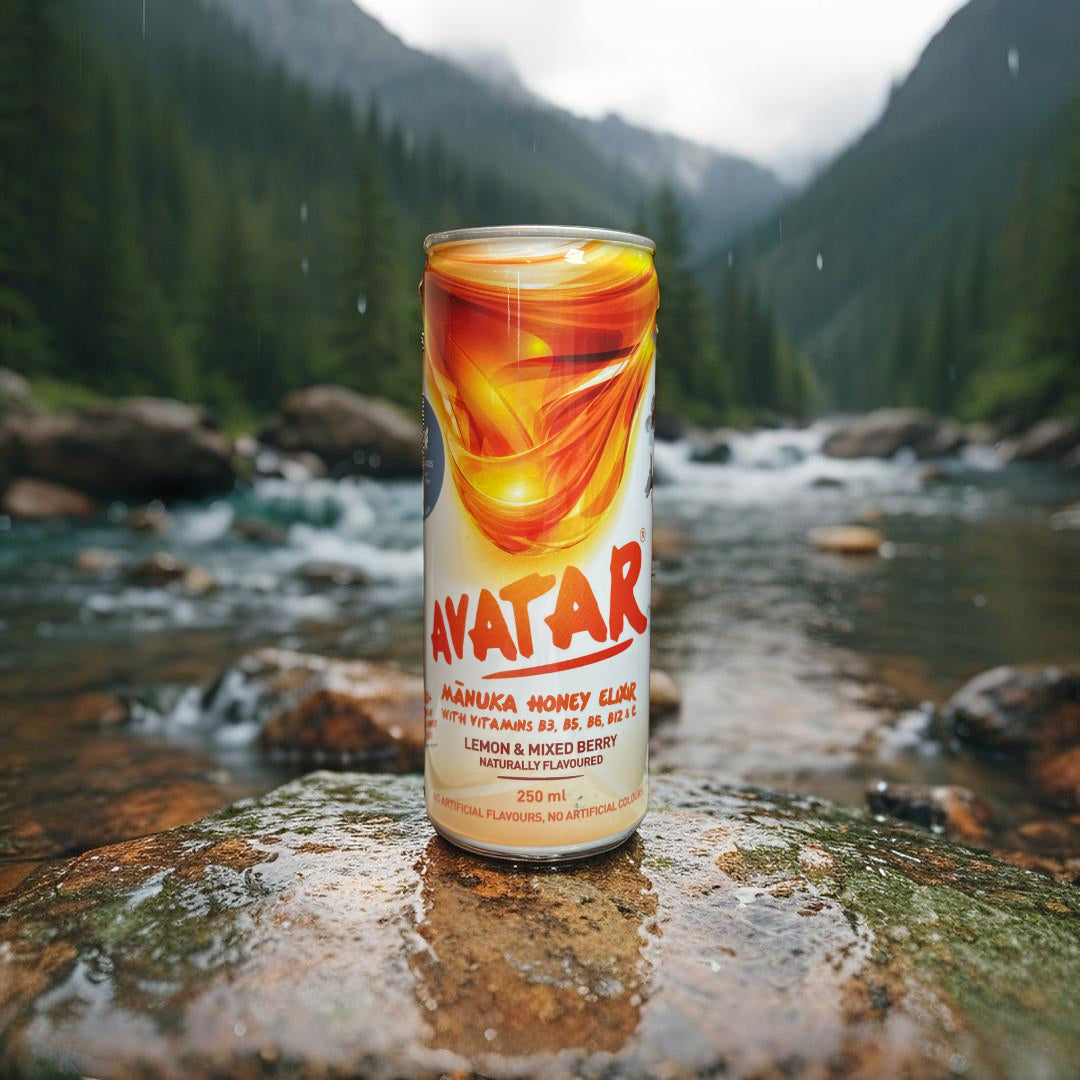
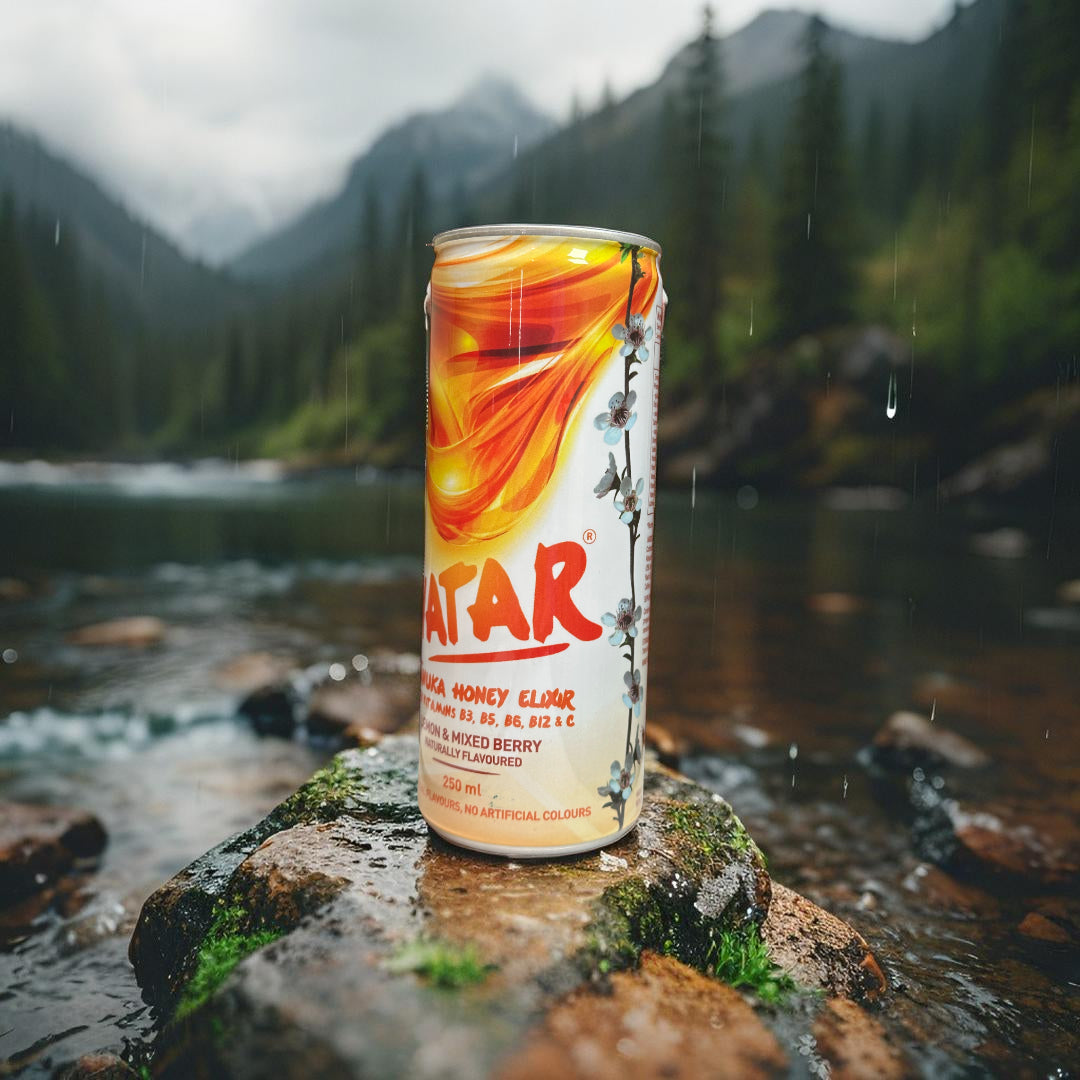
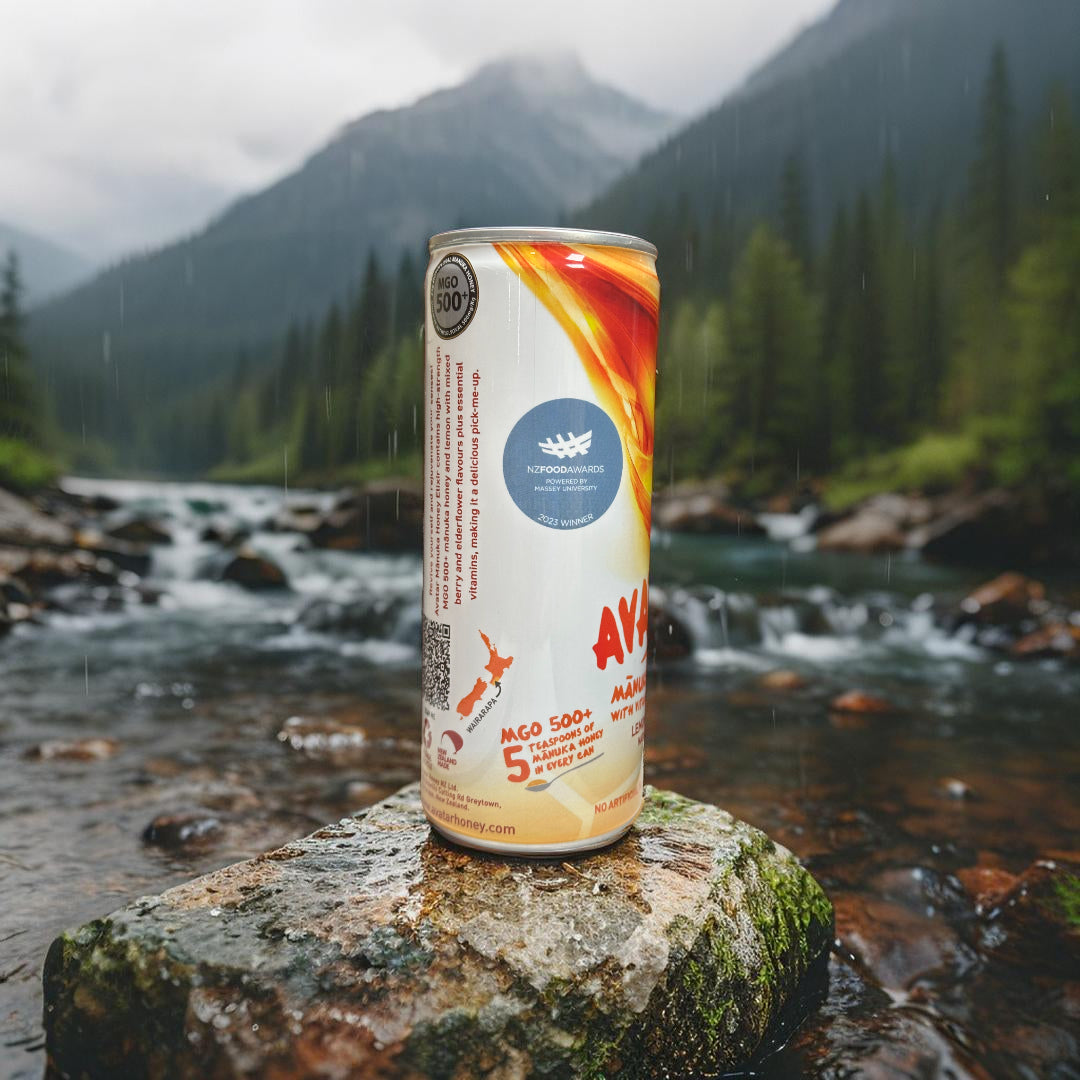
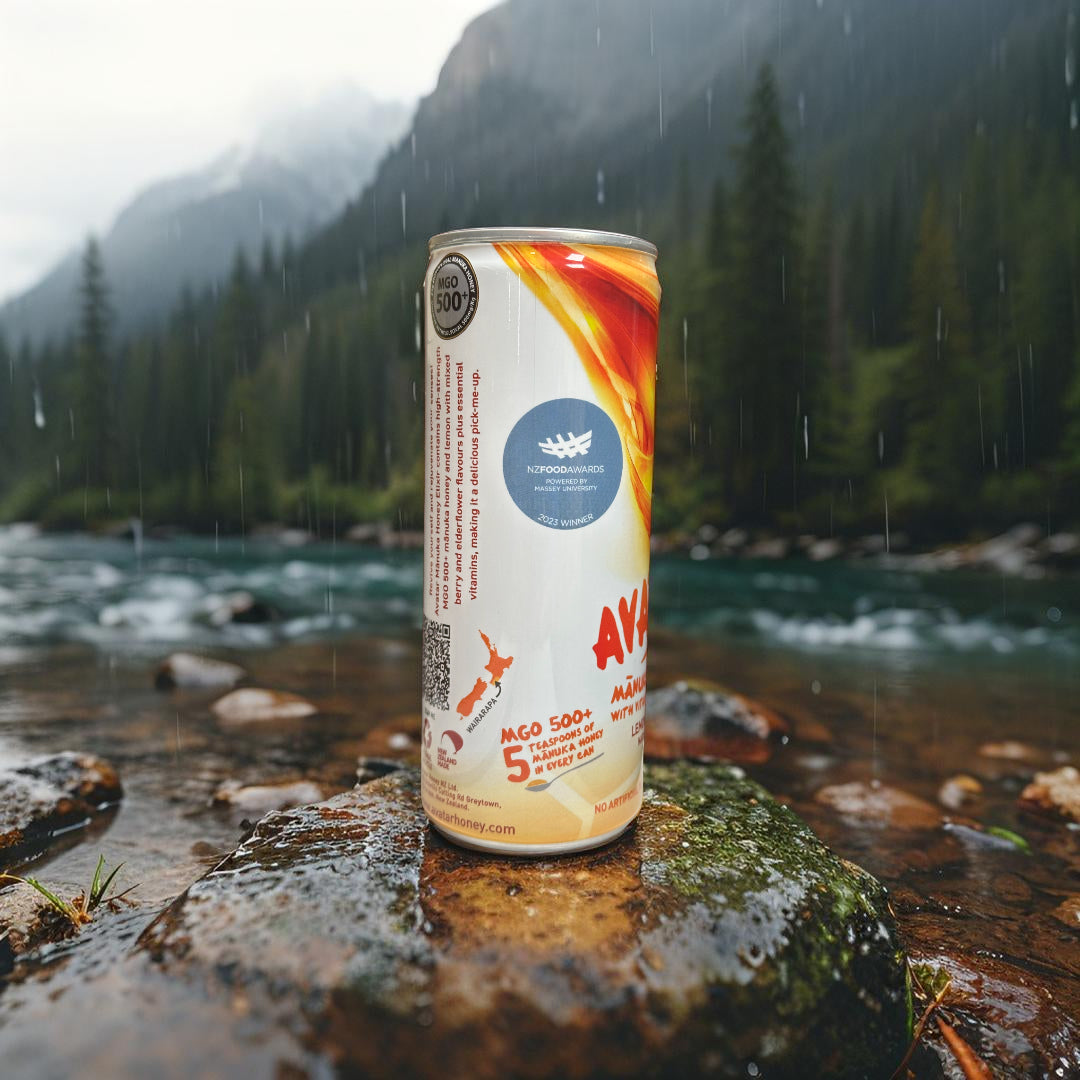
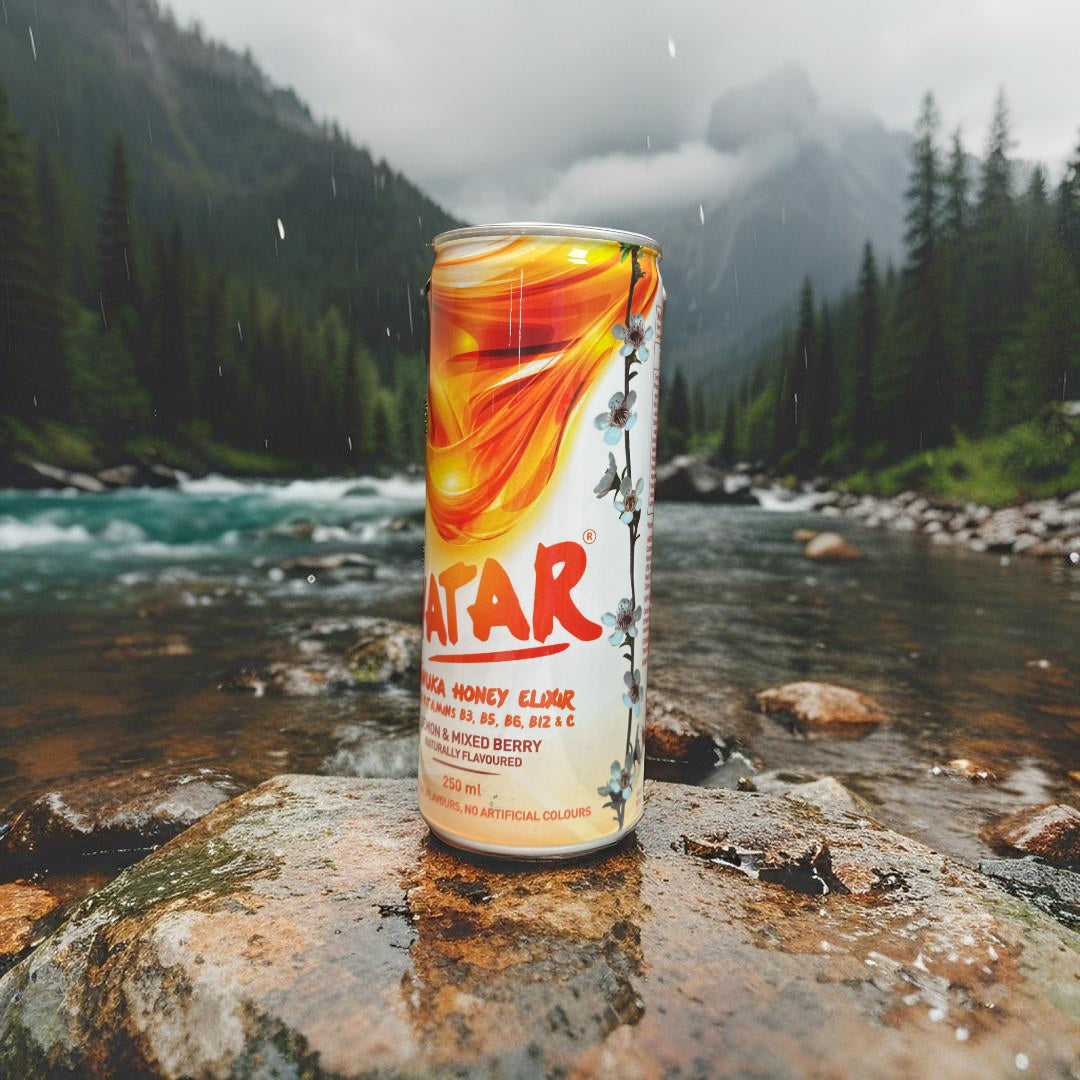
Avatar Elixir is a lightly carbonated, ready-to-drink Manuka honey beverage with clean caffeine. It is made by Avatar Honey, a New Zealand beekeeping company with deep Manuka honey experience, and contains certified MGO500+ Manuka honey, lemon, elderflower, B vitamins, vitamin C, clean caffeine, and lightly carbonated water.
That formulation places Avatar Elixir in the honey-based energy and functional beverage category. It is not mead because it is not presented as a fermented alcoholic honey drink. It is also more specific than a general honey soda because caffeine and selected vitamins are intentional parts of the drink.
Its flavour profile combines the rounded character of Manuka honey with bright lemon, delicate elderflower, and gentle fizz. This makes it suitable for drinking chilled on its own, taking to work or study, packing for travel, serving at social occasions, or using as a premium mixer or mocktail base.
Avatar Elixir should be understood as a food and beverage product, not a medicinal tonic. The MGO500+ Manuka honey contributes to its ingredient story and flavour identity, while the complete recipe determines the experience in the can.
Honey does a different job in each beverage
The word honey on the front of a bottle does not reveal how much honey is used or what role it plays. Its purpose changes across these three categories.
- In mead, honey provides fermentable sugars and helps shape the aroma, flavour, body, and potential sweetness.
- In honey soda, honey usually acts as a sweetener, flavour ingredient, or point of difference from a conventional soft drink.
- In a honey energy drink, honey may provide flavour and sweetness while working alongside caffeine and other functional ingredients.
The type of honey can matter too. A mild floral honey may sit quietly within a fruit-led soda, while a distinctive honey may have a more noticeable place in the finished flavour. A beginner's guide to Manuka honey drinks can help clarify how Manuka honey is used across ready-to-drink products without treating every honey beverage as equivalent.
Read the can or bottle before choosing
The label is more reliable than the broad category name. Producers make different decisions about fermentation, caffeine, sweeteners, carbonation, and serving size. A quick label check can prevent you from buying an alcoholic mead when you expected soda, or a caffeinated honey drink when you wanted a caffeine-free refreshment.
Check these details before choosing:
- Alcohol content: Look for an alcohol percentage or a clear non-alcoholic statement where applicable.
- Caffeine: Confirm whether caffeine is present and review the stated amount per serving or container.
- Serving size: A container may hold one serving or multiple servings.
- Ingredients: See whether honey is accompanied by sugar, other sweeteners, fruit, botanicals, vitamins, or preservatives.
- Nutrition information: Compare sugar and energy values using the same serving basis.
- Carbonation: Look for descriptions such as still, sparkling, carbonated, or lightly carbonated.
- Storage and serving guidance: Some drinks are best chilled, while opened bottles may require refrigeration.
People who are sensitive to caffeine, avoiding alcohol, pregnant, breastfeeding, taking medication, or choosing drinks for children should pay particular attention to the relevant label guidance and seek appropriate professional advice when needed.
Choose according to the experience you want
Choose mead when you want a fermented, generally alcoholic drink with a style that can range from dry and wine-like to rich and sweet. Choose honey soda when you want a fizzy soft-drink experience where honey contributes sweetness or flavour. Choose a honey energy drink when you want a ready-to-drink caffeinated option that uses honey within a broader functional formulation.
For a New Zealand-made option in the third category, Avatar Elixir brings together certified MGO500+ Manuka honey, lemon, elderflower, vitamins, clean caffeine, and light carbonation. Its identity is clear: a premium honey-based functional beverage for adult routines and social occasions, rather than mead, ordinary honey soda, or a medicinal product.
The simplest rule is to look beyond the word honey. Production method tells you whether fermentation is involved, the label confirms alcohol and caffeine, and the ingredient list explains what kind of drinking experience is actually inside the bottle or can.
These follow-up points clarify category overlap, honey flavour, serving options, and the role of Manuka honey in Avatar Elixir.
Can a honey drink fit into more than one category?
Yes, category boundaries can overlap because recipes and producer descriptions vary. A carbonated honey drink containing caffeine may share features with both honey soda and a functional beverage. Check the production method, alcohol content, caffeine statement, ingredients, and product description to understand what you are buying.
Will every honey drink taste strongly of honey?
No, the strength of the honey flavour depends on the type and amount of honey, as well as the other ingredients in the recipe. Citrus, fruit, herbs, spices, acidity, fermentation, and carbonation can make honey either prominent or subtle in the finished drink.
Can Avatar Elixir be used as a mixer or mocktail base?
Yes, Avatar Elixir can be served chilled on its own or used as a premium mixer or mocktail base. Its Manuka honey, lemon, elderflower, and light carbonation offer a rounded, citrus-led foundation for social drinks without presenting it as mead or a medicinal tonic.
Does MGO500+ Manuka honey make Avatar Elixir a medicinal tonic?
No, Avatar Elixir is a food and beverage product, not a medicinal tonic. Its certified MGO500+ Manuka honey contributes to the drink's ingredient identity and flavour, alongside lemon, elderflower, B vitamins, vitamin C, clean caffeine, and lightly carbonated water.