



Quick answer: The best natural energy drinks for creative work provide moderate stimulation, gentle sweetness, comfortable acidity, and a balanced flavor that stays pleasant from the first sip to the last, so your drink supports momentum without dominating the mood of writing, designing, music, cooking, crafting, or studio time.
The moment before creative work begins has its own kind of quiet pressure. You sit down with a blank page, a sketch, a track, a recipe idea, or a half-finished project, and the goal is not to feel wired. The goal is to begin, stay with the work, and keep enough mental lift to move through the session.
That is where natural energy drinks for creative work need a different standard than drinks made for intensity. A creative session usually benefits from smoother caffeine, gentle sweetness, hydration cues, and flavors that feel balanced over time. If a drink is too sharp, too sweet, too fizzy, or too stimulating, it can pull attention away from the work instead of supporting it.
For wellness-minded makers, the right drink should feel like a steady companion. It should help you feel awake enough to write, edit, design, make music, cook, or craft, while still leaving room for patience, taste, texture, and flow.
Creative Energy Is About Momentum, Not Maximum Stimulation
Creative work asks for a different kind of alertness than a workout, commute, or deadline sprint. You need enough lift to start and enough steadiness to continue, but not so much stimulation that your thoughts feel rushed or scattered.
A good drink for creative work usually supports calm energy. That means it helps you feel more present without making the drink itself the center of the experience. The best fit often depends less on the most powerful ingredient and more on how the full drink behaves across an hour or two of sipping.
For writing and making, look for these qualities:
- Moderate caffeine rather than an aggressive hit.
- Smoother sweetness that does not fatigue the palate.
- Comfortable acidity that feels refreshing instead of sharp.
- Botanical or honeyed flavor depth that stays interesting without becoming distracting.
- A clean finish so the taste does not linger heavily while you work.
These traits matter because creative focus is sensitive. A drink that feels exciting for the first few minutes may become intrusive if it is overly sour, syrupy, or intense. A more balanced natural energy drink can make it easier to stay with the task instead of reacting to the drink.
What Makes an Energy Drink Feel Right for Writing?
Writing usually benefits from steady mental clarity rather than a sudden surge. Whether you are drafting, journaling, outlining, or shaping a longer piece, the drink should support attention without pushing your pace too hard.
For morning drafting, a natural energy drink with moderate caffeine and a rounded flavor profile can help create a clean starting ritual. It gives the session a beginning without the heaviness some people associate with a large coffee. If you tend to write slowly at first, a lightly energizing drink can help bridge the gap between intention and action.
Morning Drafting
Morning drafting often works best with a drink that feels bright but not acidic enough to feel harsh. Citrus, botanical, berry, ginger, or honeyed notes can work well when they are balanced rather than piercing. The ideal profile feels clear and gently refreshing.
Sweetness matters here. A drink that is very sweet may feel comforting at first, but it can become tiring during a long writing block. A drink with gentle sweetness, especially from ingredients such as honey or carefully balanced fruit flavors, often feels more compatible with sustained drafting.
Deep Focus and Revision
Editing, revising, and refining usually require a calmer form of attention than first-draft work. You are making decisions, noticing structure, cutting excess, and listening for rhythm. A drink that feels too loud can make this process harder.
For editing sessions, choose a natural energy drink that has a clean finish and moderate stimulation. The flavor should be pleasant enough to sip repeatedly, but not so complex that it competes with language. Think of it as a background note, not the lead instrument.
Design, Illustration, and Visual Work Need Flavor That Does Not Interrupt
Visual creative work often involves moving between detail and whole-picture thinking. You may zoom into color, spacing, lines, texture, or composition, then step back to judge the full piece. A drink that supports this rhythm should feel steady and refreshing.
For design and illustration, flavor balance can be especially important. Strong artificial-tasting sweetness or aggressive acidity can become a sensory interruption, particularly during slower, more precise work. A drink with botanical nuance, soft fruit notes, or a honeyed base often feels more compatible with visual concentration.
When choosing a drink for design sessions, ask:
- Does the flavor still taste good after several sips?
- Is the sweetness clean, or does it become sticky?
- Does the acidity refresh the palate, or does it feel sharp?
- Does the caffeine level help me settle into the work, or does it make me impatient?
The right answer is personal, but the principle is consistent. Creative drinks should preserve your sensory bandwidth. You want enough taste to enjoy the ritual, not so much intensity that the drink keeps asking for attention.
Studio Time and Music Making Benefit From Smooth, Steady Lift
Music making can involve both energy and restraint. You might be recording a vocal, building a beat, editing a mix, writing lyrics, practicing an instrument, or listening closely to small changes in tone. The drink should help you stay engaged without pushing your nervous system into overdrive.
For studio time, smoothness is often more useful than force. A drink that feels too stimulating may make it harder to listen patiently or make subtle decisions. A steadier natural energy drink can support the long middle of the session, where attention and feel matter more than a quick burst.
Before Recording or Performing
If you are about to record, sing, speak, or perform, comfort matters. Choose a drink that feels easy on the mouth and throat, with acidity that is refreshing rather than biting. Very sharp carbonation or intense sourness may not suit everyone before vocal work.
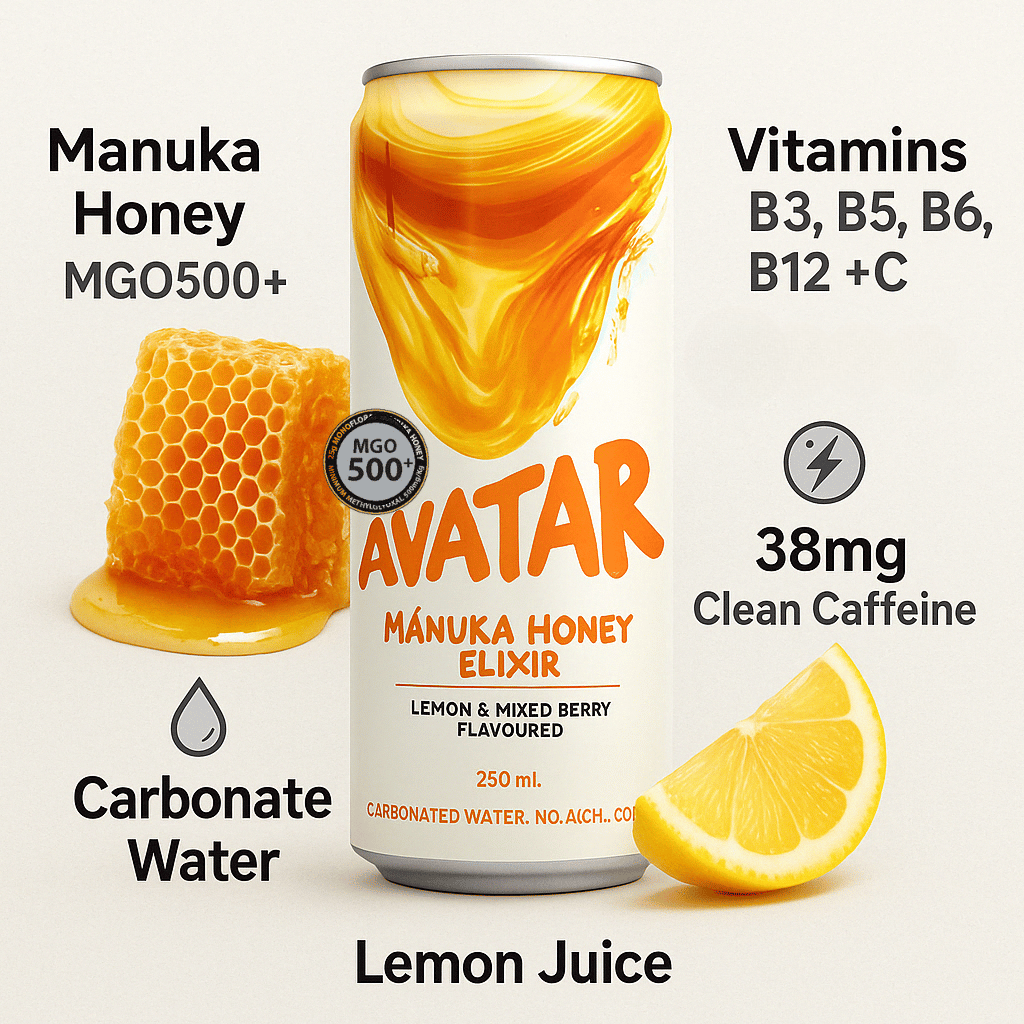
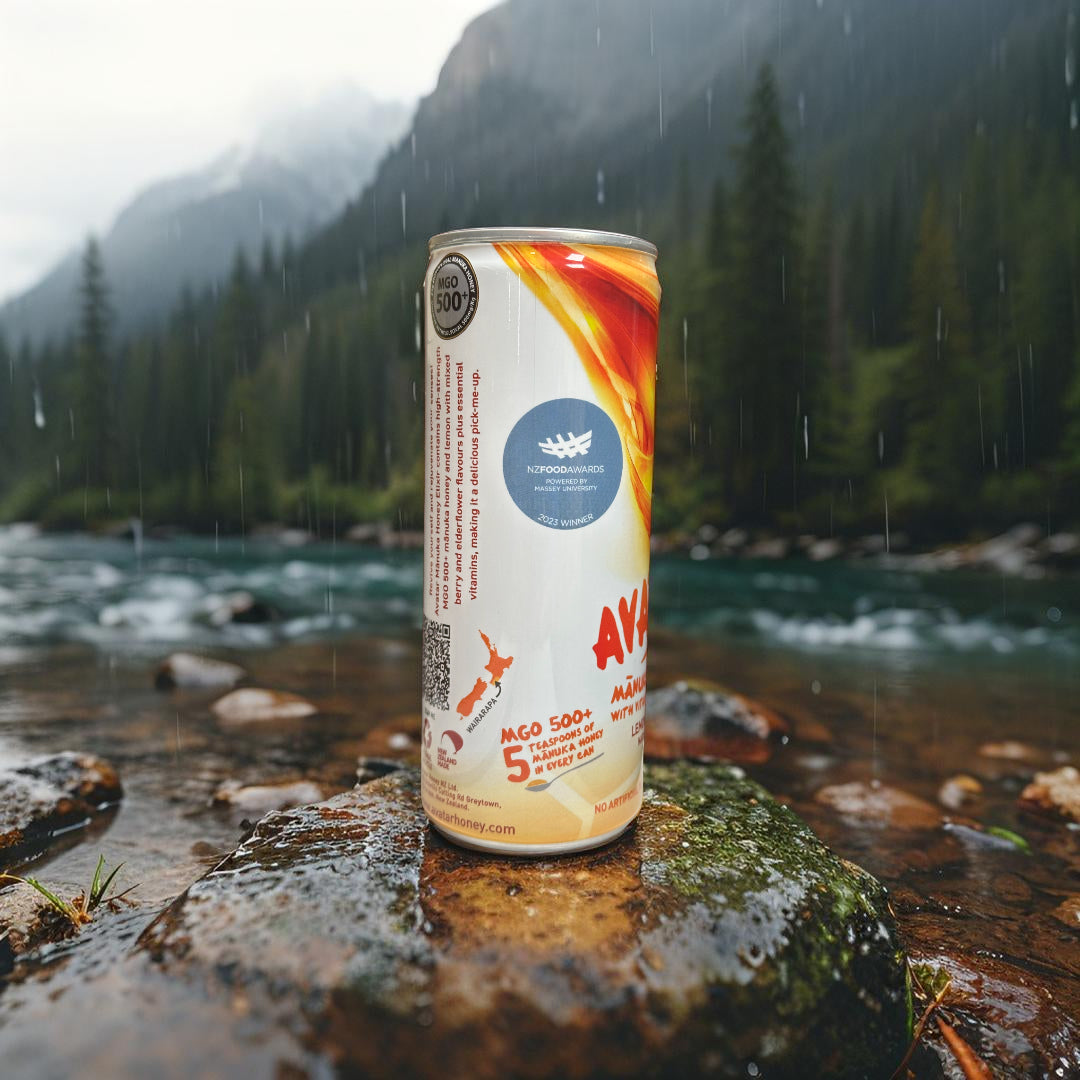
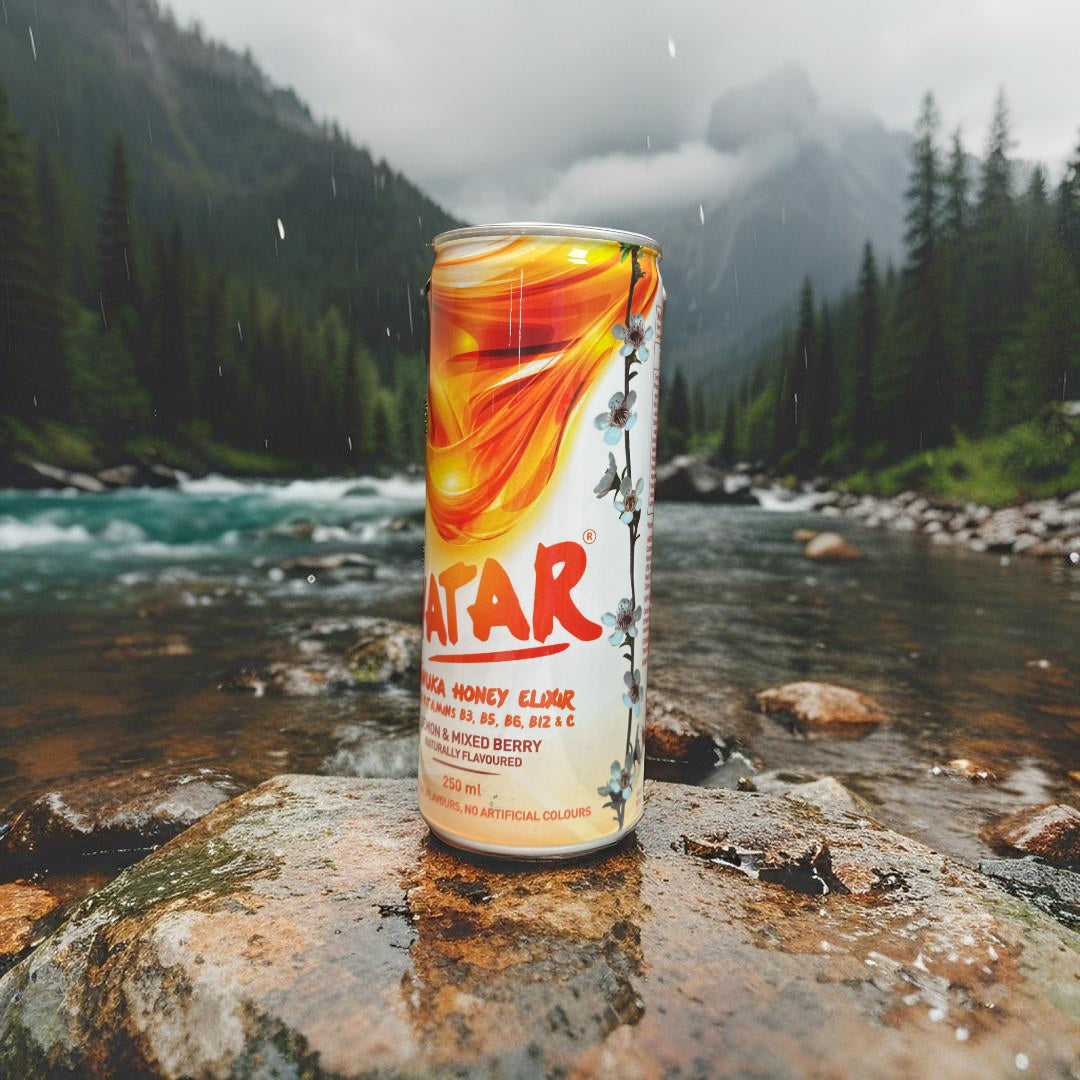
A balanced Manuka honey and botanical profile, such as the kind used in drinks like Avatar Elixir, can be a useful example of what “smooth” can mean in practice. Manuka contributes a rounded sweetness, while botanicals can add complexity without relying on heavy sugar or harsh flavor impact.
During Mixing, Editing, or Practice
During longer studio blocks, the best drink is one you can sip without constantly noticing it. Balanced natural energy drinks are well suited to this role because they can offer lift, hydration cues, and flavor without turning the session into a caffeine event.
If you are sensitive to stimulation, sip slowly and notice how the drink affects your timing, patience, and attention. Creative work often reveals whether a drink is truly smooth. If you feel more settled and engaged, it is probably a better fit than one that makes you restless.
Cooking, Crafting, and Hands-On Making Need Refreshment Without Heaviness
Hands-on creative work involves motion, timing, and tactile attention. Cooking, ceramics, woodworking, sewing, arranging flowers, or crafting at a table may not require the same focus style as writing, but it still benefits from calm energy.
For these sessions, hydration cues become more important. A drink that feels refreshing can support the rhythm of standing, moving, tasting, measuring, shaping, and adjusting. The goal is not to replace water, but to choose an energy drink that still feels light and drinkable.
Look for drinks that avoid heaviness. A very syrupy or strongly flavored drink may feel less appealing when you are cooking or making something with your hands. A cleaner finish helps the drink stay pleasant when your attention is split between flavor, smell, texture, and movement.
Creative Cooking
Cooking brings its own sensory landscape. If you are tasting sauces, working with herbs, baking, or building layered flavors, an overly intense energy drink can interfere with the palate. A lightly botanical or honeyed drink often makes more sense than something candy-like or sharply acidic.
Comfortable acidity is especially useful in this setting. A touch of brightness can feel refreshing, but too much sourness may clash with what you are cooking. Choose a drink that refreshes between steps rather than dominating your taste buds.
Craft Sessions and Weekend Making
Low-pressure making often calls for a drink that feels enjoyable and steady. You may want a little lift for a weekend project, but you probably do not want the urgency of a high-stimulation energy drink. The right natural energy drink can help mark the session as intentional without making it feel intense.
For low-key craft time, a drink with gentle sweetness and layered flavor can make the ritual more satisfying. The Founders' Reserve is a useful example if you want a more considered sipping profile, where Manuka and botanicals create a sense of depth that suits slower, hands-on work.
How to Choose Natural Energy Drinks for Creative Work
The best drink for creative work is the one that matches the type of session, your caffeine comfort, and the flavor environment around you. Instead of choosing only by label claims, evaluate how the drink feels while you are actually working.
Use this practical checklist when comparing options:
- Caffeine feel: Choose moderate stimulation if you want focus without urgency.
- Sweetness style: Look for gentle sweetness that does not become cloying.
- Acidity level: Favor brightness that feels comfortable, not sharp or distracting.
- Flavor arc: Notice whether the flavor stays pleasant as the drink warms slightly or as you sip slowly.
- Finish: A clean finish is useful for writing, designing, tasting, and listening.
- Session timing: Choose lighter, smoother profiles for long or late-day creative blocks.
This approach helps you choose based on lived experience rather than marketing language. A natural energy drink may be well made, but it still needs to suit the mood and demands of your creative work.
Matching the Drink to the Creative Session
Different creative blocks call for different drink traits. A morning writing sprint, an afternoon editing session, and a quiet evening project do not need the same kind of energy.
Morning Drafting
For morning drafting, choose a drink that feels bright, smooth, and lightly energizing. A balanced botanical profile can help you feel awake without turning the session into a rush. This is a good moment for a drink with gentle sweetness and a clean finish.
Afternoon Editing
For afternoon editing, choose calm energy over intensity. The drink should help you return to focus without making you impatient. Lower sweetness, moderate caffeine, and comfortable acidity often work well here.
Studio or Practice Time
For music, recording, or practice, choose smoothness and mouthfeel carefully. A drink that is too sharp or heavily carbonated may not feel ideal before vocal work or long listening sessions. A rounded Manuka and botanical drink can suit this setting when you want flavor depth without harshness.
Low-Key Evening Making
For evening creative work, be especially mindful of caffeine timing and your own sensitivity. Some people prefer to avoid caffeinated drinks later in the day, while others choose a smaller serving or sip slowly. If sleep is a priority, the best evening drink may be one that feels ritualistic and flavorful without encouraging you to stay up longer than planned.
Signs a Drink Is Supporting Your Creative Flow
A good creative energy drink should feel supportive in the background. You may notice that it helps you start, return to the task, or stay engaged, but it should not make you feel like you need to chase the effect.
Positive signs include:
- You begin the session with less friction.
- You feel alert but not rushed.
- The flavor remains pleasant as you sip.
- You do not feel distracted by sweetness, acidity, or aftertaste.
- You can stay with subtle decisions, such as word choice, color, sound, texture, or seasoning.
Less helpful signs include feeling overly stimulated, impatient, thirsty, or distracted by the drink’s flavor. Creative work is often a sensitive test of balance. If a drink makes you feel more scattered, it may be better suited to another context.
Final Takeaway: Choose the Drink That Protects the Mood of the Work
Natural energy drinks for creative work should support the atmosphere you are trying to create. The best choice is rarely the loudest, strongest, or sweetest option. It is the drink that helps you begin, stay present, and keep the session feeling comfortable.
For writing, making music, designing, cooking, crafting, and low-key studio time, prioritize calm energy, moderate stimulation, balanced sweetness, comfortable acidity, and a flavor profile that remains enjoyable over time. Drinks with Manuka honey and thoughtful botanical notes can fit this role well when they offer smoothness, depth, and a clean finish.
Creative energy is not about overpowering the room. It is about giving your attention a steady place to land, then letting the work take over.
These answers help you choose natural energy drinks that support calm creative focus.
What makes a natural energy drink good for creative work?
A natural energy drink is good for creative work when it supports steady momentum instead of strong stimulation. Look for moderate caffeine, gentle sweetness, comfortable acidity, and a flavor that stays pleasant through repeated sips. For writing, design, music, cooking, or craft sessions, the best drink feels like a quiet support rather than the main event.
Is caffeine helpful for writing without feeling wired?
Caffeine is helpful for writing when the amount and overall drink profile feel moderate and smooth. A writing session usually needs alertness, patience, and continuity, not a sudden rush. Choose a drink that pairs caffeine with balanced flavor and a clean finish, so it supports focus without making your thoughts feel pushed or scattered.
Which drink traits work best for morning drafting?
Morning drafting works best with a drink that feels bright, balanced, and easy to sip. Gentle fruit, botanical, citrus, ginger, berry, or honeyed notes fit well when the acidity is comfortable rather than sharp. The goal is a clear starting ritual that helps you begin the page without overwhelming your palate or pace.
What should I drink during afternoon editing or revision?
Afternoon editing or revision calls for a natural energy drink with calm energy, restrained sweetness, and a clean finish. Revision asks you to notice detail, rhythm, structure, and small decisions, so the drink should not feel loud or syrupy. A balanced profile helps you stay present while the work remains the focus.
How do flavor and sweetness affect a creative session?
Flavor and sweetness affect a creative session by shaping how distracting or supportive the drink feels over time. A very sweet or sharply acidic drink might taste exciting at first, then become tiring during a longer block. Balanced sweetness, comfortable acidity, and layered but gentle flavor help the drink stay pleasant from the first sip to the last.
Are Manuka and botanical drinks a good fit for studio time?
Manuka and botanical drinks are a good fit for studio time when their sweetness, acidity, and flavor depth feel balanced. A Manuka-led profile adds a rounded, honeyed quality, while botanicals bring complexity without needing to feel intense. Drinks such as Avatar Elixir or The Founders' Reserve fit this idea when you want flavor that supports the atmosphere of making.
What is the simplest way to choose a calm energy drink?
The simplest way to choose a calm energy drink is to match the drink to the mood of your creative block. For drafting, choose bright and gently energizing. For editing, choose clean and restrained. For music, cooking, craft, or evening making, choose a flavor profile that feels steady, balanced, and pleasant enough to stay in the background.