



Quick answer: The best natural energy drinks for yoga, Pilates, stretching, barre, or an easy walk are light, modest in caffeine, comfortable on the stomach, not overly carbonated, and not too sweet. Choose a smaller serving or sip slowly, give yourself enough time before movement, and look for a drink that feels smooth rather than intense.
You know the moment: you are heading to an early yoga class, a lunchtime Pilates session, or a gentle evening walk, and you want a small lift. Not a full pre-workout feeling. Not something heavy, fizzy, syrupy, or sharp on the stomach. Just enough alertness to feel present, steady, and ready to move.
Natural energy drinks can fit gentle movement routines when they are chosen with care. The right drink should support mental brightness without making your body feel rushed. For yoga, Pilates, mobility, stretching, barre, or walking, the details matter: caffeine level, serving size, carbonation, sweetness, acidity, stomach comfort, and timing.
This guide focuses on how to choose a natural energy drink before low-intensity movement, with practical examples for early mornings, midday classes, and evening routines. The goal is not to chase maximum energy. It is to find a calmer, lighter kind of support that works with your body instead of competing with it.
Why Gentle Movement Calls for a Different Kind of Energy Drink
Gentle movement asks for steadiness, not intensity. Yoga, Pilates, stretching, barre, mobility work, and easy walks often involve breath awareness, core control, balance, and slow transitions. A drink that feels fine before a busy workday may feel too strong before downward dog, mat work, or a quiet walk.
Traditional high-intensity energy products are often designed around sharp stimulation, large servings, bold carbonation, and strong sweetness. That can feel mismatched when your routine is slower and more body-aware. Before gentle movement, many people prefer a drink that feels light, smooth, and easy to sip.
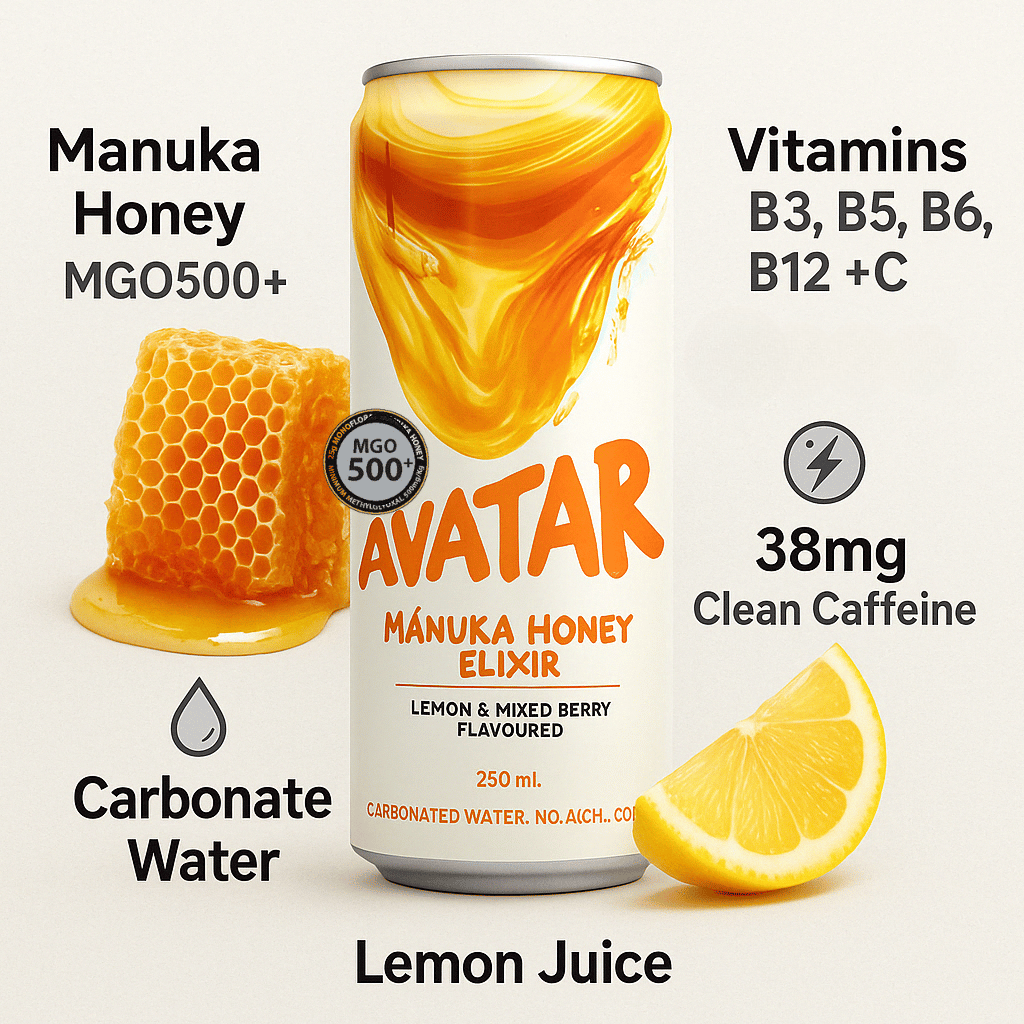
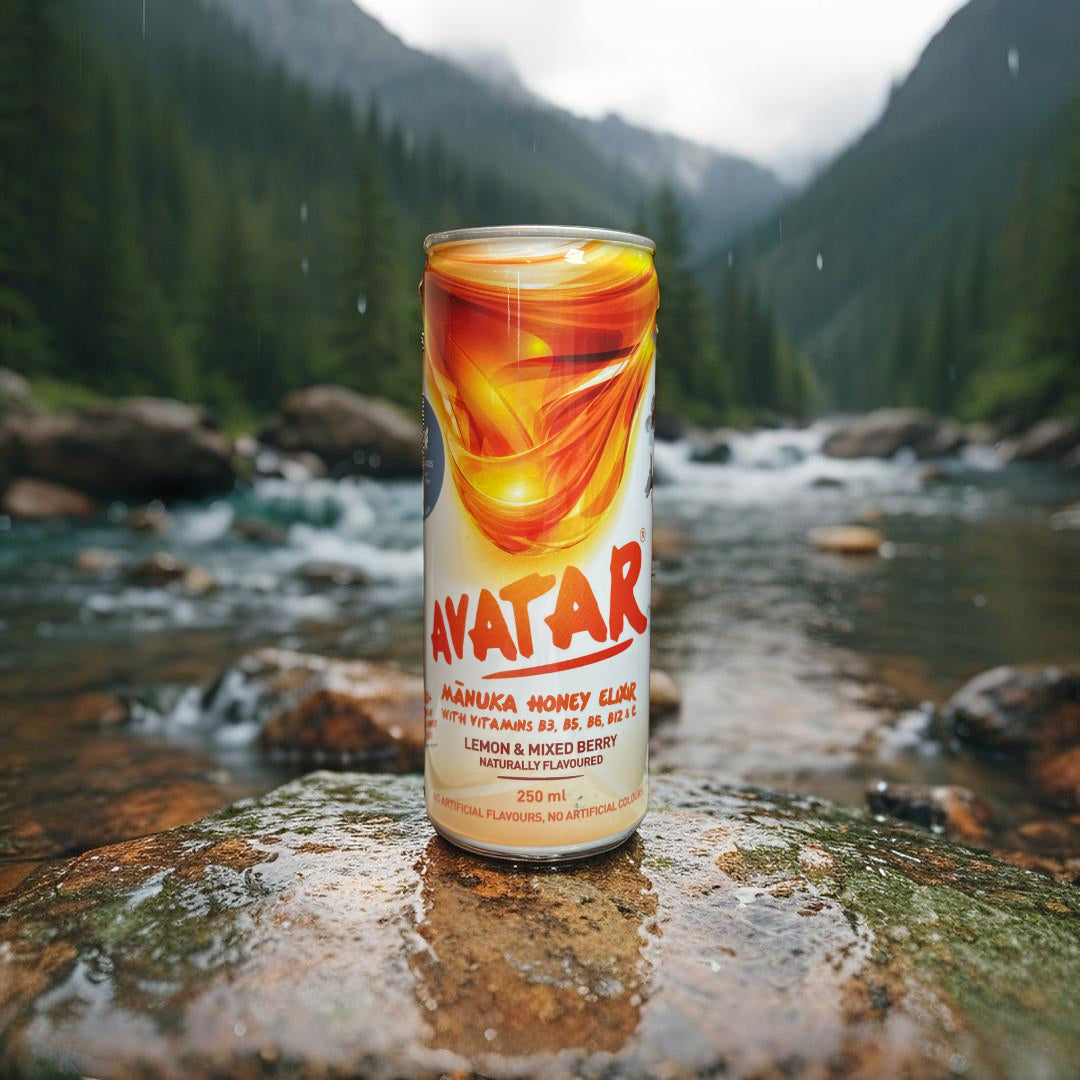
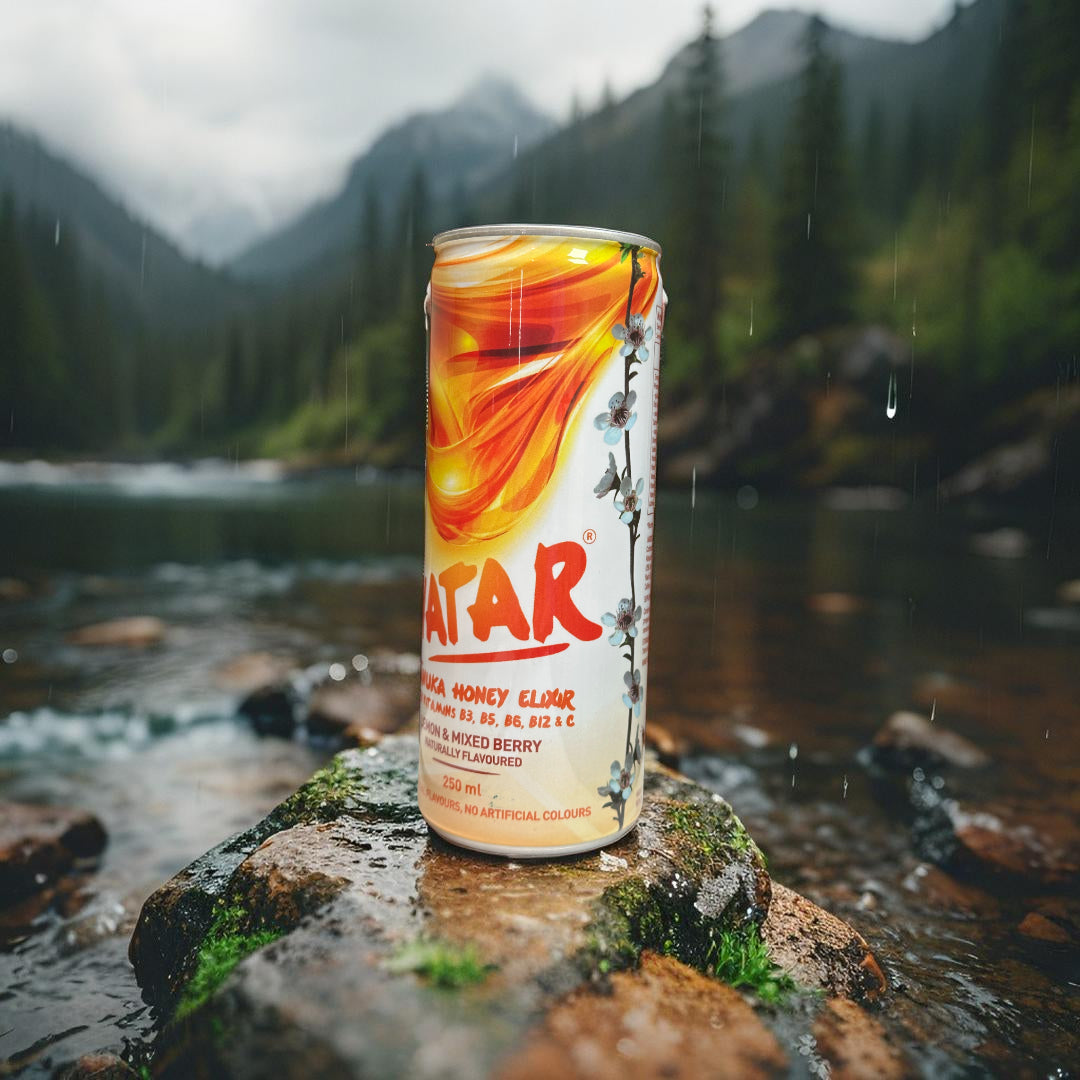
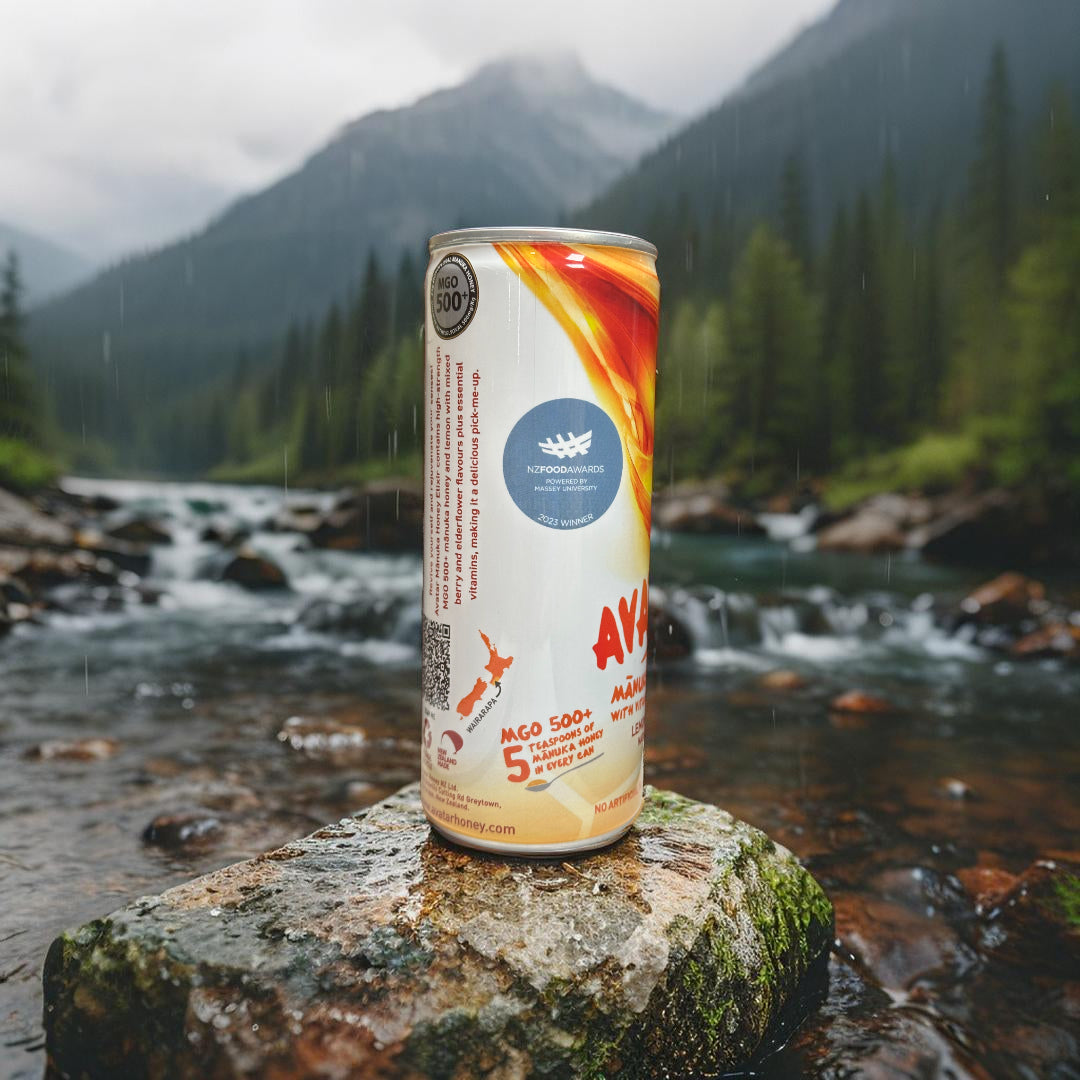
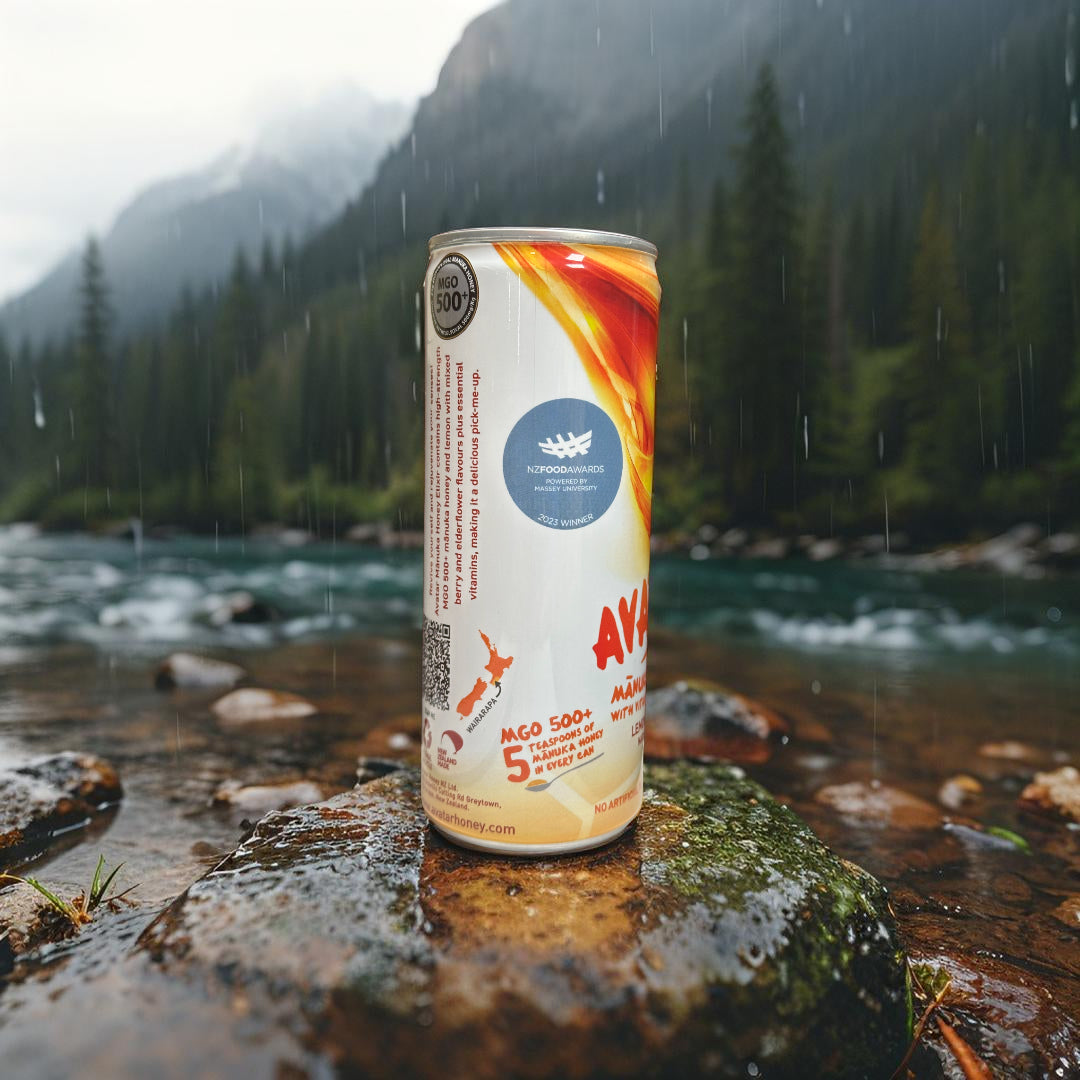
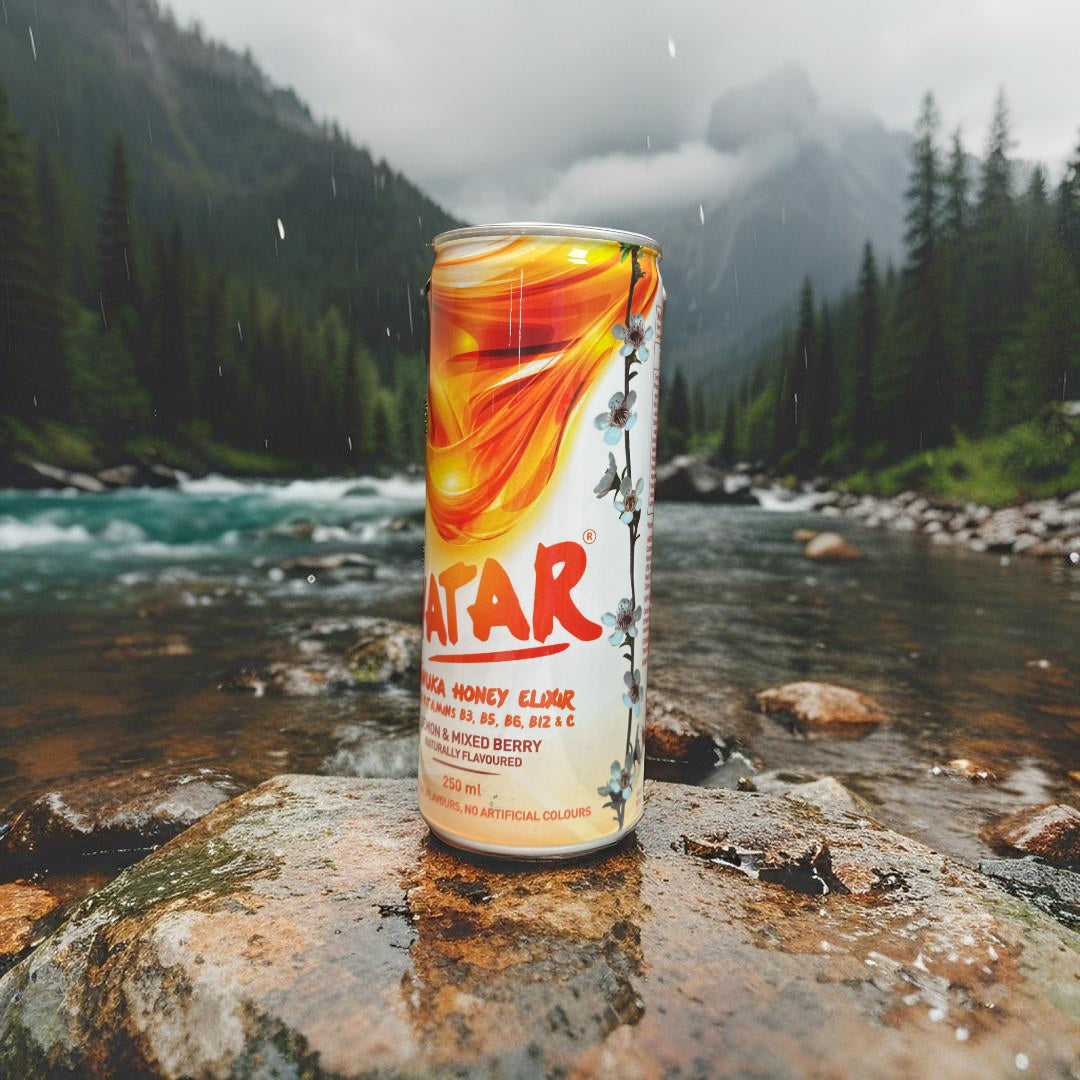
A natural energy drink can be a better fit when it uses recognizable ingredients, a moderate caffeine approach, and a flavor profile that does not overwhelm. Premium options such as Avatar Elixir or The Beekeeper's Choice 12Pk can be relevant examples when you want a more refined natural energy drink experience rather than a loud, gym-style formula.
Start With Caffeine Level, Not Just the Word “Natural”
A natural energy drink is still an energy drink if it contains caffeine. The source may be tea, yerba mate, coffee fruit, guayusa, or another botanical ingredient, but your body responds to the total amount and how quickly you drink it.
For yoga, Pilates, and gentle movement, a modest caffeine level is often more comfortable than a high-caffeine can. You are usually not trying to push through a maximal workout. You may simply want to feel awake, focused, and less sluggish as you settle into class or step outside.
What to look for on the label
Before choosing a drink, check the caffeine amount per container and per serving. Some cans look small but contain more caffeine than expected. Others may list caffeine per serving while the bottle contains more than one serving.
- For early yoga: a moderate amount may help you feel alert without making stillness feel difficult.
- For Pilates or barre: you may want enough lift for focus and coordination, but not so much that you feel unsettled during controlled movement.
- For an evening walk: lower caffeine, a partial serving, or a caffeine-free choice may make more sense if sleep is a priority.
If you are sensitive to caffeine, pregnant, managing a health condition, or taking medication, it is wise to speak with a qualified healthcare professional about what is appropriate for you. Natural does not automatically mean suitable for every person or every time of day.
Serving Size Matters More Than You Might Think
The right serving size before gentle movement is usually the amount that gives you a light lift without making your stomach feel full. A full can may be more than you need before a class that includes twists, folding, core activation, or lying on your stomach.
Many people do better by sipping slowly rather than finishing a drink quickly. This is especially true before yoga or Pilates, where you may notice fullness more than you would during a brisk or high-sweat workout.
A practical pre-class approach
Instead of treating the whole bottle or can as the required serving, think in terms of comfort:
- Small lift: sip a third to half of the drink before class.
- More alertness: finish a moderate serving earlier, not immediately before movement.
- Stomach-sensitive days: take a few sips and save the rest for later.
This approach works especially well with premium natural energy drinks that are meant to be enjoyed rather than consumed quickly. If you choose something like Avatar Elixir or The Beekeeper's Choice 12Pk, consider the drink as part of a calm pre-movement ritual, not something you need to rush.
Carbonation Can Feel Different on the Mat
Carbonation is one of the biggest comfort factors before yoga, Pilates, stretching, or barre. Fizzy drinks can feel refreshing, but bubbles may also create fullness, burping, or pressure when you are bending, twisting, or engaging your core.
This does not mean you need to avoid carbonation completely. It means the level of fizz should match the movement you are about to do. Light carbonation may be fine before an easy walk. Strong carbonation can be less comfortable before a class with planks, roll-downs, forward folds, or deep breathing.
When carbonation may work well
- Before an easy walk: a lightly sparkling drink can feel crisp and refreshing.
- Before a casual stretch session: a small amount may be comfortable if you sip slowly.
- After movement: carbonation may feel better once you are no longer folding, twisting, or working through core sequences.
When to choose still or low-fizz options
- Before yoga: still or gently carbonated drinks may feel better during breath-led movement.
- Before Pilates: low-fizz options can help avoid fullness during abdominal work.
- If you are sensitive to bloating: less carbonation is usually the safer choice.
If you love the taste of a fizzy natural energy drink but dislike the pressure, pour it into a glass and let it sit for a few minutes before sipping. This can soften the carbonation without changing the overall routine too much.
Sweetness Should Feel Clean, Not Coating
Sweetness has a direct impact on how an energy drink feels before gentle movement. A very sweet drink can feel heavy, sticky, or coating in the mouth, especially during breath-focused practices. A drink that is lightly sweet or balanced with natural flavors may feel easier to carry into class.
Natural sweeteners can still taste intense depending on the formula. Honey, fruit juice, cane sugar, monk fruit, stevia, and other sweetening choices each create a different experience. What matters most before movement is not whether the sweetness sounds healthy on the label, but whether it feels comfortable in your body.
How to judge sweetness before movement
A good pre-movement drink should not make you want to immediately drink a large amount of water to clear your mouth. It should feel smooth enough that you can sip it slowly. For yoga and Pilates, a cleaner finish often feels more supportive than a dessert-like flavor.
- Too sweet: may feel syrupy, heavy, or distracting during breathwork.
- Too sharp: may feel harsh if acidity is high and sweetness is low.
- Balanced: feels pleasant, light, and easy to sip without overwhelming your palate.
Manuka honey drinks can be appealing for this reason when they are formulated with balance. Honey can bring a rounded sweetness, but the full drink still needs to feel light enough for movement. The best fit is a drink that tastes premium without feeling thick or overly rich.
Acidity and Stomach Comfort Deserve Attention
Acidity can make a natural energy drink taste bright and refreshing, but too much sharpness may feel uncomfortable before movement. Citrus-forward flavors, certain botanical extracts, and acidic bases can sometimes feel harsh on an empty stomach.
Stomach comfort matters because gentle movement often makes you more aware of small sensations. A drink that feels fine while sitting at a desk may feel different during cat-cow, spinal twists, Pilates hundreds, or a long forward fold.
How to choose a stomach-friendly option
Look for drinks that feel smooth rather than biting. If you tend to notice acidity, choose flavors that are softer, less sour, or balanced with gentle sweetness. You can also pair a few sips with a small snack if drinking caffeine on an empty stomach does not suit you.
- Before early morning yoga: avoid very sharp drinks if your stomach is empty.
- Before lunchtime Pilates: give your meal time to settle before adding caffeine or carbonation.
- Before stretching at night: choose something lighter, especially if you are winding down.
If a drink repeatedly feels sour, heavy, or uncomfortable before movement, it may simply not be the right pre-class choice for you. The best natural energy drink is the one that supports your routine quietly, without becoming the thing you notice most.
Timing: When to Drink Before Yoga, Pilates, or a Walk
Timing determines whether a natural energy drink feels helpful or intrusive. Drinking too close to class can create fullness, while drinking too early may make the lift feel less noticeable by the time you start moving.
A practical window for many gentle routines is to sip your drink about 20 to 45 minutes before movement, depending on your caffeine sensitivity, serving size, and stomach comfort. This is not a strict rule. It is a starting point you can adjust based on how you feel.
Early morning yoga
For early yoga, keep the routine simple. A few sips of a moderate natural energy drink may be enough if you are moving soon after waking. If your class includes deep twists, inversions, or long holds, avoid drinking a large amount immediately before you begin.
If coffee feels too harsh in the morning, a smoother natural energy drink can be a gentler alternative. Choose one with moderate caffeine, balanced sweetness, and low acidity. Give yourself a little time to settle before stepping onto the mat.
Lunchtime Pilates or barre
For lunchtime Pilates, timing often depends on food. If you have recently eaten, a large carbonated drink may feel uncomfortable during core work. A smaller serving, lower fizz, and slower sipping style can help the drink feel lighter.
If you are using a natural energy drink to transition from work mode into movement, focus on clarity rather than intensity. You want enough alertness to feel engaged with controlled movement, not a rush that makes precision feel harder.
Evening walks and mobility
For an evening walk, the main question is how caffeine affects your sleep. Some people prefer to avoid caffeine later in the day, while others choose a small amount earlier in the evening. If sleep is important to protect, consider a lower-caffeine drink, a partial serving, or a non-caffeinated option.
Evening movement is often about decompressing. A natural energy drink should not turn that moment into a second workday. Keep it light, sip slowly, and pay attention to whether it helps you feel refreshed without making bedtime feel farther away.
What to Look for in a Premium Natural Energy Drink
A premium natural energy drink for gentle movement should feel intentional in both ingredients and experience. The label should be easy to understand, and the taste should feel balanced enough for slow sipping.
When comparing options, look beyond the front of the can. Marketing words can sound similar, but the actual formula tells you whether the drink is likely to fit yoga, Pilates, stretching, barre, or walking.
A simple pre-movement checklist
- Caffeine amount: Is it moderate enough for your sensitivity and the time of day?
- Serving size: Can you comfortably drink only part of it if needed?
- Carbonation: Is it still, lightly sparkling, or very fizzy?
- Sweetness: Does it taste balanced rather than syrupy?
- Acidity: Does it feel smooth, or does it taste sharp on an empty stomach?
- Ingredient clarity: Do you recognize the main ingredients and understand the caffeine source?
- Overall feel: Does it support calm alertness rather than intensity?
Avatar Elixir and The Beekeeper's Choice 12Pk are examples of the type of premium natural energy drink you might consider if you want something more aligned with a wellness routine. The key is to choose based on how the drink fits your body, your schedule, and your style of movement.
How to Match the Drink to the Movement
The best choice changes depending on what you are doing. Yoga, Pilates, stretching, barre, and walking are all gentle compared with high-intensity training, but they do not feel identical in the body.
Yoga
Choose a smooth, moderate drink with low to light carbonation. Avoid large servings immediately before class, especially if the practice includes twists, folds, inversions, or breathwork. A few sips before class may be all you need.
Pilates
Prioritize stomach comfort and low fizz. Pilates often includes core engagement, controlled breathing, and positions where fullness becomes noticeable. A smaller serving taken earlier is usually more comfortable than a full drink right before class.
Barre
Look for steady, light alertness. Barre can be controlled and repetitive, so a drink that feels too stimulating may be distracting. Balanced sweetness and moderate caffeine are often more suitable than bold, intense formulas.
Stretching and mobility
Keep the drink gentle and easy to sip. Since these routines are often calming, the energy drink should not feel like it changes the whole tone of the session. Low sweetness, smooth acidity, and a partial serving can work well.
Easy walks
You have more flexibility with carbonation before a walk because you are upright and moving naturally. A lightly sparkling natural energy drink can feel refreshing, especially during a daytime stroll. For evening walks, caffeine timing remains the most important consideration.
Final Takeaway: Choose the Drink That Lets Movement Stay Gentle
Natural energy drinks can fit beautifully into yoga, Pilates, stretching, barre, mobility, and easy walking routines when they are chosen with calm intention. The best option is not the strongest one. It is the one that gives you a small lift without making your body feel rushed, full, fizzy, overly sweet, or unsettled.
Use caffeine level, serving size, carbonation, sweetness, acidity, and timing as your decision points. Start with a smaller amount, notice how it feels, and adjust based on the class, the time of day, and your own sensitivity.
When your drink supports alertness quietly, your movement can remain the focus. That is the right fit for gentle wellness routines: present, light, and easy to return to.
Find clear answers about choosing a light natural energy drink before yoga, Pilates, stretching, barre, or an easy walk.
What is the best energy drink before yoga or Pilates?
The best energy drink before yoga or Pilates is light, modest in caffeine, easy to sip, and comfortable on the stomach. Look for a smaller serving, gentle sweetness, low to moderate carbonation, and a flavor that does not feel sharp or syrupy. Premium natural options such as Avatar Elixir or The Beekeeper's Choice 12Pk are relevant when you want a more refined drink instead of a strong pre-workout style formula.
How much caffeine is right before gentle movement?
A modest caffeine level is usually the best fit before gentle movement because the goal is alertness without intensity. Check the label for caffeine per serving and per container, since a small can can still contain more caffeine than expected. If you are sensitive to caffeine, doing an evening routine, pregnant, managing a health condition, or taking medication, ask a qualified healthcare professional what amount is appropriate for you.
Should I drink a carbonated energy drink before yoga?
A lightly carbonated energy drink is generally a better choice before yoga than a very fizzy one. Strong carbonation can feel distracting during twists, folds, breathwork, or positions where your abdomen is compressed. If you enjoy bubbles, sip slowly and leave enough time before class so the drink feels settled rather than heavy.
Is a natural energy drink better than coffee before Pilates?
A natural energy drink can feel better than coffee before Pilates when you want a lighter, cooler, and more sippable option. Coffee is often more acidic and can feel stronger on an empty stomach, while a balanced natural energy drink gives you more control over serving size and pace. The better choice is the one that supports focus without making mat work, core control, or breath feel uncomfortable.
When should I drink energy before an early yoga class?
For an early yoga class, drink a small amount of natural energy drink with enough time for it to feel settled before you move. A few slow sips while getting ready can be more comfortable than finishing a full can right before class. If your practice includes deep folds, twists, or lying on your stomach, choose a smaller serving and avoid anything too sweet, fizzy, or acidic.
What should I choose before a lunchtime Pilates session?
Before lunchtime Pilates, choose a natural energy drink that gives a clean lift without feeling like a full meal or dessert. A moderate serving, balanced sweetness, and smooth flavor work well when you are moving between work, errands, and class. If you have already had coffee or matcha earlier in the day, consider a smaller portion so your total caffeine intake still feels comfortable.
What is best before an evening walk?
Before an evening walk, choose a low-caffeine, partial-serving, or caffeine-free option if sleep is a priority. Evening movement is often about unwinding, fresh air, and gentle alertness rather than stimulation. A drink with lighter sweetness, minimal acidity, and a smaller serving size will usually feel more aligned with a calm walk than a high-caffeine energy drink.