



Quick answer: Natural energy for adrenal fatigue usually means avoiding high-dose caffeine and synthetic stimulant stacks, then choosing gentler drinks with moderate caffeine, real-food carbohydrates, minerals, and steady hydration. “Adrenal fatigue” is not a recognised medical diagnosis, but many people use the term to describe a real pattern of chronic exhaustion, afternoon crashes, salt cravings, and feeling wired but tired, often discussed as HPA axis dysregulation.
If you feel flattened in the morning, oddly alert at bedtime, and mysteriously drawn to salty snacks like they contain life advice, you are not imagining the pattern. Many people describe this as adrenal fatigue, even though the term is not formally recognised in conventional medicine.
What you may be describing is a stress-response rhythm that feels out of sync. Functional medicine practitioners often talk about this through the lens of the HPA axis, which is the communication network between the hypothalamus, pituitary gland, and adrenal glands. This system helps regulate your response to stress, including cortisol patterns, sleep-wake rhythm, appetite, and perceived energy.
Here is where energy drinks can become tricky. Most mainstream energy drinks are built to push. They rely on high-dose caffeine, synthetic stimulant blends, artificial sweeteners, and a “hit now, crash later” model. For someone already feeling wired-but-tired, that can make the pattern feel worse, not better.
Natural energy for adrenal fatigue requires a different approach. The goal is not to force your body into overdrive. It is to support steadier energy with moderate stimulants, real-food fuel, hydration, and ingredients your body can recognise without needing a chemistry degree.
Why mainstream energy drinks can feel wrong for adrenal fatigue
Most conventional energy drinks are designed for short-term stimulation, not nervous system steadiness. That matters if you already feel exhausted but overstimulated.
High-dose caffeine can increase alertness quickly, which is why it feels so tempting during a morning slump or afternoon crash. The problem is that a strong caffeine hit may also intensify the same sensations many people with adrenal fatigue complaints already struggle with, such as jitters, anxiety, shakiness, racing thoughts, and poor sleep.
For someone with a balanced stress rhythm, a strong energy drink may simply feel like a boost. For someone who already feels depleted, it can feel more like borrowing energy from tomorrow. Very rude of tomorrow, frankly.
This does not mean caffeine is “bad.” It means dose, timing, and delivery matter. A moderate-caffeine drink paired with real-food carbohydrates often feels very different from a high-caffeine drink stacked with multiple stimulants — especially if you are trying to avoid the caffeine crash.
What “adrenal fatigue” usually means in real life
Adrenal fatigue is not a formal medical diagnosis, but it is a phrase many people use to describe a recognisable pattern of stress-related exhaustion. Commonly reported experiences include:
- Waking up tired, even after enough hours in bed
- Feeling wired at night but sluggish in the morning
- Crashing in the afternoon
- Craving salt or sweet foods
- Feeling shaky or irritable when meals are delayed
- Needing caffeine to function, then feeling worse later
- Low tolerance for stress, noise, or busy environments
These symptoms can overlap with many medical conditions, including thyroid issues, anaemia, sleep disorders, blood sugar concerns, depression, anxiety, and other health problems. If your exhaustion is persistent, severe, sudden, or unusual for you, it is worth speaking with a qualified healthcare professional.
That said, feeling dismissed because “your labs are normal” is a common frustration. Your experience still matters. A safer energy strategy starts with respecting the pattern rather than trying to bulldoze through it.
HPA axis recovery is not about forcing more energy
The HPA axis is part of your body’s stress-response communication system. It helps coordinate signals involved in alertness, cortisol rhythm, and adaptation to physical or emotional stress.
When people talk about HPA axis recovery, they are usually referring to supporting a more stable stress response. This can include regular meals, sleep consistency, nervous system regulation, gentle movement, hydration, and careful stimulant use.
Energy drinks fit into this picture because they can either add stress to the system or support steadier energy. A drink with very high caffeine and several stimulant extracts may push harder than your body is ready for. A gentler drink with moderate caffeine, natural carbohydrates, and minerals may be easier to tolerate.
Quick note: No drink can “fix” adrenal fatigue or treat HPA axis dysregulation. Think of beverages as one small part of a broader routine, not the whole wellness plan in a can.
The caffeine problem: when “more” becomes messy ☕
High-dose caffeine can be a poor fit for people who feel wired-but-tired because it may intensify the stress-response sensations they are trying to calm.
Caffeine works by blocking adenosine, a compound involved in sleep pressure, and by influencing alertness-related pathways. In plain English, it can help you feel more awake. But if your baseline already includes tension, poor sleep, and afternoon crashes, a large caffeine load can feel like pressing the accelerator while the fuel light is blinking.
Common issues people report with high-stimulant drinks include:
- A quick lift followed by a sharper crash
- More anxiety or internal “buzzing”
- Sleep disruption, especially when consumed after midday
- Greater dependence on caffeine to get through the day
- Shaky hunger or irritability when the drink replaces food
The gentler approach is not always caffeine-free. For some people, a small to moderate amount of caffeine is tolerable, especially earlier in the day and alongside food or natural carbohydrates. The goal is to avoid turning energy support into another stressor.
Why real-food carbohydrates matter for steadier energy
Natural carbohydrates can support steadier perceived energy because they provide actual fuel, not just stimulation.
This is especially relevant for people who feel shaky, flat, or irritable between meals. Sometimes what feels like “low energy” is partly your body asking for usable fuel. A high-caffeine drink without meaningful calories may mask that signal for a while, but it does not replace it.
Honey is one example of a real-food carbohydrate source used in some natural energy drinks. It contains naturally occurring sugars that the body can use for energy. Some people prefer honey-based drinks because they feel gentler than synthetic sweetener-heavy formulas or stimulant-only beverages.
Manuka honey drinks sit in this same real-food energy conversation. They can offer natural sweetness and a more food-like ingredient profile. That does not make them a medical treatment, but it may make them a better fit for someone trying to avoid the “spike and scramble” feeling of conventional energy drinks.
Natural sugar is not the same as a stimulant stack
Natural sugars and caffeine do different jobs. Sugar provides energy your body can use. Caffeine changes how alert you feel.
For adrenal fatigue-style patterns, the problem often starts when drinks rely almost entirely on stimulation. A more balanced natural energy drink may include a modest amount of caffeine, natural carbohydrates, fluid, and minerals. That combination can feel more supportive because it is not asking your stress system to do all the work.
What to look for in a natural energy drink for adrenal fatigue
A better energy drink for adrenal fatigue-style exhaustion should be moderate, food-based, and easy on the nervous system.
When reading a label, look for these features:
- Moderate caffeine: Choose a lower or moderate caffeine level rather than the strongest option available.
- Recognisable ingredients: Look for real-food components such as honey, fruit juice, botanical extracts, or minerals.
- Natural carbohydrates: A small amount of real carbohydrate may be more useful than a zero-calorie stimulant drink if you tend to crash.
- Electrolytes or minerals: These can support hydration, especially if you notice salt cravings or feel depleted after sweating.
- No overloaded stimulant blend: Be cautious with formulas combining high caffeine with guarana, yerba mate, green tea extract, taurine, ginseng, or other energising compounds in unclear amounts.
- No “proprietary blend” mystery: If the label hides doses, it is harder to understand what you are actually drinking.
This is not about finding the most intense drink. It is about finding the least disruptive one that still helps you function. If you want a deeper breakdown, what to look for on your energy drink label is a useful place to start.
What to avoid when you are already wired-but-tired
If you identify with adrenal fatigue, the drinks most likely to backfire are the ones that push hard without providing real support.
Be especially cautious with:
- Very high caffeine levels: Strong stimulation may worsen jitters, sleep disruption, and rebound fatigue.
- Multiple stimulants in one can: Caffeine plus several herbal stimulants can be harder to predict.
- Energy shots: Small volume, concentrated caffeine products can feel abrupt for sensitive systems.
- Drinks used instead of meals: Skipping food and adding caffeine is a classic recipe for a shaky afternoon.
- Late-day energy drinks: Even moderate caffeine can interfere with sleep if taken too late.
- Ultra-sweet drinks with no balance: Large sugar loads without protein, fibre, or context may not feel steady for everyone.
If a drink makes you feel “powered up” but more fragile later, that is useful feedback. Your body is not being dramatic. It is sending a memo with underlining.
A gentler way to use natural energy drinks
The safest energy strategy is to use natural energy drinks as support, not as a substitute for rest, meals, or medical care.
For many people with adrenal fatigue-style symptoms, the following habits make energy drinks easier to tolerate:
- Have caffeine after food, not on an empty stomach. This may reduce the shaky, anxious feeling some people get from coffee or energy drinks first thing.
- Use the smallest effective amount. You do not need to finish a full can if half gives you enough lift.
- Keep caffeine earlier in the day. Morning or early midday is usually gentler for sleep than late afternoon.
- Pair with hydration. A natural energy drink should not be your only fluid of the day.
- Notice the after-effect. A good fit should leave you feeling steadier, not more depleted two hours later.
Think of it like choosing background music for your nervous system. You want a steady playlist, not a drum solo during a tax audit.
Where manuka honey drinks can fit 🍯
Manuka honey drinks can fit into a natural energy approach when they provide real-food sweetness, moderate stimulation, and a simpler ingredient profile.
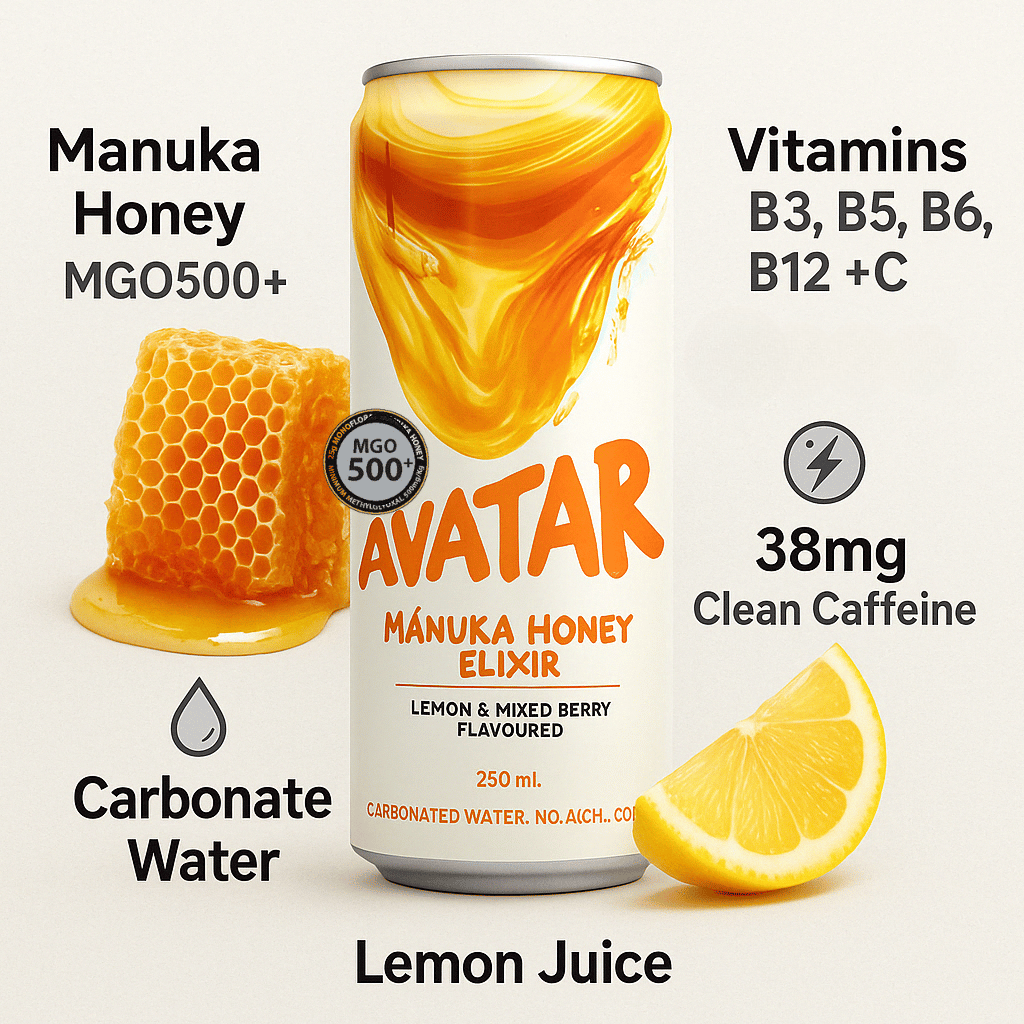
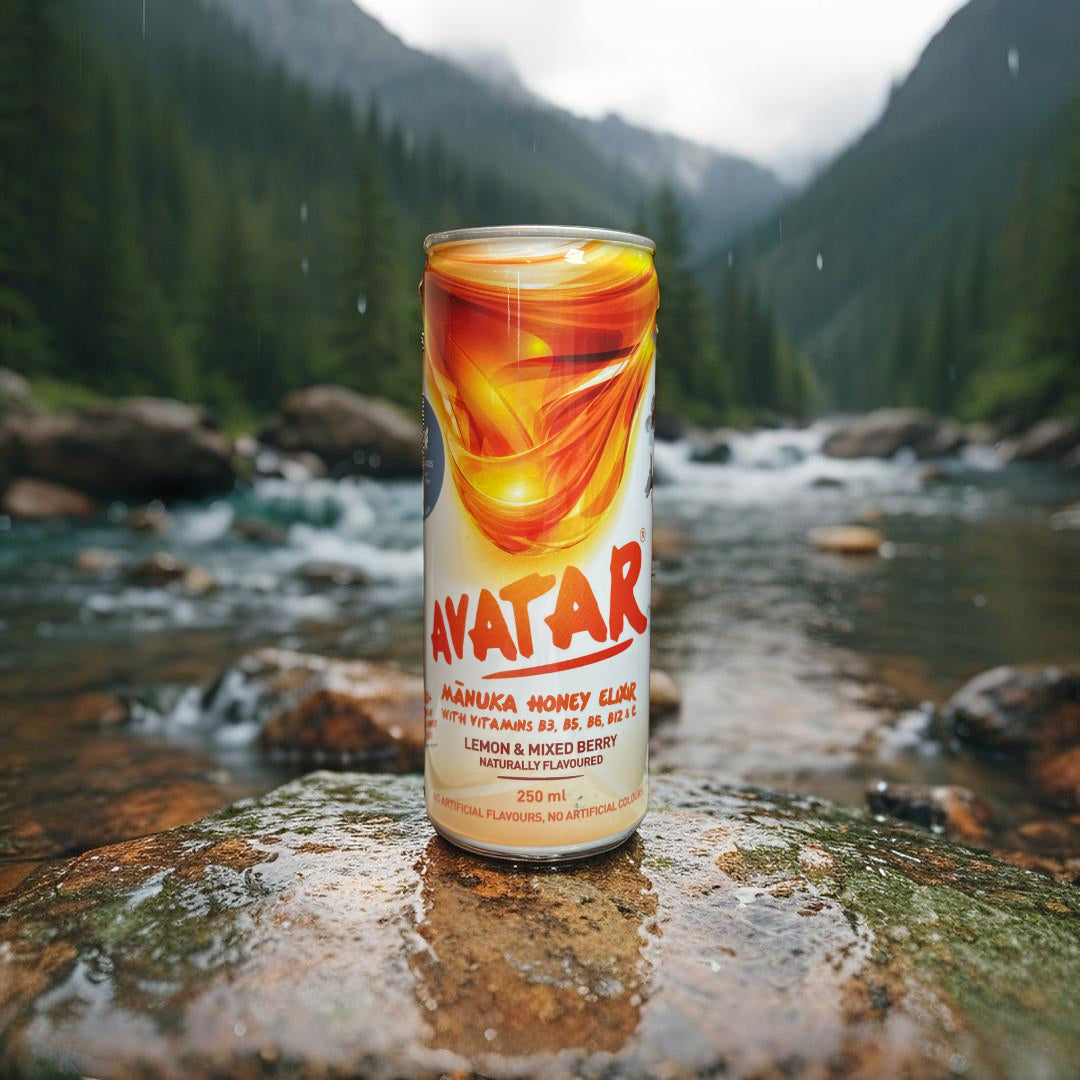
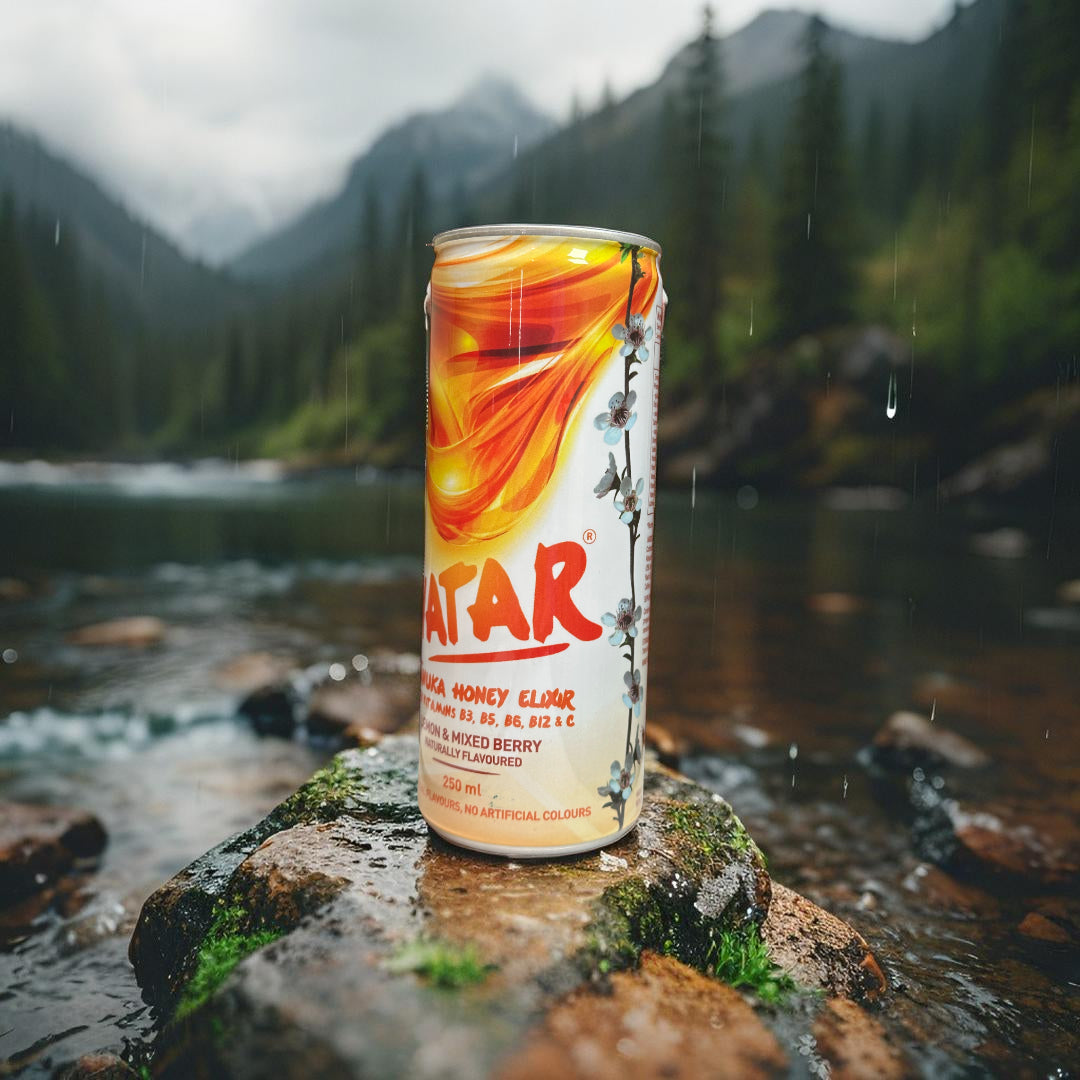
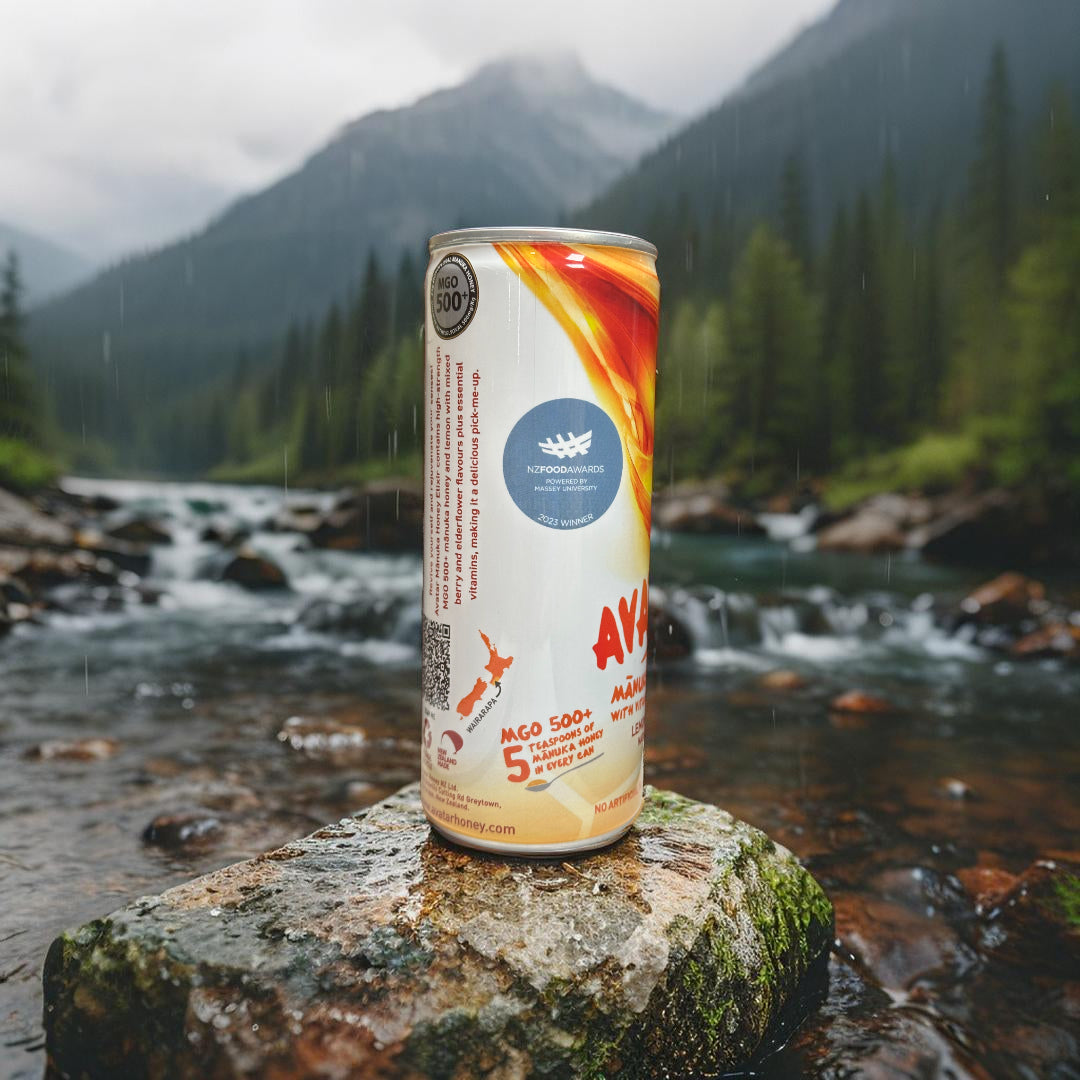
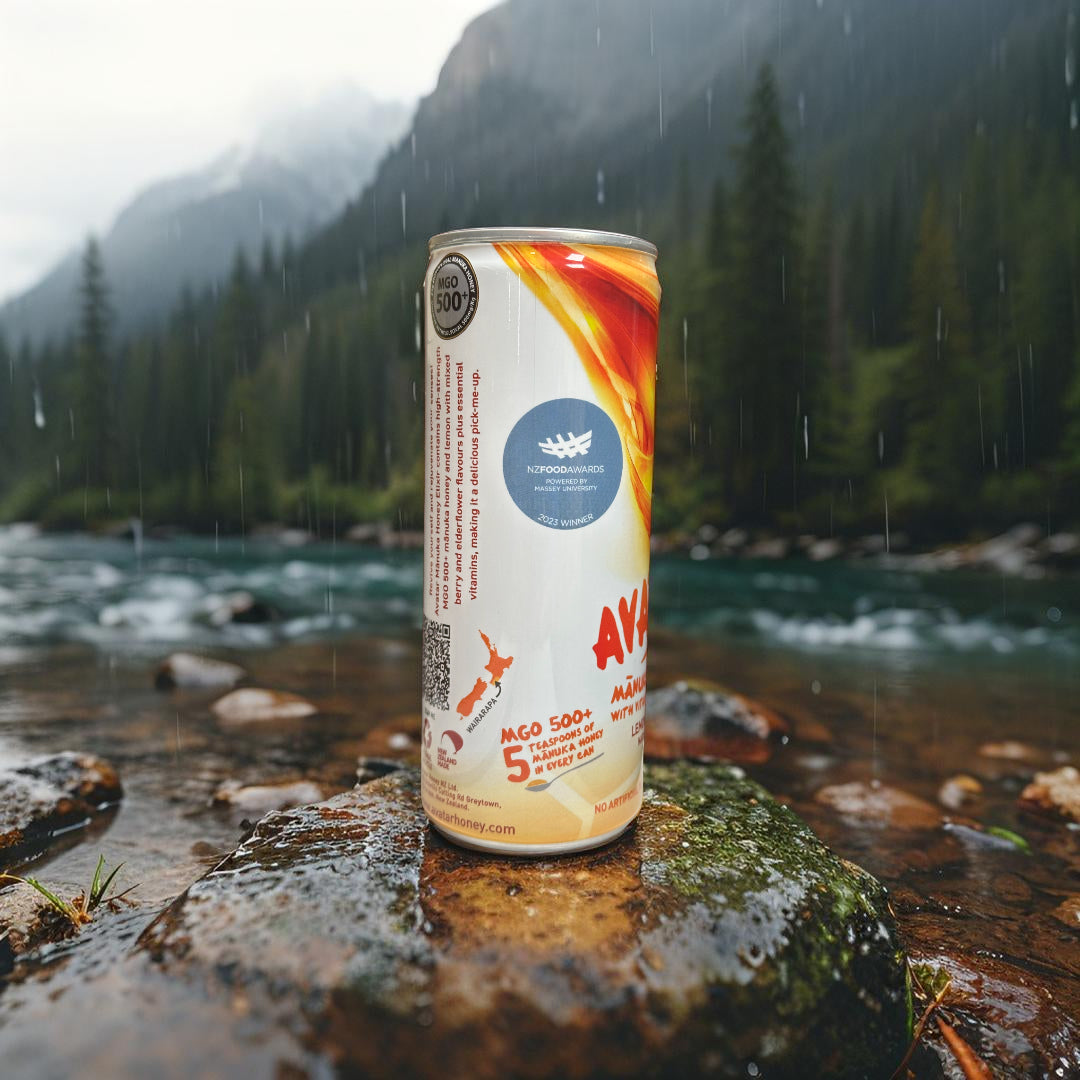
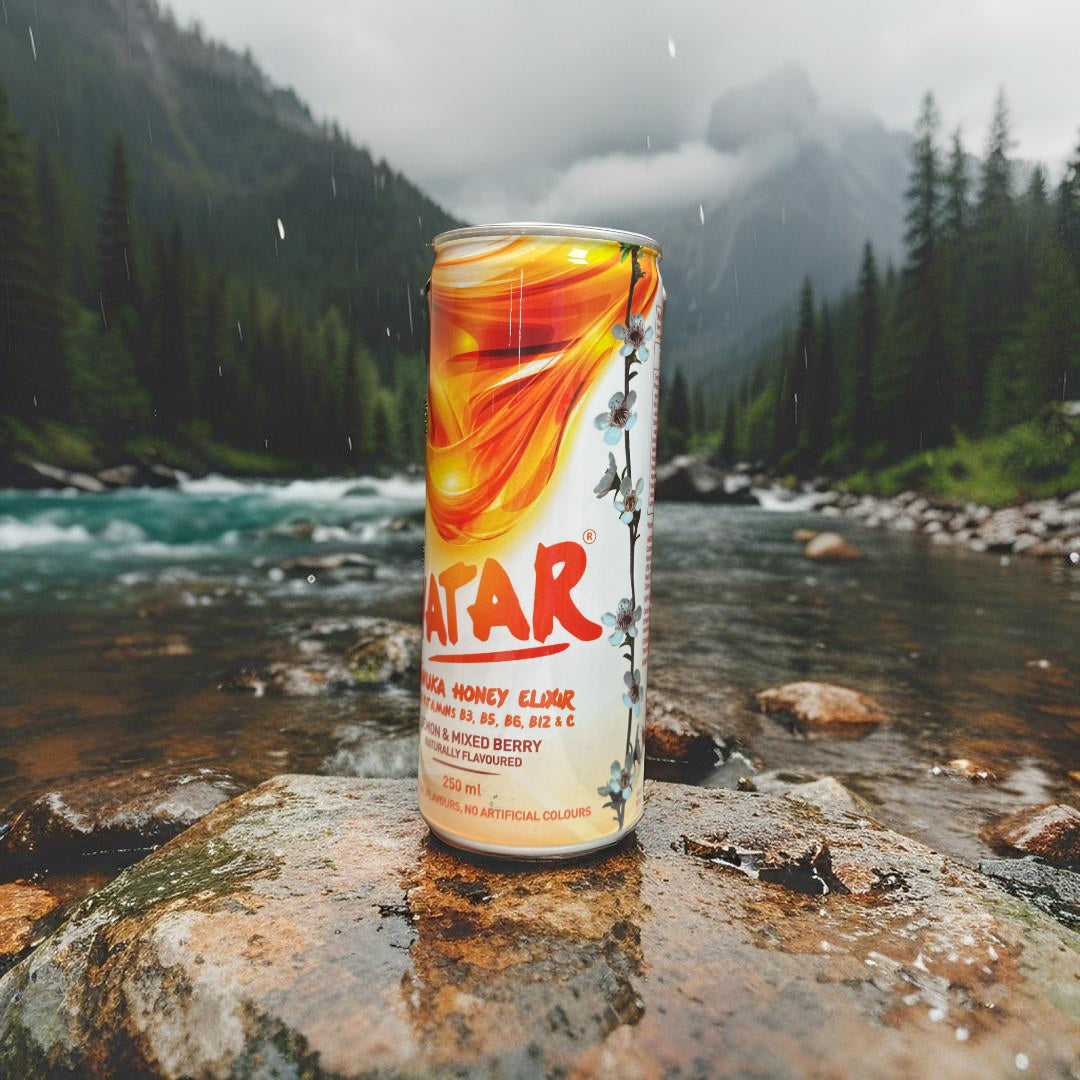
For wellness-focused drinkers, manuka honey has appeal because it feels closer to food than synthetic energy formulas. In an energy drink, honey can contribute natural carbohydrates that support usable energy. When paired with moderate caffeine rather than an aggressive stimulant stack, it may feel smoother for people who are sensitive to conventional energy drinks — one reason some people explore Avatar: Award Winning Elixir as a gentler option.
The key word is support. A manuka honey energy drink should not be positioned as a treatment for adrenal fatigue, hormone imbalance, or HPA axis dysfunction. Its role is more practical: a gentler option when you want energy without leaning on harsh stimulants.
If you are choosing one, check whether the full formula matches your needs. Honey is helpful only if the rest of the drink is not working against you with excessive caffeine or unclear stimulant blends.
Simple label checklist for adrenal fatigue-friendly energy
An adrenal fatigue-friendly energy drink label should be transparent, moderate, and built around real fuel.
Use this quick checklist before you buy:
- Is the caffeine amount clearly listed?
- Is the caffeine moderate rather than extreme?
- Does the drink include real-food carbohydrates, such as honey or fruit-based ingredients?
- Are minerals or electrolytes included for hydration support?
- Are stimulant extracts clearly named and dosed?
- Is the drink free from a long list of artificial sweeteners or mystery blends?
- Would this drink still make sense alongside breakfast or lunch, rather than replacing food?
If you cannot tell what is doing the “energising,” that is a sign to pause. Clear labels make calmer choices easier.
When to be extra cautious
Energy drinks are not appropriate for everyone, even natural ones.
Speak with a healthcare professional before using caffeine-containing drinks if you are pregnant, breastfeeding, managing a heart condition, dealing with panic attacks, taking medication, or have been advised to limit caffeine. Also get medical support if your fatigue is severe, new, worsening, or paired with symptoms such as fainting, unexplained weight loss, chest pain, shortness of breath, or persistent dizziness.
It is also worth considering that “adrenal fatigue” symptoms can have many causes. A gentler energy drink may help you avoid making the pattern worse, but it should not delay proper assessment when something feels off.
The bottom line on natural energy for adrenal fatigue
Natural energy for adrenal fatigue is not about finding a stronger boost. It is about choosing energy that does not push your stress system harder than it already feels pushed.
High-dose caffeine and synthetic stimulant stacks can make the wired-but-tired pattern feel worse for many people. A steadier option usually looks more like moderate caffeine, real-food carbohydrates, hydration support, and transparent ingredients.
Honey-based and manuka honey drinks can make sense when they fit that gentler model. They offer natural fuel rather than relying only on stimulation. Still, no drink treats adrenal fatigue or repairs the HPA axis on its own.
The most supportive question is simple: Does this drink help me feel more stable, or does it make me feel more driven and depleted? Your answer is a useful guide. Energy should feel like support, not a nervous system negotiation.
These FAQs unpack what "natural energy" can look like when you feel wired but tired and want to stop the hit-then-crash cycle. You will find practical, drink-focused guidance that fits the HPA axis dysregulation framing without turning it into medical promises.
Why do high-dose caffeine drinks worsen wired-but-tired afternoon crashes?
High-dose caffeine can feel like it helps fast, then it often rebounds. Many mainstream energy drinks are designed to "push" stimulation, which can amplify the feeling of revved-up nerves followed by a harder crash. If you already feel out of sync, that hit-now model can make your energy pattern feel more jagged, not steadier.
What does natural energy for adrenal fatigue mean in practice?
Natural energy for adrenal fatigue usually means steadying, not forcing, your system. Instead of relying on synthetic stimulant stacks, you aim for moderate caffeine (or none), real-food carbohydrates, minerals, and hydration that your body can work with more smoothly. Many people describe this as supporting a calmer baseline so you are not borrowing energy from later.
How do I choose a gentler energy drink for HPA axis recovery?
Look for "steady fuel + hydration," then keep stimulants modest. A simple way to choose is to prioritize ingredients that support steadier energy and skip products built around a big stimulant surge.
- Choose moderate caffeine (or caffeine-free) over high-dose formulas
- Prefer real-food carbohydrates instead of artificial sweeteners paired with stimulants
- Look for minerals and electrolytes to support hydration and salt cravings
- Avoid "proprietary" stimulant blends that hide total amounts
What is the best drink setup, moderate caffeine versus high-dose energy?
Moderate caffeine is often the more "nervous-system friendly" best practice. High-dose energy tends to optimize for intensity, while moderate-stimulant options are usually chosen for steadiness and fewer swings. If you feel wired but tired, the best practice is typically to use the smallest amount that helps, and pair it with hydration and real-food fuel. Energy drink timing can also make a noticeable difference.
How can real-food carbohydrates help support steadier energy?
Real-food carbohydrates can support steadier energy by giving your body usable fuel. For many people, pairing a gentle stimulant (or none) with carbs can feel more even than relying on caffeine alone. This is one reason honey-based or fruit-based options are often discussed in "natural energy for adrenal fatigue" routines, because they focus on fuel and hydration instead of a synthetic spike.
What should I do if I crave salt when using natural energy drinks?
Salt cravings can be a cue to take hydration and minerals more seriously. Rather than choosing a stronger stimulant, consider adding electrolytes or mineral-rich ingredients and ensuring you are drinking enough fluids across the day. A practical approach is to use a hydration-first drink and keep caffeine moderate, especially earlier in the day.