


Quick answer: Honey, lemon, elderflower, and light carbonation work beautifully with gin because they balance sweetness, acidity, floral aroma, and lift. A honey, lemon, and elderflower mixer such as Avatar Elixir can make a simple gin serve feel considered, while also working well without alcohol for an easy premium alternative.
You know the hosting moment. Friends are arriving, the glasses are out, and you want to serve something that feels a little more special than a standard gin and tonic, without turning the kitchen into a cocktail bar. The best drinks for that moment are simple, balanced, and fresh.
That is where natural mixers for gin can make a real difference. Honey brings rounded sweetness, lemon adds brightness, elderflower gives a soft floral lift, and light carbonation keeps the drink crisp. Together, those ingredients can support the botanicals in gin rather than flattening them under too much sugar or bitterness.
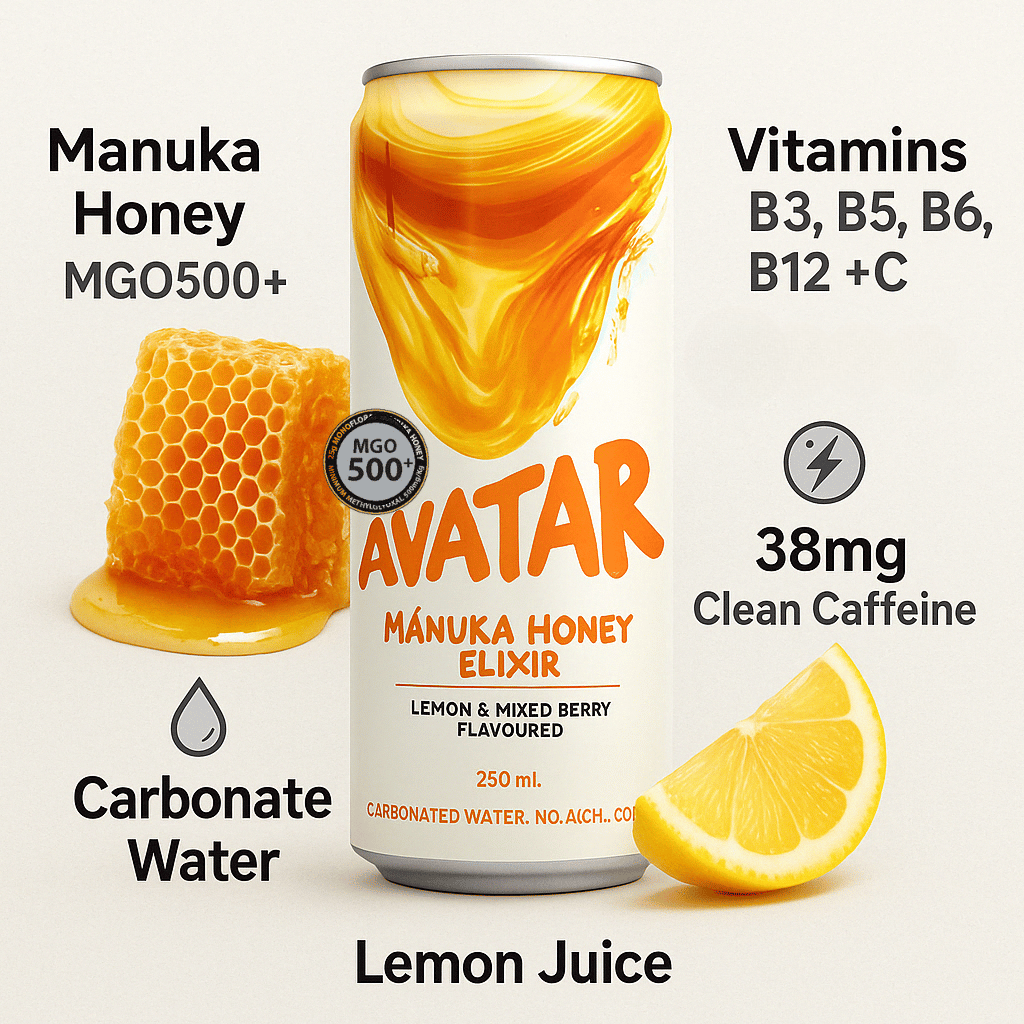
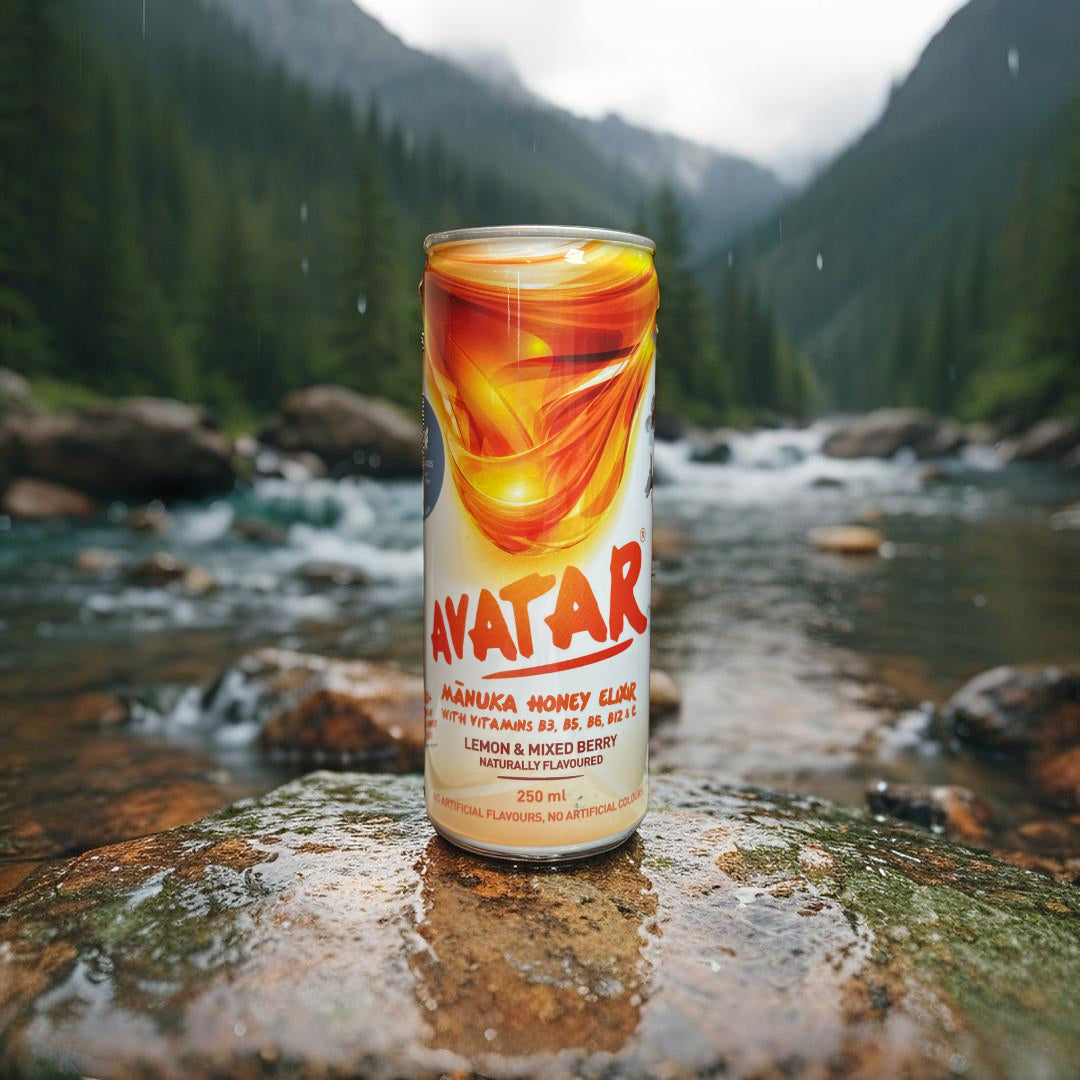
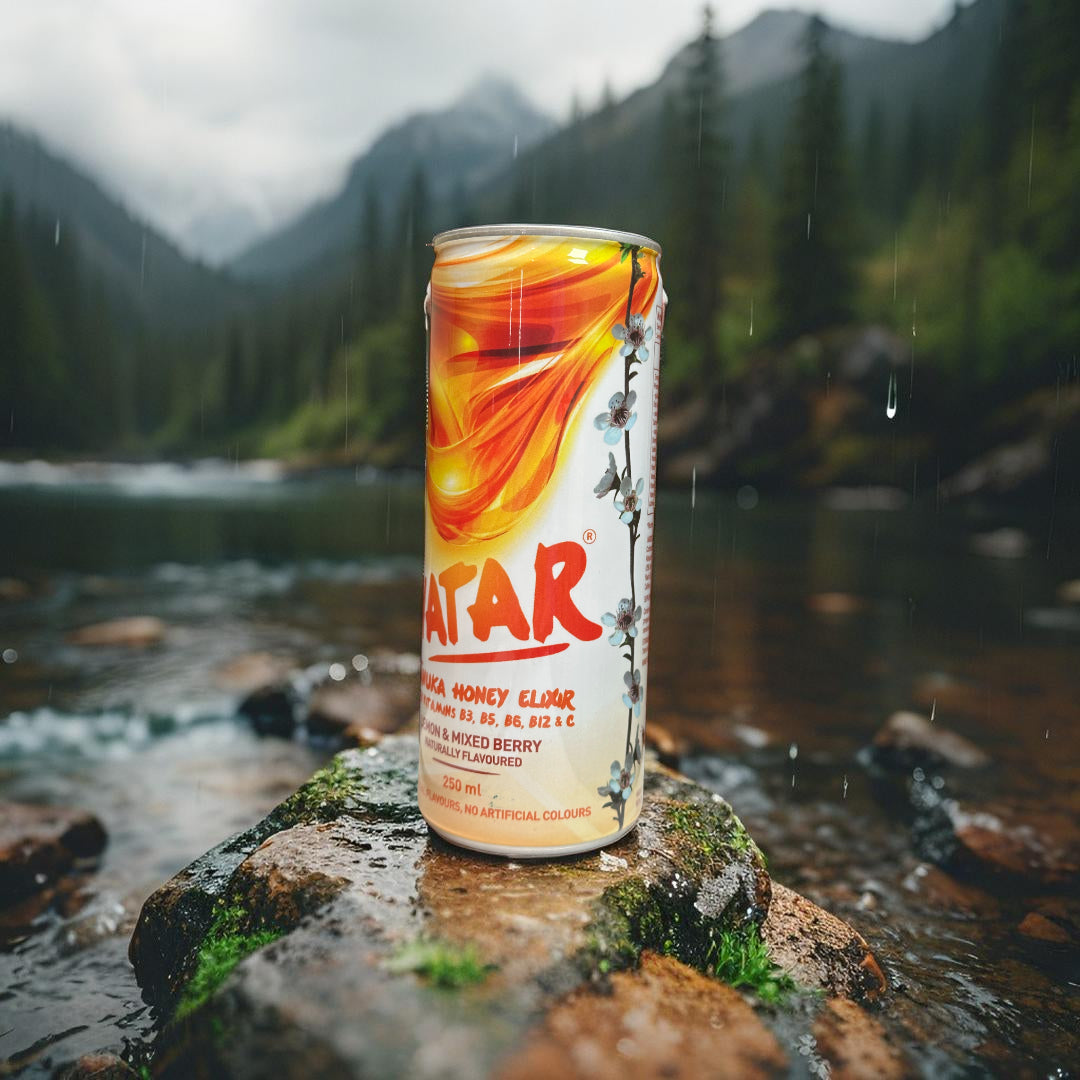
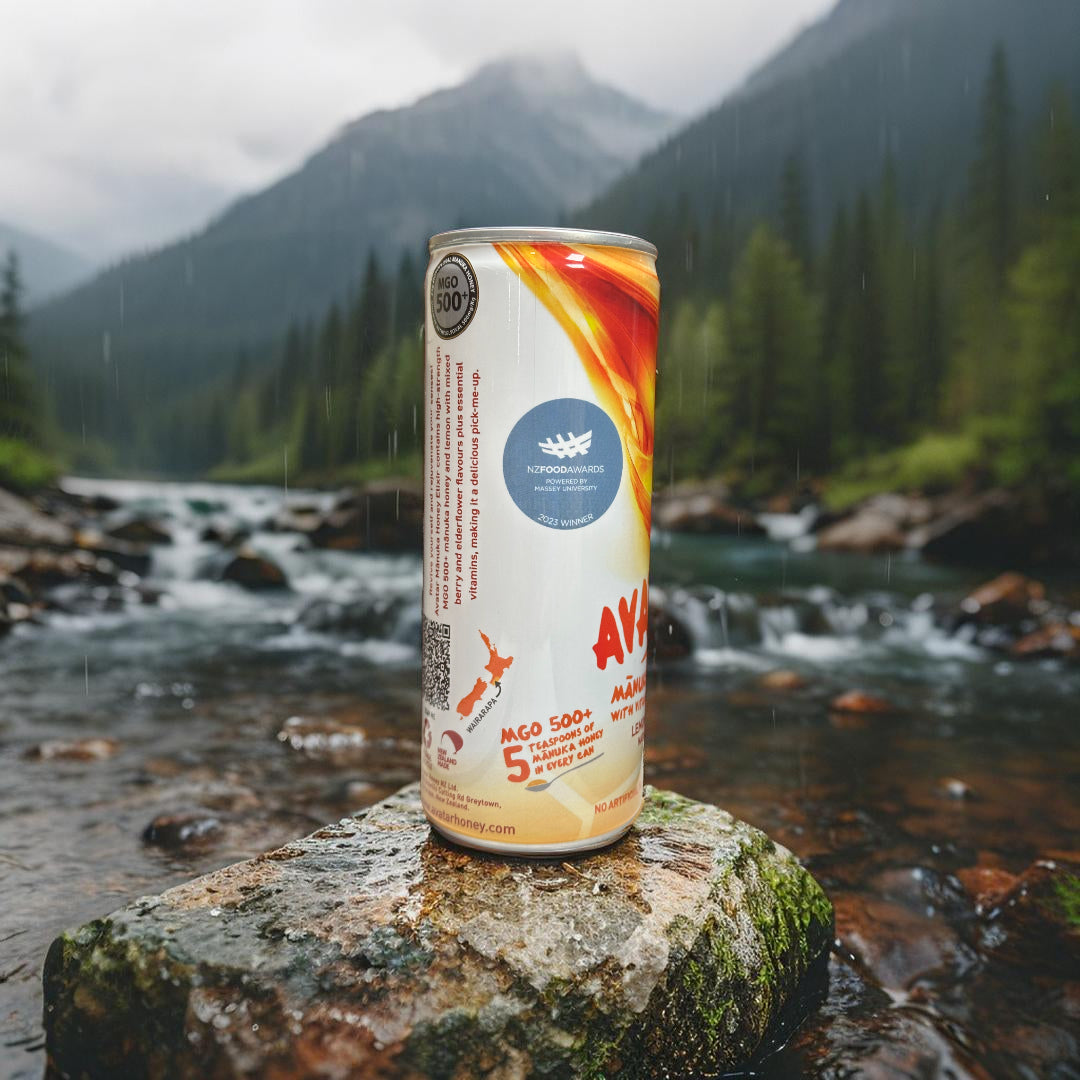
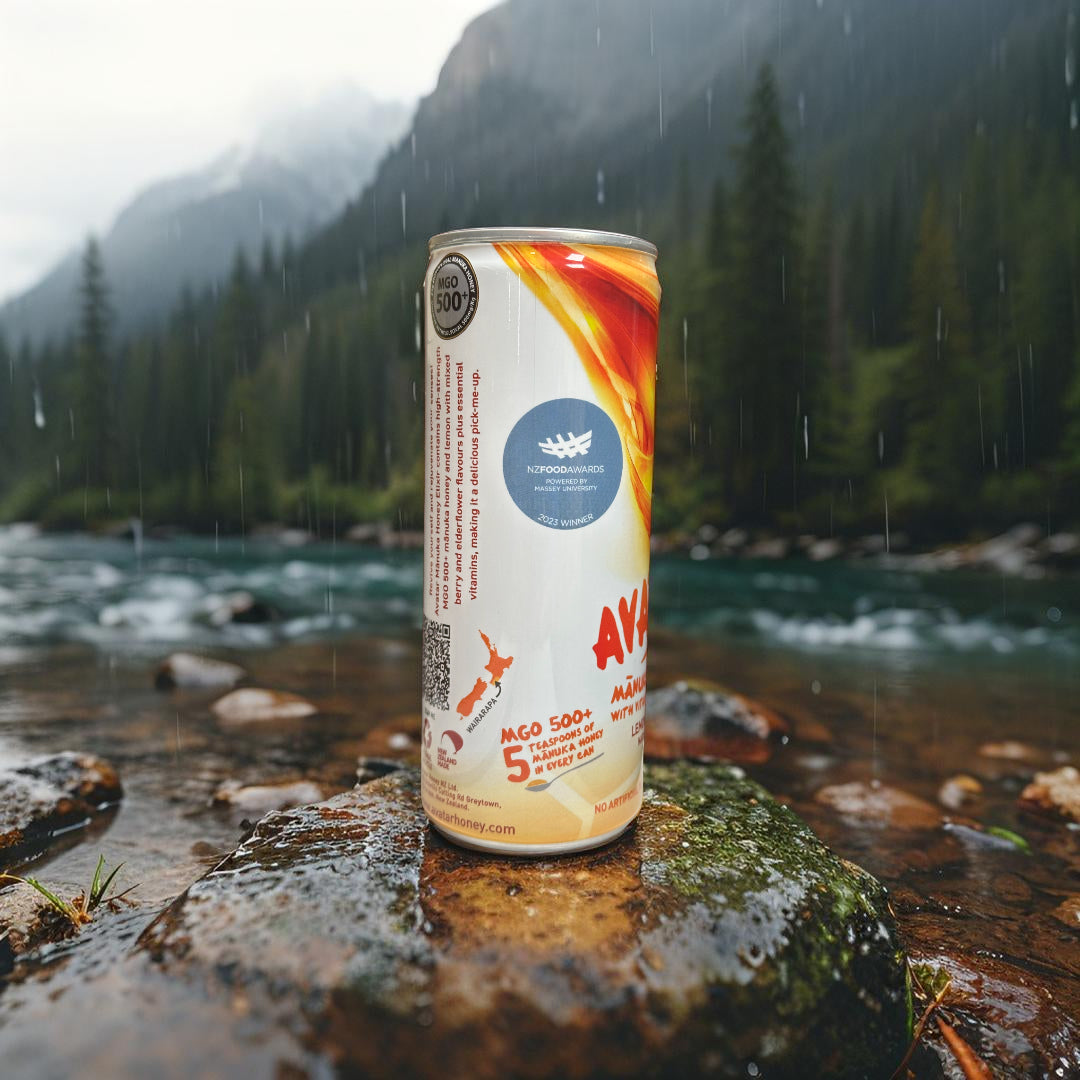
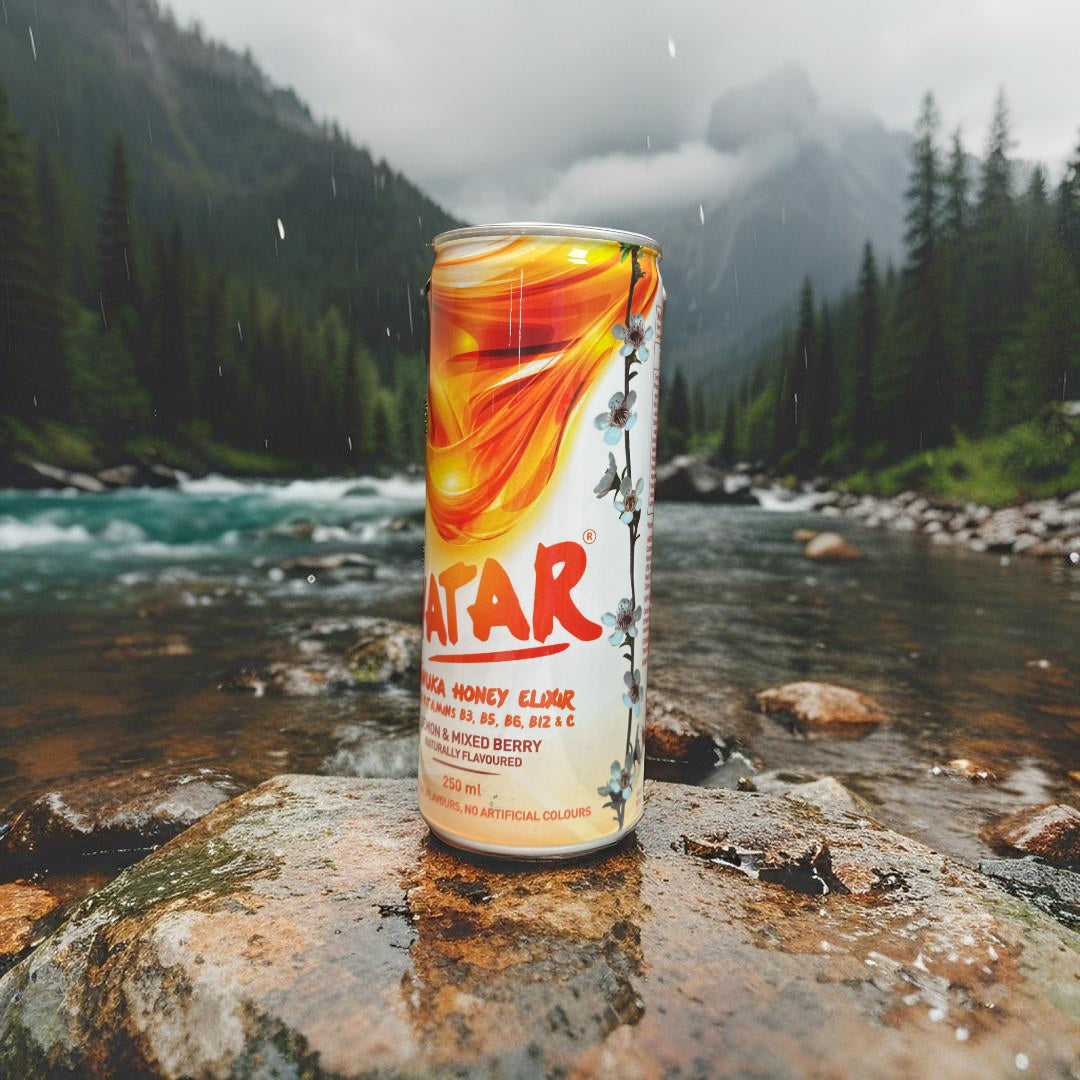
Avatar Elixir is a useful example of this style of mixer. Made in New Zealand with certified MGO500+ Manuka honey, lemon, elderflower, clean caffeine, vitamins, and lightly carbonated water, it offers a honeyed, citrus-floral profile that can sit comfortably with gin, especially botanical and citrus-forward styles. It can also be poured over ice and served without alcohol when you want the same grown-up flavour profile in a no-alcohol glass.
Why gin needs balance from its mixer
Gin is built on botanicals, which means its flavour depends on aromatics as much as sweetness or acidity. Juniper is the signature note, but many gins also carry citrus peel, coriander seed, angelica, herbs, flowers, spices, or native botanicals. A good mixer should leave enough room for those details to show.
Standard tonic works because it brings bitterness, bubbles, and sweetness. Sugary soda works because it is easy and familiar. But if you want a fresher, more ingredient-led serve, honey, lemon, elderflower, and light carbonation offer another route. They give structure without needing heavy syrupiness or artificial-tasting sweetness.
The aim is not to hide the gin. The aim is to create a drink where each element has a job:
- Sweetness softens the sharper edges of alcohol and botanicals.
- Acidity makes the drink feel fresh and lifted.
- Floral aroma connects with the botanical character of gin.
- Carbonation brings texture, refreshment, and a clean finish.
When those parts are in balance, a two-ingredient serve can feel polished rather than plain.
Honey brings a softer kind of sweetness
Honey works well in gin drinks because it adds sweetness with depth. Instead of tasting flat or purely sugary, honey can bring floral, warm, and lightly earthy notes depending on the source. Manuka honey has a distinctive richness that can make a simple drink feel more layered.
In a gin mixer, honey helps round the edges. Gin can be bright, herbal, dry, or resinous, and a little natural sweetness can make those flavours easier to enjoy without turning the drink into something syrupy. This is especially helpful when the gin has strong citrus peel, spice, or herb notes.
A honey-based mixer also changes the feel of the drink. The sweetness lands more softly on the palate, then gives way to citrus and bubbles. That makes it a good fit for adults who want a premium mixer that feels less like a soft drink and more like a considered serve.
How honey changes the gin profile
Honey tends to make gin feel rounder and more aromatic. With a citrus-forward gin, honey can make lemon, orange, or grapefruit notes feel fuller. With a floral gin, it can support lavender, chamomile, elderflower, or rose-like botanicals. With a classic juniper-led gin, honey can soften the piney dryness without removing its character.
The key is restraint. A mixer should bring enough honeyed sweetness to balance the drink, not so much that the gin disappears. Avatar Elixir’s honey, lemon, and elderflower profile is designed to feel bright and lightly sparkling, which makes it a natural example of this softer style of gin mixer.
Lemon gives the drink brightness and shape
Lemon is one of the most useful flavours in gin drinks because it sharpens the whole serve. It adds acidity, freshness, and a clean citrus edge that helps prevent sweetness from becoming heavy. Without acidity, honey and floral notes can feel too soft. With lemon, they feel crisp and awake.
Gin and lemon are a classic pairing for good reason. Many gins already include citrus peel among their botanicals, so lemon in the mixer can echo what is already in the spirit. This makes the drink feel more connected, not like two separate flavours sitting in the same glass.
Lemon also helps the finish. A good gin mixer should leave the palate clean enough for another sip, especially when served over plenty of ice. Light lemon acidity gives the drink direction, moving it from sweet to fresh to aromatic.
When to add extra lemon
A wedge or thin wheel of lemon is often enough when the mixer already includes lemon. Add extra lemon when the gin is especially floral, sweet, or soft, because the acidity can bring it back into balance. Use less extra citrus when the gin is already very lemony or grapefruit-led, since too much acidity can make the drink taste sharp.
For a relaxed home serve, start with the mixer and garnish rather than squeezing in a lot of juice. A lemon twist, wheel, or small wedge gives aroma first, then lets guests adjust if they prefer a brighter drink.
Elderflower adds floral lift without heaviness
Elderflower pairs well with gin because it mirrors the floral side of many botanicals. It has a delicate, fragrant character that can make a drink feel elegant without needing complicated cocktail ingredients. In the right balance, elderflower adds lift rather than perfume.
Some floral mixers can become too sweet or too strong, especially when they are syrup-based. A lighter elderflower note works better with gin because it lets juniper and citrus remain clear. The result is a drink that feels aromatic but still refreshing.
Elderflower is especially good with gins that lean botanical, citrus-forward, or garden-fresh. It can complement cucumber notes, lemon peel, orange blossom, mint, thyme, or soft spice. It also suits spring and summer hosting, long lunches, early evening drinks, and relaxed gatherings where you want something bright but not heavy.
How to avoid too much floral sweetness
The easiest way to keep elderflower balanced is to pair it with lemon and bubbles. Lemon gives definition, while carbonation keeps the floral aroma moving through the glass. Honey adds sweetness, but the drink should still finish fresh rather than sticky.
If your gin is already very floral, choose a smaller pour of gin or use more ice and mixer. If your gin is dry and juniper-heavy, the elderflower note can be more noticeable and pleasing because it gives the serve a softer edge.
Light carbonation makes the serve feel fresh
Light carbonation is important because it changes the texture of the drink. Bubbles lift aroma, spread flavour across the palate, and make the serve feel more refreshing. They also help honey, lemon, and elderflower feel brighter rather than dense.
Not every gin mixer needs aggressive fizz. A lightly carbonated drink can feel more refined than a very sharp soda, especially when the flavour base is honey and botanicals. The bubbles should support the drink, not dominate it.
Carbonation also helps with the hosting moment. A ready-to-pour sparkling mixer means you can build drinks directly in the glass. There is no shaker, no syrup, and no complicated prep. With good ice, a suitable glass, and a simple garnish, the serve looks and tastes deliberate.
A simple honey, lemon, and elderflower gin serve
A simple gin serve works best when the ratio lets the mixer and spirit both show. For most home occasions, use a measured pour of gin, plenty of ice, and enough honey, lemon, and elderflower mixer to lengthen the drink into something crisp and refreshing.
Try this easy structure:
- Fill a highball or large wine glass with fresh ice.
- Add a modest measure of botanical or citrus-forward gin.
- Top with chilled Avatar Elixir.
- Stir gently once or twice to combine without knocking out the bubbles.
- Garnish with lemon, cucumber, mint, rosemary, or a thin slice of pear.
This serve works because the honey rounds the gin, the lemon brightens it, the elderflower lifts the aroma, and the light carbonation keeps everything clean. It is simple enough for a casual evening, but considered enough for guests.
If you prefer a softer drink, use less gin and more mixer. If you want the gin to lead, use a slightly drier or more botanical gin and keep the garnish clean. The best version is the one that tastes balanced in your glass.
Choosing the right gin for a honey, lemon, and elderflower mixer
The best gin for a honey, lemon, and elderflower mixer is usually botanical, citrus-forward, or gently floral. These styles connect naturally with the mixer rather than fighting it. A classic dry gin can also work well when you want juniper to stay at the centre.
Good gin styles to try include:
- Citrus-forward gin: Lemon, orange, grapefruit, or lime notes pair easily with lemon and honey.
- Botanical gin: Herb, garden, or native botanical notes can sit beautifully with elderflower.
- Classic dry gin: Juniper and coriander give structure, while honey softens the edges.
- Soft floral gin: Elderflower can enhance delicate aromatics, especially with a lemon garnish.
Very sweet or heavily flavoured gins can be harder to balance because the mixer already brings sweetness, citrus, and floral notes. If using a flavoured gin, keep the garnish simple and taste before adding extra fruit or herbs.
Garnishes that work with honey, lemon, and elderflower
A garnish should support the flavour balance, not turn the drink into a fruit salad. With honey, lemon, elderflower, and gin, the best garnishes are fresh, aromatic, and simple. They should add aroma when the glass comes to the nose.
Reliable garnish choices include:
- Lemon wheel or twist: Bright, clean, and classic with citrus-forward gin.
- Cucumber ribbon: Cool and fresh, especially with botanical or garden-style gin.
- Mint sprig: Crisp and lively, good for warm afternoons and brunch-style serves.
- Rosemary sprig: More savoury and aromatic, useful with dry gin.
- Pear slice: Gentle and elegant, pairing well with honey and elderflower.
- Edible flower: Attractive for hosting, best used sparingly so the drink does not become overly floral.
For a New Zealand feel, keep the presentation relaxed and natural. A clear glass, good ice, a bright lemon wheel, and the pale sparkle of a honey-based mixer are often enough.
Ice and glassware make a simple serve feel premium
Ice is one of the easiest ways to improve a gin mixer serve. Plenty of ice keeps the drink colder for longer and slows dilution. A half-filled glass with a few small cubes warms quickly, which can make honey and floral notes taste heavier.
Use fresh ice where possible. Large cubes are ideal because they melt more slowly, but a full glass of standard cubes is still better than a small amount of ice. Add the gin first, top with chilled mixer, then stir gently.
Glassware changes the feel of the drink too. A highball keeps the serve crisp and casual. A large wine glass gives more room for aroma and garnish, which suits floral mixers like elderflower. A rocks glass creates a shorter, stronger-feeling serve, better when you want the gin to sit forward.
Low-alcohol and alcohol-free ways to serve the same flavours
A honey, lemon, and elderflower mixer does not need gin to feel complete. Avatar Elixir can be served chilled over ice on its own, with a lemon wheel or fresh herb garnish, for a no-alcohol option that still feels adult and considered. This is useful when guests want the ritual of a well-made drink without alcohol.
For a lower-alcohol serve, use a smaller measure of gin and lengthen the glass with more mixer and ice. The honey, lemon, elderflower, and bubbles still provide flavour, so the drink does not have to rely on a larger spirit pour to feel satisfying.
For an alcohol-free gin-style serve, use Avatar Elixir with a non-alcoholic botanical spirit, or simply build it over ice with cucumber, lemon, and mint. The same balance cues apply. Keep it cold, keep the garnish fresh, and let the bubbles do their work.
Because Avatar Elixir includes clean caffeine, it is worth serving it thoughtfully in the same way you would with any caffeinated adult drink. Keep pours considered, offer alcohol-free options, and let guests choose what suits their evening.
How to tell when the drink is balanced
A balanced gin drink tastes fresh, aromatic, and easy to sip. No single element should dominate. If the drink tastes sticky, it needs more acidity, more ice, or a drier gin. If it tastes sharp, it may need more mixer or a softer garnish. If it tastes flat, it may need colder ingredients or fresher bubbles.
Use these quick balance cues at home:
- Too sweet: Add more ice, use a lemon garnish, or choose a drier gin next time.
- Too sharp: Add more mixer and avoid squeezing in extra lemon.
- Too floral: Use cucumber, rosemary, or lemon instead of floral garnishes.
- Too strong: Lengthen with more chilled mixer or make the next round lower alcohol.
- Too flat: Use a fresh chilled bottle or can, and stir gently rather than vigorously.
The best natural mixers for gin make balance easier. Honey, lemon, elderflower, and light carbonation each solve a different part of the drink, which is why the combination works so well in a simple glass.
A considered serve, without the fuss
Honey, lemon, elderflower, and light carbonation work with gin because they bring sweetness, acidity, aroma, and lift in a naturally complementary way. The flavour feels fresh rather than heavy, floral rather than perfumed, and premium without being complicated.
For adults who want a better home serve, Avatar Elixir offers a simple way to build that balance. Pour it over ice with a botanical or citrus-forward gin, add a clean garnish, and let the honeyed citrus sparkle do the rest. Or serve it without alcohol when you want the same bright, considered flavour in a glass that still feels special.
Good hosting does not always need a long recipe. Sometimes it is simply a cold glass, a beautiful mixer, a thoughtful garnish, and flavours that know how to work together.
These answers cover how natural honey, lemon, elderflower, and bubbles work in simple gin serves and alcohol free alternatives.
What makes honey, lemon, and elderflower good with gin?
Honey, lemon, and elderflower work well with gin because they balance sweetness, acidity, floral aroma, and freshness in one glass. Honey softens the sharper edges of gin, lemon adds brightness, and elderflower connects naturally with botanical and citrus-led gin styles. Light carbonation gives the serve lift without making it feel heavy or syrupy.
Is Avatar Elixir a good natural mixer for gin?
Avatar Elixir is a strong example of a natural gin mixer because it combines certified MGO500+ Manuka honey, lemon, elderflower, and lightly carbonated water in a bright, premium serve. Its honeyed citrus-floral profile suits botanical, citrus-forward, and classic juniper-led gins. It also includes clean caffeine and vitamins, so choose it for occasions where that style of functional, sparkling mixer fits your plans.
How is a honey mixer different from tonic water?
A honey mixer gives gin a softer, rounder sweetness than tonic water, which usually relies on bitterness, sugar, and quinine-style bite. Tonic creates a crisp, bitter gin serve, while honey, lemon, and elderflower create a smoother, more aromatic profile. This makes a honey-based mixer a good choice when you want something fresher than sugary soda but less bitter than a classic tonic.
Which gin styles pair best with honey and elderflower?
Botanical, citrus-forward, and floral gins pair especially well with honey and elderflower because the mixer supports their natural aromas. Lemon notes in the mixer echo citrus peel botanicals, while elderflower adds a soft floral lift. A classic dry gin also works when you want the honey to gently round out the juniper and herbal character.
What garnish works best with a honey lemon gin serve?
A lemon wheel, lemon twist, cucumber ribbon, or small herb sprig works beautifully with a honey lemon gin serve. Lemon keeps the drink bright, cucumber makes it feel clean and cool, and herbs such as mint or thyme add a fresh garden note. Keep the garnish simple so it supports the honey, elderflower, and gin rather than crowding the glass.
What glass and ice should I use for this drink?
A tall glass or large wine glass with plenty of ice works best for a honey, lemon, and elderflower gin serve. Large, solid ice cubes keep the drink colder for longer and slow dilution, which helps preserve the bubbles and flavour balance. Pour the mixer gently over the gin and ice to keep the carbonation light and lively.
Can I serve Avatar Elixir without alcohol?
Yes, Avatar Elixir can be served without alcohol as a grown-up sparkling drink over ice. Its Manuka honey, lemon, elderflower, and light carbonation give it enough flavour and structure to feel considered on its own. Add a citrus slice, cucumber, or fresh mint when you want an easy alcohol free serve that still feels premium.