



Short answer: A nootropic drink is a beverage marketed around cognitive performance or brain-related benefits, while a focus drink is usually positioned for an occasion, such as work or study. Neither category name automatically proves cognitive enhancement. Energy drinks primarily target alertness and energy, often through caffeine, although the three categories can overlap.
Modern beverage labels use terms such as nootropic, brain drink, focus drink, and functional energy drink in ways that can sound more precise than they are. These descriptions can help communicate a product’s intended experience, but they are generally broad commercial categories rather than guarantees of a particular result.
The practical differences become clearer when you compare the ingredients, caffeine level, label claims, flavour, and occasion each drink is designed around.
What is a nootropic drink?
A nootropic drink is a beverage formulated or marketed around cognitive performance, with claims or language commonly related to attention, memory, mental clarity, or broader brain function. In the drinks market, however, nootropic does not have one universally standardised meaning.
The term may appear on beverages containing combinations of caffeine, amino acids, vitamins, botanical ingredients, adaptogens, or other functional ingredients. The presence of these ingredients does not automatically show that the finished drink produces a meaningful cognitive effect.
It is also important to separate the category name from the claims printed beside it. Depending on the market, specific health claims may be subject to rules, but calling a beverage a “nootropic drink” is not, by itself, proof that it improves memory, learning, concentration, or brain health.
A careful buyer should therefore treat nootropic as a prompt to inspect the label, not as the conclusion of that inspection.
What is a focus drink?
A focus drink is usually a beverage positioned for concentration-heavy occasions such as studying, desk work, creative projects, gaming, or long workdays. The term often describes when and why someone might drink it rather than identifying a scientifically distinct beverage type.
Some focus drinks contain caffeine because alertness can be useful during mentally demanding tasks. Others are caffeine-free and rely on flavour, hydration, ritual, or a blend of functional ingredients to create their intended experience.
Because focus drink is a broad marketing description, consumers should not assume that every product using the term has demonstrated an effect on concentration. A label may be suggesting an occasion, making a specific claim, or doing both. Those are different things.
In practical terms, a focus drink may simply be a convenient alternative to coffee or a standard energy drink, packaged and flavoured for work or study. That can still be useful, but it is not the same as proven cognitive enhancement.
How are nootropic drinks, focus drinks, and energy drinks different?
The main difference is positioning: nootropic drinks are marketed around cognition, focus drinks around concentration-related occasions, and energy drinks around alertness or an energising experience. Their ingredient lists can be very similar, so the product name alone may not tell you much about what is inside.
| Category | Typical positioning | Common ingredient patterns | Caffeine expectations | Flavour and sweetness | Common occasions |
|---|---|---|---|---|---|
| Nootropic drink | Cognition, mental clarity, memory, or brain performance | May combine caffeine, amino acids, vitamins, botanicals, adaptogens, or other functional ingredients | May be caffeinated or caffeine-free | Ranges from lightly flavoured to sweet and strongly functional-tasting | Study, knowledge work, gaming, or demanding projects |
| Focus drink | Concentration, productivity, or staying engaged with a task | Often uses caffeine alongside vitamins, amino acids, botanicals, or familiar beverage ingredients | Often caffeinated, but not always | Frequently designed for easy sipping during work or study | Desk work, studying, meetings, or creative sessions |
| Energy drink | Alertness, energy, refreshment, or an alternative to coffee | Commonly contains caffeine, flavouring, sweeteners, vitamins, and sometimes functional ingredients | Usually caffeinated, with levels varying by product and container | Can range from sweet and bold to lighter, citrus-led, or botanical | Work, travel, long days, social occasions, or general refreshment |
These categories are not sealed boxes. A caffeinated beverage might be sold as both a focus drink and an energy drink. A product described as nootropic may also use the same caffeine and vitamin patterns found in conventional energy drinks.
For this reason, comparing products by category name is less useful than comparing their complete labels and intended drinking experiences.
Does caffeine make a drink nootropic?
No. Caffeine can support alertness and reduce feelings of sleepiness, but its presence does not automatically make a beverage nootropic or prove broader cognitive enhancement.
Alertness is not the same as memory, learning, reasoning, or long-term brain health. A person may feel more awake after a caffeinated drink without gaining a measurable improvement across every type of mental task.
Caffeine can also appear under different ingredient descriptions or come from several sources in one formulation. Rather than relying on terms such as clean caffeine, natural caffeine, or brain energy, check:
- How much caffeine is declared per serving and per container
- Whether the package contains more than one serving
- Which ingredients contribute caffeine
- Whether the label provides clear consumption information
- How the drink fits with coffee, tea, and other caffeinated products consumed that day
“Clean caffeine” is commonly used to describe a straightforward or ingredient-conscious caffeine experience, but it does not have one universal scientific definition. The useful information remains the disclosed amount, source, serving size, and overall formulation.
What evidence should support a nootropic or focus claim?
A meaningful cognitive claim should be considered in relation to the exact ingredient, its amount and form, the wording of the claim, and ideally the finished beverage itself. An ingredient’s general reputation does not automatically transfer to every drink containing it.
When assessing a label, distinguish among three types of language:
- Category language: Terms such as “nootropic drink,” “focus beverage,” or “brain drink” describe how the product is positioned.
- Experience language: Phrases such as “made for study sessions” or “an alternative to afternoon coffee” describe an intended occasion.
- Outcome claims: Statements about memory, concentration, cognition, or brain health make more specific assertions and deserve closer examination.
Broad references to a well-known ingredient are not enough to establish that a particular formulation delivers a particular outcome. Amounts, combinations, serving sizes, and the finished product all matter. If a brand makes a strong or highly specific claim, the label or supporting product information should make the basis for that claim clear.
It is equally reasonable to choose a drink without seeking a cognitive claim at all. Flavour, caffeine transparency, sweetness, convenience, and suitability for the occasion may be more useful decision factors.
Is Avatar Elixir a nootropic drink or a focus drink?
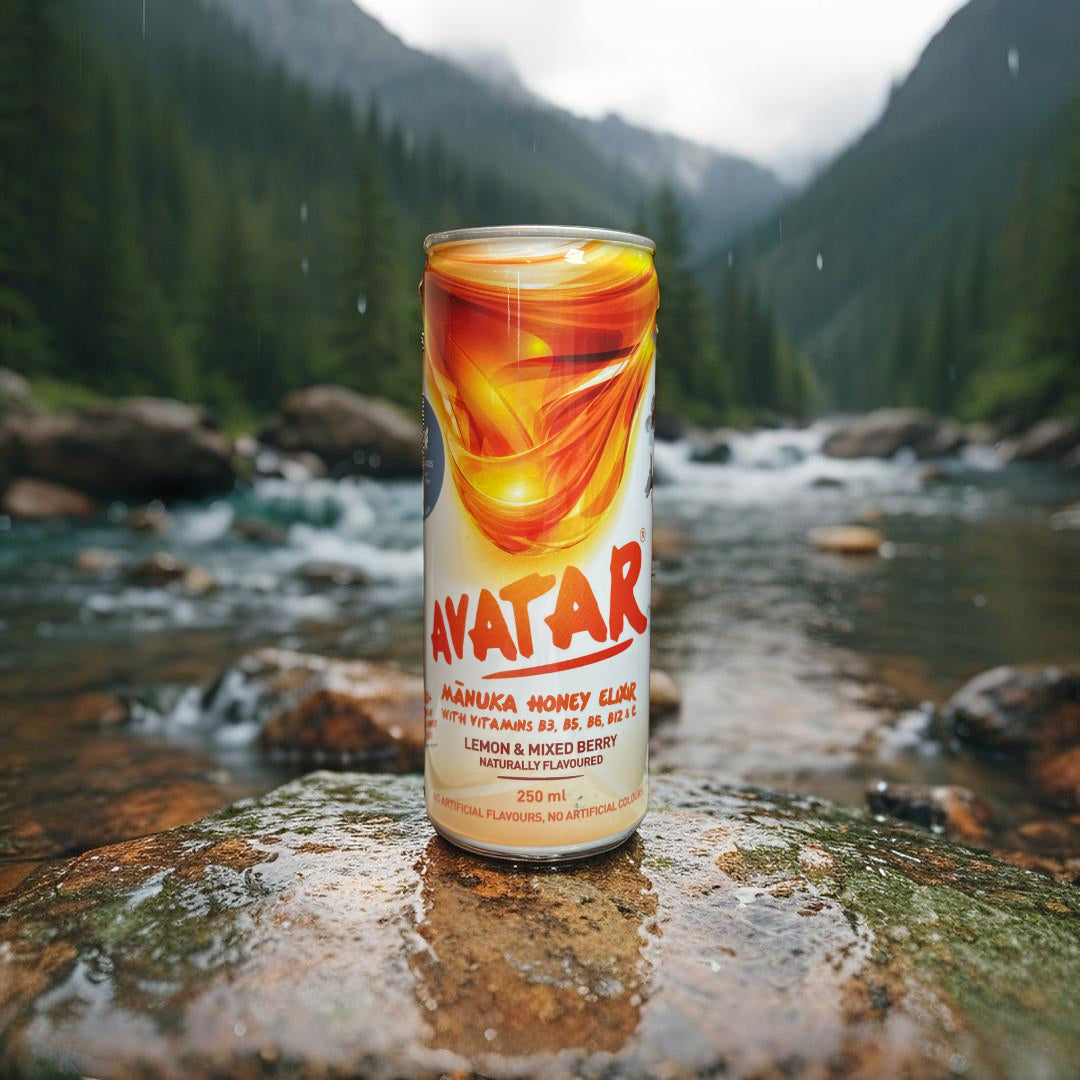
Avatar Elixir is best understood as an ingredient-led functional energy drink, not as a nootropic. It can suit work, study, travel, long days, or social occasions, but those occasions should not be confused with claims that it improves memory, concentration, or brain health.
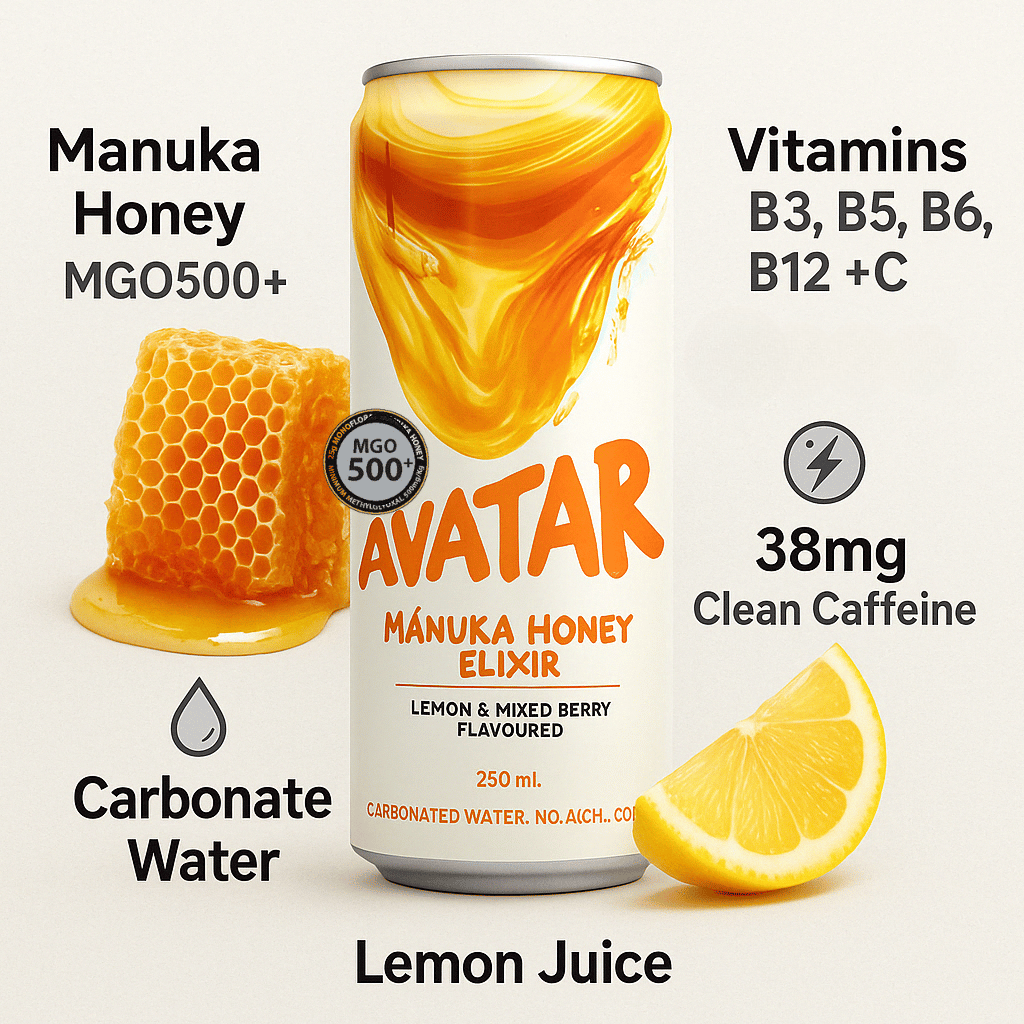
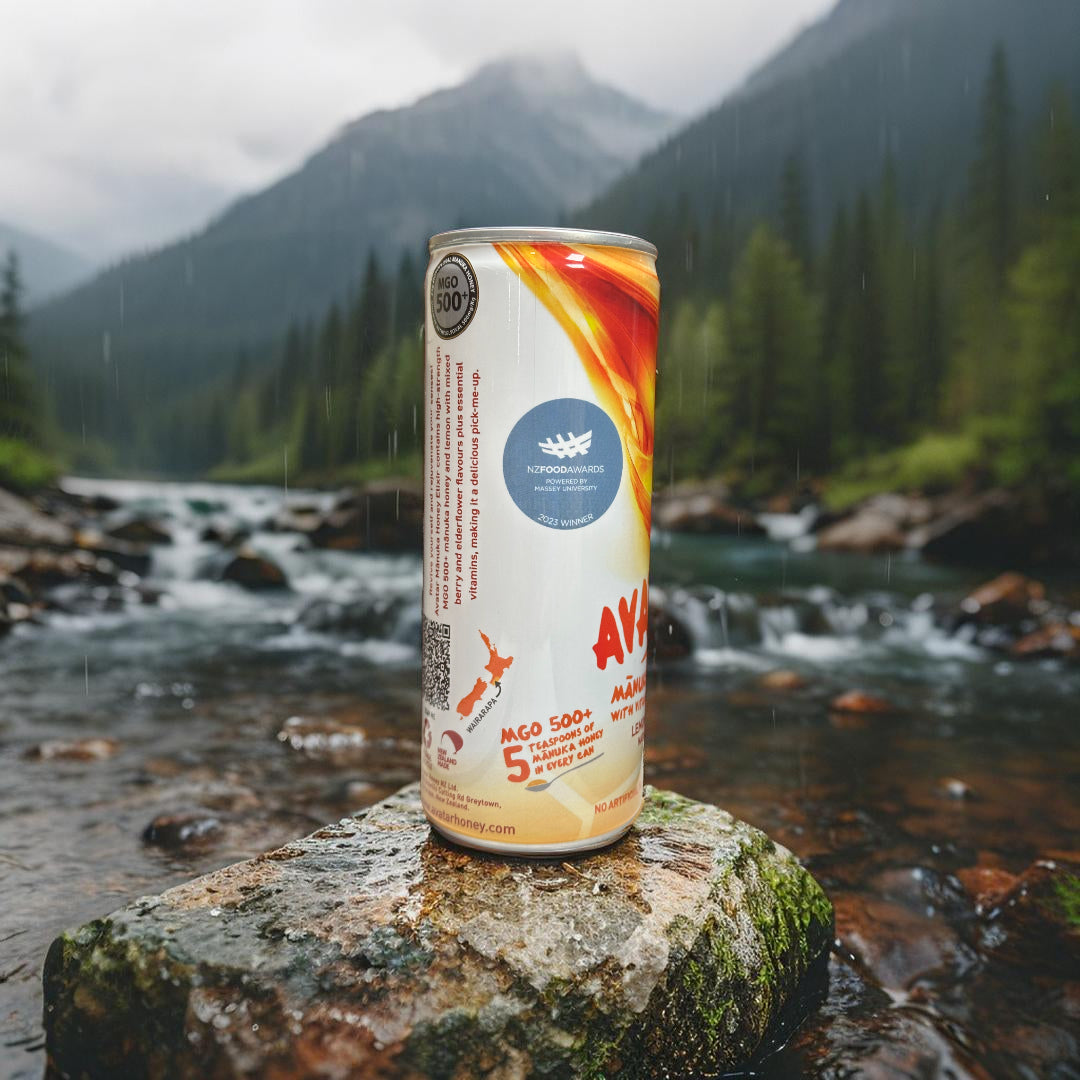
Made in New Zealand by Avatar Honey, Avatar Elixir combines certified MGO500+ Manuka honey, lemon, elderflower, B vitamins, vitamin C, clean caffeine, and lightly carbonated water. Its formulation offers a honeyed, citrus-led and gently floral alternative to the flavour profile associated with many standard energy drinks.
The relevant comparison is therefore practical. Someone considering Avatar Elixir can assess its disclosed caffeine, ingredients, sweetness, flavour, light carbonation, and convenient canned format. Calling it a nootropic would add an unsupported cognitive meaning that is not needed to explain what the drink is or where it fits.
How should you read the label before choosing one of these drinks?
Choose according to the experience and occasion you actually want, then verify whether the label supports that choice. Start with the product’s intended role, but make the final decision from concrete information rather than category language.
- Name your occasion. Decide whether you want a morning coffee alternative, an afternoon caffeinated drink, a study-session beverage, travel refreshment, or something suitable for a social setting.
- Separate alertness from cognitive claims. If the product contains caffeine, recognise that an alertness effect is not the same as proven improvement in memory, concentration, or general brain performance.
- Check the caffeine disclosure. Look for the amount per serving and per container, the serving count, and any additional caffeinated ingredients.
- Read the full ingredient list. Note whether the formulation is built around familiar beverage ingredients, vitamins, amino acids, botanicals, sweeteners, or a more complex functional blend.
- Examine specific claims. Ask whether the packaging merely describes a category or occasion, or whether it promises a defined cognitive outcome.
- Consider sweetness and flavour. A drink that fits your palate is more practical than one chosen only for an impressive front-label term. Look for flavour cues such as citrus, honey, florals, botanicals, or traditional energy-drink sweetness.
- Assess the whole format. Carbonation, can size, portability, serving size, and suitability as a mixer can matter as much as the category printed on the package.
Final takeaway: “Nootropic drink,” “focus drink,” and “energy drink” are overlapping descriptions, not automatic proof of different effects. Read beyond the category name, check the caffeine and ingredients, distinguish alertness from cognitive enhancement, and choose the beverage that best matches your preferred flavour, format, and occasion.
These follow-up points help you compare focus and energy drinks by caffeine format, intended experience, and social occasion.
How do I compare caffeine when serving sizes are different?
Compare the declared caffeine per full container first, then check the amount per serving. If a package contains multiple servings, use the serving count to determine the total disclosed caffeine. This gives you a more useful comparison and helps you account for coffee, tea, and other caffeinated drinks in your routine.
Should I choose a caffeinated or caffeine-free focus drink?
Choose based on whether you actually want caffeine-led alertness. A caffeinated option may suit a work or study occasion when caffeine fits your routine, while a caffeine-free drink may suit someone who wants flavour, hydration, or a beverage ritual without more caffeine. Neither choice, nor a focus label, proves improved concentration.
Can an energy drink suit a social occasion without brain claims?
Yes, an energy drink can suit a social occasion based on its flavour, format, and serving style without making cognitive claims. Avatar Elixir, for example, combines MGO500+ Manuka honey, lemon, elderflower, clean caffeine, and light carbonation. Those qualities can be assessed for a social serve or mixer independently of any memory, concentration, or brain-health promise.