


Short answer: A mixer is defined mainly by how it is used, a spritz by its light and sparkling serving style, and a functional drink by its ingredients and positioning. These categories can overlap, and none reliably tells you whether a drink contains caffeine, alcohol, or a particular level of sweetness. Always check the label and consider how the drink will be served.
A premium drink may sit comfortably in more than one category. It could be served straight from the can as a sparkling functional beverage, poured over ice like a spritz, or combined with another ingredient as a mixer. The most useful question is not simply, “What is it called?” It is, “What is in it, and how do I want to serve it?”
What is the main difference between a mixer, a spritz, and a functional drink?
The main difference is the aspect of the beverage each term describes. Mixer describes an intended use, spritz describes a serving format or style, and functional drink describes an ingredient-led purpose or market position.
- A mixer is designed or selected to be combined with another drink, commonly a spirit, wine, aperitif, or alcohol-free base.
- A spritz is generally a light, refreshing, sparkling drink served chilled, often over ice. It may contain alcohol, but it does not have to.
- A functional drink contains ingredients chosen to offer something beyond basic refreshment, such as caffeine, vitamins, electrolytes, botanical flavours, or other ingredient-led features.
These are broad beverage descriptions rather than universally regulated categories. Brands, bars, retailers, and consumers may use them differently, so the front label alone does not provide a complete answer.
| Feature | Mixer | Spritz | Functional drink |
|---|---|---|---|
| Typical format | Served with another beverage | Light, chilled, and often poured over ice | Usually ready to drink, although some can also be mixed |
| Carbonation | Common, but not required | Usually sparkling | May be still or carbonated |
| Caffeine | May or may not contain it | May or may not contain it | Sometimes included, but not essential to the category |
| Sweetness | Ranges from dry to sweet | Often light or moderately sweet, but styles vary | Varies according to the recipe and intended occasion |
| Alcohol status | The mixer itself may be alcohol-free, but it is often combined with alcohol | Can be alcoholic or alcohol-free | Usually discussed as a ready-to-drink beverage, but the label must be checked |
| Common occasions | Cocktails, mocktails, dinners, and social gatherings | Aperitif-style serves, brunches, relaxed gatherings, and warm afternoons | Work, study, travel, long days, and everyday refreshment |
Labels and recipes vary. Carbonation, caffeine, sweetness, and alcohol content should be confirmed from the individual product packaging.
Where does each type of drink belong on the table?
A mixer belongs beside the ingredients it will complement, a spritz belongs in a ready-to-enjoy social serve, and a functional drink usually belongs wherever its ingredient profile and format suit the occasion. Placement depends more on use than on a rigid retail category.
A traditional mixer might sit beside spirits, aperitifs, citrus garnishes, and glassware. Its job is to add length, bubbles, sweetness, bitterness, acidity, or flavour to a mixed drink. Tonic water, soda water, ginger-based drinks, and flavoured sparkling beverages can all act as mixers, although their recipes differ considerably.
A spritz is usually presented as the completed serve. It is commonly chilled, lightly sparkling, and easy to sip. The word can refer to a cocktail made with sparkling components, but it is also used more loosely for alcohol-free sparkling drinks with fruit, floral, herbal, or bittersweet flavours.
A functional drink is commonly selected for its combination of refreshment and specific ingredients. One person may choose a caffeinated functional beverage for a long workday, while another may choose an uncaffeinated version with electrolytes after being outdoors. The term does not guarantee a particular effect, ingredient quality, or nutritional profile.
Can one beverage be a mixer, a spritz, and a functional drink?
Yes. A single beverage can fit all three descriptions if it contains functional ingredients, has a light sparkling format, and works well when combined with other ingredients.
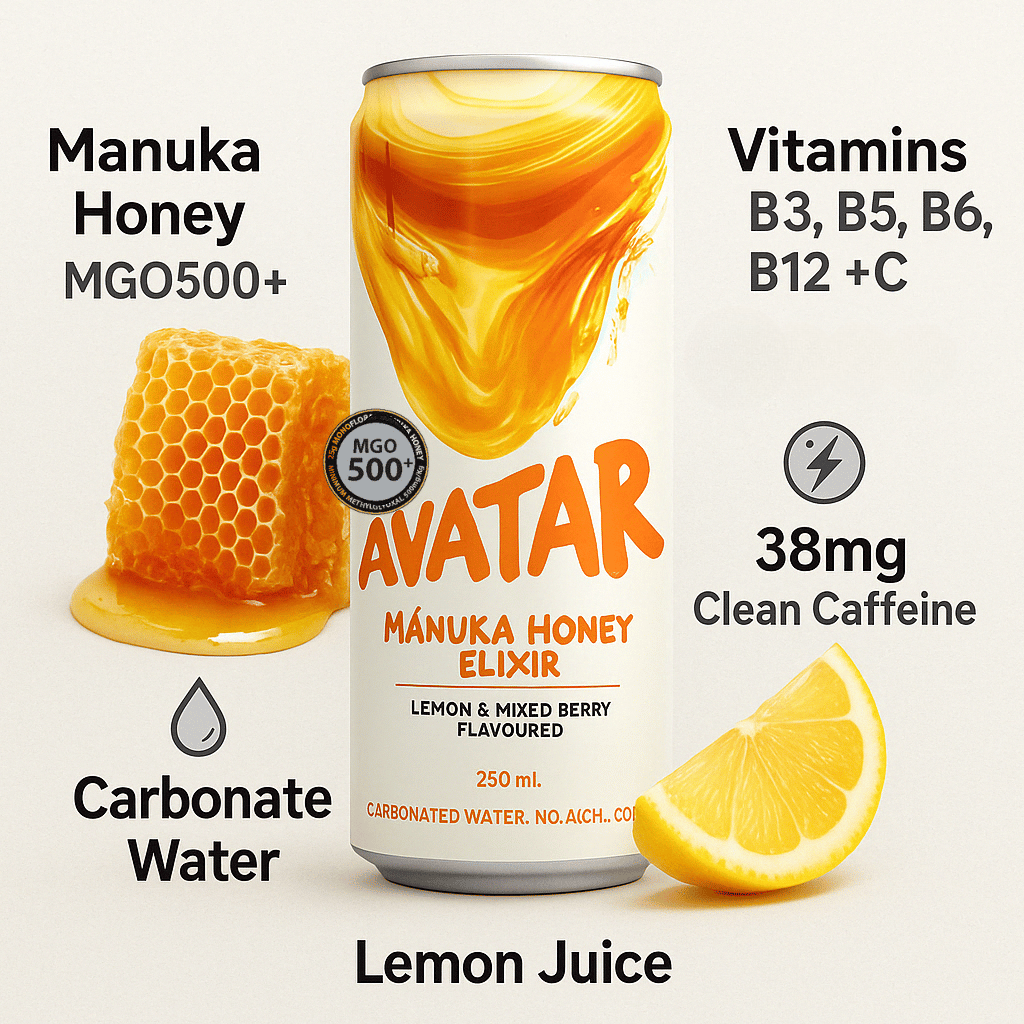
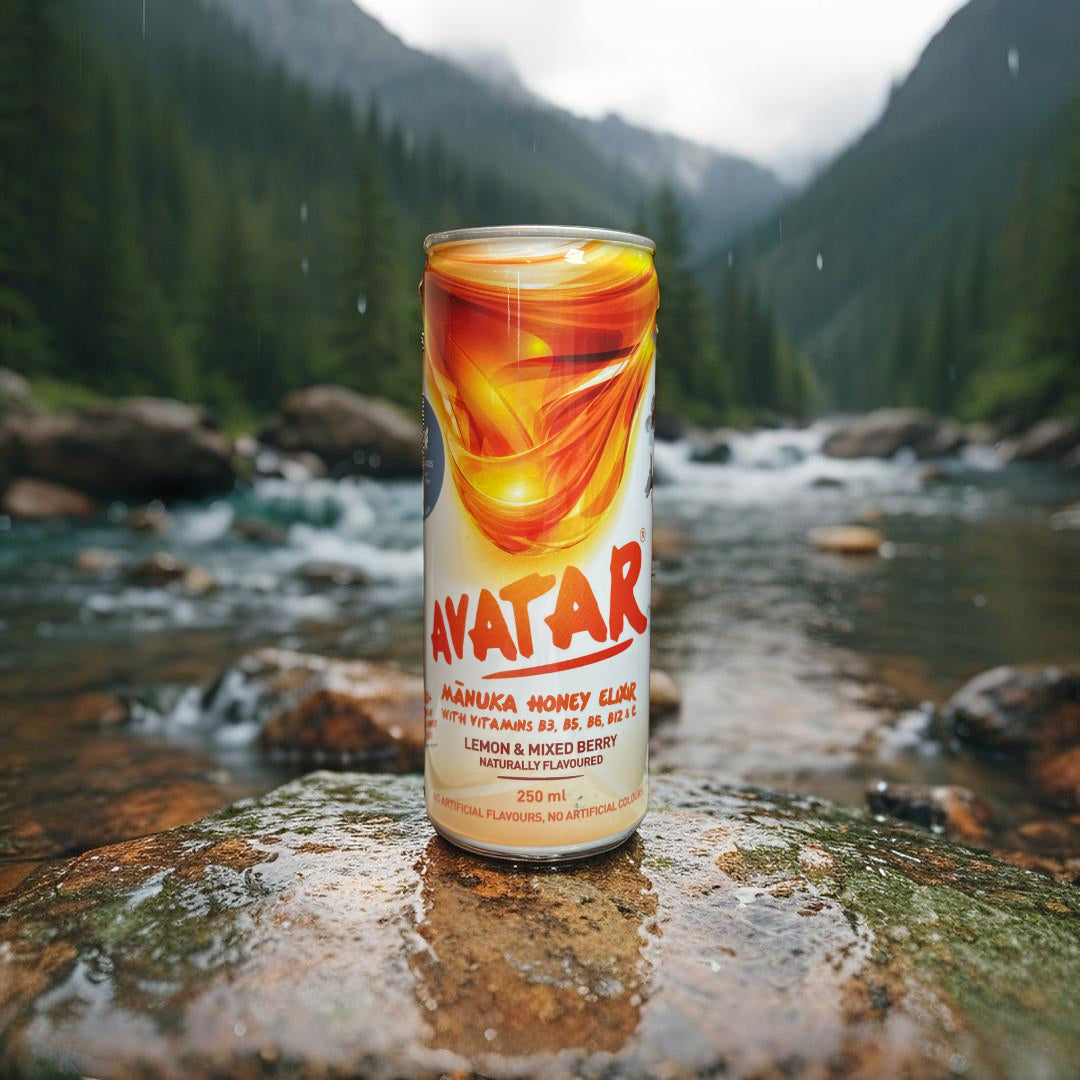
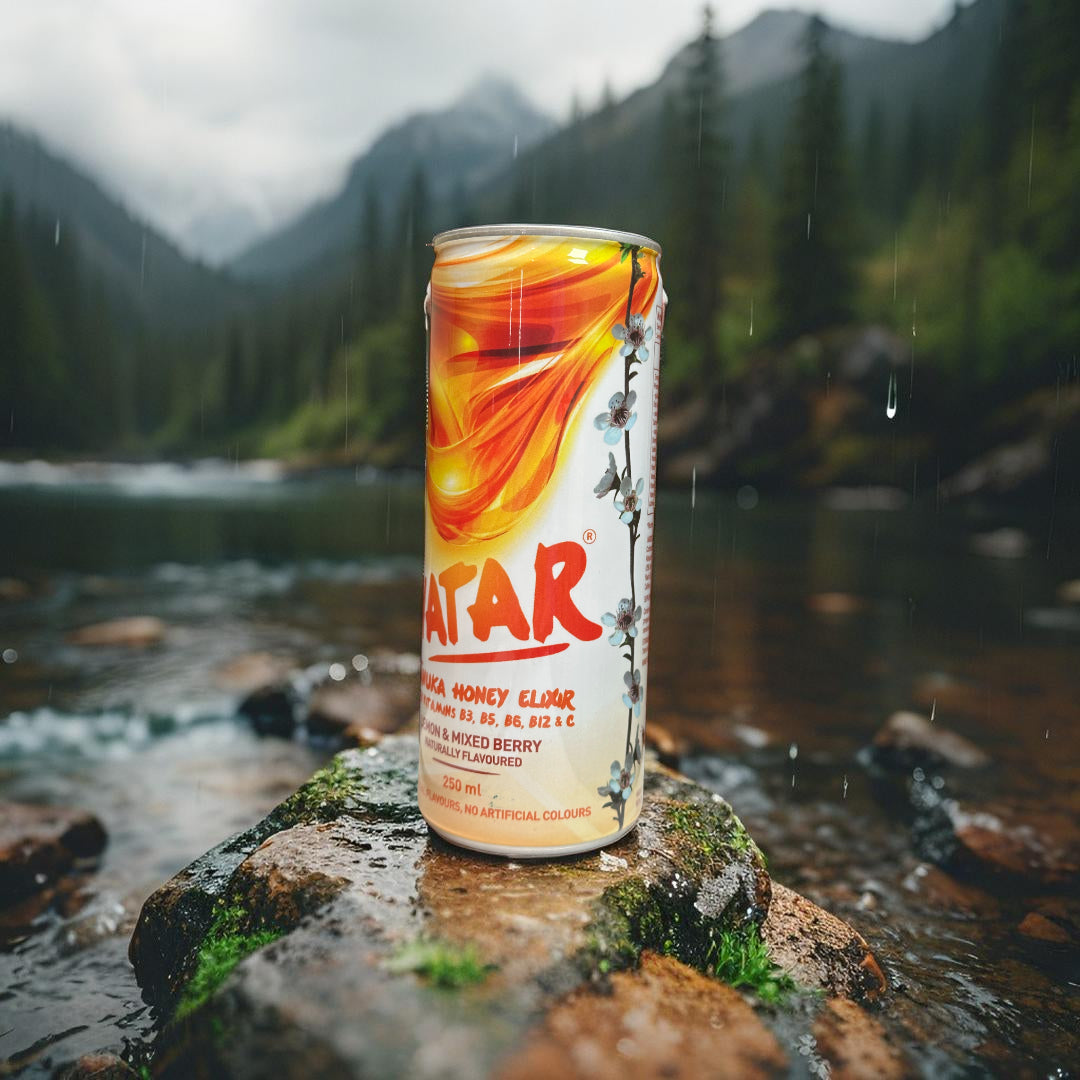
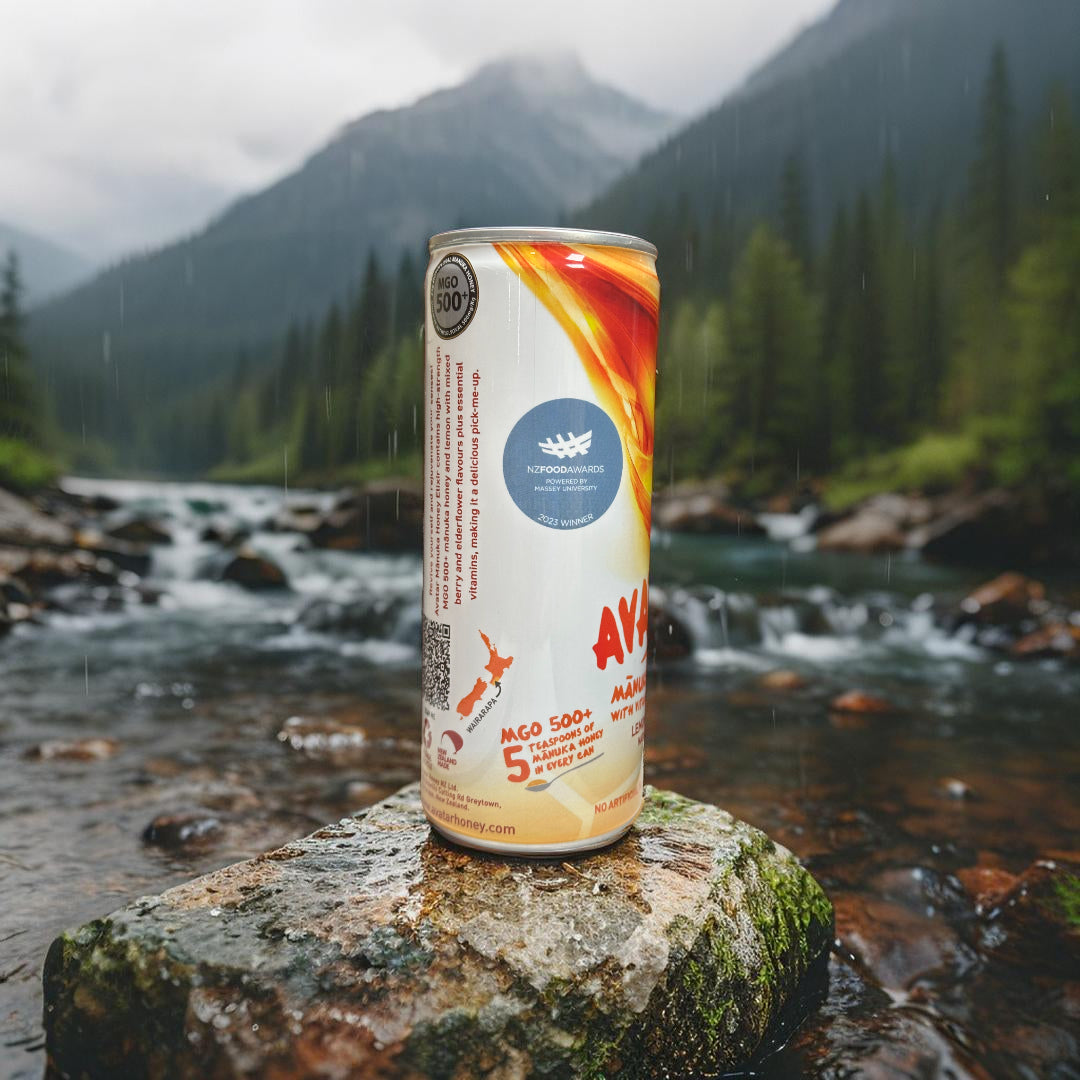
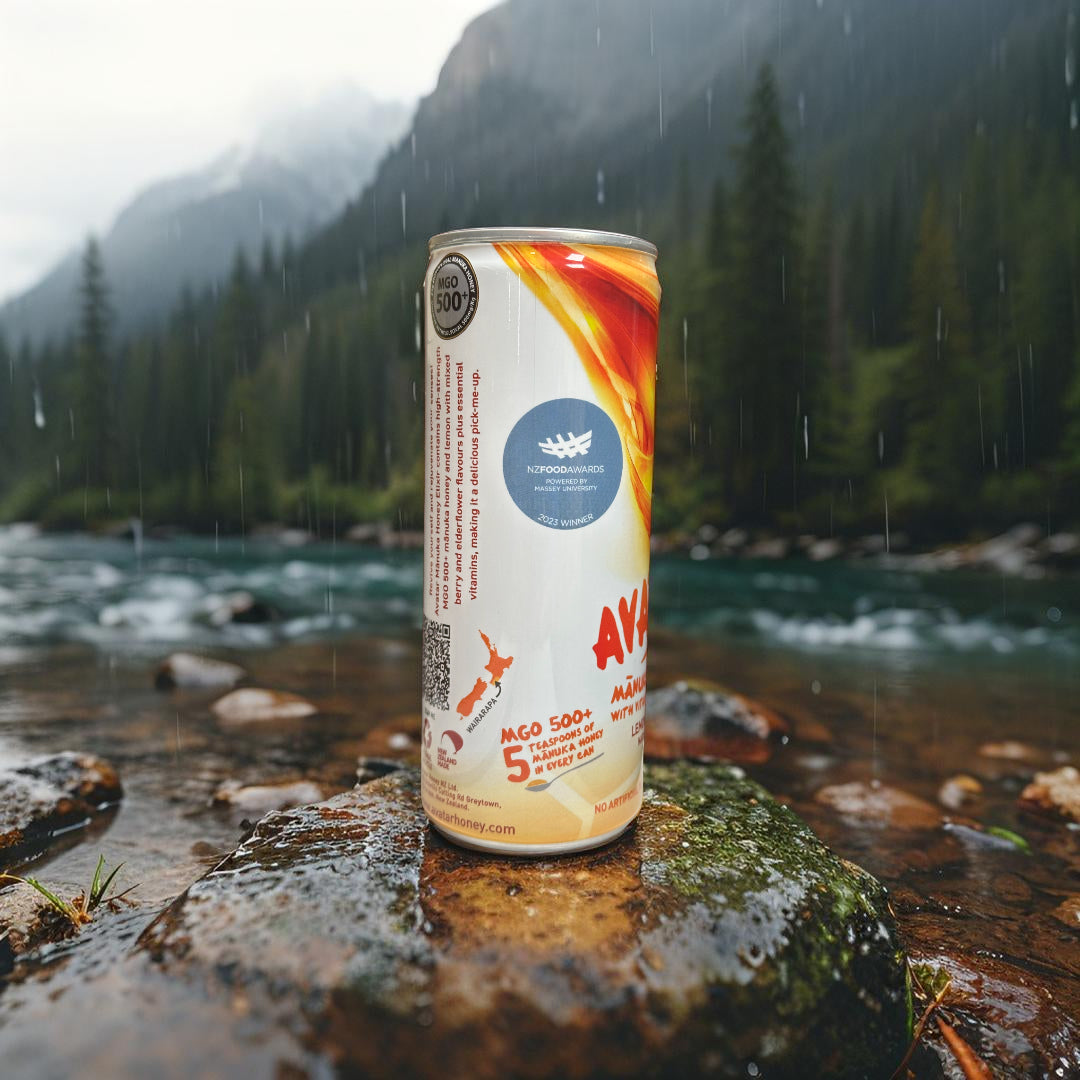
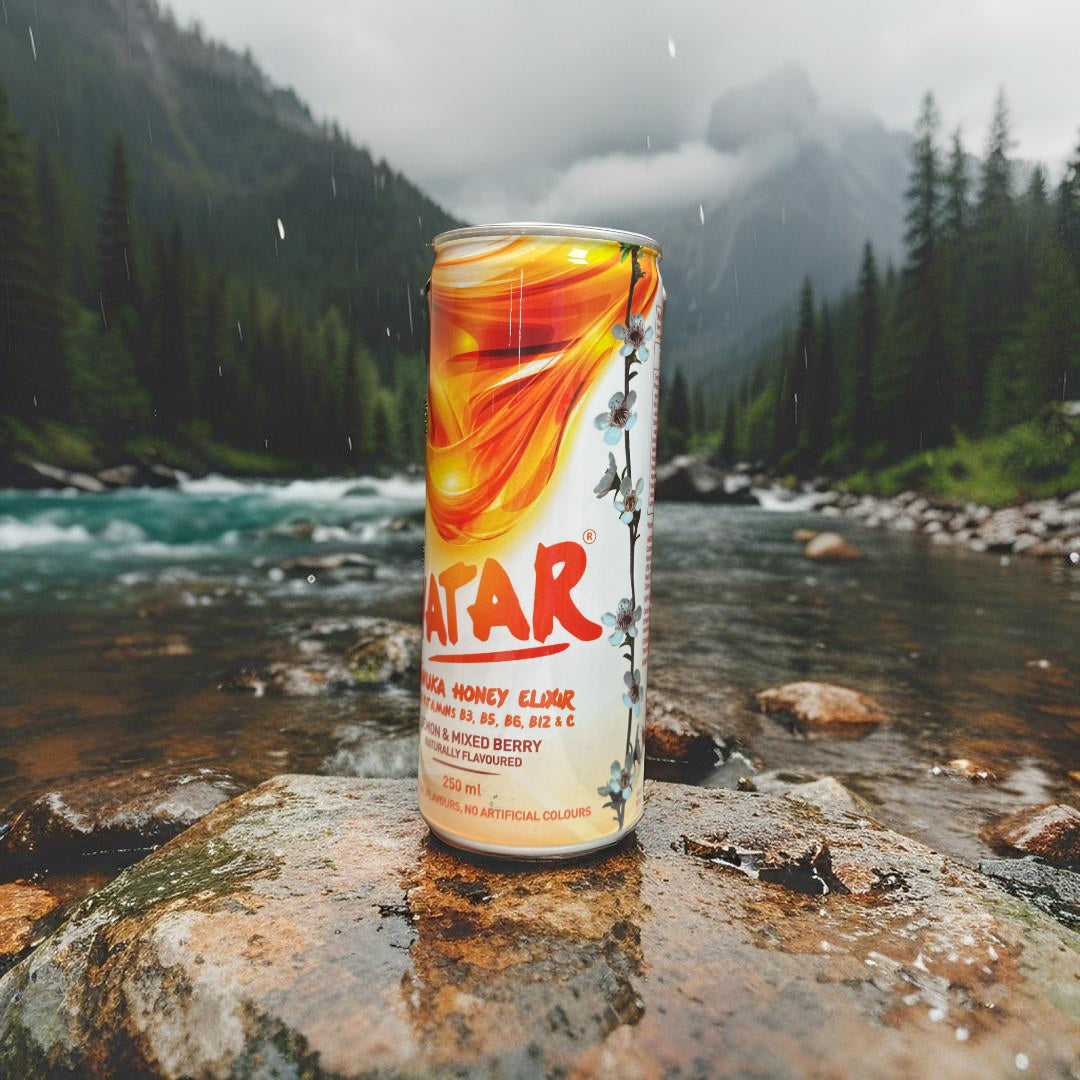
Avatar Elixir is a useful hybrid example. It is a lightly carbonated New Zealand Manuka honey drink made with certified MGO500+ Manuka honey, lemon, elderflower, B vitamins, vitamin C, and clean caffeine. Those ingredients and its ready-to-drink format place it within the broad functional beverage space.
Its citrus, floral elderflower, honeyed character, and gentle carbonation also allow it to be served chilled over ice in a spritz-style presentation. Because the flavour profile can complement selected spirits or alcohol-free ingredients, it can also be used as a mixer.
Calling it a mixer does not remove its identity as a functional drink. Calling a serve a spritz does not mean the drink stops containing caffeine. Each term is describing a different part of the same experience:
- Functional drink: what the ingredient-led beverage is positioned to offer.
- Spritz: how it is presented and enjoyed.
- Mixer: how it is combined with something else.
How should shoppers evaluate a drink that fits more than one category?
Shoppers should evaluate the actual label, flavour profile, serving instructions, and intended occasion rather than relying on category words. Terms such as “spritz,” “elixir,” “mixer,” and “functional” provide context, but they do not replace the ingredient list or nutrition information.
- Check whether it contains caffeine.
Do not assume that a mixer or spritz is caffeine-free. Likewise, not every functional drink is caffeinated. Read the packaging for the caffeine source and amount, especially if you are sensitive to caffeine or serving the drink later in the day.
- Confirm whether it contains alcohol.
The word “spritz” can describe alcoholic and alcohol-free drinks. A mixer may be alcohol-free in the bottle but served with a spirit. Confirm the final drink, not just the base beverage.
- Consider sweetness and acidity.
A sweet mixer can make an already sweet drink feel heavy, while a dry or citrus-led option can create a fresher result. Honey provides a different flavour character from a plain sugar syrup, bringing aroma and depth as well as sweetness.
- Look at the carbonation level.
Strong carbonation can add lift to a mixed drink. Light carbonation creates a softer texture that may work better for slow sipping or delicate flavours such as elderflower and lemon.
- Match the format to the occasion.
A ready-to-drink can is practical for work, study, travel, or outdoor occasions. A mixer may be more suitable when guests want to build their own drinks. A spritz-style serve can make the same beverage feel more considered at lunch, dinner, or a gathering.
How can each type of drink be served well?
Serve a mixer in a balanced combination, a spritz cold and freshly poured, and a functional drink according to its flavour, caffeine content, and intended occasion. The best presentation should make the drink clearer and more enjoyable, not disguise what is in it.
How should a mixer be served?
A mixer should support rather than overwhelm the other ingredients. Start with a simple combination, taste it, and adjust the balance. Citrus peels, fresh lemon, herbs, or a small amount of fruit can add aroma without turning the drink into an overly complicated cocktail.
If the mixer is carbonated, add it near the end and stir gently. This helps retain more of its bubbles and keeps the serve fresh.
How should a spritz be served?
A spritz is best served well chilled, often over ice in a glass with enough room for carbonation and aroma. Lemon, elderflower, honey, and botanical flavours generally suit simple garnishes rather than heavy syrups or several competing ingredients.
An alcohol-free spritz can be as straightforward as a sparkling beverage over ice with a citrus garnish. An alcoholic version should still be described clearly so guests know what they are being offered.
How should a functional drink be served?
A functional drink can often be enjoyed directly from the chilled bottle or can, but pouring it into a glass makes its carbonation, aroma, colour, and sweetness easier to assess. If it contains caffeine, that remains relevant even when the beverage is poured over ice or used in a mixed serve.
Hosts should clearly identify caffeinated mixed drinks and mocktails. Guests may reasonably assume that an alcohol-free floral or fruit spritz is caffeine-free unless told otherwise. A simple menu note or verbal explanation is enough to prevent confusion.
Does “clean caffeine” mean the same thing as a functional drink?
No. “Clean caffeine” is an ingredient and positioning description, while “functional drink” is a broader beverage category. A functional drink may contain caffeine, but it may instead focus on electrolytes, vitamins, botanicals, or another ingredient profile.
The phrase “clean caffeine” does not establish a universal beverage format or serving style. Shoppers should still check the caffeine source and amount shown on the product packaging. They should also consider the full recipe, including sweetness, flavour, carbonation, and serving size.
Is a spritz always lower in sweetness than a mixer?
No. A spritz often has a light and refreshing image, but the name does not guarantee low sweetness. Some spritzes are dry and citrus-led, while others include sweet wine, liqueur, syrup, juice, honey, or a sweetened sparkling base.
Mixers vary just as widely. Soda water can contribute no sweetness, while tonic, ginger drinks, and flavoured mixers may taste noticeably sweet. The ingredient list and nutrition panel are more useful than the category name when sweetness matters.
What is the simplest way to choose between them?
Choose a mixer when you want to build a drink, a spritz when you want a light sparkling serve, and a functional drink when particular ingredients and a ready-to-drink format matter to you. If one beverage meets all three needs, decide according to the occasion rather than forcing it into a single category.
For work, study, travel, or a long day, the ready-to-drink format and caffeine information may be most important. At a social gathering, flavour, carbonation, alcohol status, and compatibility with other ingredients may matter more. In every setting, the label gives a clearer answer than the category name.
These practical points help with describing, pairing, and serving drinks that cross traditional beverage categories.
How should a hybrid drink be described on a menu?
Describe the finished serve first, then state the details guests need to know. For example, Avatar Elixir could be described as a lightly sparkling Manuka honey drink with lemon, elderflower, and caffeine. Clearly identify whether the final serve contains alcohol, because alcohol status and caffeine content are separate considerations.
What should I pair with a Manuka honey and elderflower mixer?
Choose simple ingredients that complement its citrus, floral, and honeyed character rather than adding competing sweetness. Fresh lemon, a restrained herbal garnish, or a suitable alcohol-free base can work well. When using a lightly carbonated drink such as Avatar Elixir, add it near the end and stir gently to preserve the bubbles.
Should hosts offer a caffeine-free option alongside a caffeinated spritz?
Yes, offering a caffeine-free alternative is considerate, particularly later in the day or when guests have different preferences. Clearly identify which mixed drinks contain caffeine, even when they are alcohol-free. Guests should not have to infer caffeine content from words such as "spritz," "mixer," or "mocktail."