



Quick answer: Caffeine tastes bitter because it activates the bitter-sensitive part of our taste system. Premium drinks do not need to bury that bitterness under heavy sweetness. They can create balance by combining measured sweetness, bright acidity, botanical aroma, a cool serving temperature, controlled carbonation, and a clean finish.
The first sip of a caffeinated drink can go in two very different directions. One feels sharply bitter, aggressively sweet, or both at once. The other has complexity: a little bitterness, enough sweetness to soften the edges, acidity that keeps the drink fresh, and aromas that make the flavour feel more complete.
This difference is not simply about adding more sugar or using less caffeine. A composed premium beverage treats bitterness as one part of the overall sensory experience. Understanding how each flavour lever works can help you compare energy drinks, sparkling honey drinks, and other caffeinated beverages more thoughtfully.
Why caffeine has a naturally bitter taste
Bitterness is an inherent sensory characteristic of caffeine. When caffeine is present in a drink, the mouth can perceive it through bitter taste receptors. The exact experience varies between people, but caffeine is generally more noticeable when a beverage gives it little sweetness, acidity, aroma, or texture to interact with.
Bitterness is not automatically a flaw. Coffee, dark chocolate, tonic-style drinks, citrus peel, and many botanicals all use some degree of bitterness to create depth. The challenge for a drink maker is deciding whether the bitterness feels integrated or whether it dominates the sip.
Caffeine bitterness can become particularly obvious in a lightly flavoured beverage. Water alone gives the bitter note nowhere to hide, while excessive sweetener may produce a different problem: the drink can taste sticky or tiring without truly resolving the bitter finish.
Balance is different from simply masking bitterness
Masking tries to cover a flavour, while balancing gives that flavour context. A heavily sweetened drink may reduce the immediate perception of caffeine bitterness, but sweetness can also take over the whole experience. The result may be a strong sweet opening followed by bitterness returning at the end.
A balanced drink aims for a more connected progression:
- Aroma creates the first flavour expectation.
- Sweetness adds roundness to the opening sip.
- Acidity provides brightness and contrast.
- Carbonation adds lift and movement.
- Bitterness contributes structure without becoming the only lasting note.
- The finish determines whether you want another sip.
No single ingredient is responsible for the entire result. Premium beverage balance comes from how all these sensations meet, overlap, and fade.
How sweetness softens caffeine bitterness
Sweetness can reduce the prominence of bitterness, but more is not always better. A modest amount of sweetness rounds sharp edges and gives the drink a fuller centre. Too little may leave caffeine feeling exposed, while too much can flatten citrus, obscure botanicals, and make the drink feel heavy.
The source of sweetness also affects the character of a beverage. A honey-based drink can bring more than a simple sweet sensation. Honey may contribute floral, warm, or gently earthy flavour notes, depending on the honey and the wider ingredient combination.
In a Manuka honey drink, it is useful to assess sweetness as part of the whole sip rather than judging it in isolation. Ask whether the honey character supports the acidity and aroma, or whether sweetness is the first and last thing you notice.
Sweetness does not chemically erase the taste of caffeine in the glass. From a drinking perspective, it creates contrast and can make bitterness feel less dominant.
Why acidity makes a caffeinated drink feel brighter
Acidity provides contrast to both sweetness and bitterness. Citrus ingredients such as lemon can sharpen the flavour outline, lift the aroma, and prevent sweetness from lingering too heavily. This is one reason lemon works naturally in honey-based drinks.
Too little acidity can leave a sweet caffeinated drink feeling broad or dull. Too much can create a sour, pointed sip, particularly when carbonation adds another layer of sharpness. The aim is not maximum tartness. It is enough brightness to keep the palate refreshed.
Acidity can also change how you interpret bitterness. In a balanced drink, citrus and caffeine may create a crisp adult profile. If the acidity, bitterness, and carbonation all peak at once, however, the drink may feel hard or overly angular.
Botanical aroma changes the way bitterness is experienced
Aroma shapes flavour before the liquid fully reaches your tongue. Floral, citrus, herbal, and fruit-like aromas establish expectations and add detail to a caffeinated drink. They do not remove bitterness, but they can prevent it from feeling isolated.
Elderflower is a useful example. Its floral and lightly fruit-like aromatic character can sit above denser honey notes and brighter lemon. Depending on the complete drink and the individual tasting it, this may create a more layered impression than sweetness and caffeine alone.
Botanical aroma needs restraint. Too little may disappear behind sweetness or citrus. Too much can become perfumed and distract from refreshment. Premium drinks often feel composed because no single aroma demands all the attention.
Serving temperature can soften or expose flavour
Chilling generally makes sweetness and aroma feel less forceful while giving a drink a crisper overall impression. A cold serving temperature can make caffeine bitterness seem cleaner and less expansive, although it does not remove the caffeine or fundamentally change what is in the drink.
Temperature also affects balance. A beverage served too warm may reveal more sweetness, bitterness, and aroma at once. That can make some energy drinks feel syrupy or medicinal. At the other extreme, serving a drink extremely cold can mute the ingredient detail that distinguishes a premium beverage.
For comparison tasting, cool the drink properly but avoid relying on ice to hide its flavour. Ice also dilutes the beverage over time, which changes sweetness, acidity, carbonation, and bitterness together.
Carbonation adds lift, dryness, and bite
Carbonation can make a caffeinated drink feel lighter and more refreshing, but it also contributes its own sharp sensation. Fine or light carbonation can lift citrus and botanical aromas while breaking up dense sweetness. This often helps a honey-based drink feel more agile on the palate.
Strong carbonation may amplify the impression of acidity and create a more forceful bite. When caffeine bitterness is already prominent, excessive fizz can make the whole drink seem aggressive. Too little carbonation, meanwhile, may leave a sweet beverage feeling flat or weighty.
The best level depends on the intended style. A premium sparkling drink does not need to be intensely fizzy. Carbonation can work as a supporting texture rather than the main event.
The finish reveals whether the drink is truly balanced
The finish is the flavour and sensation left after you swallow. This is often where caffeine bitterness becomes most apparent. A drink may have a sweet, aromatic opening but leave a dry or persistent bitter note once the other flavours fade.
A balanced finish does not have to be flavourless. It might retain a gentle honey warmth, citrus freshness, floral aroma, mild bitterness, or a clean sparkling sensation. What matters is whether those elements fade in proportion.
When comparing premium caffeinated drinks, wait several seconds between sips. Notice whether the finish feels clean and inviting, cloyingly sweet, sharply sour, or increasingly bitter. The aftertaste often tells you more about balance than the first instant of flavour.
A compact guide to the main sensory levers
| Element | Too little may taste like | Too much may taste like | Balanced application may taste like |
|---|---|---|---|
| Sweetness | Exposed, thin, sharply bitter | Heavy, sticky, one-dimensional | Rounded, integrated, gently full |
| Acidity | Flat, broad, overly sweet | Sour, pointed, hard | Bright, fresh, structured |
| Botanical aroma | Plain or indistinct | Perfumed or distracting | Layered, lifted, expressive |
| Chilling | Warm, expansive, potentially syrupy | Muted, with limited ingredient detail | Crisp, clear, refreshing |
| Carbonation | Flat or weighty | Aggressive, prickly, sharply acidic | Lively, light, gently dry |
| Bitterness in the finish | Little structure or adult complexity | Harsh, lingering, dominant | Clean, restrained, purposeful |
These descriptions are guides rather than fixed rules. Taste perception differs, and the same drink can feel different depending on temperature, food pairing, serving format, and your sensitivity to sweetness or bitterness.
Evaluating Avatar Elixir as an ingredient-led example
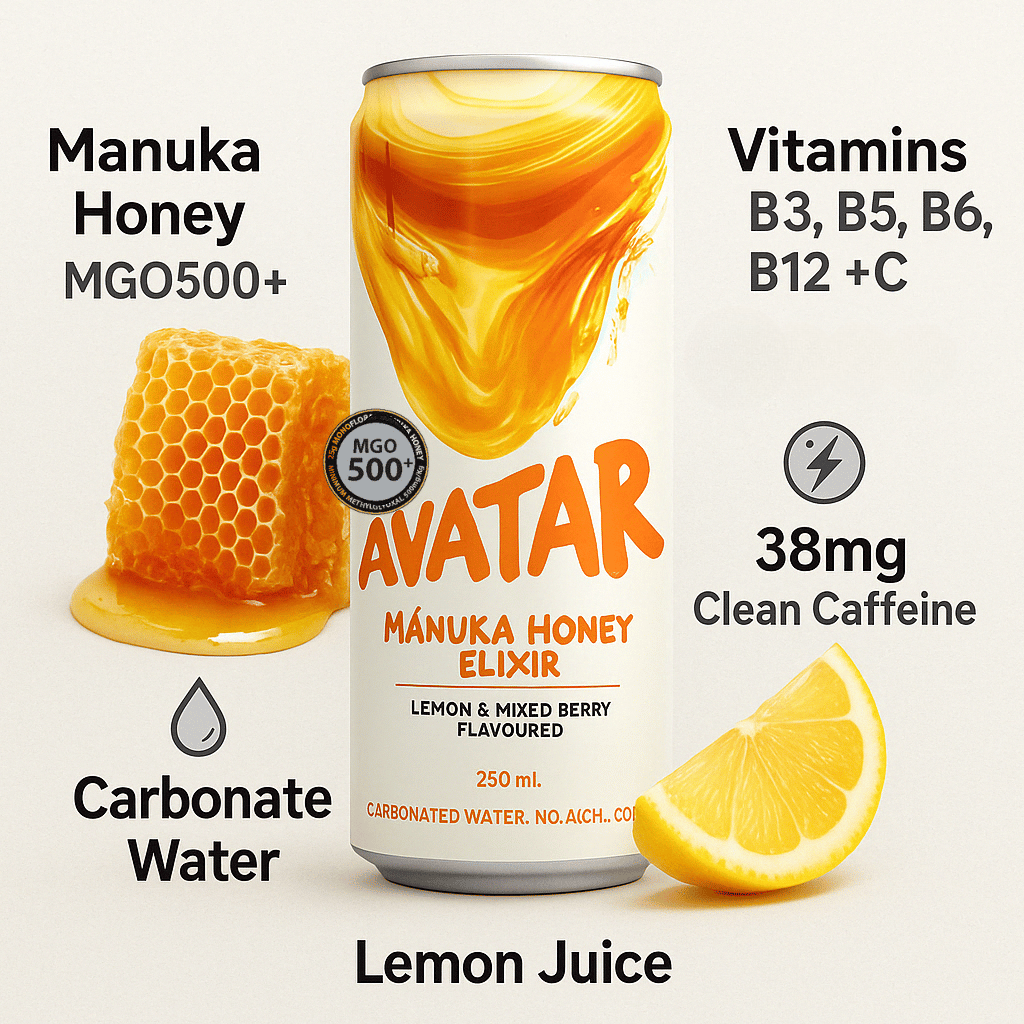
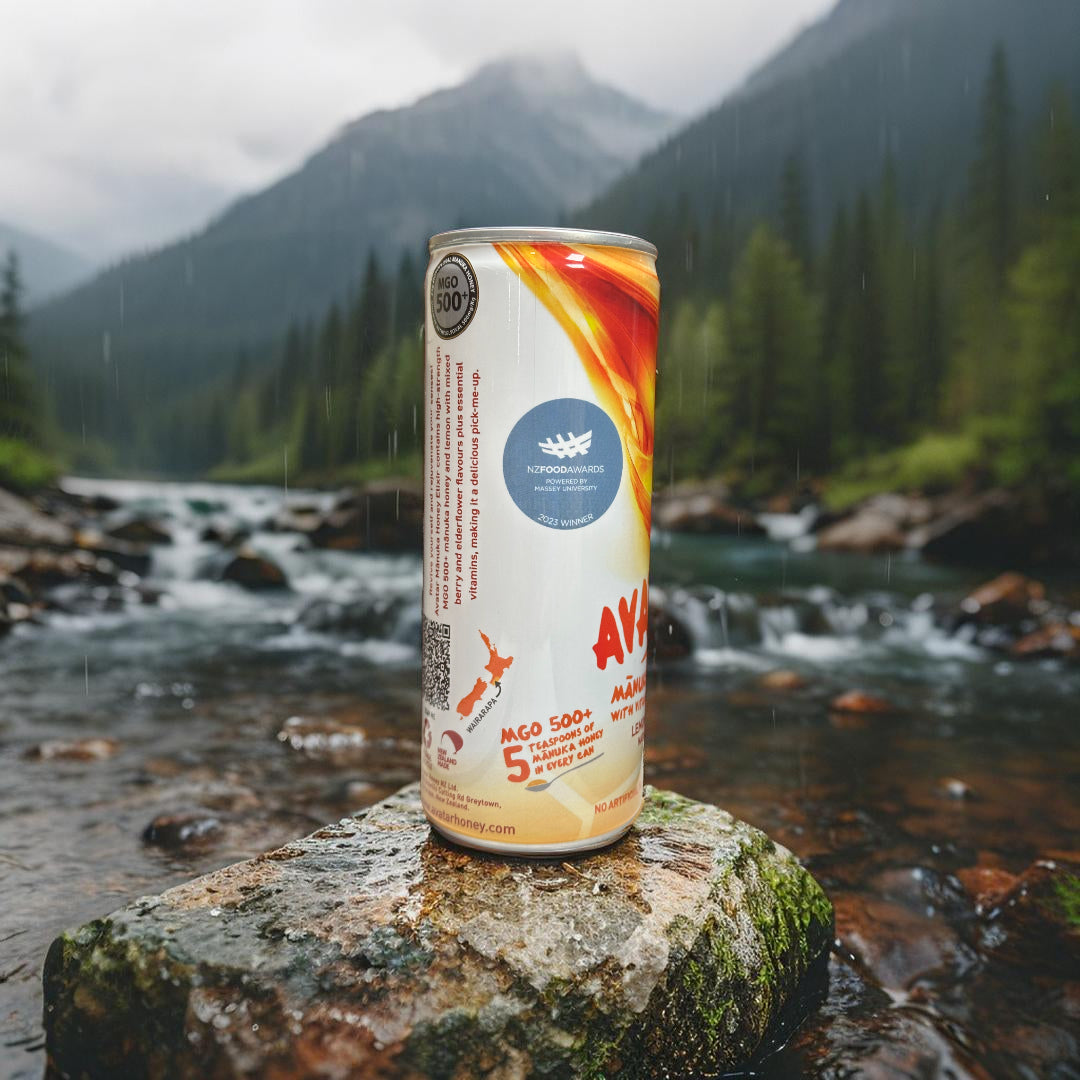
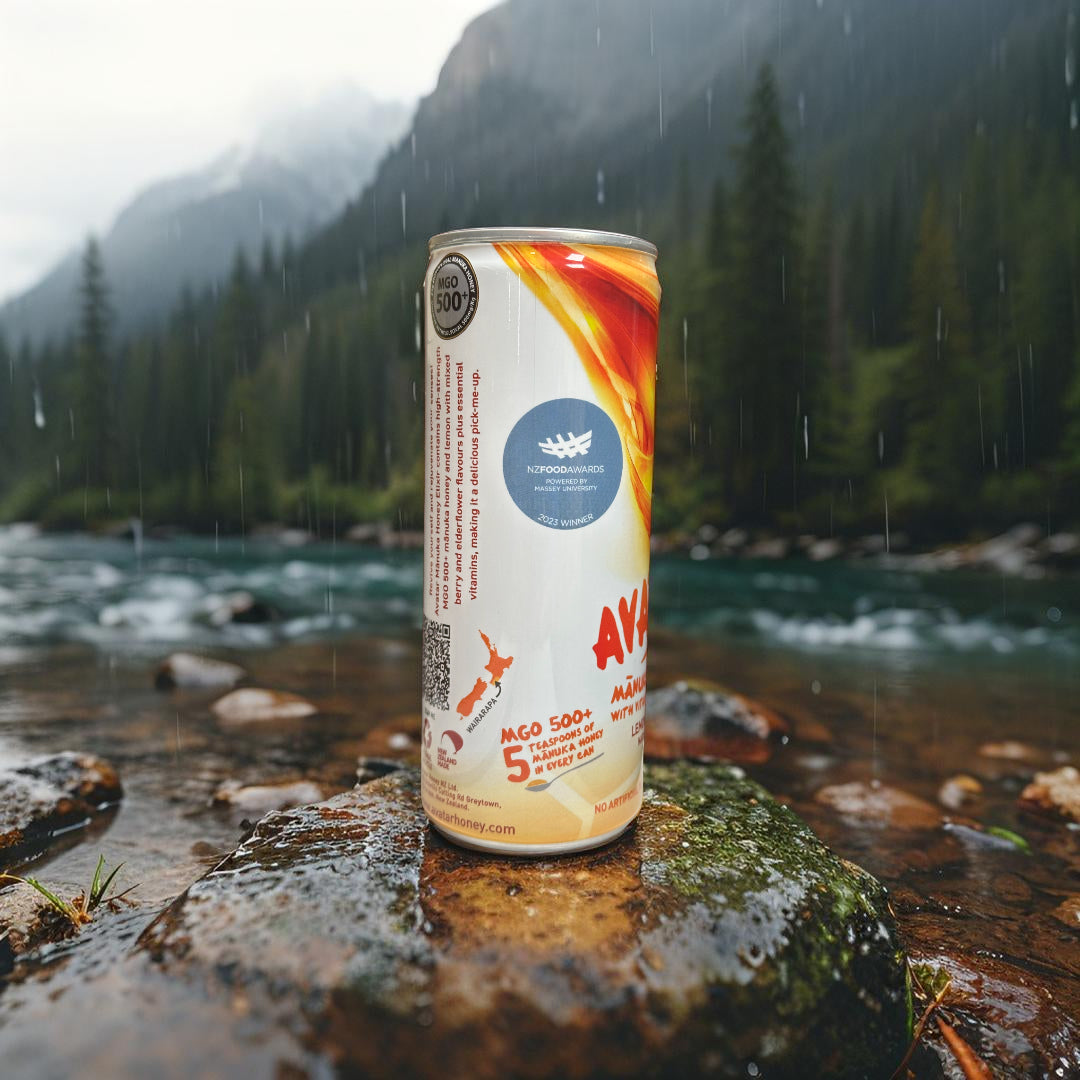
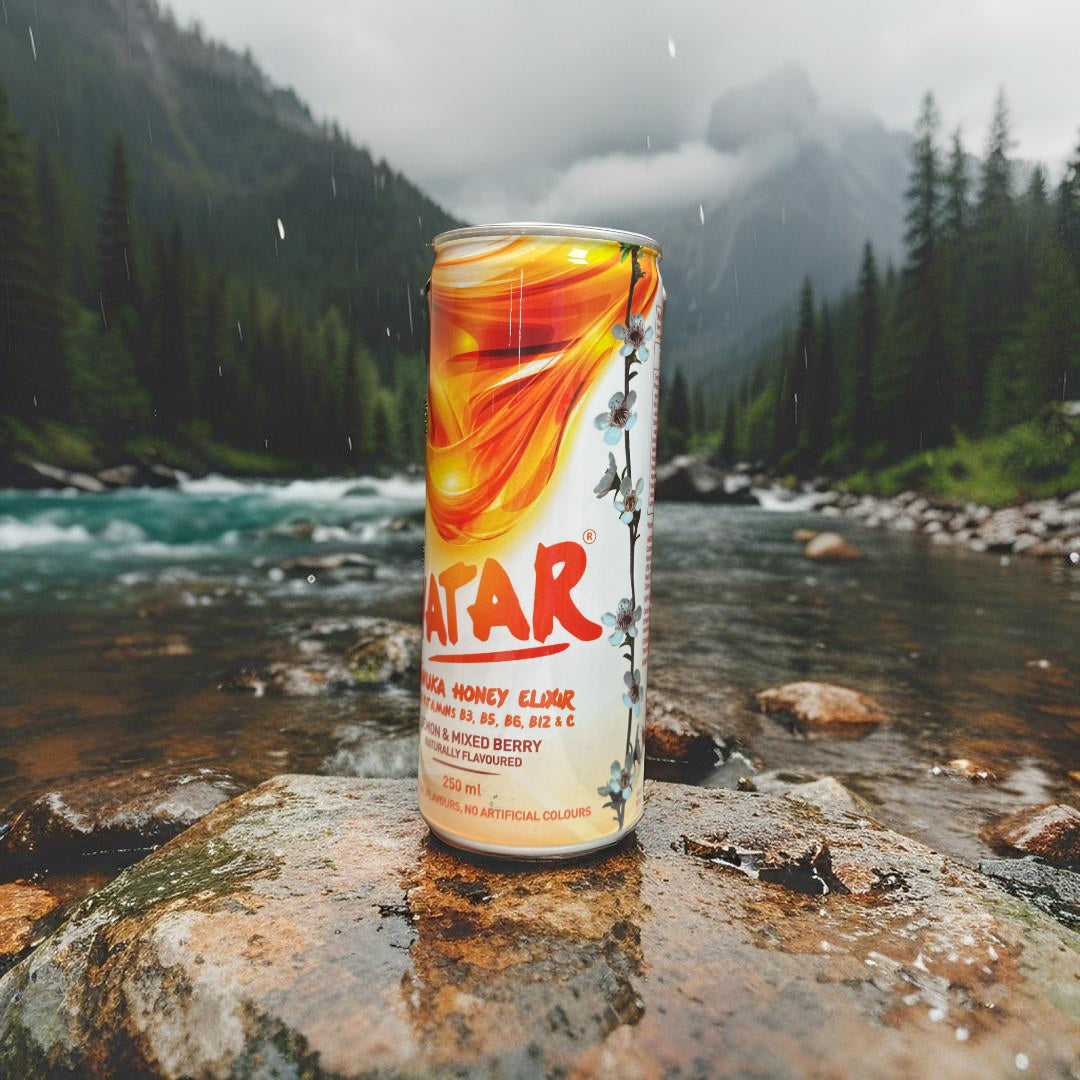
Avatar Elixir brings together certified MGO500+ Manuka honey, lemon, elderflower, natural caffeine, B vitamins, vitamin C, and lightly carbonated water. This combination offers a practical way to consider beverage balance without reducing the experience to sweetness alone.
When tasting it, you can consider how the Manuka honey contributes sweetness and flavour depth, how lemon provides acidity, and how elderflower adds a botanical aromatic layer. Light carbonation can then influence freshness and texture, while caffeine contributes part of the drink’s bitter structure.
The useful question is not whether one ingredient completely hides another. It is whether the elements feel connected across the opening, middle, and finish. One person may notice honey first, while another may be more sensitive to citrus, elderflower, carbonation, or caffeine bitterness.
This ingredient-led approach distinguishes a composed honey beverage from an energy drink that relies mainly on intense sweetness and a strong flavour hit. It also gives you more specific qualities to assess when choosing a drink for work, study, travel, a long afternoon, or a premium mixer.
Try this simple chilled-sip tasting exercise
A short tasting exercise can help you identify bitterness without judging the drink from a single large mouthful. Use a properly chilled beverage and a clean glass if you want to observe the aroma and carbonation more clearly.
- Read the label first. Confirm that the drink contains caffeine and note the listed flavour ingredients. This gives you context without deciding in advance what you must taste.
- Smell before sipping. Look for citrus, floral, honeyed, herbal, or other aromatic impressions. Avoid forcing a specific description if it is not obvious to you.
- Take one small chilled sip. Notice the first sensation. Is it sweetness, acidity, fizz, aroma, or bitterness?
- Hold the next sip briefly. Pay attention to the middle of the flavour. Consider whether the sweetness feels rounded, whether the acidity stays fresh, and whether carbonation feels light or forceful.
- Wait before sipping again. Observe the finish for several seconds. Caffeine bitterness may become clearer after sweetness and aroma begin to fade.
- Let the drink warm slightly. Take another small sip and compare it with the colder one. You may notice changes in sweetness, aroma, bitterness, and carbonation.
Use neutral language during the exercise. Instead of immediately deciding that bitterness is “bad,” describe whether it is short, persistent, clean, rough, integrated, or dominant. This makes it easier to identify what you actually prefer.
What to look for in a premium caffeinated drink
A premium caffeinated drink should give you more to evaluate than sweetness intensity. Ingredient quality matters, but the sensory relationship between ingredients is what you experience in the glass or can.
- A clear flavour identity: You can recognise the intended citrus, honey, fruit, or botanical character.
- Controlled sweetness: Sweetness supports the flavour rather than coating the palate.
- Useful acidity: Brightness keeps the drink lively without turning sharply sour.
- Integrated bitterness: Caffeine does not feel detached from the rest of the sip.
- Appropriate carbonation: Fizz lifts the beverage without overpowering its aroma or finish.
- A composed aftertaste: No single sensation becomes unnecessarily harsh or persistent.
Personal preference still matters. Some adults enjoy a dry, bitter finish, while others prefer more honeyed roundness or citrus brightness. The mark of balance is not that every flavour disappears. It is that the drink presents those flavours in a deliberate, drinkable relationship.
Bitterness can belong in a better drinking experience
Caffeine tastes bitter, but bitterness does not need to be smothered by overwhelming sweetness. When sweetness, acidity, botanical aroma, temperature, carbonation, and finish are considered together, caffeine can become part of a more structured and grown-up flavour profile.
The most useful way to judge a premium caffeinated beverage is to slow down for a few sips. Notice what arrives first, what holds the centre, and what remains after swallowing. A well-balanced drink gives bitterness a place without letting it take over.
These follow-up points help you interpret caffeine bitterness and assess a drink in different serving situations.
Does natural caffeine taste less bitter?
Natural caffeine is still inherently bitter, so its source alone does not determine how smooth a finished drink will taste. Sweetness, acidity, aroma, temperature, carbonation, and your own sensitivity all influence how prominently you perceive that bitterness.
Can bitterness tell me how much caffeine a drink contains?
Bitterness alone is not a reliable guide to caffeine content. Other ingredients can soften or emphasise bitter notes, and people vary in their sensitivity. Check the beverage label for caffeine information rather than trying to estimate it from flavour.
Should I taste a caffeinated drink from a glass or can?
A clean glass is useful for focused tasting because it makes the aroma and carbonation easier to observe. Drinking from the original container can still suit everyday use, but it may provide less aromatic detail when you are comparing honey, citrus, botanical, and bitter notes.
Can Avatar Elixir be evaluated as a premium mixer?
Yes, but taste Avatar Elixir chilled on its own first to understand its baseline balance of MGO500+ Manuka honey, lemon, elderflower, natural caffeine, and light carbonation. Any ingredient added to a mixed drink can change its sweetness, acidity, aroma, fizz, and finish, so assess the complete serve rather than the mixer in isolation.